Ozempic and Sleep Apnea: What to Know About CPAP
Weight-loss medications have sparked a common (and understandable) question: if the scale is moving and snoring is improving, can you finally retire the CPAP?
Below is an evidence-based, patient-friendly look at Ozempic and sleep apnea, what changes are realistic, and how to think about CPAP safely and objectively—without guessing based on symptoms alone.
Medical note: This article is for education and general information only. It’s not a substitute for medical advice, diagnosis, or treatment. Don’t change CPAP or medications without guidance from your clinician.
Quick Answer (TL;DR)
In most cases, continuing CPAP is recommended while taking Ozempic until your clinician reviews your progress and objective testing (often a repeat sleep study) shows improvement. Improvements in snoring or daytime energy can be encouraging, but they don’t reliably prove that obstructive sleep apnea has resolved.
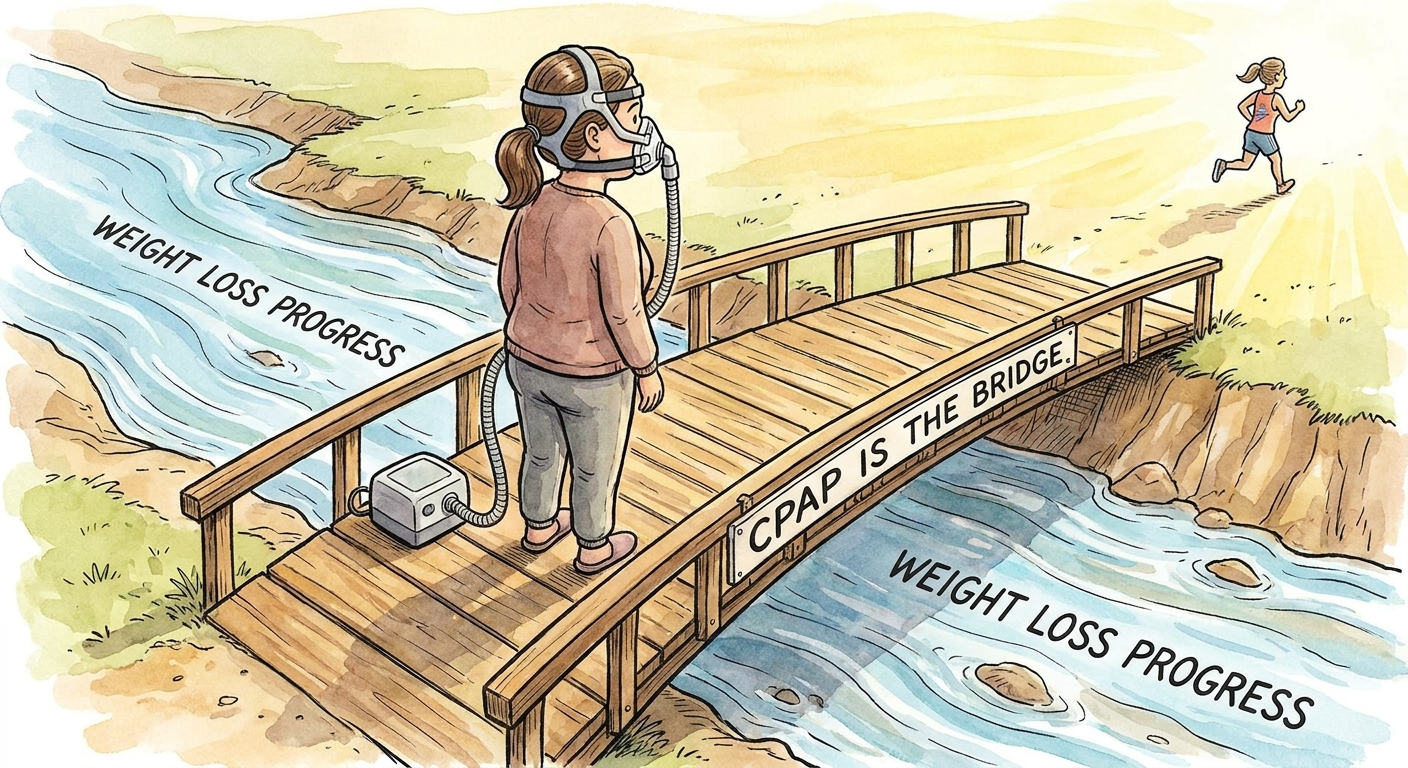
A helpful way to think about it: weight loss may change the “terrain,” but CPAP is the “bridge” keeping your airway open every night until you can confirm the river is truly lower.
Why People Ask This Question
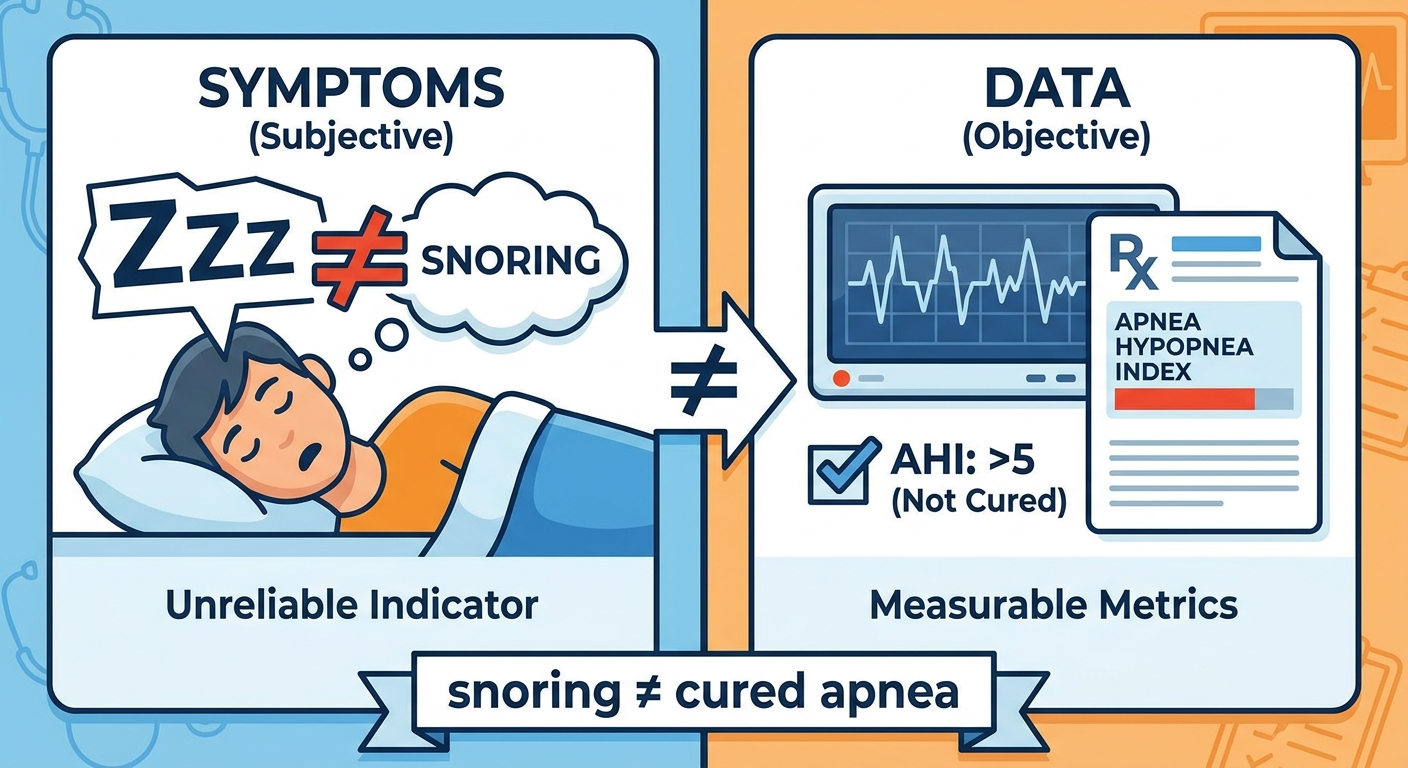
“My snoring is better—does that mean my sleep apnea is gone?” Not necessarily. Snoring is a sound caused by vibration in the upper airway. Obstructive sleep apnea (OSA) is a pattern of repeated breathing interruptions (apneas/hypopneas)—and it can continue even when snoring decreases. Some people snore less but still have meaningful oxygen drops or frequent arousals that fragment sleep.
A key concept here is the difference between symptoms and measured breathing events. Your sleep study reports an AHI (apnea-hypopnea index), which reflects how often breathing disruptions occur. For a quick refresher, see AHI score (sleep apnea severity): https://sleepandsinuscenters.com/blog/ahi-score-explained-understanding-your-sleep-apnea-severity
CPAP feels like a “forever” treatment—can weight loss change that? CPAP can be life-changing, but it’s also a real adjustment—mask fit, tubing, travel planning, and the simple desire to sleep “normally” again.
Weight loss can reduce OSA severity for some people, but it doesn’t guarantee that OSA disappears—because weight is only one of several contributors to airway collapse. A useful overview: Sleep apnea and weight loss (ENT perspective): https://sleepandsinuscenters.com/blog/sleep-apnea-and-weight-loss-ent-perspective
- Bottom line: symptom changes are encouraging, but only a sleep study can confirm true improvement in OSA.
Obstructive Sleep Apnea (OSA) Basics (Patient-Friendly Refresher)
Common symptoms of OSA
- Loud snoring
- Gasping or choking during sleep
- Witnessed pauses in breathing
- Morning headaches, dry mouth
- Daytime fatigue, brain fog, mood changes
Many patients describe it in everyday terms: “I’m sleeping all night, but I wake up feeling like I ran a marathon.” That’s often the sleep fragmentation effect. OSA is also associated with cardiometabolic risks (like high blood pressure), which is one reason accurate diagnosis and follow-up matter—even when you “feel better.”
What causes airway collapse during sleep
- Weight-related soft tissue around the neck/airway
- Anatomy (jaw position, tongue size, airway shape)
- Nasal obstruction that increases resistance
- Alcohol/sedatives and back-sleeping, which can worsen collapse
Two people can lose the same amount of weight and see different outcomes: one airway may stay open more easily; another may still collapse due to jaw position or tongue-base crowding.
- Bottom line: multiple factors drive OSA, so weight loss alone doesn’t guarantee resolution.
What Ozempic Is—and What It Is Not
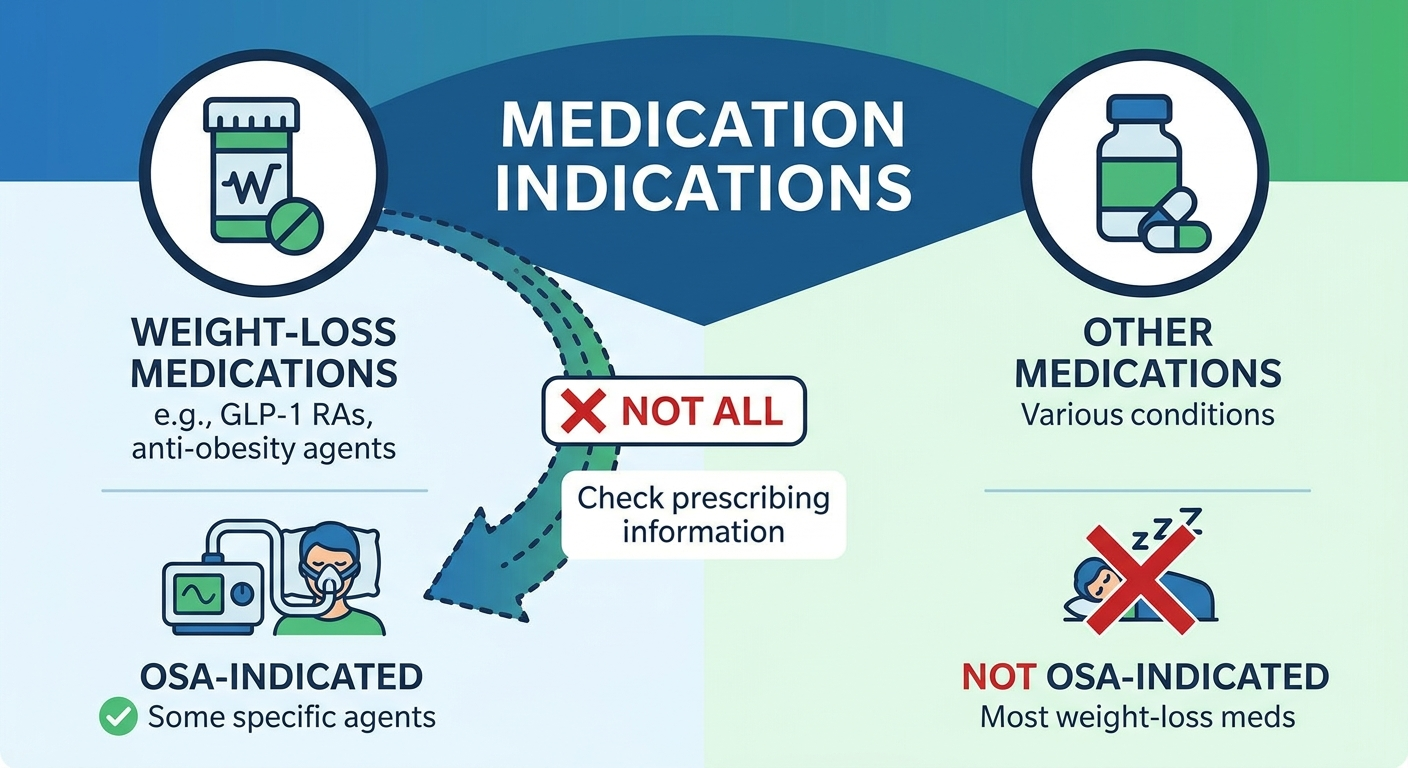
What Ozempic (semaglutide) is FDA-approved for: Ozempic is an injectable GLP‑1 receptor agonist approved for type 2 diabetes and risk reduction in certain cardiovascular populations, with specific dosing, warnings, and side effects in its FDA labeling. If you’re taking it, review side effects with your prescribing clinician—especially if nausea, reflux, or appetite changes affect sleep or CPAP comfort.
Ozempic is not FDA-approved to treat obstructive sleep apnea: This point is easy to miss in online discussions. That doesn’t mean weight loss can’t affect OSA; it means Ozempic is not an FDA-approved sleep apnea therapy.
You may also see this topic discussed as “semaglutide and sleep apnea”—usually referring to whether weight loss from semaglutide improves OSA metrics over time.
- Bottom line: Ozempic can support weight loss, but it isn’t an OSA-indicated treatment.
Can Ozempic Improve Sleep Apnea?
How semaglutide may help indirectly
- Less airway narrowing
- Fewer breathing events (lower AHI)
- Improved oxygen levels
- Reduced snoring
These benefits are not universal, but they’re consistent with the broader link between weight and OSA severity. A patient might notice: “I’m not waking up as much,” or “My partner says the snoring isn’t as loud.” Those can be encouraging signals—just not definitive proof.
Why weight loss doesn’t always “cure” OSA
- Jaw/tongue anatomy and airway shape
- Nasal resistance or chronic congestion
- Age-related changes in airway tone
- REM-related or positional apnea patterns
- Bottom line: weight loss can improve OSA severity for some, but it doesn’t reliably eliminate it.
Do You Still Need CPAP While Taking Ozempic?
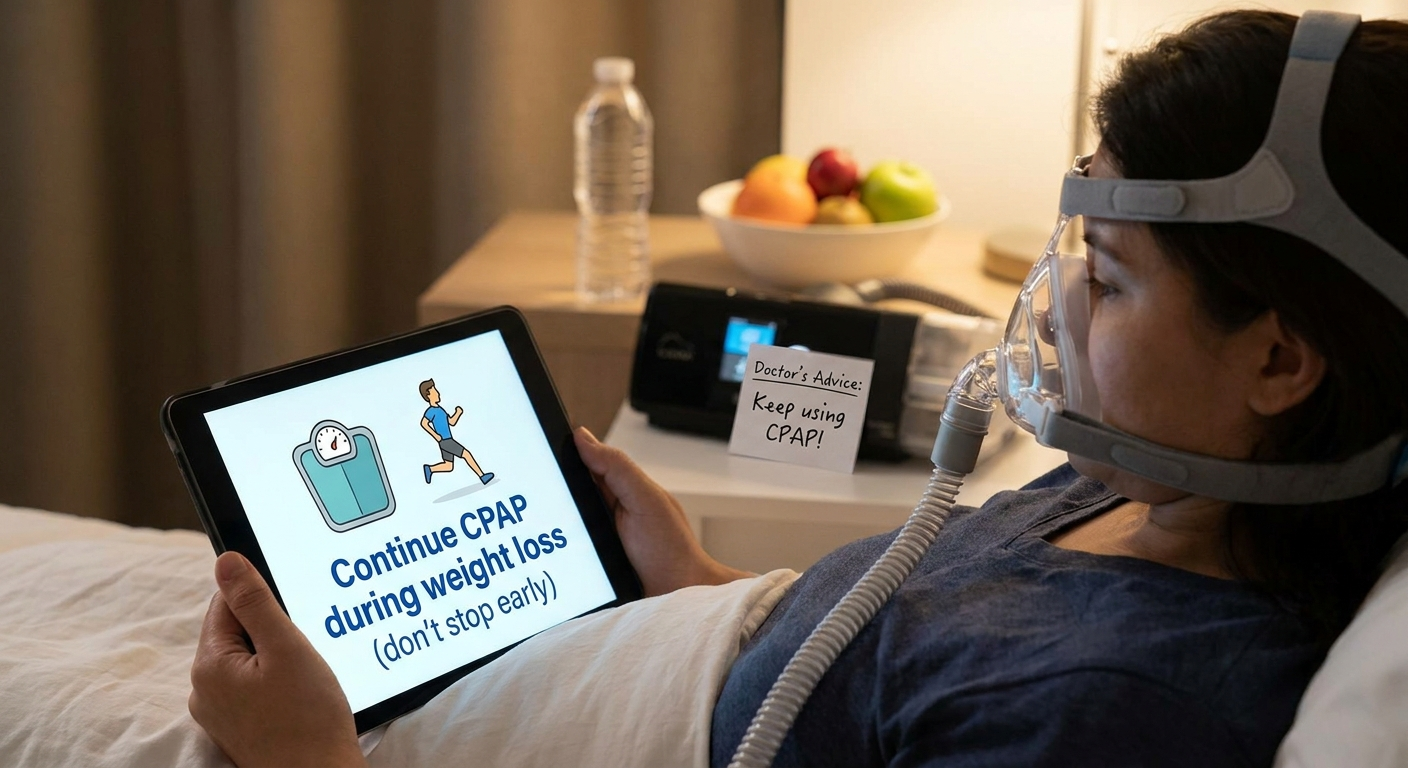
In most cases, yes—continue CPAP during weight loss. CPAP is designed to treat airway collapse tonight—regardless of where your weight is headed in the future. Stopping too early can allow OSA to return quickly, including oxygen drops and fragmented sleep that may not be obvious at first. A common clinical message: “If you stop CPAP before retesting, we’re flying without instruments.” You may feel okay for a while, but ongoing events can still stress the body.
Signs you should not use as your only “proof” you’re cured
- “I’m snoring less.”
- “I feel more rested.”
- “My smartwatch looks better.”
Consumer sleep trackers can be helpful for habits (bedtime consistency, total sleep time), but they are not designed to diagnose or exclude OSA with clinical accuracy.
What does justify reevaluating CPAP needs?
- Sustained weight loss over time (not just early changes)
- A clinician review of symptoms and CPAP data (usage, mask leak, residual AHI)
- Objective follow-up testing (repeat sleep study or a clinician-ordered home test when appropriate)
Helpful reads:
- When to repeat a sleep study: https://sleepandsinuscenters.com/blog/when-to-repeat-a-sleep-study-key-signs-and-timing-explained
- Home sleep test vs. lab sleep study: https://sleepandsinuscenters.com/blog/home-sleep-test-vs-lab-study-which-sleep-test-is-best-for-you
- Bottom line: most people are advised to continue CPAP until a clinician reviews results and objective testing shows improvement.
The Medication That Is FDA-Approved for OSA in Adults With Obesity (And Why It Matters)
Zepbound (tirzepatide) is the first FDA-approved medication for moderate-to-severe OSA with obesity. It’s important not to mix these medications up: Zepbound ≠ Ozempic.
Zepbound (tirzepatide) is FDA-approved for moderate-to-severe OSA in adults with obesity. In two 52-week randomized trials, tirzepatide was associated with clinically meaningful reductions in apnea severity (AHI) and body weight. Notably, the studies included participants using PAP therapy—suggesting medication can be additive for some people, not automatically a replacement.
Even with Zepbound, PAP may still be needed for some patients. Professional guidance emphasizes that while medication can meaningfully improve OSA severity for some, PAP may still play a role depending on residual disease, symptoms, and risk factors.
- Bottom line: Zepbound is OSA-indicated for adults with obesity, but many patients still benefit from PAP or combination therapy.
How to Safely Decide Whether You Can Reduce or Stop CPAP
Step 1 — Talk to your sleep clinician before changing anything
- Bring your weight trend, symptom changes, and CPAP download data (usage, mask leak, residual AHI) if available.
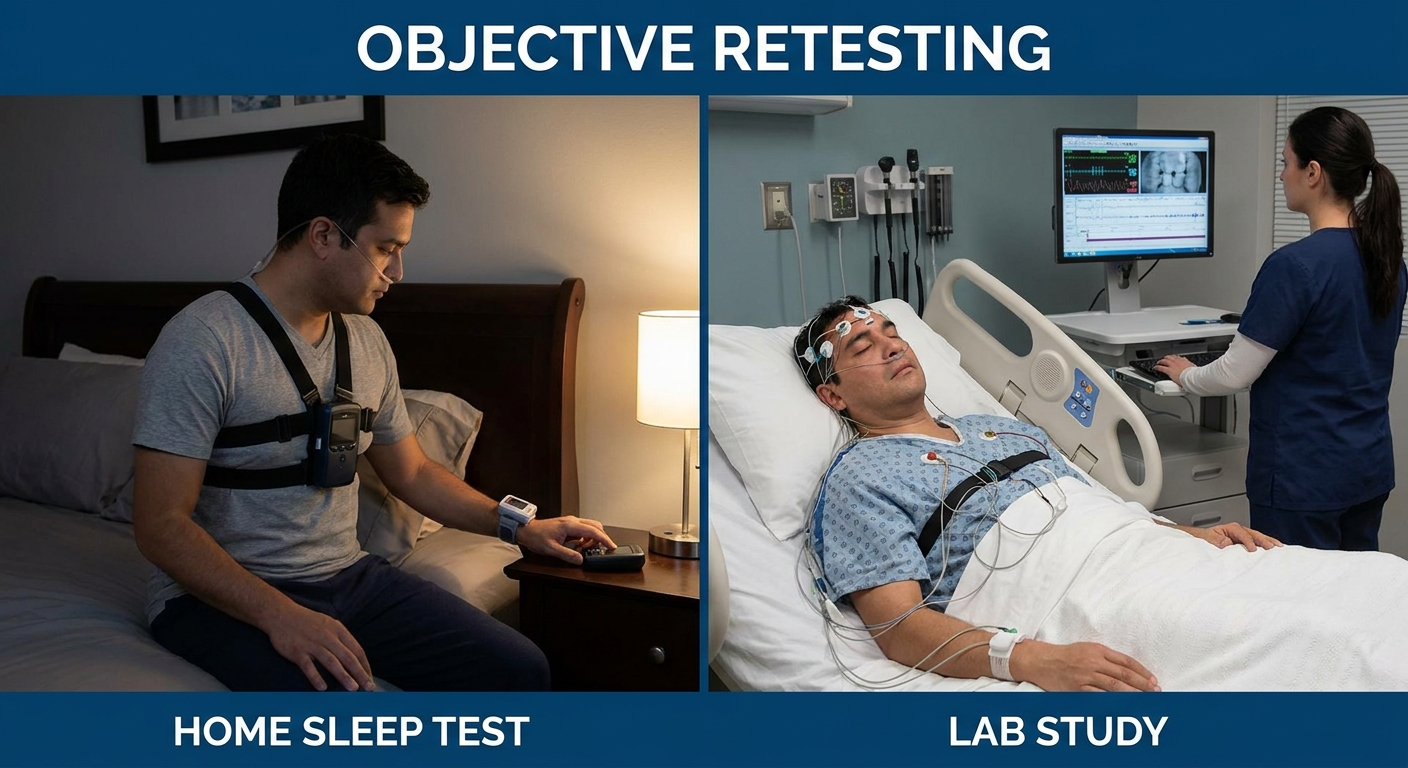
Step 2 — Get objective retesting (don’t guess)
- In-lab polysomnography or a clinician-ordered home sleep test (for appropriate candidates).
- “Improvement” may mean moving from severe to moderate, or moderate to mild—mild OSA can still matter depending on context.
Step 3 — If stopping is considered, do it with a plan
- Monitor for symptom return and consider follow-up testing if concerns reappear.
- Bottom line: let objective data and clinician guidance drive any CPAP changes.
Treatment Options If You’re Hoping to Use Less CPAP (or Improve Comfort)
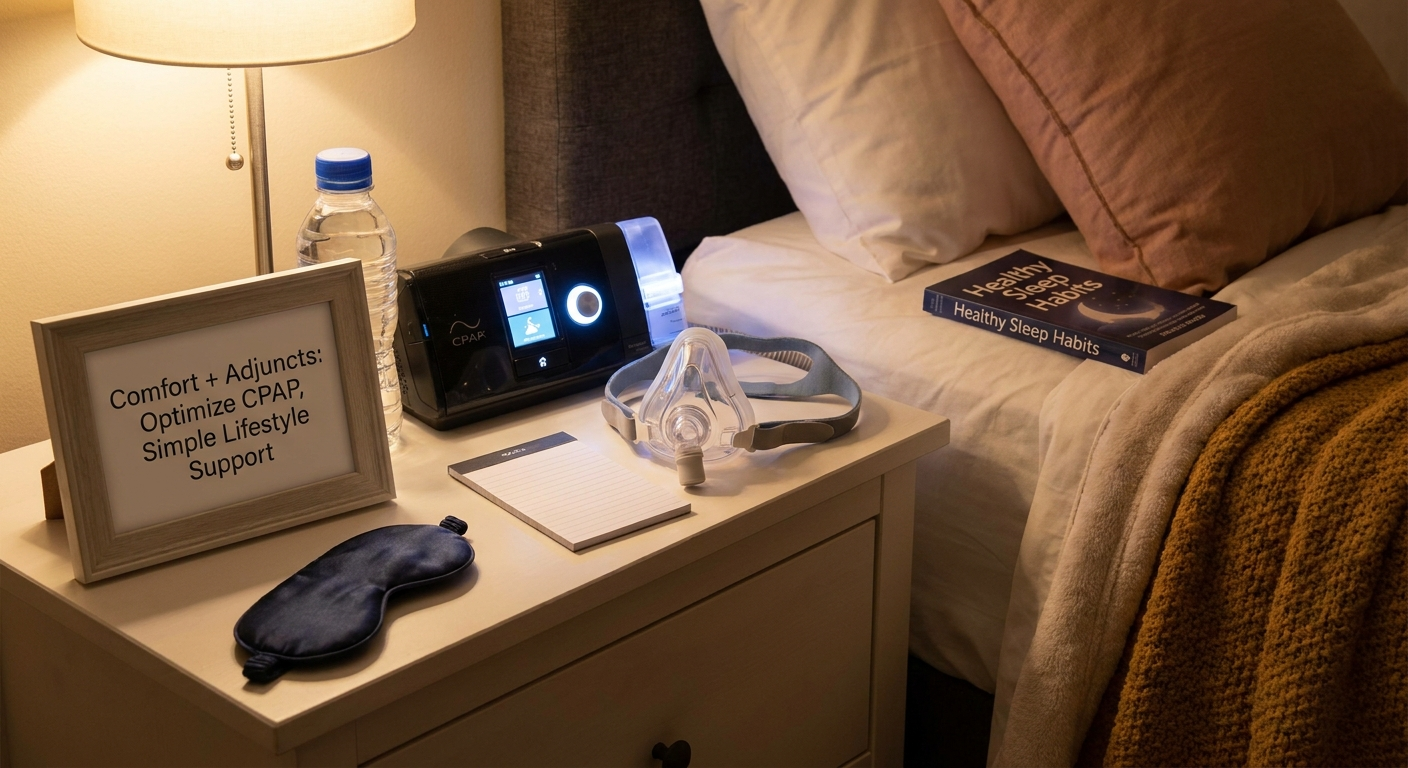
Optimize CPAP instead of quitting
- Mask refitting
- Humidification changes
- Clinician-supervised pressure setting updates
- Troubleshooting mouth leak or nasal dryness
For comfort help, see CPAP mask fit and sizing: https://sleepandsinuscenters.com/blog/cpap-mask-sizing-guide-find-the-perfect-fit-for-comfortable-sleep
Review treatment approaches: https://sleepandsinuscenters.com/snoring-sleep-apnea-treatment/
Non-CPAP options that may be considered for select patients
- Oral appliance therapy (mandibular advancement devices)
- Positional therapy (side-sleeping strategies/devices)
- ENT evaluation for contributing anatomy (nasal obstruction, tonsils, etc.)
Suitability depends on individual findings and objective testing.
Weight management as part of an OSA plan (medication + lifestyle). GLP‑1 medications may be one tool to support weight loss, and weight loss can help OSA severity for some people—but Ozempic is still not an OSA-indicated drug. More background: https://sleepandsinuscenters.com/blog/weight-loss-and-its-impact-on-sleep-apnea-key-benefits-and-insights
- Bottom line: if your goal is “less CPAP,” start by optimizing CPAP and confirming progress with testing; consider adjuncts only with clinician guidance.
Lifestyle Tips That Support Both Weight Loss and Better Sleep Apnea Control
Sleep-position and bedtime habit changes
- Side sleeping can reduce airway collapse for some people.
- Avoid alcohol near bedtime; it can worsen airway relaxation.
Nasal breathing support (especially for CPAP comfort)
- Saline rinses/sprays and allergy control can reduce nasal resistance.
- Bedroom humidity may help if dryness is an issue.
- Persistent congestion or suspected structural blockage is a common reason to consider ENT evaluation.
Better nasal breathing often improves CPAP tolerance—sometimes dramatically—because it reduces resistance and mouth leak.
Protect your sleep schedule during GLP‑1 side effects
- Medication timing and meal timing are common discussion points with the prescribing clinician.
- Bottom line: small habit shifts can boost both CPAP comfort and overall sleep quality.
FAQs
Can I stop CPAP once I’ve lost weight on Ozempic? Not without retesting in most cases. Weight loss can reduce OSA severity, but it doesn’t guarantee resolution—objective follow-up is the safest way to confirm improvement.
If my snoring is gone, do I still have sleep apnea? Possibly. Snoring can improve even when apnea events persist, so it’s not a reliable stand-alone marker.
How long should I wait before repeating a sleep study after weight loss? There isn’t a single universal timeline. Many clinicians consider retesting once weight loss is meaningful and stable, especially if symptoms and CPAP data suggest change.
Is Ozempic approved for sleep apnea? No. Ozempic’s FDA labeling does not list obstructive sleep apnea as an indication.
What medication is FDA-approved for sleep apnea in adults with obesity? Zepbound (tirzepatide) is FDA-approved for moderate-to-severe OSA in adults with obesity.
Could I switch from CPAP to medication alone? Some people may reduce reliance, but many still need PAP or combination therapy depending on residual OSA severity and symptoms. Decisions should be guided by follow-up testing.
- Bottom line: only your clinician—using objective data—can tell you if it’s safe to reduce or stop CPAP.
When to Call a Doctor (Safety Box)
- New or worsening daytime sleepiness (especially if driving feels risky)
- Waking up gasping/choking despite “feeling better”
- High blood pressure concerns, heart symptoms, or major CPAP intolerance
- You are considering stopping CPAP—don’t stop suddenly without clinical guidance
Conclusion — The Safest Path Forward
It’s encouraging when weight loss improves sleep quality, energy, and snoring. And yes—Ozempic and sleep apnea are connected in an important way: Ozempic may improve OSA indirectly through weight loss for some people. But Ozempic is not FDA-approved as an OSA treatment, and OSA doesn’t always resolve even after significant weight reduction.
Bottom line: continuing CPAP as primary therapy is generally advised until objective testing confirms improvement.
CTA: If you’re losing weight, noticing symptom changes, or wondering whether it’s time to retest, consider booking a sleep apnea follow-up. You can request an appointment with Sleep and Sinus Centers of Georgia here: https://www.sleepandsinuscenters.com/
Sources / References
- FDA press release: FDA approves first medication for obstructive sleep apnea — https://www.fda.gov/news-events/press-announcements/fda-approves-first-medication-obstructive-sleep-apnea
- American Academy of Sleep Medicine statement on Zepbound approval — https://aasm.org/zepbound-approval-sleep-apnea-american-academy-sleep-medicine-statement/
- FDA Ozempic (semaglutide) prescribing information (Drugs@FDA page) — https://www.accessdata.fda.gov/scripts/cder/daf/index.cfm?event=overview.process&ApplNo=209637
This article is for educational purposes only and is not medical advice. Please consult a qualified healthcare provider for diagnosis and treatment.
Talk with a Georgia ENT
Whether or not medication changes your CPAP needs, our board-certified ENT team can help you weigh CPAP alternatives like VOAT and Genio. Learn more about sleep apnea treatment options, or request an appointment.
Don’t let allergies slow you down. Schedule a comprehensive ENT and allergy evaluation at Sleep and Sinus Centers of Georgia. We’re here to find your triggers and guide you toward lasting relief.