Sinus Infection vs Allergies: Key Symptoms and How to Tell the Difference
You’re congested, there’s pressure in your face, and you’re going through tissues like it’s your job—but you still can’t tell what’s going on. Is it sinus infection vs allergies…or both?
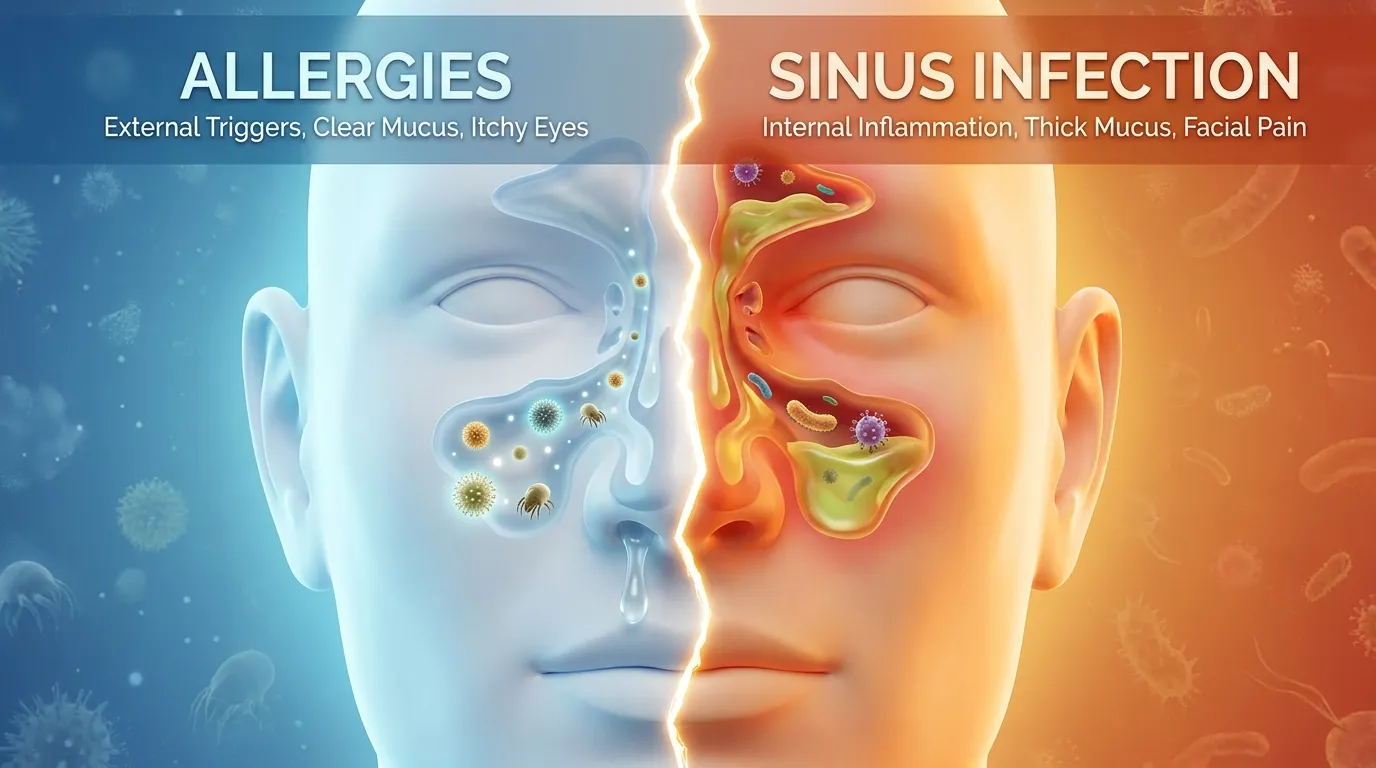
This confusion is common because both conditions can cause nasal congestion, runny nose, and postnasal drip. A few symptom patterns—especially itching, timing, and the overall symptom profile—can help suggest the likely cause, though they are not definitive. This guide breaks down the key differences, what to watch for day to day, and what typically happens next.
We’ll also cover red flags later, because some symptoms should be evaluated urgently. (Mayo Clinic, 2023; AAAAI)
The Quick Answer: Allergies vs Sinus Infection (At-a-Glance)
If you only read one section, make it this one.
Most suggestive of allergies (allergic rhinitis):
- Itchy, watery eyes
- Sneezing fits
- Clear, watery runny nose
- Symptoms track with seasons or exposures (pollen, pets, dust) (Mayo Clinic, 2023; AAAAI)
Example: You feel fine at work but start sneezing and rubbing your eyes when you get home to a cat—or after mowing the lawn—pointing to allergies.
Most suggestive of a sinus infection (sinusitis):
- Facial pain/pressure (often more prominent in sinusitis)
- Thick yellow or green nasal discharge (not diagnostic by color alone)
- Fever or malaise
- Symptoms >10 days without improvement or improve then get worse (“double-worsening”); consider evaluation (StatPearls/NCBI, 2025; Mayo Clinic, 2023)
Example: A “cold” improves, then suddenly worse pressure, thicker drainage, and fatigue—classic “better-then-worse” clue.
What Are Allergies vs What Is a Sinus Infection?
What allergies are (allergic rhinitis): Allergies happen when your immune system reacts to triggers like pollen, dust mites, mold, or pet dander, inflaming the nasal lining and causing itching, sneezing, and a runny nose. Think of allergies as an over-sensitive smoke alarm. (AAAAI; Krzych-Fałta et al., 2021)
More: What is allergic rhinitis (hay fever): https://sleepandsinuscenters.com/what-is-allergic-rhinitis-hay-fever
What a sinus infection is (sinusitis): Sinusitis is inflammation of the sinus lining. Many cases follow a viral cold that causes swelling and blocks drainage; not all sinusitis is bacterial. Timing and worsening patterns help raise or lower concern for bacterial causes. (StatPearls/NCBI, 2025)
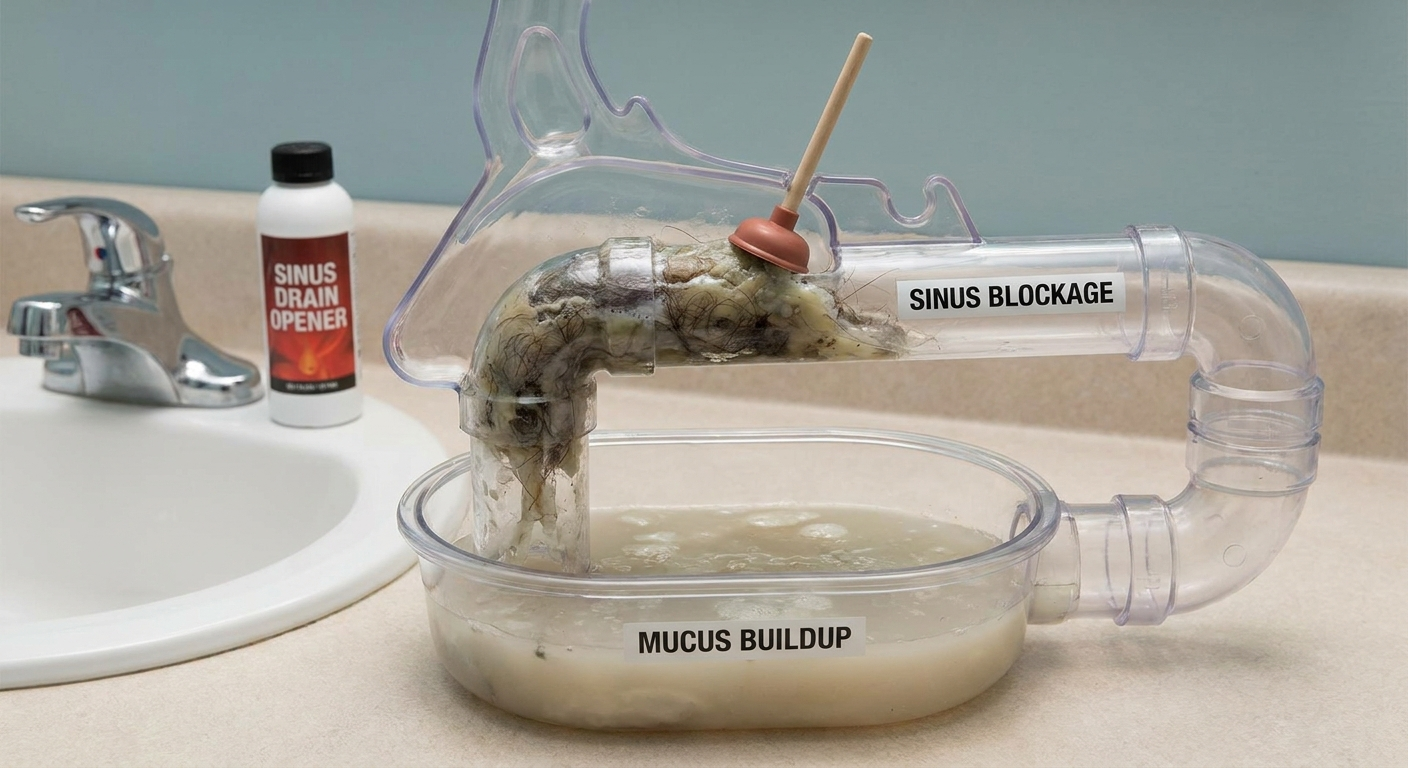
Easy analogy: When drainage pathways swell shut, it’s like a sink with a clogged drain—pressure builds and mucus doesn’t move.
Summary: Allergies are an immune trigger response; sinusitis is sinus-lining inflammation that may follow a cold, and not all sinusitis is bacterial.
Symptoms Compared—How They Feel Day to Day
Shared symptoms (why it’s confusing): Both can cause stuffy nose, runny nose, postnasal drip, head pressure, and fatigue. (AAAAI; Mayo Clinic, 2023)
Helpful page: Symptoms of sinus problems: https://sleepandsinuscenters.com/symptoms-of-sinus-problems
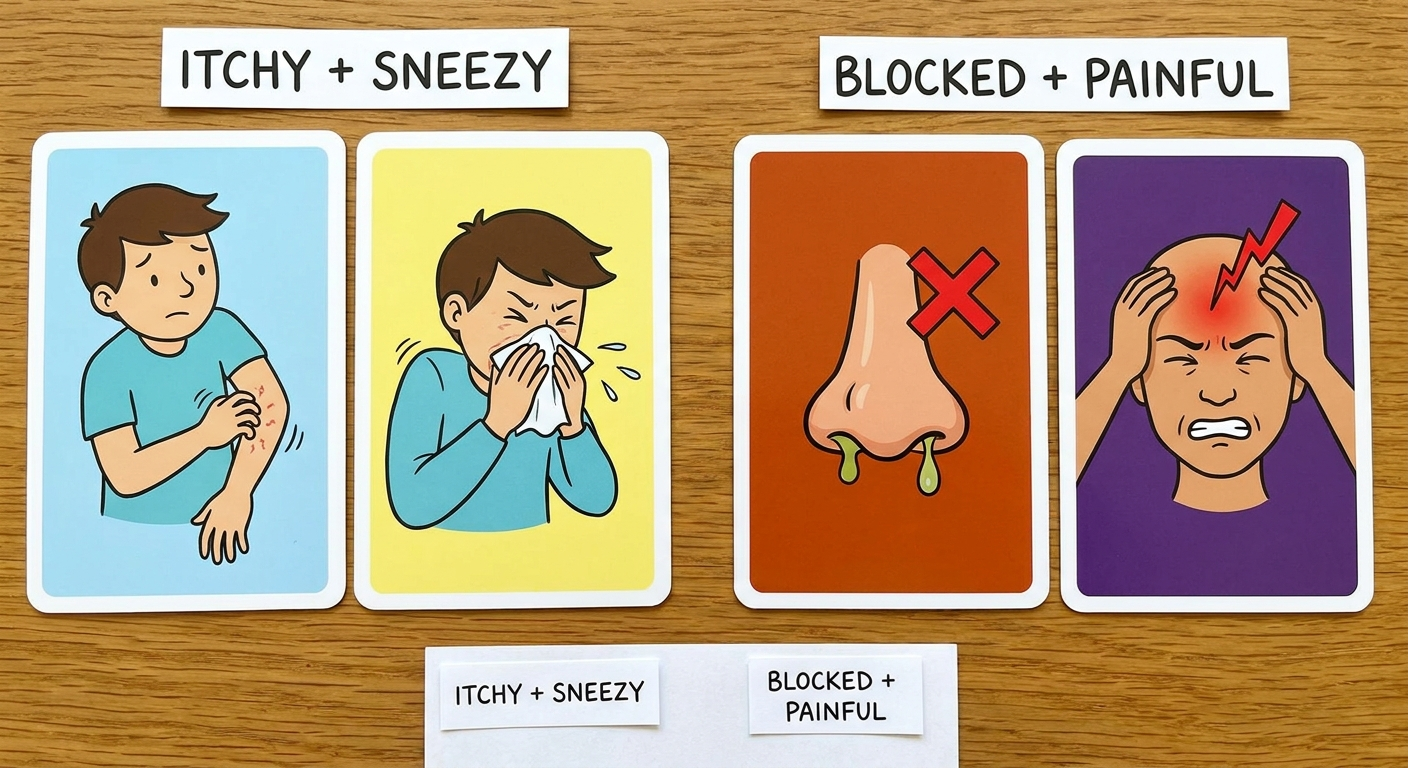
Key symptoms that point to allergies (often “itchy and sneezy”):
- Itching of eyes, nose, or throat
- Frequent sneezing
- Clear, thin, watery mucus
- Improve when away from triggers (indoors away from pollen, away from pets) (Mayo Clinic, 2023; AAAAI)
Key symptoms that point to a sinus infection (often “blocked and painful”):
- Facial pressure or pain (often worse bending forward)
- Thick/discolored discharge (yellow/green) with other infection clues
- Fever, bad breath, dental pain, ear pressure
- Reduced sense of smell (StatPearls/NCBI, 2025; Mayo Clinic, 2023)
Summary: Itch/sneezing favor allergies; pain/pressure and feeling ill suggest sinusitis—look at the whole pattern.
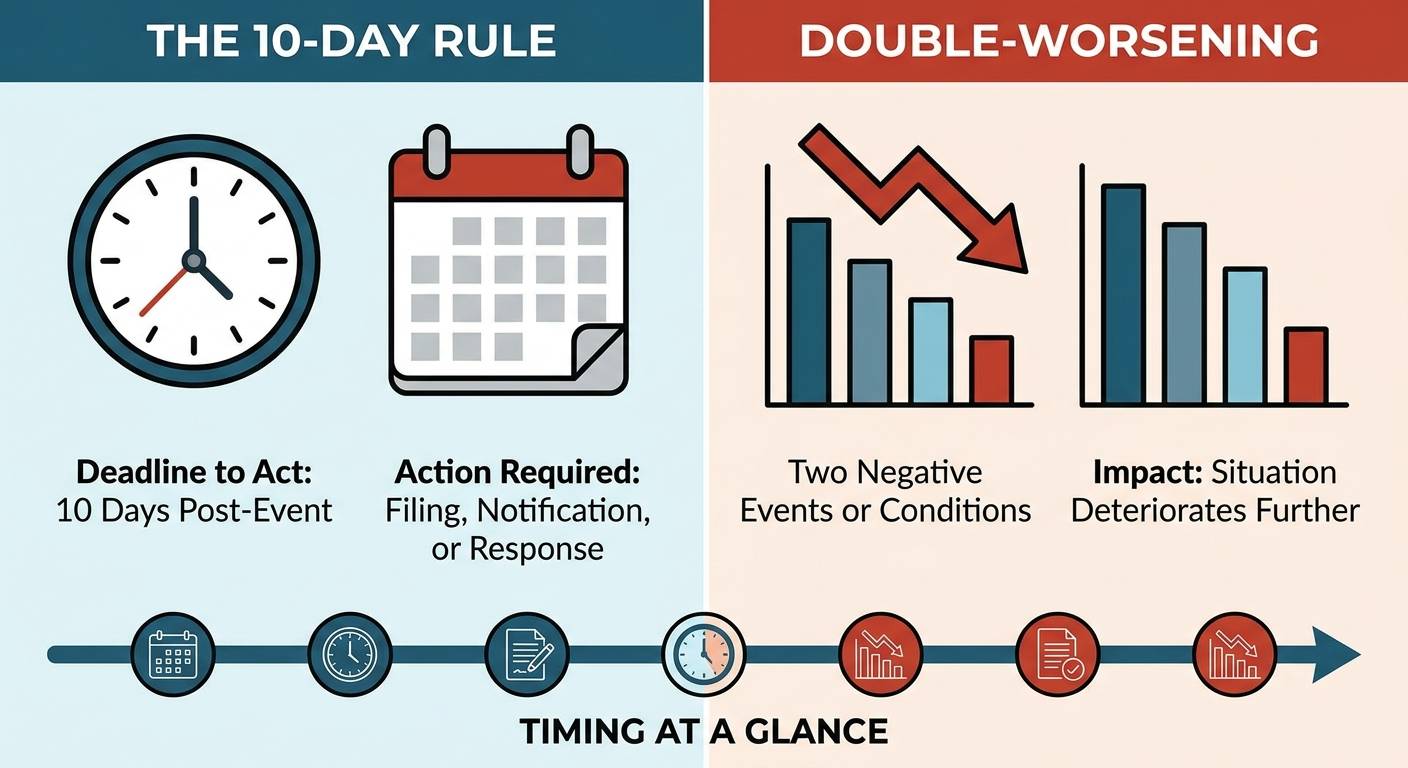
Timing Clues: The 10-Day Rule and the Double-Worsening Pattern
Allergy timing patterns:
- Seasonal flares (tree, grass, ragweed)
- Exposure-linked symptoms (pets, dust, mold)
- Can last weeks or months, fluctuating with exposure (AAAAI)
Sinus infection timing patterns:
- Viral sinus symptoms typically improve within about a week
- Consider acute bacterial sinusitis when symptoms last >10 days without improvement, or improve then get worse (double-worsening) (StatPearls/NCBI, 2025; Mayo Clinic, 2023)
Related: Sinus Infection vs Cold: https://sleepandsinuscenters.com/blog/sinus-infection-vs-cold-how-to-tell-the-difference
Summary: Allergies track with seasons/exposures; sinus infections that persist >10 days or get better then worse should be evaluated.
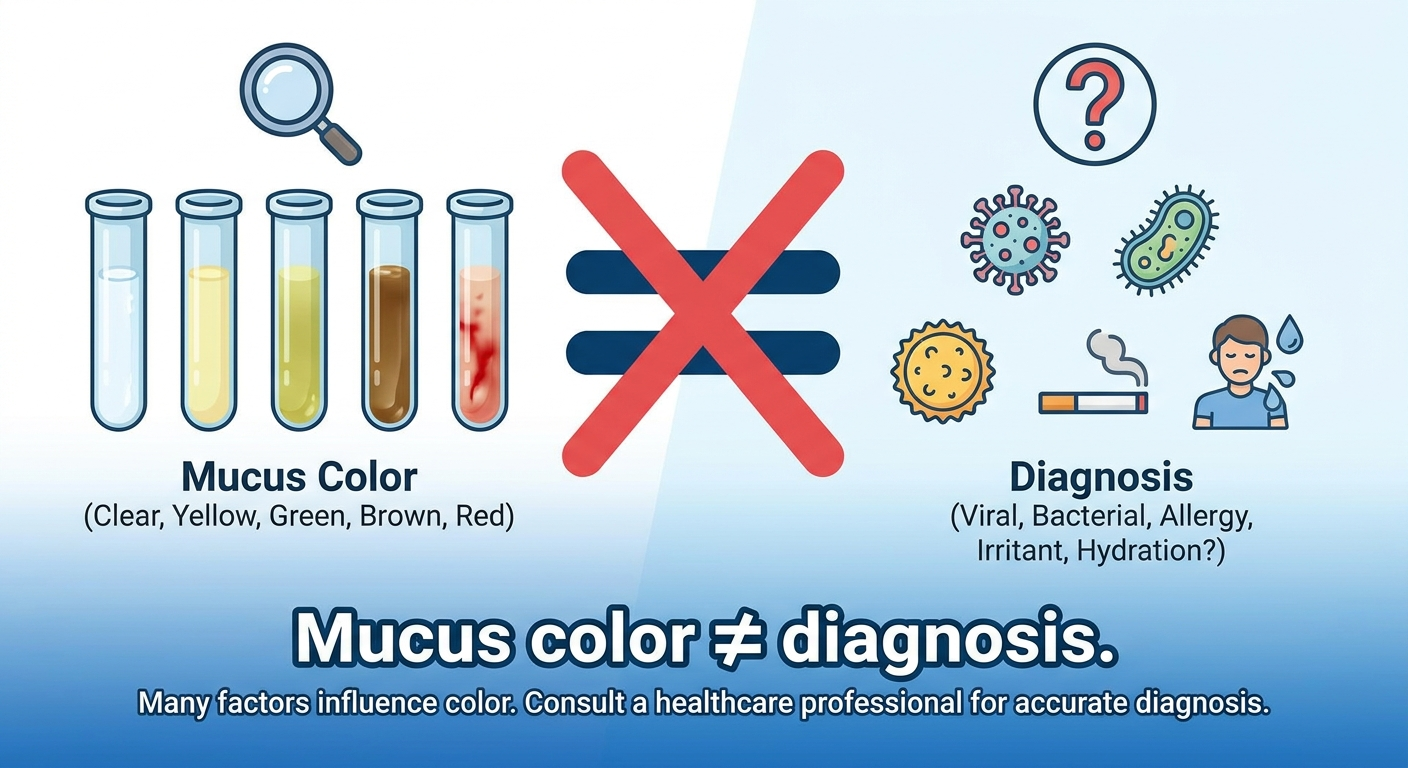
Color of Mucus—Helpful or Hype?
Mucus color isn’t definitive.
What color can and can’t tell you:
- Yellow/green discharge can occur with viral illness or inflammation, not only bacteria
- More meaningful: duration (>10 days without improvement), facial pressure/pain, fever/malaise, double-worsening (Mayo Clinic, 2023; StatPearls/NCBI, 2025)
Frame it like a check-engine light: useful, but you still need timing and symptom context.
Summary: Don’t rely on color alone; duration, worsening, and associated symptoms carry more weight.
Causes & Risk Factors (And Why They Overlap)
Common causes of allergy symptoms:
- Pollen, dust mites, mold spores, pet dander (AAAAI)
Common causes of sinus infections:
- Most start with viral upper respiratory infections; a smaller subset become bacterial (StatPearls/NCBI, 2025)
How allergies can lead to sinus infections: Allergic swelling can block drainage, allowing mucus build-up and making sinusitis more likely. Overlap is common; addressing inflammation may reduce recurrences. (Mayo Clinic, 2023; StatPearls/NCBI, 2025; AAAAI)
Summary: Allergies and sinusitis can feed each other; manage triggers and inflammation to reduce flares.
How Doctors Diagnose Each Condition
Allergic rhinitis diagnosis (history + testing):
- Seasonality/triggers, itching/sneezing vs pain/pressure, exposures/family history
- Testing when needed: skin testing, blood IgE; in select cases, nasal provocation (Krzych-Fałta et al., 2021; AAAAI)
Learn more: Allergy Testing: https://sleepandsinuscenters.com/allergy-testing
Sinusitis diagnosis (clinical criteria first):
- Symptoms (congestion, drainage, pain/pressure), duration, and worsening pattern
- Imaging or ENT evaluation for severe, recurrent, complicated, or unclear cases (StatPearls/NCBI, 2025)
Summary: Your story and timing guide diagnosis; tests are added when they change the plan.
Treatment Options (Patient-Friendly, Stepwise)
Note: Use this as a discussion guide, not a self-treatment plan. Always seek personalized medical advice.
Allergy treatment basics:
- Trigger reduction (home/work modifications)
- OTC options often used: antihistamines, intranasal steroid sprays
- Saline rinses for comfort and clearance
- Immunotherapy (shots or drops) for selected patients (AAAAI; Jefferson Health)
Sinus infection treatment basics (supportive first for many):
- Saline irrigation, intranasal steroid sprays, hydration, rest, humidification
- Consider antibiotics when timing/symptoms suggest bacterial sinusitis (>10 days without improvement or double-worsening)
- Caution: topical decongestant sprays can cause rebound if overused (StatPearls/NCBI, 2025; Mayo Clinic, 2023)
Related: Do I always need antibiotics for a sinus infection? https://sleepandsinuscenters.com/blog/do-i-always-need-antibiotics-for-a-sinus-infection
When allergies and sinusitis coexist: Treating allergic inflammation may reduce recurrent sinus symptoms; consider allergy/ENT evaluation. (Mayo Clinic, 2023; AAAAI)
Summary: Start with supportive care, address triggers/inflammation, and let your clinician decide on antibiotics.

Lifestyle Tips to Feel Better (and Prevent Future Flare-Ups)
If you suspect allergies:
- Track symptoms with pollen counts or an exposure diary
- After outdoor time during high pollen, shower and change clothes
- Bedroom strategies: encasements, hot-wash bedding, control humidity (AAAAI; Jefferson Health)
If you suspect sinusitis:
- Saline rinses for mucus and drip comfort (frequency varies)
- Warm, humidified air may soothe (use caution)
- Sleep with head slightly elevated to reduce congestion (Mayo Clinic, 2023; Jefferson Health)
More detail: Nasal rinses—how often? https://sleepandsinuscenters.com/blog/nasal-rinses-how-often-should-you-use-them
Summary: Small, consistent habits—like rinses and trigger control—add up over time.
When to See a Doctor (and Red Flags to Take Seriously)
Make an appointment if:
- Symptoms persist beyond 10 days without improvement
- You notice double-worsening
- Symptoms keep returning or disrupt sleep/work (StatPearls/NCBI, 2025)
Seek urgent care for red flags:
- High fever or severe headache
- Swelling/redness around the eyes, vision changes
- Stiff neck, confusion
- Severe one-sided symptoms that rapidly worsen (StatPearls/NCBI, 2025)
Summary: Persistent, worsening, or severe symptoms need timely care.
FAQs
Q: Can allergies cause a fever?
A: Typically no; fever suggests infection or another cause. (Mayo Clinic, 2023; AAAAI)
Q: Does green mucus always mean a sinus infection?
A: Not always. Color matters less than duration, worsening, and symptoms like pain/pressure or fever. (Mayo Clinic, 2023; StatPearls/NCBI, 2025)
Q: How long do allergy symptoms last compared with sinus infections?
A: Allergies can last weeks or months with exposure. Viral sinusitis tends to improve sooner; bacterial is more likely when symptoms persist >10 days or worsen after improving. (AAAAI; StatPearls/NCBI, 2025)
Q: Should I get allergy testing?
A: Consider testing if symptoms are frequent, seasonal, hard to control, or if allergies may drive recurrent sinus issues. (AAAAI; Krzych-Fałta et al., 2021) Learn more: https://sleepandsinuscenters.com/allergy-testing
Q: Can I have both allergies and a sinus infection at the same time?
A: Yes. Overlap is common; treating allergies may reduce recurrence risk. (Mayo Clinic, 2023; AAAAI)
Conclusion: Your Next Best Step
Look for patterns: itchy eyes + sneezing + clear discharge leans toward allergies; facial pressure + thick/discolored mucus + fever + symptoms >10 days or double-worsening leans toward sinusitis and should be evaluated.
Still unsure or recurring? Get a personalized plan with Sleep and Sinus Centers of Georgia: https://www.sleepandsinuscenters.com/
References
- American Academy of Allergy, Asthma & Immunology (AAAAI). Colds, allergies, and sinusitis resources. https://www.aaaai.org/tools-for-the-public/conditions-library/allergies/colds-allergies-sinusitis
- Jefferson Health. Is it allergies or sinusitis? https://www.jeffersonhealth.org/your-health/living-well/is-it-allergies-or-sinusitis-understand-the-difference
- Krzych-Fałta, E., et al. (2021). Allergic rhinitis diagnostics review. https://pmc.ncbi.nlm.nih.gov/articles/PMC8953864/
- Mayo Clinic. (2023). Mayo Clinic Q and A: Is it allergies or a sinus infection? https://newsnetwork.mayoclinic.org/discussion/mayo-clinic-q-and-a-is-it-allergies-or-a-sinus-infection/
- StatPearls/NCBI Bookshelf. (2025). Acute Sinusitis. https://www.ncbi.nlm.nih.gov/books/NBK547701/
This article is for educational purposes only and is not medical advice. Please consult a qualified healthcare provider for diagnosis and treatment.
Don’t let allergies slow you down. Schedule a comprehensive ENT and allergy evaluation at Sleep and Sinus Centers of Georgia. We’re here to find your triggers and guide you toward lasting relief.