Septorhinoplasty Surgery: Patient Video Insights to Know Before You Decide
If you’re considering septorhinoplasty surgery, you’ve probably noticed two very different kinds of information online: 1) polished, clinical explanations of what should happen, and 2) day-by-day patient content showing what it actually feels like.
Both can be useful—especially when you’re deciding whether a combined functional and cosmetic procedure fits your goals. Recovery experiences in patient videos are anecdotal and may not reflect your own results; only a qualified healthcare provider can assess your specific situation. Below is a patient-friendly guide to what septorhinoplasty is, why people choose it, and what septorhinoplasty patient videos tend to reveal about recovery that many people don’t expect.
Patient videos can add context to clinical overviews, but they’re not a substitute for medical evaluation.
Why patient videos matter before septorhinoplasty
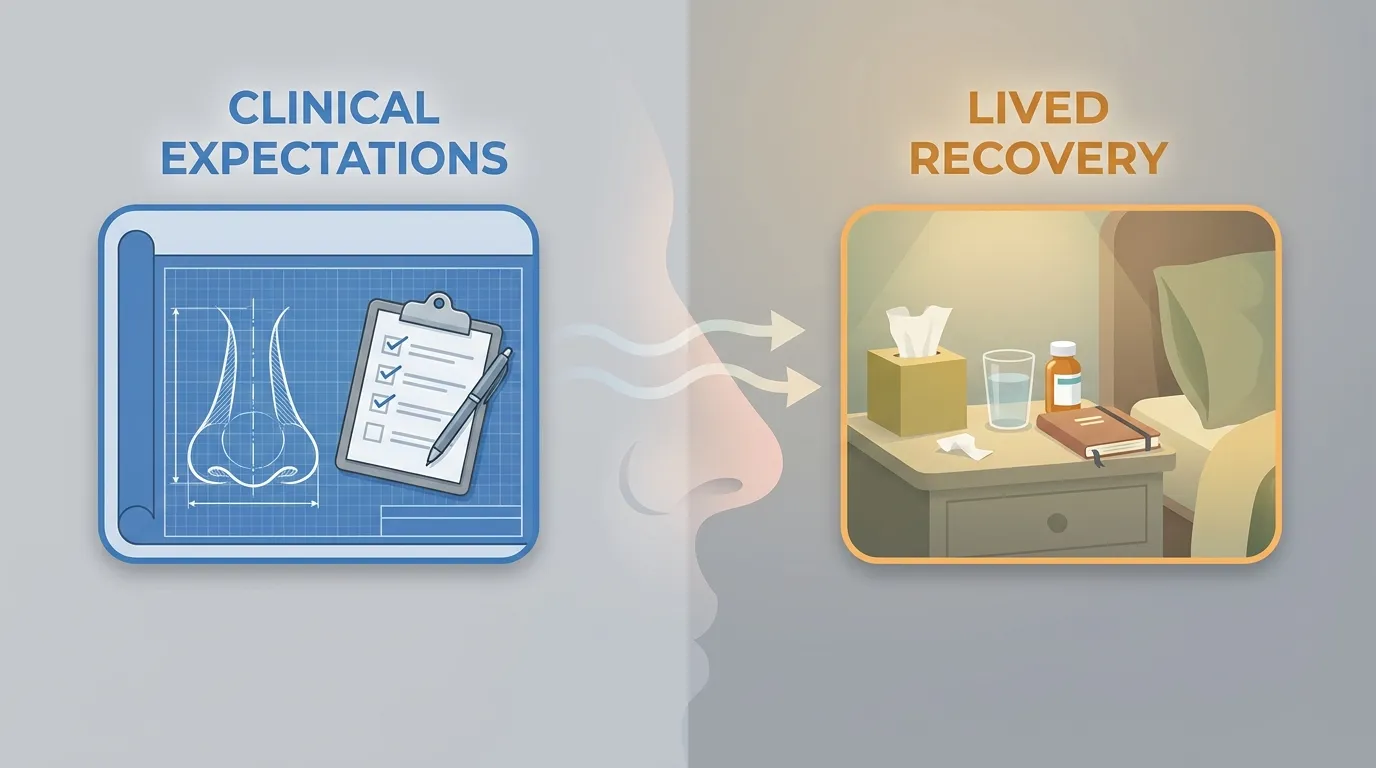
The gap between “clinical expectations” and “lived experience”
Most medical summaries describe milestones (splint removal, follow-ups, activity restrictions). Anecdotal videos often capture the in-between moments: disrupted sleep, dry mouth from mouth breathing, and the early emotional dip that can show up even when everything is progressing normally.
A repeated theme is that many patients report the first 2–3 days can feel harder than expected, and waking up from anesthesia can feel disorienting—even when things are on track. (Sleep and Sinus Centers, 2026; anecdotal TikTok patient vlogs)
One takeaway you’ll hear in different wording is: “I wasn’t prepared for how blocked I’d feel.” That sensation is a common mismatch between what people imagine (“I’ll be sore”) and what they experience (“I feel stuffed up and can’t sleep”).
Watch a step-by-step septorhinoplasty surgery video from Sleep and Sinus Centers of Georgia: https://sleepandsinuscenters.com/blog/septorhinoplasty-surgery-video-step-by-step-proced-20260614180933
What videos do well—and what they can’t tell you
Helpful parts of videos:
- Real visuals of bruising and swelling changes
- Day-by-day coping ideas (elevation pillows, hydration, easy-to-chew foods)
- Honest mood updates (normalizing the recovery “roller coaster”)
What videos can’t reliably predict:
- Your anatomy (deviation severity, cartilage strength, skin thickness)
- How much work is being done (septum only vs valves vs tip support)
- Your baseline inflammation (allergies, chronic rhinitis, sinus issues)
- Differences in technique, aftercare instructions, and healing patterns
As a general overview, Healthdirect Australia describes septorhinoplasty as a combined operation that can address both nasal airflow and the outer appearance of the nose, along with typical recovery expectations. (Healthdirect Australia)
Think of patient videos as “test drives” of recovery feelings, not blueprints for your unique anatomy or outcome.
What is septorhinoplasty surgery (in plain language)?
Septorhinoplasty is a combined functional–aesthetic procedure that can improve breathing and refine appearance when structure affects both.
Septoplasty vs rhinoplasty vs septorhinoplasty
- Septoplasty: Straightens the internal wall (nasal septum) to improve airflow.
- Rhinoplasty: Reshapes the outside of the nose for cosmetic reasons and/or structural support.
- Septorhinoplasty: Combines both—aiming to improve breathing and refine appearance in one plan.
In many cases, the same structural issues that affect breathing also affect symmetry, straightness, or support.

Common goals patients talk about in videos
Functional goals
- Easier breathing through both sides
- Less blocked sensation at night
- Better airflow during exercise
Aesthetic goals
- Straighter nose (especially after injury)
- More balanced bridge and tip
- Improved front-view symmetry
Many people emphasize balancing these goals—wanting a nose that looks natural and works better. (Sleep and Sinus Centers, 2026)
Form and function often intersect; septorhinoplasty plans aim to address both when appropriate.
Symptoms that may lead someone to consider septorhinoplasty
This isn’t a self-diagnosis checklist—just patterns that often prompt an evaluation.
Breathing and airflow symptoms
- Long-term nasal blockage (often worse on one side)
- Mouth breathing at night or waking with a dry mouth
- Difficulty breathing through the nose during workouts
Quality-of-life and sleep-related symptoms
- Sleep disruption from persistent congestion
- Snoring that may be worsened by nasal obstruction (not always)
Appearance concerns that often overlap with function
- Crooked nose after an injury
- Visible asymmetry linked with airflow problems
Healthdirect’s overview includes common reasons people consider septorhinoplasty and general expectations around recovery and outcomes. (Healthdirect Australia)
Signs it may be time to see an ENT: https://sleepandsinuscenters.com/blog/7-signs-you-need-a-septoplasty-when-to-see-an-ent-20260621153302
Patterns can guide you to an evaluation, but only an exam can clarify causes and options.

Causes behind the symptoms (what patients often learn during workup)
Structural causes
- Deviated nasal septum (congenital or after injury)
- Nasal valve dysfunction or collapse
- Inferior turbinate hypertrophy
Inflammation triggers that can worsen obstruction
- Seasonal or perennial allergies
- Chronic rhinitis
- Recurring sinus inflammation
This is one reason two people can have “the same surgery” on paper but report different comfort levels and timelines in videos.
Structure and inflammation both shape symptoms and recovery.
Reality check from patient videos: what the first week can really feel like
Day 0–1: waking up from anesthesia and the “I can’t breathe through my nose” moment
Anecdotal videos often describe the initial shock of nasal blockage. Even when oxygen levels are fine, the sensation can feel intense and uncomfortable. People often describe recovery as more about pressure, congestion, and fatigue than sharp pain. (Anecdotal TikTok patient vlogs)
Days 1–3: the toughest stretch (commonly reported)
- Pressure and congestion
- Mouth breathing dryness (lips and throat)
- Low energy and fragmented sleep
- Emotional ups and downs
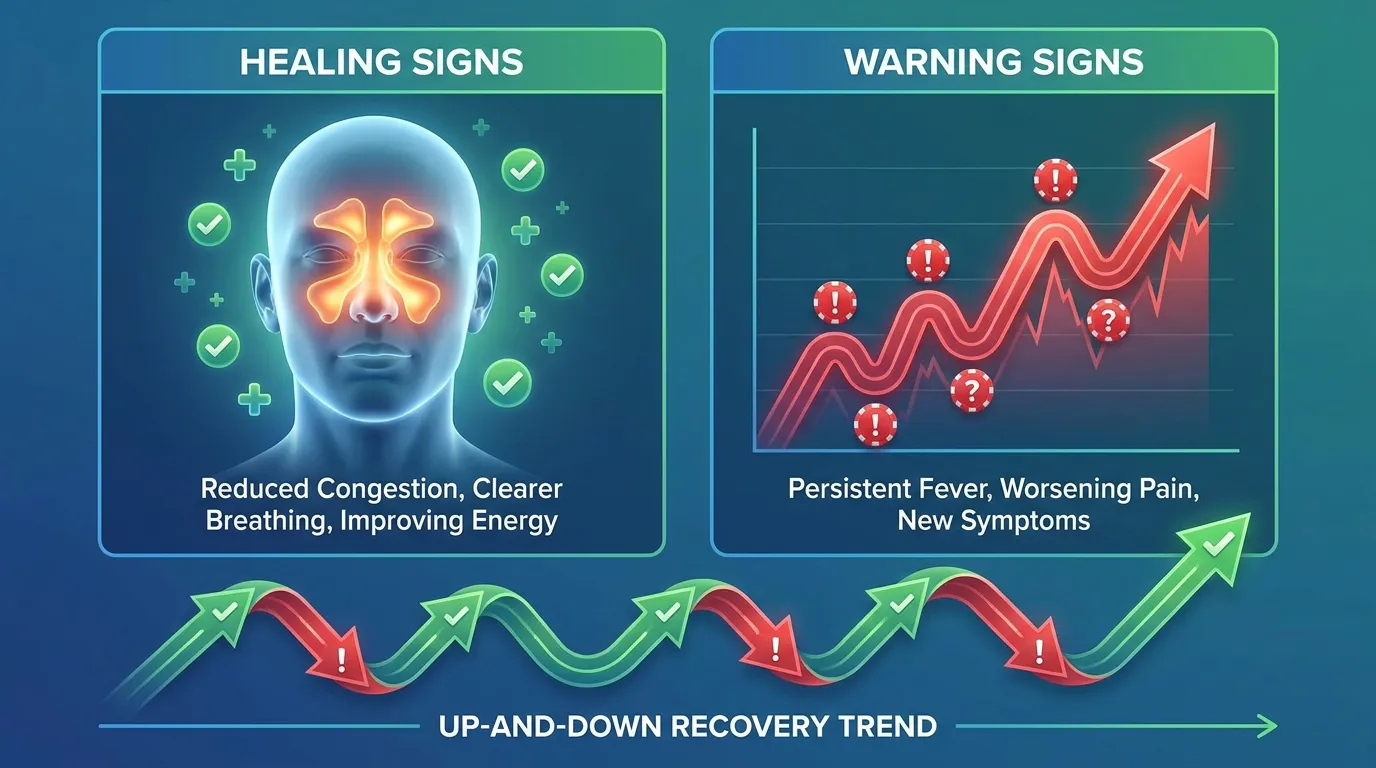
Days 4–7: small improvements, but still “not normal”
- Bruising colors change and begin fading
- Swelling shifts day to day
- Stamina slowly improves, but activity is still limited
Expect variability; many people find days 1–3 the toughest for congestion and fatigue. (Sleep and Sinus Centers, 2026; anecdotal vlogs)

Recovery timeline patients show on video vs what healing actually means
Early milestones: splints, packing, and first post-op visits
Many patients feel a mental boost when early devices are removed, but internal swelling can still make breathing feel inconsistent.
Week-by-week overview: https://sleepandsinuscenters.com/blog/post-septorhinoplasty-recovery-timeline-tips-and-w-20260326112301
The long game: swelling and refinement can take months
Swelling and refinement can continue for 6–12 months or longer, depending on surgery extent, tip work, skin thickness, and individual healing. (Sleep and Sinus Centers, 2026; Healthdirect Australia)
Why swelling feels mentally harder than expected
- Daily mirror checks can be discouraging
- Small fluctuations can be mistaken for problems
Tracking spaced-out photos (weekly or monthly) is often more reassuring than daily comparisons.
Healing is non-linear; visible and functional changes can evolve for 6–12 months or longer.
Treatments and alternatives (so you know what you’re choosing)
Non-surgical and medical options (when appropriate)
- Saline rinses or sprays
- Allergy treatment strategies
- Nasal steroid sprays (when indicated)
- External or internal nasal dilators (temporary support)
Surgical options your ENT may discuss
- Septoplasty alone
- Septoplasty with turbinate reduction
- Functional rhinoplasty (including valve support)
- Septorhinoplasty surgery (combined function and appearance)
Try appropriate medical options first when indicated; surgery targets structural limits. (Sleep and Sinus Centers, 2026)
Questions to ask after watching septorhinoplasty patient videos
Does my anatomy match what I’m seeing?
Bring notes on similarities (crookedness, collapse, trauma history), and jot what procedure the creator had and what they showed (splints, bruising, timeline).
What is my priority: breathing, appearance, or both?
The best outcome matches your priorities—not the most dramatic transformation.
What’s the plan for swelling, discomfort, and follow-ups?
Ask about expected congestion sensations, return-to-work timing, activity restrictions, and how progress is evaluated over months.
Lifestyle and recovery tips patients repeatedly recommend (with safety notes)
Setting up your home recovery station
- Extra pillows or a wedge for elevation
- Easy hydration access
- Soft, low-effort foods
- Lip balm (mouth breathing is common early on)
Concrete example: a small bedside tray (water, tissues, lip balm, charger, medications as directed) reduces trips when you feel groggy.
Coping with congestion discomfort (safely)
Discomfort is often more about pressure and blockage than sharp pain. Saline strategies are common, but timing and technique should follow your surgical team’s instructions.
Protecting your results
- Follow activity limits
- Avoid accidental bumps
- Manage eyewear if relevant to your plan
Safety reminder: Educational only, not medical advice. Follow your surgeon’s instructions. Seek urgent care for heavy bleeding, fever, severe worsening pain, or vision changes.

Outcomes patients highlight most: breathing and aesthetic improvements
Functional experiences patients report
- More consistent airflow
- Less nighttime obstruction
- Easier breathing during exercise
Aesthetic experiences patients report
- Straighter front view
- Improved profile balance
- A tip and bridge that better fit the face
For functional-only comparisons, see real septoplasty patient stories: https://sleepandsinuscenters.com/blog/septoplasty-before-and-after-real-patient-stories-20260123121310
Many patients report both functional and aesthetic gains, but no outcome is guaranteed. (Sleep and Sinus Centers, 2026)

Risks and trade-offs to understand before deciding
Common temporary side effects
- Congestion
- Bruising
- Swelling
- Numbness or altered sensation
Possible complications (overview)
- Bleeding or infection
- Prolonged swelling
- Dissatisfaction with appearance
- Possibility of revision surgery
Choosing an experienced team, clarifying goals, and understanding the healing timeline can help align expectations. (Healthdirect Australia)
FAQs
How painful is septorhinoplasty surgery?
Experiences vary. Many describe early recovery as more uncomfortable (pressure and congestion) than sharply painful.
Why do many patients say days 1–3 are the worst?
Congestion sensations, anesthesia after-effects, mouth breathing dryness, and poor sleep often converge. (Sleep and Sinus Centers, 2026; anecdotal vlogs)
How long does swelling last after septorhinoplasty?
Visible swelling improves steadily, but refinement can continue for 6–12 months or longer. (Sleep and Sinus Centers, 2026; Healthdirect Australia)
When can I go back to work or school?
Timelines vary by role, healing, and your surgeon’s plan. Many adjust based on follow-up guidance.
When will I breathe better?
Some notice changes early; others improve gradually as internal swelling decreases over weeks to months. Results vary.
Will my nose look “done” when the splint comes off?
Usually not. Splint removal is an early milestone; swelling continues to resolve over time.
Can septorhinoplasty improve both breathing and appearance?
Yes, when appropriate for your anatomy and technique. Benefits vary. (Sleep and Sinus Centers, 2026)
Next steps: how to decide if septorhinoplasty is right for you
Signs you should schedule an ENT evaluation
Consider an evaluation if you have persistent obstruction, suspected deviation, post-trauma changes, or symptoms not improved with non-surgical approaches.
What to bring to your consultation
- A short symptom list (day vs night, exercise impact, one-sided vs both)
- Any history of nasal injury
- A few realistic “inspiration” images
- Questions collected after watching patient videos
Book an appointment at Sleep & Sinus Centers of Georgia: https://www.sleepandsinuscenters.com/
Preparation and a clear discussion with your ENT make decisions and recovery smoother.
Sources
- Sleep and Sinus Centers (2026). Septorhinoplasty Surgery Video: Step-by-Step Procedure — https://sleepandsinuscenters.com/blog/septorhinoplasty-surgery-video-step-by-step-proced-20260614180933
- Sleep and Sinus Centers (2026). Septoplasty Before and After: Real Patient Stories — https://sleepandsinuscenters.com/blog/septoplasty-before-and-after-real-patient-stories-20260123121310
- Sleep and Sinus Centers (2026). Post-Septorhinoplasty Recovery Timeline — https://sleepandsinuscenters.com/blog/post-septorhinoplasty-recovery-timeline-tips-and-w-20260326112301
- Healthdirect Australia. Septorhinoplasty — https://www.healthdirect.gov.au/surgery/septorhinoplasty
- TikTok patient vlog example (anecdotal experience; not medical guidance) — https://www.tiktok.com/@officialmissrachelalice/video/7602367913231731990
This article is for educational purposes only and is not medical advice. Please consult a qualified healthcare provider for diagnosis and treatment.
Don’t let allergies slow you down. Schedule a comprehensive ENT and allergy evaluation at Sleep and Sinus Centers of Georgia. We’re here to find your triggers and guide you toward lasting relief.