What to Eat After Tonsillectomy: Best Foods to Support Healing and Recovery
Figuring out what to eat after tonsillectomy can feel surprisingly stressful—your throat hurts, swallowing is difficult, and you may be worried about irritating the surgical area. The good news: recovery eating doesn’t have to be complicated. A simple, comfort-first tonsillectomy diet can help you stay hydrated, keep your energy up, and reduce unnecessary irritation while your throat heals.
If it helps to have a mental model, think of the back of your throat like a scraped knee: it needs a protected, low-friction environment while new tissue forms. In food terms, that usually means soft + cool + hydrating at first, then gradually returning to normal textures as your throat tolerates it.
Below is a practical guide to the best foods and drinks to choose, the foods to avoid after tonsillectomy, and a day-by-day plan many adults find easy to follow.
Medical note: This article is general education and doesn’t replace your surgeon’s post-op instructions. If your care team’s guidance differs from anything below, follow their plan.
Quick Answer: The Best Foods After Tonsillectomy
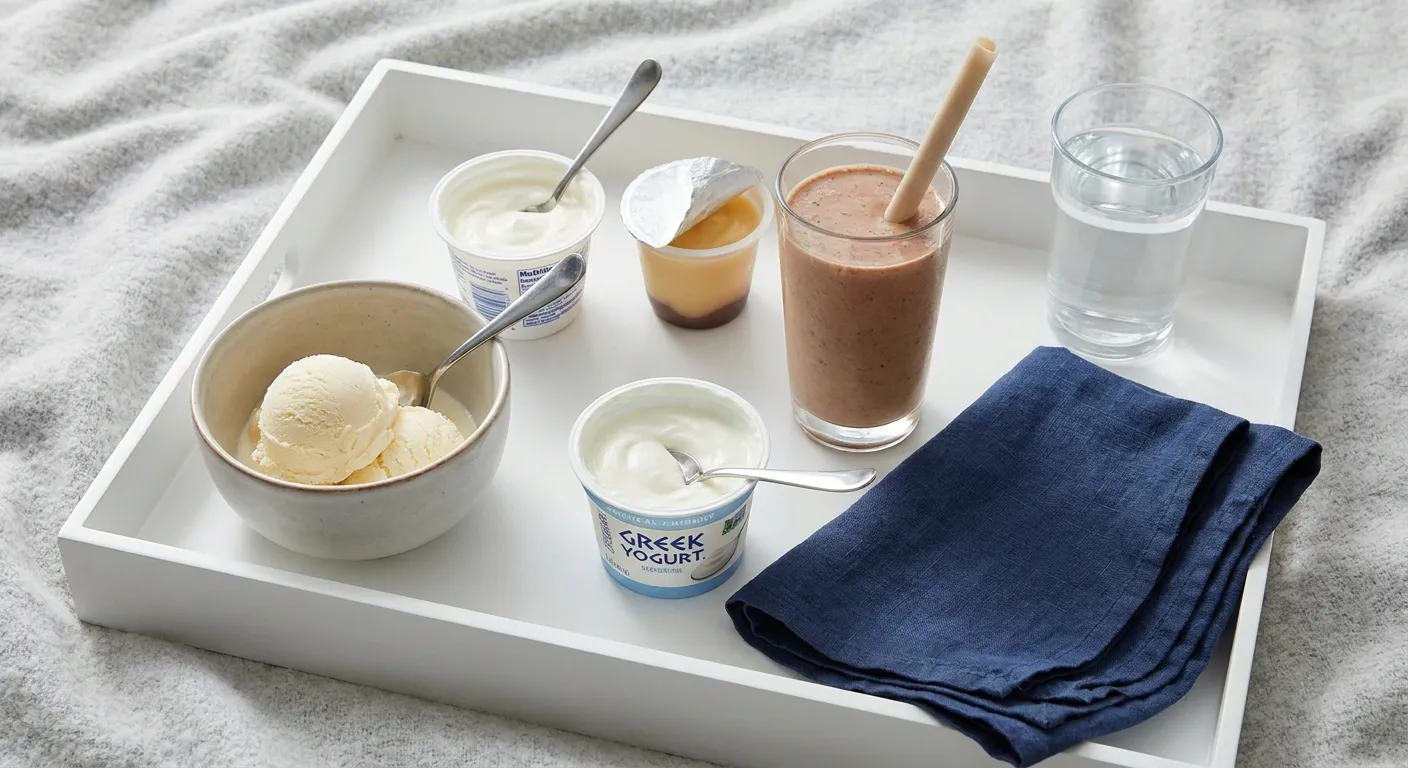
Often well-tolerated early options include:
- Ice cream, yogurt, pudding
- Smoothies (avoid seeds and pulp; strain if needed)
- Broth/soups (lukewarm)
- Mashed potatoes
- Scrambled eggs
- Applesauce, oatmeal/cream of wheat
(Cleveland Clinic, 2025; Mayo Clinic, 2024)
Rule of thumb: Go soft, cool, and hydrating during the first week, then advance texture gradually as comfort allows. (Mayo Clinic, 2024)
Bottom line: When in doubt, choose soft, cool, and moist foods that go down easily.

Why Diet Matters After a Tonsillectomy (Healing + Bleeding Prevention)
What’s happening in your throat during recovery: After surgery, the tonsil areas develop protective scabs over healing tissue. These scabs don’t stay forever—many people notice they may begin to slough off around days 5–10, which can be a more sensitive window for irritation and bleeding risk. (Sleep & Sinus Centers, 2026; The Vesey Guide, 2026)
A useful analogy: those scabs are like a temporary “biological bandage.” The goal is to keep them from getting scraped or irritated while the surface underneath finishes healing.
The goal of your “tonsillectomy diet”: A helpful way to think about what to eat after tonsillectomy is that you’re aiming to:
- Minimize friction and irritation (less scraping = more comfort)
- Maintain calories and protein even when appetite is low
- Prevent dehydration, which is a common (and often preventable) setback
(Cleveland Clinic, 2025; Mayo Clinic, 2024)
If you want a deeper look at the “why” behind food choices during healing, see Sleep & Sinus Centers of Georgia’s guide on how nutrition affects surgery recovery: https://sleepandsinuscenters.com/blog/impact-of-nutrition-on-ent-surgery-recovery-and-outcomes
Bottom line: Gentle, hydrating, protein-containing foods support healing while minimizing irritation.

Tonsillectomy Recovery Timeline (What You’ll Feel + How It Affects Eating)
Days 1–2: soreness + low appetite. It’s common to have significant soreness and swelling. Swallowing may feel sharp or tight. Diet focus: cold, smooth foods and hydration-first choices. (Mayo Clinic, 2024) If you can only manage a few sips at a time, that’s still a win—think “little and often.”
Days 3–4: pain often peaks. In adults, pain often peaks around day 3–4. (Sleep & Sinus Centers, 2026; The Vesey Guide, 2026) Diet focus: keep intake steady and use your pain-control plan to make swallowing easier. This is where a schedule can help: sip fluids regularly, then try a few bites when your throat feels most manageable.
Days 5–10: scabs shed (often a “second wave” of pain). When scabs separate, discomfort can spike again. Some people notice small amounts of blood-tinged saliva during this phase. (Sleep & Sinus Centers, 2026; The Vesey Guide, 2026) Diet focus: avoid scratchy, spicy, and crunchy foods to reduce the chance of disrupting healing tissue. (Cleveland Clinic, 2025; Mayo Clinic, 2024) A practical way to choose foods here: if it would scratch a dry throat on a normal day, it’s probably too risky during scab-shedding days.
Days 10–14: most adults feel much better. Many adults improve substantially by 10–14 days, and some people plan about 10 days off work, depending on job demands and provider guidance. (Sleep & Sinus Centers, 2026; Cleveland Clinic, 2025) For a more detailed tonsillectomy recovery timeline, read Sleep & Sinus Centers of Georgia’s day-by-day guide: https://sleepandsinuscenters.com/blog/adult-tonsillectomy-recovery-timeline-day-by-day-h-20260316111550
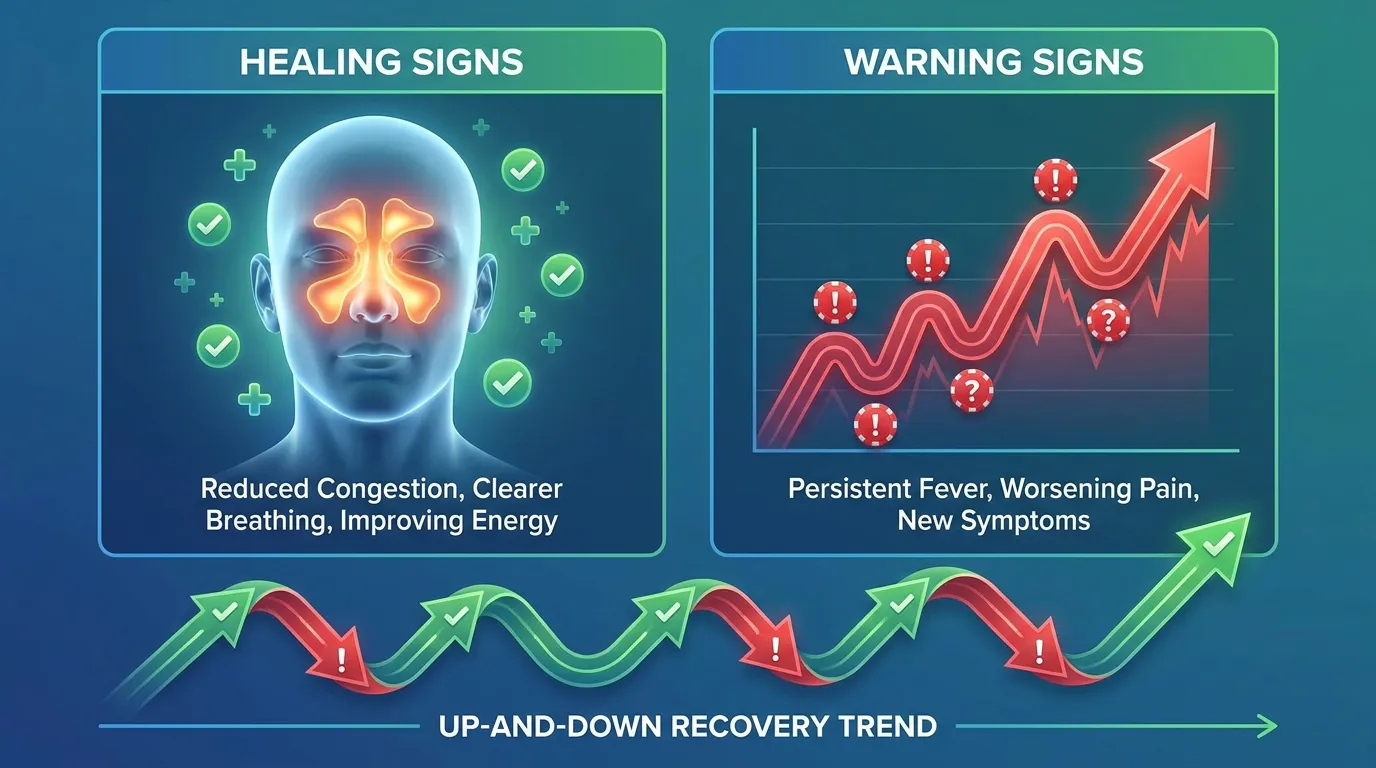
Bottom line: Expect ups and downs—especially around days 3–4 and 5–10—and keep foods gentle during flare days.

Best Foods to Eat After Tonsillectomy (By Category)
Cold & soothing foods (often easiest early on)
- Ice cream, frozen yogurt, sorbet
- Popsicles/ice chips
- Cold applesauce
(Cleveland Clinic, 2025; Mayo Clinic, 2024)
Tip: “Cool” is usually easier than extremely cold if very cold foods make you tense up or swallow less. Comfort matters.
Soft high-protein foods (help you maintain strength). These are especially useful as adult tonsillectomy recovery foods, when pain can make it hard to eat much volume:
- Scrambled eggs
- Greek yogurt / drinkable yogurt
- Protein smoothies (avoid seeds and pulp; strain if helpful; some people add nut butter if tolerated)
- Soft tofu
(Mayo Clinic, 2024; Cleveland Clinic, 2025)
If you’re struggling to finish meals, protein is one of the most efficient ways to make small portions count.
Gentle carbs for calories (easy to swallow)
- Mashed potatoes or sweet potatoes
- Oatmeal/cream of wheat (cool to lukewarm)
- Soft pasta/mac and cheese (if comfortable)
(Cleveland Clinic, 2025)
When in doubt, add moisture (broth, gravy, or a non-spicy/low-acid sauce) to reduce friction.
Hydrating options (a must for recovery)
- Water
- Diluted, non-citrus juices
- Non-acidic electrolyte drinks
- Broth (warm—not hot)
(Mayo Clinic, 2024; Cleveland Clinic, 2025)
Many care teams emphasize a simple priority: if eating is hard, drinking still has to happen.
Bottom line: Prioritize cool, soft, protein-containing foods and steady fluids to meet your needs with less irritation.
What to Eat After Tonsillectomy (Day-by-Day Diet Guide)
Use this as a general screenshot-friendly reference and adjust based on your surgeon’s instructions and your comfort.
Recovery days: Day 0–1
What many people tolerate best: Ice chips, popsicles, cold water; yogurt, pudding; smoothies (avoid seeds/pulp; strain if needed)
Notes: Keep it simple and cold/cool. Prioritize fluids.
Recovery days: Days 2–4
What many people tolerate best: Add mashed potatoes, scrambled eggs, cooled oatmeal/cream of wheat
Notes: Small, frequent meals can be easier than “regular” meals. (Sleep & Sinus Centers, 2026)
Recovery days: Days 5–10
What many people tolerate best: Stay soft: pasta, soft fish, very tender cooked vegetables (if tolerated)
Notes: Extra caution: this is often scab-shedding time—avoid scratchy/spicy/crunchy foods. (Cleveland Clinic, 2025; The Vesey Guide, 2026)
Recovery days: Days 10–14
What many people tolerate best: Gradually return toward normal textures
Notes: If something stings or scratches, pause and step back to softer foods. (Mayo Clinic, 2024)
Bottom line: Start with very soft, advance slowly, and let comfort be your guide.
Foods to Avoid After Tonsillectomy (And Why)
Crunchy, rough, or sharp foods (bleeding risk)
- Chips/crisps, crackers, toast, crusty bread
- Nuts, popcorn
Why: These can scrape healing areas or dislodge scabs. (Cleveland Clinic, 2025; Mayo Clinic, 2024)
If it’s a food that leaves crumbs, edges, or sharp bits, it’s usually better saved for later.
Spicy foods (irritation + pain flare)
- Hot sauces, spicy curries, heavily peppered foods (Mayo Clinic, 2024)
Acidic foods/drinks (stinging)
- Citrus juice, lemonade
- Tomato sauce and some tomato-based soups (Mayo Clinic, 2024)
Very hot foods/drinks (increased discomfort)
Many people do better when foods are cool to lukewarm rather than steaming hot. (Mayo Clinic, 2024)
If you’re unsure whether something belongs on the “avoid” list, a helpful test is: Does it feel scratchy, spicy, or stingy? If yes, it’s usually not ideal during early healing.
Bottom line: Skip anything scratchy, spicy, acidic, or very hot until your throat is clearly improving.

Hydration After Tonsillectomy (How Much + How to Make It Easier)
How much should you drink per day? Hydration needs vary, but many recovery guides encourage drinking enough fluids to keep urine light-colored, unless your surgeon advises otherwise. For a broader, practical explainer, see Sleep & Sinus Centers of Georgia’s hydration guide: https://sleepandsinuscenters.com/blog/hydration-and-sinuses-how-much-water-do-you-need
Signs you may be getting dehydrated
- Dark urine or urinating less often
- Dizziness, fatigue
- Throat pain that feels worse when your mouth/throat is dry
(Cleveland Clinic, 2025; Mayo Clinic, 2024)
Practical hydration tips
- Keep water within reach and sip every 10–15 minutes while awake
- Use popsicles/ice chips if swallowing is hard
- Consider non-acidic electrolyte drinks if you aren’t eating much
Bottom line: Consistent sipping throughout the day is often the easiest path to staying hydrated.

Pain Control Tips That Help You Eat and Drink
Take pain medicine exactly as prescribed by your surgeon. Some regimens are scheduled; others are as needed. Good pain control can make it easier to drink and eat enough, lowering dehydration risk. (Cleveland Clinic, 2025; Mayo Clinic, 2024)
Time meals around medication. Many people find it easier to eat or drink about 30–45 minutes after pain medicine, when relief is often strongest.
Other comfort strategies
- Use a cool-mist humidifier at night (dry air can worsen throat dryness)
- Rest and avoid smoke exposure
- Follow any oral-care instructions you were given (avoid scraping the throat)
For more supportive strategies beyond food, see Sleep & Sinus Centers of Georgia’s tonsillectomy recovery tips: https://sleepandsinuscenters.com/blog/tonsillectomy-recovery-tips-how-to-heal-faster-aft-20260317041311
Bottom line: Better pain control usually means better hydration and nutrition during recovery.
Easy Meal & Snack Ideas (Patient-Friendly Examples)
Breakfast ideas
- Scrambled eggs + mashed avocado (if tolerated)
- Greek yogurt (plain or lightly sweetened)
- Oatmeal cooled to lukewarm
Lunch/dinner ideas
- Lukewarm chicken broth + soft noodles
- Mashed potatoes + gravy
- Soft baked fish (flaked) + very well-cooked carrots
Snack ideas
- Pudding, applesauce
- Smoothie (banana + yogurt + protein; avoid seeds/pulp; strain if needed)
- Popsicles
Bottom line: Keep portions small, moist, and simple—then repeat what works.
Complications & When to Call the Doctor (Safety Section)
Normal vs concerning bleeding. During scab separation, mild blood-tinged saliva can occur for some people. (Sleep & Sinus Centers, 2026; The Vesey Guide, 2026) Seek urgent medical attention for bright red bleeding, clots, or bleeding that does not stop. (Cleveland Clinic, 2025; Mayo Clinic, 2024)
Other symptoms that warrant medical advice
- Dehydration signs you can’t correct with fluids
- Fever or worsening symptoms after initial improvement
- Severe pain that isn’t controlled with your prescribed plan
When in doubt, follow your discharge instructions and contact your surgical team.
Bottom line: If something feels off—especially bleeding or dehydration—contact your care team promptly.
Treatments (What Your Care Team May Recommend)
Typical at-home recovery plan elements. Post-op instructions often include:
- Prescribed pain relief
- Hydration goals
- Temporary activity restrictions and follow-up timing
(Mayo Clinic, 2024; Cleveland Clinic, 2025)
If you can’t keep fluids down. If swallowing is too difficult or nausea prevents drinking, many guidelines recommend contacting your surgeon promptly—sometimes IV fluids are used to prevent dehydration-related complications. (Cleveland Clinic, 2025)
Bottom line: Stay in touch with your care team if pain or swallowing keeps you from meeting fluid goals.
FAQs: What People Ask About Eating After Tonsillectomy
“Is ice cream actually good after a tonsillectomy?” It’s commonly suggested because it’s cold, soft, and calorie-dense, which can help when eating is hard. (Cleveland Clinic, 2025; Mayo Clinic, 2024)
“When can I eat normal food again?” Many adults improve substantially by days 10–14, but returning to normal foods is usually gradual and based on comfort. (Sleep & Sinus Centers, 2026; Cleveland Clinic, 2025)
“Can I eat toast, chips, or crackers?” These are commonly avoided—especially during the scab-shedding window (often days 5–10)—because they’re rough and may irritate healing tissue. (Mayo Clinic, 2024; The Vesey Guide, 2026)
“Do I need to avoid dairy because it makes mucus?” Some people feel dairy makes saliva feel thicker, while others tolerate it well. In general, comfort, calories, and hydration tend to be the priority—alternatives like sorbet can be options if dairy feels unpleasant. (Confirm preferences and restrictions with your surgeon.)
“What should I drink?” Water is usually the easiest choice. Many people avoid acidic drinks early on (like citrus) and focus on steady, non-irritating fluids. (Mayo Clinic, 2024; Cleveland Clinic, 2025)
“Why does my ear hurt when I swallow?” Ear discomfort can happen due to referred pain pathways after throat surgery and is often part of the normal recovery pattern. If pain is severe, unusual, or worsening, it’s reasonable to check in with your care team. (Cleveland Clinic, 2025)
Bottom line: Let comfort and your surgeon’s guidance set the pace for reintroducing foods and drinks.
Conclusion: A Simple Tonsillectomy Diet Checklist
If you only remember a few points about what to eat after tonsillectomy, use this checklist:
- Choose soft + cool foods first week
- Hydrate consistently (a timer can help)
- Take pain medicine exactly as prescribed so swallowing stays manageable
- Avoid crunchy/spicy/acidic foods during the scab phase (often days 5–10)
- Gradually return to normal foods as comfort allows
(Cleveland Clinic, 2025; Mayo Clinic, 2024; Sleep & Sinus Centers, 2026; The Vesey Guide, 2026)
If you have ongoing throat symptoms or want individualized ENT guidance before or after surgery, you can book an appointment with Sleep & Sinus Centers of Georgia here: https://www.sleepandsinuscenters.com/
Bottom line: Small, steady, soothing choices add up to a smoother recovery.
Sources
- Cleveland Clinic. (2025). Tonsillectomy. https://my.clevelandclinic.org/health/treatments/15605-tonsillectomy
- Mayo Clinic. (2024). Tonsillectomy. https://mayoclinic.org/tests-procedures/tonsillectomy/about/pac-20395141
- Sleep & Sinus Centers. (2026). Adult Tonsillectomy Recovery Timeline Day-by-Day. https://sleepandsinuscenters.com/blog/adult-tonsillectomy-recovery-timeline-day-by-day-h-20260316111550
- The Vesey. (2026). Tonsillectomy Recovery (Adults). https://thevesey.co.uk/blog/tonsillectomy-recovery-adults
This article is for educational purposes only and is not medical advice. Please consult a qualified healthcare provider for diagnosis and treatment.
Don’t let allergies slow you down. Schedule a comprehensive ENT and allergy evaluation at Sleep and Sinus Centers of Georgia. We’re here to find your triggers and guide you toward lasting relief.