Sleep Apnea Without CPAP: VOAT and Genio Treatment Options
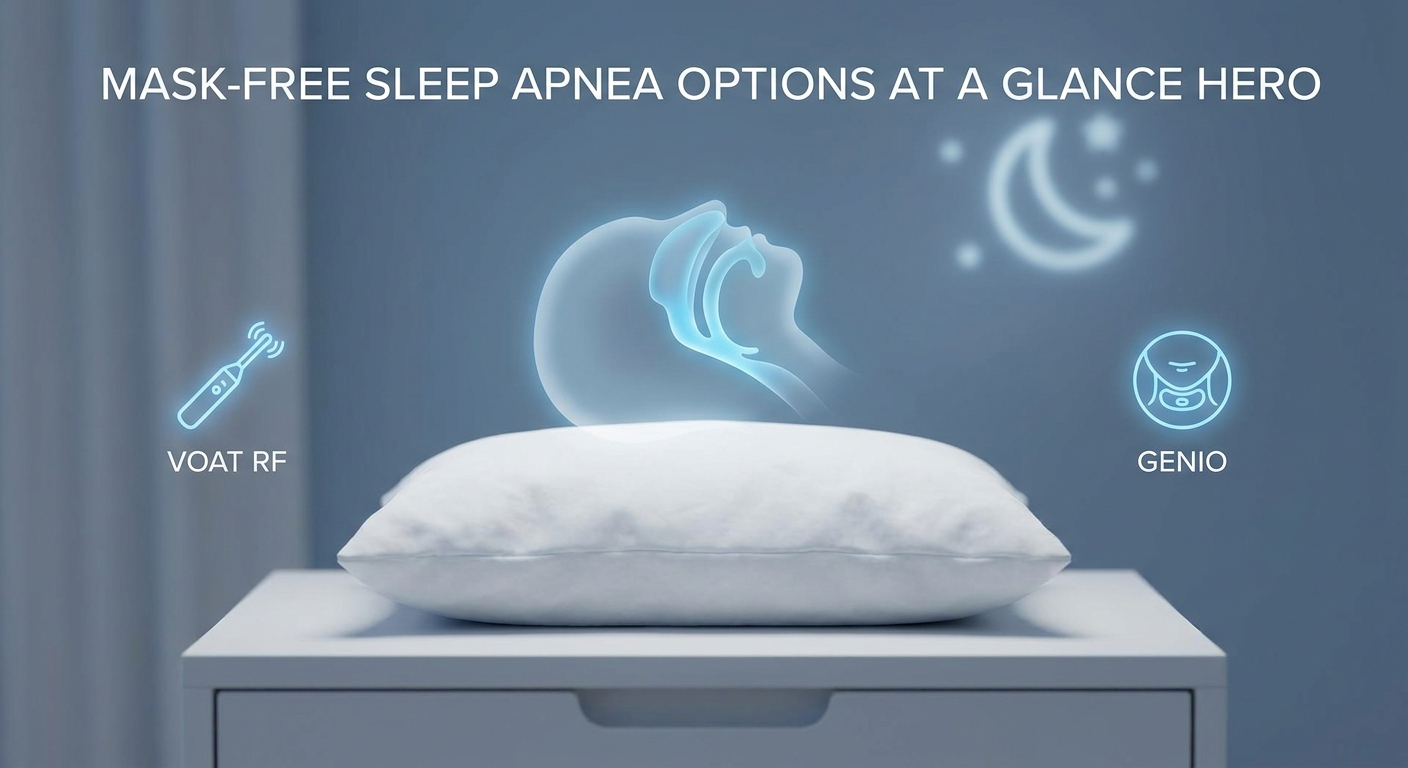
Many people start their obstructive sleep apnea (OSA) journey with CPAP—and for good reason: it’s highly effective when used consistently. But if you’re exploring sleep apnea without CPAP, it helps to know that “no-mask” treatments aren’t all the same. Two options you may hear about in an ENT/sleep setting are VOAT (a tongue radiofrequency procedure) and Genio (an FDA-approved hypoglossal nerve stimulation system).
Below is a patient-friendly overview of how each works, who may qualify, what the evidence shows, and how to think about next steps with Sleep and Sinus Centers of Georgia.
Educational only; an in-person evaluation is needed to determine candidacy.
Source note: Genio FDA labeling and evidence are summarized in the FDA’s SSED (2025).
Quick take: Two very different “no-mask” approaches
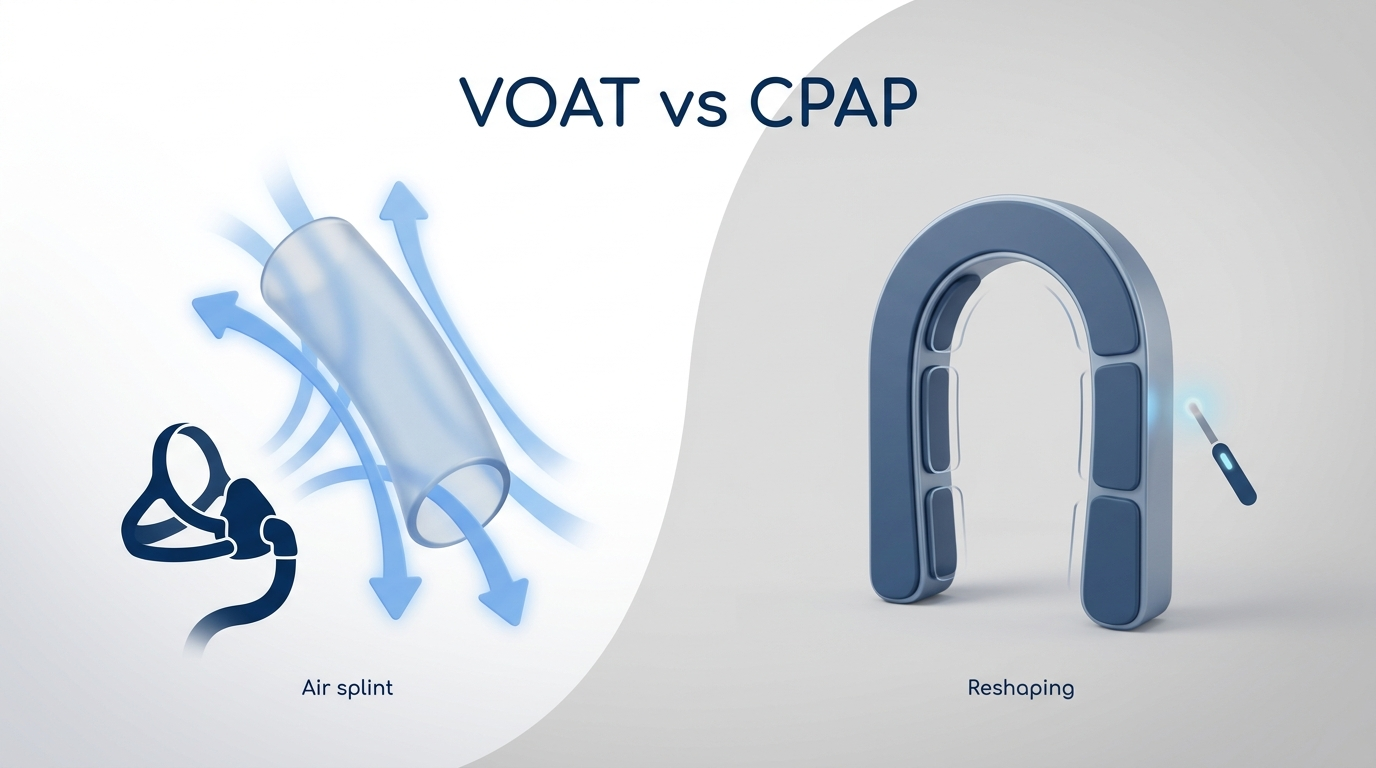
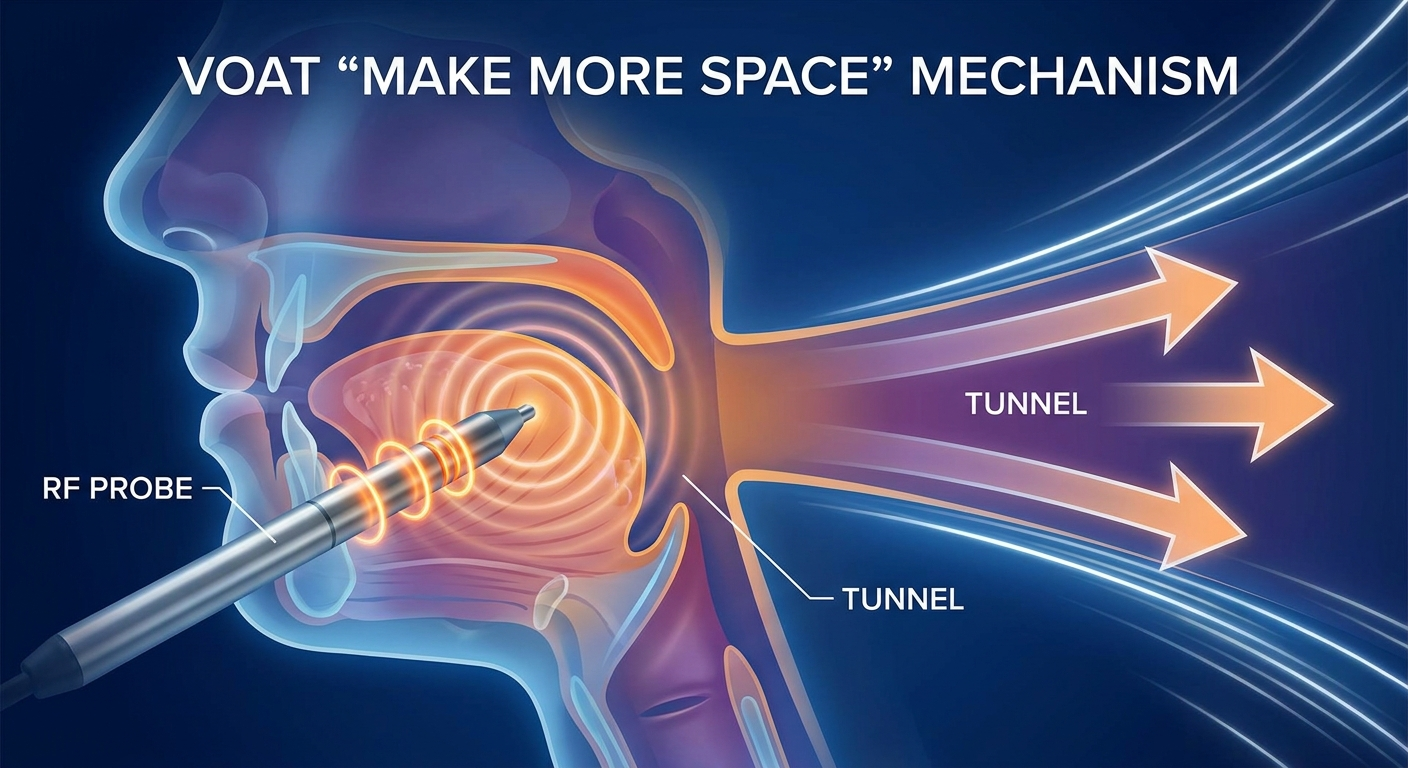
- VOAT procedure: reduces tissue volume at the tongue base using radiofrequency energy applied through the underside of the tongue, aiming to create more airway space. (US20140066721A1, 2014)
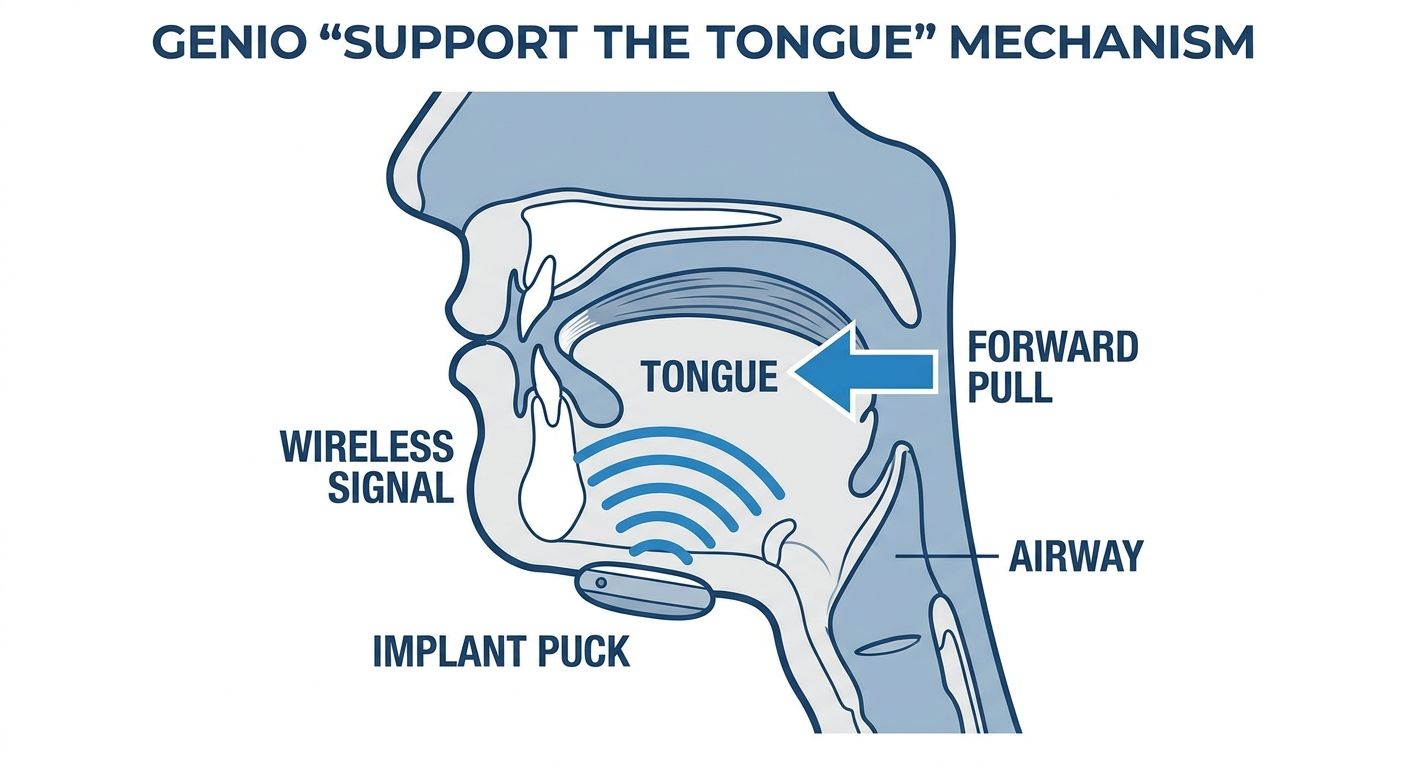
- Genio sleep apnea implant: uses hypoglossal nerve stimulation to activate tongue muscles during sleep to help keep the airway open. It’s an implanted, battery-free system powered by an external wearable at night. (FDA SSED, 2025)
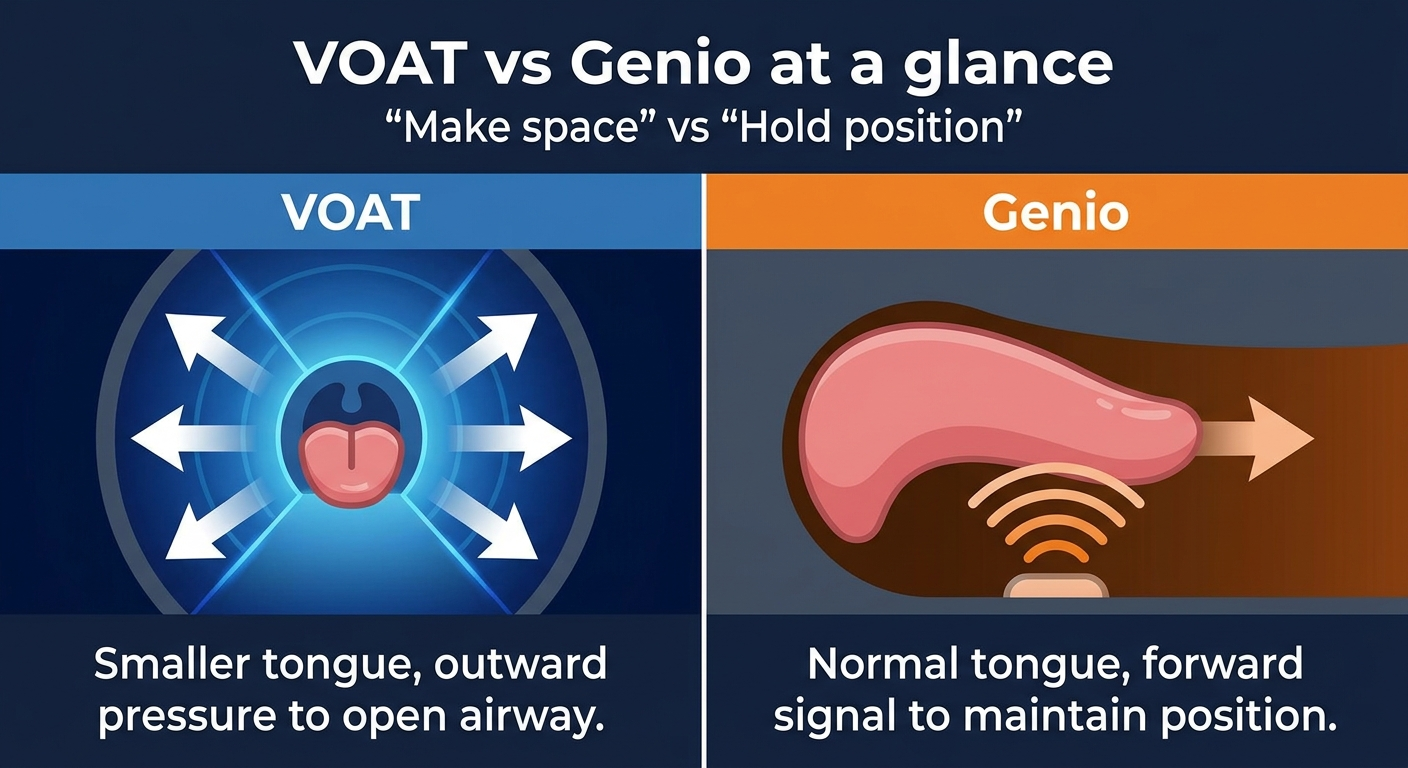
A simple way to think about the difference: VOAT is a “make the passage bigger” approach, while Genio is a “help the tongue hold its position” approach. Both require specialist evaluation. Importantly, their evidence strength and regulatory status differ substantially: Genio has FDA labeling with prospective study data and specific eligibility criteria; VOAT is a physician-selected, anatomy-driven technique with a smaller, procedure-specific evidence base largely described in patent and small-series literature. (FDA SSED, 2025; US20140066721A1, 2014; AAO-HNS Position Statement)
Bottom line: VOAT and Genio are not interchangeable menu options—your sleep study and airway anatomy help determine fit.
OSA in plain language
OSA occurs when the upper airway repeatedly narrows or closes during sleep, leading to disrupted breathing, oxygen dips, and fragmented sleep. Over time, untreated OSA can affect energy, mood, focus, and cardiometabolic health.
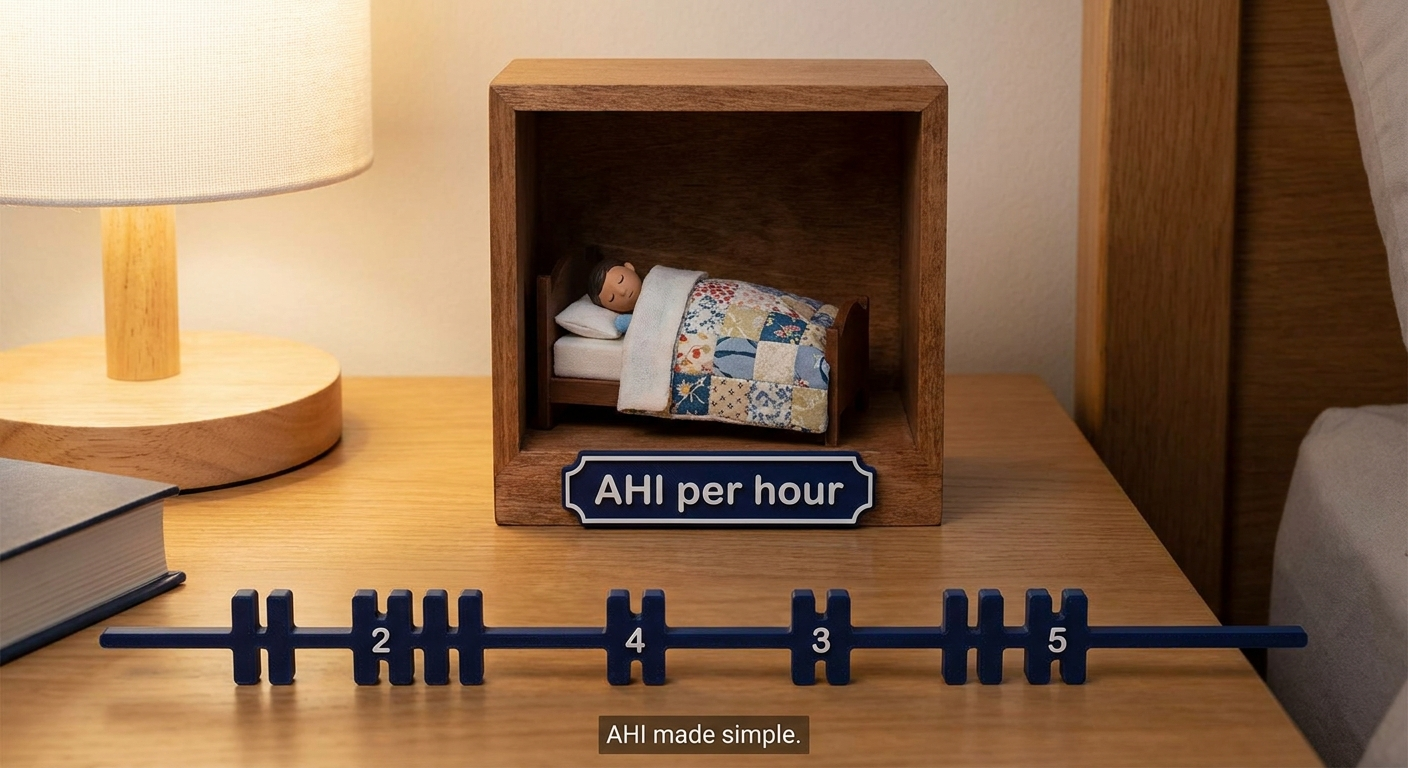
One key measurement is the AHI (apnea-hypopnea index)—how many breathing interruptions occur per hour of sleep. For a deeper breakdown, see our internal guide: AHI score (apnea-hypopnea index) explained (https://sleepandsinuscenters.com/blog/ahi-score-explained-understanding-your-sleep-apnea-severity).
Why some people can’t tolerate CPAP
Common reasons include mask discomfort, claustrophobia, dry mouth, aerophagia (air swallowing), nasal blockage, noise, or partner disruption. CPAP is still often first-line because it can work extremely well—but it has to be usable night after night.
Many patients describe the gap like this: “I believe it works—I just can’t sleep with it.” That’s exactly when it makes sense to discuss other options using your sleep study results and a careful airway exam. Only a qualified clinician can advise you on continuing, stopping, or replacing CPAP.
Bottom line: If CPAP isn’t workable, there are alternatives—choosing safely requires a clinician-guided review of your data and anatomy.
Symptoms that should prompt an OSA evaluation (even if you don’t snore)
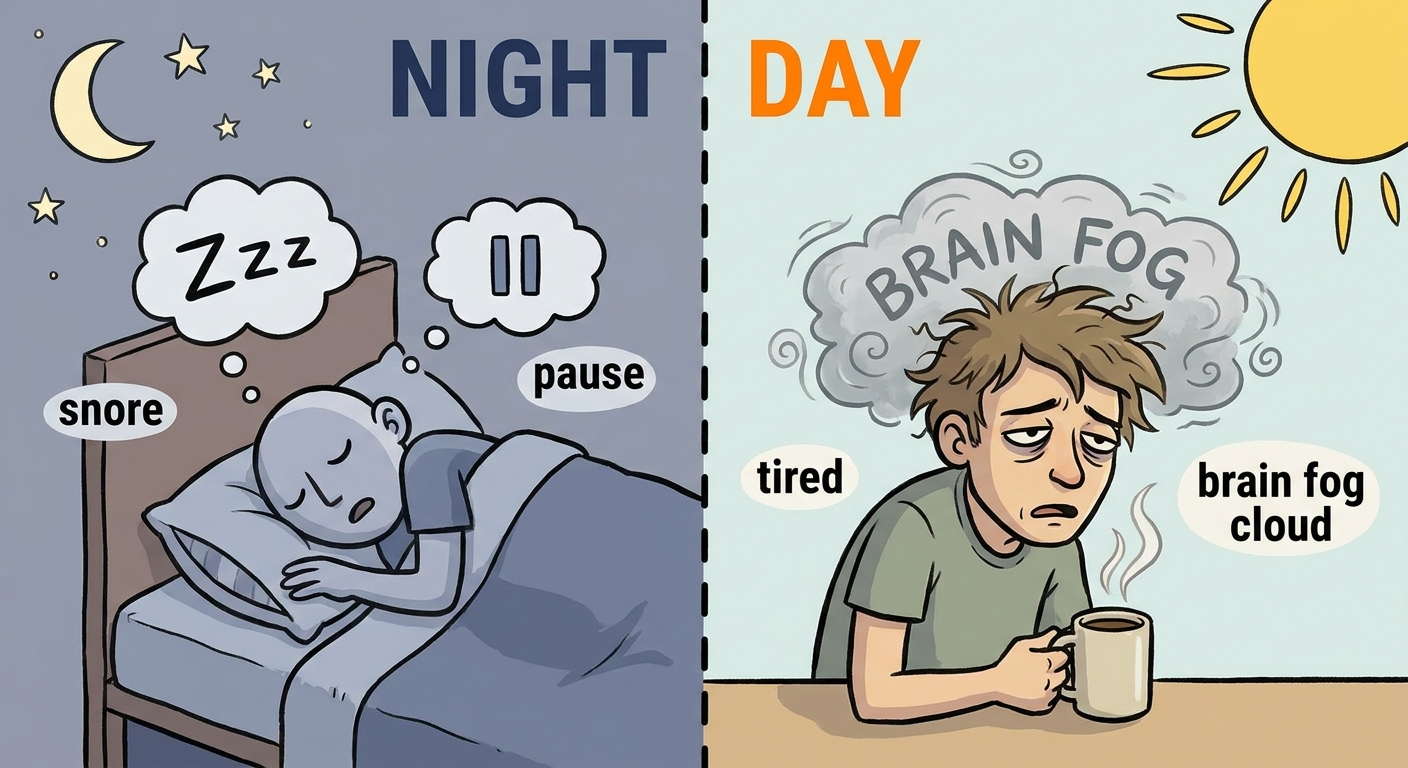
Nighttime symptoms
- Loud or persistent snoring
- Choking/gasping during sleep
- Witnessed pauses in breathing
- Restless sleep or frequent awakenings
- Getting up often to urinate at night
Daytime symptoms
- Excessive sleepiness or fatigue
- Morning headaches
- Brain fog, attention problems
- Mood changes or irritability
When symptoms are urgent
If you’re falling asleep while driving, have severe daytime sleepiness, or are noticing possible heart rhythm symptoms, it’s important to seek medical evaluation promptly and consider urgent or emergency care when appropriate.
Bottom line: Don’t ignore red flags—timely evaluation can be protective for your health and safety.
Causes and anatomy—why the tongue matters in many OSA cases
The tongue base as an airway “bottleneck”
In many people, the tongue and surrounding soft tissue can shift backward during sleep—especially when muscles relax. Depending on your anatomy, that tongue-base region may become a major contributor to obstruction.
A helpful analogy: imagine the airway as a soft, flexible tunnel. When you’re awake, muscle tone helps keep that tunnel open. During sleep, the support can relax—so the tongue base becomes a common “pinch point,” particularly when you’re on your back.
Why anatomy-based therapies can help (in the right patient)
Non-CPAP approaches generally try to do one (or both) of the following:
- Create more space (reduce or reposition tissue)
- Stabilize/move tissue (improve muscle tone or activation)
This is the logic behind VOAT (space) and Genio (stabilization via stimulation).
Bottom line: Matching therapy to anatomy is key—more room vs better support target different contributors to collapse.
Where VOAT and Genio fit among CPAP alternatives
Before considering procedures or implants, many patients explore other OSA treatment options, such as oral appliance therapy, positional therapy, weight management, nasal optimization, or myofunctional therapy. For a broader overview, see sleep apnea treatment options (including non-CPAP) (https://sleepandsinuscenters.com/snoring-sleep-apnea-treatment).
VOAT and Genio are typically specialist-delivered options for selected patients—especially when tongue-base obstruction is suspected. They may also be considered as part of a combination plan when more than one area of the airway contributes to collapse.
Bottom line: VOAT and Genio sit alongside oral appliances, positional tools, and other care—and are often part of a combination strategy.
VOAT (Ventral Only Ablation of the Tongue): what it is and how it works
VOAT stands for Ventral Only Ablation of the Tongue. It’s a radiofrequency ablation technique applied through the underside (ventral surface) of the tongue with the goal of reducing tongue tissue volume—particularly where that tissue contributes to airway blockage during sleep. (US20140066721A1, 2014)
Practically, the intention is to create more room at the tongue base so the posterior tongue is less likely to crowd the throat during sleep.
What the procedure appointment may look like
As described in a patent application, VOAT is designed as an office- or outpatient-based approach; real-world sedation plans, monitoring, and setting (clinic vs ambulatory surgery center) may vary by surgeon and facility. (US20140066721A1, 2014)
Patients often ask what “office-based” really means. In general terms, it may be performed without a hospital stay, but the exact experience (sedation plan, monitoring, aftercare) is individualized.
Who might be considered a VOAT candidate (high-level)
VOAT may be considered when an airway exam and/or sleep study suggests the tongue base is a meaningful site of collapse. Importantly, candidacy is individualized—OSA can involve multiple airway levels (nose, palate, tonsils, tongue base), and one procedure may not address every contributor.
For example, someone with mild-to-moderate OSA and tongue-base crowding might be evaluated differently than someone with more severe disease or multi-level obstruction.
Evidence: what we know (and what we don’t)
VOAT-specific clinical evidence is limited; much of the public technical description comes from patent literature and small retrospective/case-series reports rather than large prospective trials. (US20140066721A1, 2014)
More broadly, professional guidance recognizes submucosal tongue-base ablation (radiofrequency approaches as a class) as an available surgical tool for selected patients—often with the strongest support in mild-to-moderate OSA and careful patient selection. Note: this speaks to the class of procedures, not a specific branded technique. (AAO-HNS Position Statement)
A clinician might summarize it this way: “Radiofrequency at the tongue base can help the right anatomy—but outcomes vary, and it’s not automatically the best fit for every severity.”
Potential benefits and limitations (patient-friendly)
- Potential benefits
- No implanted device
- May be performed in an office- or outpatient-based setting
- May improve breathing metrics and symptoms in selected cases
- Limitations
- Procedure-specific evidence base is smaller compared with FDA-labeled implant systems
- Results can vary; it may be insufficient as a stand-alone approach for some moderate-to-severe cases
Risks and side effects to discuss with your ENT
Possible risks can include soreness, swelling, tongue discomfort, taste changes, bleeding or infection risk, and temporary speech or swallowing changes. Your surgeon should review personalized risks and expected recovery based on your anatomy and health history.
Bottom line: VOAT is a tissue-reduction tool for selected anatomies, with modest evidence and variable outcomes—best considered within a comprehensive plan.
Genio: FDA-approved bilateral hypoglossal nerve stimulation (mask-free)
What Genio is
Genio is an FDA-approved system in the hypoglossal nerve stimulation category. A battery-free implant is placed under the chin and powered by an external wearable used during sleep. The stimulation is designed to activate tongue muscles to help maintain airway openness. (FDA SSED, 2025; Woodson et al., 2025)
If VOAT is about reshaping space, Genio is about supporting function: it’s intended to help the tongue muscles do, during sleep, what they do more naturally while awake—help keep the airway from collapsing.
Learn more here: Genio sleep apnea implant (https://sleepandsinuscenters.com/services/genio).
FDA approval and who qualifies (key eligibility points)
Per FDA labeling, Genio is indicated for adults ≥22 years with moderate-to-severe OSA and AHI 15–65, who have failed, cannot tolerate, or are ineligible for standard treatments such as PAP therapy. Full criteria are determined by FDA labeling and the implanting team. (FDA SSED, 2025)
Who is not eligible (common exclusions to know)
Common exclusions in FDA labeling include (not exhaustive):
- Central/mixed apneas ≥25% of total AHI
- Pregnancy
- Certain anatomical or surgical considerations
- Presence of another active implantable device
See FDA labeling and safety information for full details. (FDA SSED, 2025; Nyxoah safety)
A common point of confusion is the “central apnea” question. Your sleep study typically breaks down events into obstructive vs central/mixed—and that percentage can directly affect eligibility. (FDA SSED, 2025)
What the process typically involves (from consult to “therapy on”)
1. Specialist consult with sleep study review and airway evaluation
2. Candidacy testing (some centers may include DISE based on protocol)
3. Surgical implantation
4. Healing period followed by therapy setup/activation
5. Follow-ups and adjustments to optimize settings over time
Results and clinical evidence (DREAM study)
In the DREAM study, response was commonly described using “responder” definitions (meaning a clinically meaningful improvement in breathing metrics, not necessarily a complete cure).
Published 12-month responder rates included:
- AHI responder: 63.5% (published) / 66.4% (FDA full analysis)
- ODI responder: 71.3% (published) / 74.5% (FDA full analysis)
(Woodson et al., 2025; FDA SSED, 2025)
Translated for everyday expectations: for many patients, success may look like fewer breathing events, better oxygen stability, reduced snoring, and better daytime alertness—while still recognizing that follow-up testing is important to confirm objective improvement.
Risks, tradeoffs, and why Genio isn’t a universal CPAP replacement
Genio requires an operation and has short-term surgical risks. Device-related complications are also possible, and ongoing follow-up is part of care. For these reasons, Genio is not a universal replacement for CPAP—but it can be a meaningful mask-free sleep apnea treatment for properly selected patients. (FDA SSED, 2025)
Bottom line: Genio is an FDA-labeled option with defined candidacy and solid prospective data—valuable for the right patient, but not for everyone.
VOAT vs Genio: side-by-side comparison (to help patients self-orient)
Mechanism
- VOAT: structural approach—reduces tissue volume at the tongue base (US20140066721A1, 2014)
- Genio: functional approach—stimulates tongue muscles during sleep (FDA SSED, 2025)
Invasiveness and reversibility
- VOAT: no implant; may be performed as an office- or outpatient-based radiofrequency treatment
- Genio: implanted system plus nightly external wearable; surgical implantation required
Strength of evidence and regulatory status
- VOAT: limited VOAT-specific data; broader tongue-base radiofrequency (as a class) supports selected cases; no FDA labeling specific to VOAT (AAO-HNS)
- Genio: FDA-approved with prospective outcomes and defined labeling (FDA SSED, 2025; Woodson et al., 2025)
Eligibility restrictions
- Genio: strict requirements including AHI 15–65, age criteria, and central apnea limitations; additional factors apply per implanting team (FDA SSED, 2025)
- VOAT: more dependent on anatomy and physician assessment than a single FDA label
What “success” may look like
For either approach, success often means improvement—not perfection—such as fewer breathing interruptions, better sleep quality, reduced snoring, and improved daytime function.
Bottom line: The options differ in mechanism, evidence, and eligibility—success is typically measured by clinically meaningful improvement.
How to know if you’re a candidate (evaluation checklist)
Bring these to your consult
- Your sleep study report (AHI, central apnea percentage, oxygen measures/ODI)
- CPAP history (what you tried, what didn’t work, what barriers you hit)
If you don’t have your full report, you can often request it from the sleep lab or ordering provider. Having the actual numbers (not just “mild/moderate/severe”) makes the consult much more efficient.
Airway-focused ENT/sleep evaluation
A detailed exam may include nasal airflow, palate/tonsils, tongue base, jaw position, and weight-related considerations. Some patients may be offered DISE depending on the clinical question and center protocol.
The goal is to answer a practical question: Where is the airway most likely collapsing—and what’s the least invasive way to treat that effectively?
Questions to ask your specialist
- Where is my airway collapsing most?
- Do I have too much central sleep apnea for Genio eligibility?
- Would VOAT likely be adequate for my severity, or only part of a combination plan?
- What side effects are most common in your practice, and how are they managed?
Bottom line: Bring your sleep data and questions—targeted evaluation is what turns options into a plan.
Lifestyle and supportive steps that can improve outcomes (with any treatment)
Practical habits that often help OSA
Many people benefit from foundational changes alongside medical care, such as:
- Positional strategies (side-sleeping when positional OSA is suspected)
- Weight management when appropriate
- Avoiding alcohol/sedatives near bedtime (they can worsen airway collapsibility)
- Treating nasal congestion/allergies to make nighttime breathing easier
Use combination therapy when appropriate
Even when pursuing sleep apnea without CPAP, some patients do best with combination care—such as nasal optimization plus an oral appliance, or a procedure plus positional strategies—based on clinician guidance. For a broader overview of CPAP alternatives, see sleep apnea treatment options (https://sleepandsinuscenters.com/snoring-sleep-apnea-treatment).
Bottom line: Foundational habits and combination care can boost the effectiveness of any primary therapy.
FAQs
1) Can VOAT or Genio cure sleep apnea?
They may significantly improve OSA in selected patients, but many treatments aim for meaningful reduction in severity and symptoms rather than a guaranteed cure.
2) Is Genio available in the U.S. now, and who can get it?
Genio is FDA-approved for qualifying adults ≥22 years with AHI 15–65 who cannot use standard treatments such as PAP. (FDA SSED, 2025)
3) What if my sleep study shows central sleep apnea too?
Genio labeling excludes patients when central/mixed apneas are ≥25% of total AHI. (FDA SSED, 2025)
4) How long does it take to recover from VOAT vs Genio surgery?
Recovery varies by person and treatment. VOAT may be performed in an office- or outpatient-based setting with potentially quicker recovery, while Genio involves surgical healing plus later therapy activation and follow-up adjustments. (US20140066721A1, 2014; FDA SSED, 2025)
5) Will I still need CPAP after VOAT or Genio?
Some patients may still use PAP (or another therapy) depending on the outcome and severity. Others may reduce or eliminate PAP use—this is determined by follow-up and objective testing. Only a qualified clinician should advise changes to your CPAP plan.
6) Is Genio similar to other hypoglossal nerve stimulators?
It’s in the same general category (hypoglossal nerve stimulation), but system design can differ (for example, how it’s powered and how stimulation is delivered). (FDA SSED, 2025)
7) What are the risks of implanted stimulation devices?
Risks include surgical risks and possible device-related complications; details are outlined in FDA documents and manufacturer safety information. (FDA SSED, 2025; Nyxoah safety)
Bottom line: Expectations, recovery, and risks differ—align with your specialist on goals and follow-up testing.
Conclusion + next step
If you’re exploring sleep apnea without CPAP, VOAT and Genio represent two very different “no-mask” directions: one reduces tongue tissue volume; the other uses hypoglossal nerve stimulation to activate tongue muscles during sleep. The right choice depends on your sleep study (including whether you fall into AHI 15–65), your airway anatomy, and your overall health profile.
To explore mask-free sleep apnea treatment pathways, book an appointment with Sleep and Sinus Centers of Georgia for a sleep study review and airway assessment: https://www.sleepandsinuscenters.com/
Bottom line: The safest next step is a specialist evaluation that matches your anatomy and sleep study to the right therapy.
Sources
- U.S. Patent Application US20140066721A1 (2014): https://patents.google.com/patent/US20140066721A1/en
- AAO-HNS Position Statement: Submucosal Ablation of the Tongue Base for OSAS: https://www.entnet.org/resource/position-statement-submucosal-ablation-of-the-tongue-base-for-osas/
- U.S. FDA. Genio System 2.1 SSED (2025): https://www.accessdata.fda.gov/cdrh_docs/pdf24/P240024B.pdf
- Woodson et al. (2025). Bilateral hypoglossal nerve stimulation for obstructive sleep apnea. https://pmc.ncbi.nlm.nih.gov/articles/PMC12582211/
- Nyxoah Genio Safety Information: https://en.geniosleep.com/safety
This article is for educational purposes only and is not medical advice. Please consult a qualified healthcare provider for diagnosis and treatment.
Don’t let allergies slow you down. Schedule a comprehensive ENT and allergy evaluation at Sleep and Sinus Centers of Georgia. We’re here to find your triggers and guide you toward lasting relief.