Septoplasty Surgery: Benefits, Procedure, and Recovery Guide
If chronic nasal blockage is affecting your sleep, workouts, or day-to-day comfort, a deviated septum may be part of the puzzle. Septoplasty is a common, functional procedure designed to improve airflow by correcting a septum that’s shifted off-center.
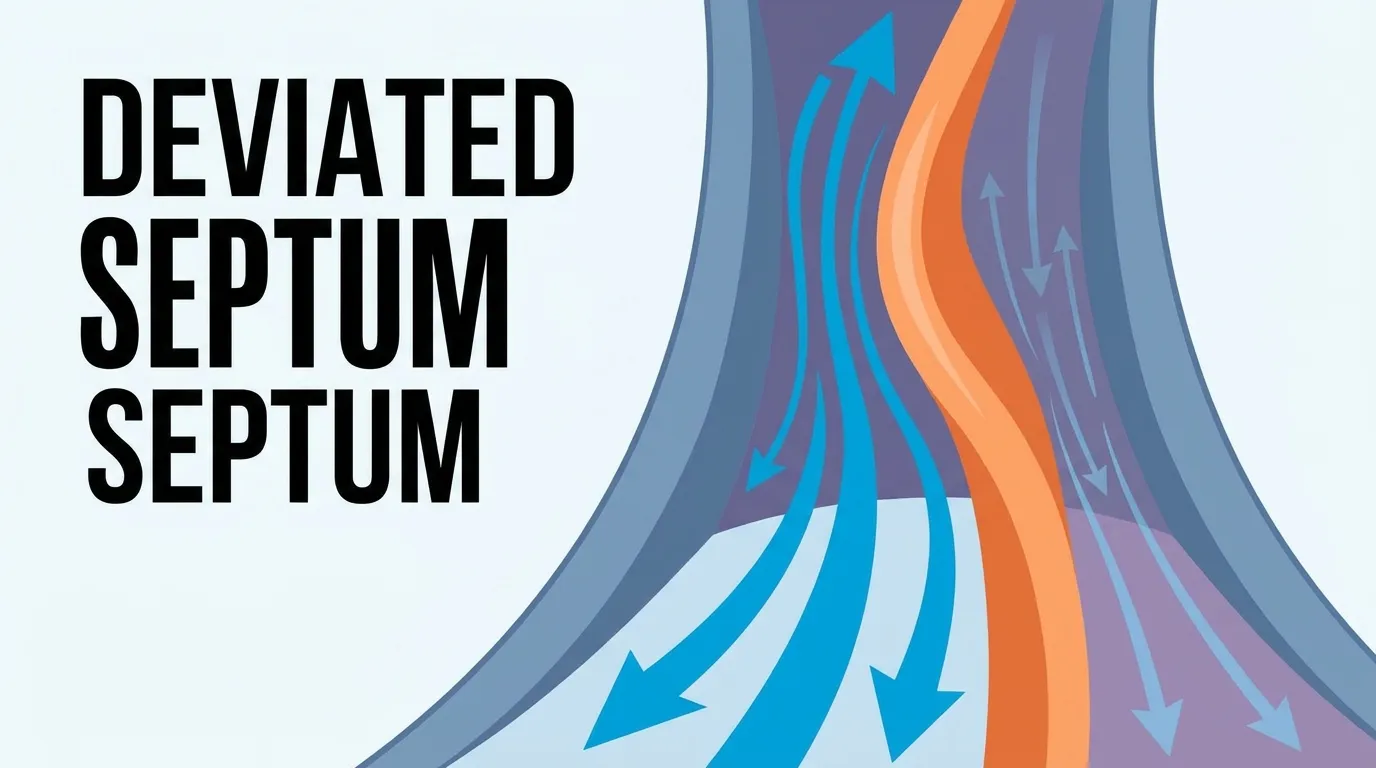
Think of the septum like the center divider in a two-lane tunnel: if it’s pushed into one lane, that side gets tighter, and airflow can feel restricted—even if you’re trying to breathe normally. Below is an educational, patient-friendly guide to what septoplasty does, how it’s performed, what recovery is like, and when it makes sense to see an ENT specialist.
Quick Takeaways (for skimmers)
• What septoplasty fixes: a deviated septum that contributes to airflow obstruction.
• What it doesn’t fix by itself: allergy inflammation, chronic rhinitis, or nasal valve collapse (though these can coexist).
• Most common reason people choose it: persistent nasal obstruction and difficulty breathing through the nose.
• Timeline: some people notice improvement within the first few weeks, but many continue to see gradual gains for 3–6 months or longer as swelling resolves and tissues settle (NCBI, 2026; ASPS, 2026; Acibadem International, 2026).
• During recovery: know what’s typical (temporary congestion) vs. when to contact your surgeon (heavy bleeding, fever, worsening one-sided swelling).

What Is Septoplasty?
The nasal septum—what it is and why it matters: The septum is the wall between your nostrils. It’s cartilage in the front and bone farther back, covered by a thin lining. When it’s significantly off-center, one side can narrow and breathing may feel restricted—often more on one side.
What septoplasty is designed to do: It straightens, repositions, and/or removes small portions of deviated cartilage and bone to improve airflow (NCBI, 2026). It targets function; if inflammation is the main driver, medical therapy or a combined approach may be needed.
Septoplasty vs. rhinoplasty: Septoplasty is primarily functional—improving internal airflow. Rhinoplasty reshapes the external nose and may also include functional steps. They are sometimes combined when both breathing and appearance goals are addressed. Bottom line: septoplasty targets internal airflow; rhinoplasty reshapes the nose and can include functional work when needed.

Signs & Symptoms of a Deviated Septum (When Septoplasty Might Help)
Breathing and congestion symptoms: Ongoing nasal blockage (often worse on one side), difficulty breathing through the nose during exercise or sleep, mouth breathing and waking with a dry mouth. Learn more: https://sleepandsinuscenters.com/deviated-septum-relief
Sleep-related symptoms: Snoring that worsens when the nose feels blocked; poor sleep quality due to nighttime congestion. Some notice positional patterns (worse on one side when lying down)—share this with your ENT.
Sinus and nose symptoms that can overlap: Recurrent pressure or “sinus-like” congestion (not always infection), dryness, or occasional nosebleeds. Similar symptoms can come from allergies, turbinate enlargement, or chronic rhinitis; a deviated septum is only one possible cause. If symptoms are persistent or one-sided, an ENT evaluation can clarify structure vs. inflammation.
What Causes a Deviated Septum?
Common causes: Natural anatomy (many people have mild deviation), injury/trauma (sports, falls, accidents), and developmental changes as the face grows.
Why symptoms can change over time: Inflammation from allergies or colds can worsen obstruction; turbinates can enlarge and further narrow airflow. The septum sets the baseline space; swelling explains day-to-day or seasonal ups and downs.
Benefits of Septoplasty (What Patients Typically Notice)
Functional benefits: Improved airflow and reduced obstruction (NCBI, 2026), often making breathing feel more comfortable during daily activities and exercise.
Quality-of-life benefits: Better comfort at night and less reliance on short-term decongestants—addressing the structure when deviation is the true driver.
Timing of results: Some feel improvement within weeks, but swelling can mask benefits early. More complete healing and stabilization commonly occur over 3–6 months or longer (NCBI, 2026; ASPS, 2026; Acibadem International, 2026). Expect stepwise improvement.
Who Is a Good Candidate—and Who Might Not Be?
Common reasons ENT surgeons recommend septoplasty: A significant septal deviation impairing breathing (NCBI, 2026) and symptoms persisting despite appropriate medical management.
When other treatments should be tried first (or alongside): Manage inflammation (allergies, chronic rhinitis) and consider turbinate reduction if enlargement contributes to blockage. If allergic swelling is the main issue, septoplasty alone may not deliver the relief you want.
Pre-surgery evaluation: Symptom history and nasal exam, sometimes nasal endoscopy; imaging when additional issues are suspected. Share patterns (one-sided vs. both, seasonal changes, exercise and sleep effects). Good candidates have structural blockage aligned with symptoms and realistic expectations.

Septoplasty Procedure (Step-by-Step, Patient-Friendly)
Before surgery (pre-op checklist): Review medications and supplements (bleeding risk), discuss smoking/vaping (healing), plan time away from work, and prep simple recovery basics (meals, pillows, saline as advised).
Day of surgery—what happens: Often under general anesthesia (sometimes local plus sedation). Incisions are commonly inside the nose, so no visible external scar.
What the surgeon does: Lift the thin lining over the septum, reposition and/or remove small portions of deviated cartilage and bone, and preserve structural support so the nose remains stable. Think careful internal carpentry—improve the airway while keeping support.
Splints, packing, and related procedures: Some surgeons use temporary internal splints; traditional packing is less common than many expect. Septoplasty may be combined with turbinate reduction. Ask what splints are for and when they come out.
Risks & Possible Complications (Transparent but Reassuring)
Common short-term issues: Temporary congestion, crusting and dryness, and mild oozing. Many notice pressure more than sharp pain early on.
Less common but important risks: Infection, septal perforation, persistent symptoms or need for revision, and uncommon changes in nasal shape if support is affected. Your surgeon will review risks in the context of your anatomy and health history.
When benefits may be limited: If symptoms are driven mainly by inflammation or by nasal valve collapse (a different structural issue). An ENT exam helps separate space problems from swelling problems and identifies when both are present.

Septoplasty Recovery Timeline (What to Expect)
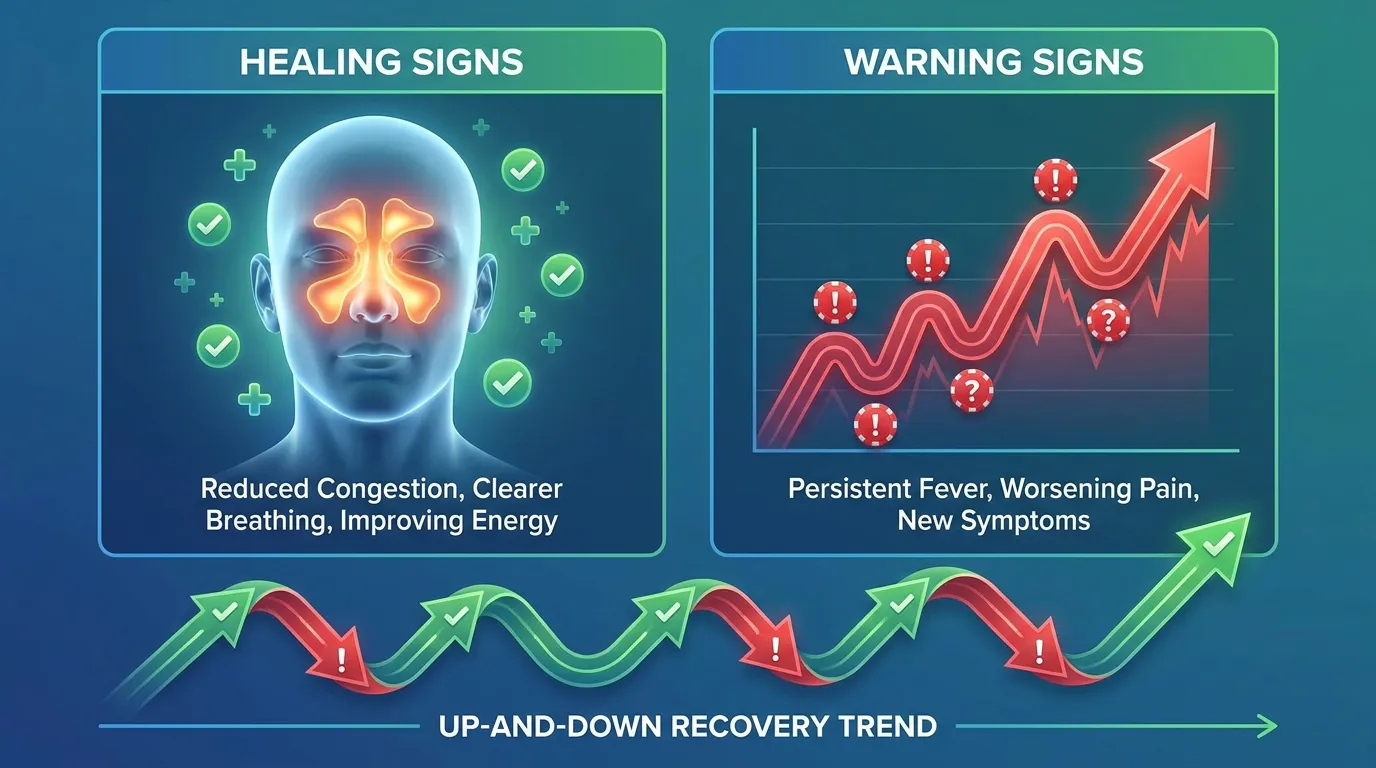
The first week: Congestion and pressure from swelling, reduced airflow, head elevation for sleep, and avoiding strenuous activity as instructed. Early on you may feel more blocked before feeling better—swelling and crusting take up space temporarily.
Weeks 2–6: Swelling and crusting typically improve; breathing often progresses as the lining heals. Follow-ups help ensure healing is on track. Week-by-week overview: https://sleepandsinuscenters.com/blog/septoplasty-recovery-week-by-week-complete-timeline-20260123051106
Months 3–6 (full settling phase): Internal tissues and cartilage continue to settle. Many surgeons consider 3–6 months a realistic window for fuller recovery, with some noticing continued subtle gains beyond that (NCBI, 2026; ASPS, 2026; Acibadem International, 2026).
“Normal” recovery vs. red flags: Often normal—fluctuating congestion, dryness, mild tenderness. Contact your surgeon promptly for heavy bleeding, fever, worsening one-sided swelling/pain, foul drainage, or a sudden decline in breathing.

At-Home Care & Lifestyle Tips After Septoplasty
Nasal hygiene: Gentle moisture and hygiene measures—saline sprays or rinses—based on your surgeon’s timeline. How-to reference: https://sleepandsinuscenters.com/blog/how-to-do-a-saline-rinse-after-septoplasty-step-by-20260326011446
What to avoid while healing: Nose blowing early on (until cleared), smoking/vaping, and heavy exercise or lifting until cleared. Ask for concrete activity examples if unsure.
Sleep and comfort tips: Head elevation, good hydration, and light walking as tolerated per your surgeon’s guidance. Your surgeon’s specific instructions come first.
Non-Surgical Treatments to Consider (If Symptoms Are Mild or Mixed-Cause)
Medication options: Steroid nasal sprays and allergy management when inflammation is a major driver.
Mechanical support: External nasal strips or internal nasal dilators can offer partial, temporary relief depending on the cause of narrowing.
When “trying everything” still doesn’t help: Structural blockage from a deviated septum often won’t fully respond to medication alone because the issue is physical narrowing (NCBI, 2026). A structural fix may be worth discussing with an ENT.
FAQs About Septoplasty
Q: Does septoplasty change how my nose looks?
A: Usually it’s designed not to, since the work is internal. Subtle changes are uncommon but possible, especially if additional structural work is needed.
Q: Is septoplasty painful?
A: Many describe pressure and congestion more than sharp pain, particularly in the first week. Experience varies.
Q: How soon will I breathe better?
A: Some notice improvement within weeks, but swelling can hide results early. More complete settling commonly takes 3–6 months or longer (NCBI, 2026; ASPS, 2026).
Q: How long do I need off work?
A: It depends on job demands and healing. Desk work often requires less downtime than physically demanding work.
Q: Can a deviated septum come back?
A: The septum usually remains improved, though symptoms can recur if other nasal issues develop or if residual deviation persists.
Q: What’s the difference between septoplasty and balloon sinuplasty?
A: Septoplasty reshapes/repositions the septum to improve airflow. Balloon sinuplasty opens sinus drainage pathways with a balloon; it does not reshape the septum.
Q: Is septoplasty covered by insurance?
A: Coverage often depends on documentation of obstruction and medical necessity, and it varies by plan.
When to See an ENT Specialist
Signs you should book an evaluation: Chronic nasal obstruction affecting sleep or daily life, symptoms not improving with appropriate medical therapy, or a history of nasal trauma with persistent blockage.
What to bring: A symptom timeline, treatments you’ve tried (sprays, allergy meds, strips), allergy history, and current medication list. An ENT visit helps sort out structure vs. inflammation and aligns treatment with your goals.
Call to Action
If you’re dealing with ongoing nasal blockage, the next step is figuring out why—septal deviation, turbinate enlargement, allergies, or another cause can look similar day-to-day. Sleep and Sinus Centers of Georgia can evaluate your symptoms and discuss whether septoplasty surgery or another approach fits your anatomy and goals.
Book an appointment: https://www.sleepandsinuscenters.com/ and bring a short list of your symptoms, triggers, and any treatments you’ve already tried.
Sources
National Center for Biotechnology Information (NCBI). Septoplasty (2026). http://ncbi.nlm.nih.gov/books/NBK567718
American Society of Plastic Surgeons (ASPS). Septoplasty Results (2026). http://plasticsurgery.org/reconstructive-procedures/septoplasty/results
Acibadem International. Septoplasty (2026). http://acibademinternational.com/septoplasty
This article is for educational purposes only and is not medical advice. Please consult a qualified healthcare provider for diagnosis and treatment.
Don’t let allergies slow you down. Schedule a comprehensive ENT and allergy evaluation at Sleep and Sinus Centers of Georgia. We’re here to find your triggers and guide you toward lasting relief.