Septoplasty Candidate Checklist: Do You Need Septum Surgery?
If you’ve dealt with chronic nasal congestion, ongoing nasal obstruction, or persistent mouth breathing, it’s normal to wonder: Is this just allergies—or is it structural? This ENT-informed checklist helps you connect common deviated septum symptoms with what an ENT looks for when deciding whether an ENT evaluation for septal correction makes sense.
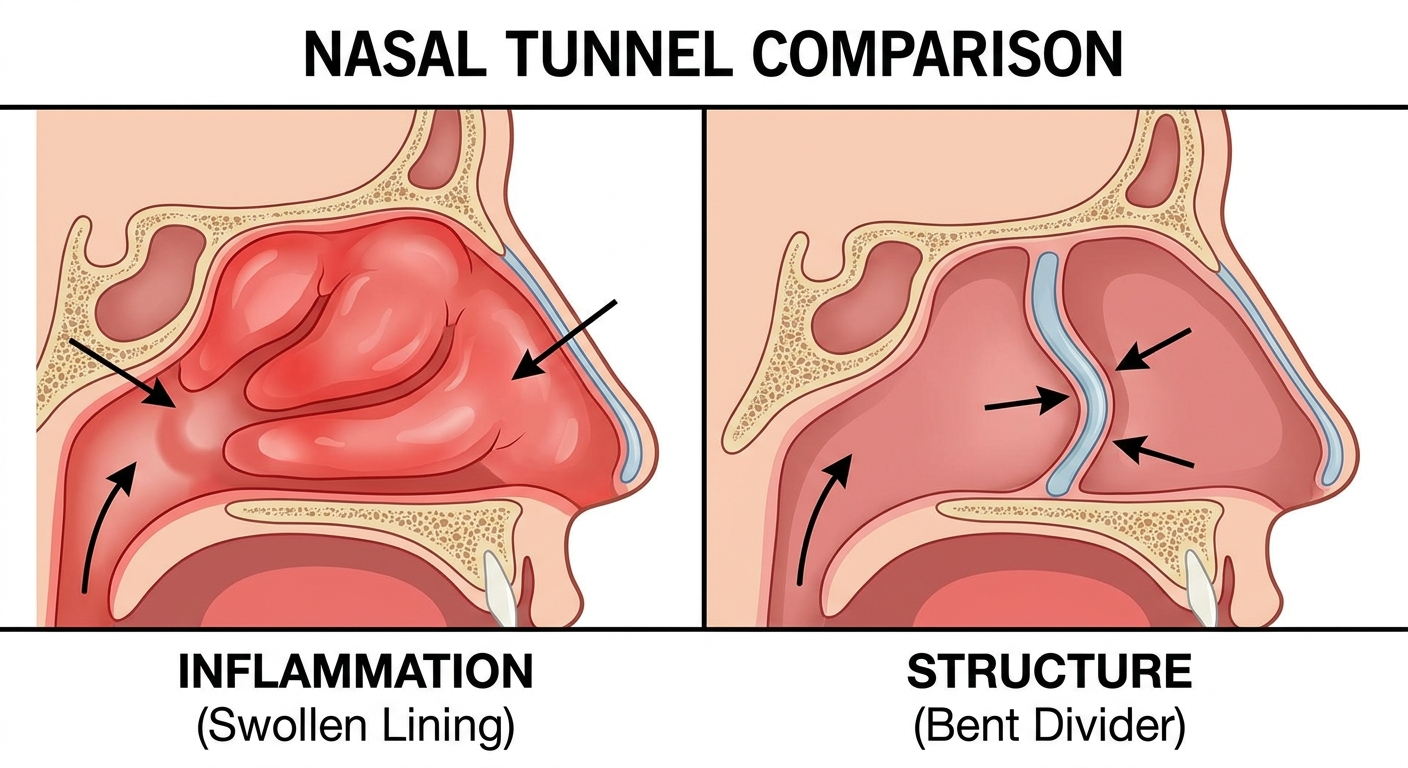
A simple way to think about it: inflammation (like allergies) is like puffy lining, while a deviated septum is more like a bent divider inside the nose. Sprays can calm swelling, but they can’t straighten cartilage and bone.
Medical disclaimer: This article is for general education and isn’t a substitute for medical advice, diagnosis, or treatment. An in-person exam with an ENT is the best way to confirm the cause of nasal blockage.
Quick Answer: What Makes Someone a Good Candidate for Septoplasty?
Septoplasty is a procedure that corrects a nasal septal deformity (deviated septum)—the wall inside the nose that separates the left and right nasal passages—to improve airflow and reduce blockage-related problems. The key point: candidacy is usually based on symptoms plus exam findings, not simply having a deviation. Many people have a mildly deviated septum and feel fine. [2][3]
One of the main medical reasons ENTs recommend septoplasty: persistent nasal obstruction associated with a deviated septum, especially when it affects quality of life—sleep, exercise, and day-to-day breathing. [3] In clinic, ENTs often hear: I can’t get a full breath through my nose, even when I’m not sick. That always blocked pattern is a major clue.
What Septoplasty Can Improve (and What It Can’t)
- May improve nasal airflow and breathing
- May reduce congestion caused by structural blockage
- May support better sleep breathing for some people when nasal obstruction is a major contributor (for example, if obstruction drives mouth breathing) [2][3]
- Does not cure allergies. Better airflow can make rinses and sprays feel more effective because medication can reach deeper areas more easily.
Summary: Septoplasty targets structure; medical therapy still matters for inflammation.

Septoplasty Candidate Checklist (ENT Green Flags)
Use this septoplasty candidate checklist to see whether your symptoms match what ENTs commonly evaluate for septal correction.
1) You constantly struggle to breathe through one (or both) nostrils
- Breathing feels consistently limited, often more on one side
- Symptoms don’t follow typical cold patterns (improving after a week or two)
- Can feel worse when lying down or during exercise [3][4]
Concrete example: if your right side feels blocked every day, but the left side only takes over sometimes, an ENT may suspect the septum is narrowing one passage in a fairly fixed way—like a hallway that’s permanently too tight.
2) Chronic nasal congestion that doesn’t respond well to medications
If you’ve tried reasonable medical therapy with minimal relief—such as saline rinses, nasal steroid sprays, and antihistamines (when allergies are controlled)—that can suggest a structural problem rather than inflammation alone. [3][4] Medication can reduce swelling, but it can’t move a crooked support beam. When you stop sprays and you’re right back to blocked, people often begin exploring septoplasty.
3) Loud, persistent snoring (especially with mouth breathing)
Snoring has multiple causes, but nasal blockage is a common contributor. If you regularly snore and also have ongoing congestion or mouth breathing, septal correction may help in some people by lowering resistance and improving nasal airflow. [3][4] One practical sign: you wake up with a dry mouth and your partner reports snoring that’s worse when you’re on your back.
4) Frequent sinus infections, facial pressure, or sinus headaches
In some patients, impaired airflow and drainage may contribute to recurrent sinus issues. Septoplasty may be part of a broader treatment plan when structural obstruction is contributing. [2][4]
If you’re comparing next steps, this page on deviated septum relief options can help you understand both surgical and non-surgical pathways: https://sleepandsinuscenters.com/deviated-septum-relief
5) You wake up tired, with dry mouth—or suspect sleep apnea
Nasal obstruction can worsen sleep quality, increase mouth breathing, and contribute to sleep-disordered breathing in some people. Septoplasty is often intended to improve airflow and reduce secondary issues (like waking with dry mouth), though it isn’t a stand-alone solution for everyone—especially if sleep apnea is present. [3]
6) You’ve been told you have a deviated septum—and your symptoms match
Being told you have a deviation isn’t automatically a reason for surgery. What increases the likelihood of benefit is when the deviation correlates with obstruction seen on exam, and your symptom burden is meaningful (sleep, work, exercise, recurring infections). [3][4]
7) Your nasal breathing got worse after injury (sports, accident, prior surgery)
Nasal trauma is a common cause of septal deviation. If breathing noticeably changed after an injury, an ENT exam can determine whether the septum is contributing to ongoing nasal obstruction. [4]
Summary: If several of these green flags fit your experience, an ENT assessment can clarify whether septoplasty belongs in your plan.

Red Flag Symptoms: When to See an ENT Soon (Not Just for Septoplasty)
While most nasal blockage is related to benign causes (inflammation or structure), it’s smart to seek timely ENT evaluation for symptoms like:
- One-sided obstruction with repeated nosebleeds
- Persistent severe facial pain
- Unexplained weight loss
- Symptoms that don’t fit typical allergy/cold patterns or keep worsening
Summary: If something feels off or keeps worsening—especially on one side—get evaluated sooner rather than later.
What Causes a Deviated Septum?
Natural anatomy and development (born this way)
Many deviations are present from birth or become more noticeable during growth. [4]
Injury or trauma
A hit to the nose can shift cartilage or bone and narrow airflow. [4]
Aging and structural changes over time
Nasal structures can change gradually, and what was once tolerable may become more noticeable later. [4]
Summary: A deviated septum can be present from birth or result from injury; only an exam can confirm impact.
Septoplasty vs. Something Else: Common Look-Alike Problems
Not all congestion equals a deviated septum. ENTs often check for multiple contributors, because nasal blockage is frequently multifactorial—more than one issue at once.
Allergies or chronic rhinitis (inflammation)
Inflammatory congestion tends to fluctuate and often responds—at least partially—to consistent medical therapy.
Enlarged turbinates (often co-existing)
Turbinates help humidify and filter air, but if they’re enlarged, they can add to blockage. Many septoplasty patients also benefit from turbinate management to maximize airflow. [3]
Nasal valve collapse (structural weakness at the nasal entrance)
Sometimes airflow limitation is driven by weakness or narrowing at the nasal valve (near the nostril opening), not only the septum. This is another reason a targeted exam matters—different problems require different fixes.
If you’re exploring alternatives, you may also want to read about other nasal treatment approaches, including select minimally invasive, balloon-based techniques when appropriate. These are not the same as traditional septoplasty, but in some anatomies they may complement or provide an alternative: https://sleepandsinuscenters.com/blog/balloon-septoplasty-with-clearpath-a-less-invasive-fix-for-a-deviated-septum
Summary: Nasal blockage is often multifactorial; matching treatment to the right cause improves outcomes.
How an ENT Confirms Whether You’re a Septoplasty Candidate
Symptom history that matters (what your ENT will ask)
- One-sided vs. two-sided blockage
- Nighttime worsening
- Exercise limitation
- Recurrent sinus infections
- Snoring, mouth breathing, or possible apnea symptoms
It can help to bring specifics (even a quick phone note): How many months has this been going on? What have you tried? What changed—if anything—after medication?
Physical exam (including looking inside the nose)
An ENT evaluates septal shape, turbinate size, and nasal valve behavior to identify structural reasons for obstruction. [3]
Nasal endoscopy (when needed)
This quick in-office exam helps identify blockage sources beyond the septum (for example, polyps or drainage pathway issues).
CT scan (usually if sinus disease is suspected)
Imaging isn’t always required for septoplasty alone, but it may be helpful when septoplasty for sinus infections is being considered as part of a broader sinus plan. [3]
Summary: A focused history plus targeted exam is the standard way to confirm candidacy for septoplasty.

Non-Surgical Treatments to Try First (When Appropriate)
Many people start with medical therapy and later decide on a procedure if obstruction persists.
Daily habits that support nasal breathing
- Saline rinses (as directed)
- Humidification in dry environments
- Avoiding known triggers (smoke, irritants, uncontrolled allergens)
Medication options your clinician might recommend
- Nasal steroid sprays
- Antihistamines
- Targeted allergy treatment (when indicated)
Temporary breathing aids (short-term symptom relief)
External nasal strips or internal dilators can improve airflow for some people, but they’re typically helper tools, not a fix for a significant deviation.
Summary: Medical therapy reduces swelling; procedures address a structural bend when symptoms persist.
Septoplasty Treatment Overview: What the Procedure Does
The goal—straighten the septum to improve airflow
Septoplasty repositions and/or reshapes the septum to reduce blockage and improve airflow through the nasal passages. [2][3][4]
Septoplasty is often combined with other procedures
Depending on anatomy, septoplasty may be performed with turbinate reduction, sinus procedures, or nasal valve repair. [3]
Expected benefits
- Easier nasal breathing
- Less obstruction-driven congestion
- Possible improvement in snoring and sleep quality when nasal blockage is a major factor [2][3]
For a deeper procedural overview, see: https://sleepandsinuscenters.com/blog/deviated-septum-surgery-at-sleep-sinus-centers-of-georgia
Risks and limitations (plain language)
Like any procedure, septoplasty has potential risks, including bleeding, infection, persistent symptoms, or the need for revision in some cases. [3] A candid ENT discussion should also cover what septoplasty can realistically improve based on your anatomy and whether other contributors (allergies, turbinates, valves) need attention too.
Summary: The goal is better airflow; your surgeon may combine techniques to match your anatomy and goals.

Recovery Snapshot: What Patients Typically Experience
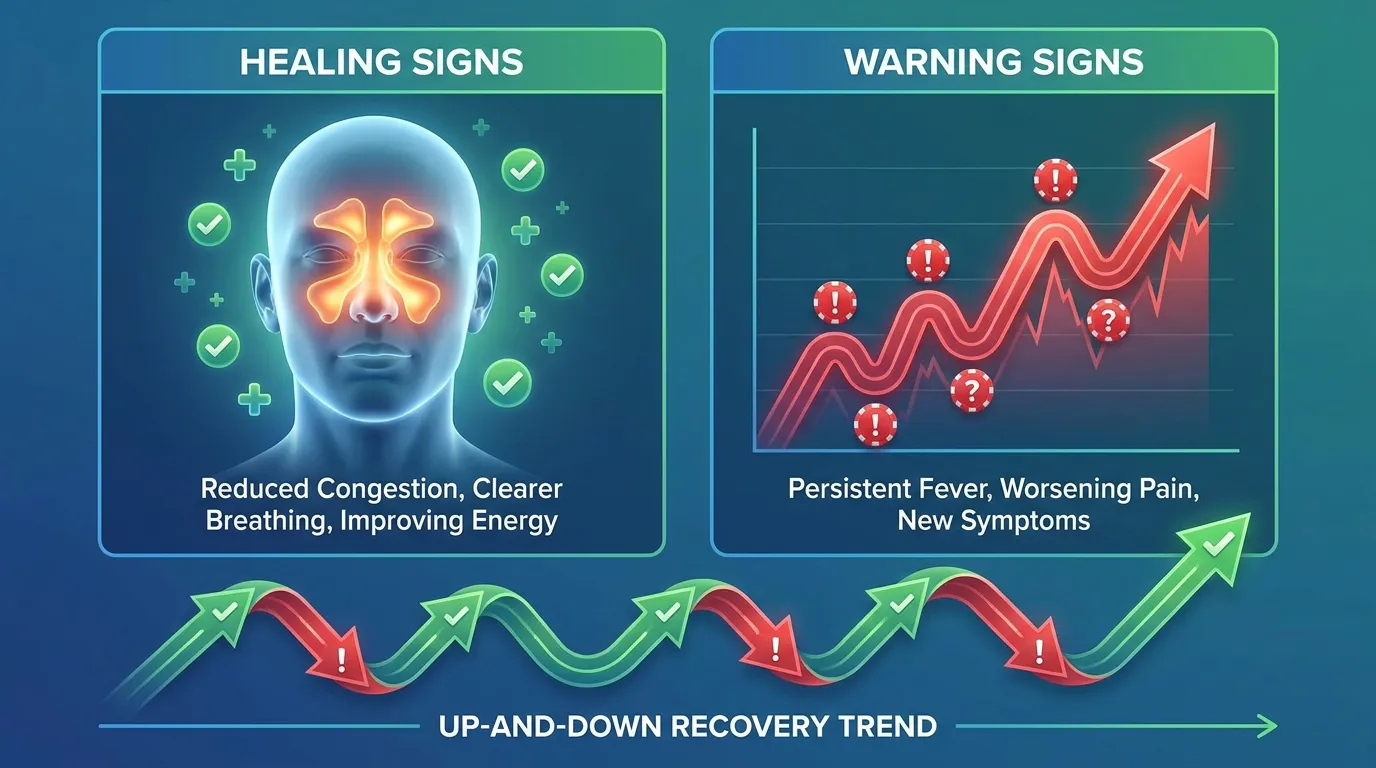
First week: congestion, pressure, and limited nose blowing
Swelling can temporarily make breathing feel worse before it feels better. Some patients also experience pressure and fatigue.
Weeks 2–6: gradual breathing improvement as swelling drops
As swelling decreases, airflow typically improves. Follow-up visits help ensure healing is on track.
Tips to heal well
Common aftercare themes include saline use as directed, sleeping slightly elevated early on, avoiding heavy lifting initially, and being gentle with the nose.
Summary: Expect steady improvement over weeks, not days.
Who Might Not Be a Good Septoplasty Candidate (or Should Wait)
Symptoms mainly from allergies (and not a structural block)
If inflammation is the main driver, optimizing medical therapy first may be more appropriate. [3]
Ongoing nasal infection or uncontrolled medical conditions
Timing may need adjustment so surgery is performed under the safest conditions.
Expecting a cosmetic change
Septoplasty is a functional procedure. Cosmetic goals usually require separate planning (and sometimes rhinoplasty). [2][3]
Summary: If symptoms stem mostly from inflammation—or if goals are cosmetic—surgery type or timing may differ.
FAQs About Septoplasty Candidacy
How do I know if my deviated septum is bad enough for surgery?
Usually, it’s bad enough when your symptoms are significant and the ENT exam shows the deviation matches the obstruction pattern. [3][4]
Can septoplasty help with snoring?
It may help in some people when nasal obstruction is a major contributor. Snoring often has multiple causes, so outcomes depend on the full airway picture. [3][4]
Can septoplasty help sleep apnea?
Septoplasty can reduce nasal resistance and may improve tolerance of other treatments, but it is not a stand-alone cure by itself. [3]
If I can breathe fine during the day but not at night, could it still be a deviated septum?
Yes. Lying down can change congestion dynamics, and structural narrowing can become more noticeable at night. [4]
Is septoplasty covered by insurance?
Septoplasty is often covered when medically indicated (such as documented obstruction), but coverage varies by plan. An ENT visit can clarify what documentation is needed and what your benefits may include.
Summary: The best answers depend on your specific anatomy, symptoms, and goals—an exam ties it all together.
When to Book an ENT Evaluation
Consider scheduling an evaluation at Sleep and Sinus Centers of Georgia if you’ve had:
- Persistent symptoms for 8–12+ weeks despite appropriate medical treatment
- Recurrent sinus infections or ongoing facial pressure
- Disruptive snoring or possible sleep apnea symptoms
- Noticeable breathing changes after injury
You can schedule an ENT evaluation to review symptoms, get a focused nasal exam, and learn whether septal correction—or another approach—fits your situation: https://sleepandsinuscenters.com/appointments
Note: If you’re unsure whether your symptoms are serious enough, booking a consultation is often the fastest way to get clarity and a personalized plan.
References (Citations)
1. American Society of Plastic Surgeons (ASPS). Septoplasty Candidates. https://www.plasticsurgery.org/reconstructive-procedures/septoplasty/candidates [1]
2. Mayo Clinic. (2023). Septoplasty: About. https://www.mayoclinic.org/tests-procedures/septoplasty/about/pac-20384670 [2]
3. StatPearls/NCBI Bookshelf. (2022). Septoplasty. https://www.ncbi.nlm.nih.gov/books/NBK567718/ [3]
4. Cleveland Clinic. (2025). Deviated Septum. https://my.clevelandclinic.org/health/diseases/16924-deviated-septum [4]
This article is for educational purposes only and is not medical advice. Please consult a qualified healthcare provider for diagnosis and treatment.
Don’t let allergies slow you down. Schedule a comprehensive ENT and allergy evaluation at Sleep and Sinus Centers of Georgia. We’re here to find your triggers and guide you toward lasting relief.