Septoplasty and Sinus Surgery: Benefits, Recovery, and What to Expect
If you struggle with constant nasal blockage, recurrent sinus infections, or pressure that never fully goes away, you may have heard an ENT mention septoplasty and sinus surgery in the same conversation. Many people have a combination of issues—like a deviated septum plus chronic sinus inflammation—and treating only one part of the problem may not fully relieve symptoms.
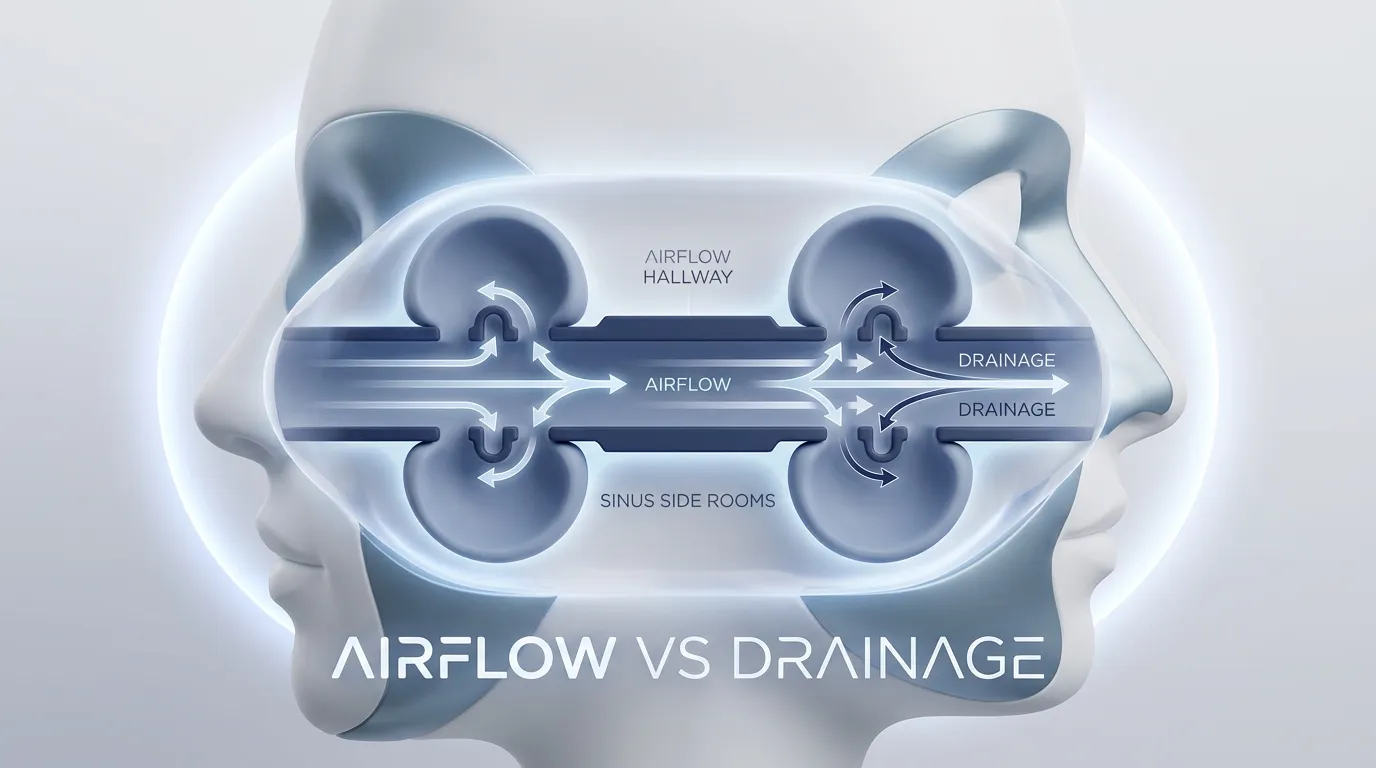
Think of the septum as the main hallway for airflow and the sinuses as side rooms with small doorways and drains. If the hallway is narrow and the drains are blocked, an ENT may recommend a plan that addresses both problems.
Below is a patient-friendly overview of what these procedures do, who may benefit, how recovery typically feels, and what questions to ask when you’re deciding on next steps with Sleep and Sinus Centers of Georgia.
What Are Septoplasty and Sinus Surgery?
Septoplasty (what it fixes and why it’s done): A septoplasty straightens the nasal septum—the cartilage and bone wall dividing the nose into left and right sides. When the septum is significantly off-center (a deviated septum), it can narrow airflow and contribute to chronic obstruction. It’s usually performed to improve breathing (functional), not for cosmetic reasons. Common reasons include airway obstruction, recurrent nosebleeds, and septal deformity (Mayo Clinic, 2023). Sprays and rinses can ease symptoms, but they cannot physically straighten cartilage or bone.
Sinus surgery (what it treats and how it helps): Functional endoscopic sinus surgery (FESS) uses a thin camera to improve sinus openings and airflow pathways when inflammation or blockage doesn’t respond to appropriate medical care. It’s often considered for chronic rhinosinusitis and may be paired with septoplasty when anatomy contributes to obstruction or limits access (Mayo Clinic, 2023; ENT & Allergy, 2024). Think of it as widening a narrow drain so mucus moves more normally and topical treatments can reach where they need to after healing.
Why they’re often discussed together: A deviated septum can worsen congestion and make access to sinus pathways more difficult during endoscopic surgery. A combined plan (septum + sinuses, and sometimes turbinates) can better address both airflow and drainage. The goal isn’t “more surgery”—it’s matching anatomy, disease, and symptoms.
Summary: Septoplasty helps airflow, sinus surgery helps drainage—and some patients do best when both are addressed together.

Featured Snippet: Septoplasty vs FESS (and a quick recovery timeline)
Septoplasty vs FESS—what’s the difference?
- Septoplasty: Straightens the septum to improve nasal airflow and reduce obstruction (Mayo Clinic, 2023).
- FESS (sinus surgery): Uses an endoscope to open sinus drainage pathways to improve ventilation and drainage in chronic rhinosinusitis (Mayo Clinic, 2023).
Typical recovery milestones (high level)
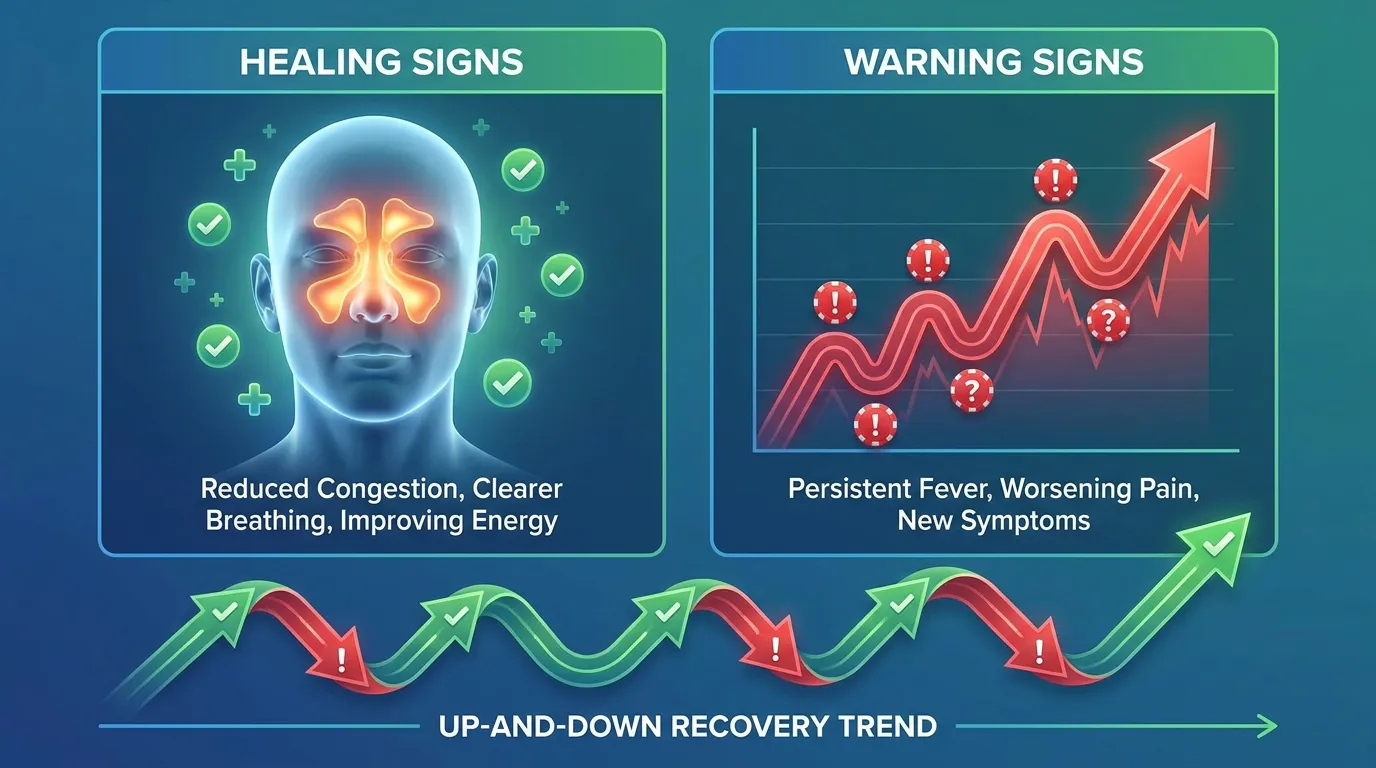
- First 24–72 hours: congestion, drainage/oozing, rest and head elevation.
- Days 4–14: follow-ups; congestion gradually improves; many return to non-strenuous work.
- Weeks 3–6+: breathing and sinus symptoms continue to improve; lingering inflammation can take longer with combined procedures.
(Recovery timing varies—your surgeon’s instructions always take priority.)

Symptoms That May Suggest You Need Septoplasty, Sinus Surgery, or Both
Symptoms commonly linked to a deviated septum (septoplasty):
- Ongoing nasal blockage, often worse on one side.
- Trouble breathing through the nose during exercise or sleep.
- Some patients have recurrent nosebleeds (Mayo Clinic, 2023).
Explore deviated septum relief: https://sleepandsinuscenters.com/deviated-septum-relief
Symptoms commonly linked to chronic sinus problems (sinus surgery):
- Facial pressure/fullness.
- Thick drainage or post-nasal drip.
- Reduced smell or taste.
- Recurrent infections or symptoms >12 weeks. Learn more: https://sleepandsinuscenters.com/chronic-sinusitis
When symptoms overlap: “I can’t breathe through my nose and I keep getting sinus infections.” An ENT can evaluate whether combined septoplasty and sinus surgery could help. Improving nasal airflow can also support sleep and CPAP comfort when relevant.
Summary: If your symptoms overlap, an ENT can help determine whether airflow, drainage, or both are driving the problem.
Causes and Risk Factors (What’s Behind the Problem?)
What causes a deviated septum?
- Natural growth/development differences.
- Injury or trauma.
- Structural change after prior nasal procedures (in some cases).
What causes chronic rhinosinusitis that may lead to surgery?
- Ongoing inflammation influenced by allergies, irritant exposure, anatomic narrowing, and sometimes nasal polyps. Many patients try medical therapy before surgery; long-term success often depends on controlling inflammation even after anatomy is improved.
Summary: Knowing whether structure, inflammation, or both are at play guides the most effective plan.
Treatments to Try Before Surgery (and When Surgery Becomes the Best Next Step)
Non-surgical treatments for nasal obstruction:
- Saline rinses.
- Nasal steroid sprays (when appropriate).
- Trigger management (allergies/irritants).
- Evaluate turbinate swelling, rhinitis patterns, or medication overuse.
Non-surgical treatments for chronic rhinosinusitis:
- Saline irrigation and topical nasal steroids.
- Antibiotics when appropriate (not every flare).
- Allergy evaluation/treatment when triggers are suspected. This step helps confirm persistence despite appropriate care.
Signs you may be ready to discuss surgery:
- Persistent symptoms despite appropriate medical therapy.
- Recurring infections that significantly affect daily life.
- Endoscopy and/or CT evidence of blockage or chronic inflammation (as determined by your ENT).
Summary: Optimize medical therapy first; consider surgery when symptoms persist and imaging or endoscopy supports it.
Procedure Options (What Your ENT Might Recommend)
Septoplasty (the basics): Incisions are usually inside the nose; surgeons reshape/reposition the septum to improve airflow. Temporary splints/packing may be used. Goal: preserve support while correcting blockages.
Turbinate reduction (often paired with septoplasty): Turbinates warm/filter air but can enlarge with inflammation. Reducing their size can improve breathing. Some 2024 research suggests septoplasty plus inferior turbinate surgery may reduce revision risk in selected patients (NCBI/PubMed, 2024: https://pmc.ncbi.nlm.nih.gov/articles/PMC11582568/).
Functional Endoscopic Sinus Surgery (FESS): An endoscope is used to improve sinus drainage pathways—aiming for better ventilation, fewer flare-ups, and improved delivery of topical treatments after healing. Overview: https://sleepandsinuscenters.com/blog/endoscopic-sinus-surgery-what-patients-should-know
Balloon-based options (when appropriate): Balloon dilation (balloon sinuplasty) may be an alternative or adjunct, depending on anatomy/disease. Learn more: https://sleepandsinuscenters.com/balloon-sinuplasty
Septorhinoplasty (septoplasty + rhinoplasty): For combined breathing improvement and cosmetic changes; recovery and planning differ (ENT & Allergy, 2024).
Summary: Your surgeon will match the procedure—or combination—to your anatomy, symptoms, and goals.
Benefits of Septoplasty and Sinus Surgery (What Patients Usually Hope to Gain)
Breathing and sleep-related benefits:
- Improved nasal airflow.
- Less mouth-breathing at night.
- Better CPAP comfort when nasal obstruction is a barrier.
Sinus symptom relief (selected patients):
- Fewer infections.
- Less congestion and facial pressure.
- Better day-to-day symptom control.
Potential long-term advantages of combining procedures: In the right candidates, addressing multiple contributors (e.g., septum + turbinates ± FESS) may reduce revision risk (NCBI/PubMed, 2024).
Summary: The right procedure can improve daily breathing and reduce the frequency and intensity of sinus flare-ups.
Risks and Possible Complications (Clear, Non-Alarming)
Common short-term effects: congestion/stuffiness, mild bleeding/oozing, fatigue, temporary changes in smell. Many describe it as a “heavy cold” feeling for a few days. Your surgeon will provide a tailored comfort and aftercare plan.
Less common risks (high-level): infection, persistent symptoms, septal perforation, need for revision, anesthesia-related risks. Discuss your personal risk profile with your surgeon (Mayo Clinic, 2023).
Summary: Serious complications are uncommon but possible—review personal risks and benefits with your surgeon.

What to Expect Before Surgery (Pre-Op Planning)
Your evaluation and workup may include: symptom history and nasal exam, office nasal endoscopy, CT imaging when needed, and allergy assessment if symptoms suggest triggers.
Medication and health checklist: review blood thinners/NSAIDs and supplements, smoking/vaping, chronic health conditions/anesthesia considerations, and whether antibiotics or steroids are part of the plan. Bring a full medication list (including OTCs).
Practical prep at home: saline supplies, a humidifier, easy meals/hydration, time off work, and help with kids/pets. Set up a recovery zone (elevation pillows, tissues, water, charger).
Summary: Good pre-op planning smooths recovery and helps you feel prepared.
Day of Surgery: Step-by-Step Overview
Anesthesia and procedure length: Often outpatient; timing varies depending on septoplasty alone vs combined procedures (turbinate reduction and/or FESS). Plan who drives you home, first-night care, and follow-up timing.
What you may wake up feeling: significant congestion, mild pressure/drainage, and possibly a mild sore throat (from anesthesia). Early swelling can make you feel “blocked” before improvements build.
Summary: Expect early swelling and congestion—improvements build gradually as you heal.

Recovery Timeline (Typical Milestones)
First 24–72 hours:
- Congestion and drainage are expected.
- Rest and head elevation are commonly recommended.
- Plan for a quieter schedule.
Days 4–14:
- Follow-ups may include gentle suctioning/cleaning depending on the procedure.
- Return-to-work timing varies (desk vs physical work). This is often the “turning the corner” window.
Weeks 3–6+:
- Breathing and sinus symptoms often improve gradually.
- Some inflammation can linger; full healing can take longer after combined surgery. Timelines vary by anatomy, technique, and procedure mix (Mayo Clinic, 2023).
Summary: Recovery is a process—most people notice steady gains over weeks, not days.

Aftercare and Lifestyle Tips to Heal Well (and Protect Results)
Nasal care basics: saline sprays/rinses as directed, avoid nose blowing for a period (as instructed), use humidification and hydration to reduce dryness/crusting.
Activity restrictions: avoid heavy lifting/straining early on; avoid smoking/vaping exposure due to irritation and healing concerns. Even if you feel okay, early overexertion can increase swelling or bleeding risk.
Long-term habits to reduce sinus flare-ups: consistent allergy-control plan when relevant, reduce exposure to dust/mold/irritants, and use prescribed nasal medications consistently.
Summary: Gentle nasal care, smart activity limits, and trigger control support healing and long-term results.
When to Call Your Surgeon (Red Flags)
Contact your team promptly for: heavy bleeding that doesn’t slow, high fever or rapidly worsening pain, vision changes, stiff neck, severe headache, trouble breathing, or signs of dehydration.
Summary: If you’re unsure whether a symptom is urgent, call your care team.
FAQs
What’s the difference between septoplasty and sinus surgery?
- Septoplasty improves airflow by straightening the septum.
- FESS/sinus surgery improves sinus drainage pathways for chronic rhinosinusitis (Mayo Clinic, 2023).
Is it better to combine septoplasty with turbinate reduction?
- In selected patients, combining septoplasty with inferior turbinate surgery may reduce the chance of revision (NCBI/PubMed, 2024).
Does septoplasty change how my nose looks?
- Usually, septoplasty is for breathing without changing appearance. If appearance is a goal, discuss septorhinoplasty (ENT & Allergy, 2024).
How painful is recovery?
- Most people report congestion and pressure more than sharp pain; comfort plans vary by procedure.
How soon can I exercise, fly, or return to work?
- Ranges vary based on surgery extent and healing; follow your surgeon’s specific guidance.
Can surgery “cure” chronic sinusitis?
- Surgery can improve drainage and help ongoing medical therapy work better after healing; some patients still need long-term inflammation control.
Conclusion: Choosing the Right Procedure Starts with the Right Diagnosis
Septoplasty and sinus surgery address different but related problems: septoplasty focuses on airflow, while sinus surgery focuses on sinus drainage and ventilation. Many patients do best with a tailored plan that may include septoplasty, turbinate reduction, and/or FESS—based on symptoms, exam findings, and imaging. To explore options, book an appointment with Sleep and Sinus Centers of Georgia: https://www.sleepandsinuscenters.com/.
Medical disclaimer: This article is for educational purposes only and does not replace personalized medical advice, diagnosis, or treatment from a qualified clinician. Please consult a qualified healthcare provider for diagnosis and treatment.
Don’t let allergies slow you down. Schedule a comprehensive ENT and allergy evaluation at Sleep and Sinus Centers of Georgia. We’re here to find your triggers and guide you toward lasting relief.