Rhinoplasty in the Setting of a Deviated Septum (Septorhinoplasty): Benefits, Procedure, and Recovery
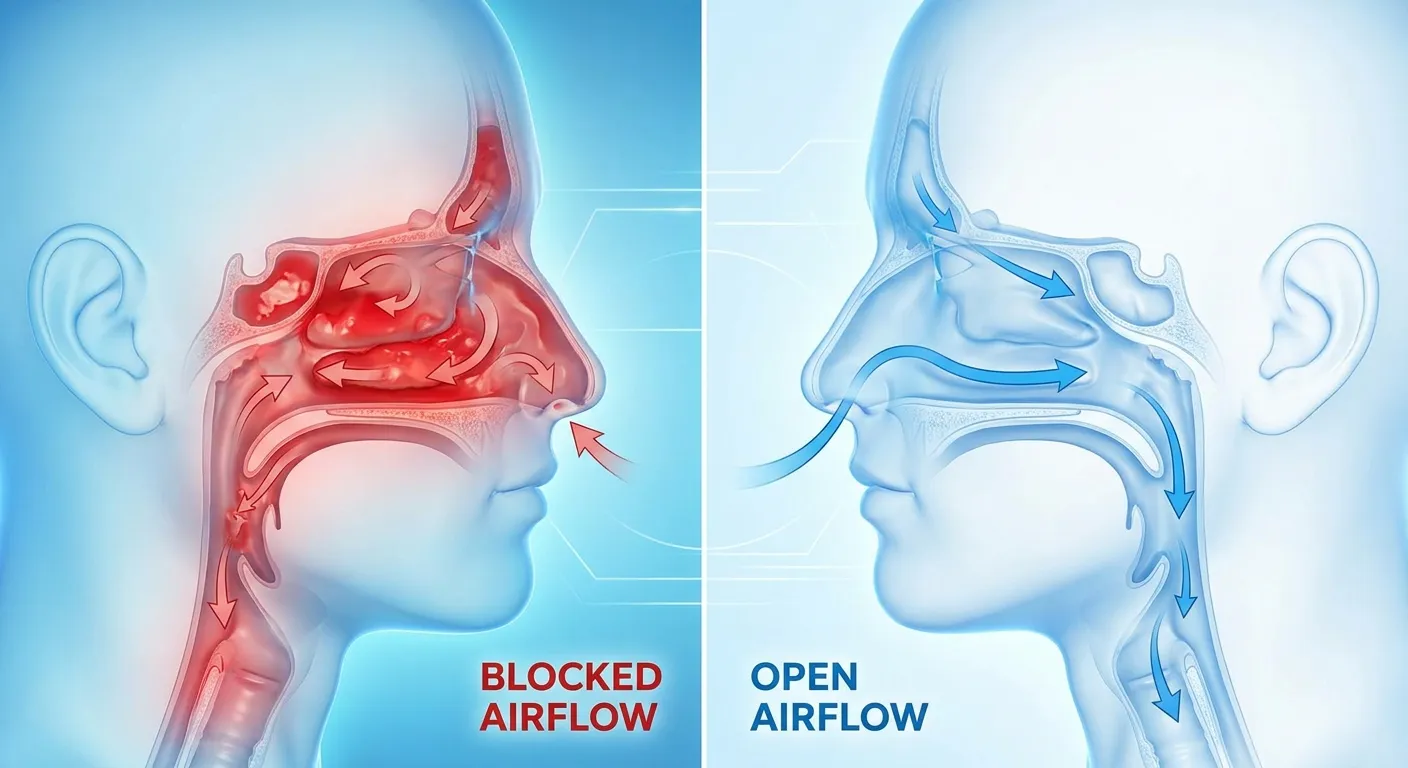
A deviated septum occurs when the thin wall of cartilage and bone that divides the nose (the septum) is shifted to one side. Think of the septum like the drywall between two hallways: if it bows to one side, one hallway narrows and airflow “backs up.” For some people, that shift mainly affects breathing; for others, it can also contribute to a nose that looks crooked or uneven.
There are several surgical options, and the best choice depends on your anatomy, symptoms, goals, and a clinician’s evaluation. In many people, septoplasty (an internal airway-focused procedure) addresses breathing. When external shape, support, or nasal valve function also contribute, rhinoplasty or a combined approach—often called functional rhinoplasty or septorhinoplasty—may be considered. For helpful overviews, see NYU Langone Health’s guide to deviated septum surgery: https://nyulangone.org/conditions/deviated-septum/treatments/surgery-for-deviated-septum and the American Academy of Facial Plastic and Reconstructive Surgery on functional rhinoplasty: https://www.aafprs.org/AAFPRS/Procedures/Rhinoplast/Functional_Rhinoplasty.aspx.
If you’re exploring rhinoplasty in the setting of a deviated septum (often referred to as septorhinoplasty), this guide reviews benefits, what happens during surgery, and what recovery commonly looks like—so you can have a clearer conversation with an ENT specialist.

What Is a Deviated Septum?
The nasal septum is the divider between the left and right nasal passages. When it’s deviated, the divider isn’t centered—so one side may be narrower than the other. Appearance and symptoms don’t always match: someone can have a visible deviation with few symptoms, while another person may have significant nasal obstruction even if the nose looks fairly straight.
Common symptoms can include:
- Nasal congestion (often worse on one side)
- Difficulty breathing through the nose, especially with exercise or at night
- Recurrent sinus pressure or infections (in some people)
- Nosebleeds or dryness
- Snoring or sleep disruption (in some patients)
Source: NYU Langone Health – Deviated Septum Treatments/Surgery: https://nyulangone.org/conditions/deviated-septum/treatments
Sometimes the blockage isn’t just the septum. Some people also have nasal valve collapse (weakness or narrowing in the nasal sidewall) or other structural narrowing. A thorough ENT evaluation—often including an in-office exam and sometimes nasal endoscopy—helps identify the true contributors.
Conclusion: A careful exam determines whether symptoms come from the septum alone or from additional narrowing such as the nasal valves.
What Causes a Deviated Septum?
Common causes include:
- Genetics/natural development (many people are born with it or develop it during growth)
- Injury (sports, falls, accidents—sometimes with a noticeable change in nasal symmetry)
- Prior nasal surgery (less common, but scarring or shifting can contribute)
Why symptoms from a deviated septum can feel worse over time
The septal deviation itself often doesn’t dramatically change, but symptoms can feel worse due to swelling, inflammation, allergies, or compensatory turbinate enlargement (turbinates are internal structures that can swell and further narrow airflow). This is why treatment planning often looks beyond the septum alone.
Conclusion: Over time, inflammation and turbinate swelling—not necessarily a “more crooked” septum—often drive worsening symptoms.

Septoplasty vs. Rhinoplasty vs. Functional Rhinoplasty (What’s the Difference?)
Many people searching for “rhinoplasty for deviated septum” are really asking which procedure fits their needs. Broadly:
- Septoplasty: Internal straightening of the septum to improve airflow; it typically does not change the external appearance. Source: NYU Langone: https://nyulangone.org/conditions/deviated-septum/treatments/surgery-for-deviated-septum
- Rhinoplasty: Reshapes and/or supports the external nose (bridge, tip, symmetry, proportions). It can also include steps that improve breathing if support or valve repair is part of the plan.
- Functional rhinoplasty (often part of septorhinoplasty): Aims to improve airflow and structural support; cosmetic changes may or may not be part of the plan. Source: AAFPRS: https://www.aafprs.org/AAFPRS/Procedures/Rhinoplast/Functional_Rhinoplasty.aspx
For a deeper breakdown, see: Septoplasty vs. Rhinoplasty: Key Differences & Benefits — https://sleepandsinuscenters.com/blog/septoplasty-vs-rhinoplasty-key-differences-benefit-20260124020915
Conclusion: The right choice depends on your anatomy, symptoms, goals, and a clinician’s evaluation after an exam.
Who Is a Good Candidate for Rhinoplasty in the Setting of a Deviated Septum?
You may be a candidate for septorhinoplasty if:
- You have breathing obstruction along with a crooked or shifted nasal appearance (commonly after injury)
- You’ve had limited improvement with medications or conservative care
- Valve weakness/collapse or external deviation contributes to airflow limitation
Who might not need rhinoplasty:
- If symptoms are mainly internal and appearance isn’t a concern, septoplasty alone may be sufficient.
- If obstruction is primarily driven by inflammation/allergies, consistent medical management is often the first step before considering surgery.
Explore options on our Deviated Septum Relief page: https://sleepandsinuscenters.com/deviated-septum-relief
Conclusion: Many people do well with septoplasty alone, while others benefit from a combined functional and structural approach.

Benefits of Septorhinoplasty (Rhinoplasty in the Setting of a Deviated Septum)
When appropriately planned, septorhinoplasty can address airflow and structural concerns. Outcomes vary based on anatomy and whether all contributors (such as valve narrowing) are treated.
Breathing and functional benefits may include:
- Improved airflow through one or both nostrils
- Reduced nasal obstruction during sleep or exercise
- Better nasal valve support when collapse or narrowing is present
Structural or aesthetic benefits (when part of your goals) may include:
- A straighter-appearing nose (commonly requested after trauma)
- Improved symmetry of the bridge or tip
- Enhanced balance with other facial features (individualized)
Quality-of-life benefits many people notice:
- Less mouth breathing
- More comfortable sleep (for some patients)
- Improved confidence when appearance has been a concern
Conclusion: A personalized plan that targets all airflow and support issues offers the best chance of meaningful, long-term improvement.

The Procedure: What Happens During Septorhinoplasty?
Pre-op consultation typically includes:
- Review of symptoms and breathing concerns
- Nasal exam (and sometimes nasal endoscopy)
- Discussion of goals (functional and aesthetic)
- Photos for planning and comparison
- Review of medications, smoking/vaping, and bleeding risk factors
Surgical techniques (high level) may involve:
- Open or closed approaches to access structures
- Straightening the septum and restoring cartilage support
- Strengthening areas tied to airflow, such as the nasal valves
When septal work and rhinoplasty are combined, the procedure is often listed as septorhinoplasty. Combined cases are commonly performed under general anesthesia in an accredited center or hospital.
Conclusion: Your surgeon tailors technique to your anatomy and goals, with airway function guiding the plan.

Recovery Timeline (What to Expect)
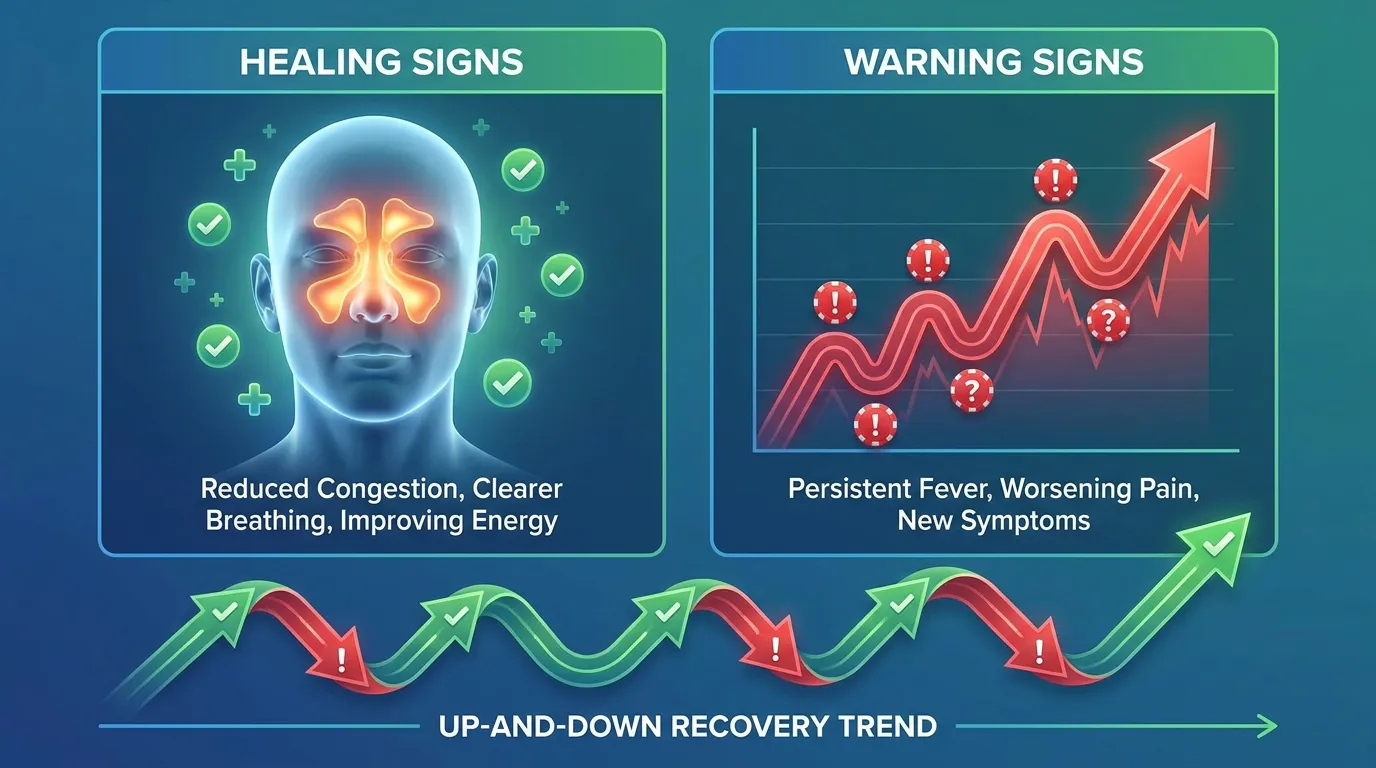
Everyone heals differently, but many people experience a gradual, steady improvement rather than an overnight change. Early swelling can temporarily make breathing feel worse before it feels better.
First 24–72 hours:
- Congestion, pressure, mild spotting/oozing
- Swelling and bruising
- Fatigue and need for rest
- Head elevation and supportive care per instructions
Week 1:
- Follow-up visit (and splint/cast removal if used)
- Bruising may peak and then begin to improve
- Breathing can still feel blocked due to swelling
Weeks 2–4:
- Day-to-day comfort improves
- Visible bruising fades
- Nasal breathing may fluctuate as swelling changes
- Return-to-work timing varies by role and surgeon guidance
1–3 months:
- More consistent breathing gains as swelling settles
- Ongoing shape refinement (tip swelling can take longer)
6–12 months:
- Continued refinement, particularly at the tip
For more detail, see our Rhinoplasty Recovery Timeline: https://sleepandsinuscenters.com/blog/rhinoplasty-recovery-timeline-week-by-week-healing-20260325181131
Conclusion: Expect gradual improvements, with final refinement taking months as swelling resolves.
Risks and Possible Complications
All procedures have risks; your surgeon will review these during consent.
Common short-term effects:
- Swelling and bruising
- Temporary congestion
- Temporary numbness or stiffness
Less common risks:
- Infection or bleeding
- Scarring concerns
- Persistent obstruction if contributors (e.g., valve collapse, turbinate enlargement) aren’t fully addressed
- Potential need for revision surgery
Conclusion: A comprehensive, anatomy-matched plan helps reduce the chance of persistent symptoms.
Non-Surgical and Minimally Invasive Alternatives
Medical management (when inflammation is a driver):
- Saline irrigation
- Nasal steroid sprays
- Allergy evaluation and treatment when relevant
Some people improve enough with consistent medical therapy that the deviation becomes less bothersome day-to-day.
VivAer (temperature-controlled radiofrequency for nasal valve–related obstruction):
- VivAer uses temperature-controlled radiofrequency (TCRF) to remodel tissue and improve airflow in selected patients with nasal valve–related obstruction; it is not a septum-straightening procedure.
- Published studies in selected patients have reported sustained symptom improvement over two years. Sources: https://pmc.ncbi.nlm.nih.gov/articles/PMC9437830/; https://aerinmedical.com/company-news/two-year-results-demonstrating-long-term-effectiveness-of-aerin-medicals-vivaer-treatment/; https://vivaer.com/
- To learn more about radiofrequency options, see: https://sleepandsinuscenters.com/blog/radiofrequency-ablation-for-nasal-obstruction
Balloon-based or other lower-impact options:
- Some clinics may offer balloon-based or other minimally invasive approaches in selected cases, but these are not appropriate for all types of septal deviation and generally do not correct significant structural deviation or valve collapse.
Conclusion: Non-surgical and minimally invasive options can help selected patients, especially when inflammation or the nasal valves are the main drivers.
Lifestyle Tips to Support Healing and Better Breathing
Before surgery (general education, not individualized):
- Stop smoking/vaping per surgeon instructions
- Manage allergies consistently
- Avoid blood-thinning medications/supplements if instructed
After surgery (when approved by your surgeon):
- Saline rinses and moisture strategies
- Humidifier use for dryness
- Sleep with head elevated
- Avoid strenuous exercise until cleared
- Avoid nose-blowing early unless specifically allowed
Conclusion: Always follow your surgeon’s instructions, which take priority over any general tips.
Frequently Asked Questions
Will rhinoplasty fix my breathing if I have a deviated septum? Breathing often improves when internal obstruction and/or nasal valve support issues are addressed. In some situations, septoplasty alone may be sufficient. Sources: https://nyulangone.org/conditions/deviated-septum/treatments/surgery-for-deviated-septum; https://www.aafprs.org/AAFPRS/Procedures/Rhinoplast/Functional_Rhinoplasty.aspx
Is septoplasty the same as rhinoplasty? No. Septoplasty focuses on internal straightening for airflow, while rhinoplasty focuses on external shape and support. Functional rhinoplasty/septorhinoplasty can combine airway and support goals.
How long does it take to breathe better after surgery? Many patients notice gradual improvement over weeks to months as swelling resolves, though timelines vary.
Does insurance cover septorhinoplasty? Functional portions (such as septoplasty or airway repair) may be covered with appropriate documentation; cosmetic portions are typically not. Coverage varies by plan and criteria.
What if I want to avoid surgery? Some obstruction improves with medical management. For selected nasal valve–related obstruction, minimally invasive TCRF remodeling (VivAer) may be an option to discuss. Sources: https://pmc.ncbi.nlm.nih.gov/articles/PMC9437830/; https://aerinmedical.com/company-news/two-year-results-demonstrating-long-term-effectiveness-of-aerin-medicals-vivaer-treatment/
Conclusion: The best next step is a personalized evaluation to match treatment to your anatomy and goals.
When to See an ENT (Next Steps)
Consider an evaluation if you have persistent one-sided blockage, frequent nosebleeds, recurrent sinus infections, sleep disruption, or worsening symptoms after an injury. An ENT exam can clarify whether you’re dealing with a septal deviation alone—or whether nasal valve collapse, turbinate enlargement, or other factors are contributing—and whether septoplasty, functional rhinoplasty/septorhinoplasty, or another approach best matches your needs.
Learn more about options at Sleep and Sinus Centers of Georgia: https://sleepandsinuscenters.com/deviated-septum-relief
Ready to talk with a specialist? Book an appointment: https://www.sleepandsinuscenters.com/
Conclusion: A thorough, in-person exam is the most reliable way to determine which approach will help you breathe—and feel—your best.
Medical disclaimer
Medical disclaimer: This article is for general educational purposes only and does not replace individualized medical advice, diagnosis, or treatment. Always seek guidance from a qualified clinician regarding your symptoms and care options.
This article is for educational purposes only and is not medical advice. Please consult a qualified healthcare provider for diagnosis and treatment.
Don’t let allergies slow you down. Schedule a comprehensive ENT and allergy evaluation at Sleep and Sinus Centers of Georgia. We’re here to find your triggers and guide you toward lasting relief.