Pharyngitis vs Tonsillitis: Key Differences, Symptoms, and Treatment Options
A sore throat is one of the most common reasons people seek care—especially during cold and flu season. But when you hear terms like pharyngitis, tonsillitis, or strep throat, it’s easy to wonder: are these the same thing, or different problems?
This guide breaks down pharyngitis vs tonsillitis in a patient-friendly way—what’s inflamed, what symptoms tend to show up, viral vs. bacterial causes (including strep), and how treatment decisions are usually made. If you’d like a quick refresher on sore throats in general, start here: https://sleepandsinuscenters.com/blog/what-is-a-sore-throat
Quick Answer: What’s the Difference?
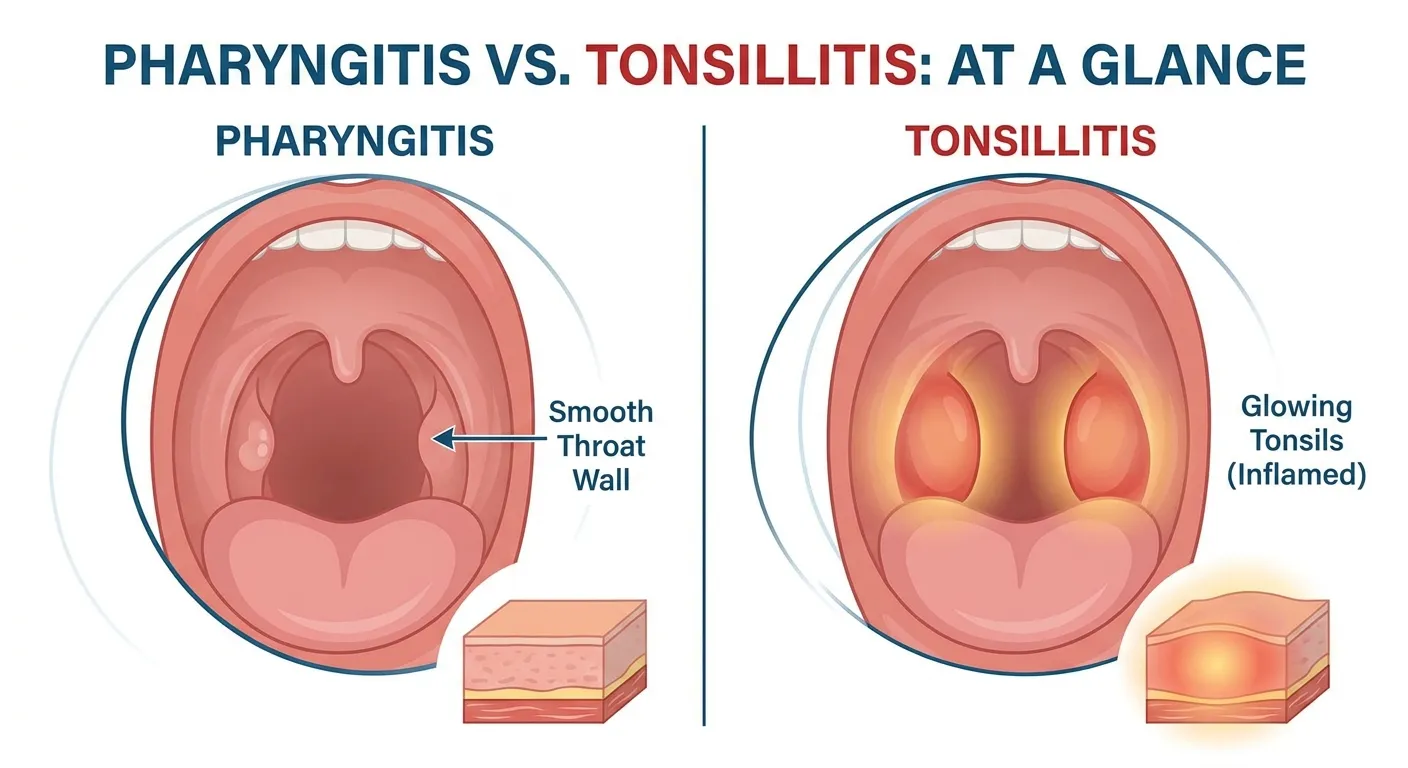
The simplest way to understand pharyngitis vs tonsillitis is by location:
- Pharyngitis = inflammation of the pharynx (the throat)
- Tonsillitis = inflammation of the tonsil tissue (two oval-shaped masses of lymphoid tissue at the back of the throat)
Why it gets confusing: they often happen together. If the pharyngeal lining is inflamed and the tonsils are swollen, a clinician may describe both pharyngitis and tonsillitis during the same illness. A clinician might put it this way: “Your throat is irritated, and your tonsils are also inflamed—so you technically have both.” The wording matters less than what comes next: deciding whether this looks viral, bacterial, or something else irritating the throat.
Bottom line: pharyngitis refers to inflammation of the pharynx (the throat), while tonsillitis refers to inflammation of the tonsil tissue—and they can feel very similar in day-to-day symptoms.

Throat Anatomy 101 (Patient-Friendly)
What is the pharynx? The pharynx is the muscular “tube” behind the nose and mouth that helps move food and liquid toward the esophagus, while also serving as part of the airway. In everyday terms, it’s what most people mean when they say “my throat hurts.” If your throat were a hallway, the pharynx is the hallway wall—a broad surface that can get inflamed from many causes (viruses, post-nasal drip, dry air, irritants).
What are tonsils and what do they do? The tonsils are two oval-shaped masses of lymphoid tissue at the back of the throat. They’re part of the immune system and help recognize germs—especially in childhood. It’s also common for children to naturally have larger tonsils than adults. In the hallway analogy, tonsils are more like two “security checkpoints” along the route. They can swell, develop visible irritation, and sometimes show white patches—without automatically meaning strep. For a deeper dive, see: https://sleepandsinuscenters.com/blog/what-is-tonsillitis-symptoms-causes-and-when-to-see-a-doctor
Think of the pharynx as the wall of the throat and the tonsils as immune “checkpoints”—both can become inflamed during the same illness.
Pharyngitis vs Tonsillitis (Side-by-Side Comparison)
Location of inflammation
- Pharyngitis: irritation/inflammation of the broader pharyngeal (throat) lining
- Tonsillitis: inflammation of the tonsil tissue specifically
How symptoms overlap
Many symptoms overlap, including:
- sore throat
- pain when swallowing
- fever (which can occur with both viral and bacterial causes)
- swollen neck lymph nodes
It’s possible to have:
- pharyngitis without tonsillitis (tonsils look relatively normal)
- tonsillitis with surrounding throat irritation
- both together (very common)
A real-world example: someone with a cold may have a scratchy, burning throat (pharyngitis) but tonsils that look normal. Another person may have markedly swollen tonsils with pain and bad breath (tonsillitis), plus generalized throat redness.
Why treatment is usually based on the cause, not the location
When comparing pharyngitis vs tonsillitis, the most important factor for treatment is often the cause:
- Viral infections don’t benefit from antibiotics.
- For confirmed or strongly suspected bacterial infections such as strep throat, antibiotics may help reduce complications and limit spread.
The “where” helps describe what’s inflamed; the “why” (cause) usually determines the treatment.
Symptoms (What You Might Notice)
Common symptoms of pharyngitis
- sore or scratchy throat
- pain with swallowing
- swollen or tender lymph nodes in the neck
- fever (which can occur with both viral and bacterial causes)
People often describe pharyngitis as a raw, sandpaper feeling—especially when swallowing. Some notice it more in the morning if they’ve been mouth-breathing overnight.
Common symptoms of tonsillitis
- red, swollen tonsils
- white patches (exudate) on the tonsils (this can happen with viral or bacterial infections)
- bad breath
- muffled voice (sometimes described as a “hot potato” voice when more severe)
- ear pain (referred pain from the throat)
A common “surprise” symptom is ear pain without an ear infection. The throat and ear share nerve pathways, so throat inflammation can be felt as ear discomfort.
Symptoms that suggest a viral cause
A viral pattern often includes cold-like symptoms such as:
- cough
- runny nose
- hoarseness
- conjunctivitis (pink eye)
A practical clue: if your sore throat comes with a classic cold package—coughing, sniffles, and a raspy voice—clinicians often think “viral” first, while still staying alert for exceptions.
Symptoms that raise suspicion for strep throat
Strep throat symptoms can include:
- sudden onset sore throat
- fever
- tender, enlarged lymph nodes
- swollen tonsils and/or tonsillar exudate
- absence of cough (this can increase suspicion for strep throat, but it’s not definitive)
Symptoms alone can’t always distinguish viral sore throat from strep throat, so testing may be needed.
If your symptoms fit strep or are severe, testing helps avoid guesswork and targets the right treatment.
Causes and Risk Factors
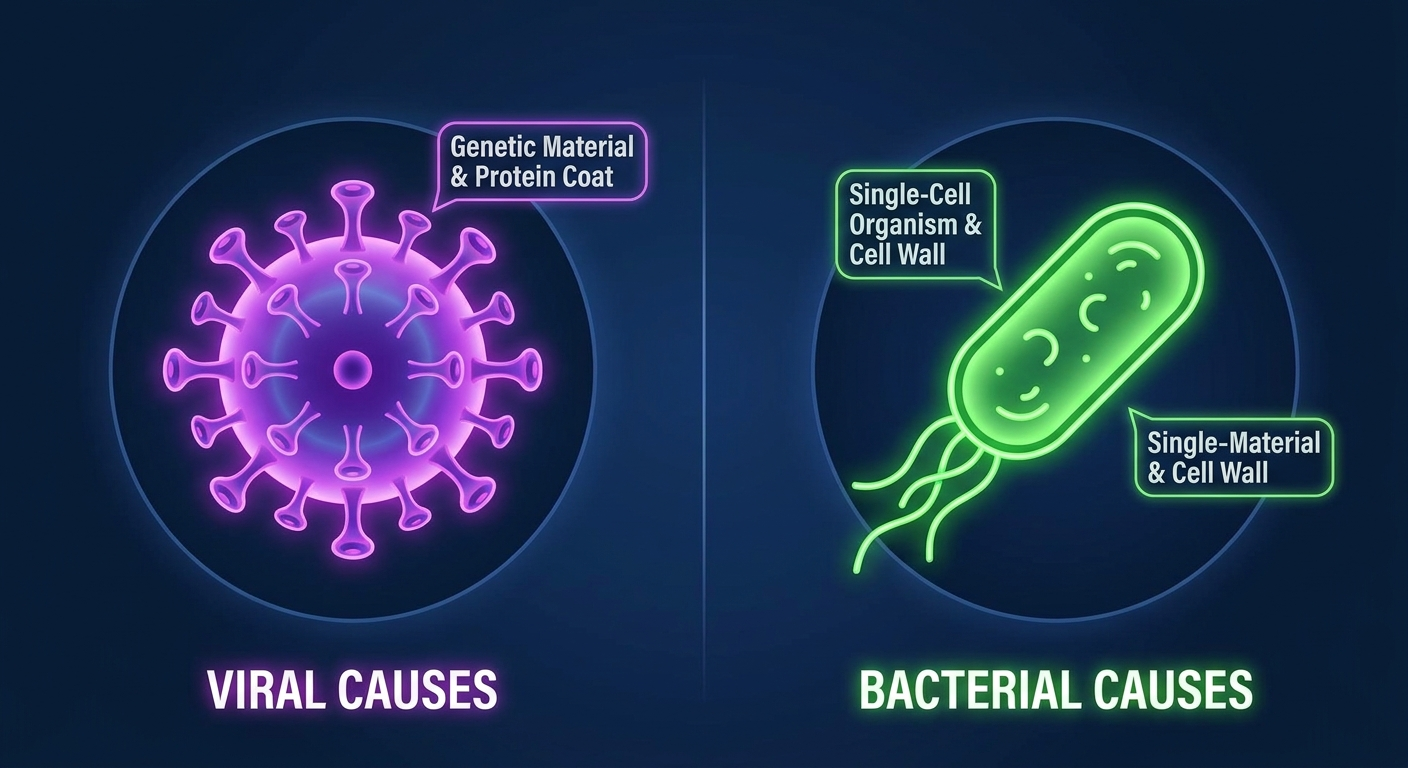
Viral infections (most common)
Most cases of sore throat—whether described as pharyngitis, tonsillitis, or both—are caused by viruses (the same families of viruses that cause colds and flu-like illnesses). Antibiotics don’t treat viral infections. This is also why symptoms can “move around”: one day it feels like a scratchy throat, the next day sinus congestion, and then hoarseness.
Bacterial infections (including “strep throat”)
A key bacterial cause is Group A Streptococcus, commonly called strep throat. This matters because—when confirmed or strongly suspected—antibiotics may be used to reduce complications and help limit spread.
Other contributors that can worsen throat irritation
Not every sore throat comes from an infection. Factors that can worsen irritation or make symptoms more noticeable include:
- post-nasal drip and allergies
- dry air and mouth breathing
- irritants like smoke or vaping
- acid reflux (including laryngopharyngeal reflux/LPR in some people)
For general background, see: https://sleepandsinuscenters.com/blog/what-is-a-sore-throat
Infections are common causes, but allergies, dryness, irritants, and reflux can make any sore throat feel worse.

How Clinicians Diagnose Pharyngitis or Tonsillitis
History and throat exam
Clinicians combine your symptom history with a throat exam and may check for:
- throat redness and swelling
- tonsil size, redness, and exudate
- neck lymph node tenderness
- fever pattern and symptom timing
They may also ask targeted questions like: Did symptoms start suddenly or gradually? Any cough? Any known strep exposure? Are you able to drink fluids comfortably?
Rapid strep test and throat culture (when needed)
If symptoms raise suspicion for strep, a clinician may recommend a rapid strep test and sometimes a throat culture. Testing helps avoid giving antibiotics “just in case,” which is important for safety and antibiotic stewardship.
When additional evaluation may be needed
Further evaluation may be considered when symptoms are persistent, unusually severe, frequently recurrent, or when there are concerns about immune health or significant throat/tonsil swelling.
Testing supports accurate diagnosis, protects you from unnecessary antibiotics, and guides the right care.

Treatment Options (Based on the Cause)
At-home care for most viral sore throats
Many viral sore throats improve with supportive care such as:
- rest and fluids
- warm salt-water gargles
- throat lozenges (age-appropriate) and honey (for children over age 1)
- humidifier or warm steam
- over-the-counter pain/fever reducers (follow label instructions; pediatric dosing should be confirmed with a clinician)
A small but useful tip: if swallowing is painful, frequent small sips and softer foods can help you stay hydrated until the inflammation calms down.
When antibiotics are appropriate (and when they’re not)
Antibiotics are generally reserved for confirmed or strongly suspected strep or other bacterial infections. Unnecessary antibiotics can cause side effects and contribute to antibiotic resistance. When antibiotics are prescribed, patients should follow the clinician’s directions exactly.
Treatments for symptom relief (supportive meds)
Depending on symptoms, supportive options may focus on:
- pain control so swallowing and hydration are easier
- maintaining hydration with frequent small sips if swallowing is uncomfortable
- avoiding irritants (smoke/vaping; mouthwashes that sting)
If your throat hurts enough that you’re avoiding liquids, that’s a good sign to reach out—because dehydration can make recovery harder.
Most sore throats are viral and improve with supportive care; antibiotics are reserved for confirmed or strongly suspected bacterial infections.
Possible Complications (Rare, But Important)
Complications linked to untreated strep (why testing matters)
One reason clinicians take possible strep seriously is to help prevent uncommon but significant complications. Testing and appropriate treatment decisions are part of that risk reduction approach. The key point is not to panic—it’s to match the response to the risk.
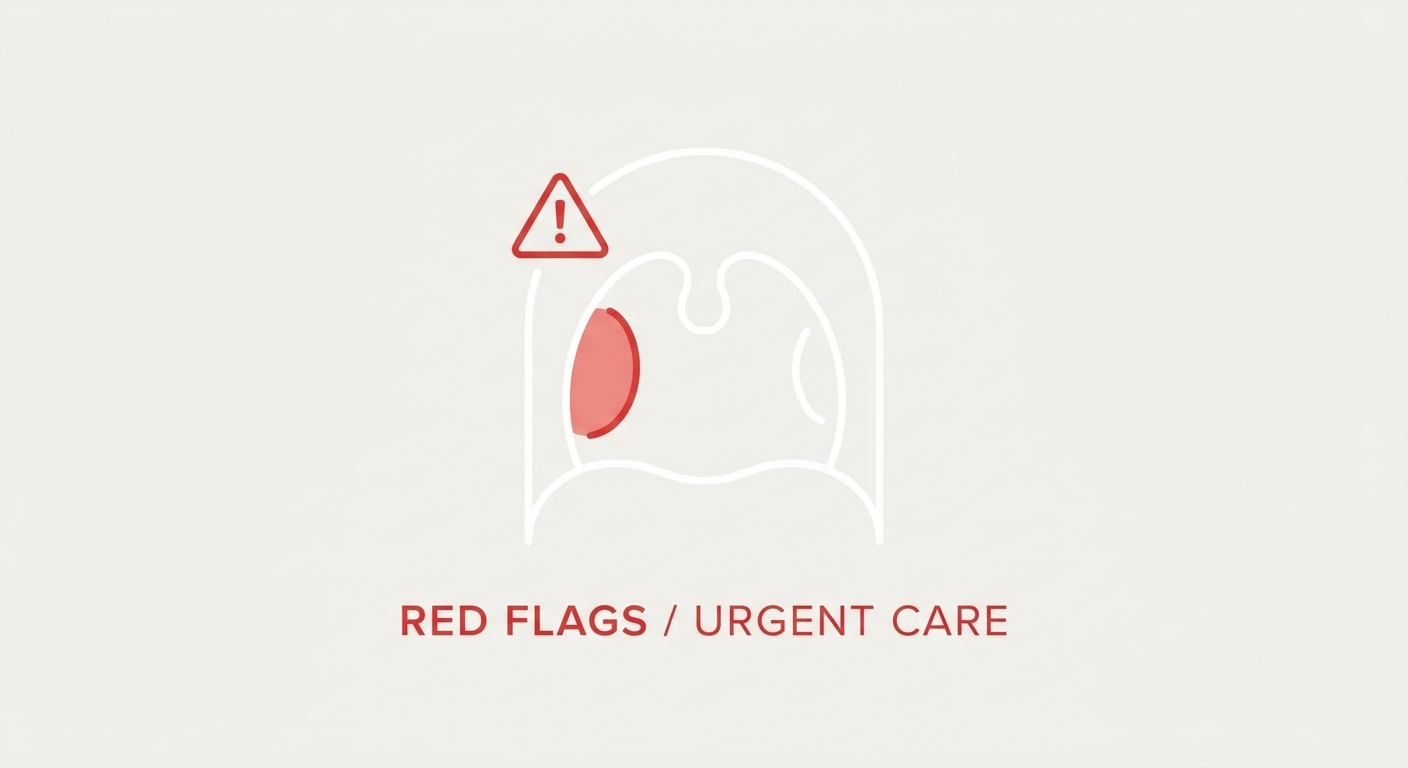
Peritonsillar abscess (emergency red flag)
A peritonsillar abscess is a more serious infection that can develop near a tonsil. Symptoms that may raise concern include:
- severe one-sided throat pain
- drooling
- trouble opening the mouth
- voice changes
- worsening swelling or difficulty swallowing
If you notice a rapid shift from “bad sore throat” to “I can’t swallow” or “my voice sounds different,” it’s safer to get urgent evaluation.
Serious complications are uncommon, but rapid worsening, trouble swallowing, or voice changes warrant urgent care.
When to See a Doctor (or Go to Urgent Care/ER)
Call a clinician soon if you have:
- fever lasting longer than 48–72 hours
- symptoms not improving after a few days
- recurrent episodes of sore throat or tonsillitis
Seek urgent care/ER if you have:
- trouble breathing, drooling, or inability to swallow fluids
- severe one-sided swelling, stiff neck, or signs of dehydration
- rapidly worsening pain or symptoms concerning for an abscess
If symptoms are severe, persistent, or keep coming back, getting evaluated can clarify the cause and best next steps.
Lifestyle Tips to Prevent Future Episodes
Reduce exposure and spread
- wash hands regularly
- avoid sharing drinks/utensils during illness
- after confirmed strep, some clinicians may recommend replacing a toothbrush, though guidance varies
Support throat and nasal health
- manage allergies and post-nasal drip
- humidify dry indoor air
- stay hydrated
- avoid smoking/vaping and secondhand smoke
If you get frequent infections
If you have frequent infections (especially recurrent strep), it may be worth discussing whether an ENT evaluation is appropriate. Read more here: https://sleepandsinuscenters.com/blog/recurrent-strep-throat-vs-tonsillectomy-when-surgery-is-necessary
Simple habits—handwashing, hydration, humidification, and avoiding irritants—can reduce the frequency and severity of sore throats.
FAQs
Can you have pharyngitis without tonsillitis? Yes. Pharyngitis refers to inflammation of the throat lining more broadly, and the tonsils may appear normal.
Is tonsillitis always strep? No. Viruses are a common cause of tonsillitis, and antibiotics only help when a bacterial infection is involved.
How can I tell if it’s viral or bacterial? Symptoms can provide clues (like cough/runny nose suggesting viral illness), but testing—such as a rapid strep test and sometimes a culture—is often the clearest way to tell.
How long do symptoms last? Many viral sore throats improve over several days. If symptoms are persistent, worsening, or recurring, evaluation can help clarify the cause and next steps.
When is tonsillectomy considered? Tonsillectomy may be considered for recurrent infections or complications, depending on the pattern and severity over time.
When in doubt, testing and clinician input help distinguish viral illness from strep and guide treatment.
Conclusion and Next Steps
When it comes to pharyngitis vs tonsillitis, the difference is mostly where the inflammation is located—the pharynx (throat) vs the tonsils. But the most important factor for care is usually the cause, especially whether symptoms fit a viral illness or raise concern for strep throat. If you’re dealing with severe symptoms, possible strep, or frequent recurrences, an evaluation can help clarify what’s going on and what options make sense.
To be seen at Sleep and Sinus Centers of Georgia, you can schedule an appointment at https://sleepandsinuscenters.com/appointments or visit https://www.sleepandsinuscenters.com/ to learn more.
Knowing the cause—not just the location—helps you choose the right care and feel better faster.
Sources
Sources: Mayo Clinic (2025); Cleveland Clinic (2024); Johns Hopkins Medicine; Harvard Health (2026); Children’s National Hospital.
Citations: https://www.mayoclinic.org/diseases-conditions/tonsillitis/symptoms-causes/syc-20378479 https://my.clevelandclinic.org/health/diseases/8274-sore-throat-pharyngitis https://www.hopkinsmedicine.org/health/conditions-and-diseases/pharyngitis-and-tonsillitis https://www.health.harvard.edu/ear-nose-and-throat/sore-throat-pharyngitis-a-to-z https://www.childrensnational.org/get-care/health-library/pharyngitis-and-tonsillitis
This article is for educational purposes only and is not medical advice. Please consult a qualified healthcare provider for diagnosis and treatment.
Don’t let allergies slow you down. Schedule a comprehensive ENT and allergy evaluation at Sleep and Sinus Centers of Georgia. We’re here to find your triggers and guide you toward lasting relief.