How Long Does Septorhinoplasty Take? Complete Septorhinoplasty Surgery Timeline
If you’re researching how long septorhinoplasty takes, you’re usually planning two things: (1) time in the operating room and at the facility, and (2) how long you’ll feel “out of commission” afterward. Operating time is often fairly predictable, while healing is gradual and happens in stages.
A helpful mindset: the outside often looks better within weeks, while deeper healing continues for months.
Quick Answer: How Long Does Septorhinoplasty Take?
• Surgery time: usually 1–2 hours (longer for complex or revision cases). [1]
• Most patients find the first 72 hours the most uncomfortable due to swelling and congestion. [2]
• External splints, casts, or dressings are often removed around 1 week, depending on technique and surgeon preference. [1]
• Much of the visible swelling improves by 4–6 weeks, though subtle swelling can persist for months. [2]
• Tissues substantially stabilize around 3–6 months. [2]
• Final aesthetic results are often assessed around 12 months, though some changes can continue beyond that. [2][4]
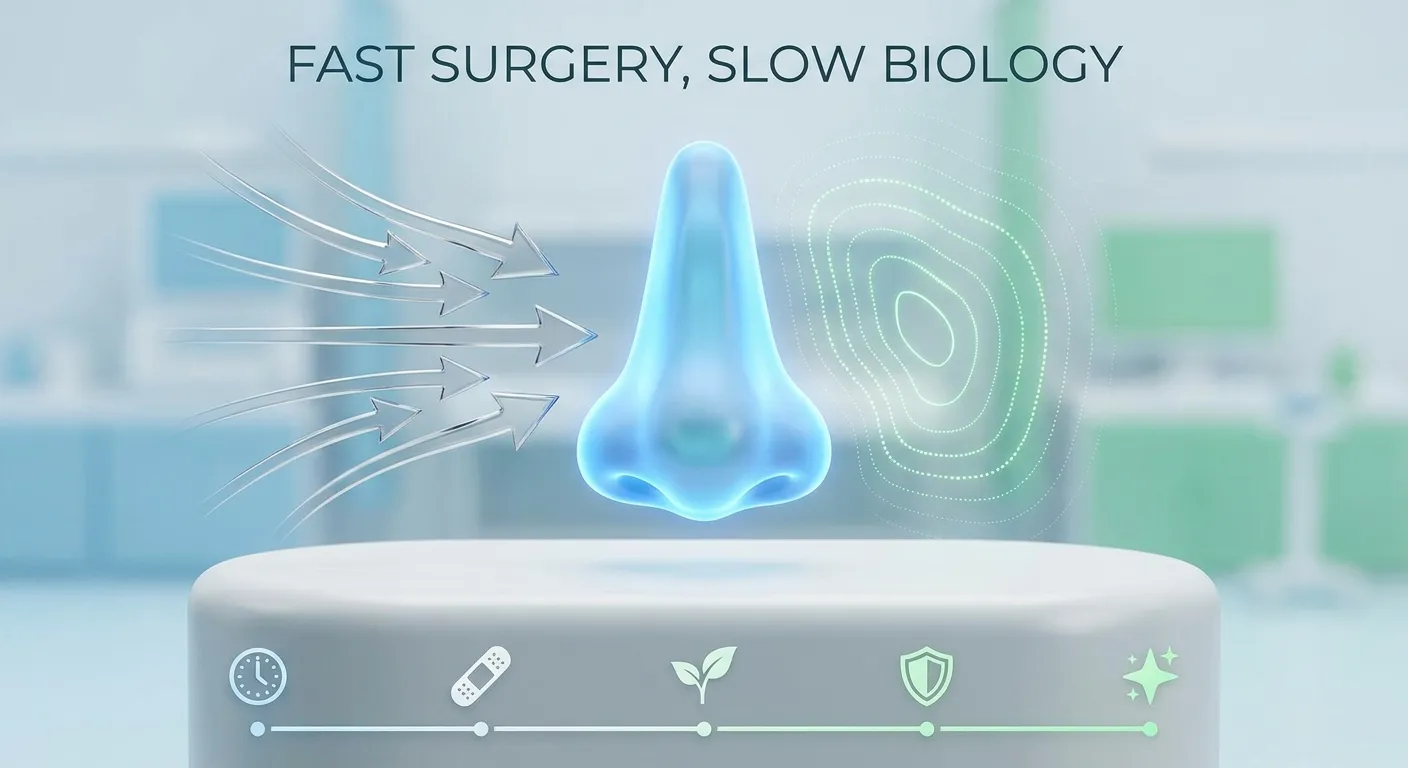
“Fast surgery, slow biology” sums it up well: correction happens in a day; refinement happens over time.
What Is Septorhinoplasty (and Why Timing Varies)?
Septorhinoplasty is a “two-goals” operation—function (breathing) and form (shape/structure). That combination is why timing varies more than septoplasty alone.
• Septoplasty: straightens the nasal septum (the internal wall between nostrils) to improve airflow. [3]
• Rhinoplasty: reshapes the outside of the nose for cosmetic and/or functional reasons. [2]
• Septorhinoplasty: combines septoplasty and rhinoplasty in one operation to address breathing and nasal shape/structure. [1]
If you’re comparing procedures, this septoplasty recovery week-by-week guide helps explain the “airway” portion of healing: https://sleepandsinuscenters.com/blog/septoplasty-recovery-week-by-week-complete-timeline-20260123051106
Common reasons people choose septorhinoplasty include:
• Breathing obstruction from a deviated septum
• Nasal valve collapse or other structural issues
• Cosmetic changes paired with functional breathing goals
• Post-injury (trauma) deformity affecting airflow and appearance
Because treatment can range from straightforward to highly detailed (for example, adding structural support or performing revision work), both surgery length and recovery pace can differ.
Your anatomy and goals drive both the time in surgery and the tempo of healing.
How Long Is the Actual Surgery? (Operating Room Time vs. Time at the Facility)
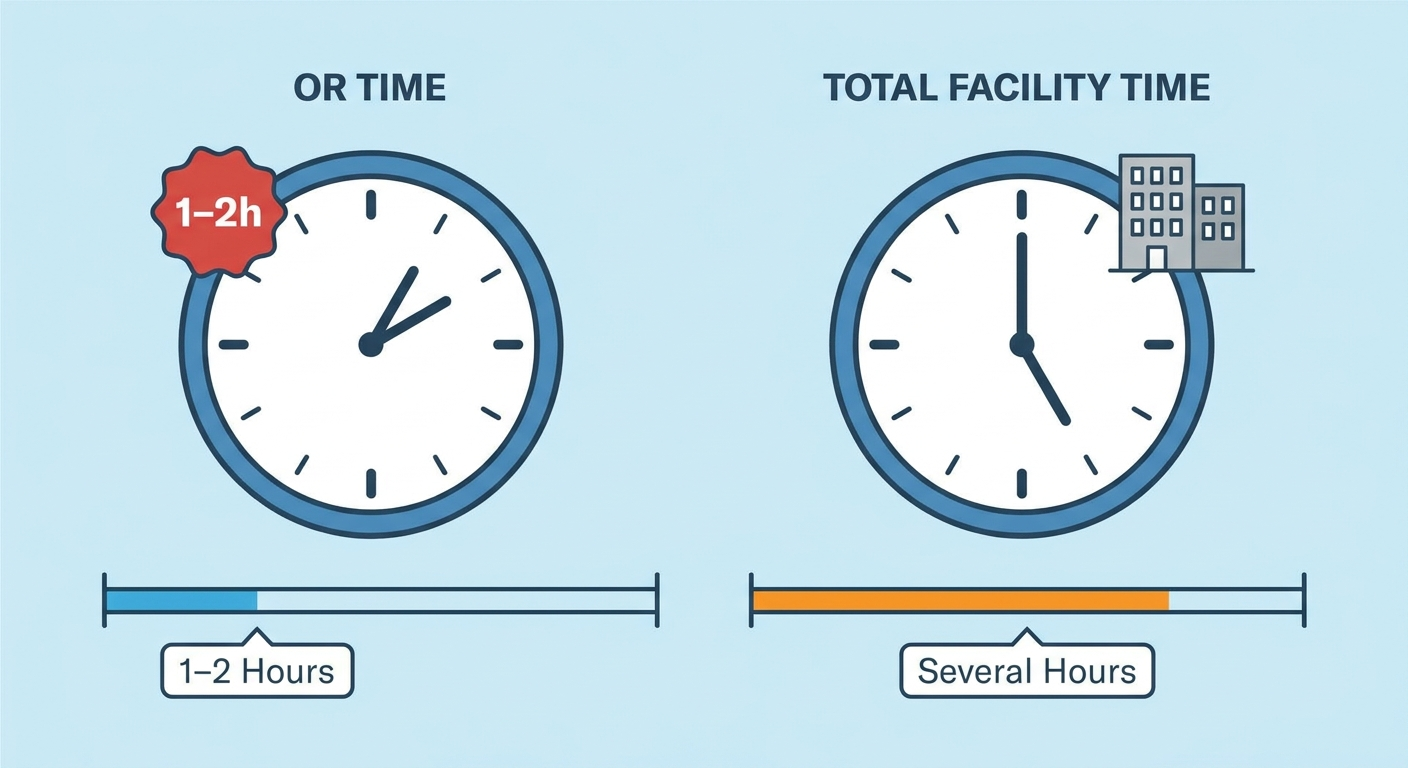
Typical procedure length is about 1–2 hours. [1] Some cases take longer, especially when:
• There has been prior nasal surgery (revision).
• There is significant crookedness or a trauma history.
• Structural grafting is needed to support the nose or nasal valves.
• Add-on procedures are performed at the same time (for example, turbinate reduction): https://sleepandsinuscenters.com/blog/everything-you-need-to-know-about-turbinate-reduction
Plan for several hours total at the facility, including check-in, pre-op anesthesia evaluation, surgery, and post-op monitoring before discharge.
Plan your day around the total facility time, not just minutes in the OR.
Pre-Surgery Timeline (What Happens Before the Operation)
2–6 weeks before: consultation, exam, and planning
• Detailed ENT exam (sometimes with nasal endoscopy)
• Review of breathing symptoms and nasal anatomy
• Photos and cosmetic planning if appearance changes are part of the goal
• Discussion of your health history and current medications/supplements
• Aligning expectations about realistic changes and common swelling patterns
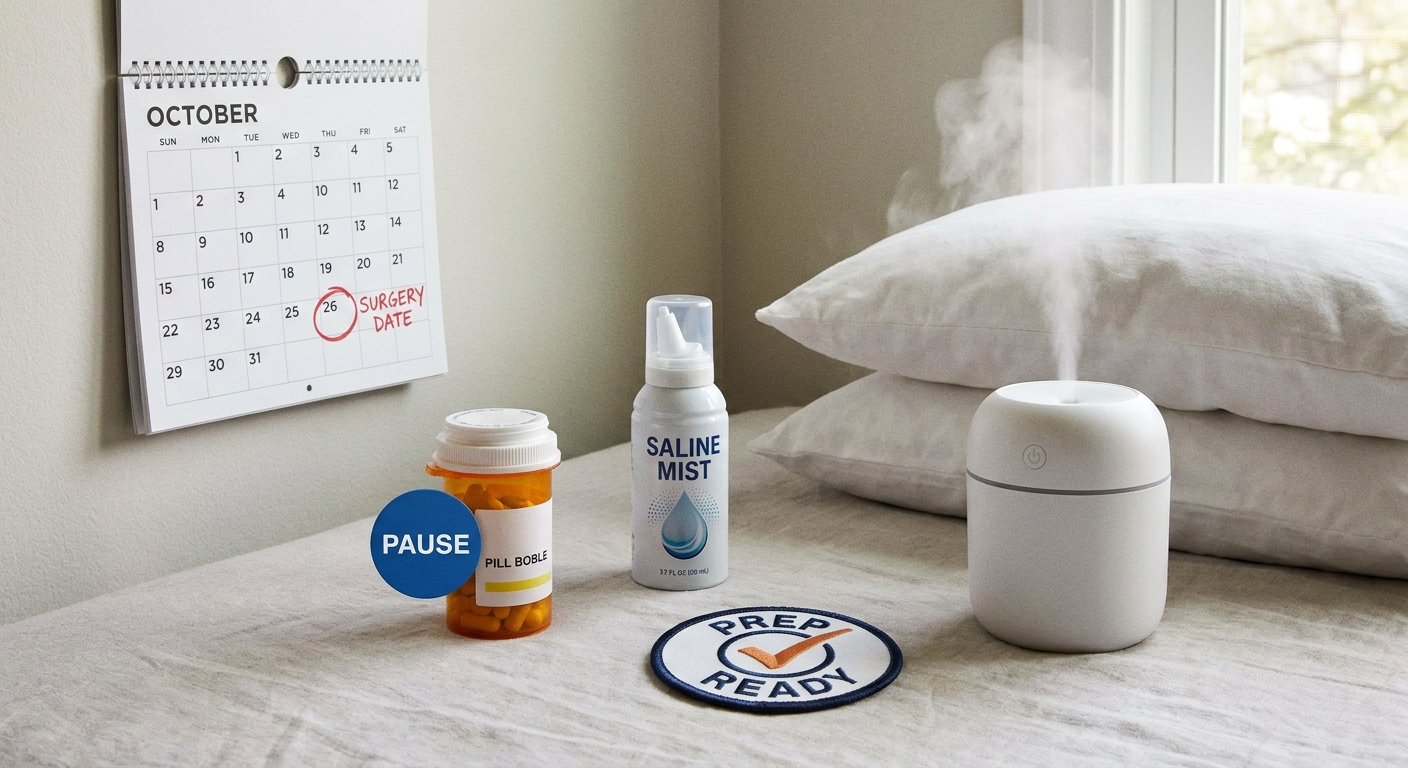
1–2 weeks before: medication and lifestyle preparation
• Which medications/supplements may increase bleeding risk
• When to pause certain products (if appropriate for you)
• Scheduling time off and arranging help at home
• Stocking recovery basics (soft foods, saline if recommended, extra pillows)
24–48 hours before: final checklist
• Following fasting instructions for anesthesia
• Setting up a comfortable recovery area (head elevation, humidifier if suggested, soft foods, tissues, hydration)
A little preparation up front makes the first week much easier.
Septorhinoplasty Surgery Day Timeline (Step-by-Step)
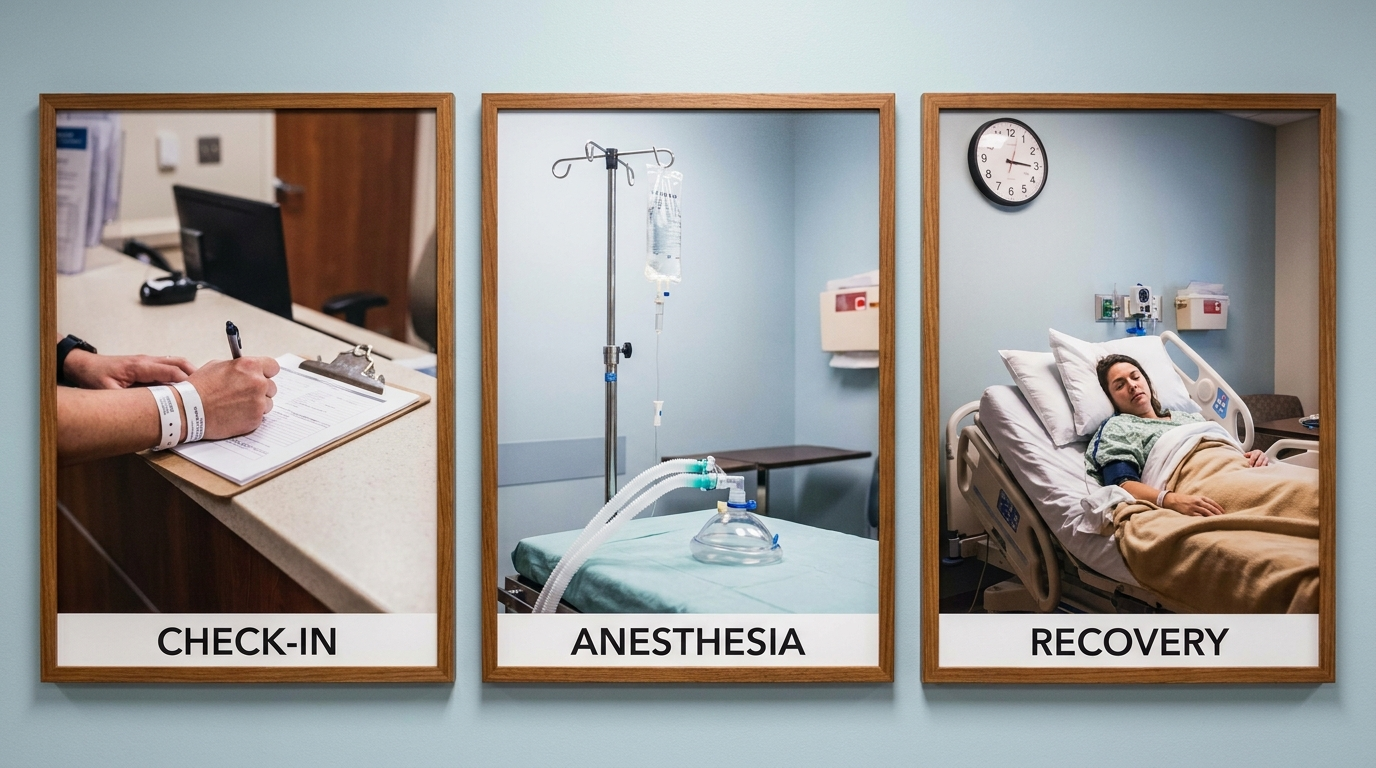
Check-in and pre-op
• Consent review
• Photos/marking (as needed)
• IV placement and pre-op assessment
Anesthesia and the procedure
• Septorhinoplasty is most commonly performed under general anesthesia. [2]
Immediate post-op recovery (PACU)
• Grogginess and fatigue
• Nasal stuffiness (often significant at first)
• Mild sore throat from airway support during anesthesia
• Many patients describe more “blocked-up” discomfort than sharp pain early on
Right after surgery, most patients notice congestion more than pain.
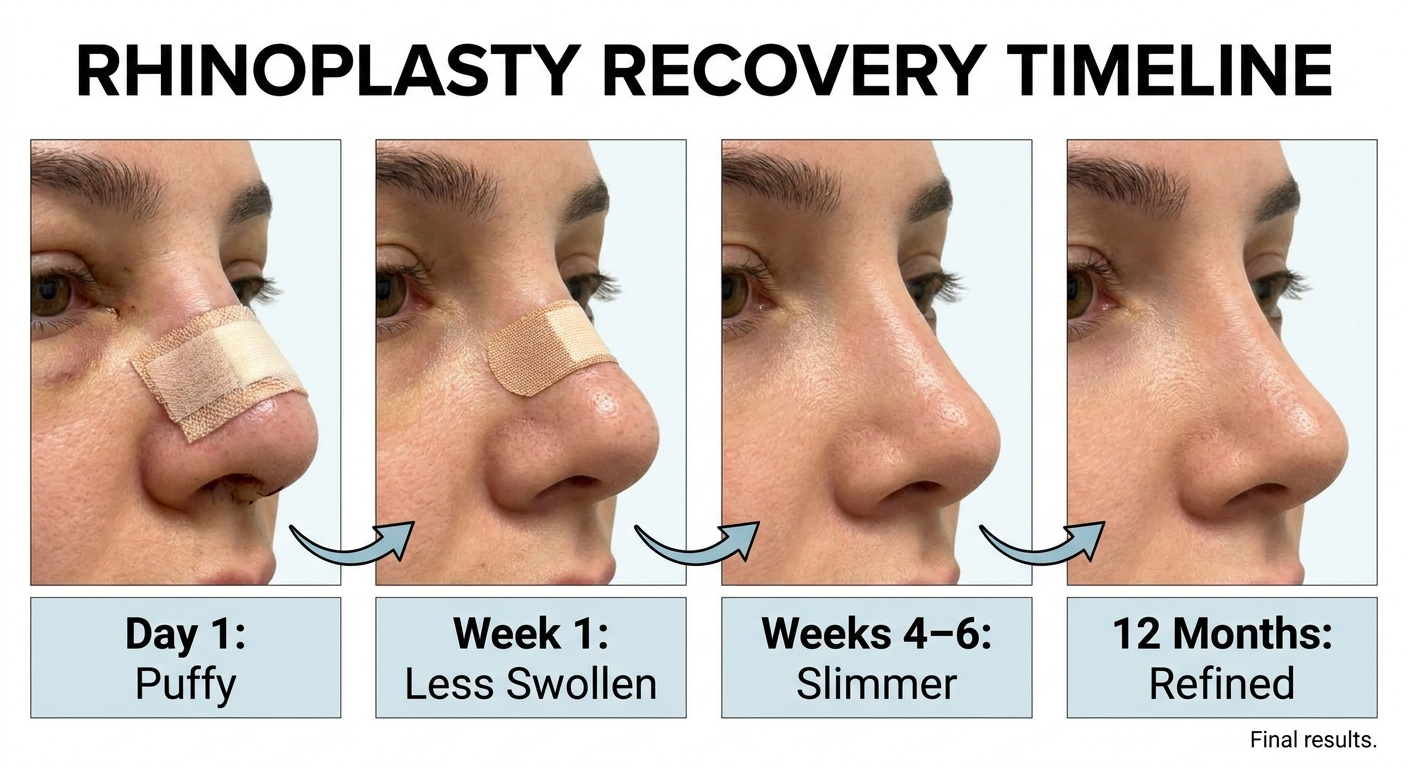
Recovery Timeline: What to Expect (Day-by-Day and Week-by-Week)
First 24 hours
• Oozing, pressure, swelling, congestion
• Rest, head elevation, and help at home are particularly useful
• Many teams advise avoiding nose blowing unless you’re specifically cleared
Days 1–3 (first 72 hours)
• Swelling and congestion often peak during this window [2]
• Breathing through the nose often feels limited due to internal swelling/crusting and any temporary internal supports
• Comfort measures vary by surgeon; follow your post-op plan closely
Days 4–7 (turning the corner)
• Bruising changes color and begins fading
• Swelling starts to soften
• Energy gradually improves
• Light walking is commonly encouraged, while heavier activity is usually restricted
Around week 1 follow-up
• External splints, casts, or dressings are often removed around one week, depending on technique and surgeon preference [1][4]
• The nose can look puffy after removal—this isn’t the final look
• Breathing may still feel limited as internal swelling/crusting resolves more slowly
Weeks 2–3
• Intermittent congestion
• Tip stiffness or numbness
• Lingering swelling (often most noticeable at the tip)
• If you wear glasses, your surgeon may provide guidance to avoid pressure on the bridge
• Sun protection is often emphasized to reduce prolonged discoloration
Weeks 4–6
• Much of the visible swelling typically improves during this period, making people more comfortable in photos and social settings [2]
• Subtle swelling, especially in the tip, can persist for months
• For a complementary overview, see: https://sleepandsinuscenters.com/blog/rhinoplasty-recovery-timeline-week-by-week-healing-20260325181131
Months 3–6
• Tissues substantially stabilize; deeper swelling and scar remodeling continue [2]
• Many people notice breathing improvement gradually as swelling settles, though timing and degree vary
Around 12 months
• Final aesthetic results are often assessed around one year, though changes can continue beyond that, especially with thicker skin or revision cases [2][4]
Recovery unfolds in visible stages early—and quieter, deeper stages later.
“Is This Normal?” Common Symptoms During Septorhinoplasty Recovery
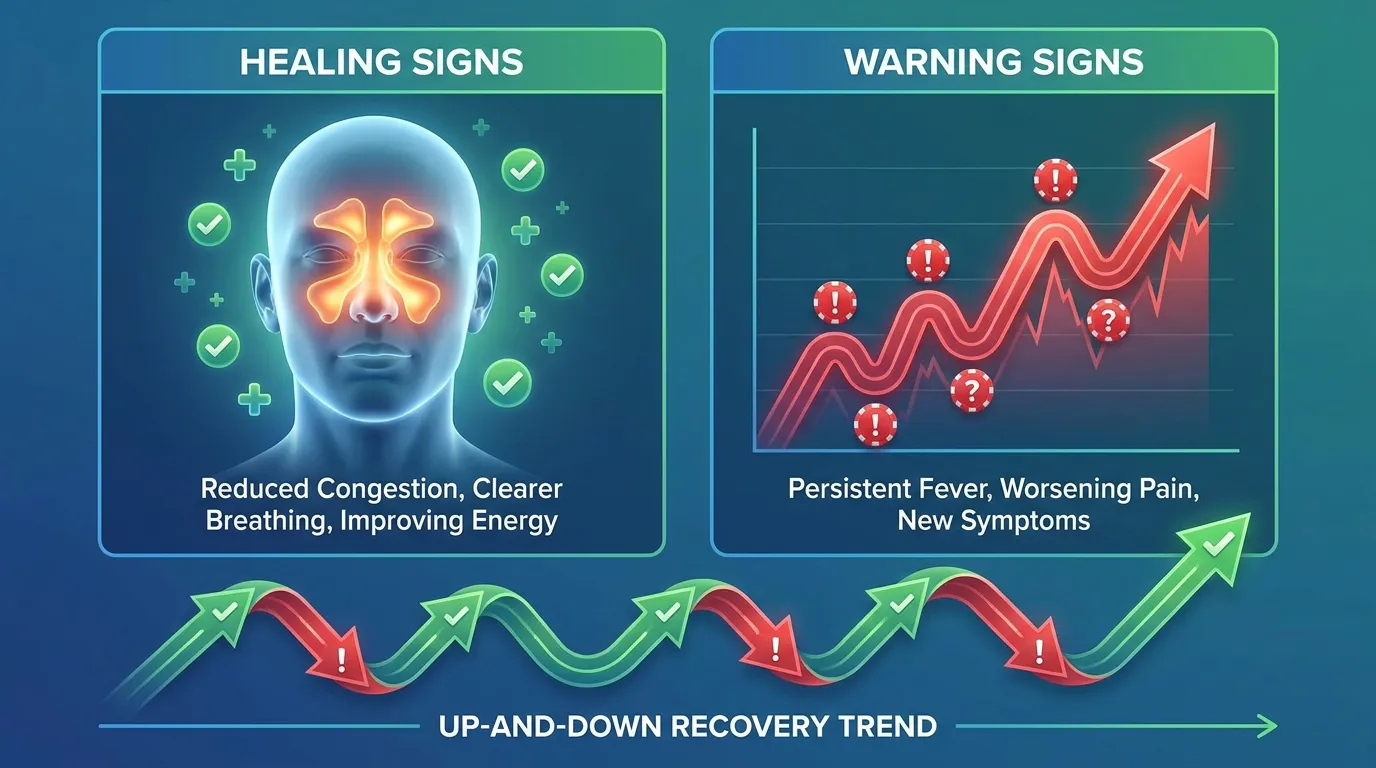
Common/expected symptoms
• Swelling and puffiness (often more at the tip)
• Congestion and reduced nasal airflow early on [2]
• Mild bleeding/oozing in the first days
• Under-eye bruising
• Temporary numbness or stiffness
• Temporary smell/taste changes (often related to congestion)
Red flags: call your surgeon or seek urgent care for
• Heavy bleeding that won’t slow
• Fever or worsening pain
• Sudden severe swelling (especially one-sided), pus-like drainage
• Vision changes, severe headache, or neck stiffness
When in doubt, contact your care team—early questions prevent late problems.
What Causes the Recovery Timeline to Differ Between Patients?
Procedure factors
• More extensive septal correction (septoplasty portion) [3]
• Grafts for support/nasal valve structure
• Revision surgery rather than first-time surgery
• Add-on procedures such as turbinate reduction
Patient factors
• Skin thickness and baseline swelling tendency
• Smoking/vaping (often associated with slower healing)
• Allergies or chronic nasal inflammation
• How closely aftercare and activity restrictions are followed
Two similar operations can heal very differently because people—and techniques—differ.
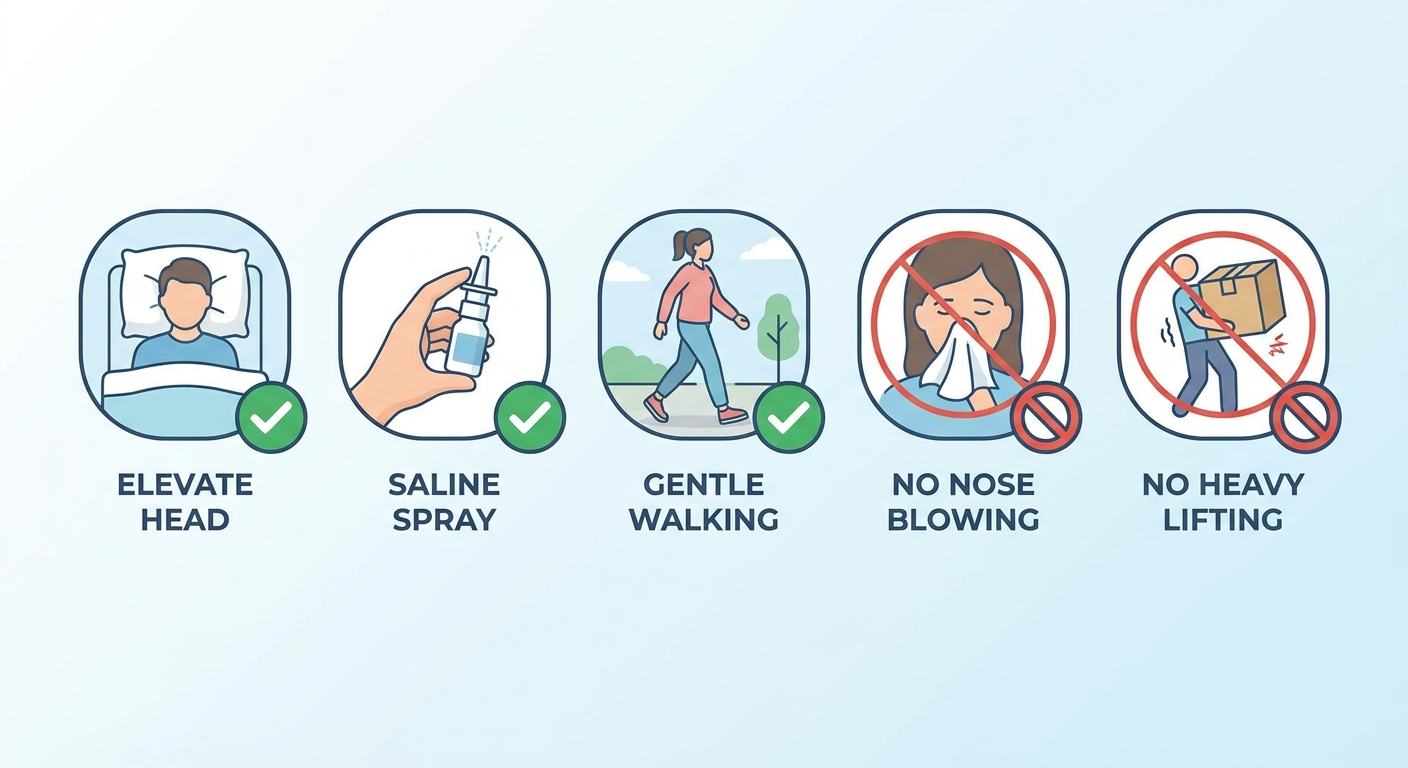
Treatments and Aftercare Tips That Can Support Comfort
Always follow your surgeon’s instructions first.
• Nasal care: saline sprays/rinses and moisturization as directed; humidified air can help with dryness
• Swelling support: head elevation; cold compresses early if approved
• Lifestyle: prioritize sleep, hydration, and protein; avoid strenuous exercise until cleared
• Avoid setbacks: nose blowing and heavy lifting too early can prolong swelling
For additional recovery pointers, see: https://sleepandsinuscenters.com/blog/post-septorhinoplasty-recovery-timeline-tips-and-w-20260326112301
Small, consistent habits usually matter more than any single “hack.”
Septorhinoplasty vs. Septoplasty Alone: Is Recovery Faster?
What’s similar
• Both can involve early congestion, swelling, and crusting because internal tissues need time to calm down. [3]
What’s different
• Septorhinoplasty adds external swelling and cosmetic “settling” time
• Final shape refinement is typically assessed around 12 months, sometimes longer
Combining form and function generally means a longer runway to final refinement.
FAQs
How long does septorhinoplasty take from start to finish (including facility time)?
• Surgery is often 1–2 hours, but total time at the facility is usually several hours when you include pre-op preparation and post-op monitoring.
When will I be able to breathe through my nose again?
• Many people notice breathing improvement gradually as swelling settles, but the timing and degree vary. Early congestion is common in the first week.
How long will I look “swollen” after septorhinoplasty?
• Much of the visible swelling typically improves by 4–6 weeks, but subtle swelling—especially at the tip—can take months to fully resolve. [2]
When can I return to work or school?
• It depends on your job, bruising/swelling, and how you feel. People with desk-based work often return sooner than those with more physical jobs. Your surgeon can provide the best estimate for your situation.
When can I exercise again?
• Light activity like walking is commonly introduced earlier than strenuous workouts. Timing varies—follow your clearance plan.
When will my final nose shape be visible?
• Final aesthetic results are often assessed around 12 months, though changes can continue beyond that. [2][4]
When to Talk to an ENT About Septorhinoplasty
Consider an evaluation if you have ongoing symptoms such as:
• Persistent nasal blockage (especially on one side)
• Mouth breathing or sleep disruption
• Breathing problems after nasal injury
• Aesthetic concerns paired with functional breathing goals
An ENT evaluation can help determine whether surgery may be appropriate for your situation and provide a personalized estimate of timing based on your anatomy and goals.
If you’re exploring whether deviated septum surgery could help in your case, this overview may be useful: https://sleepandsinuscenters.com/blog/deviated-septum-surgery-at-sleep-sinus-centers-of-georgia
A focused exam is the most reliable way to match symptoms with options.
Next Steps / Call to Action
If you’re considering septorhinoplasty and want a realistic plan for procedure time, downtime, and recovery milestones, Sleep & Sinus Centers of Georgia can help you understand your options and what to expect.
Schedule a consultation: https://sleepandsinuscenters.com/appointments
Note: Appointment slots can fill quickly—booking early can make it easier to plan time off and coordinate help at home.
Medical Disclaimer
This article is for general educational purposes and is not medical advice. Your surgeon’s guidance should always take priority, since recommendations vary by anatomy, technique, and medical history.
This article is for educational purposes only and is not medical advice. Please consult a qualified healthcare provider for diagnosis and treatment.
Sources
[1] Healthdirect Australia. Septorhinoplasty. https://www.healthdirect.gov.au/surgery/septorhinoplasty
[2] Cleveland Clinic (2022). Rhinoplasty: Procedure, Recovery, Risks & Results. https://my.clevelandclinic.org/health/treatments/11011-rhinoplasty
[3] Mayo Clinic (2023). Septoplasty (about). https://www.mayoclinic.org/tests-procedures/septoplasty/about/pac-20384670
[4] University Hospitals Sussex NHS (accessed 2026). Septoplasty and septorhinoplasty. https://www.uhsussex.nhs.uk/resources/septoplasty-and-septorhinoplasty/
Don’t let allergies slow you down. Schedule a comprehensive ENT and allergy evaluation at Sleep and Sinus Centers of Georgia. We’re here to find your triggers and guide you toward lasting relief.