How Long Does Septorhinoplasty Surgery Take? Typical Procedure Time Range Explained
If you’re researching how long septorhinoplasty surgery takes, you’ll quickly notice that estimates vary—sometimes by hours. That’s normal. Septorhinoplasty time depends on your anatomy, the surgical plan (breathing, appearance, or both), and whether any additional procedures are done at the same time.
Below is a patient-friendly breakdown of typical septorhinoplasty duration, what affects it, and what a realistic surgery-day schedule can look like—so you can plan with fewer surprises and less stress.
Quick Answer: Typical Septorhinoplasty Surgery Time
Key takeaway (at a glance)
Septorhinoplasty often takes 1–5 hours of operative time, depending on complexity.
- Some straightforward cases may take about 1–2 hours
- More complex, revision, or combined procedures can take about 2–5 hours
- Septorhinoplasty is typically performed under general anesthesia, though anesthesia plans vary by patient and surgeon
Sources: HealthDirect; ENT UK; LJC SC; SOENTS. [1][2][3][4]
What “Surgery Time” Means (and What It Doesn’t)
When people ask how long septorhinoplasty surgery takes, they may mean different things:
- Operative time: the time the surgeon is actively performing the procedure.
- Total time at the facility: check-in + pre-op prep + anesthesia + surgery + recovery room monitoring.
Think of operative time as your flight time, while total time at the facility is the full travel day (arriving early, security, boarding, taxiing, baggage claim). That’s why one person might say “it took two hours,” while another says “I was there most of the day”—both can be true.
Bottom line: operative time is only part of your overall day.

Septorhinoplasty 101 (Patient-Friendly Overview)
What Is Septorhinoplasty?
Septorhinoplasty combines two related procedures:
- Septoplasty: straightens or reshapes the septum (the wall between the nostrils) to help airflow.
- Rhinoplasty: reshapes and/or strengthens the outer nose and internal support structures.
Some surgeries are mostly functional (focused on breathing). Others include cosmetic goals as well. The more steps involved, the more septorhinoplasty duration can increase. In short: more reconstruction and goals usually mean a longer procedure.
Who Might Seek Evaluation? Common Symptoms (Breathing + Quality-of-Life)
People may seek evaluation when they have symptoms such as:
- Ongoing nasal blockage (one side or both)
- Mouth breathing, sleep disruption, or snoring
- Reduced exercise tolerance due to limited airflow
- Frequent “stuffy nose” sensations when anatomy is a major contributor
Symptoms vary widely, and not all nasal symptoms are caused by structural problems—your evaluation helps clarify what’s driving them. For example, some people have mostly inflammation or allergy triggers, while others have a clear structural narrowing that doesn’t respond well to medication alone. Symptoms prompt evaluation; they don’t confirm the need for surgery on their own.
Typical Procedure Time Ranges (What Most Patients Can Expect)
Standard (Straightforward) Septorhinoplasty: ~1–2 Hours
A “standard” case often includes septal correction plus modest external adjustments and support work. In these scenarios, septorhinoplasty time is commonly about 1–2 hours, though exact timing depends on the plan and findings during surgery. [1][2][3][4]
Example: A patient with a moderate septal deviation and a small cosmetic refinement (like minor tip shaping) may fall closer to the 1–2 hour window.
More Complex Septorhinoplasty: ~2–5 Hours
A longer septorhinoplasty duration is more likely when the surgery needs additional precision or multiple corrective steps. Examples include:
- Significant crooked nose and/or complex septal deviation
- Extensive cartilage grafting/support work
- Prior trauma or scar tissue
- Revision septorhinoplasty (repeat surgery)
- Septorhinoplasty with turbinate reduction or other combined procedures [1][2][4]
Example: If the nose is deviated due to old trauma and internal support needs reinforcement, the procedure may involve more time aligning structures and placing grafts—work that is detailed and methodical by design.

Why There’s Such a Wide Range (1–5 Hours)
Your nose has multiple “layers” of structure—septum, cartilage, bone, nasal valves, and lining tissues. The breathing side and appearance side can require different steps, and each added goal can extend overall operative time. Timing follows the work needed to create a stable, open, well-aligned nose.

Step-by-Step Timeline on Surgery Day (From Check-In to Going Home)
Before the OR (Pre-Op Area)
Before surgery, you can typically expect:
- Paperwork and confirmation of your plan
- Vital signs and pre-op questions
- A chance to review last-minute concerns
- Marking and/or photos (depending on the surgeon’s workflow)
Many patients find it reassuring to ask: “What’s the plan for pain control and nausea prevention afterward?” It won’t change the operative time, but it can make the day feel more predictable. Good communication lowers stress before you head to the OR.
Anesthesia Time (Induction + Wake-Up)
Septorhinoplasty is commonly performed under general anesthesia, which means you’re asleep for the procedure and typically won’t remember the operation itself. [1][2][3][4]
Anesthesia time includes going to sleep (induction) and waking up safely afterward—so it’s often longer than the procedure time alone. Two people can have a “2-hour surgery,” yet different anesthesia timelines based on individualized needs.
In the Operating Room (The Actual Procedure)
At a high level (without graphic details), steps may include:
- Straightening and stabilizing the septum to improve airflow
- Reinforcing internal support (when needed for breathing and/or alignment)
- Adjusting shape and symmetry of the nose
Surgeons often work carefully and re-check alignment as they go, which is one reason procedure times can vary—even for patients with similar diagnoses. Precision and safety take the time they need.
Recovery Room (PACU)
After surgery, you’ll be monitored while you wake up. The team focuses on:
- Comfort and nausea prevention
- Blood pressure and breathing checks
- When it’s safe to sip fluids and go home (if outpatient)
It’s common to feel “sleepy and congested” right after nasal surgery. Expect grogginess and stuffiness as you wake up—it’s typical and short-lived for most patients.
Total Time at the Facility: A Realistic Planning Estimate
Even if your operative time is shorter, the full-day schedule can add up. Many patients plan around:
- Check-in + prep: ~1–2 hours
- Surgery: ~1–5 hours
- Recovery/observation: ~1–2+ hours
Practical tip: arrange a ride home and plan your calendar as if it will take most of the day. If you’re traveling from out of town, consider building in buffer time—especially for early morning check-ins. Plan for most of the day, even if your procedure is brief.

What Affects How Long Septorhinoplasty Takes?
Complexity of the Septal Deviation (and Internal Nasal Anatomy)
A mild deviation may be quicker to correct than a complex deviation involving both cartilage and bone, or one that affects multiple regions of the septum.
Whether Additional Procedures Are Added
Adding procedures can increase operative time. A common example is turbinate reduction, which may be performed to improve airflow when enlarged turbinates contribute to obstruction. If you’re considering septorhinoplasty with turbinate reduction, it’s reasonable to expect a longer time than septorhinoplasty alone. [1][4]
Related reading: turbinate reduction
https://sleepandsinuscenters.com/blog/everything-you-need-to-know-about-turbinate-reduction
Primary vs Revision Septorhinoplasty
Revision surgery often takes longer because scar tissue can reduce flexibility and the surgeon may have less available cartilage for support and reconstruction.
Open vs Closed Approach (High-Level)
Surgeons may use an open or closed approach depending on goals and anatomy. The chosen approach can influence timing due to visibility, access, and the need for grafting or detailed alignment.
Patient-Specific Factors
Individual anatomy, prior nasal injuries or surgery, bleeding control needs, and anesthesia considerations can all influence duration. In short, your anatomy and your surgeon’s plan set the clock.
Causes Behind the Need for Septorhinoplasty (Why It May Be Recommended)
Deviated Septum (Congenital or Injury-Related)
A deviated septum can narrow airflow on one or both sides and contribute to persistent obstruction. For more background, see: deviated septum surgery
https://sleepandsinuscenters.com/blog/deviated-septum-surgery-at-sleep-sinus-centers-of-georgia
Nasal Valve Weakness/Collapse or Structural Support Issues
In some patients, the “bottleneck” is the nasal valve area. Support work (a functional rhinoplasty component) may be needed to help the nose stay open during breathing.
Turbinate Enlargement (Often Coexisting)
Turbinates are normal structures that help humidify and filter air, but enlargement can reduce airflow—sometimes alongside a deviated septum. A careful exam clarifies whether structure, inflammation, or both are driving symptoms.
Treatment Options (Including Alternatives) Before Surgery
Non-Surgical Options (When Appropriate)
Depending on symptoms and exam findings, an ENT may recommend non-surgical measures first, such as:
- Saline rinses
- Nasal steroid sprays (often used when inflammation plays a role)
- Allergy evaluation/management when triggers are suspected
- Environmental steps like humidification and irritant avoidance
Surgical Alternatives Depending on Goals
If your primary concern is breathing (not appearance), alternatives may include:
- Septoplasty alone
- Turbinate reduction without external reshaping
- Select functional nasal surgery depending on anatomy
Related reading: turbinate reduction
https://sleepandsinuscenters.com/blog/everything-you-need-to-know-about-turbinate-reduction
Not everyone needs combined surgery; options are tailored to goals and findings.
Recovery Timing (Because Patients Often Mean “How Long Until I’m Back to Normal?”)
The First Week
Many people experience congestion and swelling. Follow-ups vary by surgeon and may involve splints or other supports depending on technique.
Weeks 2–6
Breathing often gradually improves as swelling decreases. Activity restrictions commonly apply, especially for strenuous exercise or heavy lifting.
Months 2–12 (Final Refinement Phase)
Subtle swelling can take months to fully settle, and the nose may continue to refine gradually. Final swelling and refinement can continue for 12 months or longer.
For a deeper, week-by-week overview, see the septorhinoplasty recovery timeline:
https://sleepandsinuscenters.com/blog/post-septorhinoplasty-recovery-timeline-tips-and-w-20260326112301
Healing is a process—comfort improves early, refinement takes months.

Lifestyle Tips to Prepare (and Potentially Avoid Delays)
Pre-Op Planning Tips
- Plan time off work/school based on your job demands
- Arrange transportation and first-night help at home
- Set up a recovery area (pillows for head elevation, fluids, easy meals)
Health & Medication Safety Checklist (Discuss With Your Surgeon)
- Smoking/vaping: often discouraged before and after surgery because it can impair healing
- Blood-thinning medications/supplements: always review with your surgical team
- Try to avoid arriving sick; let the office know about colds or worsening allergy symptoms before surgery day
Small preparations reduce stress and help avoid delays.
FAQs: Septorhinoplasty Time & Logistics
How long will I be under anesthesia?
It’s closely tied to surgical complexity and includes time to fall asleep and wake up safely. Your anesthesia team can explain your individualized plan.
Is septorhinoplasty outpatient?
Often yes, but it depends on medical history, procedure complexity, and surgeon preference.
Does adding turbinate reduction make surgery longer?
It can. Combined procedures frequently increase total OR time. [1][4]
Can septorhinoplasty take longer than 5 hours?
Uncommon, but possible in complex revision or multi-step reconstruction. When that happens, timing is driven by safety and careful technique.
How long before I can return to work/school?
Many patients return sooner to desk work than to physically demanding jobs, but timing varies by procedure and surgeon instructions.
Will I have nasal packing?
It varies widely. Some surgeons use packing, while others use different stabilization methods. Your team will personalize timelines and logistics to your case.
When to Call Your Surgeon After Surgery (Safety Section)
Contact your surgical team promptly for urgent guidance if you experience:
- Heavy bleeding that doesn’t slow
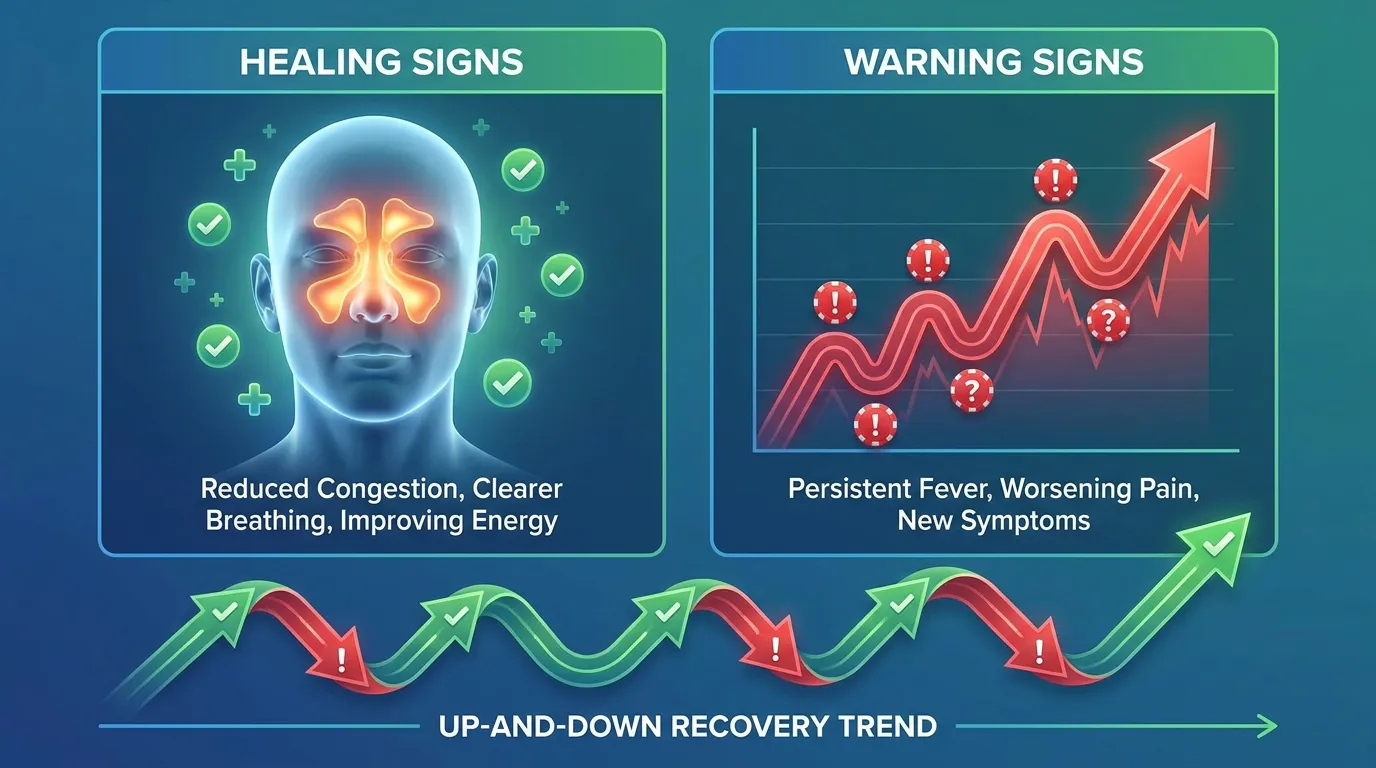
- Fever or worsening pain not controlled with the prescribed plan
- Breathing trouble beyond expected post-op congestion
- Vision changes or severe headache (rare but urgent)
When in doubt, call—timely guidance matters.
Conclusion: What to Remember About Septorhinoplasty Procedure Time
So, how long does septorhinoplasty surgery take? In many cases, 1–5 hours of operative time is a realistic range, with about 1–2 hours for some straightforward cases and approximately 2–5 hours for more complex or combined procedures. [1][2][3][4] The best estimate comes from an in-person evaluation and a surgical plan designed around your anatomy and goals.
If you’re planning next steps, you may also want to review septorhinoplasty cost considerations:
https://sleepandsinuscenters.com/blog/septorhinoplasty-cost-average-price-factors-what-t-20260404181035
Ready to talk through your options with a specialist? Book an appointment with Sleep and Sinus Centers of Georgia:
https://sleepandsinuscenters.com/appointments
Main site:
https://www.sleepandsinuscenters.com
A personalized consult is the most accurate way to understand your likely timeline and recovery.
References
1. HealthDirect — Septorhinoplasty https://www.healthdirect.gov.au/surgery/septorhinoplasty
2. ENT UK — Septorhinoplasty https://www.entuk.org/patients/conditions/61/septorhinoplasty_new/
3. LJC SC — Septorhinoplasty https://www.ljcsc.com/procedures/cosmetic-surgery/nose/septorhinoplasty/
4. SOENTS — Post-op Septorhinoplasty Instructions https://soents.com/wp-content/uploads/2021/10/POseptorhinoplasty.pdf
This article is for educational purposes only and is not medical advice. Please consult a qualified healthcare provider for diagnosis and treatment.
Don’t let allergies slow you down. Schedule a comprehensive ENT and allergy evaluation at Sleep and Sinus Centers of Georgia. We’re here to find your triggers and guide you toward lasting relief.