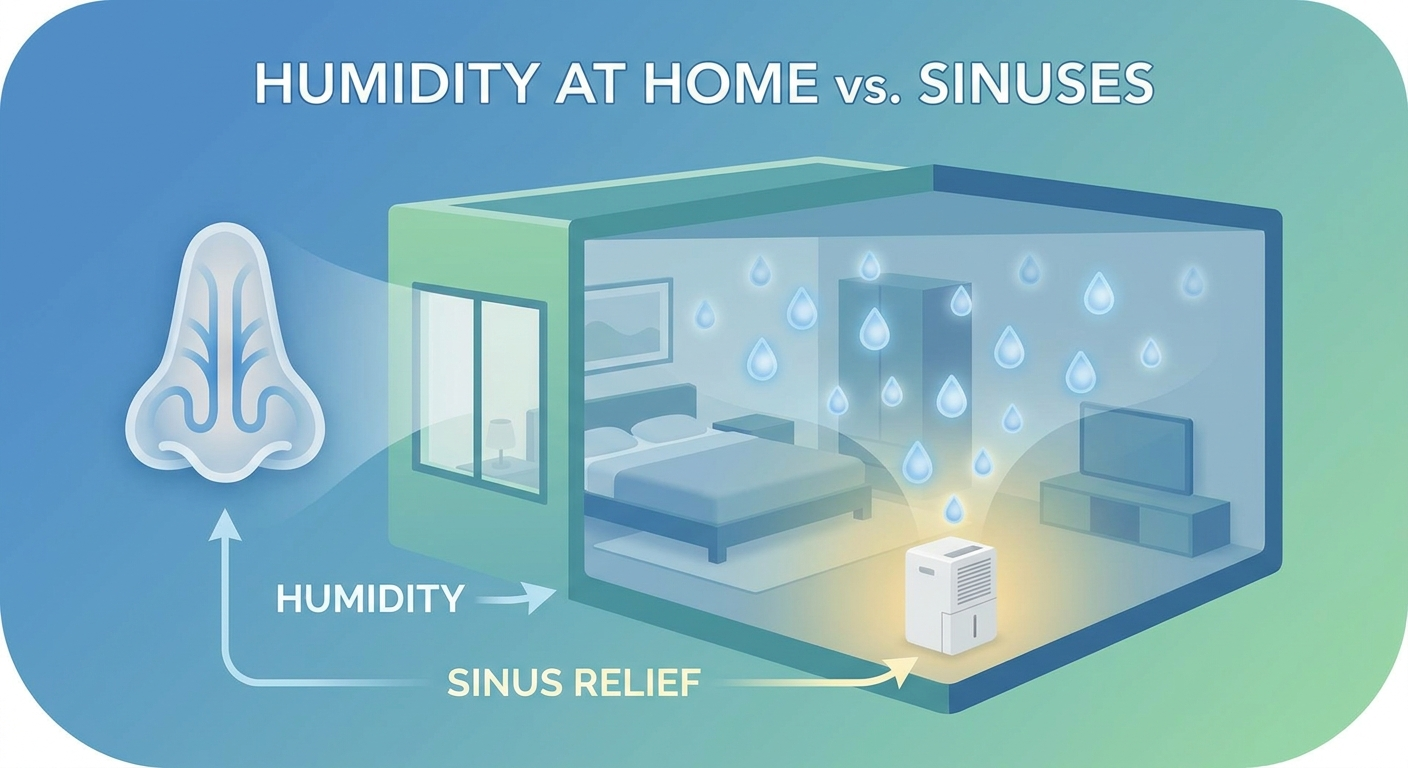
How Georgia Humidity Affects Your Sinuses: Causes, Symptoms, and Relief
If it feels like your nose and sinuses “act up” every time the air turns thick and sticky, you’re not imagining it. For many people, Georgia’s muggy summers can make congestion, facial pressure, and postnasal drip feel more intense. The key detail, though, is why that happens—because it’s easy to assume it must mean a sinus infection.
This guide explains how humid Georgia weather can influence sinus symptoms, what to watch for, what’s often happening inside the home (not just outdoors), and practical, education-only steps that may help. We’ll also cover when it may be time to consider an evaluation at Sleep and Sinus Centers of Georgia—especially if symptoms don’t improve or keep coming back.
Quick Take—Does Georgia Humidity Cause Sinus Infections?
Humidity alone doesn’t prove you have a sinus infection. Infections are typically caused by viruses or bacteria—not by moisture in the air.
What humidity can do is set up the conditions for sinus symptoms to feel worse by:
- Increasing indoor moisture, which can raise the risk of mold and other allergens
- Worsening nasal inflammation and swelling, which can block normal sinus drainage and mimic “infection-like” pressure
- Making breathing feel heavier, especially if you’re sensitive to damp air or indoor triggers
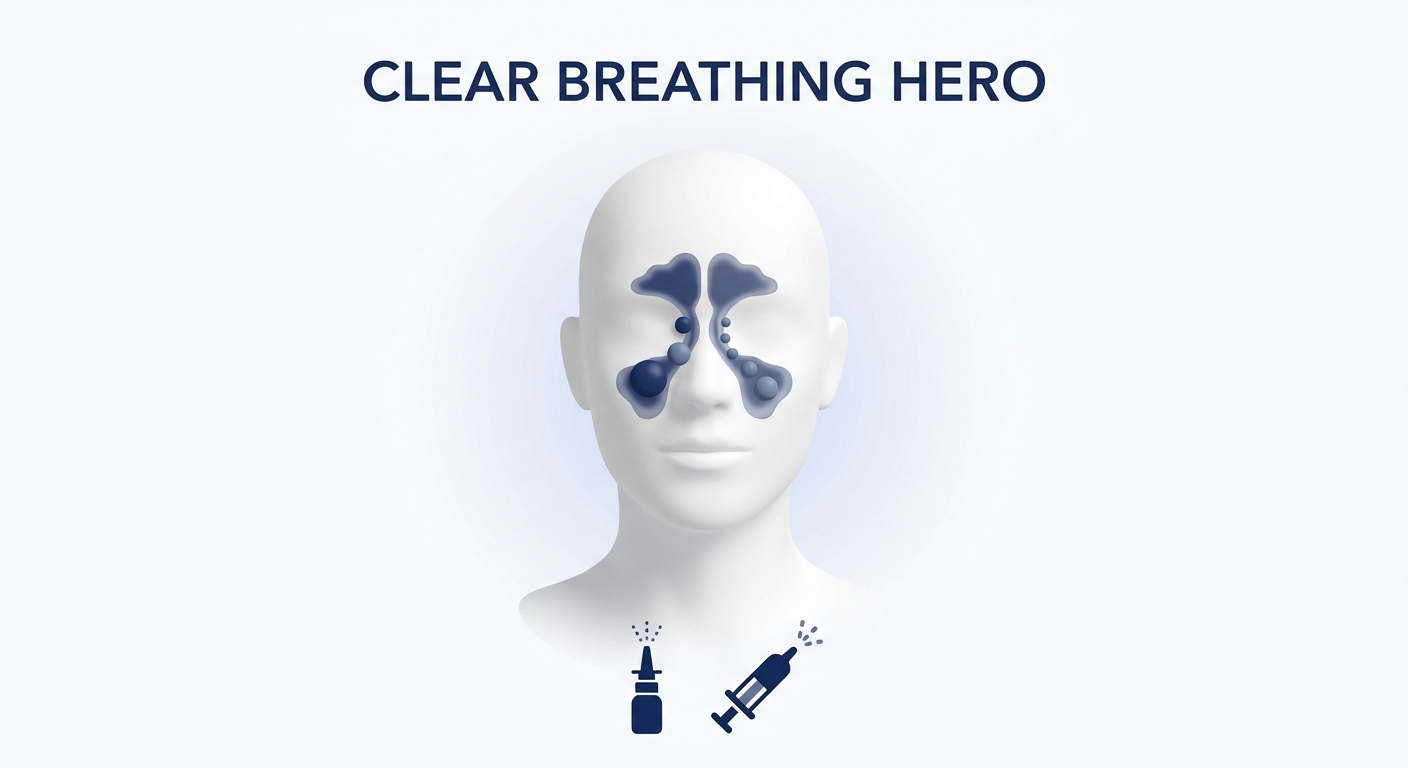
A helpful analogy: your sinuses are like small “hallways” that need to stay open so mucus can move out normally. When tissues swell, those hallways narrow—so pressure builds and drainage slows, even without infection.
In many cases, home comfort measures and indoor humidity control are reasonable first steps. But if symptoms are persistent—especially if they last 12 weeks or longer (a common definition for chronic sinusitis)—a clinical evaluation may be worth considering. (See “When Home Care Isn’t Enough” below.)
Takeaway: Humidity doesn’t cause infection, but it can set the stage for inflammation and blockage that feel infection-like.

Why Georgia’s Climate Can Make Sinus Symptoms Feel Worse
Georgia humidity patterns (North & Central GA focus)
North and Central Georgia often experience long stretches of warm, humid weather, plus frequent rainfall and storm cycles that keep moisture levels high. Climate summaries from the National Weather Service provide a helpful snapshot of seasonal patterns and local conditions. Resource: https://www.weather.gov/ffc/clisumlst
This matters because ongoing outdoor humidity can:
- Increase dampness in crawl spaces, basements, and closets
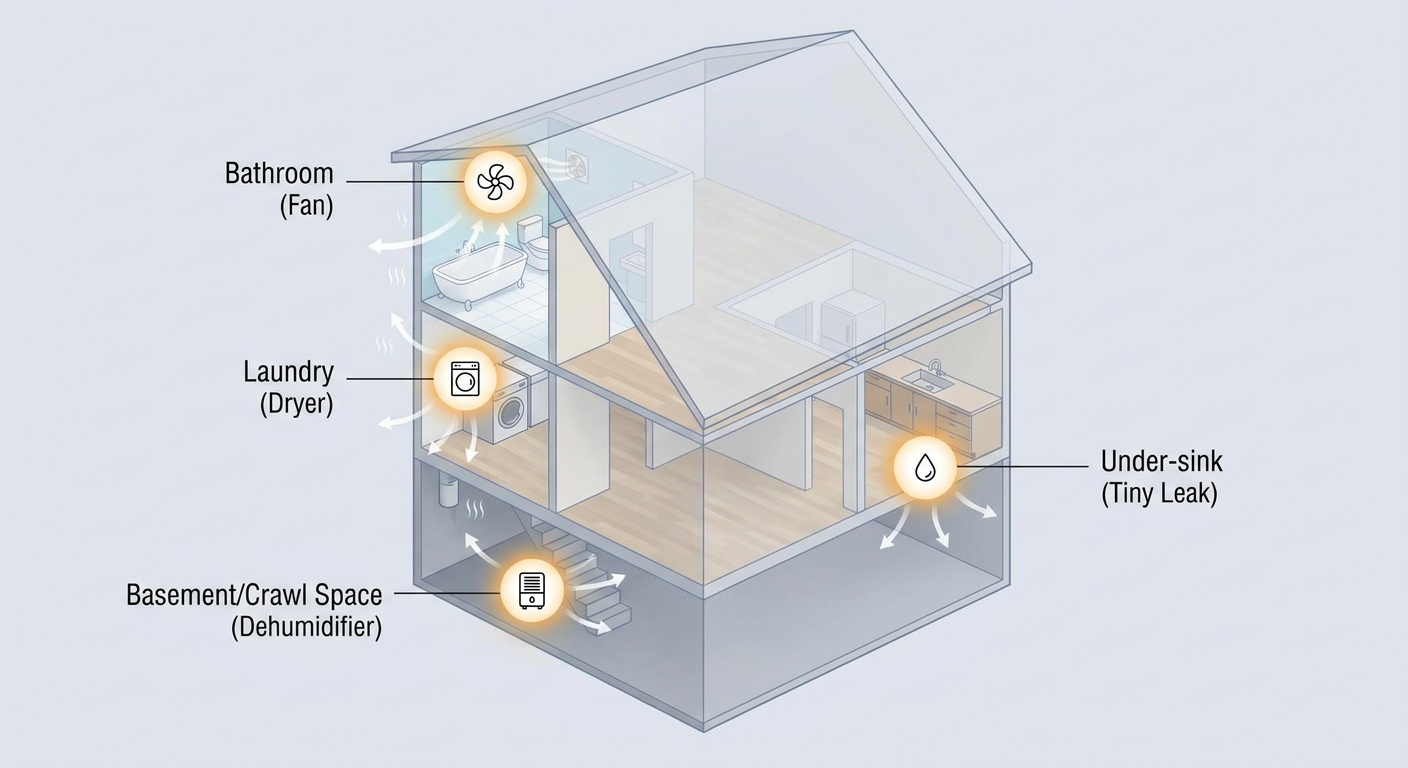
- Make it harder for indoor spaces to “dry out” after showers, laundry, or small leaks
- Contribute to that musty smell some homes develop in summer
A common real-life example: a small, slow leak under a sink might go unnoticed in winter, but in a humid Georgia summer, the surrounding cabinet can stay damp enough to encourage musty odors and irritants.
Takeaway: Long, wet, and warm stretches can keep homes damp—an important driver of sinus irritation.
Outdoor humidity vs. what happens indoors
Outdoor humidity is only part of the story. Many people spend most of their day indoors—at home, work, or in the car—so indoor relative humidity often drives symptoms most.
A common Georgia pattern looks like this:
- Homes are closed up to keep cooled air in
- Air-conditioning runs frequently
- Moisture still accumulates in bathrooms, laundry areas, basements, or around HVAC systems
- Hidden dampness can lead to mold growth and more indoor allergens
That’s where the real comfort and symptom-control opportunity usually is: controlling moisture where you sleep and spend the most time.
Takeaway: Managing indoor moisture is usually the biggest lever for sinus comfort.
The Real Issue: Indoor Humidity, Moisture, and Mold
Ideal indoor humidity targets for sinus comfort
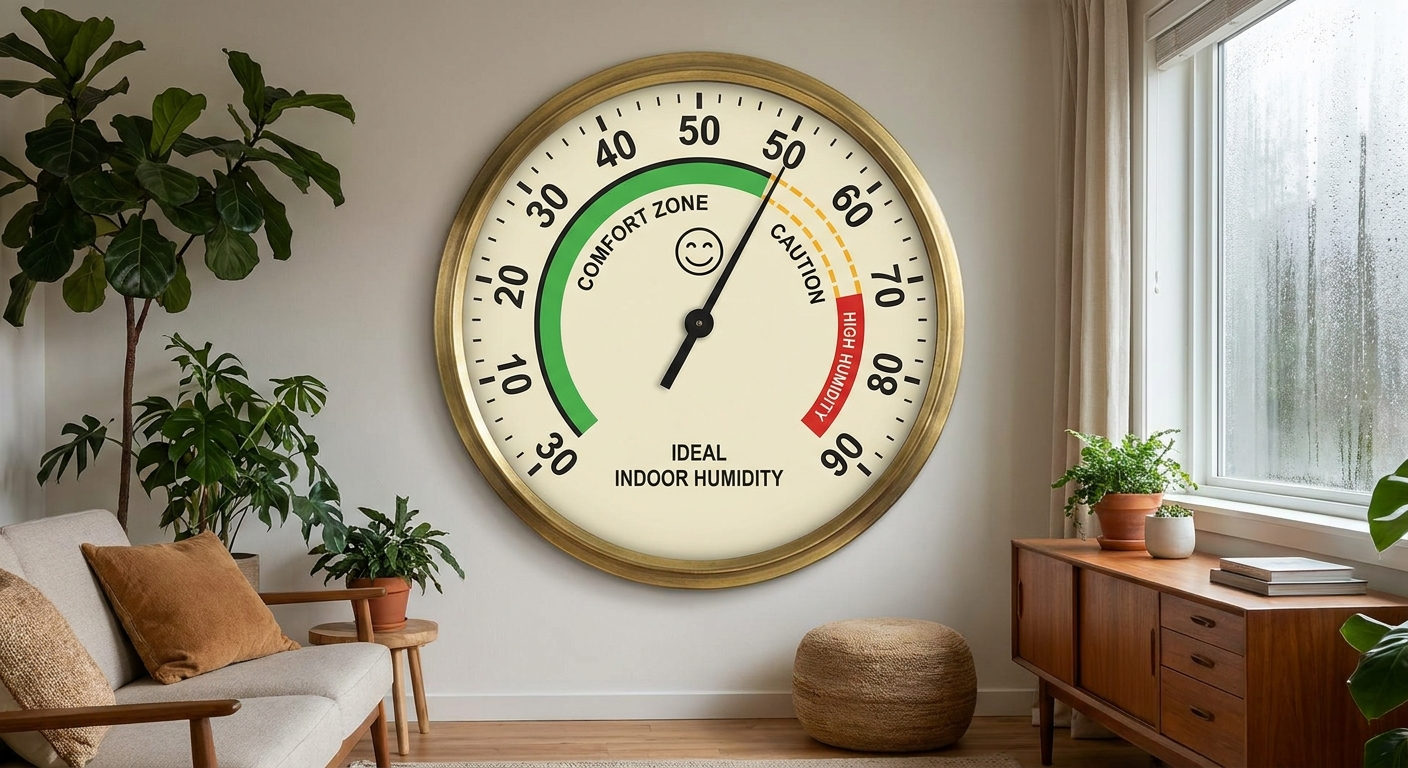
The EPA recommends keeping indoor relative humidity below 60%, and many homes do best (for comfort and mold prevention) at 30–50%. Resource: https://www.epa.gov/mold/brief-guide-mold-moisture-and-your-home
Why that range often helps:
- Mold is less likely to grow and spread
- Dust mites and damp-related allergens may be reduced
- You avoid the “too dry” extreme that can irritate nasal tissues
Takeaway: Aim for the middle—neither parched nor damp.
How to know your home’s humidity (don’t guess)
Because “humid” is a feeling—not a measurement—consider using a small hygrometer (a simple humidity monitor). They’re inexpensive, and they turn guesswork into a number you can act on.
Helpful tips for more accurate readings:
- Check more than one room (humidity varies a lot by location)
- Keep at least one monitor in the bedroom if nighttime congestion is an issue
- Pay special attention to “red flag” zones: bathrooms, basements, laundry rooms, and any room with a musty odor
If your bedroom reads 55–65% after a week of rain, that’s a concrete clue your nose may be reacting to the indoor environment—not just the outdoor forecast.
Takeaway: Measure it to manage it.
Mold and dampness = common triggers for nasal inflammation
Mold exposure can irritate the nose and throat and can also trigger allergy symptoms in sensitive people. Public health resources describe a wide range of dampness-related symptoms—from nasal stuffiness and throat irritation to coughing or eye irritation. Resources: https://www.cdc.gov/mold-health/about/index.html https://www.aaaai.org/conditions-treatments/allergies/mold-allergy
If you’ve noticed symptoms that spike after storms or wet weeks, it may be worth learning more about after-rain mold growth in Georgia and prevention steps: https://sleepandsinuscenters.com/blog/after-rain-mold-growth-in-georgia-causes-and-prevention-tips
Takeaway: Where there’s dampness, there may be irritants that keep noses inflamed.
Symptoms—What You Might Notice in Humid Georgia Weather
Allergy-type symptoms (often mold-related)
When indoor dampness rises, people sensitive to mold or indoor allergens may notice:
- Stuffy nose (congestion)
- Sneezing
- Runny nose
- Itchy, watery, or burning eyes
- Postnasal drip, cough, or throat irritation
These can resemble seasonal allergies—but in humid months they may be driven by indoor triggers, not pollen alone. A common pattern: symptoms feel worse at home (especially overnight), then ease up after being away for several hours.
Takeaway: If symptoms worsen where it’s musty, indoor triggers may be part of the story.
“Sinus infection” symptoms that overlap (and can be misleading)
Inflammation and blocked drainage can create symptoms that feel like an infection, such as:
- Facial pressure or fullness
- Headache
- Thick drainage
- Reduced sense of smell
Because symptoms overlap so much, it’s helpful to focus on patterns (duration, triggers, seasonality, and indoor moisture) rather than trying to self-label it as an infection based on pressure alone.
Takeaway: Pressure signals blockage—not the cause of the blockage.
When dry air is actually the problem (yes, even in Georgia)
Even during humid months, air-conditioning can leave some indoor spaces feeling dry—especially at night or with strong airflow. Dryness can cause:
- Burning or raw nasal passages
- Crusting
- Nosebleeds
So while muggy air can aggravate symptoms for many people, dryness can also flare symptoms. The goal is balance—not maximum moisture.
Takeaway: Comfort lives between “too wet” and “too dry.”
Causes—How Humidity Contributes to Sinus Discomfort (Without “Causing” Infection)
Excess moisture → mold growth and allergen load
Damp indoor environments can allow mold to grow in places you may not see right away: behind walls, under sinks, around vents, or in basements/crawl spaces. More mold spores and musty irritants can lead to more nasal inflammation—contributing to congestion and pressure.
If you notice a recurring musty odor, frequent condensation, or a damp-feeling closet, those are practical signals to investigate moisture—because odor often follows humidity.
Takeaway: If you can smell “musty,” your nose may be reacting to it.
Dust mites and indoor allergens may thrive with higher humidity
Many indoor allergens do better in more humid conditions. When the home stays damp, allergen exposure may increase, which can keep nasal tissues inflamed and reactive.
Takeaway: Higher humidity can mean higher allergen load.
Humidifiers can backfire in already-humid homes
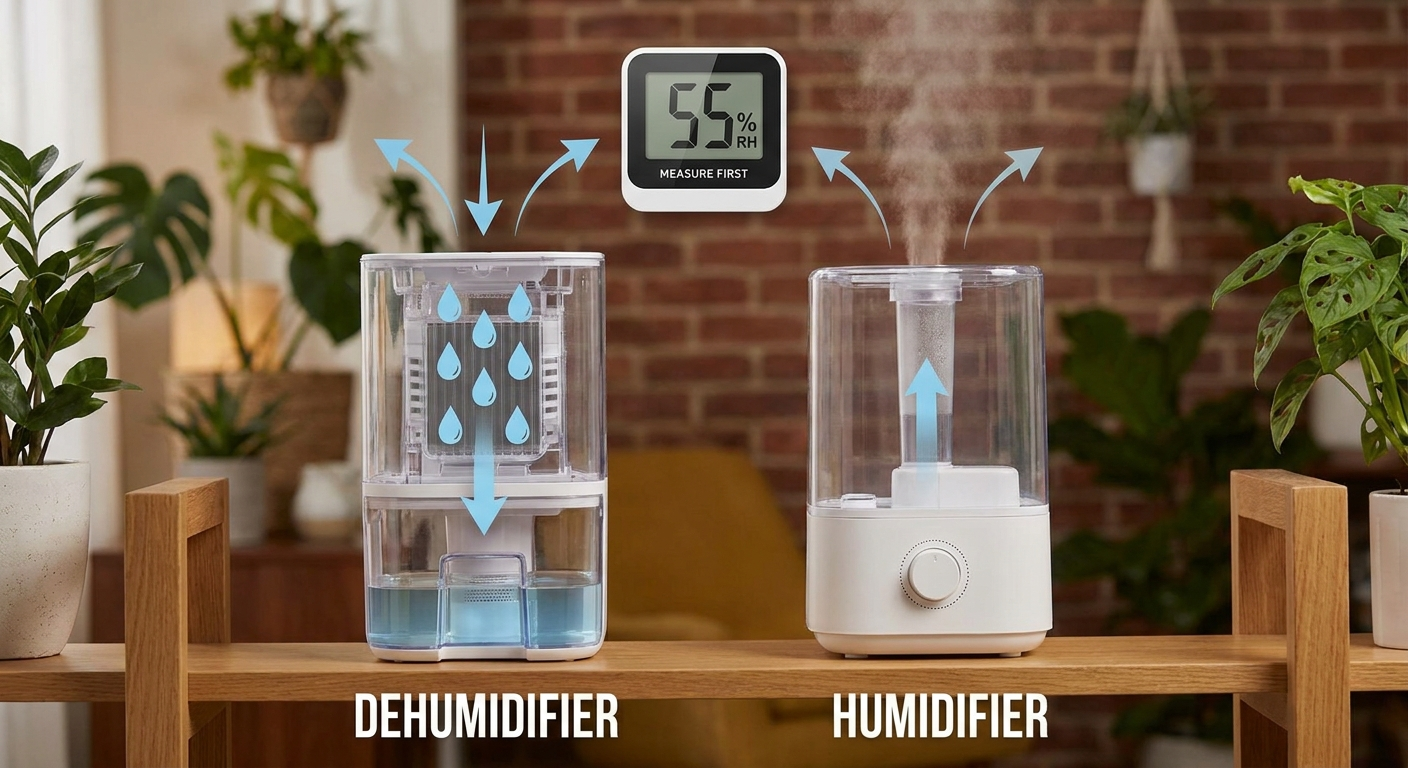
Humidifiers can be helpful in truly dry conditions, but in a humid Georgia home they may raise indoor moisture further—or introduce particles if not maintained carefully. AAAAI notes that humidifiers can worsen indoor allergy issues when humidity gets too high or the device isn’t kept clean. Resource: https://www.aaaai.org/tools-for-the-public/conditions-library/allergies/humidifiers-and-indoor-allergies
If you’re deciding what’s better for your space, this guide may help: humidifier vs. dehumidifier for allergies https://sleepandsinuscenters.com/blog/humidifier-vs-dehumidifier-for-allergies-which-is-better
Takeaway: Before adding moisture, check if your air already has too much.
Relief at Home—What Actually Helps (Step-by-Step)
(Educational information only; if you’re unsure what’s appropriate for your symptoms, consider discussing options with a clinician.)
Control indoor humidity first (the foundation)
Aim for indoor humidity 30–50%, and keep it below 60%. Practical ways to do that include:
- Use air-conditioning consistently during humid months
- Run bathroom fans during showers and for a period afterward
- Ventilate moisture-prone areas when possible
- Use a dehumidifier to support sinus comfort—especially in basements or persistently damp rooms
- Address condensation (windows, vents) promptly
A quick troubleshooting example: if your bathroom mirror stays foggy long after a shower, that’s a sign moisture is lingering. Running the fan longer (and checking that it actually vents outdoors) can make a noticeable difference over time.
EPA moisture guidance: https://www.epa.gov/mold/brief-guide-mold-moisture-and-your-home
Takeaway: Moisture control is symptom control.
Reduce mold exposure safely
Moisture control is the long-term fix. Consider focusing on:
- Fixing leaks (roof, plumbing, HVAC drain lines)
- Drying water-damaged areas quickly
- Cleaning small areas of visible mold safely and addressing the source of dampness
- Considering professional remediation for large areas or recurring moisture problems
For Georgia-specific context and prevention ideas: https://sleepandsinuscenters.com/blog/after-rain-mold-growth-in-georgia-causes-and-prevention-tips
Takeaway: Stop the dampness and you starve the mold.

Symptom relief tools (patient-friendly)
- Saline nasal irrigation to rinse away irritants and help thin mucus
- Important safety note: use distilled/sterile water (or boiled then cooled), and keep the device clean. Ask a clinician before irrigating if you’ve had recent nasal surgery, severe blockage, or troublesome ear symptoms. Neti pot safety tips: https://sleepandsinuscenters.com/blog/neti-pot-safety-tips-essential-steps-for-safe-nasal-irrigation
- Saline sprays or gels for dryness and irritation
- Nasal corticosteroid sprays for allergy-related or ongoing nasal inflammation (use as directed; not right for everyone; typically work best with consistent use)
Takeaway: Simple, steady routines often help more than one-off fixes.
What to avoid (common mistakes)
- Adding a humidifier without measuring indoor RH first
- Letting humidity stay high for long periods (especially in bedrooms)
- Overusing medicated decongestant nasal sprays, which can lead to rebound congestion for some people
Takeaway: Measure first, then treat—don’t chase symptoms blindly.
Medical Treatments—When Home Care Isn’t Enough
When to see a clinician (especially an ENT)
If symptoms are persistent, recurring, or significantly affecting sleep and daily life, an evaluation can help clarify what’s driving them.
A common benchmark: symptoms lasting 12 weeks or longer may fit chronic sinusitis definitions and deserve a closer look. Learn more: https://sleepandsinuscenters.com/chronic-sinusitis
Takeaway: If it’s lingering or keeps coming back, it’s worth a closer look.
What an evaluation may include
A visit may focus on:
- Symptom duration and pattern (seasonal vs. year-round)
- Home and workplace triggers (dampness, musty odors, visible moisture)
- Nasal examination and discussion of treatment history
- Considering whether allergies may be contributing (including mold sensitivity)
Bringing specifics helps: typical indoor humidity readings, when symptoms spike (after storms, at night, in certain rooms), and what you’ve already tried.
Takeaway: Your humidity log and trigger notes can speed up answers.
Treatment options your clinician may recommend
Depending on your situation, recommendations may include:
- A targeted allergy plan (trigger reduction + medication strategy)
- Prescription nasal therapies for inflammation
- Further workup if chronic sinusitis is suspected
If you’ve tried humidity control and basic symptom measures but still feel stuck—especially when muggy weather seems to set you back month after month—Sleep and Sinus Centers of Georgia can help guide next steps.
Takeaway: Personalized care can align treatment with your specific triggers.
Lifestyle Tips for Georgia Residents (Prevention + Daily Habits)
Humidity-smart routines
- Check indoor RH during humid months (especially after storms)
- Vent bathrooms and laundry areas consistently
- Keep bedroom humidity stable for nighttime breathing comfort
Takeaway: Small, steady habits keep humidity from creeping up.
“Sinus-friendly home” checklist
- Replace HVAC filters on schedule
- Clean visible condensation on windows and around vents
- Keep closets and basements dry; store items off basement floors when possible
Takeaway: Dry, clean air is easier on sinuses.
Travel and weather-change tips
- Moving between humid outdoors and cold AC indoors can feel irritating—hydration and gentle nasal moisture support can help without raising whole-home humidity
- If you’re using a dehumidifier, monitor RH so the home doesn’t swing too dry
Takeaway: Balance follows you—monitor and adjust as you go.
FAQs
Q: Can humidity cause a sinus infection?
A: Humidity doesn’t directly cause an infection. However, higher moisture can increase indoor dampness and mold risk, which can worsen inflammation and create symptoms that feel similar to an infection.
Q: What indoor humidity is best for sinuses in Georgia?
A: A commonly recommended target is 30–50% relative humidity, keeping indoor humidity below 60% to reduce mold risk.
Q: Should I use a humidifier in Georgia summer?
A: Often, adding moisture isn’t helpful in summer unless indoor air is truly dry. Measuring humidity first is important, because humidifiers can worsen indoor allergy issues if humidity gets too high or the device isn’t maintained well.
Q: What are mold allergy symptoms in the nose and eyes?
A: Common mold allergy symptoms include congestion, sneezing, runny nose, and itchy/watery eyes. Some people also notice throat irritation or cough.
Q: When should I worry that symptoms are chronic sinusitis?
A: If symptoms last 12 weeks or longer, or keep recurring, consider an evaluation. Learn more: https://sleepandsinuscenters.com/chronic-sinusitis
Q: Do saline rinses really help?
A: For many people, saline nasal irrigation can help rinse irritants and thin mucus. Technique and water safety matter—see: https://sleepandsinuscenters.com/blog/neti-pot-safety-tips-essential-steps-for-safe-nasal-irrigation
Conclusion—Your Action Plan for Humidity-Related Sinus Relief
When humid Georgia weather aggravates your sinuses, the most effective first step is usually measuring and managing indoor moisture:
1. Measure indoor RH with a hygrometer
2. Target 30–50% (and keep under 60%)
3. Reduce moisture and mold risk (especially after storms or leaks)
4. Consider supportive tools like saline irrigation and consistent allergy/inflammation strategies
5. If symptoms persist 12 weeks or more, consider scheduling an evaluation with Sleep and Sinus Centers of Georgia to clarify what’s driving the problem
Ready for personalized guidance? Book here: https://www.sleepandsinuscenters.com/
Takeaway: Tame the indoor humidity, and you often tame the symptoms.
Disclaimer: This article is for educational purposes only and is not medical advice. Please consult a qualified healthcare provider for diagnosis and treatment.
References
- U.S. EPA: https://www.epa.gov/mold/brief-guide-mold-moisture-and-your-home
- CDC: https://www.cdc.gov/mold-health/about/index.html
- AAAAI (Mold allergy): https://www.aaaai.org/conditions-treatments/allergies/mold-allergy
- AAAAI (Humidifiers & indoor allergies): https://www.aaaai.org/tools-for-the-public/conditions-library/allergies/humidifiers-and-indoor-allergies
- ENTHealth (Sinusitis overview): https://www.enthealth.org/conditions/sinusitis/
- NWS climate resources: https://www.weather.gov/ffc/clisumlst
Don’t let allergies slow you down. Schedule a comprehensive ENT and allergy evaluation at Sleep and Sinus Centers of Georgia. We’re here to find your triggers and guide you toward lasting relief.