Georgia Ragweed Season: What to Expect and How to Manage Allergy Symptoms
If your “cold” shows up every year as summer fades—and then lingers for weeks—ragweed pollen may be the reason. In many parts of the state, Georgia ragweed season drives late-summer and fall sniffles, congestion, and watery eyes.
The good news: once you know the typical timing and your personal triggers, it’s easier to plan ahead and reduce symptoms. For many people, that’s the difference between powering through fall activities and feeling stuck in a never-ending tissue commercial.
Educational note: This article shares general information, not individualized medical advice. Medication choices and treatment plans are best discussed with a qualified clinician—especially for children, pregnancy, older adults, and people with conditions like high blood pressure, glaucoma, or prostate issues.
Georgia Ragweed Season at a Glance (Key Dates & What’s “Normal”)
Ragweed becomes a major player just as many other pollens wind down. That’s why so many people experience Georgia fall allergies right when school, practices, and festivals ramp up.
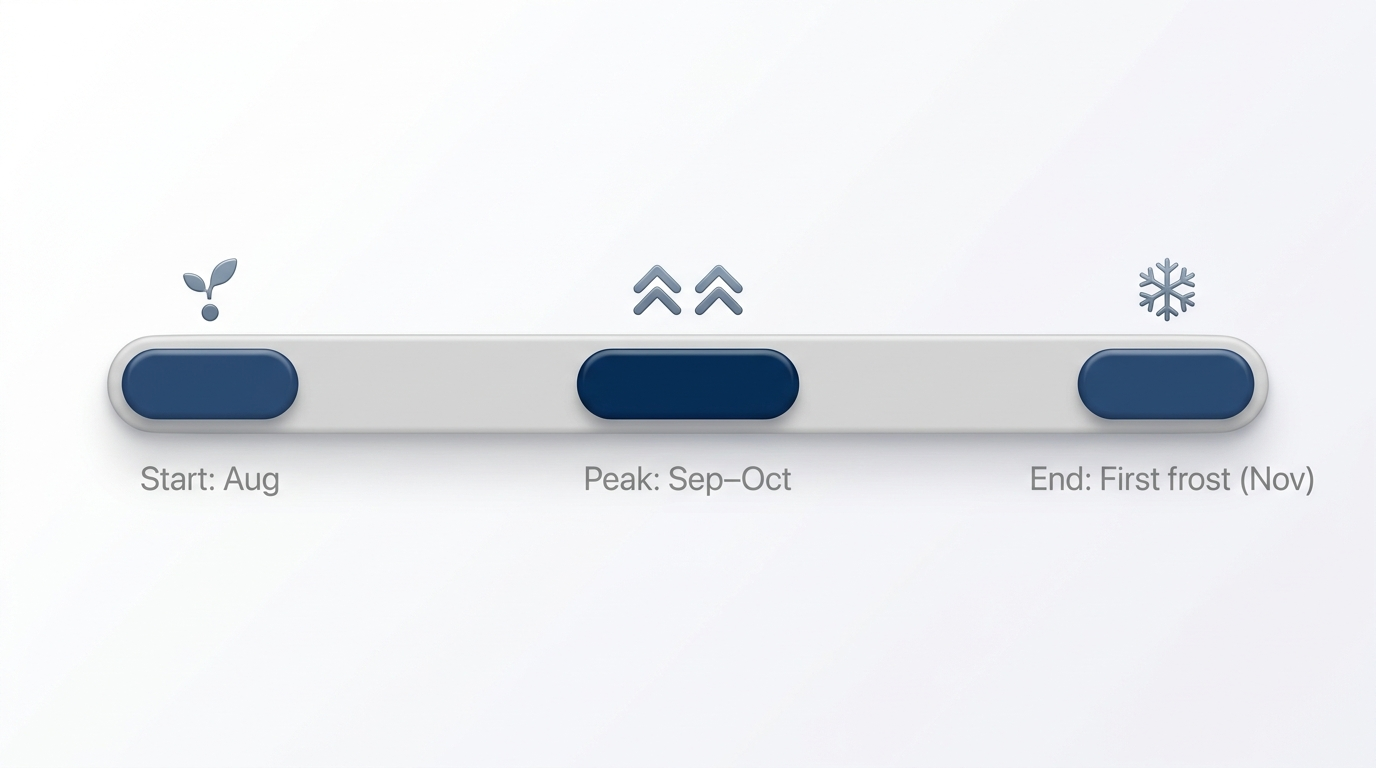
While every year is a little different, ragweed season in Georgia usually follows this pattern:
- Usually begins in August (and in some years, as early as July)
- Peaks in September and October
- Often lasts into November, ending when the first frost kills ragweed plants
In practical terms, many people notice the first itchy/sneezy days in late summer, then the toughest stretch in early fall. This general timeline aligns with seasonal patterns described in Sleep & Sinus Centers of Georgia resources and broader allergy education sources.
Why timing can vary year to year:
- Temperature swings: Warm stretches can extend pollen production.
- Rainfall: Rain may briefly lower airborne pollen but can promote plant growth earlier in the season.
- Windy, dry periods: These spread pollen farther and can worsen symptoms.
- Early or late frost: Frost typically shuts the season down.
A simple way to think about it: the calendar matters, but the weather decides how intense each week feels.
Bottom line: Expect ragweed to ramp up in August, peak in September–October, and settle after the first hard frost.
What Ragweed Is—and Why It Triggers So Many Georgia Allergies
Ragweed is a common, fast-growing weed that releases tiny pollen grains into the air. Because the pollen is light and easily dispersed, it can travel significant distances—so you don’t need ragweed in your yard to react. A windy drive, a field-side walk, or time near disturbed soil can be enough to trigger symptoms.
What ragweed pollen does in the body: With allergies, the immune system mistakenly treats a harmless substance (like pollen) as a threat. That immune response releases histamine and other inflammatory chemicals—the culprits behind sneezing, itchy eyes, and congestion. Think of it like a smoke alarm going off without a fire—the alarm reaction creates the symptoms.
Why ragweed is such a pervasive fall allergen in Georgia:
- Roadsides and highway edges
- Open fields and empty lots
- Construction areas and new developments
- Unmanaged patches of land in neighborhoods
Ragweed also produces large amounts of pollen, which is why Georgia ragweed season can feel intense—even for people who are only mildly sensitive at other times of year.
Key idea: You don’t need ragweed in your yard to have symptoms—airborne pollen can travel far on windy fall days.

Ragweed Allergy Symptoms (What Patients Commonly Notice)
Ragweed allergy can look like a lingering cold—except it repeats seasonally and often won’t fully resolve until pollen levels drop. Many people describe it as “I’m not sick-sick… I’m just never quite clear.”
Nose and sinus symptoms:
- Sneezing
- Runny nose (often clear)
- Stuffy nose/congestion
- Post-nasal drip
- Sinus pressure or headaches
- Reduced sense of smell
Eye symptoms:
- Itchy, watery eyes
- Redness
- Puffy eyelids or swelling around the eyes
Outdoor time often makes this worse—especially windy afternoons or long stretches at outdoor games.
Throat and chest symptoms:
- Scratchy throat
- Cough (often from post-nasal drip)
- Wheezing or asthma flare-ups in those with asthma
If you have asthma, pollen can be more than a nuisance. A tight chest or increased rescue inhaler use during peak weeks is a good reason to check in with a clinician.
Sleep and daytime symptoms:
- Poor sleep due to blocked nasal breathing
- Mouth breathing and dry mouth
- Daytime fatigue and brain fog
- Reduced exercise tolerance (for some)
Clue to watch for: symptoms that repeat every late summer and fall, then ease after the first frost.
Causes & Triggers That Make Ragweed Symptoms Worse
Even when pollen is the main trigger, day-to-day conditions can strongly influence how you feel. Think of pollen as the spark, and your routine as the fuel.
High-pollen conditions—symptoms often spike on:
- Warm, dry, windy days
- Days with higher outdoor exposure (sports, yard work, festivals)
- Days when local pollen counts are elevated—especially in metro areas like Atlanta
Overlapping fall triggers can stack (for example, some outdoor molds), making September feel worse than late October.
Indoor carry-in (why you still suffer at home):
- Hair and skin
- Clothing and shoes
- Pets’ fur
- Outdoor gear (backpacks, sports equipment)
Open windows and under-filtered HVAC systems can also keep pollen circulating. Small reductions in exposure add up—especially on windy days or after long outdoor activities.

How to Track Ragweed Pollen in Georgia (So You Can Plan Ahead)
Awareness is a simple way to avoid flare-ups. Track local pollen trends and jot down symptoms for a few weeks during peak months—notes like “itchy eyes after practice” can reveal a pattern.
Use local tools:
- Georgia Pollen Tracker (Sleep & Sinus Centers of Georgia): https://sleepandsinuscenters.com/georgia-pollen-tracker
- Georgia Pollen Calendar: https://sleepandsinuscenters.com/blog/georgia-pollen-calendar-2026-monthly-allergy-forecast-tips
Match symptoms to the seasonal pattern: if your congestion, sneezing, or itchy eyes reliably surge August through October, ragweed is a prime suspect.
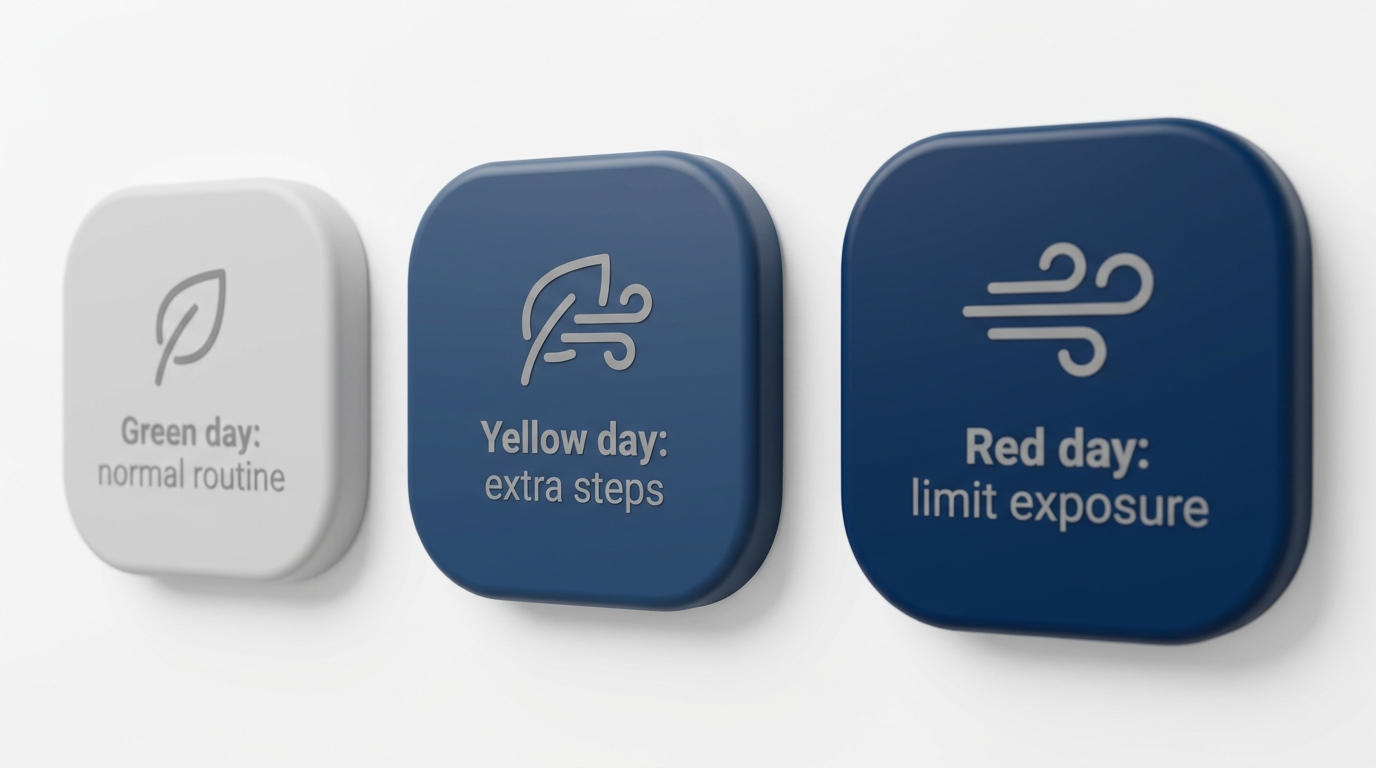
A simple traffic light approach can help:
- Green days: minimal symptoms—normal routine
- Yellow days: mild symptoms—add extra exposure-reduction steps
- Red days: peak symptoms—limit outdoor time and be consistent with your plan
Plan your busiest outdoor days for lower-count periods whenever you can.
Lifestyle Tips to Reduce Ragweed Exposure (Practical, Patient-Friendly)
Small routine changes can make a noticeable difference during Georgia ragweed season—especially with a consistent symptom-management plan. The goal isn’t perfection; it’s lowering total exposure so your immune system stays calmer.
Outdoor strategies:
- Limit yard work on high-count days when possible.
- Wear sunglasses to reduce eye exposure.
- Shower and change clothes after outdoor time to remove pollen from skin and hair.
Home strategies:
- Keep windows closed on peak pollen days.
- Use HEPA filtration (portable air cleaners or HVAC upgrades if appropriate).
- Change HVAC filters regularly.
- Vacuum with a HEPA-equipped vacuum and damp-dust to reduce recirculation.
Bedroom reset (high-impact zone):
- Wash bedding regularly.
- Avoid going to bed with pollen in your hair after evening outdoor time.
- If you’re sensitive, consider keeping pets out of the bedroom during peak season.
Focus first on the spaces you use most—often the bedroom and main living area.
Treatment Options for Ragweed Allergy Relief (OTC to Long-Term Solutions)
Many people manage symptoms with a layered approach—starting with basics and stepping up when needed. A clinician can help tailor options to your symptoms, health history, and preferences.
First-line symptom control:
- Oral non-drowsy antihistamines (often used daily during peak weeks as recommended by a healthcare provider)
- Intranasal steroid sprays (typically most effective when used consistently)
- Saline sprays or rinses to mechanically clear pollen and mucus
Consistency matters. Starting a routine before peak weeks can make the season more manageable—discuss timing with a clinician.
Targeted add-ons (when basics aren’t enough):
- Antihistamine nasal sprays
- Other prescription options for persistent congestion, drainage, or inflammation (when appropriate)
When to consider allergy testing: if symptoms return every fall, last for weeks, or don’t respond well to OTC options, testing can pinpoint triggers. Learn more: https://sleepandsinuscenters.com/allergy-testing
Long-term relief—immunotherapy (allergy shots or FDA-approved sublingual tablets): can reduce sensitivity over time instead of just masking symptoms. Explore options: https://sleepandsinuscenters.com/long-term-relief-from-allergy-pain
As always, discuss risks, benefits, and timing with a qualified healthcare provider.
Think beyond one bad week—a steady, tailored plan often brings the best relief across the whole season.

When to See a Specialist (Red Flags & “Don’t-Wait” Situations)
Seasonal allergies are common, but some situations deserve a closer look—especially during peak Georgia ragweed season. Consider an evaluation if you notice:
- Frequent sinus infections or symptoms that keep returning
- Persistent facial pain/pressure or severe congestion affecting sleep
- Wheezing, chest tightness, or asthma symptoms during pollen peaks
- Symptoms that don’t match a typical seasonal pattern or that continue well beyond the season
An ENT/allergy-focused visit often includes a detailed history, exam, and (when useful) allergy testing—followed by a plan tailored to your symptom pattern and goals.
If ragweed season keeps derailing your fall, a targeted plan can make a meaningful difference.
FAQs About Ragweed Season in Georgia
When does ragweed season start in Georgia?
It typically starts in August, though it can begin as early as July in some years.
What months are worst for ragweed in Georgia?
September and October are often the peak months for ragweed pollen.
When does ragweed season end in Georgia?
It commonly lasts into November and ends with the first frost.
How can I tell if it’s ragweed allergies or a cold?
Allergies are more likely to cause itching, sneezing, and clear drainage—often with a repeating seasonal pattern. Colds are more likely to include fever or body aches and usually improve within about 7–10 days. If you’re unsure, a healthcare provider can help confirm the cause.
What’s the best time of day to avoid ragweed pollen?
Instead of relying on the clock alone, check daily local pollen reports and plan outdoor time when counts are lower.
Conclusion (What to Expect + Your Next Best Step)
For many people, Georgia ragweed season follows a familiar arc: it starts in August, peaks in September and October, and often ends with the first frost (frequently by November). If you get predictable late-summer and fall symptoms, a few steps can make the season easier:
- Track pollen levels and your symptoms
- Start prevention and symptom-control early—before peak weeks
- Consider testing and longer-term options if symptoms are severe, persistent, or keep returning
If you’d like help confirming whether ragweed is your main trigger—and building a plan that fits your health history—book an appointment with Sleep & Sinus Centers of Georgia: https://www.sleepandsinuscenters.com/
A little planning now can mean a much calmer, clearer fall.
Educational Disclaimer
This article is for educational purposes only and is not medical advice. Please consult a qualified healthcare provider for diagnosis and treatment.
Sources
Sleep & Sinus Centers of Georgia. Georgia Pollen Tracker. https://sleepandsinuscenters.com/georgia-pollen-tracker
Sleep & Sinus Centers of Georgia. Georgia Pollen Calendar 2026: Monthly Allergy Forecast Tips. https://sleepandsinuscenters.com/blog/georgia-pollen-calendar-2026-monthly-allergy-forecast-tips
Atlanta Allergy & Asthma. When Does Fall Allergy Season Start in Georgia? Earlier Than You Would Think. https://www.atlantaallergy.com/articles/view/404-when-does-fall-allergy-season-start-in-georgia-earlier-than-you-would-think
Allermi. Allergy Season in Georgia. https://www.allermi.com/blogs/allergy-101/allergy-season-in-georgia
Don’t let allergies slow you down. Schedule a comprehensive ENT and allergy evaluation at Sleep and Sinus Centers of Georgia. We’re here to find your triggers and guide you toward lasting relief.