Ethmoid Sinusitis: Symptoms, Causes & Treatment
Medical disclaimer: This article is for educational purposes only and isn’t a substitute for personalized medical advice, diagnosis, or treatment. If you’re worried about your symptoms—especially eye swelling or vision changes—seek urgent care.
What is ethmoid sinusitis?
Ethmoid sinusitis is inflammation or infection of the ethmoid sinuses—small air cells located between the nose and the eyes. Because of this location, it often causes pressure or pain between the eyes and can sometimes lead to eye-area discomfort or swelling.
Common symptoms include pressure or pain between the eyes or at the bridge of the nose; nasal congestion; thick nasal drainage (clear, yellow, or green); reduced sense of smell or taste; headache or facial tenderness; postnasal drip and a stuffy or blocked feeling.
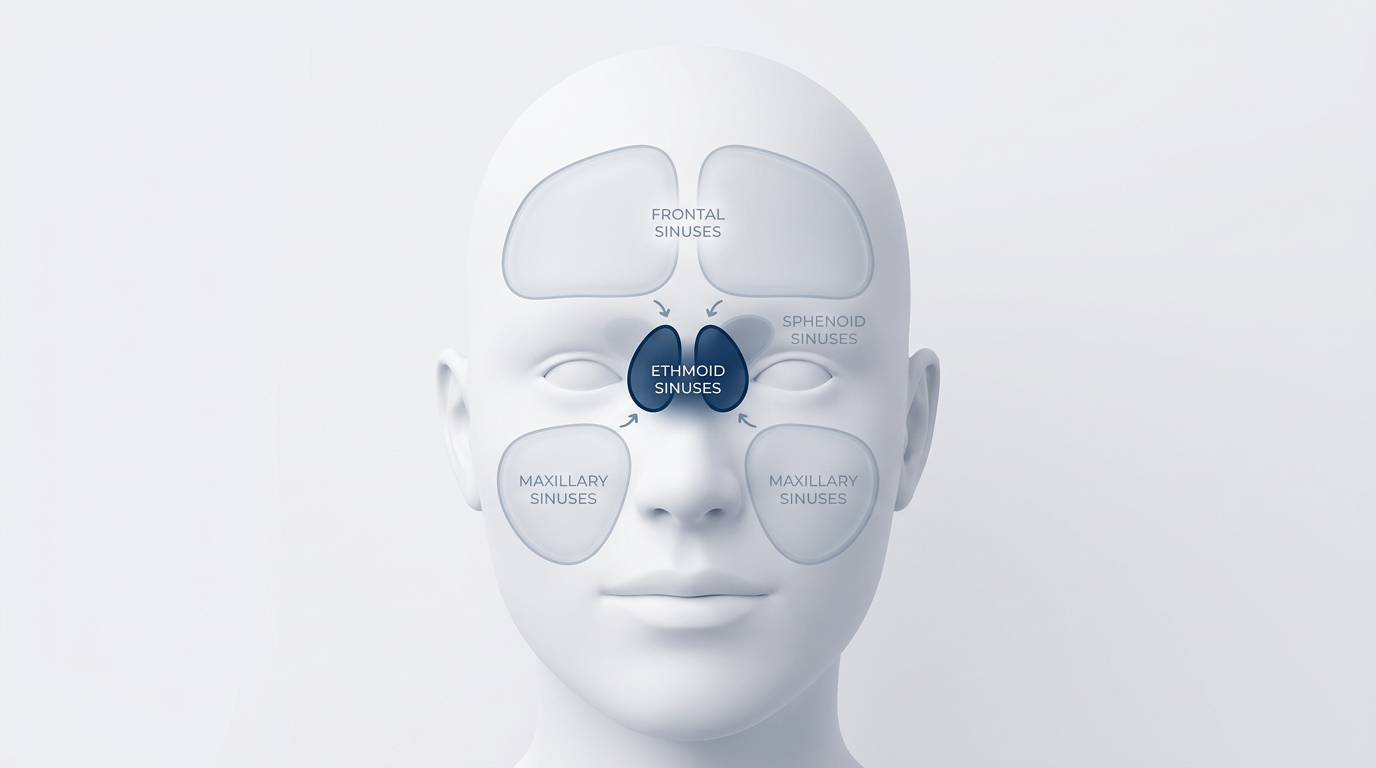
Where the ethmoid sinuses are (and why it can hurt “between the eyes”)
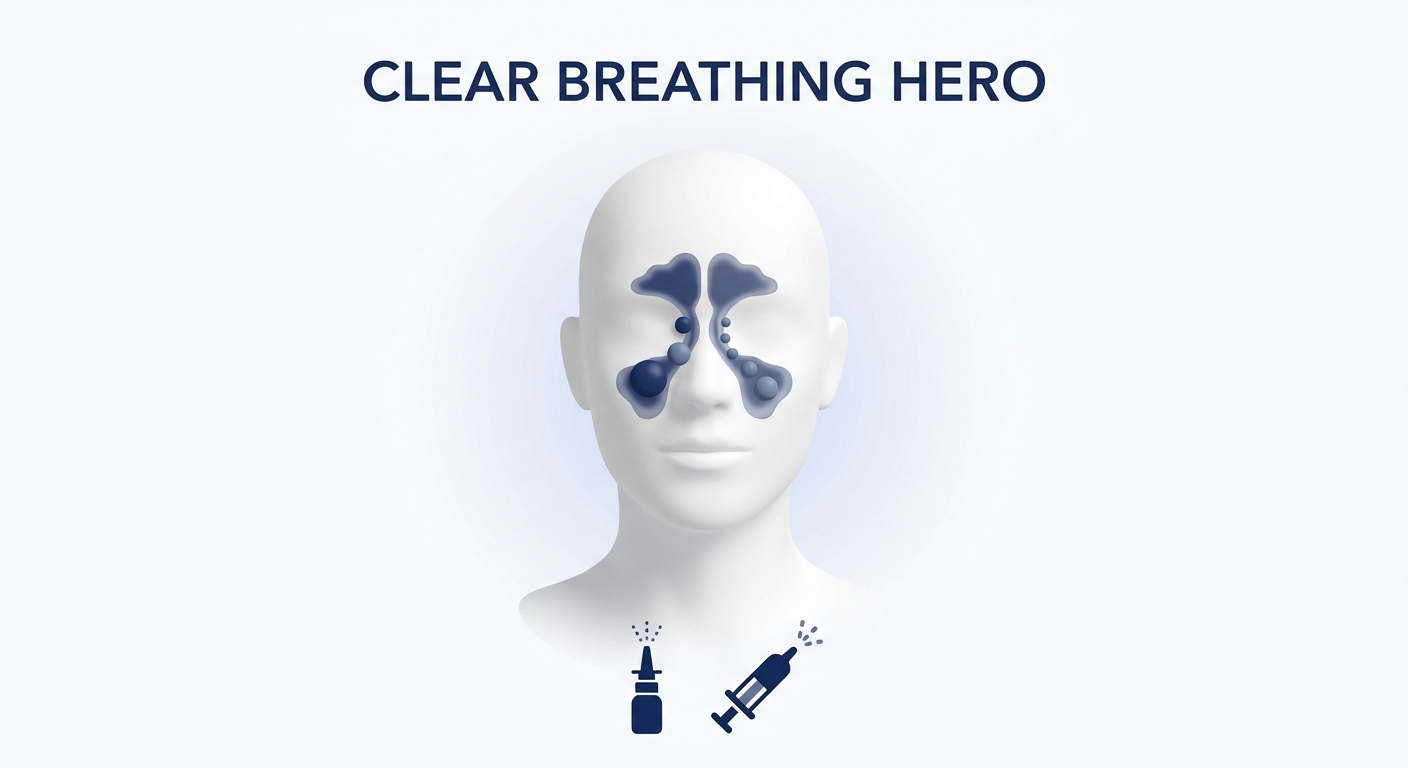
Your sinuses are air-filled spaces in the bones of your face. The ethmoid sinuses (ethmoid air cells) sit between your nose and your eyes, near the inner corner of the orbit. When the lining of these sinuses becomes inflamed—often after a cold or with allergies—swelling and mucus buildup can create that classic “sinus infection between the eyes” feeling: pressure, tenderness, or a deep ache at the bridge of the nose. These sinuses drain through tiny passageways; when swelling narrows them, mucus can’t move out easily, pressure builds, and symptoms ramp up—especially in the tight ethmoid space.
Ethmoid vs. “regular sinus infection”: symptoms can localize differently depending on the sinus group—maxillary (cheeks), frontal (forehead), ethmoid (between the eyes), sphenoid (deep behind the nose). Where symptoms are felt helps point to the most involved area, so pain located between the eyes often suggests ethmoid involvement, even though congestion and drainage can overlap with other types.
Bottom line: Ethmoid sinusitis is sinus inflammation centered between the eyes, and swelling that blocks tiny drainage pathways is what drives the pressure you feel.
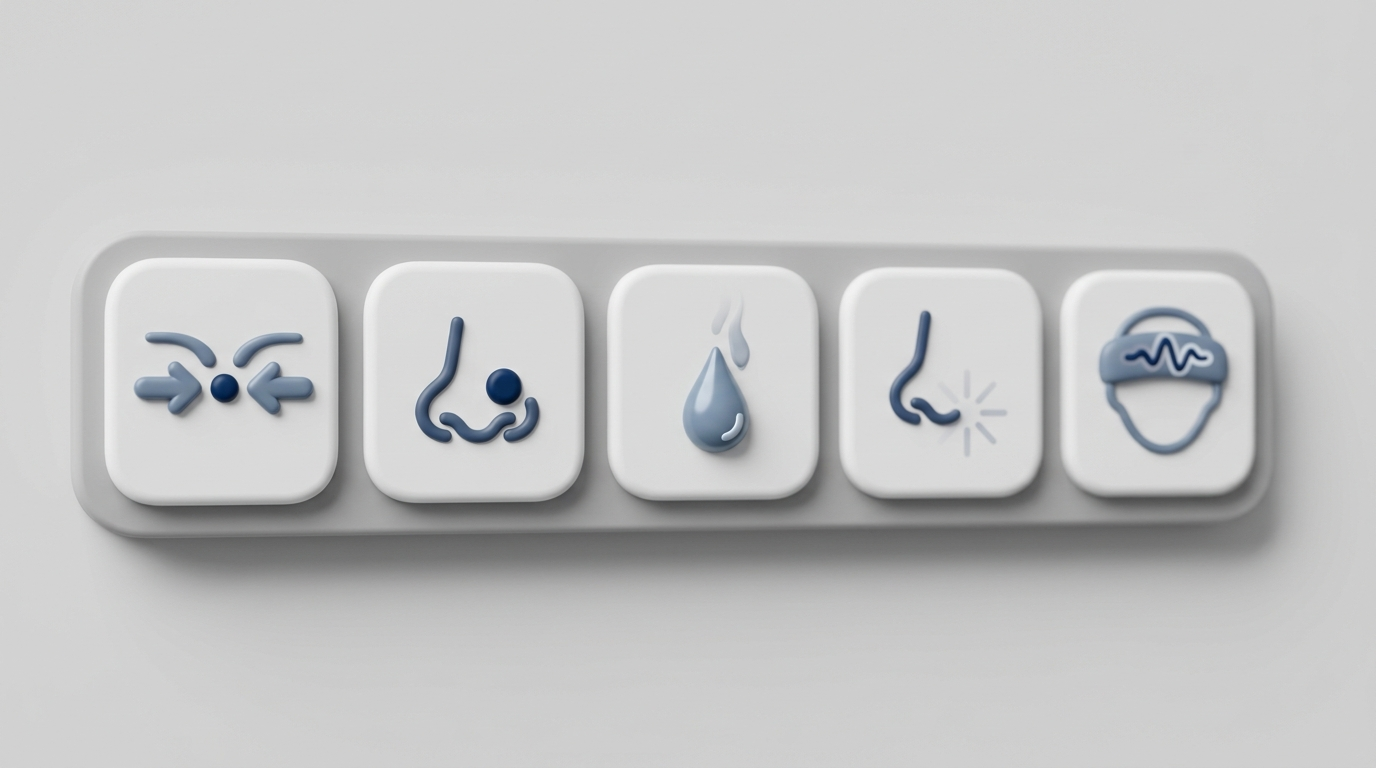
Ethmoid sinusitis symptoms (what patients usually notice)
Many people notice a cluster of symptoms that mimic a lingering cold: pressure, tightness, or pain between the eyes (often at the bridge of the nose); a stuffy nose or difficulty breathing through the nose; thick nasal discharge or postnasal drip; reduced smell and taste; headache and facial tenderness.
Some people feel worse when bending forward or concentrating—times when facial pressure is more noticeable. For a broader overview of sinus-related symptoms, see: https://sleepandsinuscenters.com/symptoms-of-sinus-problems
Eye-related symptoms (because the ethmoid sinuses are next to the orbit)
Because the ethmoid air cells sit close to the eye socket, inflammation can feel near the eye. People may notice aching near the inner corner of the eye; discomfort with eye movement; watery eyes or redness; puffiness or swelling around the eyes. Mild eye-area discomfort can happen with sinus inflammation, but clinicians pay attention to how quickly symptoms change and whether the eye itself seems affected.
Symptoms that suggest it may be bacterial (vs. viral)
Most sinus infections start with viral inflammation. Bacterial infection is considered when symptoms last longer than expected without improving; when they worsen after an initial improvement (double-worsening); or when facial pain/pressure and fever are more severe. Viral symptoms typically trend better over time; if they don’t, or they improve then deteriorate again, a clinician reassesses the plan.
When symptoms suggest chronic sinusitis (or a recurring problem)
If symptoms persist, the conversation can shift from short-term infection to longer-term inflammation. Chronic sinusitis is typically defined as symptoms lasting 12 weeks or longer. Learn more: https://sleepandsinuscenters.com/blog/acute-vs-chronic-sinusitis-key-differences-and-treatment-options
In short: If your between-the-eyes pressure lingers, worsens, or keeps coming back, it’s time to get evaluated.
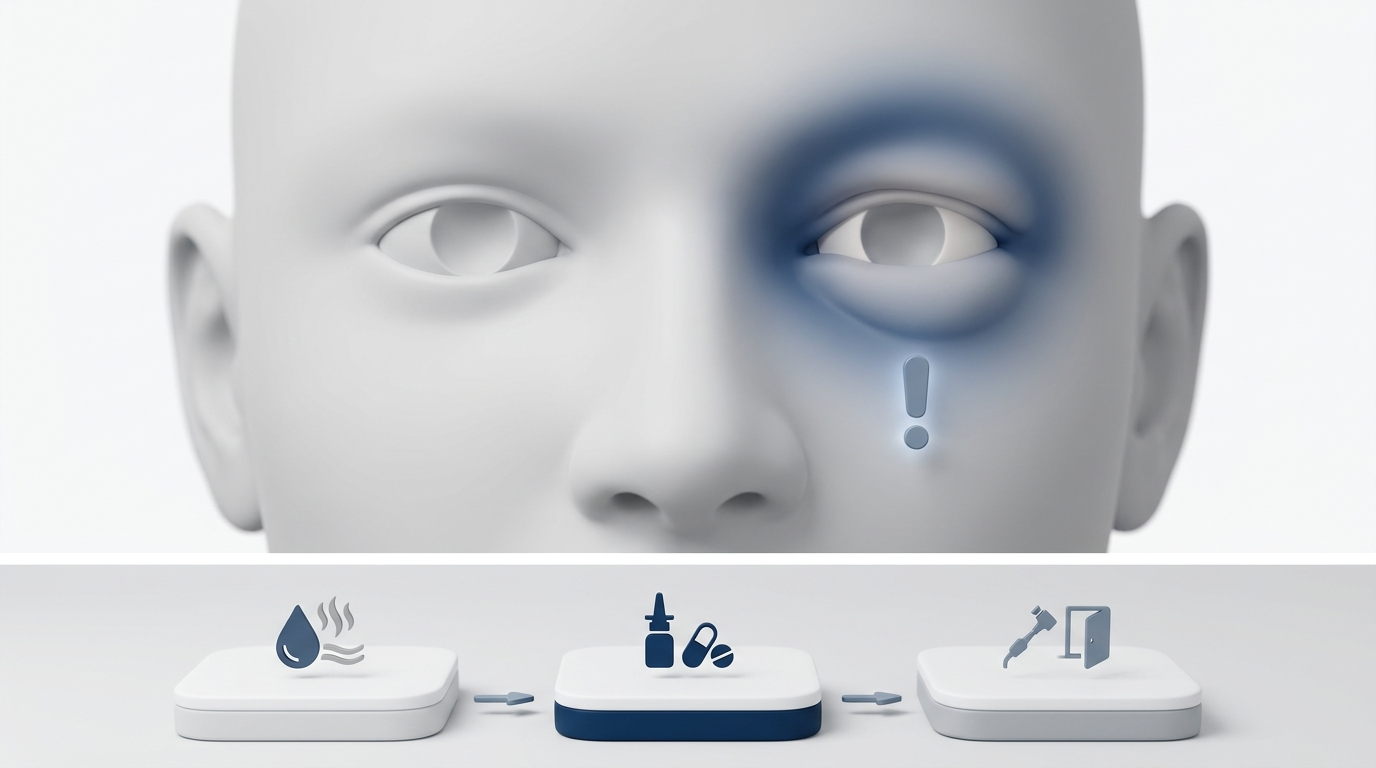
When ethmoid sinusitis is an emergency (don’t wait)
Red flags needing urgent evaluation include severe eye pain or rapidly increasing swelling/redness around the eye; vision changes (blurred, double, or decreased vision); high fever, severe headache, stiff neck; confusion, significant drowsiness, or altered mental status.
Why it matters: rarely, infection can spread toward the orbit and may threaten vision. If you’re unsure whether eye symptoms are sinus pressure or something more urgent, it’s safer to be evaluated promptly—especially when swelling or vision changes are involved. If you’re on the fence about eye symptoms, err on the side of urgent care.
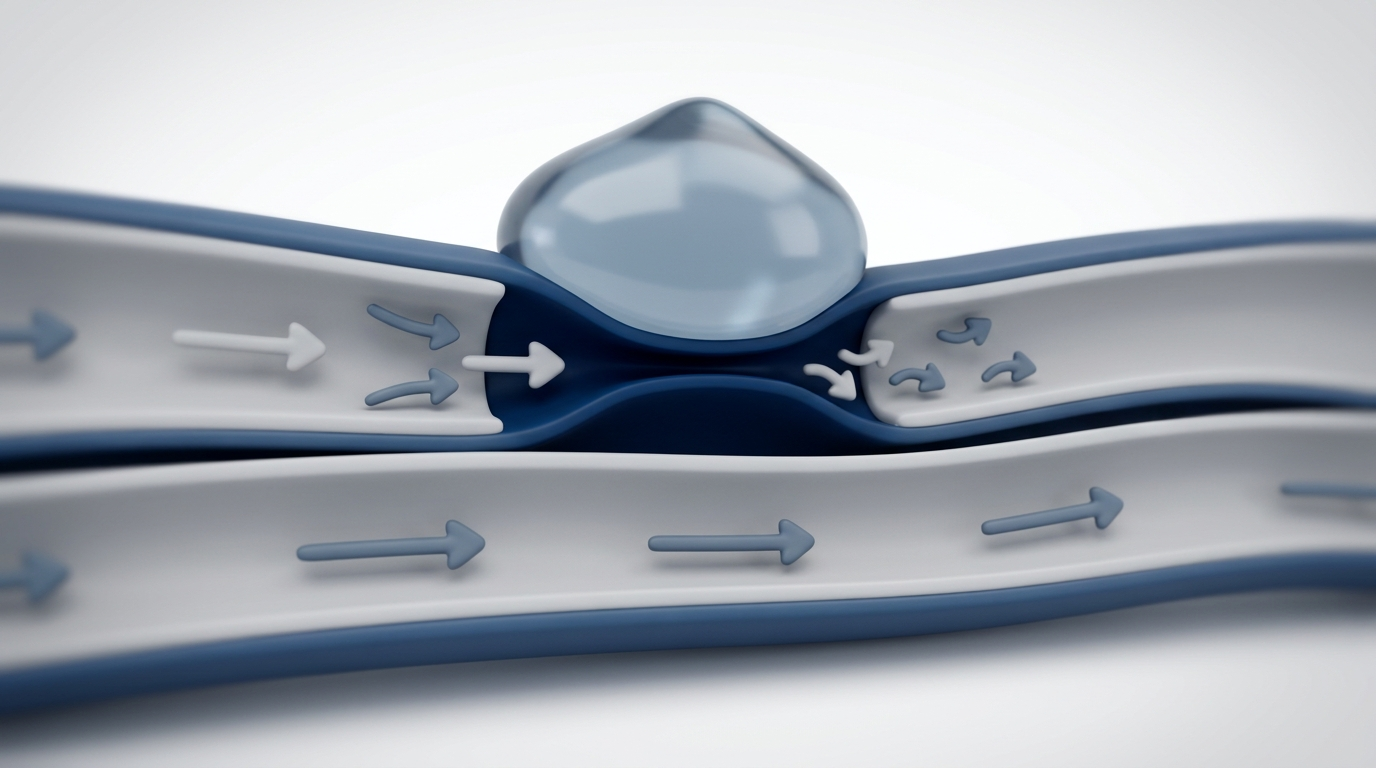
What causes ethmoid sinusitis?
Most cases start with inflammation that blocks normal drainage: viral upper respiratory infections (the common cold) and allergic inflammation that swells nasal tissues and narrows drainage pathways. Think of it as swelling plus trapped mucus rather than a single germ problem—another reason supportive care and inflammation control can help.
Risk factors that make ethmoid sinus infections more likely
Risk factors include structural issues such as a deviated septum, nasal polyps, or narrow drainage pathways; smoking or frequent exposure to irritants; ongoing, untreated allergies. Dental disease and procedures primarily affect the maxillary sinuses (above the upper teeth); while true odontogenic infections rarely extend to the ethmoid sinuses, overall oral health still matters for sinonasal well-being.
If allergies seem to be a recurring driver, consider evaluation: https://sleepandsinuscenters.com/allergy-testing
Key takeaway: reducing inflammation and keeping mucus moving are the core goals to prevent pressure from building.
How ethmoid sinusitis is diagnosed
Diagnosis often starts with your symptom timeline (how it began and how it’s changing); severity and pattern (improving, lingering, or worsening); a nasal examination for swelling and discharge; checking facial tenderness and any eye-related findings. It helps to bring a brief symptom story: when it started, if a cold came first, what your drainage looks like, and whether you’re getting better, worse, or stuck.
When nasal endoscopy may be recommended
If symptoms persist, keep recurring, or the diagnosis is unclear, an ENT may recommend nasal endoscopy—using a small camera to visualize the nasal passages and drainage areas more closely. Learn what to expect: https://sleepandsinuscenters.com/blog/what-is-nasal-endoscopy----and-is-it-painful
When imaging (CT) is helpful—and when it’s not needed
Most routine sinus infections don’t require imaging. A CT scan may be considered when complications are suspected; symptoms are severe, unusual, or recurrent; the diagnosis remains uncertain after an exam; or surgical planning is being considered. More detail: https://sleepandsinuscenters.com/blog/sinus-ct-scan-what-it-shows-and-how-it-helps-diagnose-sinus-issues
Summary: a careful history and nasal exam are usually enough; CT is reserved for select situations.
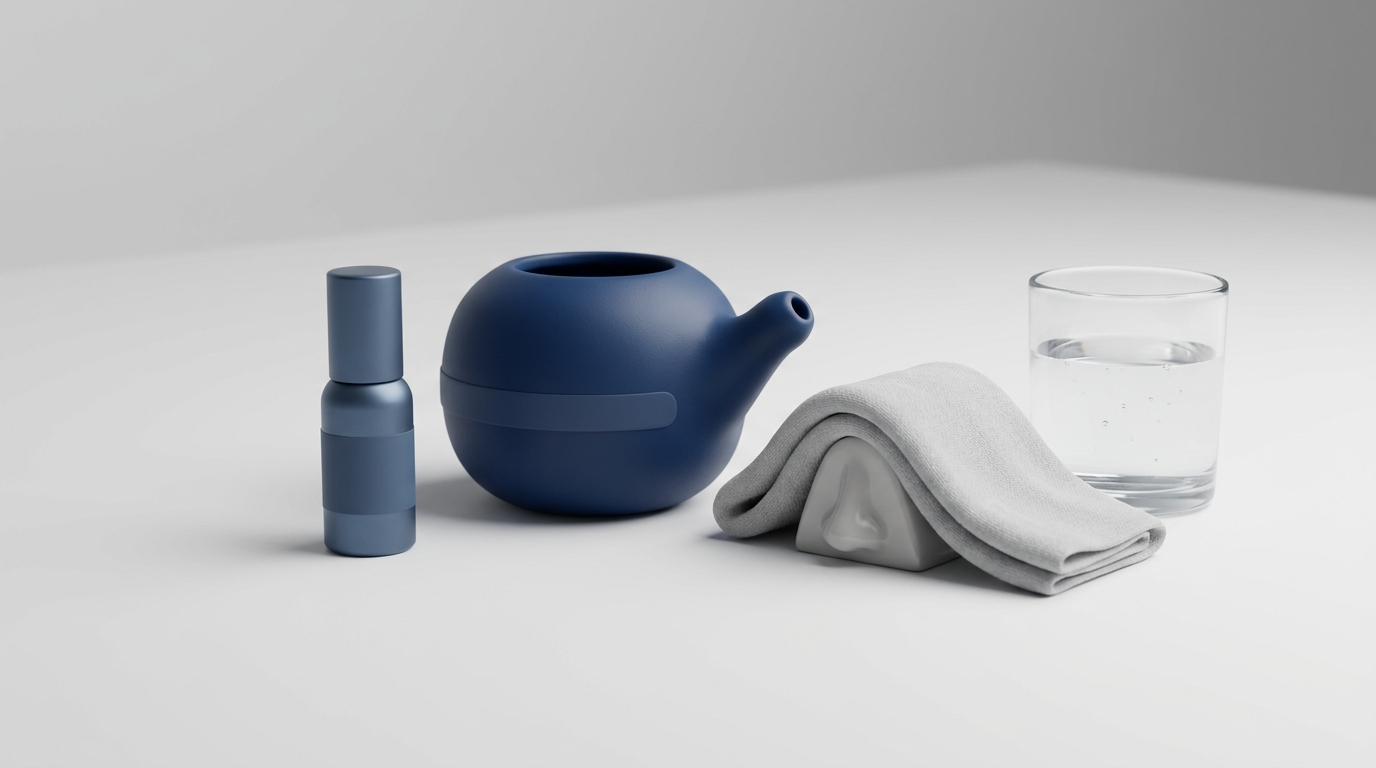
Ethmoid sinusitis treatment (step-by-step)
Many cases improve with time and supportive care—especially when symptoms are viral or allergy-driven. Antibiotics are not always needed.
At-home care to relieve pressure and congestion
Helpful options include saline irrigation or rinses to thin mucus and support clearance; saline sprays to moisturize irritated nasal lining; warm compresses over the bridge of the nose/eye area for comfort; hydration and rest. A warm compress across the bridge of the nose for a few minutes can be a simple comfort tool when pressure feels concentrated between the eyes.
Over-the-counter options (what they’re for)
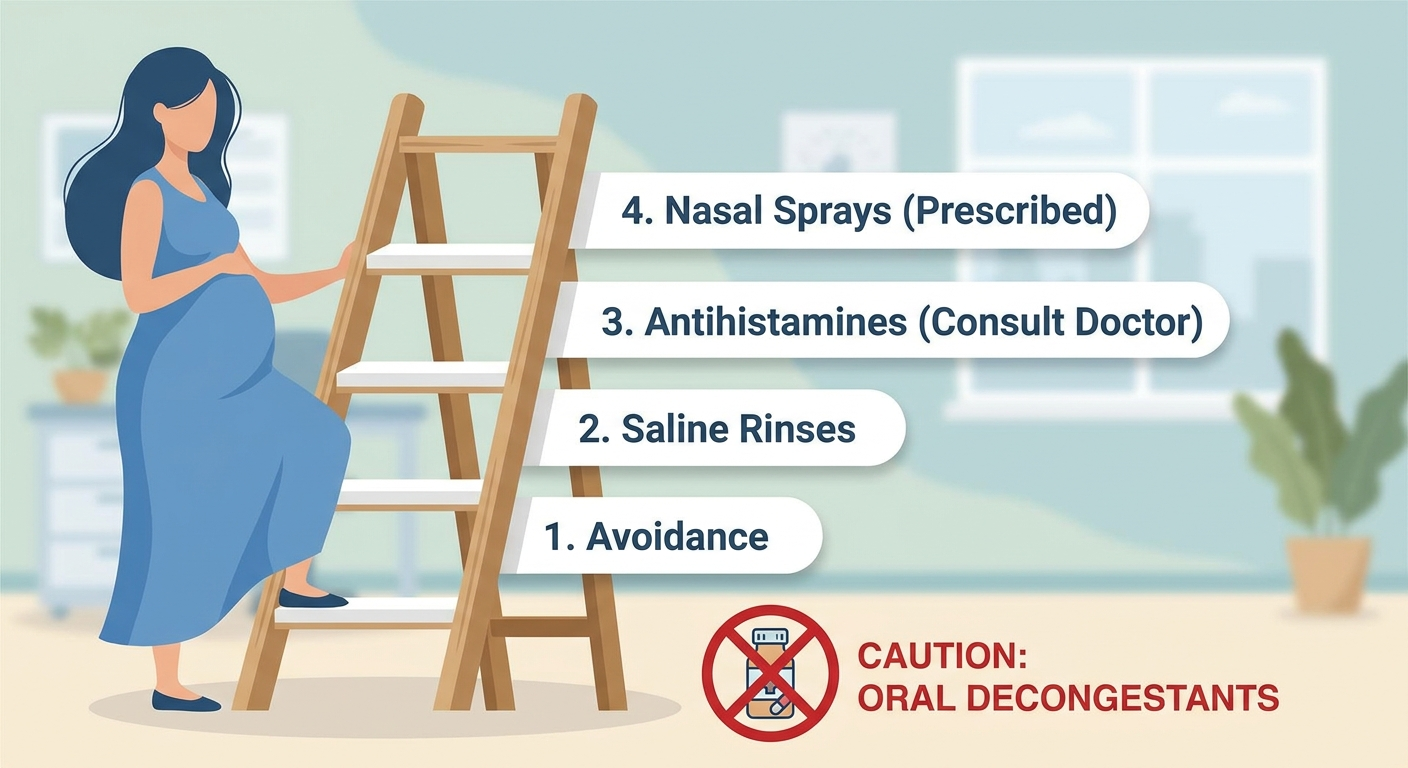
Depending on your health history, OTC products may help with comfort: pain relievers for headache and facial pressure; decongestants may help short term, but sprays can cause rebound congestion if used too long; oral decongestants aren’t right for everyone (for example, high blood pressure, certain medications, pregnancy). Ask a pharmacist or clinician what’s appropriate for you.
Prescription treatments your clinician may use
When prescription therapy is needed, options may include intranasal corticosteroids to reduce inflammation (often helpful when allergies or chronic inflammation contribute) and antibiotics when a bacterial pattern is suspected based on symptoms and severity. More on antibiotics: https://sleepandsinuscenters.com/blog/do-i-always-need-antibiotics-for-a-sinus-infection
If allergies are a major driver
Treating the underlying allergy can reduce recurrence and long-term swelling. Many patients notice seasonal or trigger-based patterns; addressing the trigger tends to work better than treating each flare as a separate event. Explore testing and targeted care: https://sleepandsinuscenters.com/allergy-testing
When procedures or surgery are considered
Procedures are generally reserved for persistent symptoms, frequent recurrences, complications, or anatomy-driven blockage (such as polyps). Endoscopic sinus surgery aims to improve ventilation and drainage pathways. If symptoms have lingered for months, learn more: https://sleepandsinuscenters.com/chronic-sinusitis
Big picture: most cases settle with supportive care; surgery is for select, persistent, or complicated situations.
Lifestyle tips to prevent recurrence (especially if you get this often)
Reduce inflammation triggers: plan ahead for seasonal allergies and follow a prevention strategy if recommended; avoid smoke and strong irritants when possible.
Support nasal and sinus drainage: consider regular saline rinses during high-symptom seasons; keep indoor air from getting overly dry (basic humidification can help some households); if congestion worsens at night, slight head elevation may improve comfort. Quick tip: small daily habits that reduce swelling and support drainage can lower your risk of repeat flares.
When to book an appointment
Schedule an evaluation if you have persistent or worsening congestion, repeated infections, notable pain between the eyes, or any eye-area symptoms that aren’t settling down.
What an ENT visit may include
At Sleep and Sinus Centers of Georgia, an ENT visit may include a focused nasal exam and—when appropriate—nasal endoscopy to better understand inflammation, drainage pathways, and contributors like allergies or structural blockage. From there, you can discuss a tailored plan and next steps that make sense for you. Book an appointment: https://sleepandsinuscenters.com/appointments
If symptoms won’t quit or keep returning, specialized ENT care helps you get ahead of the problem.
FAQs
Q: Can ethmoid sinusitis cause eye swelling? A: Yes. Because the ethmoid sinuses sit next to the orbit, inflammation can contribute to puffiness or discomfort around the eyes. Rapidly worsening swelling or any vision changes needs urgent evaluation.
Q: Is ethmoid sinusitis contagious? A: The sinus inflammation itself isn’t contagious, but the viral cold that triggers symptoms can be.
Q: How long does ethmoid sinusitis last? A: Many viral cases improve within about 7–10 days. Symptoms that persist longer than expected, worsen after improving, or become severe are patterns clinicians evaluate more closely.
Q: Do I always need antibiotics? A: No. Antibiotics are generally reserved for cases more consistent with bacterial infection based on symptom pattern and severity.
Q: When is a CT scan necessary? A: A CT scan may be used when diagnosis is unclear, symptoms are severe or recurrent, complications are suspected, or surgical planning is needed.
Q: Can ethmoid sinusitis become dangerous? A: Complications are uncommon, but spread toward the orbit or beyond is a recognized emergency risk—especially when severe eye pain, swelling, or vision changes occur.
Closing
Most cases of ethmoid sinusitis improve with supportive care and time, especially when triggered by a viral illness or allergies. The most important exception is significant eye swelling, severe eye pain, or any vision changes—those symptoms should be evaluated urgently. If symptoms keep returning or aren’t improving, an ENT evaluation can help identify what’s driving the inflammation and the most direct path to relief.
Bottom line: control the swelling, keep mucus moving, and seek prompt care if eye symptoms appear or the course isn’t improving.
Sources
Healthline. Ethmoid Sinusitis (Ethmoiditis). (2023) https://www.healthline.com/health/ethmoiditis
Medical News Today. Ethmoid sinusitis: Causes, symptoms, and treatment. (2023) https://www.medicalnewstoday.com/articles/327517
Mayo Clinic. Chronic sinusitis — Symptoms & causes. (2023) https://www.mayoclinic.org/diseases-conditions/chronic-sinusitis/symptoms-causes/syc-20351661
AAO‑HNSF. Clinical Practice Guideline: Adult Sinusitis Update. (2025) https://aao-hnsfjournals.onlinelibrary.wiley.com/doi/10.1002/ohn.1344
This article is for educational purposes only and is not medical advice. Please consult a qualified healthcare provider for diagnosis and treatment.
Don’t let allergies slow you down. Schedule a comprehensive ENT and allergy evaluation at Sleep and Sinus Centers of Georgia. We’re here to find your triggers and guide you toward lasting relief.