Enlarged Tonsils in Kids: Signs It’s Time to See an ENT Specialist
Tonsils are part of the immune system—two masses of lymphoid tissue at the back of the throat that help “sample” germs and support immune response. Because children are exposed to many new viruses and bacteria (especially in daycare and school years), it’s common for tonsils to look large in childhood. In many cases, enlarged tonsils can be a normal variant in children and may not require treatment if there are no concerning symptoms.
But size isn’t the only issue. Certain symptoms suggest the tonsils (often along with adenoids) may be contributing to breathing obstruction during sleep, frequent infections, or feeding and swallowing problems—situations where an evaluation is worth considering. Boston Children’s Hospital notes that enlarged tonsils and adenoids can affect breathing and swallowing depending on severity and symptoms, and Mayo Clinic highlights that pediatric sleep apnea can show up as snoring, breathing pauses, and daytime behavior changes.
Sources: Boston Children’s Hospital; Mayo Clinic: Pediatric sleep apnea symptoms and causes
https://www.childrenshospital.org/conditions-treatments/enlarged-tonsils-and-adenoid
https://www.mayoclinic.org/diseases-conditions/pediatric-sleep-apnea/symptoms-causes/syc-20376196
What are enlarged tonsils (tonsillar hypertrophy) in children?
“Enlarged tonsils” (tonsillar hypertrophy) means the tonsils take up more space than expected. In kids, that can be completely benign—like a naturally “chunkier” set of lymphoid tissue doing its job.
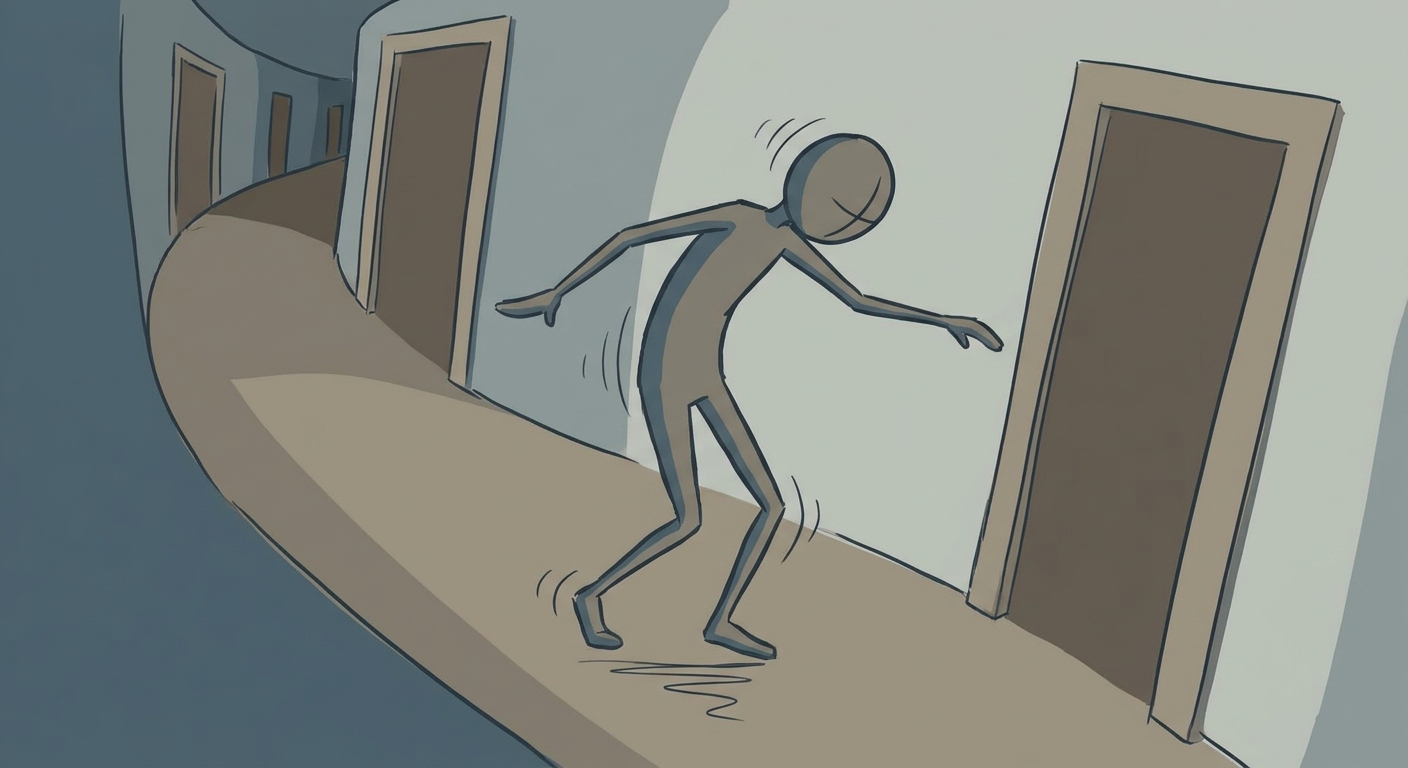
A helpful way to think about it: the tonsils sit near a narrow hallway (the upper airway). When they get bigger, the hallway can feel tighter—especially at night when throat muscles relax during sleep.
What “enlarged” can look like (and why size alone isn’t the whole story)
Clinicians can grade tonsil size during an exam, but parents shouldn’t try to self-grade at home. The more important question is whether symptoms suggest a problem—especially sleep and breathing symptoms.
Tonsils can also temporarily enlarge during colds or throat infections and then shrink again after inflammation resolves. That’s one reason why appearance alone can be misleading.
Many clinicians emphasize that the child’s symptoms and overall well-being matter more than a single “tonsil size” snapshot.

Tonsils vs. adenoids (and why both can affect breathing)
Tonsils sit in the back of the throat. Adenoids are higher up, behind the nose. Many children have enlargement of both, and symptoms can overlap—snoring, mouth-breathing, nasal-sounding speech, and restless sleep.
Sources: Boston Children’s Hospital; Children’s National
https://www.childrenshospital.org/conditions-treatments/enlarged-tonsils-and-adenoid
https://www.childrensnational.org/get-care/health-library/adenoid-and-tonsil-hypertrophy
If you’d like a deeper comparison, see our guide on big adenoids vs. big tonsils:
https://sleepandsinuscenters.com/blog/big-adenoids-vs-big-tonsils-signs-key-differences-and-symptoms-explained
- In short: focus on symptoms and function, not just how big the tonsils look. -
Common symptoms of enlarged tonsils in kids (daytime + nighttime)
Symptoms tend to fall into two big categories: (1) throat/swallowing issues and (2) sleep/breathing issues. Many kids have a mix.
Throat and swallowing symptoms
When a child has swollen tonsils (often from inflammation or infection), families may notice:
- Sore throat or throat pain
- Trouble swallowing or a sensation that food “gets stuck”
- Picky eating, slow eating, or avoiding certain textures
Sources: Boston Children’s Hospital; Mayo Clinic
https://www.childrenshospital.org/conditions-treatments/enlarged-tonsils-and-adenoid
https://www.mayoclinic.org/diseases-conditions/pediatric-sleep-apnea/symptoms-causes/syc-20376196
Concrete examples parents often describe: a child who suddenly wants only soft foods, takes tiny bites, needs lots of water to get food down, or complains that “it hurts to swallow” even when they don’t look very sick.
Sleep-related symptoms (often the biggest clue)
For many families, the most important clues involve tonsils and snoring in children—especially when it’s frequent, loud, or paired with other signs of obstruction. Watch for:
- Loud snoring most nights (not just “once in a while”)
- Noisy breathing, snorting, or choking sounds
- Witnessed pauses in breathing (apneas) or gasping
- Restless sleep or frequent waking
- Night sweats
- New bedwetting, especially when it occurs alongside snoring or breathing pauses (nocturnal enuresis)
Sources: Mayo Clinic; review on pediatric sleep-disordered breathing (SDB)
https://www.mayoclinic.org/diseases-conditions/pediatric-sleep-apnea/symptoms-causes/syc-20376196
https://pmc.ncbi.nlm.nih.gov/articles/PMC6557418/
If you’re unsure what “counts,” it can help to compare patterns:
- Occasional snoring with a cold is common.
- Habitual snoring most nights, especially with gasping or pauses, is a different category and deserves attention.
If bedwetting has appeared alongside snoring, our article on bedwetting and sleep apnea explains why sleep disruption can sometimes be part of the picture:
https://sleepandsinuscenters.com/blog/bedwetting-and-sleep-apnea-understanding-the-hidden-connection

Daytime symptoms that can be tied to poor sleep
When sleep is disrupted, kids may not look “sleepy” in the way adults do. Instead, you might notice:
- Morning headaches, hard-to-wake mornings
- Daytime sleepiness or “wired/tired” hyperactivity
- Irritability, inattention, school struggles
- Chronic mouth-breathing, dry mouth, bad breath
Source: pediatric SDB review
https://pmc.ncbi.nlm.nih.gov/articles/PMC6557418/
Real-life signs can be subtle: a child who falls asleep quickly in the car even after a “full night,” has big emotional swings after school, or gets feedback like “can’t sit still” or “seems distracted.” Those patterns don’t prove sleep apnea—but they’re worth mentioning to your pediatrician or ENT.
For more on this pattern, see chronic mouth breathing and sleep quality:
https://sleepandsinuscenters.com/blog/chronic-mouth-breathing-and-its-impact-on-sleep-quality-causes-and-solutions-cdd3c
- Track nighttime and daytime patterns together—they often tell the real story. -
What causes enlarged tonsils in children?
Normal immune system activity + frequent childhood infections
A common reason for enlarged tonsils in kids is simply that their immune systems are “busy.” Tonsils can become larger as they respond to frequent viral exposures. In many cases, the tonsils fluctuate—bigger during illness, smaller when a child is well.
Recurrent or chronic tonsillitis (inflammation/infection)
Some children have repeated episodes of tonsillitis with sore throat, fever, swollen neck glands, and sometimes visible tonsil exudate. When infections are frequent and well-documented, that history can help guide next steps—recognizing that ENT decisions are individualized.
Allergies and nasal obstruction (indirect contributors)
Allergies and chronic nasal congestion may contribute to mouth-breathing and upper-airway inflammation. This doesn’t mean allergies are the only cause of big tonsils—but they can sometimes amplify symptoms or make sleep quality worse.
- Cause, symptoms, and history all matter; decisions are tailored to the individual child. -

When enlarged tonsils become a problem: obstructive sleep-disordered breathing (OSDB) and pediatric OSA
What is OSDB/pediatric OSA in plain language?
Obstructive sleep-disordered breathing (OSDB) is a spectrum. At one end is habitual snoring; at the more severe end is obstructive sleep apnea (OSA), where the airway partially or completely blocks during sleep. This can fragment sleep and may be associated with oxygen dips in some cases.
A useful analogy: imagine trying to breathe through a straw while sleeping. Even partial narrowing can increase effort and disrupt sleep quality.
Why tonsils are a common cause in kids
In many children, the airway is relatively narrow, and enlarged tonsils (often plus adenoids) can crowd the space. This is why searches like “pediatric sleep apnea tonsils” are so common—and why snoring paired with breathing pauses should be taken seriously.
Sources: Mayo Clinic; pediatric SDB review
https://www.mayoclinic.org/diseases-conditions/pediatric-sleep-apnea/symptoms-causes/syc-20376196
https://pmc.ncbi.nlm.nih.gov/articles/PMC6557418/
Why this matters (health + development)
Persistent sleep disruption in children has been associated with behavioral concerns, attention and learning issues, and other health impacts in some cases. The goal isn’t to alarm—it’s to recognize when symptoms suggest a breathing/sleep quality issue worth evaluating.
- The key question is not “How big are the tonsils?” but “How is your child sleeping, breathing, and thriving?” -

Signs it’s time to see an ENT specialist (referral checklist)
If you’re wondering when to see ENT for tonsils, this screenshot-friendly checklist can help.
Nighttime red flags (ENT evaluation recommended) — Answer “Yes” or “No”:
- Yes / No — Loud snoring most nights
- Yes / No — Gasping, choking sounds, or witnessed breathing pauses
- Yes / No — Persistent noisy or labored breathing during sleep
- Yes / No — Night sweats
- Yes / No — New bedwetting, especially alongside snoring or breathing pauses
Sources: Mayo Clinic; pediatric SDB review
https://www.mayoclinic.org/diseases-conditions/pediatric-sleep-apnea/symptoms-causes/syc-20376196
https://pmc.ncbi.nlm.nih.gov/articles/PMC6557418/
Daytime red flags
- Excessive sleepiness or significant behavior/attention changes
- Persistent mouth-breathing
- Poor growth or “failure to thrive” concerns where breathing/feeding effort may be part of the story
Source: AAO-HNSF tonsillectomy guideline materials (assessment considerations)
https://www.entnet.org/resource/aao-hnsf-updated-cpg-tonsillectomy-press-release-fact-sheet/
Recurrent tonsillitis that may meet tonsillectomy thresholds (Paradise criteria)
ENT decisions for frequent infections often rely on documented episodes (not just memory) and specific features. A commonly referenced benchmark is the Paradise criteria:
- 7+ throat infections in one year, or
- 5+ per year for 2 years in a row, or
- 3+ per year for 3 years in a row
These are guidelines rather than automatic rules; ENT recommendations also consider severity, documentation, and overall clinical context.
Sources: Paradise criteria summary (MDCalc); AAO-HNSF guideline materials
https://www.mdcalc.com/calc/10081/paradise-criteria-tonsillectomy-children
https://www.entnet.org/resource/aao-hnsf-updated-cpg-tonsillectomy-press-release-fact-sheet/
Related reading: recurrent strep throat vs. tonsillectomy
https://sleepandsinuscenters.com/blog/recurrent-strep-throat-vs-tonsillectomy-when-surgery-is-necessary
Urgent / “don’t wait” reasons to see ENT
- Asymmetric tonsils (one much larger than the other) or concerning appearance
- Significant trouble swallowing, drooling, or dehydration risk
- Breathing distress or severe/worsening apnea concerns
Most tonsil asymmetry is not dangerous, but prompt assessment helps rule out uncommon serious causes.
Sources: review on tonsil asymmetry; AAO-HNSF guideline context
https://pmc.ncbi.nlm.nih.gov/articles/PMC10824352/
https://www.entnet.org/resource/aao-hnsf-updated-cpg-tonsillectomy-press-release-fact-sheet/
- If symptoms are persistent, disruptive, or concerning, an ENT assessment can clarify next steps. -
What to expect at a pediatric ENT visit
History questions the ENT may ask (help parents prepare)
Expect questions about:
- Snoring frequency and whether anyone has seen pauses or gasping
- Mouth-breathing and nasal congestion patterns
- Sleep quality (restless sleep, sweating, frequent waking)
- Daytime sleepiness vs hyperactivity/behavior changes
- Number of throat infections and how they were documented (fever, strep tests, antibiotics)
- Feeding, swallowing, and growth concerns
Tip: If possible, bring notes (or a phone log). Parents often remember the “worst nights,” but patterns over time are what guide decisions.
Exam and possible next steps
An ENT exam typically includes a careful look at the throat and a symptom-driven discussion about whether adenoids may also be contributing. Next steps often fall into a few buckets: watchful waiting, targeted medical management, or surgery discussion (when appropriate).
If you have a short audio/video clip of sleep breathing, it can be useful—especially if symptoms don’t happen every night.
When a sleep study may be recommended
A sleep study may be suggested when symptoms point to moderate/severe OSA or when a child has additional risk factors or complex health conditions.
Sources: Mayo Clinic; pediatric SDB review
https://www.mayoclinic.org/diseases-conditions/pediatric-sleep-apnea/symptoms-causes/syc-20376196
https://pmc.ncbi.nlm.nih.gov/articles/PMC6557418/
- Come prepared with observations and documentation—your notes help tailor the plan. -

Treatment options for enlarged tonsils in kids (medical + surgical)
Watchful waiting (when it’s reasonable)
When symptoms are mild—no significant sleep-breathing concerns and no pattern of recurrent, documented infections—monitoring may be appropriate. This can be a good plan when tonsils seem large but a child is thriving: sleeping quietly, eating well, growing well, and not getting frequent severe throat infections.
Medical management (symptom-directed)
Management depends on what’s driving symptoms. For example, some children benefit from addressing nasal congestion/allergy contributors and using supportive care during viral illnesses. Antibiotics are typically reserved for situations where bacterial infection is suspected or confirmed.
Tonsillectomy / adenotonsillectomy (when surgery is considered)
Surgery may be discussed when:
- Symptoms suggest OSDB/OSA related to enlarged tonsils and adenoids, or
- Recurrent tonsillitis meets criteria where tonsillectomy is more likely to help (such as Paradise criteria)
These decisions use guidelines as a framework and also consider symptom severity, documentation, and each child’s overall health and risks.
Sources: AAO-HNSF guideline materials; Paradise criteria summary
https://www.entnet.org/resource/aao-hnsf-updated-cpg-tonsillectomy-press-release-fact-sheet/
https://www.mdcalc.com/calc/10081/paradise-criteria-tonsillectomy-children
Risks/benefits discussion (balanced, parent-friendly)
Potential benefits (in the right child) include improved sleep quality and reduced snoring/apneas, and fewer severe throat infections in selected cases. Risks can include bleeding, pain, and dehydration risk during recovery—topics your ENT will review in detail based on your child’s health and age.
- Right-size the care plan to the symptoms: sometimes that’s watchful waiting; sometimes it’s surgery. -
Lifestyle tips while you’re waiting for evaluation (safe, practical)
Sleep-position and bedroom setup tips
Some families notice less snoring with side sleeping (not a cure). If dry air worsens throat discomfort, maintaining comfortable humidity may help—while avoiding over-humidifying the room.
If you suspect breathing pauses, focus on observation and documentation rather than trying to “fix” it at home. The goal is to bring clear information to your clinician.
Symptom tracking that helps your pediatrician/ENT
Tracking patterns often makes the visit more productive. Consider noting:
- Snoring nights per week
- Any witnessed pauses/gasping
- Morning mood/energy and daytime behavior
- Bedwetting changes
If safe and comfortable, a short audio/video clip of sleep breathing can also be helpful for clinicians.
Infection documentation checklist (for Paradise criteria)
If infections are part of the concern, write down:
- Date of illness
- Fever (and how high)
- Strep test results (if done)
- Swollen neck nodes, tonsil exudate (if noted)
- Antibiotics prescribed
- Missed school days
- Simple tracking can make your child’s appointment more informative and efficient. -
FAQs
Can big tonsils be normal in children?
Yes. Enlarged tonsils in kids are common, and many children may not need treatment if there are no concerning symptoms.
Source:
https://www.childrenshospital.org/conditions-treatments/enlarged-tonsils-and-adenoid
Do enlarged tonsils always mean my child has sleep apnea?
Not always. But persistent loud snoring, gasping, or witnessed pauses are key signs that warrant evaluation for sleep-disordered breathing.
https://www.mayoclinic.org/diseases-conditions/pediatric-sleep-apnea/symptoms-causes/syc-20376196
When does tonsillitis become “recurrent” enough for tonsillectomy?
A commonly referenced benchmark is the Paradise criteria (7 in 1 year, 5/year for 2 years, or 3/year for 3 years), and documentation matters. These are guidelines; clinical context guides final decisions.
Sources:
https://www.mdcalc.com/calc/10081/paradise-criteria-tonsillectomy-children
https://www.entnet.org/resource/aao-hnsf-updated-cpg-tonsillectomy-press-release-fact-sheet/
Is one tonsil bigger than the other an emergency?
Not usually. Most asymmetry is benign, but it’s a reason for prompt ENT assessment to rule out rare serious causes and to check for any associated symptoms.
https://pmc.ncbi.nlm.nih.gov/articles/PMC10824352/
Will my child “outgrow” enlarged tonsils?
Some children improve as their airway anatomy grows and infection frequency changes. Still, significant symptoms—especially sleep-breathing issues—are worth evaluating rather than waiting on.
- When in doubt, discuss symptoms with your pediatrician or an ENT. -
When to seek emergency care (safety callout)
Seek urgent evaluation or emergency care if a child has trouble breathing, bluish lips/face, severe breathing pauses, drooling or inability to swallow fluids, signs of dehydration, or severe lethargy. If you believe a child is in immediate danger, call your local emergency number.
Medical note: This article is educational and isn’t a substitute for personal medical advice. If you’re worried about your child’s breathing or swallowing, seek prompt clinical evaluation.
Conclusion: focus on symptoms, not just size
Enlarged tonsils in kids are common—but persistent snoring, breathing pauses, new bedwetting alongside snoring or pauses, daytime behavior changes, feeding/growth concerns, or frequent documented infections can signal it’s time to take a closer look. If you’re seeing these patterns and wondering when to see ENT for tonsils, a pediatric ENT evaluation can help clarify what’s going on and what options make sense.
If your child has concerning sleep-breathing symptoms or recurrent throat infections, you can schedule an evaluation with Sleep and Sinus Centers of Georgia to discuss next steps. To book an appointment, visit https://www.sleepandsinuscenters.com/ and choose a convenient location/time.
- If symptoms persist or worry you, don’t wait—an ENT can help you chart the best path forward. -
This article is for educational purposes only and is not medical advice. Please consult a qualified healthcare provider for diagnosis and treatment.
Don’t let allergies slow you down. Schedule a comprehensive ENT and allergy evaluation at Sleep and Sinus Centers of Georgia. We’re here to find your triggers and guide you toward lasting relief.