Ears Feel Full But No Pain: Common Causes and When to See an ENT
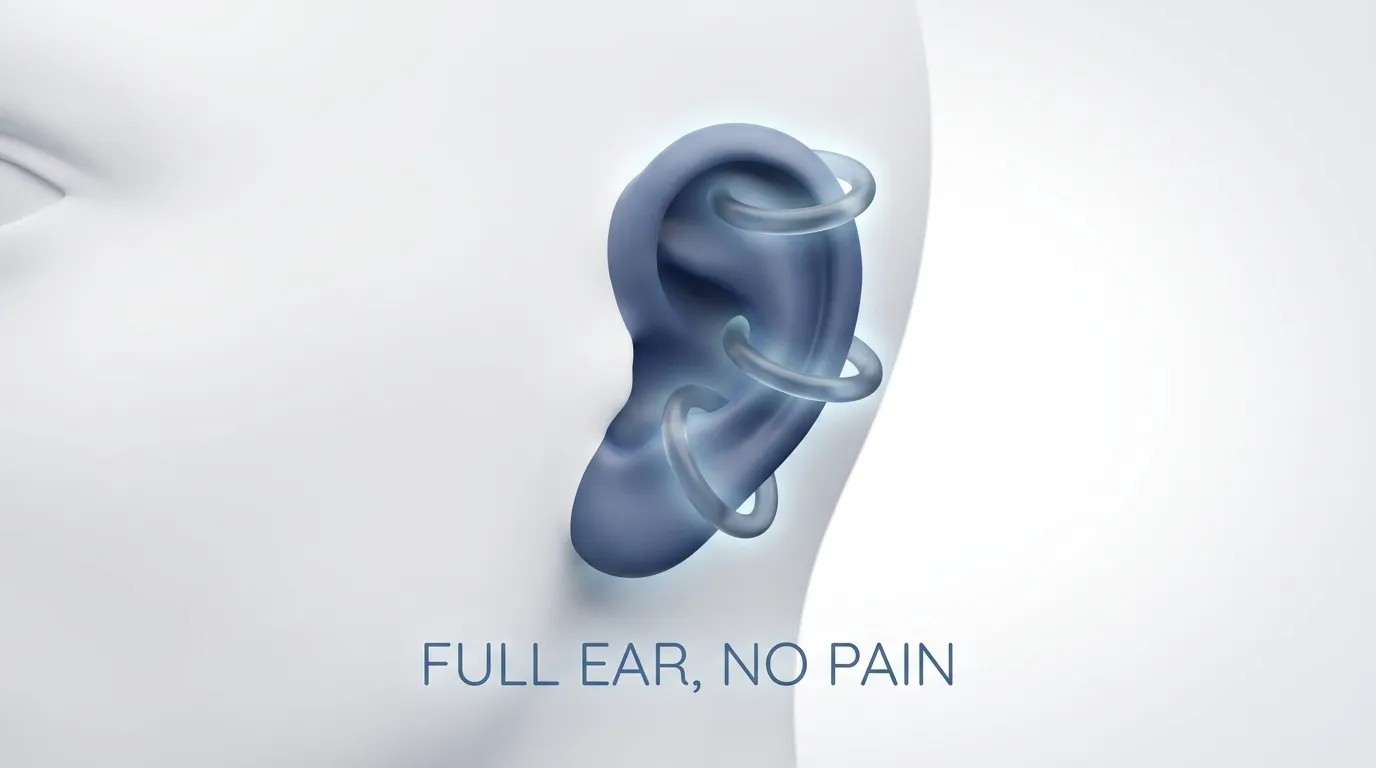
That “clogged” or “underwater” sensation can be frustrating—especially when ears feel full but there’s no pain to explain it. Many people describe it as a “cotton in the ear” feeling, or like one ear won’t “open up” no matter how much they swallow.
The good news: many causes are common, temporary, and treatable once you know what’s behind the pressure. In other words, ear fullness is often more like a pressure or plumbing problem than a true infection.
Below is a patient-friendly guide to likely causes, safe conservative steps, and the warning signs that should prompt an evaluation by an ENT.
Quick Answer: Why Your Ears Feel Full Without Pain
Ear “fullness” usually refers to pressure, muffled hearing, or a blocked sensation. Pain may be absent because the issue isn’t an infection—or because pressure changes are mild enough to feel annoying without becoming sharply painful.
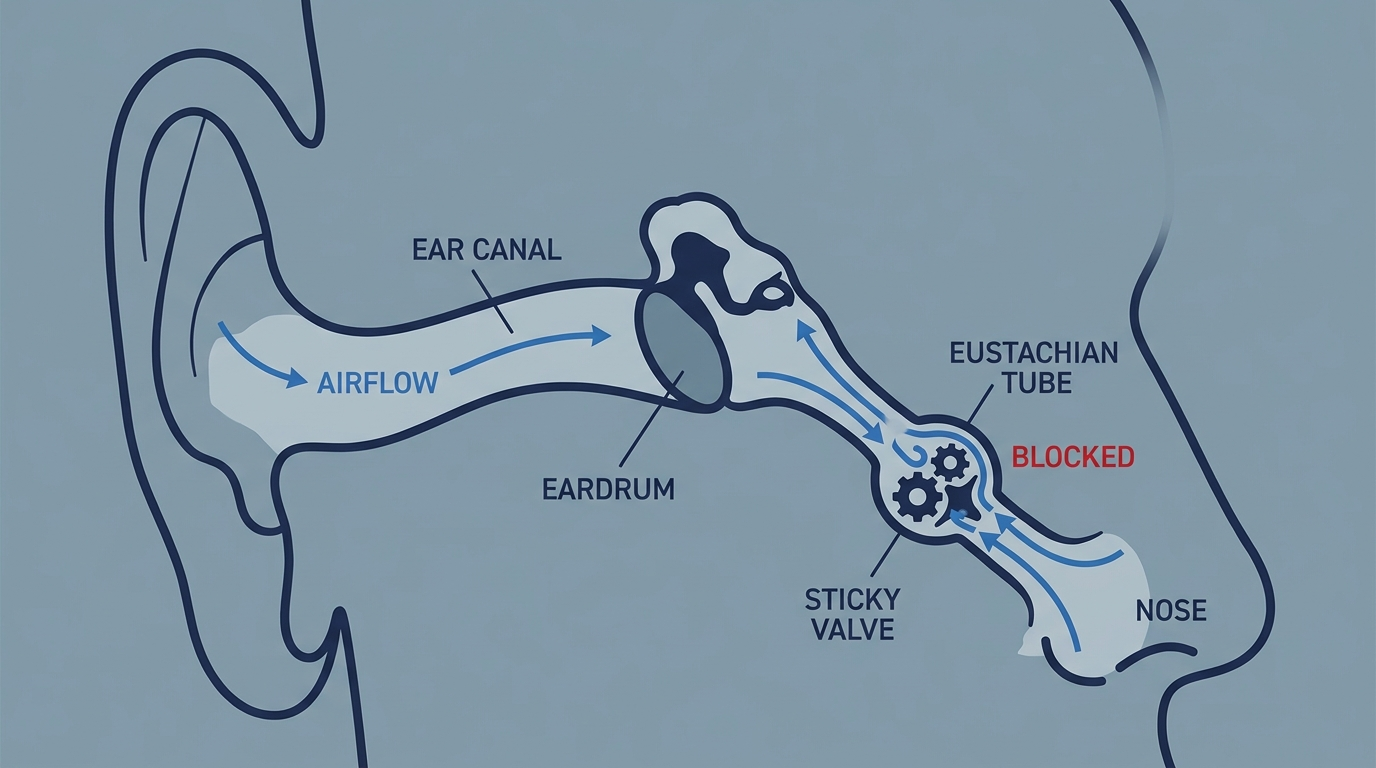
Think of your middle ear like a small air-filled room behind the eardrum. The eustachian tube acts like the room’s tiny pressure valve. If that valve doesn’t open smoothly, pressure can get “stuck,” and the ear can feel blocked even when nothing is seriously wrong.
Common reasons ears feel full but no pain include:
- Eustachian tube dysfunction (ETD) (a pressure-equalizing problem)
- Earwax impaction (blockage in the ear canal)
- Pressure changes (flying, diving, elevation)
Johns Hopkins notes that ETD happens when the eustachian tube doesn’t open and close properly, which can leave pressure “stuck” in the middle ear and cause muffled hearing or fullness (source: https://www.hopkinsmedicine.org/health/expert-qa/eustachian-tube-dysfunction). Harvard Health also describes earwax as a frequent cause of a plugged or blocked ear feeling (source: https://www.health.harvard.edu/diseases-and-conditions/by-the-way-doctor-plugged-up-feeling-in-an-ear).
Common Symptoms That Can Accompany Ear Fullness (Even Without Pain)
Typical symptoms
Ear fullness without pain may come with:
- Muffled or reduced hearing
- Popping or clicking
- Pressure that changes with swallowing or yawning
- An “underwater” or clogged ear feeling
A helpful clue is whether the sensation comes and goes. Fullness that fluctuates with swallowing, yawning, or changes in altitude may suggest pressure equalization issues such as ETD. Fullness that gradually worsens—especially in one ear—may be more consistent with a blockage such as wax, though other causes are possible.
Symptoms that suggest something more than simple pressure
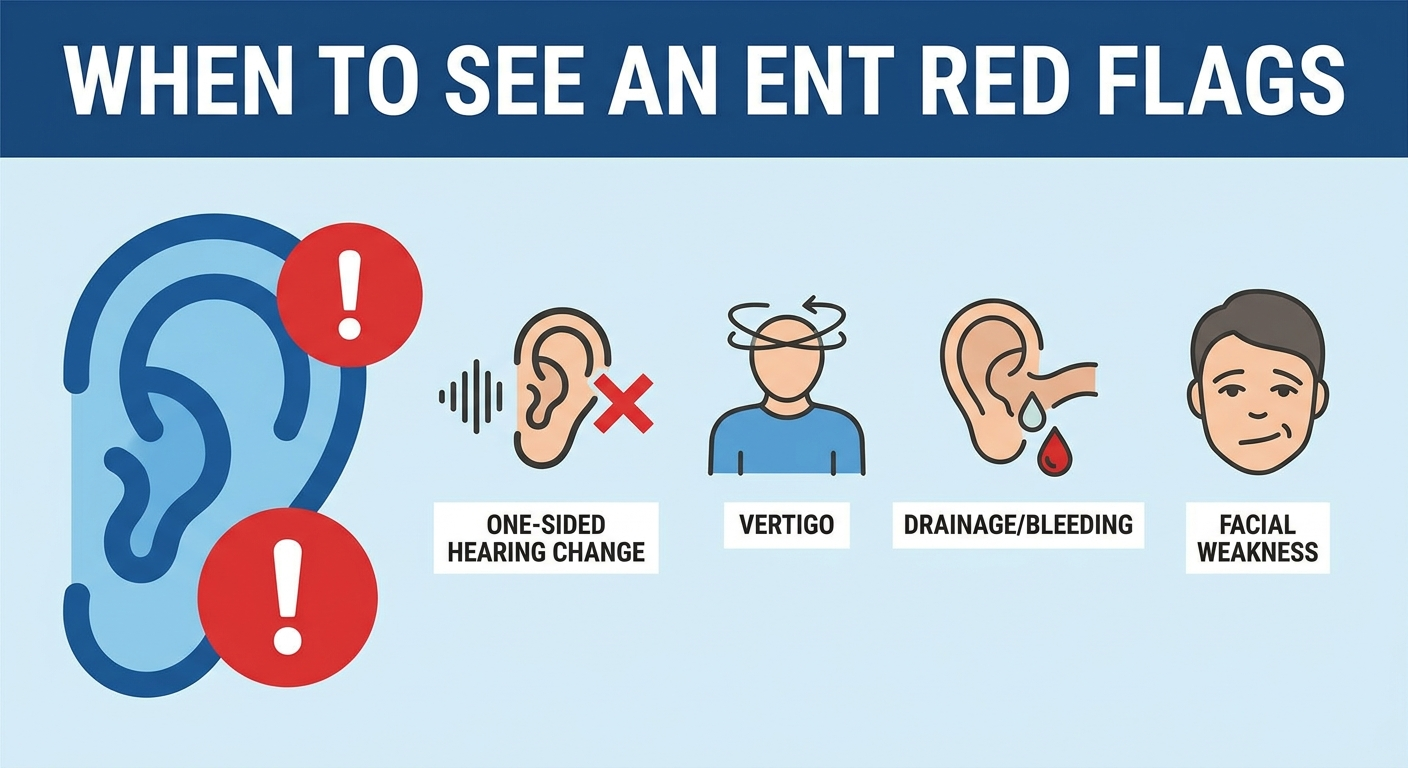
Consider getting evaluated sooner if ear fullness is paired with:
- Noticeable hearing change in one ear
- Vertigo or significant dizziness
- Drainage, bleeding, fever, or severe headache
- Facial weakness or numbness
These are commonly listed reasons to seek medical care (sources: https://www.medicalnewstoday.com/articles/how-to-relieve-ear-pressure, https://resources.healthgrades.com/right-care/ear-nose-and-throat/ear-fullness).
The Most Common Causes of Ear Fullness With No Pain
Below is a quick cause → what it feels like → common triggers guide.
1) Eustachian Tube Dysfunction (ETD) (common)
- Cause: The eustachian tube helps equalize pressure between your middle ear and the outside air. When it doesn’t open well, pressure can build or stay “locked.”
- What it feels like: Fullness, popping, muffled hearing, pressure that fluctuates
- Common triggers: Colds, allergies, sinus inflammation
Many people notice ETD after a cold: the sore throat and runny nose improve, but the ear still feels “off,” especially in the morning or when driving up a hill. Johns Hopkins explains ETD’s role in pressure problems and related symptoms (source: https://www.hopkinsmedicine.org/health/expert-qa/eustachian-tube-dysfunction). For a deeper dive, see: https://sleepandsinuscenters.com/blog/eustachian-tube-dysfunction-symptoms-causes-effective-treatment-options
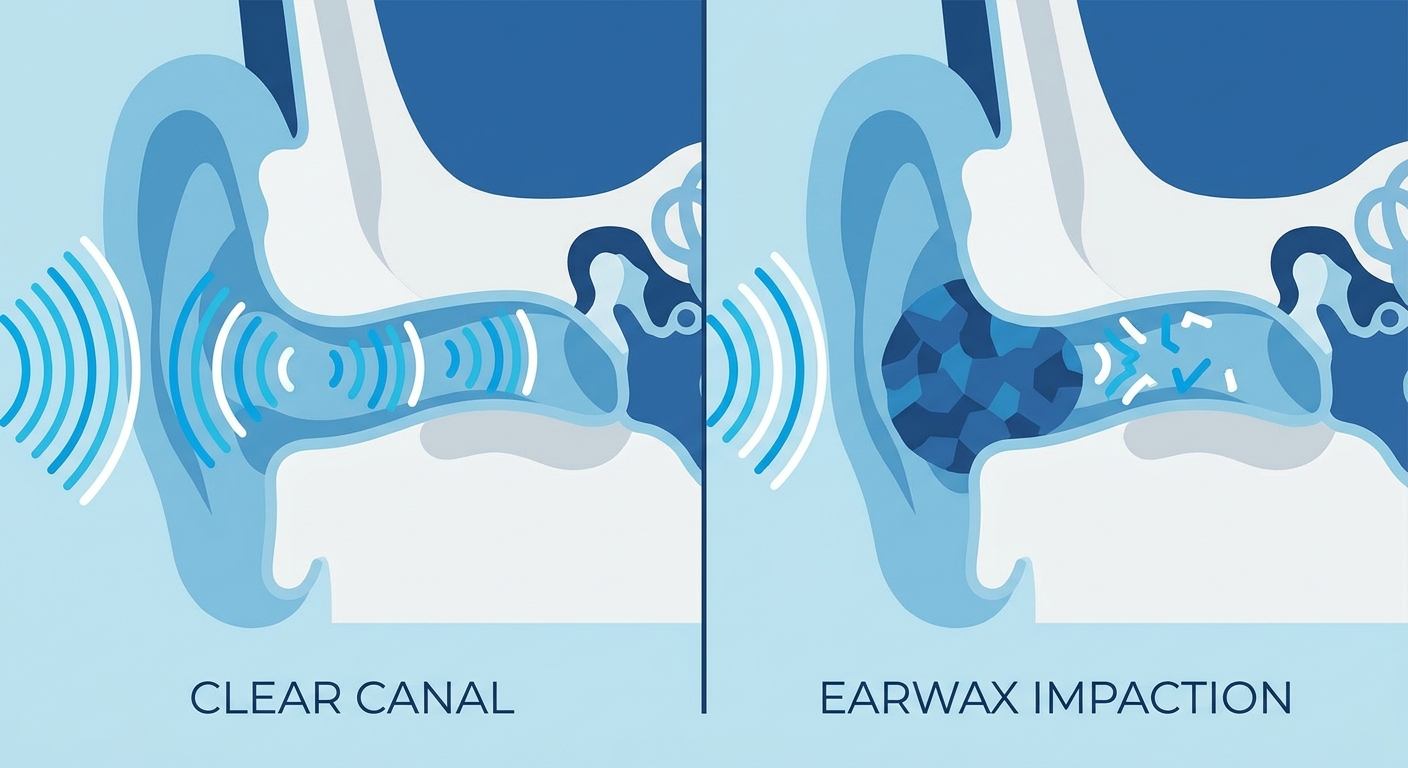
2) Earwax (Cerumen) Impaction or Ear Canal Blockage
- Cause: Wax can build up and obstruct the ear canal.
- What it feels like: Gradual muffling, fullness, “plugged” sensation (often worse in one ear)
- Common triggers: Narrow ear canals, hearing aids/earbuds, and frequent cotton swab (Q-tip) use
Earwax-related fullness is often more constant than ETD. A common scenario is noticing reduced sound on one side—then realizing the ear feels “stuffed,” especially after showering (when wax can swell slightly). Harvard Health describes earwax as a common reason for a plugged-up feeling and emphasizes safe management (source: https://www.health.harvard.edu/diseases-and-conditions/by-the-way-doctor-plugged-up-feeling-in-an-ear). Learn more: https://sleepandsinuscenters.com/blog/earwax-impaction-symptoms-and-effective-removal-tips
3) Temporary Pressure Changes (Flying, Diving, Elevation)
- Cause: Rapid pressure shifts can outpace your ear’s ability to equalize.
- What it feels like: Fullness during takeoff/landing, or after altitude changes; may improve with swallowing or yawning
- Common triggers: Flying, scuba diving, mountain travel
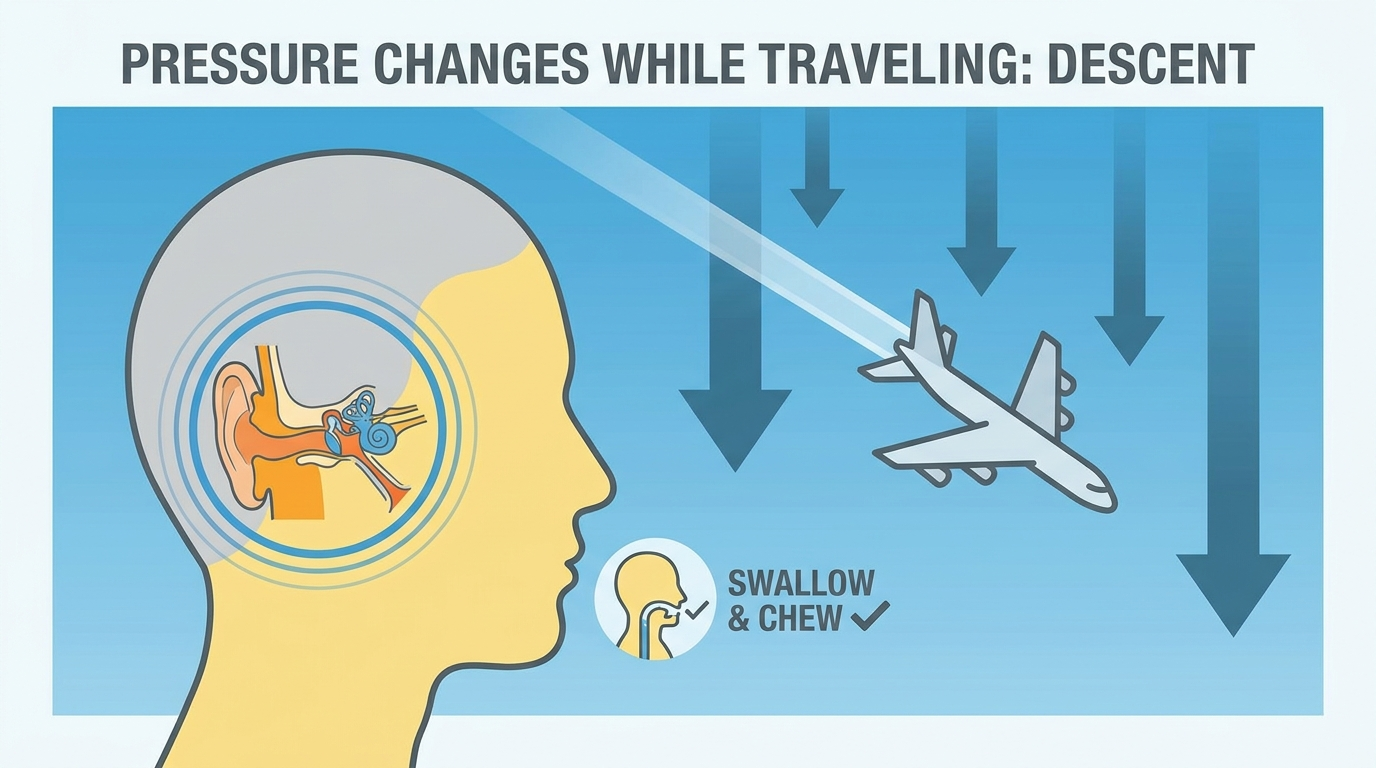
If you’ve ever felt your ears “close up” on an airplane descent, you’ve experienced a classic pressure mismatch. For many people, it resolves quickly; for others—especially if congested—fullness can linger after the flight (sources: https://www.goodrx.com/health-topic/ear/why-do-my-ears-feel-plugged, https://www.healthline.com/health/why-does-my-ear-feel-clogged).
4) Allergies, Sinus Congestion, or Upper Respiratory Illness
- Cause: Nasal and sinus inflammation can interfere with eustachian tube function.
- What it feels like: Fullness with popping, congestion, muffled hearing that comes and goes
- Common triggers: Seasonal allergies, colds, sinus flare-ups
This connection is commonly noted in ETD explanations and clogged-ear overviews (sources: https://www.hopkinsmedicine.org/health/expert-qa/eustachian-tube-dysfunction, https://www.healthline.com/health/why-does-my-ear-feel-clogged).
5) Pregnancy-Related Nasal/Ear Pressure Changes (often self-limited)
- Cause: Hormonal changes can increase mucosal swelling, which may affect eustachian tube function.
- What it feels like: Intermittent ear pressure/fullness without infection
- Common triggers: Pregnancy-related congestion or swelling
Some people notice temporary ear pressure/fullness during pregnancy, often related to congestion or mucosal swelling (source: https://www.goodrx.com/health-topic/ear/why-do-my-ears-feel-plugged).
6) Less common (but important) causes an ENT may consider
- Middle-ear effusion (otitis media with effusion)
- TMJ/clenching-related referred pressure
- Sudden sensorineural hearing loss, which can sometimes feel like fullness and requires prompt medical evaluation
- Structural issues or rare growths (especially if persistent and unilateral)
Red-flag guidance for evaluation is commonly summarized in patient resources (sources: https://www.medicalnewstoday.com/articles/how-to-relieve-ear-pressure, https://resources.healthgrades.com/right-care/ear-nose-and-throat/ear-fullness).
What You Can Try at Home (Safe, Conservative Relief)
Educational note: The options below are general strategies that may help some common causes (like ETD, congestion, or wax). Individual safety can vary based on medical history and ear conditions.
Pressure-equalizing techniques (best for ETD/pressure changes)
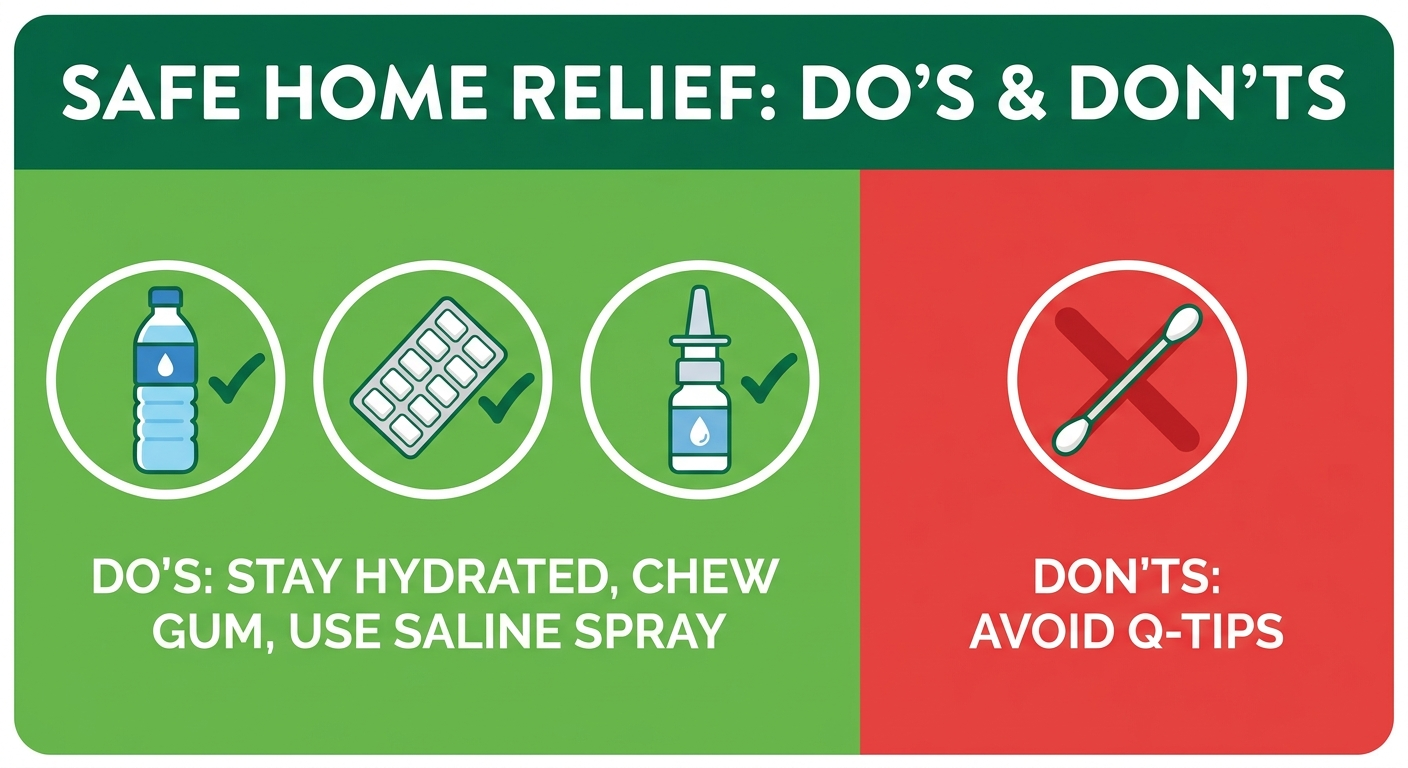
- Swallowing, yawning, chewing gum
- Gentle autoinflation techniques (some people try a light Valsalva-style approach—stop if it hurts and avoid force)
A real-life example: during airplane descent, sip water and swallow repeatedly rather than waiting until the pressure feels intense. Gentle, frequent pressure equalization tends to work better than one big “try to pop it” moment. Mountain ENT outlines conservative steps and how ENTs evaluate persistent fullness (source: https://mountainent.com/why-does-my-ear-feel-full-how-ents-diagnose-the-problem/).
Short-term congestion relief (when appropriate)
- Saline nasal spray or rinse may help reduce nasal congestion for some people
- Some people use short-term decongestants, but labels and medical conditions matter (for example, certain heart conditions, blood pressure concerns, or pregnancy can change what’s appropriate)
If you’re not sure what’s safe for you, it’s reasonable to ask your pharmacist or clinician—especially if you have chronic conditions or take daily medications. For general overviews of treatments often discussed for pressure relief, see: https://www.medicalnewstoday.com/articles/how-to-relieve-ear-pressure and https://www.goodrx.com/health-topic/ear/why-do-my-ears-feel-plugged.
Earwax safety do’s and don’ts
- Do: consider OTC wax-softening drops if you don’t have ear tubes, a known eardrum perforation, or current drainage (those situations should be evaluated first)
- Don’t: use cotton swabs, hairpins, or other tools in the ear canal
- Don’t: use ear candling
Harvard Health highlights why cotton swabs can worsen wax blockage and irritation (source: https://www.health.harvard.edu/diseases-and-conditions/by-the-way-doctor-plugged-up-feeling-in-an-ear). Healthline also reviews common clogged-ear causes and cautions around unsafe methods (source: https://www.healthline.com/health/why-does-my-ear-feel-clogged).
When to See a Doctor or ENT for Ear Fullness (Red Flags)
Make an appointment soon if:
- Fullness lasts more than 1–2 weeks or keeps returning
- It’s persistently in only one ear
- Home measures aren’t helping
- You notice ongoing hearing changes
Seek urgent care / same-day evaluation if:
- Sudden or rapidly worsening hearing loss
- Severe dizziness/vertigo
- Drainage, bleeding, or high fever
- Facial weakness
These symptoms can indicate conditions that shouldn’t wait (sources: https://resources.healthgrades.com/right-care/ear-nose-and-throat/ear-fullness, https://www.medicalnewstoday.com/articles/how-to-relieve-ear-pressure).
How an ENT Diagnoses the Cause of Ear Fullness
What to expect at your visit
- When the fullness started
- Whether it followed flying, a cold, allergy symptoms, or water exposure
- Whether it’s one-sided
- Any hearing changes, popping, tinnitus, or dizziness
- Prior earwax issues or ear cleanings
Common in-office tests
- Otoscopy: looks for wax, inflammation, fluid, or eardrum changes
- Tympanometry: checks middle-ear pressure and eardrum movement
- Audiometry (hearing test): helps determine if hearing changes are present and what type
Mountain ENT describes this evaluation approach (source: https://mountainent.com/why-does-my-ear-feel-full-how-ents-diagnose-the-problem/). If you’re curious about hearing tests, see: https://sleepandsinuscenters.com/blog/audiogram-basics-explained-a-patients-guide-to-hearing-tests
ENT Treatments (Based on the Cause)
If it’s ETD
Management often focuses on reducing nasal inflammation from allergies, sinus issues, or recent illness. For some people with chronic symptoms, an ENT may discuss additional targeted options. Overview from Johns Hopkins: https://www.hopkinsmedicine.org/health/expert-qa/eustachian-tube-dysfunction. Learn about symptoms and treatments: https://sleepandsinuscenters.com/blog/eustachian-tube-dysfunction-symptoms-causes-effective-treatment-options
If it’s earwax impaction
In-office removal is often the quickest way to relieve symptoms—especially when wax is hard, impacted, or causing significant muffling. Many patients notice a near-immediate change: the “plugged” sensation lifts and sounds feel clearer. More on safe approaches: https://sleepandsinuscenters.com/blog/earwax-impaction-symptoms-and-effective-removal-tips
If it’s pressure changes from flying/diving
An ENT may help you build a prevention plan for future trips and check whether underlying ETD is making pressure changes harder to tolerate (sources: https://www.goodrx.com/health-topic/ear/why-do-my-ears-feel-plugged, https://www.healthline.com/health/why-does-my-ear-feel-clogged).
Lifestyle & Prevention Tips (Reduce the Chance of Ear Fullness Coming Back)
Travel tips (planes + altitude changes)
- Stay hydrated
- Swallow, chew, or yawn during descent/landing
- If possible, avoid flying/diving with significant congestion
If you’re traveling with kids, the same concept applies—swallowing helps. Drinking, chewing (age-appropriate), or sucking can encourage frequent swallows during descent. More background: https://www.goodrx.com/health-topic/ear/why-do-my-ears-feel-plugged and https://www.medicalnewstoday.com/articles/how-to-relieve-ear-pressure. You can also read our prevention tips: https://sleepandsinuscenters.com/blog/effective-airplane-ear-prevention-hacks-for-comfortable-flights
Allergy and cold-season strategies
Consistent allergy management may reduce flare-ups and ETD-like symptoms when allergies trigger ear fullness (sources: https://www.hopkinsmedicine.org/health/expert-qa/eustachian-tube-dysfunction, https://www.healthline.com/health/why-does-my-ear-feel-clogged).
Ear hygiene basics
- Avoid Q-tips (they often push wax deeper)
- Be cautious with frequent earbud use if you’re prone to wax buildup
- Consider periodic professional ear cleanings if wax is a recurring issue
Harvard Health reviews why gentle, hands-off ear hygiene is usually safer (source: https://www.health.harvard.edu/diseases-and-conditions/by-the-way-doctor-plugged-up-feeling-in-an-ear).
FAQs
Why do my ears feel full but there’s no pain?
Often, ears feel full but no pain because of ETD, earwax, or temporary pressure shifts (flying/elevation). These are common and frequently improve with time or appropriate treatment (sources: https://www.hopkinsmedicine.org/health/expert-qa/eustachian-tube-dysfunction, https://www.health.harvard.edu/diseases-and-conditions/by-the-way-doctor-plugged-up-feeling-in-an-ear, https://www.healthline.com/health/why-does-my-ear-feel-clogged).
How long should ear fullness last after a cold?
Many people notice improvement as congestion resolves. If fullness lasts beyond 1–2 weeks or keeps coming back, it’s reasonable to consider evaluation (sources: https://www.hopkinsmedicine.org/health/expert-qa/eustachian-tube-dysfunction, https://www.medicalnewstoday.com/articles/how-to-relieve-ear-pressure).
Can allergies cause ear fullness without an infection?
Yes. Allergy-related nasal inflammation can affect eustachian tube function and create a clogged sensation without an ear infection (sources: https://www.hopkinsmedicine.org/health/expert-qa/eustachian-tube-dysfunction, https://www.healthline.com/health/why-does-my-ear-feel-clogged).
Is it safe to try to “pop” my ears?
Gentle pressure-equalizing techniques may help some people, but forcing a “pop” isn’t recommended—especially if pain occurs. Overview of conservative techniques and evaluation: https://mountainent.com/why-does-my-ear-feel-full-how-ents-diagnose-the-problem/
Could ear fullness be a sign of hearing loss?
Sometimes. Fullness can overlap with hearing changes from wax, middle-ear pressure problems, or less common inner-ear causes. If hearing feels noticeably different—especially if sudden—prompt evaluation is important (source: https://resources.healthgrades.com/right-care/ear-nose-and-throat/ear-fullness).
Conclusion + Next Step
In many cases, when ears feel full but no pain, the cause is something manageable like ETD, earwax blockage, or a temporary pressure change. However, persistent or one-sided fullness—especially with hearing loss, dizziness, drainage, bleeding, or facial weakness—deserves prompt medical evaluation.
If you’d like a personalized assessment and clear next steps, Sleep and Sinus Centers of Georgia can help you get to the root cause. Book an appointment: https://sleepandsinuscenters.com/appointments
This article is for educational purposes only and is not medical advice. Please consult a qualified healthcare provider for diagnosis and treatment.
Don’t let allergies slow you down. Schedule a comprehensive ENT and allergy evaluation at Sleep and Sinus Centers of Georgia. We’re here to find your triggers and guide you toward lasting relief.