Ear Fullness After a Cold: How Long Does It Last?
That “plugged,” underwater feeling in your ears can be one of the most annoying leftovers after a cold. The good news: ear fullness after a cold is usually temporary. The less good news: for some people, it can linger—especially if inflammation keeps the Eustachian tubes from opening normally or if fluid in the ear after a cold builds up behind the eardrum.
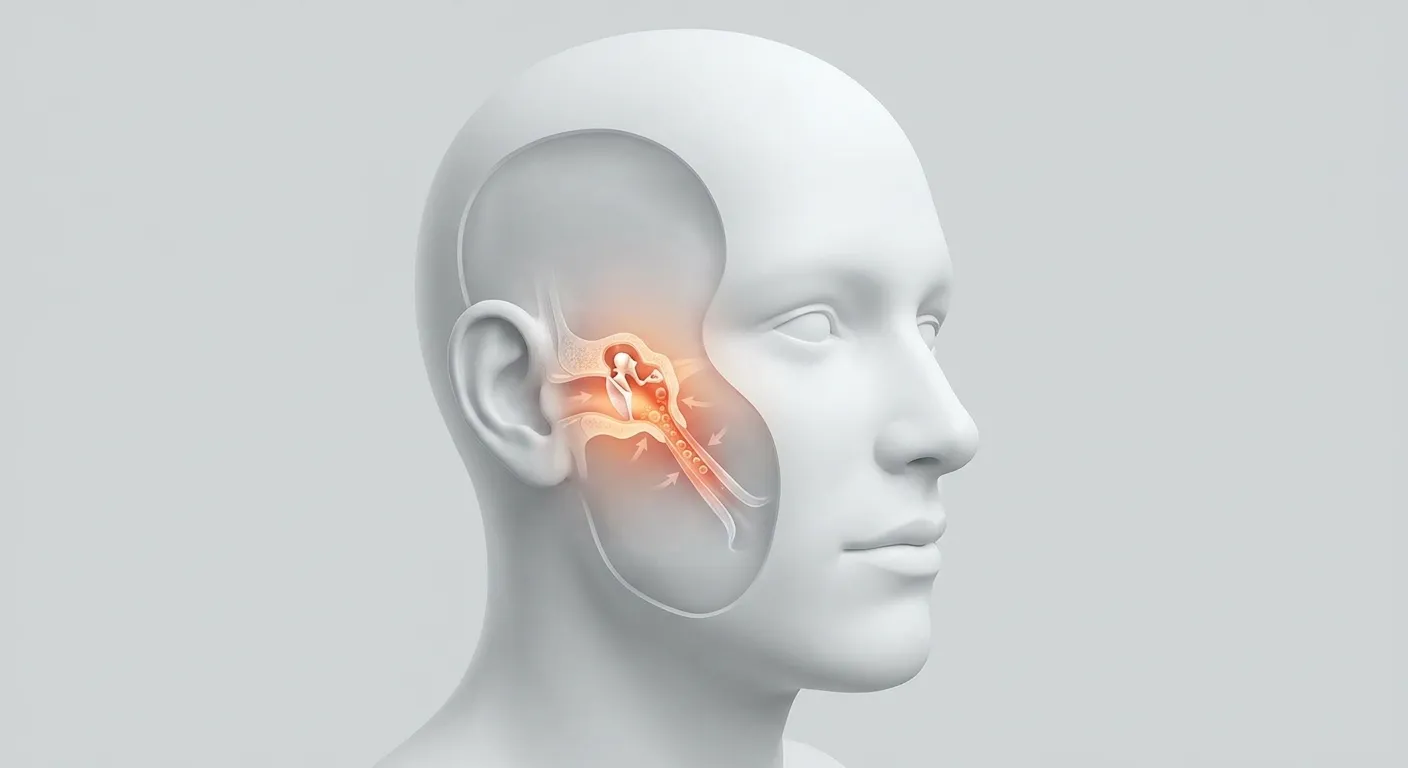
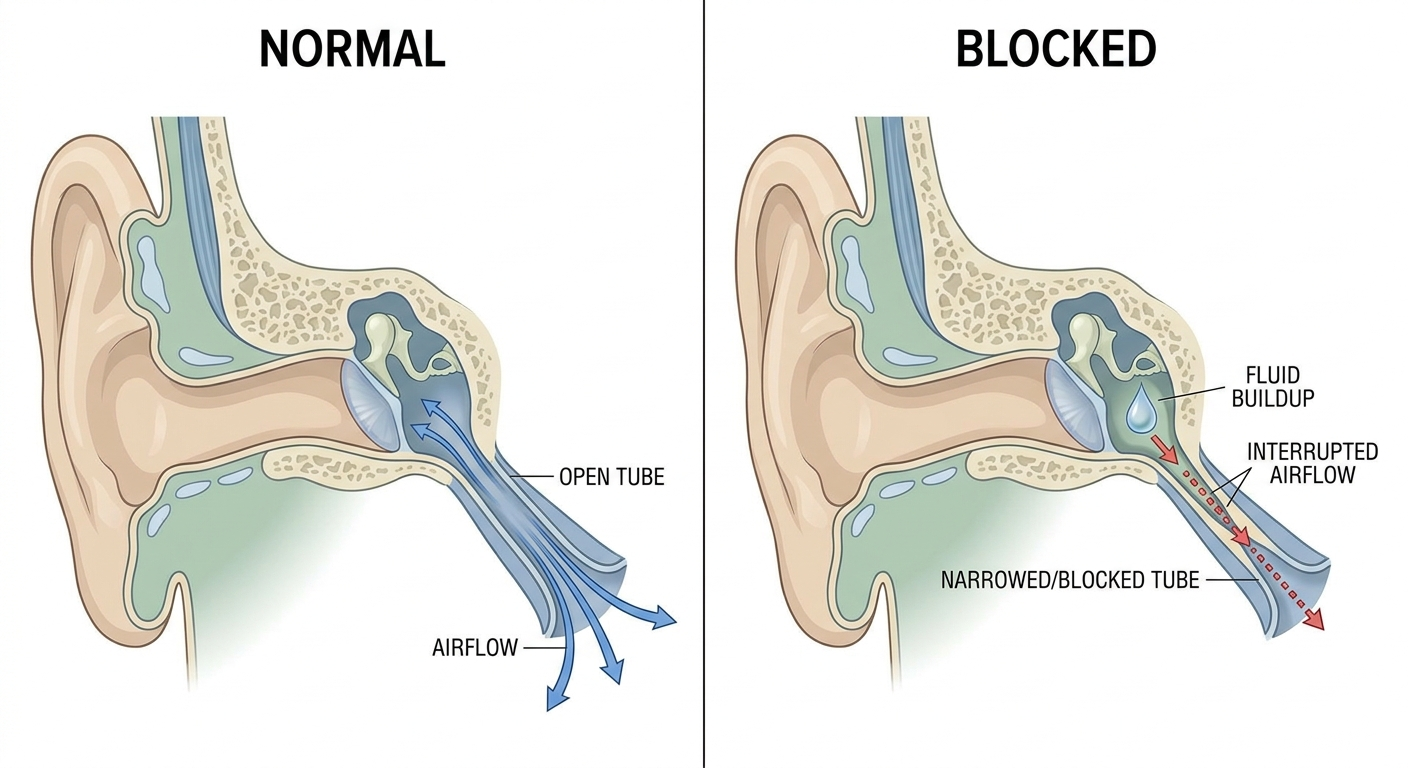
A helpful way to picture what’s happening: your middle ear is like a small room, and the Eustachian tube is the room’s tiny ventilation duct. When a cold inflames the tube, air can’t move freely and fluid can’t drain, so pressure builds—leading to that blocked sensation.
Below is a patient-friendly guide to typical timelines, why it happens, what may help at home, and when it’s worth getting checked.
Quick Answer—How Long Does Ear Fullness Last After a Cold?
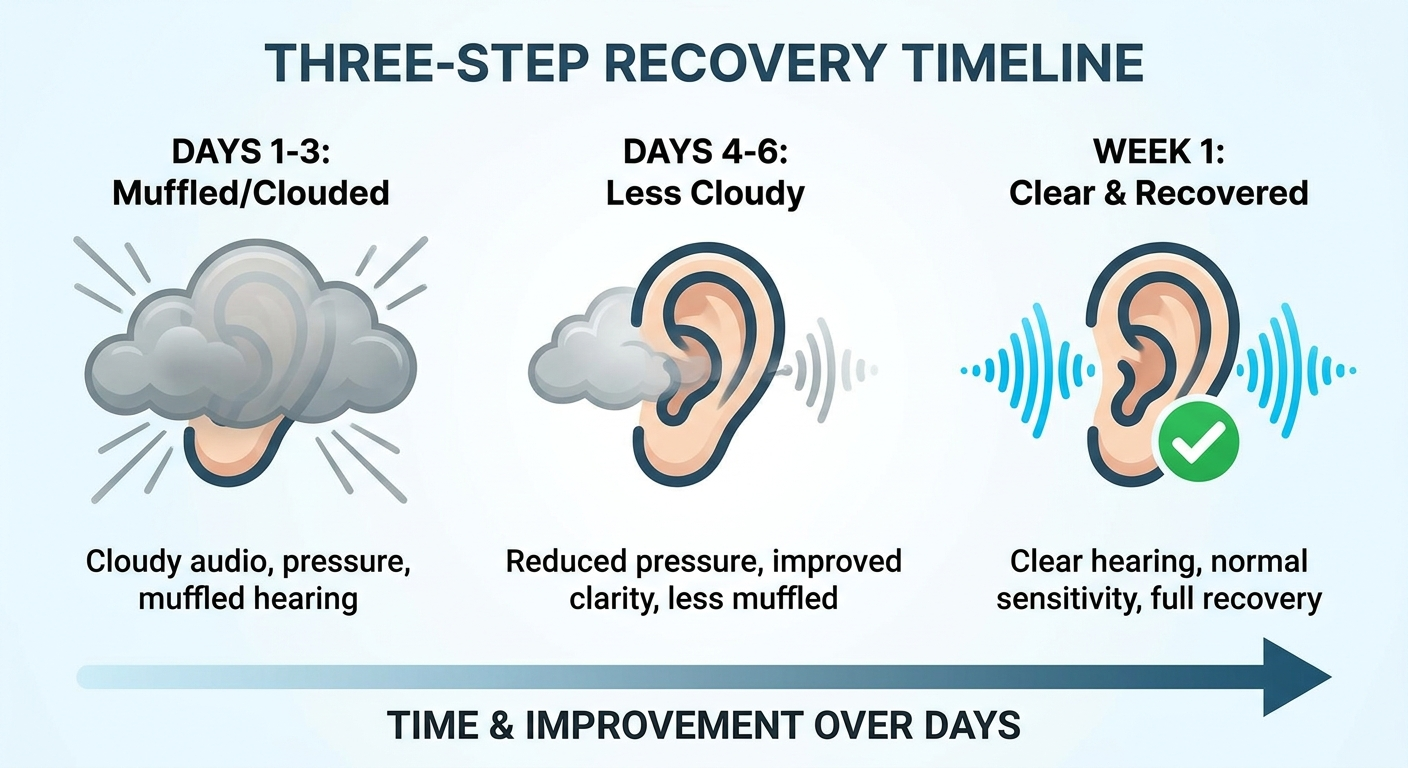
The most common timeline (days to about 1 week)
In many cases, clogged ears after a cold improve as nasal swelling goes down and mucus clears, allowing the Eustachian tubes to drain again. Many people notice it improves in “steps” (clearer in the morning, worse later, then gradually better overall). For many adults, this happens within a few days to about a week, though the timeline varies.
Source: Cleveland Clinic’s Eustachian tube dysfunction overview (2024).
When it lasts longer (weeks)
Sometimes inflammation in the nose and throat settles slowly, and the tubes that ventilate your middle ear take longer to “wake up.” In those cases, muffled hearing after a cold and pressure can last several weeks, typically improving gradually rather than disappearing overnight.
Source: Cleveland Clinic (2024).
When it can last longer (fluid buildup/effusion)
If fluid becomes trapped behind the eardrum (otitis media with effusion), the sensation of fullness can persist for weeks—and in some cases longer—after the rest of your cold symptoms are gone. This can feel like persistent “cotton in the ear” or a steady underwater sensation.
Sources: Johns Hopkins Medicine (adult otitis media); NHS (glue ear).
The “see a clinician” threshold (about 10–14 days)
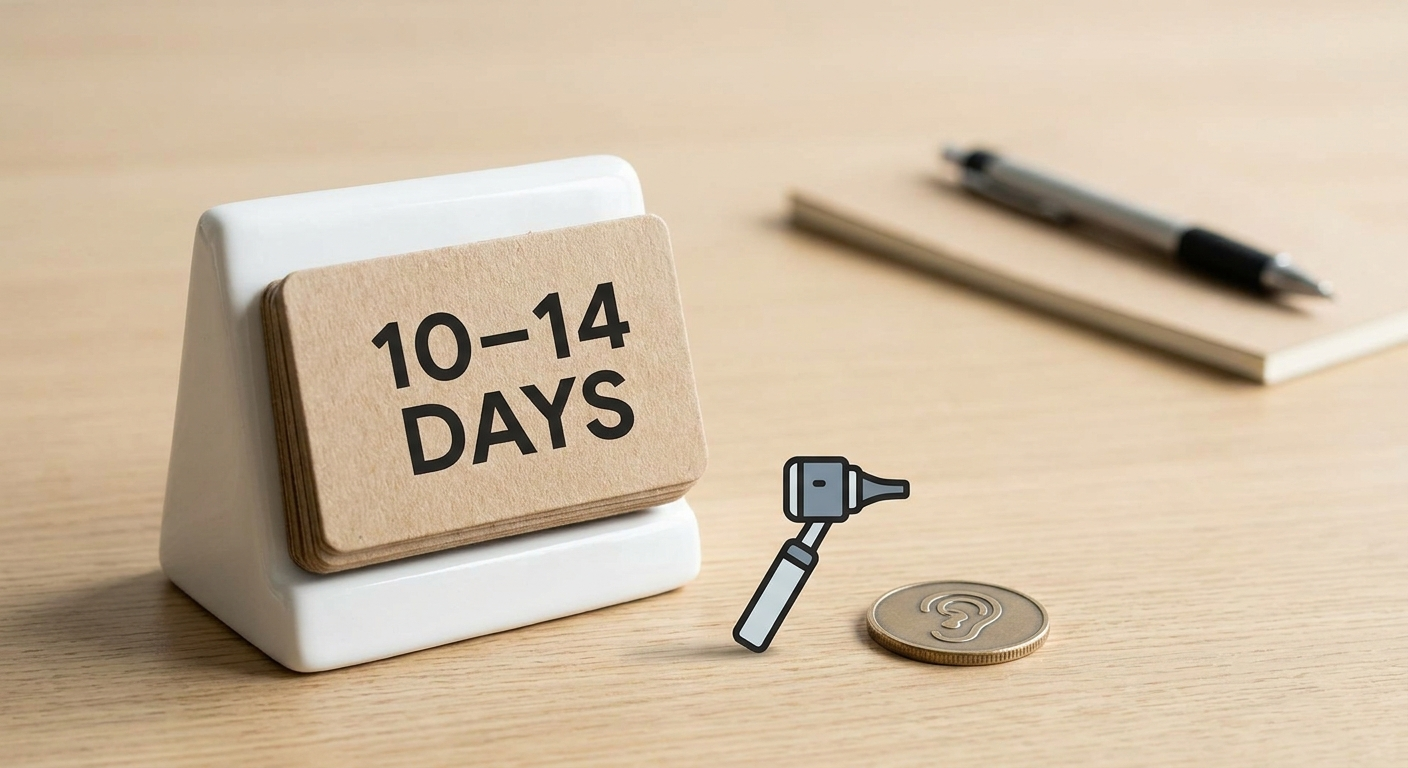
Many clinicians recommend an evaluation if symptoms last more than 10–14 days, especially if they’re not improving, are worsening, or you notice significant hearing changes.
Sources: Cleveland Clinic (2024); Johns Hopkins Medicine.
In short: Most people improve within a week, but timelines vary—see a clinician if it isn’t trending better.
What Does “Ear Fullness” Feel Like After a Cold?
People describe post-cold ear issues in a few consistent ways. If you want a broader overview of common causes, see our guide on what it means when your ears feel full: https://sleepandsinuscenters.com/blog/what-does-it-mean-when-your-ears-feel-full
Common symptoms patients describe
- Pressure, tightness, or a “plugged” sensation
- Muffled hearing or reduced sound clarity
- Popping/clicking when swallowing or yawning
- Mild discomfort (not always pain)
- Ringing (sometimes)
- Feeling “off balance” (less common)
A common patient description is: “It feels like I need to pop my ear, but it won’t.” Another is: “I can hear myself talk louder on that side.” Symptoms often fluctuate—better for a few hours, worse again later—depending on congestion levels, hydration, and pressure changes.
Ear fullness vs. ear infection—what’s the difference?
Post-cold fullness is commonly related to Eustachian tube dysfunction (ETD)—pressure and drainage problems rather than an active infection.
- More consistent with ETD after a cold: pressure, popping, mild muffled hearing, no major fever, and no escalating pain
- More concerning for infection: increasing pain, fever, drainage, or clearly worsening one-sided hearing symptoms
Source: Johns Hopkins Medicine (adult otitis media information).
In short: These symptoms often reflect pressure and drainage problems rather than an active ear infection.
Why Do Your Ears Feel Full After a Cold? (The Real Cause)
The Eustachian tube’s job (simple explanation)
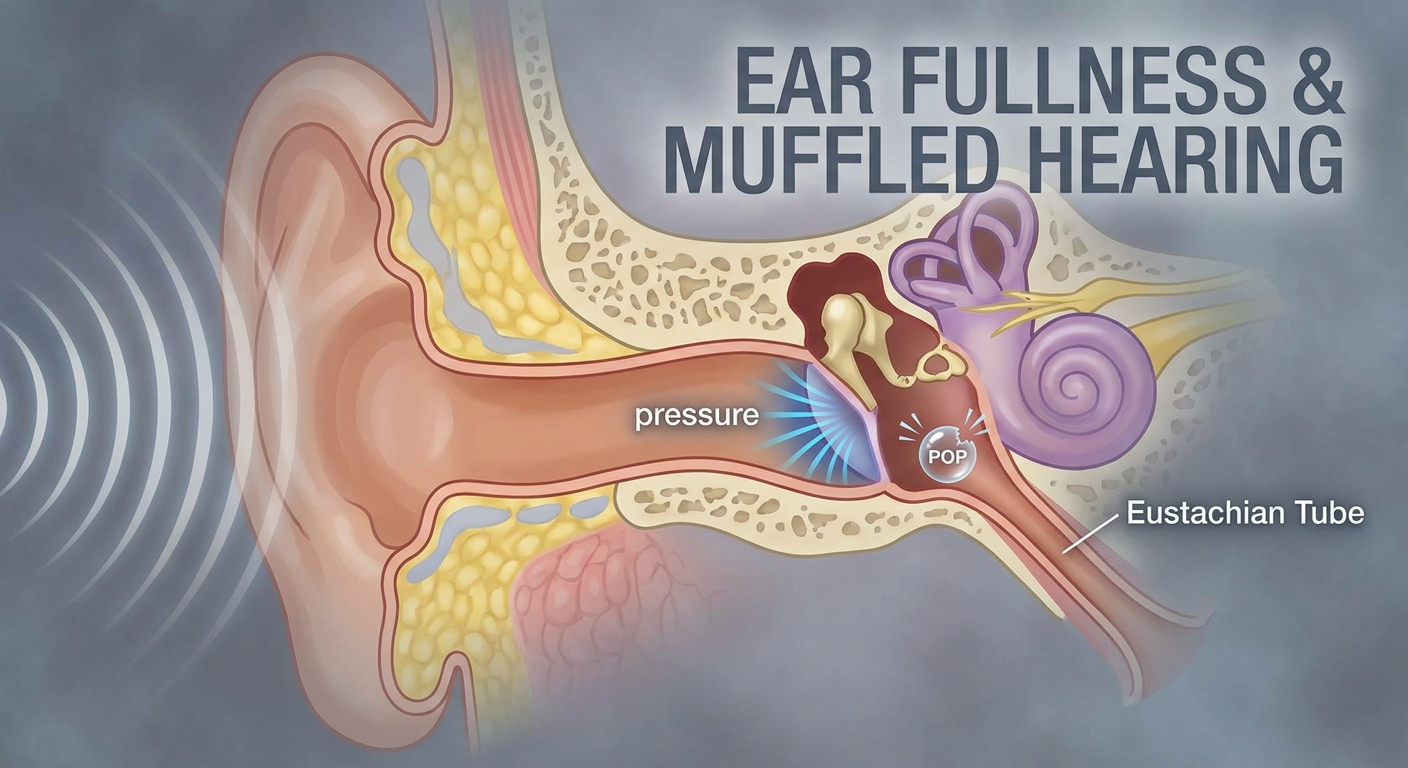
Your middle ear is an air-filled space behind the eardrum. It relies on the Eustachian tube—a small passage connecting the middle ear to the back of the nose and throat—to:
- Equalize pressure (so your eardrum can vibrate normally)
- Drain fluid away from the middle ear
When this system is working, your ears feel “open,” and hearing is clear. When it’s not, the eardrum may not move as freely, and sound can seem dull or distant.
Eustachian Tube Dysfunction (ETD) after upper respiratory infections
During a cold, the lining of the nose and throat becomes inflamed and produces extra mucus. That swelling can narrow the Eustachian tubes or keep them from opening properly—leading to pressure and muffled hearing after a cold.
Source: Cleveland Clinic (2024). For a deeper dive into symptoms and treatment categories, read our article on Eustachian tube dysfunction (ETD): https://sleepandsinuscenters.com/blog/eustachian-tube-dysfunction-symptoms-causes-effective-treatment-options
Fluid behind the eardrum (effusion)
If ventilation is poor for long enough, fluid can collect behind the eardrum. This is one reason ear fullness after a cold can outlast the cold itself. Fluid doesn’t always mean infection, but it can cause a persistent “underwater” feeling and reduced hearing clarity.
Sources: Johns Hopkins Medicine; NHS.
In short: Inflammation from a cold can block the Eustachian tube, disrupting pressure balance and drainage.
Risk Factors—Who’s More Likely to Have Ear Fullness That Lingers?
Some people are more prone to lingering clogged ears after a cold, especially when congestion is persistent or recurring. Common contributors include:
- Allergies or chronic nasal congestion
- Sinus inflammation and post-nasal drip
- Frequent colds or exposure to smoke/irritants
- Air travel during or soon after a cold (pressure shifts can stress an already-inflamed system)
- Structural nasal issues that make congestion harder to clear
Source: Cleveland Clinic (2024).
In short: If you’re prone to congestion or allergies, you’re more likely to have lingering ear fullness after colds.
At-Home Relief: What Helps Ear Fullness After a Cold?
This section is educational and safety-focused. If symptoms are severe, worsening, or you’re unsure what’s going on, it’s reasonable to discuss them with a clinician. If you’d like more general strategies for blocked ears, see ear congestion causes and relief: https://sleepandsinuscenters.com/blog/ear-congestion-causes-and-relief-effective-tips-to-clear-blocked-ears
Gentle pressure-equalizing strategies
These methods can help the Eustachian tubes open naturally:
- Swallowing more often (sipping water can help)
- Chewing gum
- Yawning
If you notice a soft “click” or brief release of pressure, that’s often the tube opening.
Caution: Avoid forceful “ear popping,” especially if it causes pain or you suspect infection or a perforated eardrum.
Source: Cleveland Clinic (2024).
Reduce nasal inflammation so the ear can drain
Because the Eustachian tube opens into the back of the nose/throat, reducing congestion and irritation upstream may help:
- Saline nasal spray or saline rinse (if tolerated)
- Humidified air or warm shower steam for comfort
- Hydration to help thin mucus
Think of this as “clearing the hallway” leading to the Eustachian tube. These steps don’t always create instant relief, but they can support the conditions your ears need to equalize pressure.
OTC medication options (when appropriate)
Some over-the-counter approaches may be used by certain adults, depending on health history and package directions:
- Nasal steroid sprays may help reduce inflammation over time, especially when allergies are involved (not immediate relief).
- Decongestants may help some people short term, but they are not appropriate for everyone and can interact with medical conditions or medications.
- Antihistamines when allergies are a clear trigger.
Source: Cleveland Clinic (2024).
What to avoid
When you’re dealing with ear fullness after a cold, a few common habits can backfire:
- Putting oils or unprescribed drops into the ear
- Q-tips or “digging” in the ear canal (can irritate skin or push wax deeper)
- Flying/diving while severely congested when possible (pressure changes may worsen symptoms)
In short: Gentle, nose-focused care and time often help your ears recover—avoid aggressive popping or ear-canal “fixes.”

Medical Treatments—What an ENT or Clinician May Recommend
When ear symptoms linger, the goal of evaluation is to determine whether this is primarily ETD, trapped fluid, infection, or another issue.
What evaluation may include
A visit commonly involves:
- An ear exam to look for fluid, infection, or eardrum retraction
- Sometimes a tympanometry test (checks eardrum movement/pressure)
- A hearing test if symptoms persist or hearing seems significantly reduced
If it’s ETD without infection
A clinician may focus on reducing nasal inflammation and addressing drivers such as allergic rhinitis or chronic congestion.
Source: Cleveland Clinic (2024).
If there’s middle ear infection (otitis media) or persistent effusion
Treatment depends on what’s seen on exam and the overall clinical picture. In many scenarios, monitoring may be appropriate; in others, medication may be considered if bacterial infection is suspected.
Source: Johns Hopkins Medicine.
If fluid or pressure problems are chronic/recurrent
For ongoing or recurring problems, options can include procedures designed to improve middle-ear ventilation. In select cases, that may include ear tubes or Eustachian tube balloon dilation. For more on this option, see: https://sleepandsinuscenters.com/blog/eustachian-tube-balloon-dilation-fix-ear-pressure-fullness
In short: An exam clarifies whether you’re dealing with ETD, fluid, or infection—and guides the right next step.
When to See a Doctor (and When to Seek Urgent Care)
Make an appointment if:
- Ear fullness lasts more than 10–14 days
- Symptoms aren’t improving or are worsening
- Muffled hearing after a cold persists or is affecting daily life
Source: Cleveland Clinic (2024).
Seek urgent care sooner if you have:
- Severe ear pain, high fever, or you feel very ill
- Ear drainage (especially pus or blood)
- Sudden hearing loss, severe dizziness/vertigo
- Facial weakness or severe headache
Source: Johns Hopkins Medicine.
If you’d like your ears and nasal passages evaluated, you can book an appointment: https://www.sleepandsinuscenters.com/
In short: If symptoms persist beyond two weeks or red flags appear, get medical care promptly.
Lifestyle Tips to Prevent Ear Fullness After Future Colds
Reduce congestion early during a cold
Supportive steps like hydration, humidified air, and saline may reduce how long congestion hangs around—potentially lowering the odds of post-cold ear pressure sticking around too.
Flying tips if you must travel
Because the Eustachian tube helps regulate pressure, flying while congested can be more uncomfortable. When travel can’t be avoided, gentle pressure-equalizing habits (swallowing, sipping water, chewing gum) during ascent and descent may help.
Source: Cleveland Clinic (ETD/pressure regulation concepts).
Support recovery
Rest, sleep, and avoiding smoke exposure can make it easier for irritated upper-airway tissues to calm down.
In short: Lower congestion early and equalize gently to reduce the risk of lingering ear fullness after future colds.
FAQs
Is it normal for one ear to feel clogged after a cold?
Yes. Swelling and drainage patterns can be uneven, so clogged ears after a cold may affect one ear more than the other.
Source: Cleveland Clinic (2024).
Why does my ear fullness get worse at night?
Lying flat can increase the sensation of congestion and pressure for some people. Elevating the head slightly may reduce that feeling.
Can ear fullness after a cold turn into an ear infection?
Trapped fluid can sometimes be associated with, or later develop into, an ear infection—especially if pain, fever, or drainage appear.
Sources: Johns Hopkins Medicine; NHS.
Will antibiotics help ear fullness after a cold?
Not usually—many cases are inflammation/ETD-related rather than bacterial infection. Antibiotics are generally reserved for situations where bacterial infection is suspected.
Sources: Johns Hopkins Medicine; Cleveland Clinic (2024).
How do I know if it’s fluid behind my eardrum?
Persistent fullness and muffled hearing after a cold may suggest fluid, but confirmation requires an exam of the eardrum (and sometimes pressure testing).
Source: Johns Hopkins Medicine.
Conclusion—What to Remember
- Most ear fullness after a cold improves within days to about a week.
- Some cases last weeks, and fluid can occasionally linger longer.
- If symptoms persist beyond 10–14 days or worsen, an evaluation can help clarify whether ETD, fluid, or infection is involved.
Sources: Cleveland Clinic (2024); Johns Hopkins Medicine; NHS; American Academy of Otolaryngology–Head and Neck Surgery Foundation.
References
- Cleveland Clinic. Eustachian Tube Dysfunction (2024). https://my.clevelandclinic.org/health/diseases/22527-eustachian-tube-dysfunction
- Johns Hopkins Medicine. Otitis Media (Middle-Ear Infection) in Adults. https://www.hopkinsmedicine.org/health/conditions-and-diseases/otitis-media-middle-ear-infection-in-adults
- NHS. Glue Ear (Otitis Media with Effusion). https://www.nhs.uk/conditions/glue-ear/
- American Academy of Otolaryngology–Head and Neck Surgery Foundation. Clinical Practice Guideline: Otitis Media with Effusion (update). https://www.entnet.org/
Medical disclaimer: This article is for general education and does not replace individualized medical advice, diagnosis, or treatment. If you have severe symptoms, sudden hearing loss, significant dizziness, or symptoms that persist or worsen, seek medical care promptly.
“This article is for educational purposes only and is not medical advice. Please consult a qualified healthcare provider for diagnosis and treatment.”
Don’t let allergies slow you down. Schedule a comprehensive ENT and allergy evaluation at Sleep and Sinus Centers of Georgia. We’re here to find your triggers and guide you toward lasting relief.