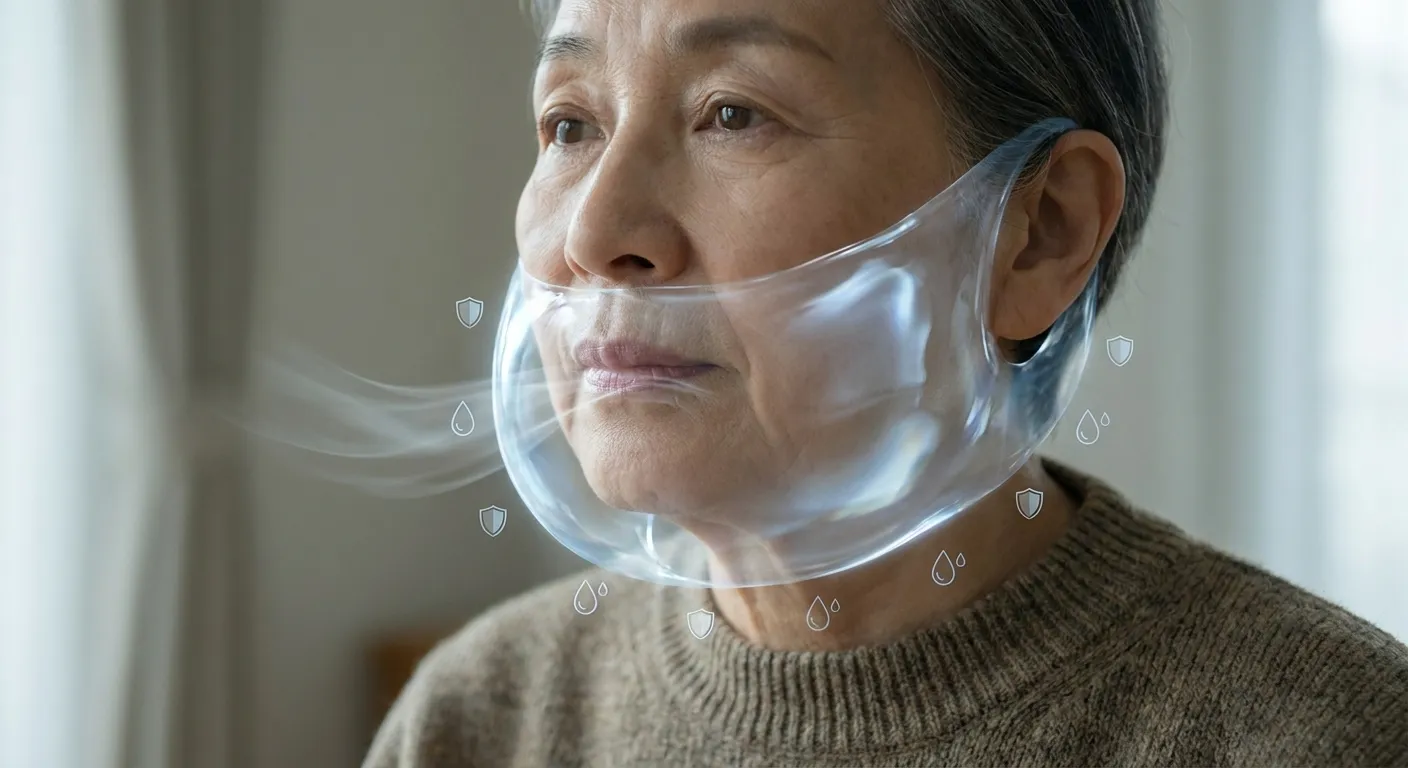
Dry Mouth as You Age: ENT Causes, Symptoms, and Treatments
Dry mouth is one of those symptoms many people chalk up to “just getting older.” The good news: dry mouth is common in older adults, but it is usually related to medications, medical conditions, or other factors rather than aging itself. In other words, xerostomia (the sensation of a dry mouth) is often a secondary effect, not an unavoidable part of aging. (Mayo Clinic, 2023; ADA, 2026)
Below, we’ll cover what dry mouth is, why it matters, ENT-related triggers (like sleep apnea and salivary gland problems), and how treatment typically works—step by step—so you can have a more productive conversation with your care team.
What Is Dry Mouth (Xerostomia) and Why It Matters
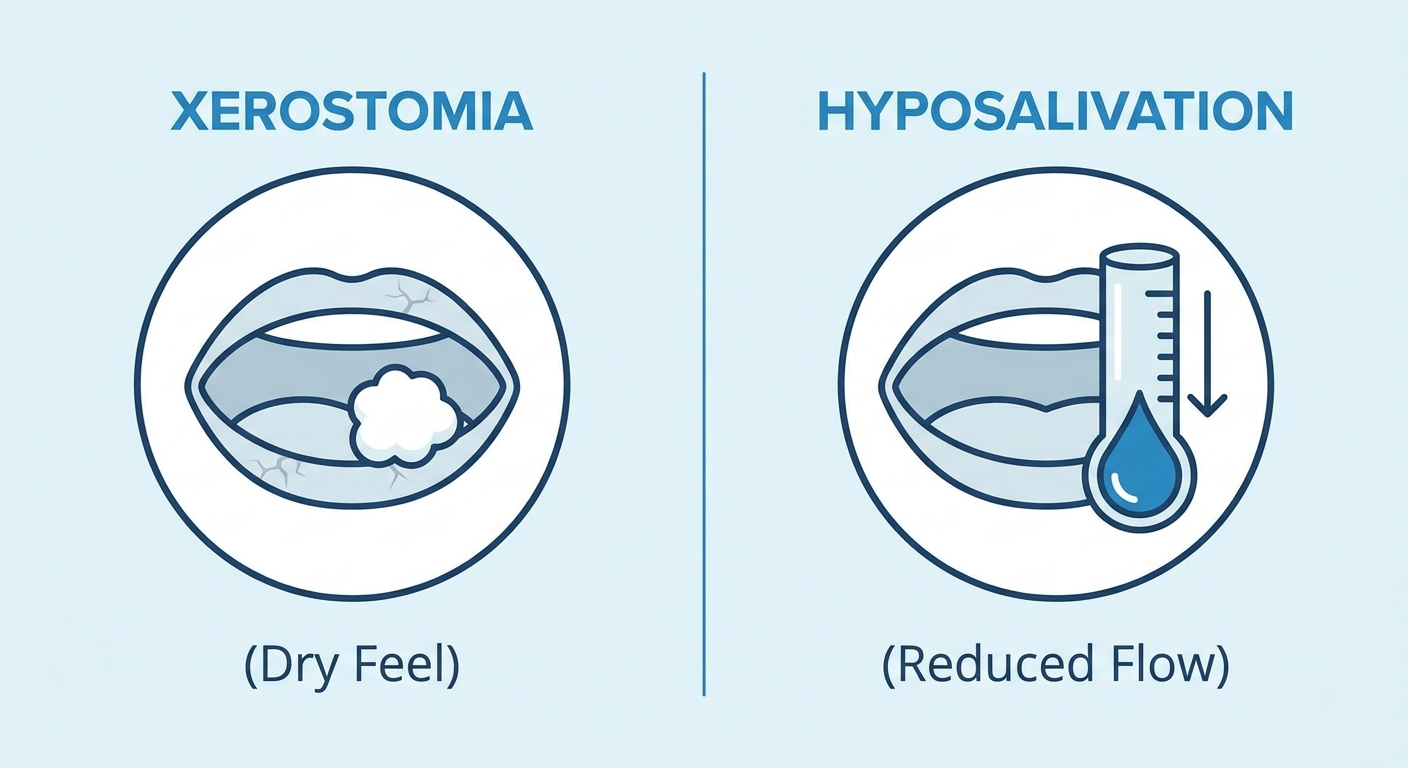
Xerostomia is the symptom of feeling dry; hyposalivation is a measurable reduction in saliva flow. Either can raise oral health risks—especially in older adults who may also have gum recession, dentures, or medication changes. A practical way to think about it: xerostomia is what you feel, hyposalivation is one possible measurable cause.
Xerostomia vs. Low Saliva (Hyposalivation): What’s the Difference?
- Xerostomia: you feel dry—sticky, cottony, uncomfortable—even if flow isn’t severely reduced.
- Hyposalivation: saliva production is measurably low.
Both deserve attention because they can increase cavities and infections. (ADA, 2026)
What Saliva Does for Your Mouth, Throat, and Overall Health
Saliva is your mouth’s built-in rinse, lubricant, and protective coating. It neutralizes acids and clears food, supports comfortable chewing and swallowing, reduces infection risk (including yeast), and supports taste and comfort. Because saliva also coats the throat, dryness can cause throat irritation, hoarseness, and frequent clearing. (ENT Health; Mayo Clinic, 2023)
Bottom line: Xerostomia is a symptom; hyposalivation is a measurable cause—and both matter because saliva protects your teeth, mouth, and throat.
Symptoms of Dry Mouth in Older Adults
Common Symptoms Patients Notice
- Sticky or dry mouth
- Thick or stringy saliva
- Cracked lips, dry tongue, burning sensation
- Trouble swallowing dry foods (like crackers or bread)
- Hoarseness or frequent throat clearing
- Denture discomfort (slipping, rubbing, sore spots)
- Bad breath (halitosis) (Mayo Clinic, 2023; ADA, 2026)
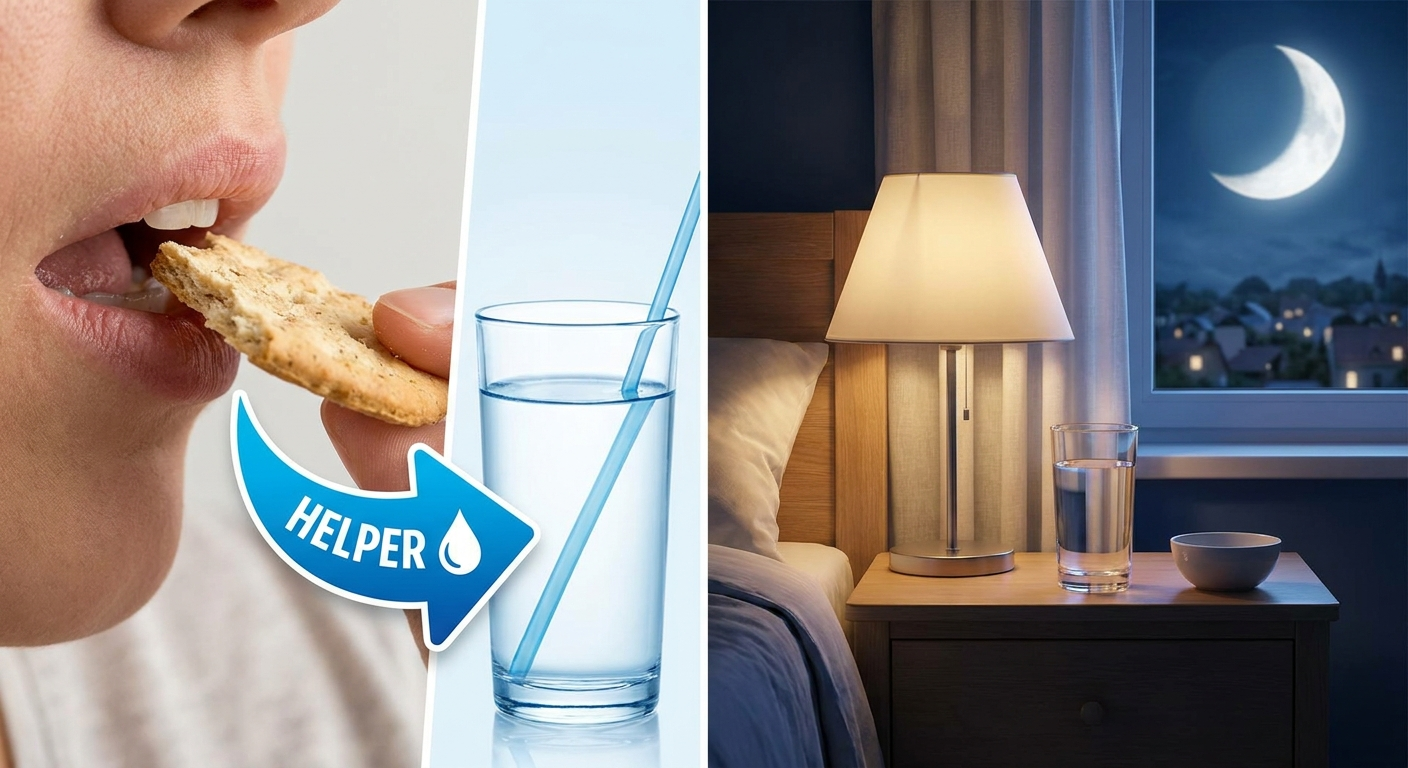
A simple everyday test: the cracker problem—dry foods feel stuck unless you sip water.
Less-Obvious Symptoms (Often Missed)
- Waking up thirsty at night
- Recurrent sore throat
- Changes in taste
- New cavities despite careful brushing and flossing (ADA, 2026)
Dry mouth can also appear as lifestyle shifts—avoiding certain foods, stashing water everywhere, or waking repeatedly to sip.
Complications: When Dry Mouth Becomes a Bigger Problem
- Tooth decay and gum disease
- Oral yeast infections (thrush) and mouth sores
- Eating difficulties that affect nutrition
- Sleep disruption from waking to drink water (ADA, 2026; Mayo Clinic, 2023)
If you wear dentures, less saliva increases friction and sore spots because saliva normally cushions and helps seal the fit.
If dryness persists or affects sleep, eating, or dental health, consider an evaluation.
Causes of Dry Mouth as You Age (What’s Really Behind It)
One of the Most Common Causes in Older Adults: Medication Side Effects
Many drugs can reduce saliva, including antihistamines/decongestants, antidepressants/anti-anxiety meds, blood pressure meds and diuretics, bladder meds, and some pain meds (including opioids). Do not change or stop medications on your own—ask your clinician about options.
Health Conditions That Commonly Contribute
- Diabetes
- Autoimmune conditions (e.g., Sjögren’s)
- Dehydration risk (illness, reduced thirst cues, diuretics)
- Kidney issues
- Anxiety/stress (can intensify dryness) (Mayo Clinic, 2023; URMC, 2016)
Mouth breathing from nasal obstruction can also dry tissues even if glands work normally.
Identifying the main driver—medications, health conditions, or mouth breathing—opens the door to targeted relief.
ENT-Related Causes of Dry Mouth (Key Triggers an ENT Can Help With)
Sleep Apnea, Snoring, and Mouth Breathing
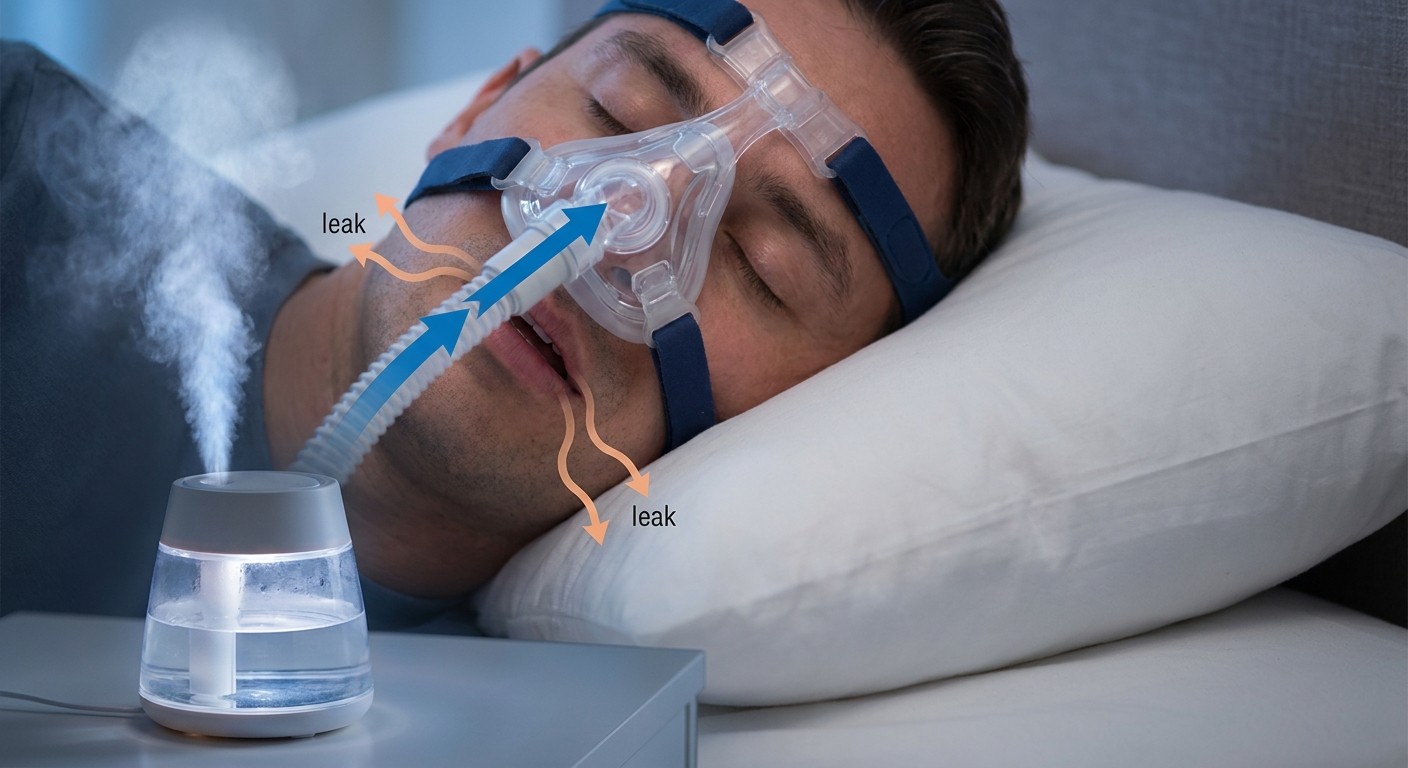
Overnight mouth breathing from nasal blockage or sleep-disordered breathing often causes morning dryness. Clues include morning dry mouth or sore throat, loud snoring, and daytime sleepiness. CPAP helps airway obstruction, but mouth leak or low humidification can still cause dryness; mask fit and settings are worth reviewing.
CPAP dry mouth causes and fixes: https://sleepandsinuscenters.com/blog/cpap-dry-mouth-causes-fixes-and-when-to-call-your-20260703051139
Chronic mouth breathing and sleep quality: https://sleepandsinuscenters.com/blog/chronic-mouth-breathing-and-its-impact-on-sleep-quality-causes-and-solutions-cdd3c (ENT Health; Mayo Clinic, 2023)
Salivary Gland Infections or Obstructions
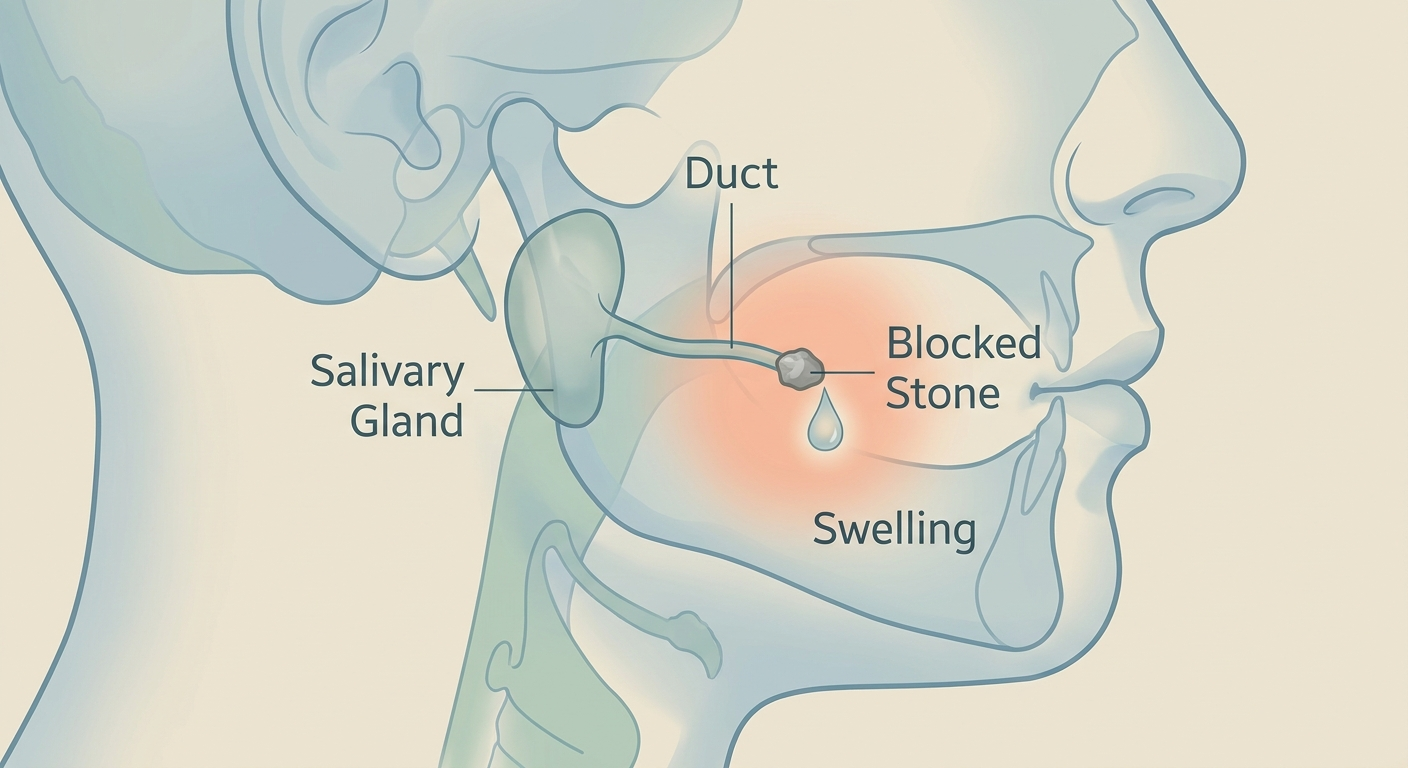
Parotid (near ears/jaw) and submandibular (under jaw) glands can be infected or obstructed by stones or narrowed ducts. Red flags include pain or swelling near the jaw/ear or under the jaw, symptoms that worsen with meals, and fever or foul taste if infected. Swelling that flares when you start eating is classic for obstruction. Reduced flow can worsen dryness. (ENT Health; Mayo Clinic, 2023)
Radiation Therapy to the Head and Neck
Radiation can injure salivary glands and cause significant, lasting dryness. These cases benefit from a structured plan combining symptom relief, dental protection, and targeted therapies. (Mayo Clinic, 2023; PubMed Central, 2024)
Addressing airway issues and salivary gland problems can meaningfully reduce dryness and improve sleep and comfort.
When to See an ENT vs. a Dentist vs. Your Primary Care Doctor
Consider an ENT Visit If You Have…
- Nighttime mouth breathing, snoring, or known sleep apnea
- Recurrent salivary gland swelling/pain
- History of head/neck radiation
- Persistent dry throat, voice changes, or swallowing discomfort (ENT Health)
When should I see an ENT: https://sleepandsinuscenters.com/blog/when-should-i-see-an-ent
Consider a Dentist Visit If You Have…
- New cavities or tooth sensitivity
- Gum bleeding or worsening gum disease
- Denture sores
- Possible thrush (white patches, burning, soreness) (ADA, 2026)
Dentists also help prevent long-term enamel and gum damage when saliva is low.
Consider Primary Care/Medication Review If You Have…
- Recent medication changes
- Increased urination/thirst (possible diabetes)
- Autoimmune symptoms (dry eyes, joint pains, fatigue)
- Frequent dehydration risk (Mayo Clinic, 2023)
Start with the clinician best aligned to your leading clue—airway, dental, or medication-related.
Diagnosis — What to Expect at a Medical Evaluation
Questions Your Clinician May Ask
- When symptoms occur (day vs. night)
- Full medication list (including OTC allergy meds)
- Hydration habits and caffeine/alcohol use
- CPAP use and comfort
- Radiation history
- Associated issues: snoring, nasal blockage, gland swelling, frequent oral infections (Mayo Clinic, 2023)
Bringing specifics like “It started after my new bladder medication” or “It’s worst in the morning” can guide the workup.
Possible Exams/Tests
- Oral and throat exam
- Salivary gland exam
- Dental evaluation
- Saliva flow measurement (when needed)
- Sleep evaluation if apnea is suspected (ENT Health)
A clear timeline, full medication list, and airway/sleep details can make your visit more productive.
Treatments for Dry Mouth in Older Adults (Step-by-Step Approach)
1) Lifestyle and At-Home Strategies (First Line)
- Frequent sips of water (keep water at bedside)
- Sugar-free gum or lozenges to stimulate saliva
- Humidifier at night, especially if mouth breathing
- Avoid tobacco, alcohol, and alcohol-containing rinses
- Reduce caffeine if it worsens symptoms (ADA, 2026; URMC, 2016)
Think “reduce evaporation, increase lubrication.” For nighttime dryness, focus on humidification and mouth-breathing evaluation.
2) Over-the-Counter Options
- Salivary substitutes (sprays, gels, rinses)
- Alcohol-free rinses formulated for dry mouth (ADA, 2026)
These don’t restart glands but improve comfort and protect tissues—useful before long talks, workouts, or meals.
3) Treat the ENT Trigger (When Present)
If Sleep Apnea or Mouth Breathing Is Driving Dry Mouth
- Address nasal obstruction and allergies when appropriate
- Review CPAP mask fit and check for mouth leak
- Optimize heated humidification
CPAP humidifier settings guide: https://sleepandsinuscenters.com/blog/cpap-humidifier-settings-guide-for-optimal-therapy-comfort (ENT Health)
If Salivary Gland Infection/Obstruction Is Suspected
Care aims to clarify infection vs. obstruction. Management may include hydration, gland massage, saliva stimulation, or prescription therapy—based on clinician assessment. (Mayo Clinic, 2023)
4) Prescription Treatments for More Severe Cases
For significant hyposalivation, medications such as pilocarpine may be prescribed. Suitability and dosing must be clinician-guided due to side effects and medical cautions. (PubMed Central, 2016; PubMed Central, 2024)
5) Protecting Teeth and Gums (Essential With Any Treatment Plan)
- Dentist-directed fluoride toothpaste or rinses
- More frequent cleanings as recommended
- Limit sugary or acidic snacks/drinks (ADA, 2026)
If you sip sweet drinks to wet your mouth, discuss safer alternatives—low saliva plus frequent sugar accelerates decay.
Most people do best with a combined plan: symptom relief now and root-cause management over time.
Practical Lifestyle Tips (Patient-Friendly Daily Checklist)
Daytime Routine
- Do water check-ins (use reminders if helpful)
- Use sugar-free gum after meals
- Choose moist foods (soups, yogurt, sauces) if swallowing is difficult (URMC, 2016)
Nighttime Routine
- Humidifier plus water at bedside
- If using CPAP, review mask leak and humidification comfort
- If chronic nasal blockage is present, consider an ENT evaluation (ENT Health)
Small, consistent habits often provide outsized relief.
FAQs About Dry Mouth as You Age
Is dry mouth a normal part of getting older? Usually no; it’s more often linked to medications or health conditions. (Mayo Clinic, 2023; ADA, 2026)
Can sleep apnea cause dry mouth? Yes—mouth breathing and sleep-disordered breathing commonly cause morning dryness. (ENT Health)
Does CPAP cause dry mouth? It can, especially with mouth leak or low humidification, but adjustments often help. (ENT Health; Mayo Clinic, 2023)
What’s the best mouthwash for dry mouth? Alcohol-free rinses designed for dry mouth. (ADA, 2026)
When is dry mouth urgent? Seek prompt care for dehydration, trouble swallowing, fever with gland swelling, or severe sores/possible thrush. (Mayo Clinic, 2023)
If symptoms are new, worsening, or worrisome, seek medical advice.
Conclusion — A Simple Next Step for Most Patients
Try a two-track approach: improve comfort and protect teeth now (hydration habits, saliva substitutes, dental protection) while identifying and addressing the cause (medications, sleep apnea/mouth breathing, salivary gland issues, radiation effects). If symptoms last more than a couple of weeks or affect eating, sleep, or dental health, schedule an evaluation with your dentist, primary care clinician, or an ENT team.
Book an appointment: https://www.sleepandsinuscenters.com/
Taking small steps now while you investigate the root cause can protect your oral health and improve daily comfort.
Medical disclaimer
This article is for general educational purposes and isn’t a substitute for personalized medical advice, diagnosis, or treatment. Please consult a qualified healthcare provider for diagnosis and treatment.
Sources
Mayo Clinic (2023); American Dental Association (2026); ENT Health; PubMed Central (2016, 2024); University of Rochester Medical Center (2016); MedlinePlus (n.d.)
Don’t let allergies slow you down. Schedule a comprehensive ENT and allergy evaluation at Sleep and Sinus Centers of Georgia. We’re here to find your triggers and guide you toward lasting relief.