Chronic Sinusitis Treatment in Georgia: When Antibiotics Aren’t Enough
If you live in Georgia and you’ve been told you have “another sinus infection” — yet congestion, facial pressure, post-nasal drip, or reduced smell keeps coming back — you’re not alone. Many people cycle through multiple prescriptions and still feel stuck, especially during heavy pollen months or after every cold.
One important reason: what most people call a “sinus infection” often isn’t a lingering infection at all. Chronic rhinosinusitis (CRS) is usually driven by ongoing inflammation, not persistent bacteria, which helps explain the common frustration many patients feel when antibiotics fail to resolve sinusitis symptoms. Medical references like StatPearls emphasize that CRS is primarily an inflammatory condition and requires objective confirmation (exam and/or imaging), not just symptom guessing. Source: StatPearls/NCBI, 2023: https://www.ncbi.nlm.nih.gov/books/NBK441934/
In Georgia, there’s also increasing attention on reducing unnecessary antibiotic use to help slow antibiotic resistance and improve outcomes through better diagnosis and targeted treatment. Georgia Health News has highlighted this issue, including commentary from physicians such as Mark Ebell on how misdiagnosis can drive avoidable antibiotic prescriptions. Source: Georgia Health News, 2017: https://www.georgiahealthnews.com/2017/07/diagnostic-tool-sinuses-patients-fight-antibiotic-resistance/
This guide explains what CRS is, why symptoms persist, and what options exist for chronic sinusitis treatment in Georgia when “one more round of antibiotics” hasn’t helped.
This article is published by Sleep and Sinus Centers of Georgia.
When “Sinus Infection” Keeps Coming Back
When symptoms linger for months, it’s worth asking a different question: is this truly an infection, or is it chronic inflammation that keeps re-flaring?
That distinction — sinus inflammation vs infection — often changes the entire care plan. If bacteria are a “campfire,” antibiotics are a bucket of water; but if the main issue is “smoldering embers” of inflammation, you’ll keep seeing smoke until the underlying irritation is treated and the sinuses can ventilate and drain normally.
It’s one reason patients seek longer-term, evidence-based chronic sinusitis treatment in Georgia instead of repeated short-term fixes. In short: treating the underlying inflammation and airflow/drainage problems usually works better than chasing repeated “infections.”

What Is Chronic Rhinosinusitis (CRS)?
CRS vs a regular sinus infection: CRS typically means symptoms lasting 12 weeks or longer plus objective evidence of sinus disease on exam (often nasal endoscopy) and/or imaging such as a CT scan. Source: StatPearls/NCBI, 2023: https://www.ncbi.nlm.nih.gov/books/NBK441934/
This differs from acute sinusitis, which is shorter and more likely viral. A smaller subset of acute cases becomes bacterial and may benefit from antibiotics in select situations (for example, symptoms >10 days without improvement, or double-worsening after initial improvement).
Why antibiotics often aren’t the answer for CRS: because CRS is typically inflammation-driven, antibiotics may do little — or help only briefly — unless there’s a true acute bacterial flare on top of chronic disease. Sources: StatPearls/NCBI (2023) and AAO-HNSF (2025): https://www.ncbi.nlm.nih.gov/books/NBK441934/ and https://aao-hnsfjournals.onlinelibrary.wiley.com/doi/10.1002/ohn.1344
Patients often say: “I take antibiotics, feel a little better, then the pressure and drainage creep back.” That makes sense once CRS is understood as an ongoing inflammatory condition needing an inflammation-control plan.
For a deeper overview, see Sleep and Sinus Centers of Georgia’s page on chronic sinusitis: https://sleepandsinuscenters.com/chronic-sinusitis
Bottom line: CRS is usually inflammatory and confirmed by exam and/or imaging, so care plans focus on reducing inflammation and improving drainage.
Chronic Sinusitis Symptoms (What Patients Commonly Notice)
Core symptoms often include nasal congestion or obstruction, thick drainage or post-nasal drip, facial pressure/fullness (sometimes called sinus headache), and reduced smell/taste. Symptoms can be steady or fluctuate — worsening during pollen surges, weather shifts, or indoor triggers. Sleep can suffer: more mouth breathing, dry throat, and fatigue.
Symptoms that suggest it may not be CRS (or may be more urgent): migraine-like headaches without congestion/drainage, strongly one-sided symptoms that persist, eye swelling or vision changes, severe forehead swelling, high fever, confusion, or severe illness.
Educational note: This article is general information and isn’t a substitute for medical care or a diagnosis. If symptoms last 12+ weeks or include red flags, seek professional evaluation.
Common Causes & Triggers in Georgia (Why Symptoms Can Be Persistent)
Environmental/allergy load: Georgia’s heavy seasonal pollen and shifting outdoor allergens can keep the sinus lining swollen, narrow drainage pathways, and maintain a chronic inflammatory loop. If allergies may be part of the picture, Sleep and Sinus Centers of Georgia offers allergy testing: https://sleepandsinuscenters.com/allergy-testing
Mold and humidity: Higher humidity can increase indoor mold exposure. Susceptible individuals may notice symptoms improve when traveling and flare again at home.
Anatomy and airflow: Deviated septum, turbinate enlargement, and naturally narrow sinus drainage pathways can make symptoms harder to control with medication alone.
Co-existing conditions: Asthma, nasal polyps, aspirin-exacerbated respiratory disease (AERD), and sometimes reflux-related throat irritation can maintain inflammation. For an additional overview, see: https://entgasouth.com/services/nose-allergy-sinus/chronic-sinusitis
Takeaway: Identify your main drivers — allergies, environment, anatomy, or co-existing airway issues — to create a plan that lasts.

The Problem With Repeated Antibiotics (and How Misdiagnosis Happens)
Why “sinus symptoms” are easy to mislabel as bacterial infection: seasonal allergies, viral illness, nonallergic rhinitis, and migraine or other headache disorders can all overlap. When congestion and facial pressure are driven by inflammation, antibiotics won’t fix the mechanism — which is why relief is often brief or absent.
A common scenario: a patient feels miserable, the exam is brief, and “sinus infection” becomes the default label. Without objective confirmation (endoscopy and/or CT when appropriate), it’s easy to treat the wrong problem.
Georgia-specific stewardship: Better diagnostic tools and more precise evaluation can reduce unnecessary antibiotics and help fight resistance. Source: Georgia Health News (2017): https://www.georgiahealthnews.com/2017/07/diagnostic-tool-sinuses-patients-fight-antibiotic-resistance/
Goal: not “no antibiotics,” but using them only when likely to help — and targeting the real cause when they won’t.
Getting the Right Diagnosis (Key Step When Antibiotics Aren’t Working)
An accurate diagnosis is often the turning point for patients seeking chronic sinusitis treatment in Georgia.
What an ENT evaluation may include: a detailed symptom timeline (especially 12+ weeks), review of treatments tried (sprays, rinses, allergy meds, steroids, antibiotics), nasal exam and often nasal endoscopy, a sinus CT scan when needed to confirm findings and map anatomy, and allergy assessment based on history and sometimes testing. Many clinicians think of this as “measure before you manage.”
Why accurate diagnosis changes treatment: once CRS is confirmed and the type of inflammation is understood, therapy becomes more targeted — less trial-and-error, fewer unnecessary antibiotics, and clearer decisions about when procedures should be considered. Sources: StatPearls/NCBI (2023) and AAO-HNSF (2025): https://www.ncbi.nlm.nih.gov/books/NBK441934/ and https://aao-hnsfjournals.onlinelibrary.wiley.com/doi/10.1002/ohn.1344
Care improves when you measure before you manage — confirm CRS, then tailor therapy to the findings.

Step-by-Step Chronic Sinusitis Treatment Options (Beyond Antibiotics)
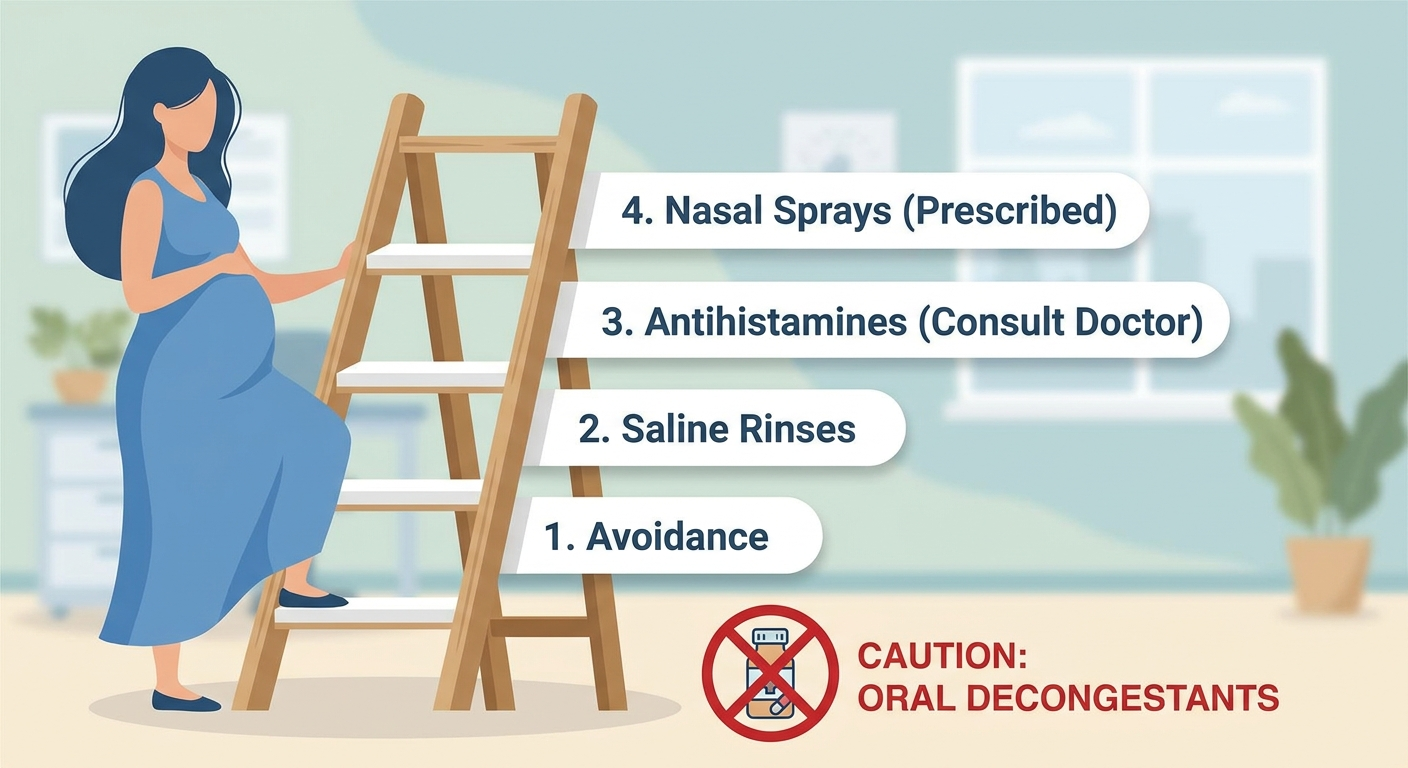
Think of CRS care as a ladder: start with the least invasive and move up only if needed.
Daily foundations: saline irrigation/rinses to clear mucus, irritants, and allergens; intranasal corticosteroid sprays to reduce swelling and inflammation. Anti-inflammatory treatments often work over weeks, not days; consistency matters. Source: StatPearls/NCBI (2023): https://www.ncbi.nlm.nih.gov/books/NBK441934/
Addressing contributing inflammation: allergy control measures (and sometimes immunotherapy), and in select cases carefully monitored short courses of oral steroids (especially with polyps), under clinician oversight.
When antibiotics make sense: typically only for evidence of an acute bacterial exacerbation on top of chronic disease — not as routine, repeated treatment for baseline symptoms. Sources: AAO-HNSF (2025) and StatPearls/NCBI (2023): https://aao-hnsfjournals.onlinelibrary.wiley.com/doi/10.1002/ohn.1344 and https://www.ncbi.nlm.nih.gov/books/NBK441934/
Treating structural causes: if CT or endoscopy shows anatomy significantly limiting drainage or airflow, medication alone may not be enough; procedure-based options enter the conversation. Build your plan from the ground up: consistent daily measures, targeted anti-inflammatory therapy, and procedures only if anatomy or severity calls for it.

Advanced Treatments Available in Georgia (When Medical Therapy Fails)
For patients who still struggle after appropriate medical therapy, advanced options may include in-office or surgical treatments based on symptoms, endoscopy, and CT findings.
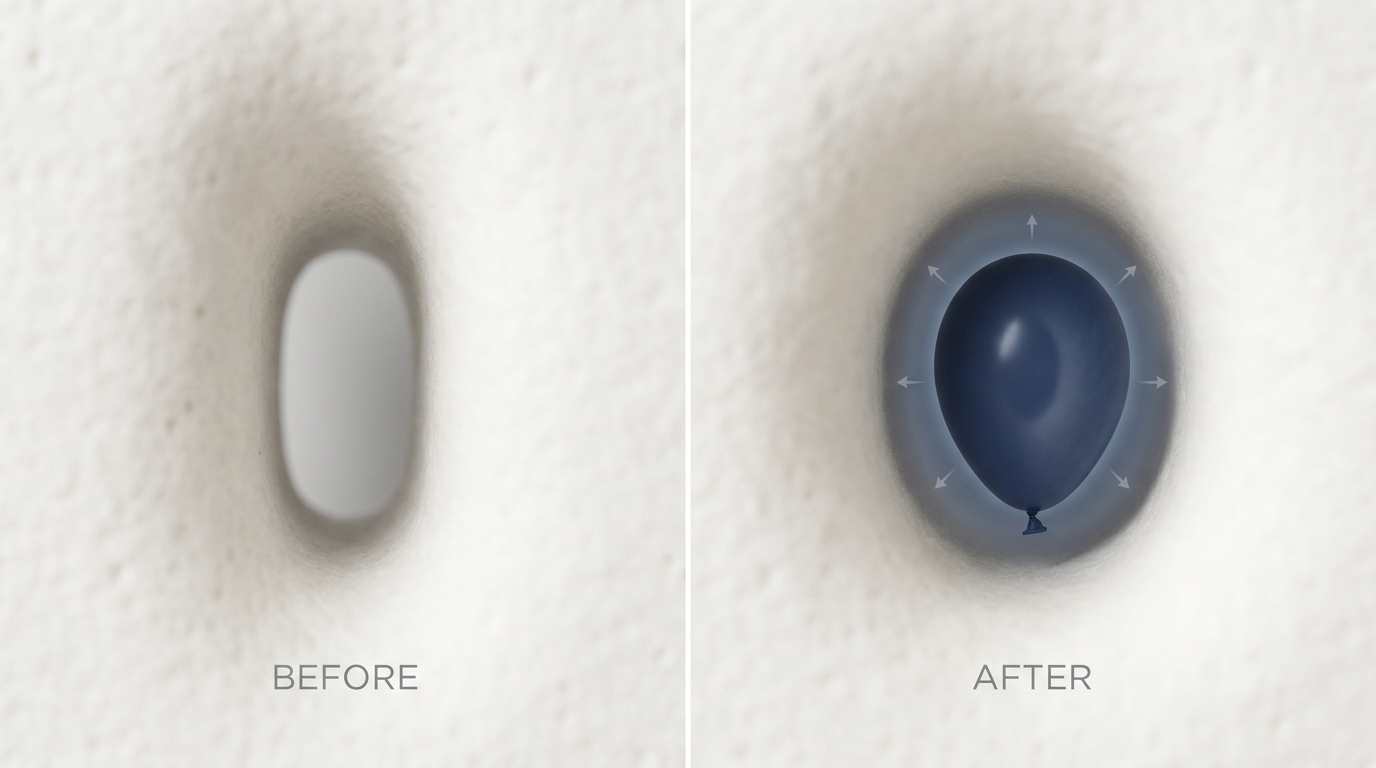
Balloon Sinuplasty: a minimally invasive procedure to gently widen certain sinus drainage pathways using a small balloon catheter. Recovery is often shorter than traditional surgery for many patients, though this varies. Learn more: https://sleepandsinuscenters.com/balloon-sinuplasty
Endoscopic sinus surgery (FESS) or revision surgery: for more extensive disease or polyp burden, surgery may improve ventilation and access for ongoing topical treatments rather than acting as a standalone cure. Source: StatPearls/NCBI (2023): https://www.ncbi.nlm.nih.gov/books/NBK441934/
Biologic medications (often for CRS with nasal polyps): targeted therapies (for example, agents acting on IL-4/IL-13 pathways such as dupilumab for appropriate patients) can help severe inflammatory CRS, especially with polyps and comorbid asthma. Sources: StatPearls/NCBI (2023) and AAO-HNSF (2025): https://www.ncbi.nlm.nih.gov/books/NBK441934/ and https://aao-hnsfjournals.onlinelibrary.wiley.com/doi/10.1002/ohn.1344
Takeaway: advanced options exist for the right candidates; selection depends on your anatomy, inflammation pattern, and prior response to therapy.
Lifestyle & At-Home Tips for More Sustainable Relief
Georgia-specific trigger reduction: track pollen levels and plan outdoor time when counts are lower; shower and change clothes after high-exposure activities. Pollen tracker: https://sleepandsinuscenters.com/georgia-pollen-tracker
Home environment basics: keep indoor humidity comfortable to help limit mold risk; replace HVAC filters as recommended; reduce bedroom allergens; avoid smoke and strong fragrances if they trigger symptoms.
Medication safety reminders: limit overuse of topical decongestant sprays to avoid rebound congestion; use nasal sprays with correct technique and consistent timing.
Small, steady habit changes can reduce overall inflammation load and make medical treatments work better.
When to See an ENT in Georgia (and What to Ask)
Consider an ENT evaluation if you have symptoms lasting 12+ weeks, multiple antibiotic courses with limited benefit, or reduced smell/facial pressure/post-nasal drip that disrupts sleep, work, or quality of life. Source: StatPearls/NCBI (2023): https://www.ncbi.nlm.nih.gov/books/NBK441934/
Questions to bring: Is this CRS or could it be allergies, migraine, or rhinitis? Do I have nasal polyps or structural blockage? Would I be a candidate for Balloon Sinuplasty versus another procedure? Should we consider allergy testing or advanced therapies?
If symptoms keep coming back, a focused ENT evaluation can clarify diagnosis and next steps.
FAQs
Q: Why do antibiotics help for a week and then symptoms come back? A: Brief improvement may reflect temporary changes during a flare or natural illness resolution. If the core problem is chronic inflammation, symptoms can return unless inflammatory drivers are addressed.
Q: Can chronic sinusitis be cured? A: Many patients achieve long-term control and major quality-of-life improvement, but CRS is often managed as a chronic inflammatory condition with ongoing prevention and targeted therapies. Source: StatPearls/NCBI (2023): https://www.ncbi.nlm.nih.gov/books/NBK441934/
Q: Do I need a CT scan? A: Not always initially. CT is often used when symptoms persist despite treatment, when diagnosis is uncertain, or when a procedure is being considered to confirm objective CRS findings.
Q: Is Balloon Sinuplasty painful and what’s recovery like? A: Experiences vary. Many describe it as manageable, and recovery is often faster than more extensive surgery for appropriately selected cases. Only your clinician can set expectations for your case.
Q: What percentage of people have CRS? A: Population-based estimates suggest roughly 12% of U.S. adults report symptoms consistent with CRS; a portion may need advanced therapies when standard management isn’t enough. Source: StatPearls/NCBI (2023): https://www.ncbi.nlm.nih.gov/books/NBK441934/
Conclusion — A Better Plan Than “Another Round of Antibiotics”
Chronic rhinosinusitis is often inflammation-driven rather than a persistent infection. That’s why repeated antibiotics may not solve the problem — and why better outcomes start with accurate diagnosis, an inflammation-control plan, and, when appropriate, targeted procedures such as Balloon Sinuplasty or advanced therapies like biologics.
If symptoms have lasted 12 weeks or more or keep returning despite treatment, an evaluation can clarify what’s driving your symptoms and the best next steps. To book an appointment with Sleep and Sinus Centers of Georgia, visit https://www.sleepandsinuscenters.com/ and explore their chronic sinusitis page for details and resources: https://sleepandsinuscenters.com/chronic-sinusitis
This article is for educational purposes only and is not medical advice. Please consult a qualified healthcare provider for diagnosis and treatment.
Don’t let allergies slow you down. Schedule a comprehensive ENT and allergy evaluation at Sleep and Sinus Centers of Georgia. We’re here to find your triggers and guide you toward lasting relief.