
Can Gum Disease Cause Sinus Infections? Understanding the Dental-ENT Connection
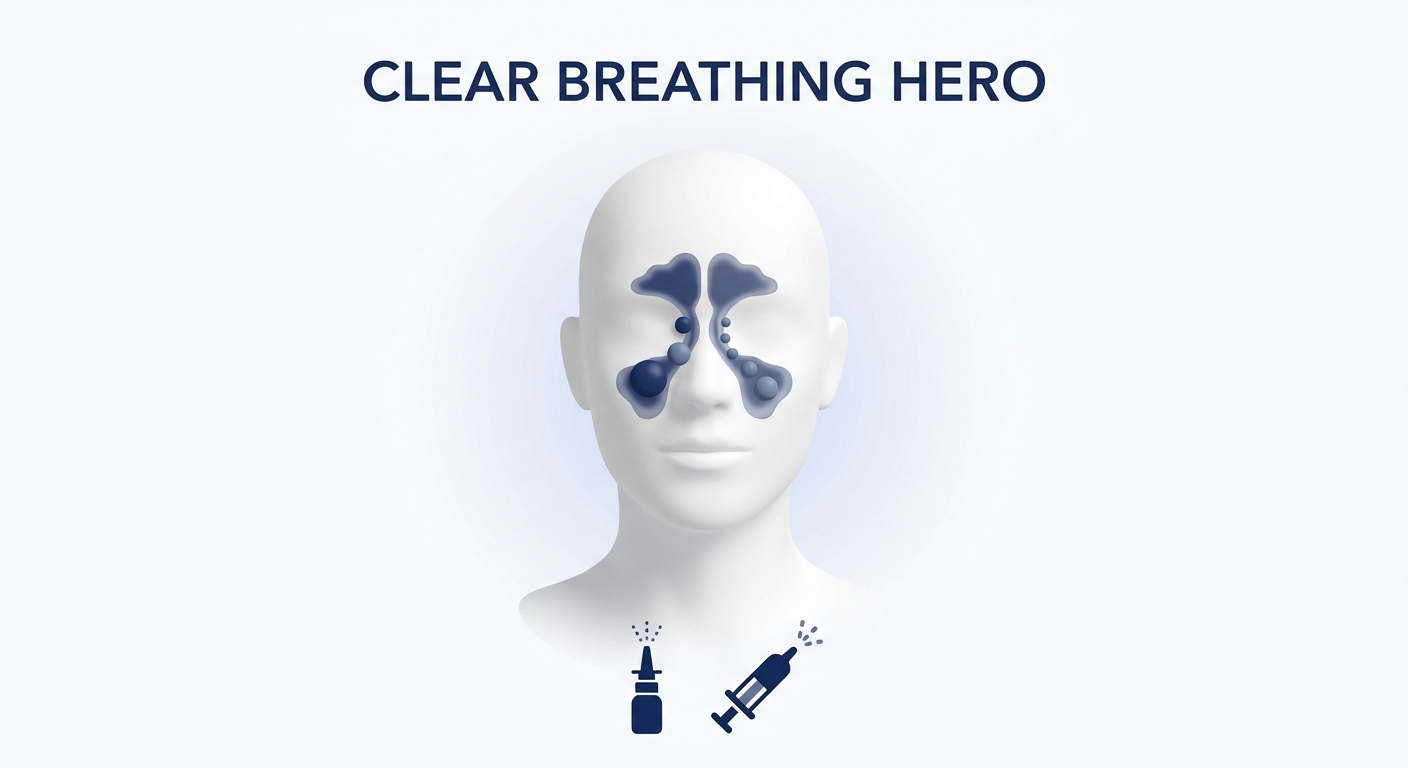
Sinus problems are often blamed on allergies, colds, or seasonal changes—but in some cases, the real source is closer than you think: your gums and teeth. If you’ve ever wondered, can gum disease cause sinus infections, the answer is yes—especially when infection involves the upper back teeth near the maxillary sinuses.
Below is a patient-friendly explanation of how dental health and sinus health overlap, what symptoms can hint at a dental source, and why coordinated dental + ENT care is sometimes the fastest path to lasting relief.
Quick Answer (For Skimmers)
- Yes. Advanced gum disease (periodontitis) and other dental infections can trigger a maxillary sinus infection from a tooth or gums—often called odontogenic sinusitis (sinusitis that starts from a dental source). [1][2]
- It’s less common overall, but it’s a major cause of one-sided (unilateral) maxillary sinus infections.
- Odontogenic sinusitis may account for roughly 10–12% of sinusitis cases (some reports higher). [1][2]
- In unilateral maxillary sinusitis, some studies report dental involvement in up to approximately 70–75% of cases, though estimates vary. [1][2]
What Is Gum Disease (Periodontitis)?
Gingivitis vs. Periodontitis (Why the Difference Matters): Gum disease isn’t one single condition—it’s a spectrum.
- Gingivitis: inflammation of the gums (often red, tender, bleeding). Typically reversible with consistent home care and professional cleanings.
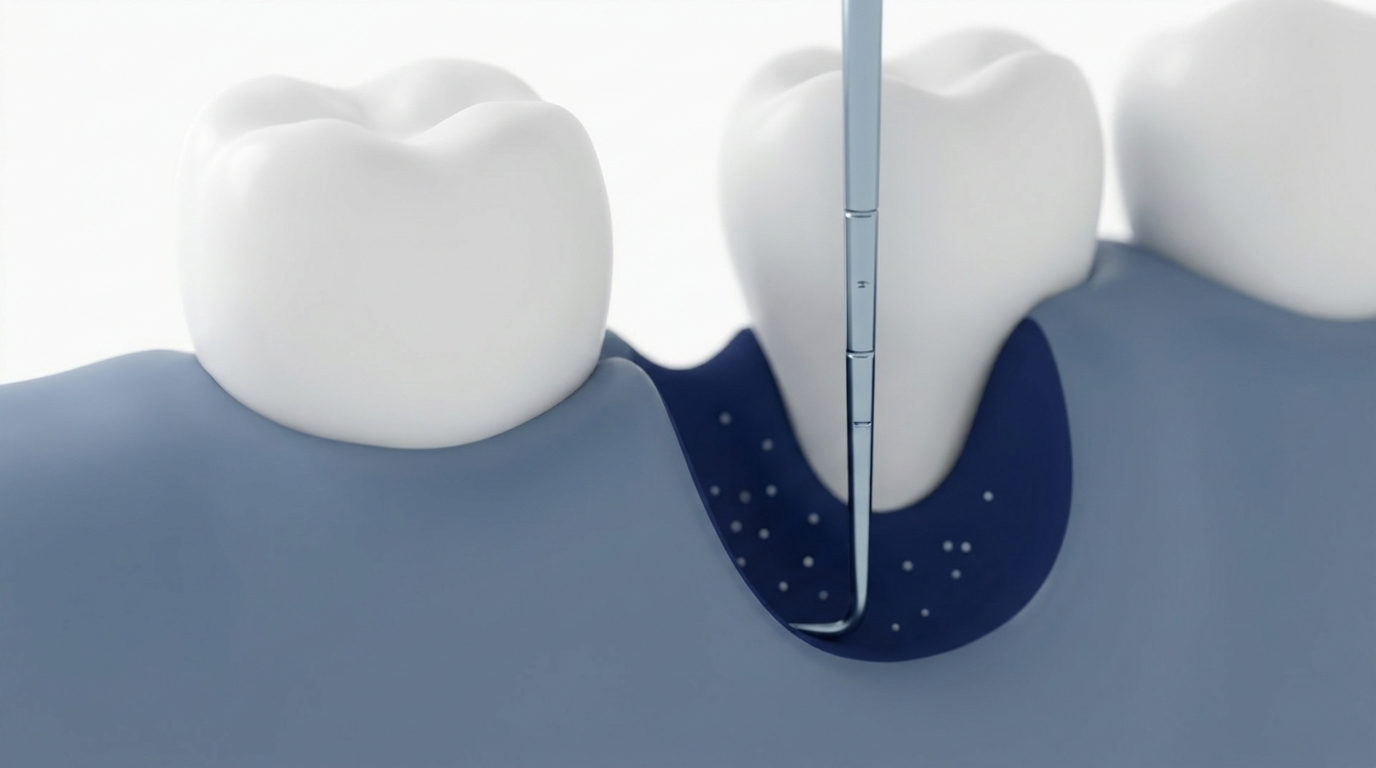
- Periodontitis: a deeper infection where bacteria and inflammation extend below the gumline, forming periodontal pockets and leading to bone loss that supports the teeth.
This distinction matters because periodontitis can create long-standing bacterial reservoirs that may affect nearby anatomy—especially the maxillary sinuses. [1][2]
How Gum Disease Becomes a “Hidden” Source of Infection: Periodontitis can be active without obvious pain.
- Deep pockets can shelter bacteria where toothbrush bristles can’t reach.
- Chronic inflammation may persist for months or years.
- Infection can exist even when tooth pain is absent—one reason dental-related sinusitis may be overlooked. [1][2]
Simple picture: gingivitis is like a surface spill you can wipe quickly; periodontitis is like water seeping under floorboards—quiet damage until someone looks closely.
Takeaway: Treating and monitoring periodontitis helps reduce a potential source of persistent sinus irritation.
What Is Odontogenic Sinusitis?
Definition in Plain Language: Odontogenic sinusitis is a sinus infection—most often affecting the maxillary sinus (behind your cheeks)—that begins because of a dental problem, such as periodontal disease, a tooth root infection (apical periodontitis), or sometimes dental procedures/complications. [1][2]
How Common Is It? Research suggests roughly 10–12% of all sinusitis cases may be odontogenic (some reports higher). For one-sided maxillary sinusitis, the dental connection is often stronger—reported in up to approximately 70–75% in some studies, though estimates vary. [1][2]
Clinical clue: “My left cheek and nostril are always the problem,” while the other side feels relatively normal.
Takeaway: When maxillary sinus symptoms are one-sided, a dental source is more likely and should be considered.
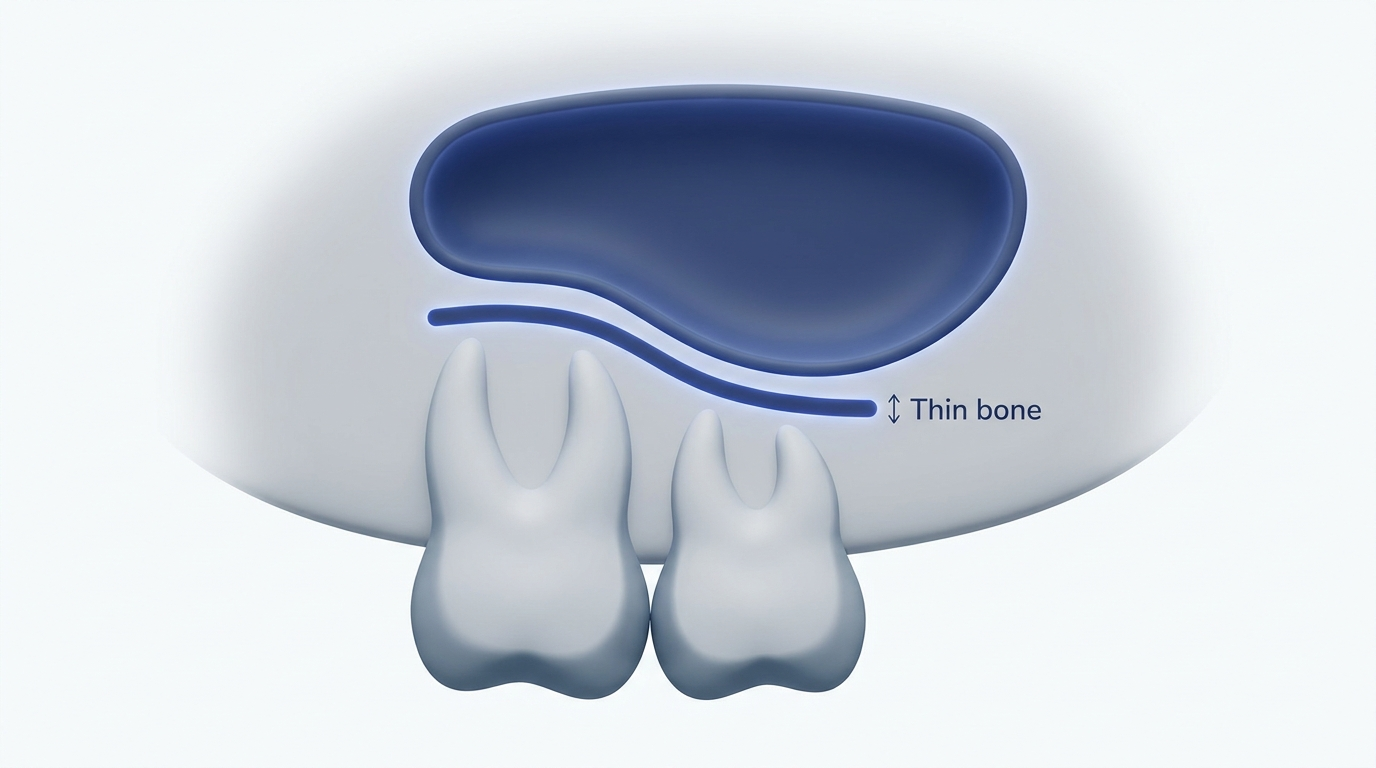
The Key Connection: Upper Back Teeth and the Maxillary Sinus
Why Upper Molars and Premolars Matter Most: The roots of the upper molars and premolars sit very close to the maxillary sinuses. In some people, the separating bone is naturally thin—so inflammation or infection doesn’t have far to travel. [1][2]
Analogy: The maxillary sinus is an upstairs room; the roots of your upper back teeth are plumbing just beneath the floor. If the plumbing is inflamed or infected, the room above can be irritated too.
How Infection Can Travel from Gums/Teeth to Sinuses: When bacteria and inflammation build up in periodontal pockets or infected tooth roots, they may contribute to inflammation in the nearby maxillary sinus due to close anatomy and potential routes for extension. [1][2]
Shared Pathways Concept: Proposed pathways include anatomical proximity, direct extension of inflammation, and changes that reduce sinus drainage. [1][2]
Takeaway: Because the upper back teeth and maxillary sinus share a thin boundary, dental inflammation can influence sinus health.
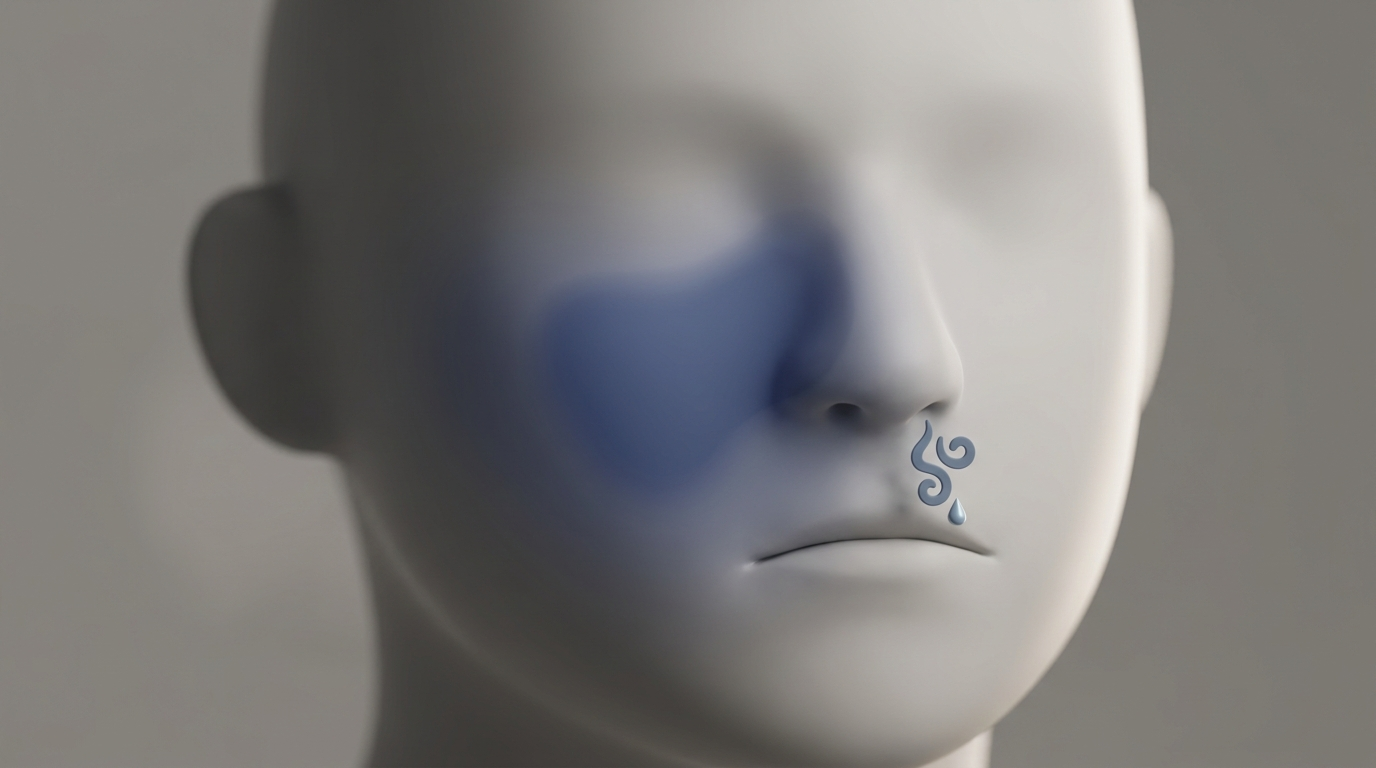
Symptoms: When a “Sinus Infection” Might Actually Be Dental
Common Sinus Symptoms: Nasal congestion or facial pressure (often in the cheeks), post-nasal drip, and thick nasal drainage. Broader checklist: https://sleepandsinuscenters.com/symptoms-of-sinus-problems
Clues Toward Odontogenic Sinusitis: One-sided congestion, pressure, or drainage; foul smell in the nose or bad taste; symptoms that recur or don’t fully resolve despite repeated antibiotics; dental discomfort may be subtle—or absent. For one-sided patterns: https://sleepandsinuscenters.com/blog/one-sided-sinus-infection-causes-symptoms-and-trea-20260705121304 [1][2]
Common story: “I keep getting sinus infections, always on one side, and they keep coming back.” Recurrence—especially with a bad smell or taste—raises suspicion for a dental source.
Dental/Gum Symptoms to Watch For: Bleeding gums; swollen or tender gums; gum recession or loose teeth; persistent bad breath. Tooth pain can be confusing since sinus pressure can refer pain to upper teeth and vice versa. More detail: https://sleepandsinuscenters.com/blog/can-sinus-problems-cause-tooth-pain [3]
Takeaway: One-sided symptoms plus a foul smell or taste are key clues to consider a dental source.
Causes: How Gum Disease Triggers Sinus Inflammation
Periodontal Bone Loss and Sinus Mucosal Thickening: Severe periodontal bone loss is associated with higher rates of maxillary sinus mucosal thickening—reported about three times more frequent compared to patients without significant bone loss. [1][2]
This doesn’t mean every person with gum disease will develop sinusitis, but it supports why dental health is part of the picture when symptoms persist. A thicker, inflamed sinus lining can behave like a narrowed drain—more likely to clog and slower to clear.
Other Dental Problems: Tooth root infection/abscess, cracked tooth, failed root canal, and certain post-dental procedure complications can mimic or cause sinus infections. [1][2]
Takeaway: Advanced periodontal disease and other dental issues can inflame or block the maxillary sinus.
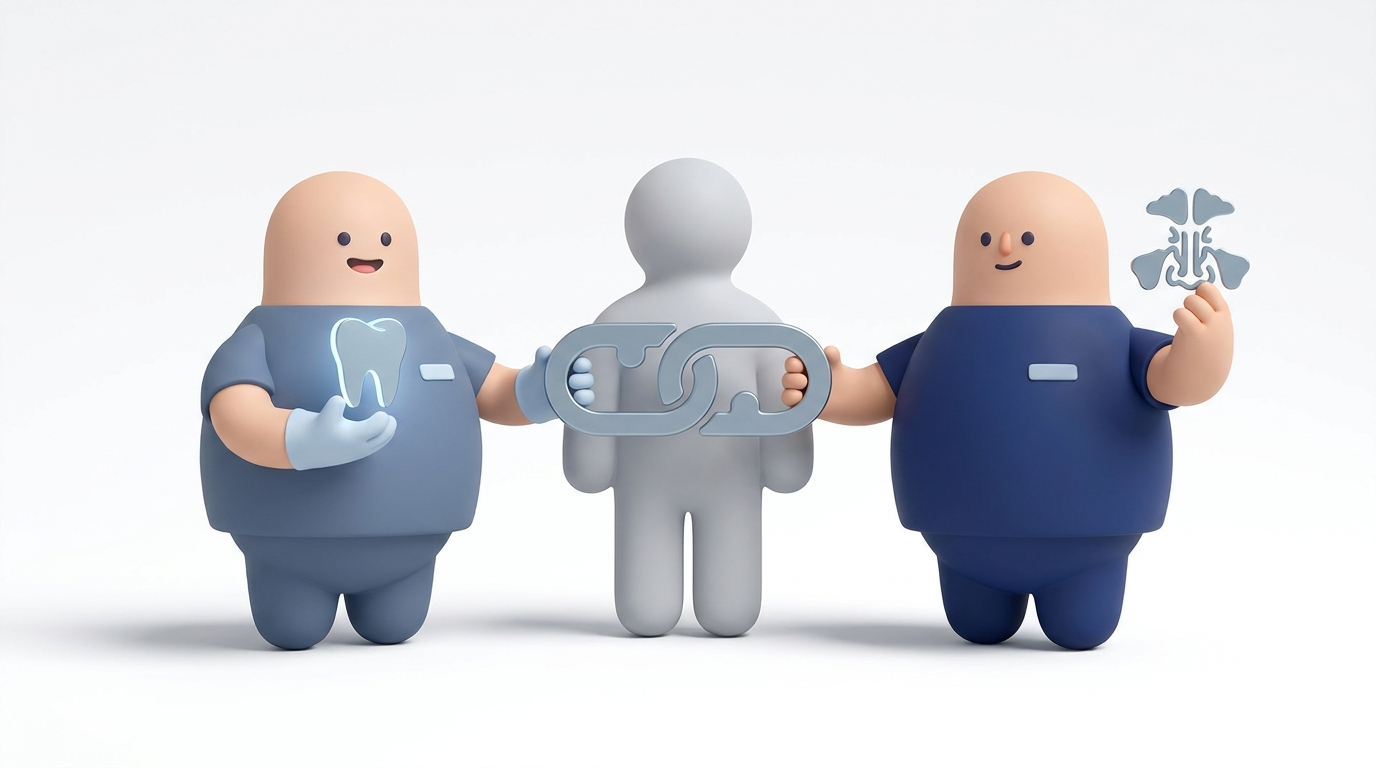
Diagnosis: How Dentists and ENTs Confirm the Source
Why Standard Sinus Treatment Sometimes Fails: If sinus inflammation is being fed by a dental source, relief may be temporary until that source is treated—one reason some cases become recurrent. [4]
What an ENT May Do: Nasal exam and possibly nasal endoscopy; look for unilateral maxillary patterns; additional testing in select situations. [4]
What a Dentist/Periodontist May Do: Measure gum pockets; carefully assess upper molars/premolars; dental X-rays; check for periodontal bone loss or root infection.
Imaging That Helps: A sinus CT can show maxillary sinus inflammation, whether disease is one-sided, and clues to a dental-source pattern. Learn more: https://sleepandsinuscenters.com/blog/sinus-ct-scan-what-it-shows-and-how-it-helps-diagnose-sinus-issues [1][2]
Takeaway: Coordinated dental and ENT evaluation—often with CT imaging—helps confirm the true source.
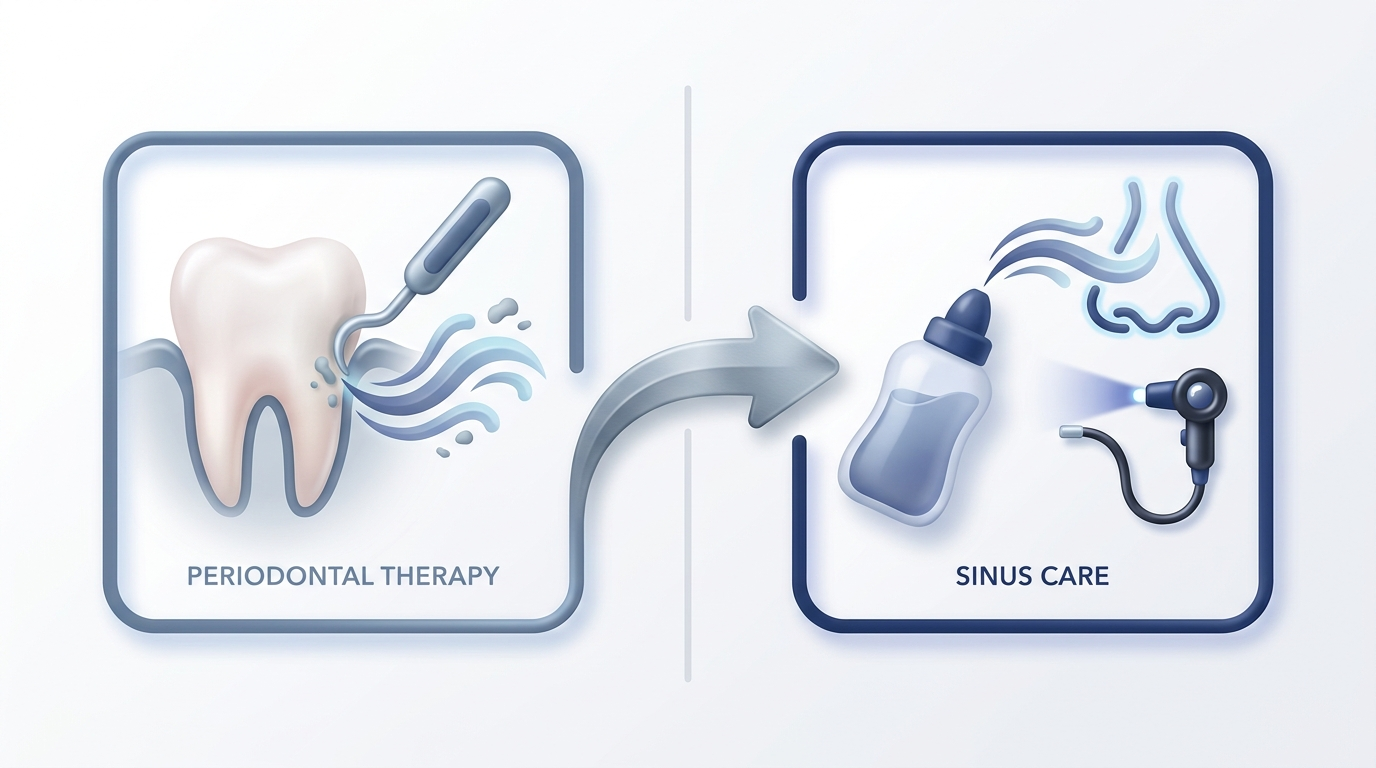
Treatment Options (Dental + ENT = Best Results)
Because odontogenic sinusitis involves two connected areas, the most effective approach is often coordinated.
Step 1 — Treat the Dental Source: Periodontal therapy (deep cleaning/scaling and root planing), treating an infected tooth (root canal or extraction), and periodontist-led care for advanced gum disease. Goal: remove or control the source so the sinus isn’t continually re-irritated. [1][2]
Step 2 — Treat the Sinus Inflammation: ENT-directed care to reduce inflammation and improve drainage, such as saline rinses and topical nasal therapies; antibiotics in selected cases—though antibiotics alone may not fully resolve symptoms if the dental source remains. [3][4]
When Is Endoscopic Sinus Surgery Needed? Considered if persistent blockage or chronic infection remains after dental treatment, especially with anatomic narrowing. Dental treatment plus sinus treatment (and sometimes surgery) may be important for full resolution. [1][2]
What Recovery/Timeline Can Look Like: Improvement can be gradual. Some notice relief after the dental source is treated; others need a combined approach. Persistent symptoms often benefit from both dental and ENT evaluation. [4]
Takeaway: Addressing both the dental source and the sinus inflammation offers the best chance for lasting relief.
Lifestyle Tips: Preventing Gum-Related Sinus Problems
Daily Habits That Protect Gums: Brush twice daily with fluoride toothpaste; clean between teeth daily (floss or interdental brushes); an electric toothbrush may help, but persistent bleeding gums should be evaluated professionally.
Don’t Ignore These Signs: Bleeding gums; bad breath that doesn’t improve; gum recession.
Keep Up with Preventive Dental Visits: Routine cleanings help prevent gingivitis from progressing to periodontitis—an important step if you’re trying to reduce the likelihood of dental infection sinusitis.
Takeaway: Consistent daily care and routine dental visits help prevent periodontal disease from becoming a sinus trigger.
When to Seek Care (Red Flags)
This is educational information, not individualized medical advice—but certain patterns commonly warrant professional evaluation.
Call a Dentist/Periodontist If You Have: Swollen gums, drainage/pus, loose teeth, or worsening gum pain; upper molar/premolar tooth discomfort with cheek/sinus pressure.
See an ENT If You Have: One-sided sinus symptoms lasting more than 10 days or that keep returning; symptoms that don’t improve after multiple rounds of treatment; facial swelling, severe headache, fever, or vision changes (urgent). [1][2][4]
Takeaway: One-sided or recurrent symptoms—especially with oral signs—deserve prompt dental and ENT evaluation.
FAQs
Can gum disease really cause a sinus infection without tooth pain? Yes. Odontogenic sinusitis can occur even when dental symptoms are subtle. A key clue is the one-sided pattern. [1][2]
Why is my sinus infection only on one side? A unilateral/maxillary pattern is often associated with dental causes—reported in up to approximately 70–75% in some studies, though estimates vary. [1][2]
Will antibiotics cure a sinus infection caused by gum disease? They may reduce symptoms temporarily, but lasting improvement often requires addressing the dental source—and sometimes sinus-directed treatment as well. [3][4]
What is the best specialist to see first—dentist or ENT? When symptoms suggest a dental source (especially one-sided symptoms or gum concerns), many people benefit from both evaluations so the underlying driver isn’t missed. [4]
Can treating periodontitis reduce sinus inflammation? Studies show an association between periodontal disease severity and maxillary sinus mucosal thickening, supporting the value of identifying and treating gum disease when sinus symptoms persist. [1][2]
Conclusion: The Takeaway on the Dental–Sinus Link
So, can gum disease cause sinus infections? Yes—advanced gum disease and other dental infections can contribute to odontogenic sinusitis, and it’s especially important to consider when symptoms are one-sided or keep coming back.
If you’re dealing with persistent sinus symptoms and also have signs of gum disease, a coordinated evaluation can help clarify whether the problem is sinus-only, dental-only, or a combination. If you’re in Georgia, Sleep and Sinus Centers of Georgia can help evaluate sinus symptoms and coordinate next steps when a dental-ENT connection is suspected.
Ready to get answers? Book an appointment: https://www.sleepandsinuscenters.com/
Citations
1. PMC (2018) Odontogenic sinusitis review: https://pmc.ncbi.nlm.nih.gov/articles/PMC5915825/
2. PMC (2023) Updated review on odontogenic sinusitis: https://pmc.ncbi.nlm.nih.gov/articles/PMC10710533/
3. Mayo Clinic (2023) Toothache and sinusitis considerations: https://www.mayoclinic.org/diseases-conditions/acute-sinusitis/expert-answers/toothache/faq-20058299
4. UT Health Science Center (2023) Sinusitis: dental infection or both?: https://news.uthscsa.edu/sinusitis-dental-infection-or-both/
This article is for educational purposes only and is not medical advice. Please consult a qualified healthcare provider for diagnosis and treatment.
Don’t let allergies slow you down. Schedule a comprehensive ENT and allergy evaluation at Sleep and Sinus Centers of Georgia. We’re here to find your triggers and guide you toward lasting relief.