Can Allergies Cause Chest Tightness or Chest Discomfort? Symptoms, Causes, and When to Seek Help
Chest discomfort can be alarming—especially when it shows up during allergy season or after exposure to dust, pets, or mold. It’s natural to wonder: can allergies cause chest pain? Sometimes they can, though allergies more commonly cause tightness, pressure, wheezing, or chest wall soreness from coughing. It’s also important to treat new or severe chest pain as a symptom that deserves careful attention.
This article is educational (not a diagnosis). It explains common allergy-related reasons for chest discomfort, how symptoms may differ from heart-related chest pain, and when it’s time to seek urgent help.
Quick Answer: Can Allergies Cause Chest Pain?
Yes—sometimes. Allergies can lead to chest tightness or discomfort most commonly through:
- Allergic asthma (airway inflammation and tightening that can feel like pressure or a “tight band” in the chest)
- Anaphylaxis (a severe, fast-moving allergic reaction that can affect breathing and circulation)
- Indirect strain from persistent coughing, often triggered by post-nasal drip or sinus congestion
Sudden, severe, or new chest pain—especially with breathing trouble—should be treated as urgent.
Summary: It’s possible for allergies to cause chest tightness or soreness, but new or severe chest pain still warrants urgent evaluation.
Why Allergies Can Feel Like Chest Pain (What’s Happening in the Body)
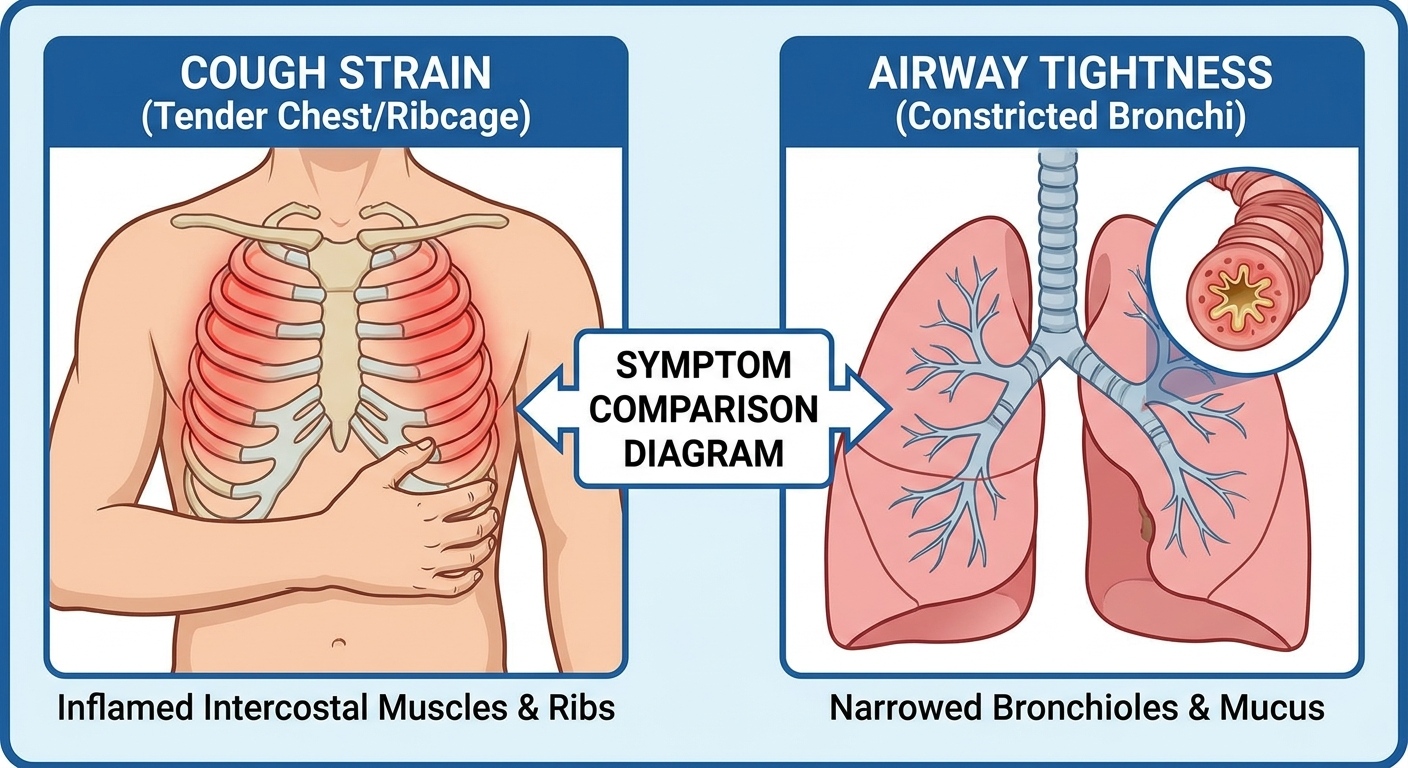
Airway tightening and inflammation (the “tight band” feeling): When allergies affect the lower airways, they can trigger inflammation, extra mucus, and bronchospasm (airway tightening). Many people describe this as a pressure sensation—like a tight strap around the chest—rather than a sharp “stabbing” pain. This is a common explanation behind allergy-related chest tightness, particularly when symptoms track with exposure.
Common sensations include:
- Tightness, pressure, or heaviness in the chest
- Trouble taking a full deep breath
- Wheezing or noisy breathing
- Cough that flares around triggers
A quick real-life example: Imagine you’re cleaning a dusty closet or visiting a home with cats. Within minutes, your nose runs, your chest starts to feel “compressed,” and you can’t get a satisfying breath. That pattern—trigger → airway irritation → tightness + cough/wheeze—often points toward an allergic asthma connection rather than a purely muscular issue.
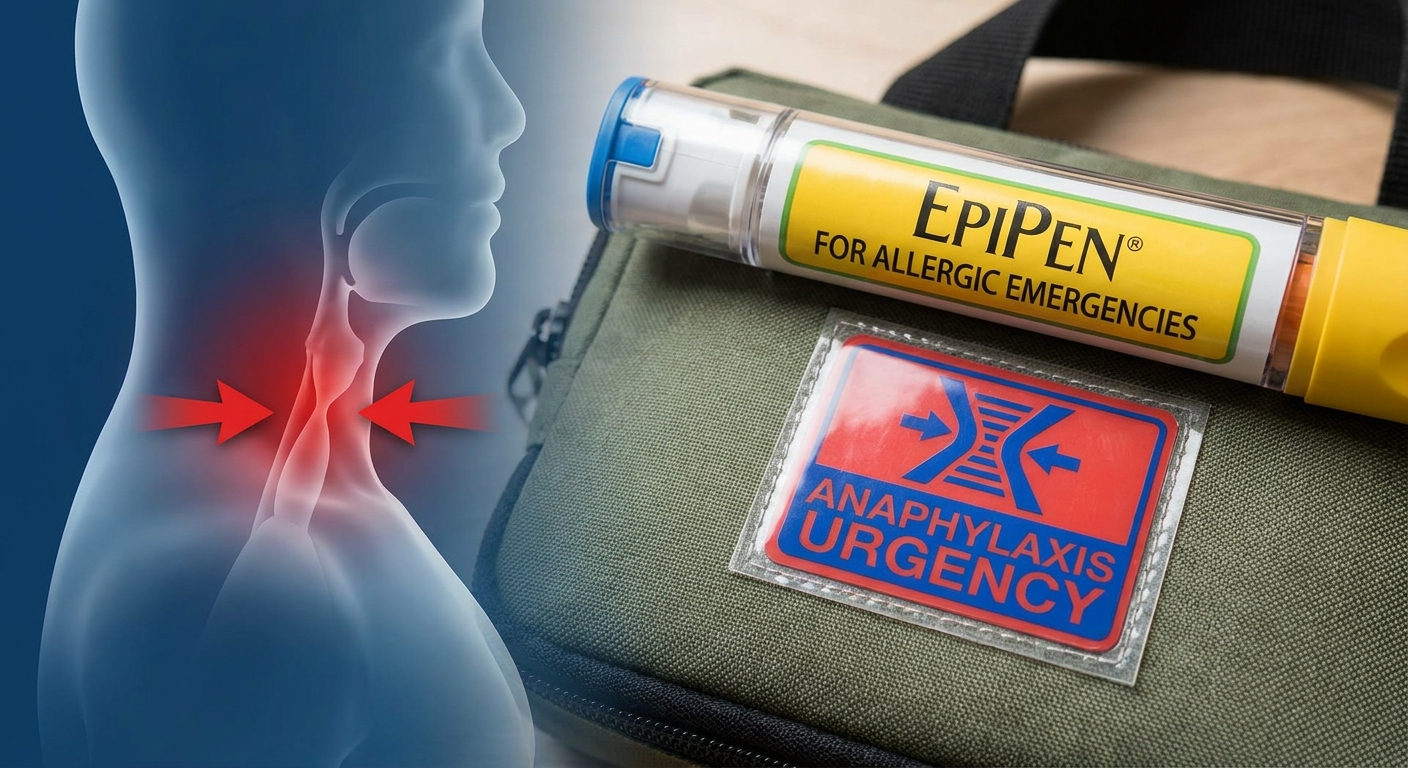
Anaphylaxis and severe systemic reactions (medical emergency): Anaphylaxis is a severe allergic reaction that can affect both breathing and circulation. Chest tightness may happen because the airways narrow and swelling/inflammation can rapidly worsen. Symptoms typically begin soon after exposure to a trigger (such as certain foods, insect stings, or medications) and can escalate quickly. Because anaphylaxis can become life-threatening, chest tightness during a significant allergic reaction is a “don’t wait and see” symptom. Source: https://www.healthline.com/health/anaphylaxis/effects-on-body
Coughing-related muscle strain (a common “indirect” cause): Allergies can irritate the upper airway. Nasal congestion and drainage can lead to frequent coughing. Over time, coughing can strain the chest wall and intercostal muscles, causing soreness that feels like chest pain. For more, see: https://sleepandsinuscenters.com/blog/can-sinus-related-allergies-cause-chest-pain
Summary: Airway spasm causes tightness/pressure, while post-nasal drip–related coughing can strain chest wall muscles and feel sore.

Symptoms: What Allergy-Related Chest Discomfort Usually Feels Like
Common symptoms that point to an allergic asthma connection:
- Occurs around triggers (pollen, dust, pets, mold, musty environments)
- Comes with wheezing, cough, or shortness of breath
- May improve when you’re away from the trigger (for example, symptoms ease after leaving a dusty space)
- Happens along with classic allergy symptoms (sneezing, congestion, itchy/watery eyes)
A helpful way to describe it to a clinician—specifics help. You might say:
- “It feels like I’m breathing through a narrow straw.”
- “My chest feels tight, and I’m coughing more when I’m around dust.”
- “It tends to improve after I leave the room or when my allergy symptoms calm down.”
Upper-airway allergy symptoms that may accompany it:
- Nasal congestion or runny nose
- Post-nasal drip (feeling mucus in the throat)
- Frequent throat clearing
- Sinus pressure or facial fullness
- Sneezing and itchy eyes
If sinus congestion seems to be driving cough and discomfort, read more: https://sleepandsinuscenters.com/blog/can-sinus-related-allergies-cause-chest-pain
Symptoms that suggest coughing strain (instead of airway spasm) may be:
- Tender to touch (pressing on the area reproduces discomfort)
- Worse with coughing, twisting, laughing, or certain movements
- More noticeable with deep breaths because the chest wall expands
- Something that shows up after days to weeks of frequent coughing
Summary: Allergy-related tightness feels like pressure with wheeze/shortness of breath; cough-related soreness is often tender and movement-related.
Causes: The Most Common Ways Allergies Lead to Chest Pain or Tightness
Allergic asthma (a frequent allergy-related cause): Allergens can irritate sensitive airways, leading to inflammation and narrowing that feel like tightness or pressure. Some people notice it seasonally; others feel it year-round if indoor triggers are the main driver.
Common triggers include:
- Pollen (seasonal flares)
- Dust mites (often year-round)
- Pet dander
- Mold
Anaphylaxis (rare but life-threatening): Anaphylaxis is much less common than allergic asthma, but it’s the most urgent. Triggers often include:
- Foods (varies by person)
- Insect stings
- Certain medications
- Latex
A key feature is fast progression, often with symptoms beyond the chest—like hives, swelling, vomiting, dizziness, or fainting. Source: https://www.healthline.com/health/anaphylaxis/effects-on-body
Post-nasal drip and chronic cough causing chest wall pain: Drainage can kick off a cough cycle—drip → throat irritation → cough → more irritation. Repeated coughing can fatigue and strain the muscles between the ribs, leading to chest wall soreness.
Irritants that worsen allergy symptoms (even if not true allergens) include:
- Smoke
- Strong fragrances
- Cleaning fumes
- Cold air or sudden temperature changes
Summary: Allergies can tighten airways (asthma), trigger emergencies (anaphylaxis), or indirectly cause chest wall soreness via cough.
Allergy Chest Symptoms vs. Heart-Related Chest Pain: How to Tell the Difference
Clues it may be allergy/asthma-related:
- Occurs after exposure to a known trigger
- Comes with wheezing, cough, or shortness of breath
- Flares seasonally or in certain environments (dusty rooms, around pets, high-pollen days)
- Improves as triggers are reduced and inflammation is better controlled
Clues it may be cardiac (get evaluated urgently):
- Crushing, squeezing, or heavy pressure
- Pain that may spread to the arm, jaw, neck, or back
- Associated sweating, nausea, fainting, or unusual fatigue
- Occurring at rest or without any clear allergen exposure
“Both can be true”: It’s possible to have allergies/asthma and a heart condition at the same time. A history of allergies should never be the only explanation for new or intense chest symptoms.
Summary: If there’s any doubt, treat chest pain as urgent—especially if it’s severe, new, or unlike your usual allergy flares.
When to Seek Help (Urgent vs. Non-Urgent)
Call 911 / go to the ER now if any of these happen:
- Sudden chest tightness with rapidly worsening breathing difficulty or wheezing
- Swelling of the lips, tongue, or throat; widespread hives; vomiting; dizziness; fainting (possible anaphylaxis)
- New, severe, or unexplained chest pain
Seek same-day urgent care/medical advice if:
- Chest tightness persists, keeps returning, or limits normal activity
- You suspect asthma but haven’t been evaluated
- Symptoms begin soon after starting a new medication or supplement
Make an ENT/allergy appointment if:
- You have ongoing nasal congestion/post-nasal drip and frequent cough
- Your symptoms follow seasonal patterns that repeat each year
- Symptoms aren’t controlled with basic, over-the-counter approaches
A clear next step for many patients is allergy testing to identify triggers and build a targeted plan: https://sleepandsinuscenters.com/allergy-testing
To get help sorting out what’s driving your symptoms, book an appointment: https://www.sleepandsinuscenters.com/
Summary: Urgent or rapidly worsening symptoms need emergency care; recurring or trigger-related symptoms deserve focused allergy/ENT evaluation.
Diagnosis: What a Clinician May Check
History and trigger patterns:
- Seasonal vs year-round symptoms
- Home exposures (pets, dust, humidity, visible mold)
- Workplace triggers
- Timing of chest symptoms relative to congestion/cough or allergen exposure
Breathing evaluation (if asthma is suspected):
- Listening to the lungs
- Breathing tests (such as spirometry) to assess airflow
- Assessing symptom changes over time and with environmental changes
ENT evaluation (if sinus/post-nasal drip is driving cough):
- Nasal inflammation and congestion patterns
- Signs of chronic rhinitis or sinus irritation
- How throat irritation and cough may be connected to nasal drainage
Allergy testing and treatment planning: Testing can help pinpoint specific triggers and clarify whether symptoms align with allergic disease. Learn more: https://sleepandsinuscenters.com/allergy-testing
Summary: A targeted history, breathing tests, ENT evaluation, and allergy testing can clarify whether allergies are contributing to chest symptoms.

Treatments: How to Relieve Allergy-Related Chest Tightness (Safely)
If allergic asthma is the driver, a clinician-directed plan may include:
- A quick-relief (“rescue”) inhaler for episodes (when prescribed)
- Daily controller medication if symptoms are frequent
- Reducing allergen exposure and improving overall allergy control
If post-nasal drip/cough strain is the driver, goals include reducing drainage and calming the cough cycle, which may involve:
- Saline rinses and nasal care routines
- Nasal sprays commonly used for allergic inflammation (as appropriate)
- Hydration and indoor humidity optimization
- Avoiding smoke and fragrance triggers that prolong coughing
If anaphylaxis is possible: Anaphylaxis is a medical emergency. People with known severe allergies often discuss an action plan with their clinician and keep emergency medication available. Source: https://www.healthline.com/health/anaphylaxis/effects-on-body
Longer-term solutions: If allergies are a recurring driver—especially when symptoms return each season or persist year-round—long-term strategies may help reduce reactivity over time. One option some patients explore is immunotherapy: https://sleepandsinuscenters.com/long-term-relief-from-allergy-pain
Summary: Treat the immediate symptoms safely and build a long-term plan—often combining medications, trigger reduction, and, for some, immunotherapy.
Lifestyle Tips to Reduce Allergy Triggers (and Chest Symptoms)
Reduce exposure at home:
- Keep windows closed on high-pollen days
- Shower and change clothes after outdoor time
- Wash bedding regularly (hot water when appropriate for the fabric)
- Consider HEPA filtration
- Keep indoor humidity in a range that discourages mold and dust mites
Reduce cough triggers:
- Avoid smoke and strong fragrances
- Use caution with harsh cleaning fumes
- Monitor local air quality
- In cold weather, use strategies that reduce cold-air airway irritation (especially during outdoor exercise)
Track patterns: A simple symptom diary can be useful. Note:
- Where you were and what you were doing
- Pollen counts or dust exposure
- New products/cleaners used
- Medications taken and what improved (or didn’t)
If patterns suggest allergens, consider allergy testing to identify specific triggers: https://sleepandsinuscenters.com/allergy-testing
Summary: Small daily steps to limit triggers, plus tracking patterns, can reduce flares and guide a more personalized treatment plan.

FAQs
Can seasonal allergies really cause chest pain? Yes—most often as chest tightness or pressure from allergic asthma, or as chest wall soreness indirectly from cough. If you’re wondering “can allergies cause chest pain” during spring or fall, these are common pathways.
Can post-nasal drip cause chest pain? Indirectly, yes. Persistent coughing from post-nasal drip can strain chest wall muscles and make the chest feel sore.
Is chest tightness during an allergic reaction an emergency? It can be—especially if it starts suddenly and comes with trouble breathing, swelling, hives, vomiting, dizziness, or fainting (possible anaphylaxis). Seek emergency care. Source: https://www.healthline.com/health/anaphylaxis/effects-on-body
How long should allergy-related chest tightness last? It varies. Some people feel better after leaving the trigger environment; others have ongoing inflammation that takes longer to settle. Recurrent or persistent symptoms are worth a medical evaluation.
Can allergy medicine cause chest symptoms? Some medications can cause side effects such as jitteriness, a racing heartbeat, palpitations, or reflux-like discomfort in some people. If symptoms start after a new medication, discuss that timing with a clinician.
Conclusion: Take Chest Symptoms Seriously—And Get the Right Evaluation
So, can allergies cause chest pain? They can contribute to chest tightness/pressure with allergic asthma or to chest wall soreness from coughing due to post-nasal drip. Because chest pain can also signal other serious conditions, it’s not something to ignore or self-diagnose. If symptoms are recurring or seasonal, consider a targeted evaluation and allergy testing: https://sleepandsinuscenters.com/allergy-testing. For prevention beyond short-term control, explore long-term relief options like immunotherapy: https://sleepandsinuscenters.com/long-term-relief-from-allergy-pain. If symptoms are severe, sudden, or include signs of anaphylaxis or possible heart-related pain, seek emergency evaluation right away. To get personalized help, book an appointment: https://www.sleepandsinuscenters.com/
This article is for educational purposes only and is not medical advice. Please consult a qualified healthcare provider for diagnosis and treatment.
Don’t let allergies slow you down. Schedule a comprehensive ENT and allergy evaluation at Sleep and Sinus Centers of Georgia. We’re here to find your triggers and guide you toward lasting relief.