Benefits of Deviated Septum Surgery (Septoplasty): Improve Breathing, Sleep, and Quality of Life
When your nose feels “blocked” more often than not—especially on one side—it can affect far more than daytime comfort. Chronic congestion can lead to mouth breathing, disrupted sleep, and recurring sinus problems. Over time, that can ripple into how you exercise, how you concentrate, and how rested you feel when you wake up.
For appropriate candidates, deviated septum surgery (septoplasty) can be a practical, long-term option aimed at improving airflow and reducing obstruction-related symptoms. Think of it like straightening a partially pinched hallway: the goal is to create a clearer path for air to move through, so your nose can do its job more efficiently.
Below is a patient-friendly guide to the benefits of deviated septum surgery (septoplasty), plus what to expect from healing, limitations to understand, and common questions people ask before scheduling a consultation.
Bottom line: For the right person, septoplasty can help restore easier nasal breathing and reduce obstruction-driven symptoms.

What Is a Deviated Septum?
The nasal septum—what it does
The nasal septum is the wall inside your nose that separates the left and right nasal passages. It’s made of cartilage and bone and helps support the structure of the nose while directing airflow through both sides. In an “ideal” setup, airflow is shared fairly evenly between the two passages (even though it’s normal for one side to feel a little more open at different times of day).
What “deviated” means (and why it can block airflow)
A septum is considered deviated when it’s shifted off-center or has irregular bends/spurs that narrow one side of the nose (sometimes both). This can reduce airflow, contribute to turbulence, and make the nose feel chronically stuffy. Many people describe it as a “one nostril always blocked” sensation—often more noticeable at night, during exercise, or when allergies or colds add extra swelling on top of an already narrow space. In short, a deviated septum is a structural issue that can make one or both nasal passages feel persistently narrow.

Symptoms That May Point to a Deviated Septum
Breathing-related symptoms
- Chronic nasal congestion (often worse on one side)
- Trouble breathing through the nose—especially at night
- Mouth breathing and dry mouth upon waking
Sinus and infection-related symptoms
- Recurrent sinus infections or frequent “sinus” flare-ups
- Postnasal drip, facial pressure, and a sense of blockage
Sleep-related symptoms
- Snoring
- Poor sleep quality related to nasal obstruction
Important note: Not all nasal congestion is caused by a deviated septum. Allergies, chronic rhinitis, turbinate enlargement, and nasal valve issues can overlap and may need their own treatment approach. A helpful way to think about it: a deviated septum is a structural contributor, while allergies or rhinitis are often inflammatory contributors. Many patients have a combination, which is why an exam matters. If symptoms are persistent and one-sided, a structured evaluation can clarify whether structure, inflammation, or both are driving the problem.
Common Causes of a Deviated Septum
Natural anatomy (present from birth)
Some people are born with a septum that’s off-center, or it shifts during growth and development. In these cases, symptoms may slowly become more noticeable as nasal tissues change with age or as lifestyle factors (like seasonal allergies) add swelling.
Injury or trauma (sports, accidents, prior nasal injury)
A hit to the nose—whether from sports, an accident, or a past injury—can change septum position and contribute to long-term obstruction. Some people don’t connect the dots until years later, when they realize they’ve always favored breathing through one side. Whether from anatomy or injury, a deviated septum is common—and treatable when symptoms affect quality of life.

Treatments for a Deviated Septum (Surgical and Non-Surgical)
Non-surgical symptom relief (when appropriate)
Non-surgical options may help reduce symptoms, especially when inflammation is a major contributor:
- Saline rinses or sprays to help clear mucus and irritants
- Allergy management when allergies contribute to swelling or congestion
- Nasal steroid sprays to reduce inflammation (these don’t move the septum but may improve nasal lining swelling)
A common scenario: someone has a mild-to-moderate deviation plus allergies. In that case, medical therapy may reduce swelling enough that breathing feels good enough, even though the septum remains deviated.
When surgery becomes the best option
Surgery is more likely to be considered when there’s:
- Persistent nasal obstruction despite medical therapy
- Frequent infections or ongoing quality-of-life impact (sleep disruption, mouth breathing, reduced activity tolerance)
For a helpful overview of options and candidacy, visit our deviated septum page: https://sleepandsinuscenters.com/deviated-septum-relief
Medical therapy can help inflammation, but anatomy-driven blockage may require a surgical approach to open the airway.
What Is Septoplasty (Deviated Septum Surgery)?
What septoplasty is designed to do
Septoplasty is a procedure performed inside the nose to reposition or straighten the septum to improve airflow and reduce blockage. The goal is function—better nasal breathing—rather than changing the outside appearance of the nose.
Septoplasty vs. other nasal procedures
- Septoplasty vs turbinate reduction: Turbinates are structures along the sidewalls of the nose that can enlarge and contribute to obstruction. Septoplasty and turbinate reduction are often performed together when both issues are present. Learn more about turbinate reduction here: https://sleepandsinuscenters.com/blog/everything-you-need-to-know-about-turbinate-reduction
- Septoplasty vs rhinoplasty: Rhinoplasty is typically focused on nasal appearance (and sometimes function). Septoplasty is primarily functional and internal.
What to expect during the process (high-level)
- Evaluation: symptom history and a nasal exam; sometimes nasal endoscopy or imaging
- Procedure setting: commonly outpatient
- Follow-ups: visits to monitor healing and address crusting and swelling
Clinicians often look for patterns—such as whether blockage is worse when you lie down or whether you cycle between sides—because those details help clarify whether structure, inflammation, or both are driving symptoms. Septoplasty aims to re-center the septum so each side has a more usable airway, without changing external nasal appearance.

Key Benefits of Deviated Septum Surgery (What Research and Patients Commonly Report)
The benefits of deviated septum surgery (septoplasty) tend to center on airflow, congestion relief, and downstream effects on sleep and sinus function. Here are the most common benefits discussed in clinical resources and outcomes research.
Benefit #1 — Improved nasal airflow and easier breathing
One of the biggest reasons people pursue deviated septum surgery for breathing is to restore airflow through the blocked side (or both sides). Many people notice breathing feels easier relatively early, though swelling can make the first couple of weeks feel congested. A common experience: you may find yourself naturally closing your mouth more during the day because nasal breathing feels possible again.
Benefit #2 — Reduced chronic nasal congestion
If a deviated septum is a major contributor to daily stuffiness, septoplasty can reduce that long-standing obstruction. Clinically, it often means fewer moments where you feel like you have to rely on mouth breathing—on walks, during conversations, or while trying to fall asleep.
Benefit #3 — May help reduce sinus infection frequency in some people
A deviated septum can narrow passageways and impair drainage for some people, which may worsen congestion cycles and recurrent infection patterns. By improving nasal airflow and anatomy, septoplasty may help reduce sinus infection frequency in select patients when obstruction contributes to poor drainage. This is not a direct treatment for all causes of sinus infections, and results vary.
Benefit #4 — Better sleep comfort when nasal blockage is the driver
When nasal obstruction is present, some people mouth-breathe at night and wake up feeling dry, unrested, or congested. Reducing nasal resistance can support more comfortable sleep—especially for people whose sleep disruption is closely tied to blockage. Nasal surgery is not a universal fix for every sleep-breathing disorder, but improved airflow can remove one barrier to better rest.
Benefit #5 — Snoring: may improve when nasal obstruction is a major factor
Septoplasty may help snoring when nasal obstruction is a major factor, but it is not a reliable cure for snoring overall. Snoring can also be driven by throat anatomy, sleep position, alcohol use, weight changes, or sleep apnea—so results vary. For more on nasal blockage and snoring, visit: https://sleepandsinuscenters.com/blog/can-a-deviated-septum-cause-snoring
How long do benefits last? (Long-term outcomes)
Many patients experience meaningful, lasting improvement in nasal obstruction symptoms. In one study, about 63% of patients reported improvement in nasal obstruction symptoms; results vary by anatomy, other nasal conditions (like turbinate enlargement or allergies), how improvement was measured, and follow-up duration. Overall, septoplasty can provide sustained airflow improvement for many people, but outcomes depend on individual anatomy and coexisting conditions.

Septoplasty Healing Timeline—When You’ll Feel the Difference
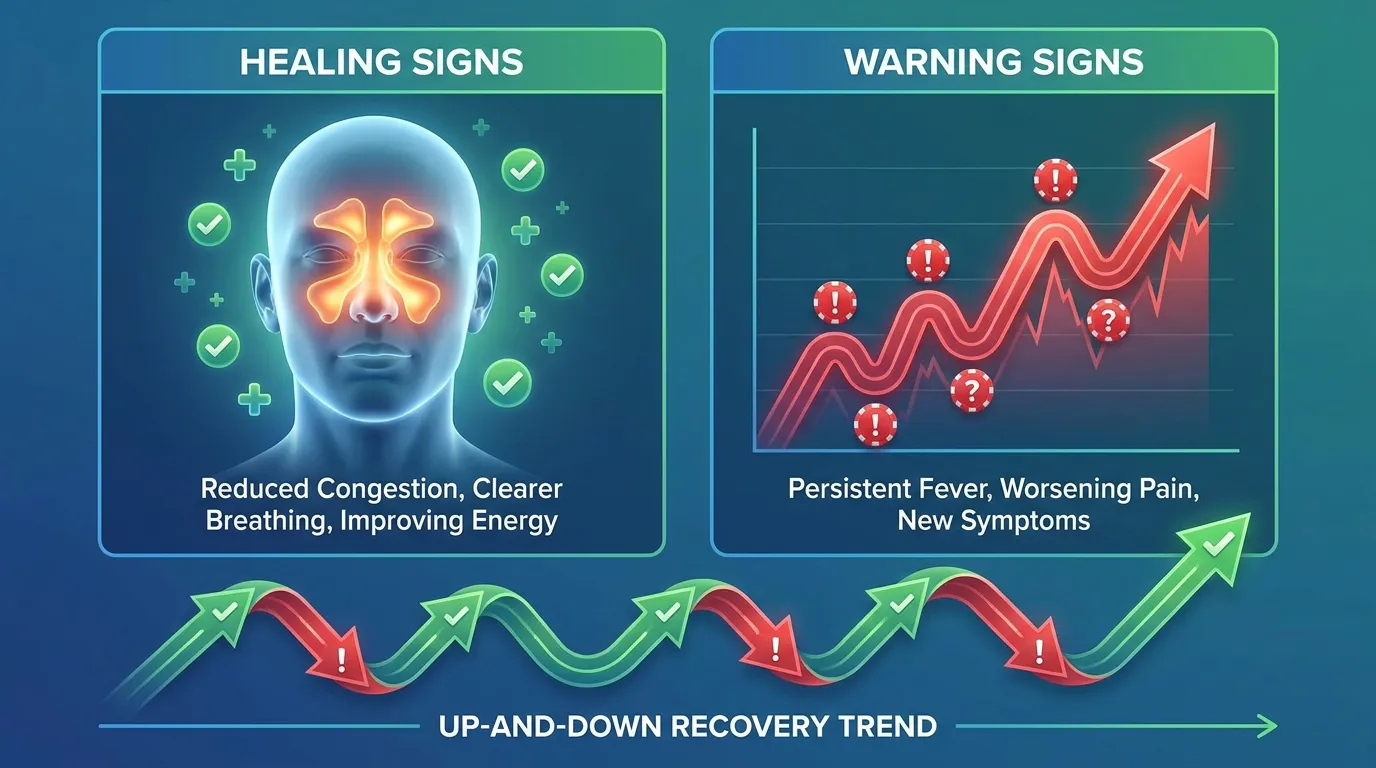
Healing is a process, and it’s normal for results to unfold gradually. Many people feel more open and more congested in waves early on—often depending on swelling, dryness, and crusting.
Short-term recovery (first 1–2 weeks)
- Congestion and swelling are common
- Mild bleeding, dryness, and crusting may occur
- Activity restrictions and follow-up care are typical during this phase
Medium-term recovery (weeks 3–8)
- Breathing often improves progressively as swelling decreases
- Many people notice that airflow days become more consistent during this window
Full healing (3–6 months)
Internal tissues and cartilage can take 3 to 6 months to fully heal and mature, even if you feel better sooner.
For a week-by-week view, see our recovery guide: https://sleepandsinuscenters.com/blog/septoplasty-recovery-week-by-week-complete-timeline-20260123051106
Expect steady, stepwise progress—most people notice meaningful improvement over the first 1–2 months as swelling settles.
Who Is a Good Candidate for Deviated Septum Surgery?
Signs you may benefit most
Septoplasty is often considered when symptoms are persistent and clearly tied to nasal obstruction, such as:
- Daily blockage affecting activities or sleep
- Mouth breathing due to nasal obstruction
- Recurrent sinus issues that may relate to drainage problems
A helpful discussion prompt for your visit: If you could reliably breathe through your nose, what would improve—sleep, exercise comfort, fewer congestion flares? Your answers can guide next steps.
Who may need additional evaluation (or combined treatment)
Some people benefit most from a broader plan that addresses multiple contributors:
- Suspected sleep apnea (nasal airflow improvement helps some people, but apnea needs appropriate evaluation)
- Significant allergies or chronic rhinitis
- Nasal valve collapse or turbinate enlargement (may require additional procedures)
An individualized plan that addresses both structure and inflammation typically yields the best results.
Risks, Side Effects, and Limitations (Balanced, Patient-Friendly)
Common temporary side effects
- Congestion during healing
- Mild bleeding
- Dryness and crusting
Less common risks (high-level overview)
All procedures have potential risks. Less common concerns can include infection, ongoing symptoms, or the need for revision in some cases. This is one reason it’s important to review septoplasty risks and your personal health factors with an ENT specialist.
Limitations to understand before surgery
- Not a guaranteed snoring cure
- Doesn’t automatically treat sleep apnea
- Results depend on anatomy and other conditions (allergies, turbinates, nasal valve)
Discussing risks, benefits, and alternatives with an ENT helps set realistic expectations for your unique situation.
Lifestyle Tips to Support Breathing and Sleep (Before and After Septoplasty)
Reduce nighttime nasal irritation
- Keep bedroom humidity balanced
- Avoid smoke and strong irritants
- Use saline rinses if they’re part of your care plan
Snoring and sleep support habits
- Side sleeping may reduce positional snoring for some people
- Limit alcohol near bedtime (it can worsen snoring)
- If there are signs of sleep apnea (witnessed pauses, gasping, significant daytime sleepiness), consider a sleep evaluation
Sinus-friendly daily habits
- Stay hydrated
- Practice gentle nasal hygiene
- Keep allergies controlled when relevant
These habits won’t straighten a septum, but they can reduce lining swelling and help you get the most from your nasal anatomy and recovery.
FAQs About Deviated Septum Surgery (Septoplasty)
Will septoplasty fix snoring?
Sometimes—especially when nasal blockage is a main contributor. But snoring has many causes, so outcomes vary.
Will septoplasty cure sleep apnea?
It can improve nasal airflow, but sleep apnea often involves throat-level airway collapse and needs its own evaluation and treatment plan.
How successful is septoplasty for breathing improvement?
Many people experience meaningful improvement; in one study, about 63% of patients reported improvement in nasal obstruction symptoms. Results vary by anatomy, coexisting nasal conditions, and follow-up duration.
How long does it take to heal fully?
Full healing can take 3–6 months, though many people feel improvement earlier.
Can sinus infections decrease after septoplasty?
They can for some people—especially when improved airflow and reduced blockage support better drainage. Not all sinus infections are driven by septal deviation.
What if I still feel blocked after surgery?
Early swelling is common. If blockage persists later on, an evaluation can look for contributors like allergies, turbinate enlargement, scar tissue, or nasal valve collapse. Your care team can help troubleshoot persistent symptoms and fine-tune your treatment plan.
When to See an ENT Specialist
Red flags to seek care sooner
- Frequent sinus infections or severe obstruction
- Nosebleeds that won’t stop
- Facial swelling, fever, or worsening sinus symptoms
What to bring to your visit
- A symptom timeline (how long, which side, nighttime vs daytime)
- Treatments tried (sprays, rinses, allergy meds)
- Sleep concerns (snoring, mouth breathing, frequent waking)
If you can, note what worsens symptoms (lying down, exercise, seasonal changes) and what helps (saline, antihistamines). Those clues can make your consultation more efficient. Timely evaluation can confirm the cause of obstruction and outline whether septoplasty alone—or a combined approach—fits your goals.
Conclusion — Is Deviated Septum Surgery Worth It?
For the right person, the benefits of deviated septum surgery (septoplasty) often come down to everyday quality-of-life improvements: easier nasal breathing, less chronic congestion, fewer drainage-related flare-ups, and better sleep potential. At the same time, it’s important to understand the limitations—especially around snoring and sleep apnea—so expectations match what septoplasty is designed to treat.
If nasal obstruction is affecting your breathing, sleep, or sinus health, a focused evaluation can help confirm the cause and determine whether septoplasty alone or a combined approach is most appropriate. Ready to talk with a specialist? Book an appointment with Sleep and Sinus Centers of Georgia: https://www.sleepandsinuscenters.com/
For many patients with anatomy-driven blockage, septoplasty is a proven pathway to easier breathing and better day-to-day comfort.
Sources
NCBI Bookshelf – Septoplasty overview: http://ncbi.nlm.nih.gov/books/NBK567718
PubMed – outcomes/improvement data: http://pubmed.ncbi.nlm.nih.gov/37991145
American Society of Plastic Surgeons – Septoplasty results: https://plasticsurgery.org/reconstructive-procedures/septoplasty/results
UT Southwestern – Septoplasty overview and recovery: https://utswmed.org/conditions-treatments/septoplasty/
University of Utah Health – Septoplasty, snoring, and sleep: https://healthcare.utah.edu/the-scope/health-library/all/2025/11/will-septoplasty-fix-snoring-and-improve-sleep
PMC article – Septoplasty outcomes and QOL context: https://pmc.ncbi.nlm.nih.gov/articles/PMC6616214/
This article is for educational purposes only and is not medical advice. Please consult a qualified healthcare provider for diagnosis and treatment.
Don’t let allergies slow you down. Schedule a comprehensive ENT and allergy evaluation at Sleep and Sinus Centers of Georgia. We’re here to find your triggers and guide you toward lasting relief.