Balloon Sinuplasty Cost: Prices, Insurance Coverage, and What to Expect
If you’re dealing with chronic sinus symptoms, cost is often one of the first practical questions—right alongside “Will it work for me?” and “How long is recovery?” Below is a patient-friendly breakdown of typical pricing, what drives the final bill, and how to plan for insurance and logistics. For a general overview of the procedure itself, visit: https://sleepandsinuscenters.com/balloon-sinuplasty
One quick reminder before we dive in: online cost ranges are best used as a starting point. Your real cost depends on where the procedure is performed, what exactly is treated, and how your insurance processes the claim.
Quick answer: How much does balloon sinuplasty cost?
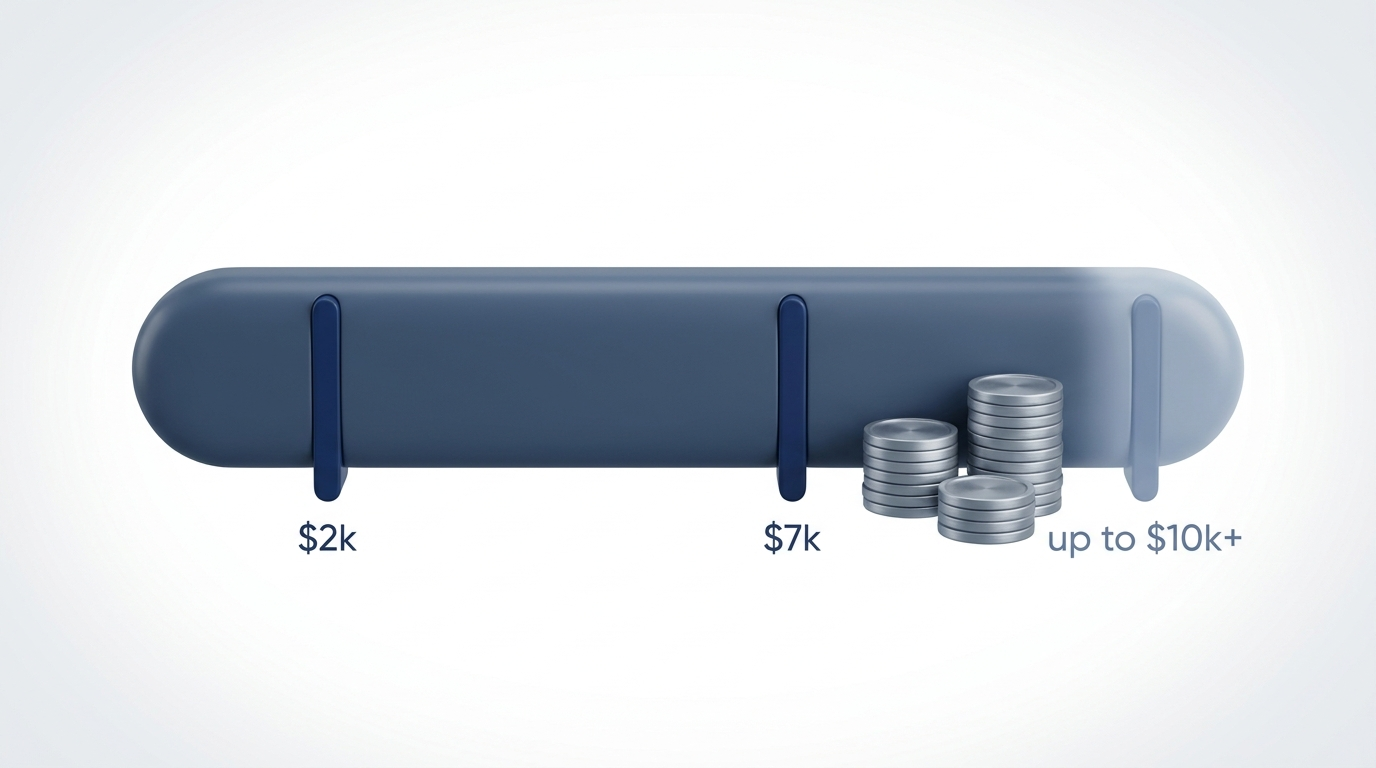
Most patient-facing sources cite about $2,000–$7,000 in the U.S., with some quotes in certain Texas markets reported around $5,000–$10,000. (Sources: [1], [2], [3], [4])
Why online numbers don’t always match what you pay
- Insurance benefits (deductible, coinsurance, copays, out-of-pocket maximum) can change your portion dramatically.
- Where it’s performed (in-office vs. operating room) affects facility and anesthesia charges.
- How many sinuses are treated and whether additional procedures are done at the same time changes complexity and total cost.
Note: The “procedure” may be billed as a bundle or as separate components (professional, facility, anesthesia, imaging), depending on the setting.
Note: Actual out-of-pocket cost depends on your benefits, the care setting, and the scope of treatment.
What balloon sinuplasty treats (and when cost questions usually come up)
Balloon sinuplasty (balloon sinus dilation) may be considered when drainage pathways are narrowed or blocked and symptoms persist despite appropriate medical management. Cost questions often arise after several treatments have been tried and patients are exploring longer-term relief.
Common symptoms that lead patients to consider balloon sinuplasty
- Facial pressure or pain
- Nasal congestion/obstruction
- Thick drainage or post-nasal drip
- Reduced smell or taste
- Recurring sinus infections or chronic symptoms that don’t fully resolve
Many patients describe a cycle: brief improvement, then congestion/pressure returns—especially during allergy seasons or after colds.
Common causes behind chronic sinus symptoms
- Ongoing inflammation consistent with chronic sinusitis: https://sleepandsinuscenters.com/chronic-sinusitis
- Allergies and persistent swelling
- Structural narrowing (for example, deviated septum or turbinate enlargement)
- Nasal polyps (which may shift the treatment plan and overall price)
Because symptoms can overlap (allergies, infections, structural blockage), the “right” treatment—and the cost—often depends on exam and imaging.
When balloon sinuplasty is considered vs. other treatments
- When medical therapy hasn’t provided enough improvement (saline rinses, nasal steroid sprays, allergy management, antibiotics when appropriate)
- When imaging and/or nasal exam suggests a blockage pattern that dilation may help
Note: Suitability for balloon dilation is individualized and based on symptoms, exam findings, and imaging.
Average cost range (and why it varies so much)
Typical range clusters around $2,000–$7,000, with some markets reporting $5,000–$10,000. (Sources: [1], [2], [3], [4])
Why quotes differ:
- Setting (office vs. OR)
- What’s included (bundled vs. separate billing)
- Insurance/network status
Regional/provider differences can reflect local facility/staffing costs, hospital-based vs. clinic billing models, and contracted rates. Even within one city, one quote may include facility/anesthesia while another lists only the professional fee.
Note: Published ranges are a starting point; your final bill depends on location, billing model, and what’s included.

The biggest drivers of balloon sinuplasty pricing
Surgeon/professional fee: Varies with number of sinuses treated, anatomy/complexity, and any additional work planned.
Facility fees (in-office vs. operating room): In-office may avoid large hospital/ASC charges; OR typically carries higher overhead.
Anesthesia and sedation costs: In-office may use local (with or without mild sedation); OR more commonly involves deeper sedation or general anesthesia.
Imaging and diagnostic workup: CT imaging, nasal endoscopy, and related visits may be bundled or billed separately. (Sources: [3], [4])
Additional procedures at the same time: Septoplasty, turbinate reduction, polyp treatment, or other sinus interventions can change total pricing. Ask which parts are optional vs. necessary.
Note: Scope of treatment and setting are usually the biggest determinants of total cost.

Balloon sinuplasty cost with insurance: what patients often pay
Out-of-pocket costs can range from a few hundred dollars to a couple thousand dollars depending on deductible status, coinsurance, copays, and in-network status. (Sources: [1], [3], [4])
Key factors: deductible remaining, coinsurance percentage, copays, and out-of-pocket maximum. Example: If your plan has a $2,000 deductible and you’ve met $1,500, you may owe $500 first; then coinsurance applies until you hit your out-of-pocket maximum.
More details: https://sleepandsinuscenters.com/blog/is-balloon-sinuplasty-covered-by-insurance

Coverage checklist to review before scheduling
- Is the surgeon in-network?
- Is the facility/office also in-network? (This can be separate.)
- Is prior authorization required?
- What documentation is needed to show medical necessity?
- Do you need a referral?
Tip: Ask your insurer, “Are both the provider and the place of service in-network for my plan?”
Codes and paperwork (patient-friendly explanation)
- Ask what procedure is planned (and which sinuses)
- Ask the diagnosis (for example, chronic sinusitis)
- Ask the location of service (office vs. OR)
Tip: If available, request a pre-treatment estimate from your insurer using the details above.
HSA/FSA and payment options
- HSAs/FSAs often apply to qualifying out-of-pocket expenses.
- Some clinics offer payment plans for patient responsibility amounts.
If using HSA/FSA, ask whether the estimate includes imaging and follow-ups so you can plan contributions or transfers accurately.
Note: With insurance, what you pay depends on plan rules and where you are in the plan year.
Paying without insurance (or if you’re out of network)
Self-pay: Request a written, itemized quote that clarifies whether it includes professional fee, facility/office charges, anesthesia/sedation, imaging (CT/endoscopy), and follow-ups. Ask about medications, supplies (like rinses), and extra visits.
Questions to avoid surprise bills:
- Is anesthesia billed by a separate group?
- If a CT is needed, is it done here or at an imaging center?
- If additional work becomes necessary, how is that handled and billed?
Note: A clear, itemized self-pay quote helps prevent surprises later.

In-office vs. operating room balloon sinuplasty: cost + experience differences
Why in-office can cost less: Often reduces facility fees and anesthesia-related costs. (Sources: [3], [4])
Why choose an OR: Patient comfort/anxiety and sedation needs, medical complexity, and combined procedures planned at the same time. More: https://sleepandsinuscenters.com/blog/in-office-vs-hospital-sinus-surgery-pros-cons-cost-20260319181323
What “done in-office” usually means: Outpatient visit with same-day discharge; local anesthesia with possible mild sedation (practice-dependent); a streamlined experience vs. an OR check-in process.
Note: The best setting balances comfort, safety, scope of treatment, and total cost.
What to expect (so you can plan time off and logistics)
Before: Symptom history and review of prior treatments; exam and possibly nasal endoscopy; sometimes a CT scan. Insurance authorization can add lead time; start verification early.
During: A small balloon gently expands targeted sinus openings to improve drainage; minimally invasive and typically outpatient. (Source: [1])
After: Expect congestion/pressure, mild bleeding, and follow-ups with nasal rinses as instructed. Recovery guide: https://sleepandsinuscenters.com/blog/balloon-sinuplasty-recovery-timeline-day-by-day-he-20260120224024
If symptoms feel severe or worsen (heavy bleeding, fever, escalating pain), contact your clinician or seek urgent/emergency care.
Note: Expect a short outpatient procedure with several days of congestion and rinses, plus follow-ups.
Alternatives and related treatments (and how costs may compare)
Medical management: Saline rinses, nasal steroid sprays, allergy management and trigger avoidance.
ESS vs. balloon: Balloon may suit select blockage patterns; ESS may be needed for more complex disease (e.g., significant polyps). More complex disease can mean more OR time, higher associated fees, and a different recovery profile.
Address contributing blockage: Septal deviation, turbinate enlargement, or allergy triggers may need attention to optimize long-term results and costs.
Note: The optimal plan may combine medical therapy, balloon dilation, and/or ESS based on anatomy and disease severity.
Lifestyle tips to protect your results (and possibly reduce future costs)
Daily habits: Consistent saline rinses (as directed), humidity management, hydration.
Manage triggers: Allergies (medications/testing/avoidance), smoke/irritants, reflux (when relevant).
Prevent add-ons: Keep follow-ups and use medications as prescribed to reduce setbacks and avoidable complications.
Note: Good daily habits and follow-up care help protect your investment—and your results.
FAQs about balloon sinuplasty cost and insurance
Q: How much does balloon sinuplasty cost on average?
A: About $2,000–$7,000, varying by region, setting, and what’s included. (Sources: [1], [2])
Q: How much will I pay out of pocket with insurance?
A: From a few hundred dollars to a couple thousand dollars, depending on deductible, coinsurance, and in-network status. (Sources: [3], [4])
Q: Is balloon sinuplasty covered by insurance?
A: Some plans may cover it when medically necessary, subject to plan rules and prior authorization. (Sources: [1], [3], [4])
Q: Why did one clinic quote $2,000 and another $8,000+?
A: Differences often reflect location of service (office vs. OR), anesthesia approach, imaging/workup, regional pricing, and whether other procedures are included. (Sources: [2], [3])
Q: Is in-office cheaper than the OR?
A: Often yes, mainly due to facility and anesthesia differences—case and plan dependent. (Sources: [3], [4])
Q: What should I ask to get an accurate estimate?
A: Confirm in-network status (doctor and facility), prior authorization, what’s bundled vs. billed separately, and request an itemized estimate in writing.
Conclusion: How to estimate your balloon sinuplasty cost (next steps)
The typical reported cost is about $2,000–$7,000, sometimes higher in certain markets. Your personal cost may be much lower when insurance applies—so estimate based on your benefits and the exact care setting.
A simple 3-step approach:
1) Confirm diagnosis and candidacy with an evaluation.
2) Request an itemized estimate and confirm whether it’s in-office or in an OR.
3) Verify benefits and authorization with your insurer using the procedure details.
If you’d like help planning and verifying coverage, Sleep and Sinus Centers of Georgia can guide you—book here: https://sleepandsinuscenters.com/appointments
Note: The most accurate estimate pairs your clinical plan with your specific insurance benefits.
Sources
1. https://www.healthline.com/health/balloon-sinuplasty
2. https://kaplansinusrelief.com/blog/how-much-does-balloon-sinus-dilation-cost
3. https://entandallergy.com/blog/2023/july/balloon-sinuplasty-cost-and-insurance-coverage-i
4. https://americansinus.com/sinuplasty-costs-and-insurance
Educational disclaimer
This article is for educational purposes only and is not medical advice. Please consult a qualified healthcare provider for diagnosis and treatment.
Don’t let allergies slow you down. Schedule a comprehensive ENT and allergy evaluation at Sleep and Sinus Centers of Georgia. We’re here to find your triggers and guide you toward lasting relief.