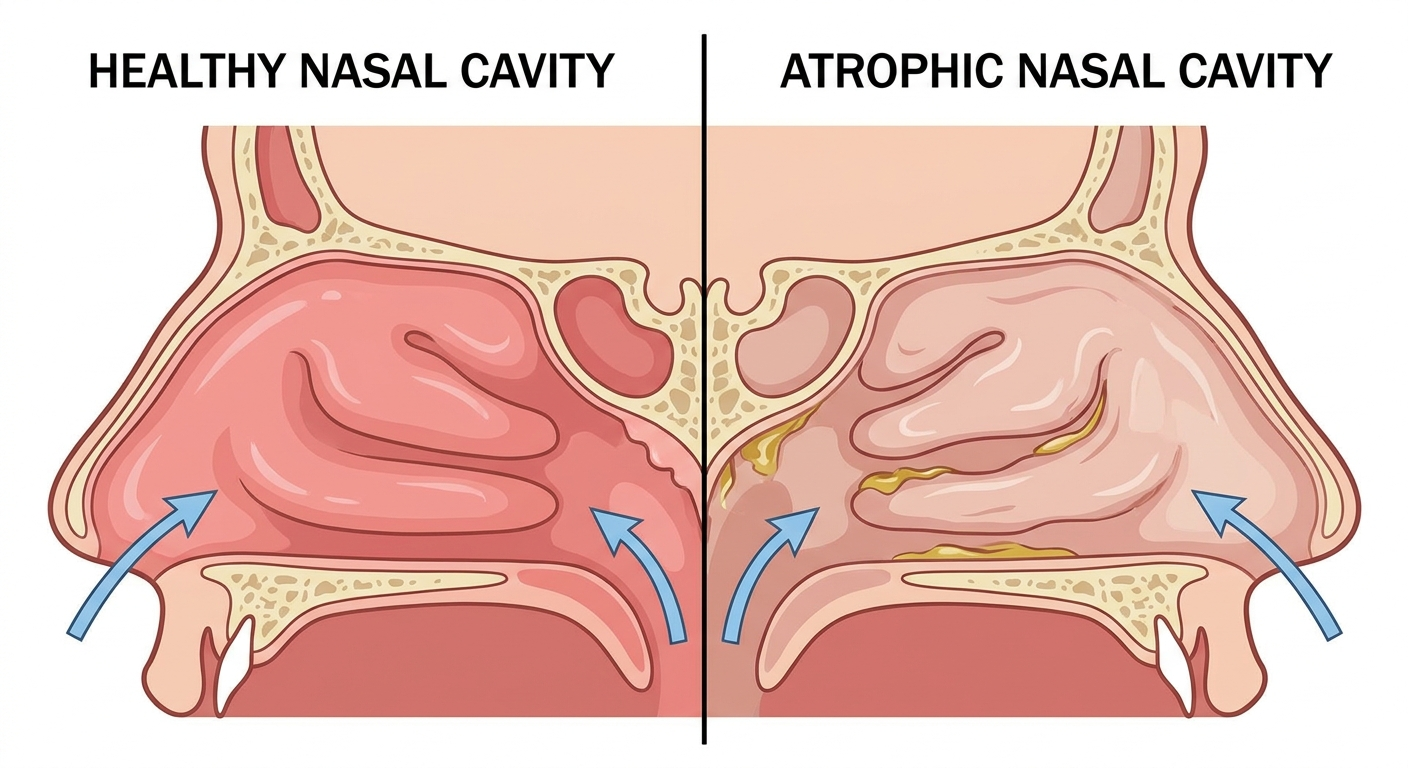
Atrophic Rhinitis: Symptoms, Causes, and Treatment for Nasal Lining Atrophy
Living with chronic nasal dryness, crusting, or a persistent odor can be frustrating—and confusing, especially when your nose may feel “blocked” even if it seems wide open. One condition that can cause this pattern is atrophic rhinitis, a rare, long-term problem involving nasal lining atrophy (thinning and shrinking of the tissue inside the nose). In some cases, the supporting turbinate tissue/bone can shrink as well.
If you’ve ever thought, “My nose feels stuffed, but there’s nothing to blow out,” you’re not alone. Many patients describe the sensation as breathing through a space that feels too open and too dry at the same time—like air passing through a room with no humidifier running.
Below is a patient-friendly guide to symptoms, causes, diagnosis, and treatment approaches—plus practical tips and when to consider an ENT evaluation.

Quick overview (TL;DR)
- What it is: Atrophic rhinitis is a chronic condition where the nasal lining (and sometimes turbinate bone) shrinks, leading to unusually roomy nasal passages, dryness, chronic nasal crusting, and sometimes a foul smell in the nose. The foul-smelling subtype is often called ozena and typically involves marked crusting and odor.
- Primary vs. secondary: Secondary atrophic rhinitis is often linked to prior nasal or sinus surgery—especially procedures involving turbinate reduction.
- First-line care: Most people start with moisturizing care + saline irrigation + safe crust control, and infection is treated if present. Procedures are reserved for selected severe cases.
Sources: Cochrane Review (2022); Cleveland Clinic (2026).
In short: start with moisture and gentle crust care, tailor next steps with your clinician, and consider procedures only in carefully selected cases.
What is atrophic rhinitis?
Definition (in plain language): “Atrophy” means tissue becomes thinner, smaller, or less robust over time. In atrophic rhinitis, the tissue lining the inside of the nose becomes thin and dry, and the nasal cavity may become unusually wide. This can lead to:
- Dryness
- Thick crusts (sometimes greenish)
- Bleeding from fragile tissue
- A foul odor (ozena) in some cases
A helpful analogy: healthy nasal lining is like a well-watered lawn—it stays resilient and supports normal airflow and moisture. With atrophy, it can behave more like a dry riverbed, where thick debris (crusts) builds up and the surface irritates easily.
Sources: Cleveland Clinic (2026); Sumaily et al. (2023).
Why it feels blocked even when the nose is “wide”:
- Crusts physically disrupt airflow.
- Dry tissue doesn’t humidify air well, which can make breathing feel uncomfortable.
- Changes in airflow patterns and nasal sensation can create a paradoxical “stuffy” feeling.
In some post-surgical patients, symptoms may overlap with Empty Nose Syndrome (ENS), a condition linked to altered airflow sensation after turbinate surgery. For a deeper explanation, see Sleep & Sinus Centers of Georgia’s guide: Empty Nose Syndrome: Essential Basics and Key Symptoms Explained: https://sleepandsinuscenters.com/blog/empty-nose-syndrome-essential-basics-and-key-symptoms-explained
Source: Sumaily et al. (2023).
Key idea: when the nose can’t humidify and condition air well, breathing can feel “blocked” even if the airway looks open.
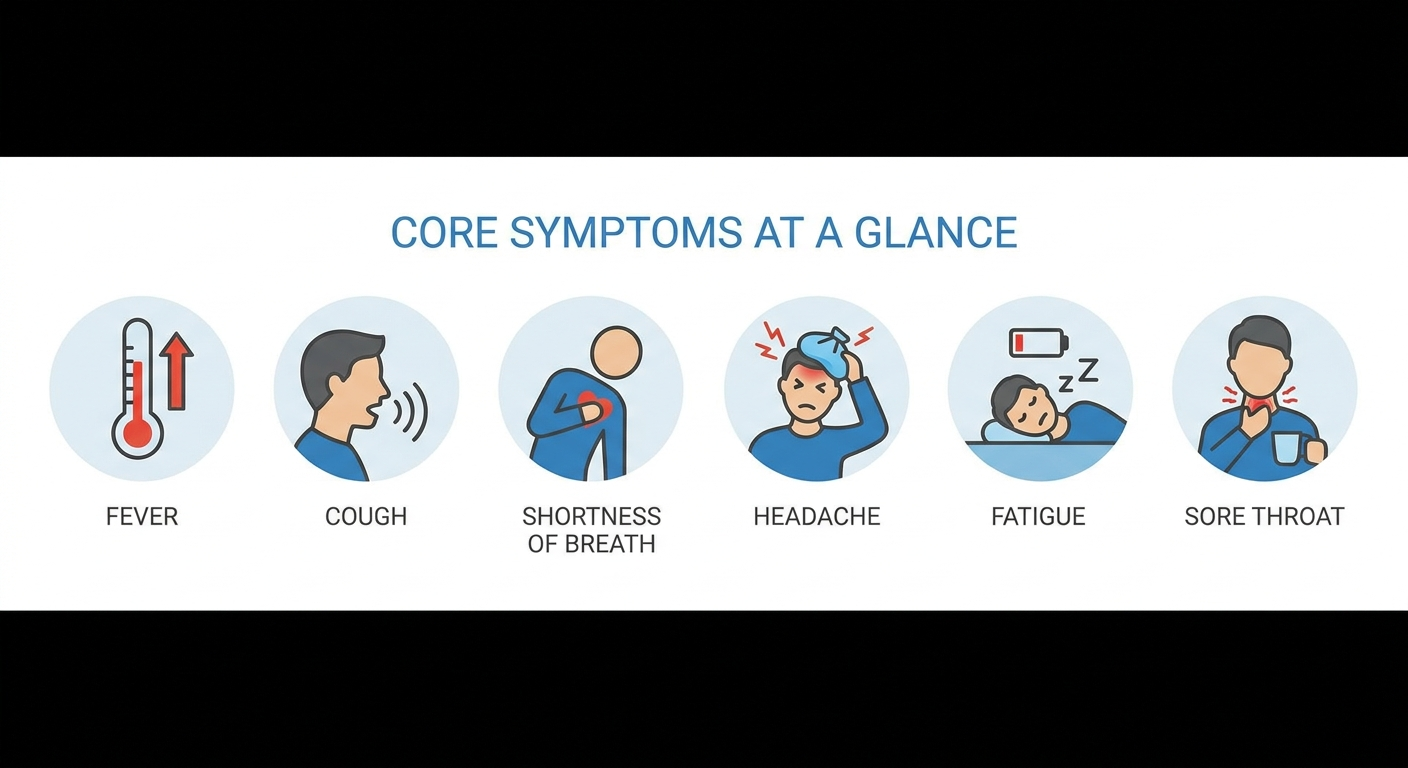
Symptoms of atrophic rhinitis (what patients notice)
Common symptoms:
- Dry nose
- Thick crusting (chronic nasal crusting)
- Foul smell (sometimes noticed more by others than by the patient)
- Greenish crusts/discharge
- Nosebleeds
- Reduced or distorted sense of smell (hyposmia/parosmia)
- A feeling of congestion/obstruction despite open passages
Sources: Cleveland Clinic (2026); Bist et al. (2012).
Signs of secondary infection:
- Increasing crusting and worsening odor
- New or worsening facial discomfort/pressure
- Fever (less common)
These may prompt evaluation; only a clinician can determine if infection is present. Do not start antibiotics unless prescribed.
Possible (rare) complications to know: Severe cases can be associated with recurrent infections and progressive local tissue issues. Serious local complications have been described, but they’re considered uncommon.
Sources: Cleveland Clinic (2026); Sumaily et al. (2023).
If symptoms change noticeably or escalate, it’s worth getting evaluated rather than guessing at home.

Causes and risk factors
Primary atrophic rhinitis (no single proven cause): Primary disease means there isn’t one clear trigger, and it’s generally considered multifactorial. Proposed contributors include:
- Chronic or persistent bacterial colonization/infection
- Immune or autoimmune factors
- Hereditary factors
- Nutritional factors (including iron-deficiency anemia as a possible contributor)
- Environmental irritants (dust, smoke, chemical exposures)
In plain terms: primary atrophic rhinitis is often a “multiple-small-factors” situation, where irritation, dryness, and changes in the nasal lining can reinforce each other over time.
Sources: Bist et al. (2012); Sumaily et al. (2023); Cleveland Clinic (2026).
Secondary atrophic rhinitis (more clearly linked triggers): Secondary atrophic rhinitis is associated with an identifiable cause. A key risk factor is:
- History of nasal or sinus surgery, particularly procedures involving turbinate tissue (for example, turbinate reduction)
Other potential contributors an ENT may consider during a workup include trauma, radiation exposure, and chronic inflammatory or infectious conditions.
Sources: Cleveland Clinic (2026); Sumaily et al. (2023).
If you want background on the surgery itself, Sleep & Sinus Centers of Georgia has an overview of turbinate reduction and a discussion of turbinate reduction complications that can contribute to persistent dryness or crusting in some people:
- Turbinate reduction overview: https://sleepandsinuscenters.com/blog/everything-you-need-to-know-about-turbinate-reduction
- Turbinate reduction side effects/risks: https://sleepandsinuscenters.com/blog/turbinate-reduction-side-effects-symptoms-risks-an-20260126050812
Bottom line: causes can be multifactorial; surgery is a known risk for secondary cases but is not the cause in every patient.
Atrophic rhinitis vs. Empty Nose Syndrome (ENS)
These conditions can sound similar—especially in people with prior nasal surgery—but they’re not identical.
- Similarities: dryness, airflow discomfort, and a possible post-surgical association.
- Differences (in general terms): atrophic rhinitis classically involves visible atrophy, crusting, and sometimes odor, while ENS often centers on a paradoxical sense of obstruction and airflow discomfort after turbinate surgery.
If you’ve had turbinate surgery and you’re unsure which pattern fits, an ENT exam can be clarifying—because management may overlap, but the clinical findings and priorities can differ.
If your history includes turbinate surgery and symptoms are persistent, an ENT can help sort out overlap and tailor care.
How atrophic rhinitis is diagnosed
Clinical exam (often the main diagnosis): Diagnosis is commonly made through:
- Symptom history (dryness, crusting, odor, bleeding)
- Nasal exam findings (dry, wide nasal cavity; crusts; changes to turbinate tissue)
Many cases are recognized clinically. ENTs see this pattern and aim to identify contributors and make day-to-day symptoms more manageable.
Source: Cleveland Clinic (2026).
Tests your ENT may use (to confirm contributors or rule out mimics): Depending on symptoms and history, an ENT might consider:
- Nasal endoscopy to visualize crusting and tissue changes more closely
- CT scan if sinus disease or structural concerns are suspected
- Culture to guide antimicrobials if infection is suspected
- Blood tests (for example, anemia/iron studies when relevant)
- Biopsy (rarely) if other conditions need to be ruled out
Think of these as supporting tools. They don’t always diagnose atrophic rhinitis by themselves, but they can help explain why it’s happening and what else might be contributing.
Sources: Cleveland Clinic (2026); Bist et al. (2012); Sumaily et al. (2023).
Conditions that can mimic or overlap: Some issues can look similar or coexist, such as chronic rhinitis (allergic/nonallergic), chronic sinusitis, septal perforation, or certain inflammatory conditions. This is one reason persistent symptoms may warrant an ENT evaluation—especially if you’ve tried standard dryness care and the problem keeps coming back.
Diagnosis is usually clinical; extra tests help confirm contributors and rule out look-alike conditions.
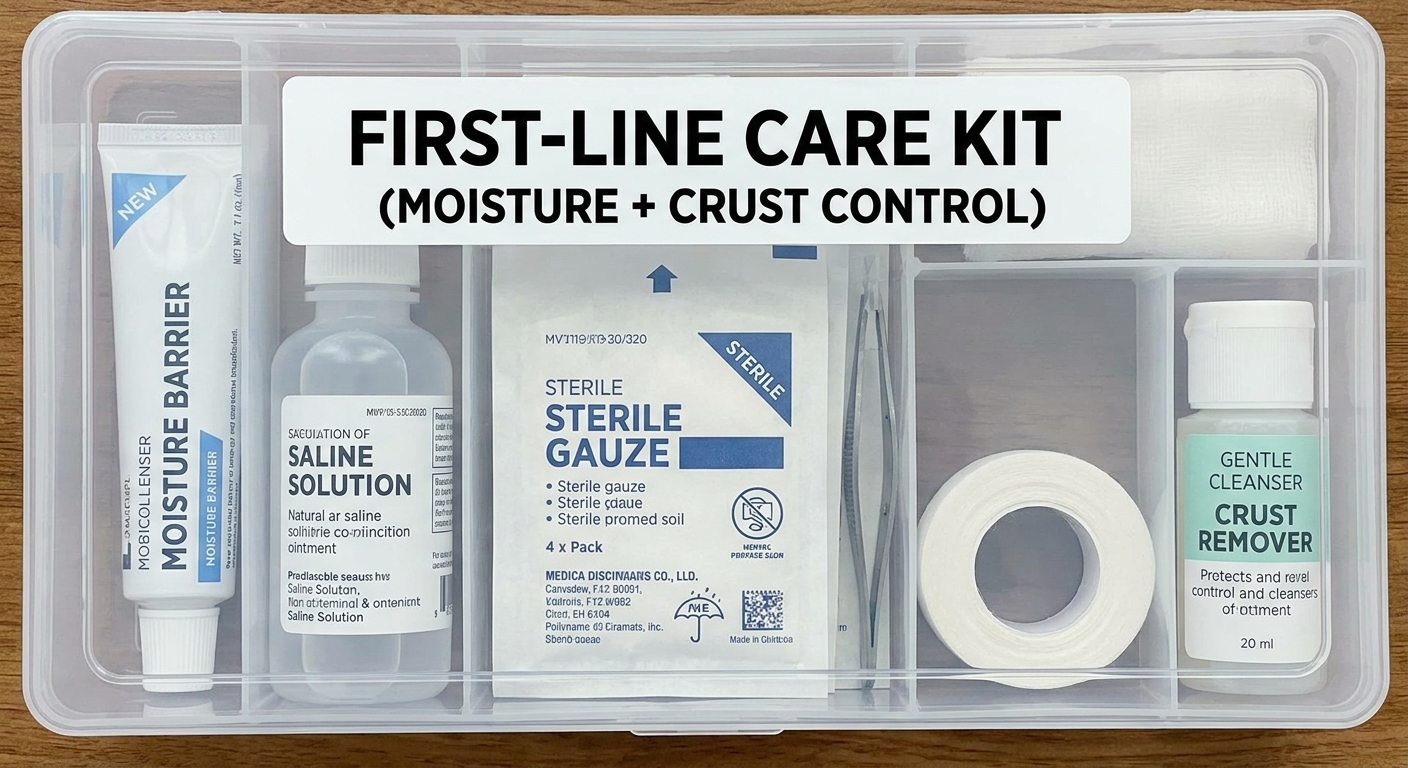
Treatment options (stepwise, patient-friendly)
Most people begin with conservative treatment for atrophic rhinitis, focused on moisture, crust control, and addressing triggers. Research comparing long-term outcomes across treatments is limited, and many plans are individualized.
Sources: Cochrane Review (2022); Cleveland Clinic (2026).
1) Daily moisture + crust control (core treatment): Common foundational measures include:
- Saline irrigation to loosen crusts and improve moisture
- Humidification, especially at night or during dry seasons
- Moisturizing drops/ointments (use only as directed by your clinician)
- Gentle crust removal after softening (avoid aggressive picking, which can increase bleeding)
A practical tip: many people do better when they treat crusts like a “soak and lift” job rather than a “scrape” job—soften first, then gently remove what comes away easily.
For a practical overview of approaches used at home and in clinic settings, see: Treating Nasal Crusting at Home and in the Clinic: https://sleepandsinuscenters.com/blog/treating-nasal-crusting-at-home-and-in-the-clinic
How often should you rinse? It varies by symptoms and season, but consistency matters. Sleep & Sinus Centers of Georgia covers factors that influence frequency here: Nasal Rinses: How Often Should You Use Them?: https://sleepandsinuscenters.com/blog/nasal-rinses-how-often-should-you-use-them
Sources: Cleveland Clinic (2026); Cochrane Review (2022).
Moisturizer safety note: Some people consider petroleum-based products for dryness, but safety depends on product choice and use patterns. For an evidence-informed discussion, see Is petroleum jelly safe to use in your nose?: https://sleepandsinuscenters.com/blog/is-petroleum-jelly-safe-for-nose-use-benefits-and-risks-explained
2) Treat infection when present: If symptoms or exam suggest infection (or if a culture supports it), treatment may include targeted antimicrobial therapy. Odor and greenish crusting can sometimes relate to bacterial colonization in the nasal cavity, but odor alone doesn’t always prove infection—evaluation helps guide next steps. Do not start antibiotics unless prescribed.
Sources: Cleveland Clinic (2026); Cochrane Review (2022).
3) Address contributing conditions (secondary prevention): Depending on the situation, supportive care may include:
- Evaluating and correcting nutritional deficiencies when relevant (including iron deficiency)
- Reducing irritant exposure (smoke, harsh chemical fumes, heavy dust)
In real life, this can look like small, repeatable changes—like avoiding the one cleaning spray that reliably triggers burning and dryness, or taking dryness seriously during seasonal heat/indoor heating.
4) Procedures/surgery (for select severe cases): In carefully selected severe cases—especially when the nasal cavity is extremely roomy—procedures may be considered by a specialist to help narrow the nasal space and improve humidification and reduce crusting. High-quality comparative research is limited; a Cochrane review found no randomized-trial proof that one approach is clearly superior long term. These are specialist decisions made after a thorough assessment.
Source: Cochrane Review (2022).
What to expect long term: Atrophic rhinitis is often managed as a chronic condition. Many people see meaningful improvement with a consistent routine and follow-up care, especially when infection and contributing factors are addressed.
Think “maintenance care”: steady moisture and gentle crust control over time usually beats short bursts of aggressive treatment.
At-home care & lifestyle tips (practical checklist)
A simple daily routine patients can follow (example). This is a general example, not a personal treatment plan. Ask your clinician what frequency and products are appropriate for you.
- Morning: saline rinse → moisturize (as directed/appropriate)
- Midday: saline spray or hydration support as needed
- Evening: saline rinse → run a humidifier overnight (if helpful)
If you’re trying to find a sustainable cadence, this guide can help you think through frequency: Nasal Rinses: How Often Should You Use Them?: https://sleepandsinuscenters.com/blog/nasal-rinses-how-often-should-you-use-them
Humidifier do’s and don’ts:
- Keep indoor humidity in a comfortable range (not overly humid)
- Clean it regularly to reduce mold/bacteria buildup
A step-by-step cleaning schedule is here: How to clean a humidifier safely: https://sleepandsinuscenters.com/blog/humidifier-cleaning-schedule-ultimate-guide-for-better-air-quality
Nasal irrigation safety:
- Use distilled/sterile water, or water that has been previously boiled and cooled
- Keep rinse bottles/neti pots clean and allow them to dry fully between uses
Things that can worsen dryness/crusting:
- Smoke/vaping
- Strong fragrances or cleaning fumes
- Very dry air
- Dehydration
Use a light, consistent routine and avoid triggers; your care team can help you fine-tune the details.
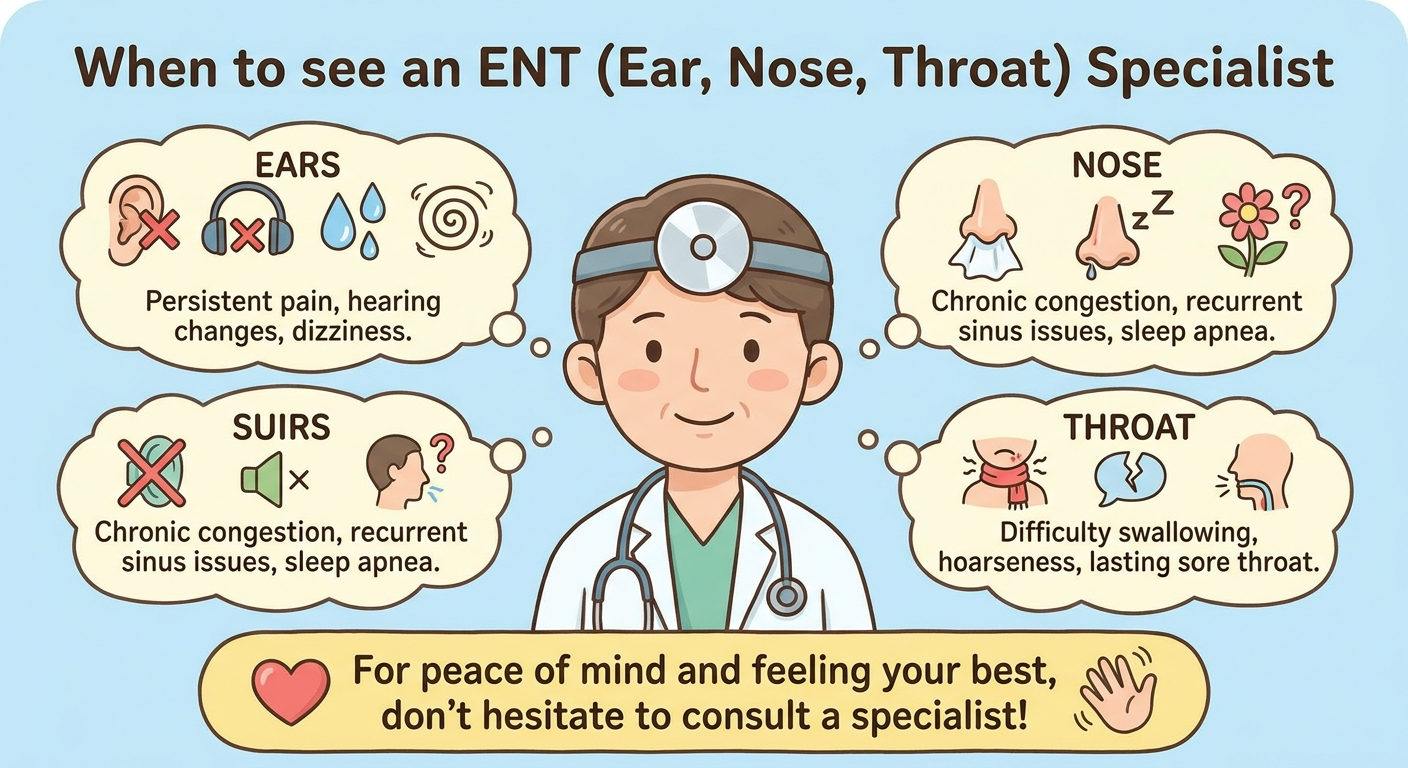
When to see an ENT (and when it’s urgent)
Schedule an ENT visit if you have:
- Ongoing odor or chronic nasal crusting despite routine saline care
- Frequent nosebleeds
- Worsening obstruction sensation or reduced smell
- A history of turbinate surgery with persistent dryness/crusting (possible secondary atrophic rhinitis)
CTA: If you’d like an expert evaluation and a step-by-step plan, you can book an appointment with Sleep & Sinus Centers of Georgia here: https://www.sleepandsinuscenters.com/
Seek urgent care for:
- Heavy or recurrent nosebleeds that won’t stop
- Facial swelling, severe pain, high fever
- Vision changes
Early evaluation can prevent complications and get you on a sustainable care plan sooner.
FAQs about atrophic rhinitis
Is atrophic rhinitis contagious? Generally, no. However, infections can occur in the setting of crusting and dryness, and a clinician can evaluate whether infection is contributing.
Can atrophic rhinitis be cured? It’s often better thought of as manageable rather than curable. Many people improve with consistent conservative care and targeted treatment when needed; outlook varies by person and cause. Sources: Cleveland Clinic (2026); Cochrane Review (2022).
Why does my nose smell bad but I can’t always notice it? A reduced sense of smell can make it harder to detect your own odor, even if others notice it first. Source: Cleveland Clinic (2026).
Is this the same as chronic rhinitis or sinusitis? Not exactly. Chronic rhinitis and sinusitis can cause congestion and discharge, but atrophic rhinitis is more defined by nasal lining atrophy, dryness, and crusting—though overlap can happen.
Is surgery always the cause? No. Primary atrophic rhinitis exists without surgery. That said, prior nasal/sinus surgery is a major risk factor for secondary atrophic rhinitis in some patients. Sources: Cleveland Clinic (2026); Sumaily et al. (2023).
Most questions come back to two themes: keep the nose moist and work with a clinician to personalize your plan.
References
Cochrane. Interventions for Atrophic Rhinitis (2022). https://www.cochrane.org/evidence/CD008280_interventions-atrophic-rhinitis
Cleveland Clinic. Atrophic Rhinitis: Definition, Causes & Treatment (2026). https://my.clevelandclinic.org/health/diseases/22886-atrophic-rhinitis
Bist et al. Primary Atrophic Rhinitis: A Clinical Profile, Microbiological and Radiological Study (2012). https://pmc.ncbi.nlm.nih.gov/articles/PMC3671697/
Sumaily et al. An Updated Review on Atrophic Rhinitis and Empty Nose Syndrome (2023). https://pmc.ncbi.nlm.nih.gov/articles/PMC11569886/
(PDF) An Updated Review on Atrophic Rhinitis (accessed 2025). https://www.sioechcf.it/wp-content/uploads/2025/05/An-Updated-Review-on-Atrophic-Rhinitis.pdf
This article is for educational purposes only and is not medical advice. Please consult a qualified healthcare provider for diagnosis and treatment.
If you have persistent or worsening nasal symptoms—especially heavy bleeding, severe facial pain or swelling, high fever, or vision changes—seek prompt medical care.
Don’t let allergies slow you down. Schedule a comprehensive ENT and allergy evaluation at Sleep and Sinus Centers of Georgia. We’re here to find your triggers and guide you toward lasting relief.