Upper Airway Resistance Syndrome (UARS): Symptoms, Causes, and Treatment Options
If you feel exhausted during the day but your sleep study was described as “normal,” you’re not alone. One possible explanation is Upper Airway Resistance Syndrome (UARS)—a sleep-related breathing pattern where airflow becomes restricted enough to repeatedly disrupt sleep, even when oxygen levels don’t drop much and the apnea count (AHI) stays low. Research and clinical reviews commonly place UARS on the obstructive sleep apnea spectrum, although whether it should be considered a separate diagnosis is still debated. [1][2]
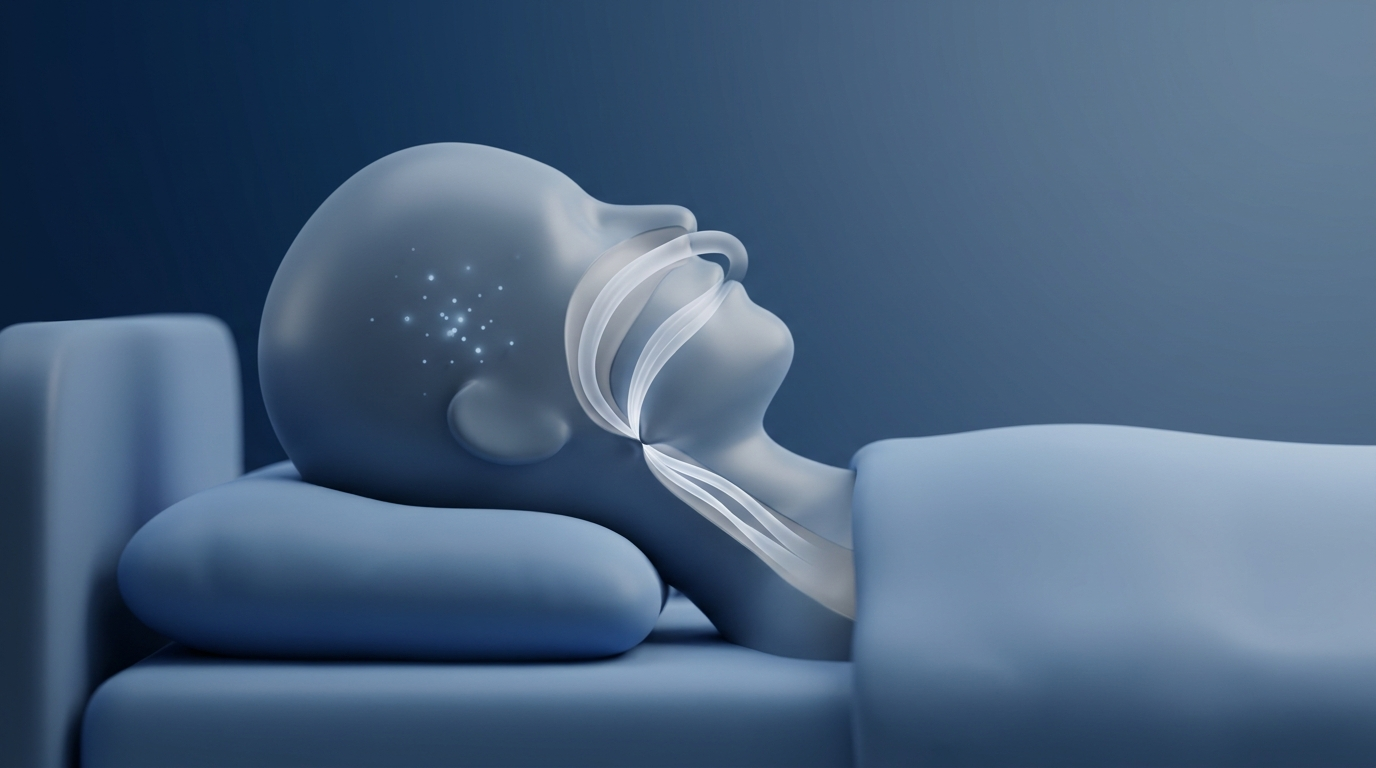
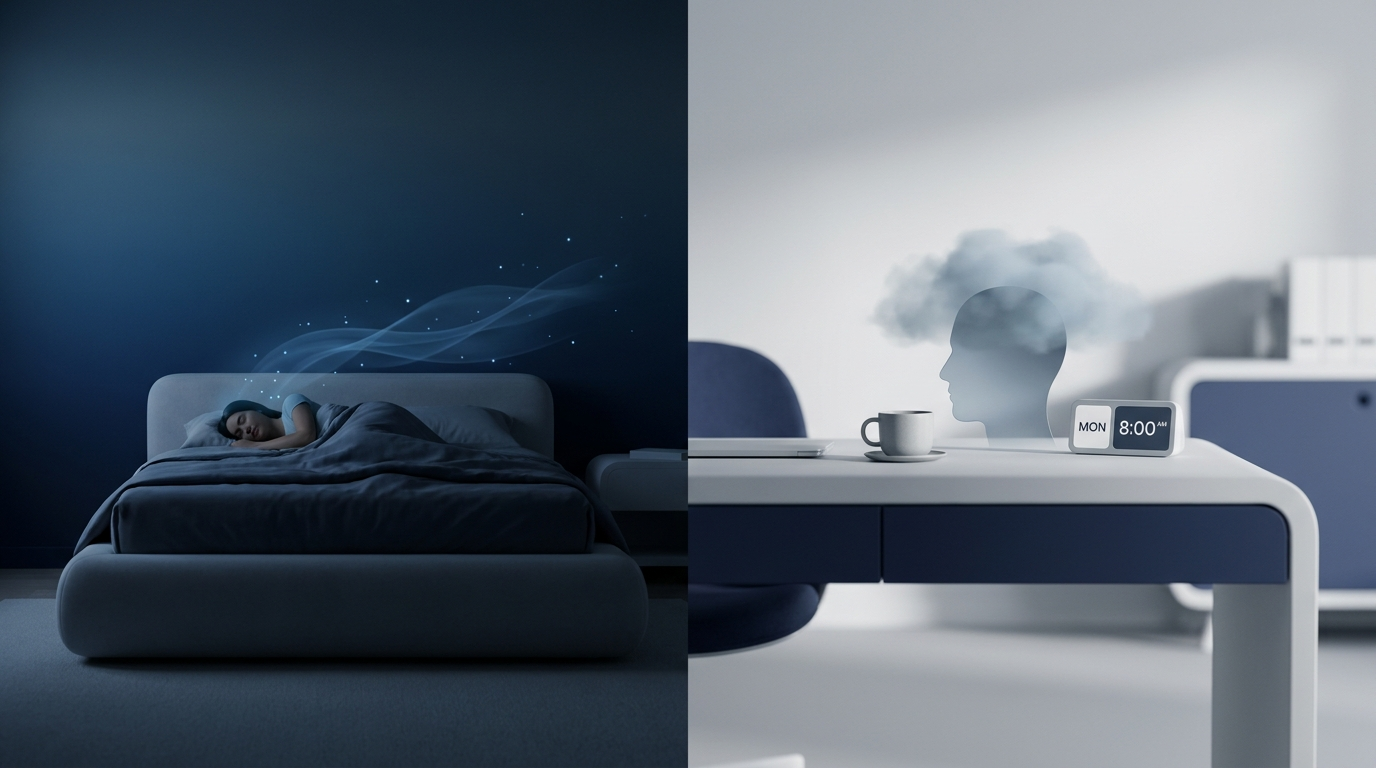
A helpful way to think about UARS is this: your breathing may not fully “stop,” but it becomes harder than it should be—and your brain keeps nudging you awake (often briefly) to protect airflow. Those repeated nudges can add up to a night of fragmented sleep and a day of brain fog.
What is Upper Airway Resistance Syndrome (UARS)?
In plain language, Upper Airway Resistance Syndrome (UARS) happens when the upper airway (nose, soft palate, tongue region, and throat) becomes narrowed or more collapsible during sleep. You may still be breathing, but you have to work harder to pull air in. That extra effort can trigger brief “micro-arousals” that fragment sleep—often without large oxygen desaturations or a high AHI. [1]
An analogy many patients find useful: imagine trying to breathe through a straw that isn’t fully pinched off—but is narrow enough that you have to “pull” harder. You can still move air, yet the effort rises. During sleep, that increased effort can trigger tiny awakenings that you may not remember, but your body feels the consequences the next day.
This is one reason many people describe the frustrating experience of: “I’m tired all the time, but my sleep test was normal.” If the test report focuses mostly on apneas and hypopneas (AHI) and doesn’t fully capture subtle breathing-related arousals, UARS can be missed. [1][2]
UARS in one sentence (quick takeaway)
UARS causes frequent micro-arousals from increased breathing effort—even if oxygen levels stay fairly normal.
Key terms you’ll see in testing (simple definitions)
RERA (Respiratory-Effort Related Arousal): a brief awakening caused by increased breathing effort (often subtle, but sleep-disrupting). [1]
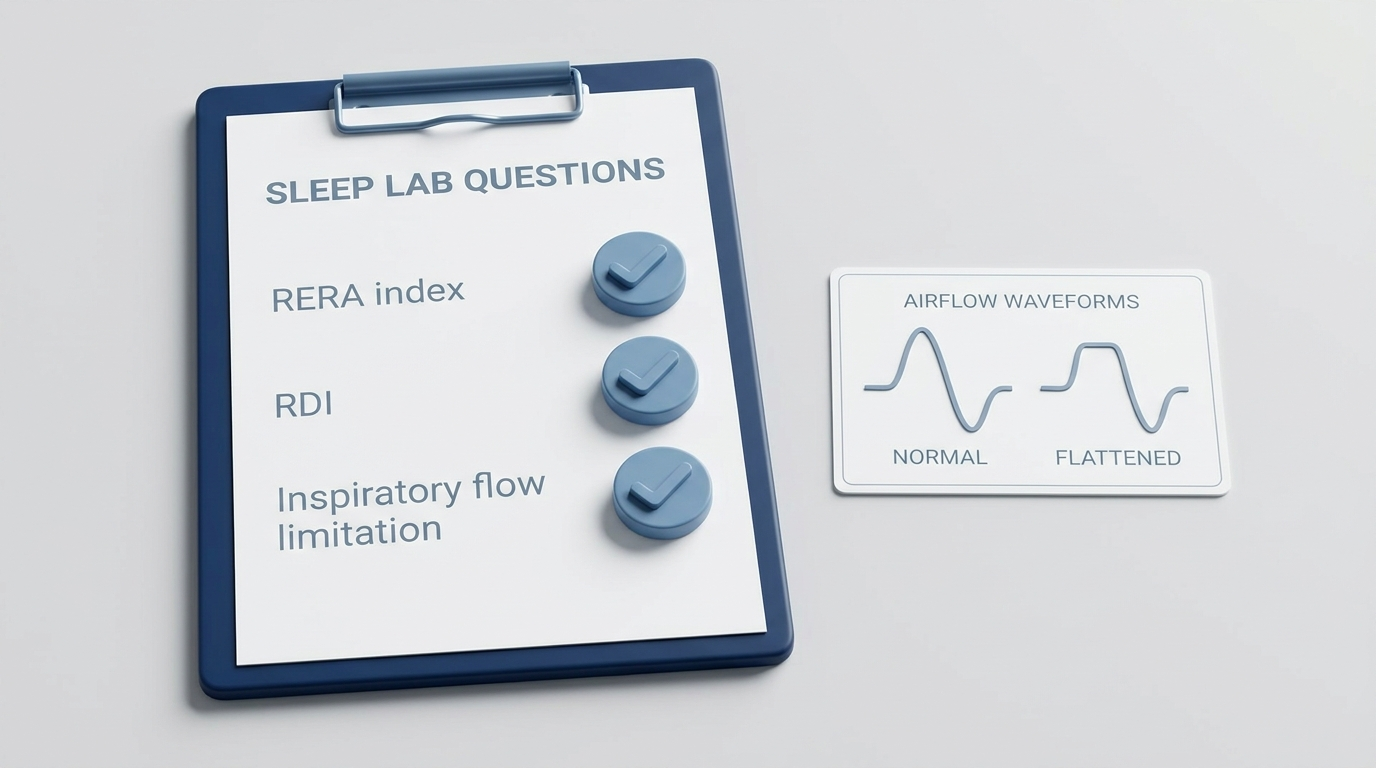
Inspiratory flow limitation: a “flattened” airflow pattern suggesting restriction rather than a complete blockage.
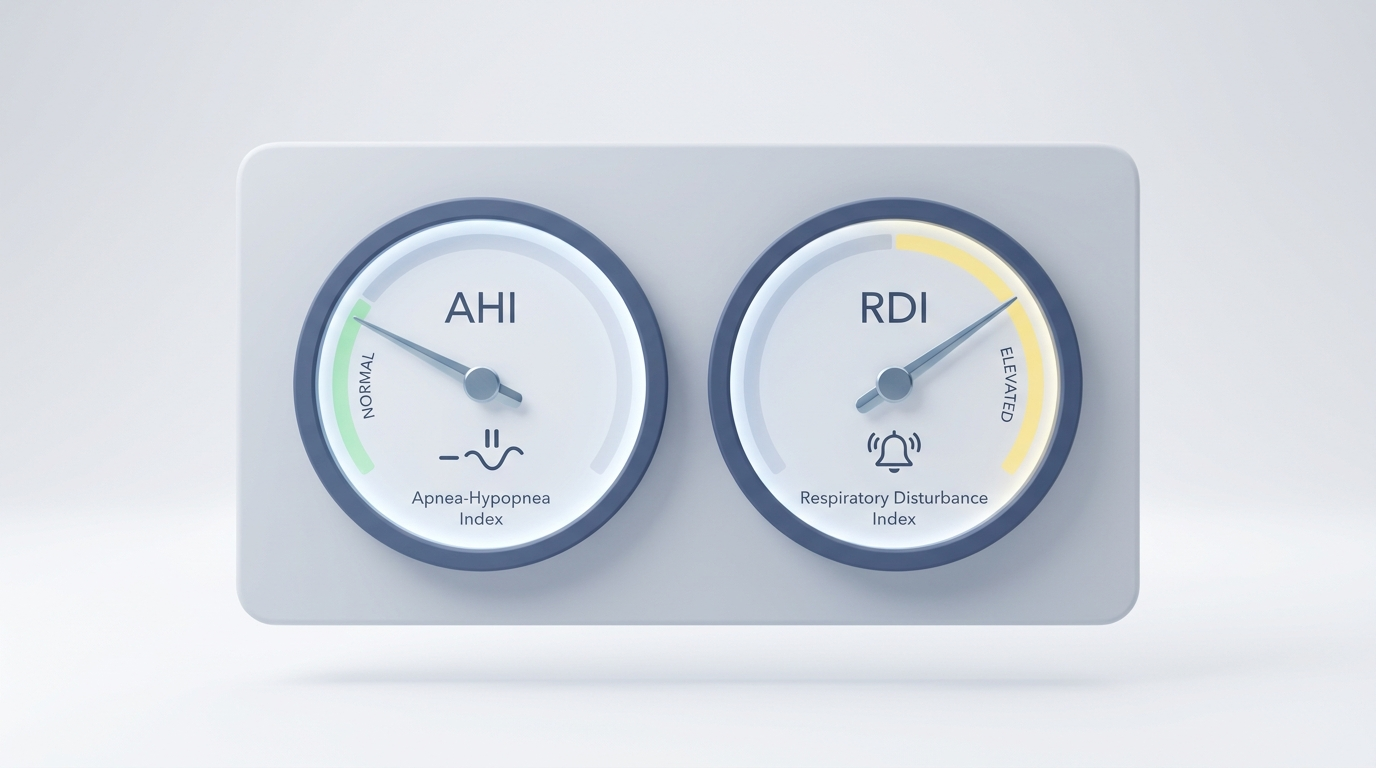
AHI (Apnea–Hypopnea Index): the number of apneas and hypopneas per hour of sleep.
RDI (Respiratory Disturbance Index): often includes apneas + hypopneas + RERAs, so it can better reflect sleep disruption in UARS. [1][5]
To see why this matters, Sleep and Sinus Centers of Georgia breaks down RDI vs AHI and how a “normal AHI” may not tell the whole story: https://sleepandsinuscenters.com/blog/rdi-vs-ahi-key-differences-explained-for-sleep-apnea-diagnosis
UARS vs. Obstructive Sleep Apnea (OSA): What’s the difference?
The simplest distinction:
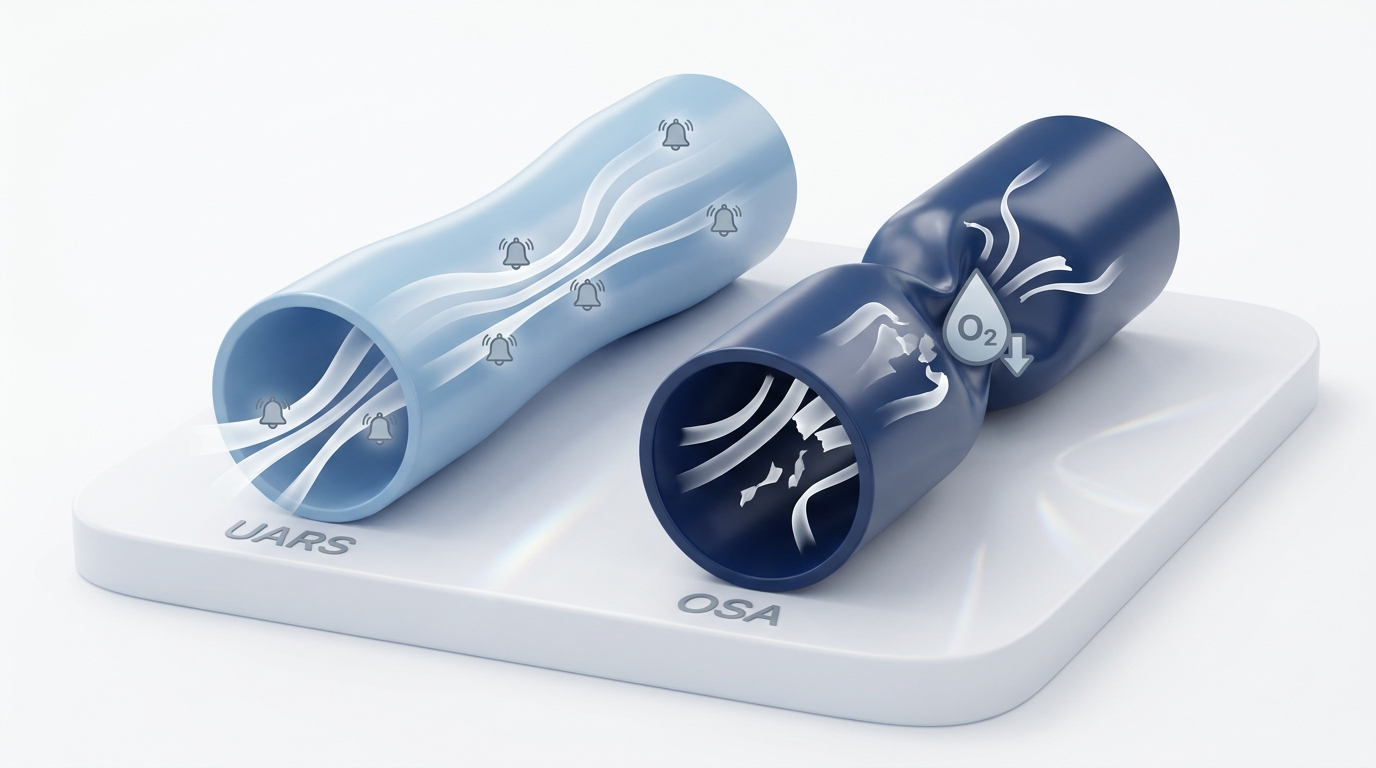
• OSA typically features repeated apneas/hypopneas and often measurable oxygen drops.
• UARS more often features increased resistance + arousals (RERAs, flow limitation) with less dramatic oxygen desaturation—yet sleep can be just as fragmented and unrefreshing. [1][2]
In other words, OSA is often recognized because breathing events are more obvious on the report (and sometimes to a bed partner). UARS can be quieter: less oxygen drop, fewer scored apneas, but plenty of sleep disruption.
For a deeper comparison, see Sleep and Sinus Centers of Georgia’s guide on UARS vs Sleep Apnea: https://sleepandsinuscenters.com/blog/uars-vs-sleep-apnea-key-differences-and-symptoms-explained
Why UARS can be missed on a standard sleep study
UARS is closely tied to RERAs and subtle airflow patterns, and RERAs may be inconsistently scored across sleep labs or technologists. Terminology and scoring practices have also varied over time. [5]
Home sleep apnea tests (HSAT) can be very helpful for screening moderate-to-severe OSA, but depending on the device and scoring method, HSAT may under-detect arousals and subtle inspiratory flow limitation. [1][5] If you’re curious about limitations, Sleep and Sinus Centers of Georgia explains how accurate at-home sleep tests are: https://sleepandsinuscenters.com/blog/home-sleep-test-accuracy-how-reliable-are-at-home-sleep-tests
A commonly used research definition (patient-friendly)
One definition often used in studies includes: [1]
• AHI < 5 events/hour
• Minimum oxygen saturation ≥ 92%
• RERA index ≥ 5 events/hour
Definitions vary across labs and guidelines, and some also incorporate daytime sleepiness/fatigue and documented airflow limitation.
• In-lab scoring approaches can differ, which helps explain why some “normal” reports don’t match how a patient feels. [5]
Sleep and Sinus Centers of Georgia also reviews the tradeoffs in home vs lab testing: https://sleepandsinuscenters.com/blog/home-sleep-test-vs-lab-study-which-sleep-test-is-best-for-you
Summary: UARS often hides in the “gray zone” of subtle airflow restriction and arousals that standard apnea counts may not fully capture.
Symptoms of UARS (nighttime + daytime)
UARS symptoms can look like a mix of light sleep, “tired-but-wired” nights, and daytime impairment. If you want a quick way to compare your experience, you can also review this UARS symptoms checklist: https://sleepandsinuscenters.com/blog/uars-symptoms-checklist-key-signs-of-upper-airway-resistance-syndrome
Nighttime symptoms
• Restless or light sleep; frequent awakenings
• Sleep that can resemble insomnia (difficulty staying asleep, not feeling restored)
• Snoring that may be mild, intermittent, or not always noted
• Mouth breathing, dry mouth, or waking unrefreshed
• A sense of “working harder” to inhale (increased breathing effort) [1][2]
Daytime symptoms
• Excessive sleepiness or persistent fatigue
• Brain fog, concentration difficulty, memory lapses
• Mood changes (irritability, anxiety, low mood)
• Morning headaches in some people [1][4]
A quick “this sounds like me” example
Many people with suspected UARS describe something like: “I fall asleep, but I wake up repeatedly,” or “I’m in bed 8 hours, yet I feel like I barely slept.” Others report being treated for insomnia or anxiety first, only to later find that fragmented breathing and arousals were part of the picture. (This isn’t a self-diagnosis—just a common pattern clinicians listen for.) [1][2]
When symptoms strongly suggest “more than insomnia”
Educationally, a pattern that often raises suspicion is:
• symptoms persist despite good sleep hygiene,
• daytime function is clearly affected,
• and testing reports a low AHI but doesn’t emphasize RERAs, RDI, or inspiratory flow limitation. [2]
Summary: If you feel unrefreshed despite a “normal” AHI, subtle breathing-related arousals may be part of the story.
What causes UARS? (Risk factors and underlying mechanics)
Think of breathing during sleep as airflow through a flexible tube. If the tube is narrower, airflow faces more resistance. That means your body has to generate more negative pressure to pull air in, increasing effort and triggering arousals—even if airflow never fully stops.
Airway anatomy and collapsibility
Several anatomical factors can increase resistance, such as:
• nasal obstruction,
• a narrower upper airway,
• a smaller or set-back jaw (retrognathia),
• a high-arched palate.
Because the nose plays a major role in airflow, nasal breathing difficulties can increase resistance and contribute to sleep fragmentation for some people.
Functional contributors
• Reduced upper-airway muscle tone during sleep
• Sleep position (back-sleeping can worsen collapsibility for some individuals)
Conditions that can worsen UARS symptoms
• Allergies or chronic rhinitis causing congestion
• Deviated septum or other structural nasal blockage
• Weight gain may worsen airway crowding (though UARS can occur in non-obese patients as well) [1]
Summary: Anything that narrows the upper airway or increases nighttime congestion can raise breathing effort and trigger arousals.
How UARS is diagnosed (and what to ask for)
Sleep study options: lab polysomnography vs home testing
In-lab polysomnography can be better positioned to capture arousals, RERAs, and airflow patterns—if the right signals are used and the lab scores them consistently. HSAT can be useful for OSA screening, but may miss UARS features in some cases. [1][5]
Sleep and Sinus Centers of Georgia reviews the tradeoffs in home sleep test vs. lab sleep study: https://sleepandsinuscenters.com/blog/home-sleep-test-vs-lab-study-which-sleep-test-is-best-for-you
What to ask your sleep provider or lab
• “Will the report include RERA index and/or RDI, not just AHI?”
• “Is inspiratory flow limitation being assessed?”
• “How are arousals scored in your lab?” [5]
If a clinician tells you, “Your AHI is normal,” it can be reasonable to follow up with: “Was my sleep disrupted by RERAs or flow limitation?” That one question often shifts the conversation to the data that matters most for UARS.
Interpreting a ‘normal AHI’ with persistent symptoms
A normal AHI doesn’t automatically explain persistent fatigue, brain fog, or nonrefreshing sleep. UARS can produce significant symptoms via repeated arousals—even when oxygen remains fairly stable. [2]
Summary: Ask about RERAs, RDI, and flow limitation—these metrics often uncover UARS when AHI looks “normal.”
Why treating UARS matters (possible consequences if untreated)
Repeated micro-arousals can keep you from reaching and maintaining deeper, restorative sleep stages. Over time, fragmented sleep may reinforce fatigue and insomnia-like patterns and may worsen mood and cognitive performance. [1][4]
Some literature also suggests potential links between untreated UARS and hypertension and/or progression toward obstructive sleep apnea in some individuals (association, not proven causation for every patient). [1][4]
Summary: Treating the resistance that disrupts sleep can restore continuity, improve daytime functioning, and may reduce long-term risks.
Treatment options for UARS (step-by-step, individualized)
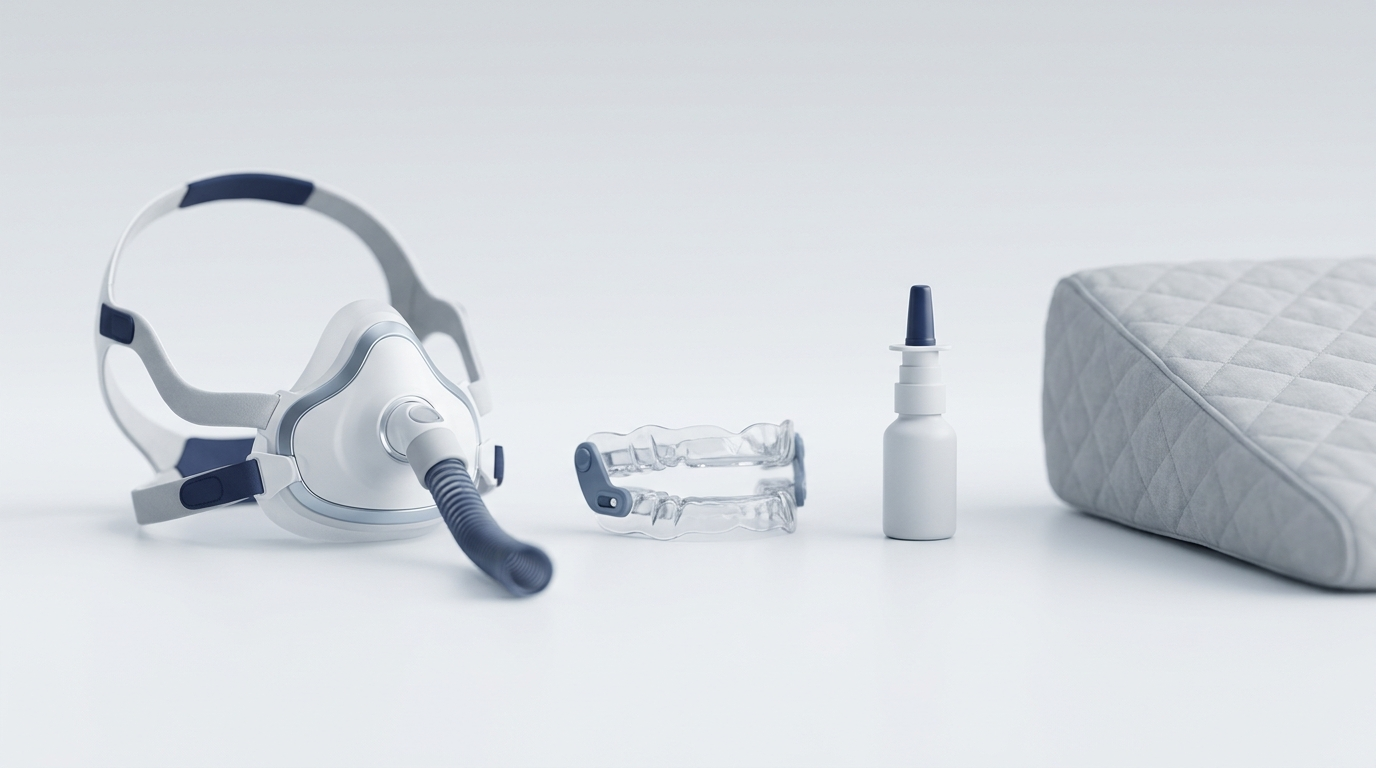
Treatment for UARS is typically personalized to your anatomy, symptom burden, sleep study findings (including RDI/RERAs), and what you can comfortably tolerate. The goal is to reduce resistance, stabilize breathing, and restore more continuous sleep.
CPAP therapy (commonly recommended first)
CPAP for UARS works by gently “splinting” the airway open, lowering resistance and reducing arousals. Reviews note that in-lab titration can be particularly helpful in UARS to identify settings that resolve flow limitation and RERAs. [1][3]
A practical marker of success is often how you feel: fewer awakenings, more refreshing sleep, and improved daytime focus and energy. Objective measures (like device data or repeat testing) can also help confirm that flow limitation and arousals are improving when appropriate. [1][3]
Custom oral appliances (mandibular advancement devices)
An oral appliance for UARS may help selected patients by moving the lower jaw forward to improve airway space. These are typically custom-fit and adjusted over time, with follow-up to confirm symptom improvement (and sometimes repeat testing). [1][3]
If you’re comparing approaches, Sleep and Sinus Centers of Georgia outlines oral appliance vs CPAP: https://sleepandsinuscenters.com/blog/oral-appliance-vs-cpap-which-is-right-for-you
Address nasal obstruction and contributing ENT factors
Improving nasal airflow can reduce resistance and may also make CPAP more comfortable for those who use it. Educational options often discussed include allergy management strategies, chronic rhinitis treatment approaches, and nasal hygiene (like saline rinses), depending on the underlying cause.
If congestion is a barrier to therapy, this resource on blocked nose during CPAP may be helpful: https://sleepandsinuscenters.com/blog/blocked-nose-during-cpap-ent-strategies
Surgical/anatomical interventions (selected cases)
In selected situations—especially when there is a clear structural contributor or non-surgical therapies haven’t worked—procedures addressing nasal blockage or other airway anatomy may be considered. Careful evaluation and patient selection are key, and outcomes can vary. [1][3]
Follow-up and measuring improvement
Because UARS can be symptom-heavy even with a low AHI, follow-up often focuses on:
• sleep quality and continuity,
• daytime alertness and fatigue,
• mood, focus, and morning symptoms,
• and objective data (repeat testing or therapy/device data when appropriate). [1][4]
Summary: The best plan is individualized—reduce resistance, verify improvements, and choose therapies you can sustain.
Lifestyle tips that may help (especially alongside treatment)
Lifestyle steps aren’t a substitute for targeted therapy, but they can support better airflow and sleep continuity.
Sleep-position and airway-friendly habits
• Side-sleeping may reduce airway collapsibility for some people compared with back-sleeping.
• Head-of-bed elevation may help in situations where reflux or congestion contributes to nighttime discomfort.
Reduce factors that increase airway resistance at night
• Address nasal congestion triggers (allergens, dryness, irritants) when possible.
• Avoid alcohol close to bedtime, since it can reduce upper-airway muscle tone and worsen collapsibility.
Build a “UARS symptom diary” for appointments
Tracking patterns can be especially valuable when the AHI is low but symptoms are significant. Consider noting:
• bedtime/wake time, awakenings, and how refreshed you feel,
• daytime sleepiness or fatigue,
• caffeine timing and alcohol intake,
• nasal congestion severity.
Summary: Small changes that keep your airway calmer at night can complement medical therapies and make results more durable.
FAQs about UARS
Can you have UARS with a normal AHI? Yes. UARS is often characterized by a low AHI with increased RERAs/flow limitation and symptoms. [1]
Does UARS cause oxygen levels to drop? Usually not dramatically. The central issue is repeated arousals from increased breathing effort. [1]
Is UARS “mild sleep apnea”? Many experts place it on the OSA spectrum, but it may not be captured well by apnea/hypopnea counts alone, and classification remains debated. [1][2]
What is the best treatment for UARS? There is no single best treatment for everyone; CPAP is commonly tried first, while oral appliances or anatomical interventions may be appropriate depending on the individual. [1][3]
What happens if UARS is left untreated? Symptoms can persist or worsen (fatigue, insomnia patterns, mood effects). Some studies suggest possible cardiovascular effects and/or progression toward OSA in some people. [1][4]
Summary: UARS is real, common, and manageable—especially when testing and treatment target arousals and flow limitation, not AHI alone.
When to see a sleep specialist or ENT
Consider an evaluation if you have:
• persistent daytime sleepiness/fatigue despite adequate time in bed,
• insomnia with frequent awakenings plus snoring or mouth breathing,
• a prior sleep study labeled “normal” but ongoing symptoms—especially if RERAs/RDI weren’t emphasized.
Conclusion + next step
Upper Airway Resistance Syndrome (UARS) can be easy to overlook, but it’s also highly actionable once it’s recognized—especially when testing and treatment focus on RERAs, inspiratory flow limitation, and RDI rather than AHI alone. If your symptoms fit the pattern and past testing felt inconclusive, discussing UARS-focused scoring and treatment options with Sleep and Sinus Centers of Georgia may help clarify a path forward.
Ready for the next step? You can book an appointment here: https://sleepandsinuscenters.com/appointments
This article is for educational purposes only and is not medical advice. Please consult a qualified healthcare provider for diagnosis and treatment.
If you have symptoms of a sleep disorder, seek evaluation from a qualified clinician.
References
[1] StatPearls. Upper Airway Resistance Syndrome. NCBI Bookshelf (updated 2025). https://www.ncbi.nlm.nih.gov/books/NBK564402/
[2] Journal of Clinical Sleep Medicine (2022). UARS clinical and polysomnographic characteristics. https://jcsm.aasm.org/doi/pdf/10.5664/jcsm.9838
[3] Treatment of Upper Airway Resistance Syndrome in Adults: Where Do We Stand? (2015). https://www.sciencedirect.com/science/article/pii/S1984006315000127
[4] Upper Airway Resistance Syndrome: A Long-Term Outcome Study (2006). https://pubmed.ncbi.nlm.nih.gov/16473570/
[5] Journal of Clinical Sleep Medicine (2014). Frequency and Accuracy of “RERA” and “RDI” Terms. https://pmc.ncbi.nlm.nih.gov/articles/PMC3899312/
Don’t let allergies slow you down. Schedule a comprehensive ENT and allergy evaluation at Sleep and Sinus Centers of Georgia. We’re here to find your triggers and guide you toward lasting relief.