Tonsil Stones in Teenagers: Causes, Symptoms, and Treatment Options
Your teen comes home from school complaining that friends have noticed their breath, no matter how often they brush. Or maybe they spot small white or yellow specks on their tonsils while taking a selfie or during a dental checkup. These everyday moments often point to tonsil stones in teenagers. Perhaps it happens after soccer practice when teammates mention an odor, or during a video chat when leftover snack bits become obvious. Tonsil stones (tonsilloliths) are common mineralized deposits that collect in the natural folds, or crypts, of the tonsils. They are usually harmless. Teenagers can develop them because of their anatomy or habits, yet most stones cause no serious problems and many produce no symptoms at all.
This guide explains how tonsil stones in teenagers form, the typical causes and symptoms, conservative care that often helps, and when a specialist evaluation makes sense. The information is educational only and is not a substitute for professional medical advice.
What Are Tonsil Stones and Why Do They Form in Teenagers?
How Debris Turns into Hardened Stones
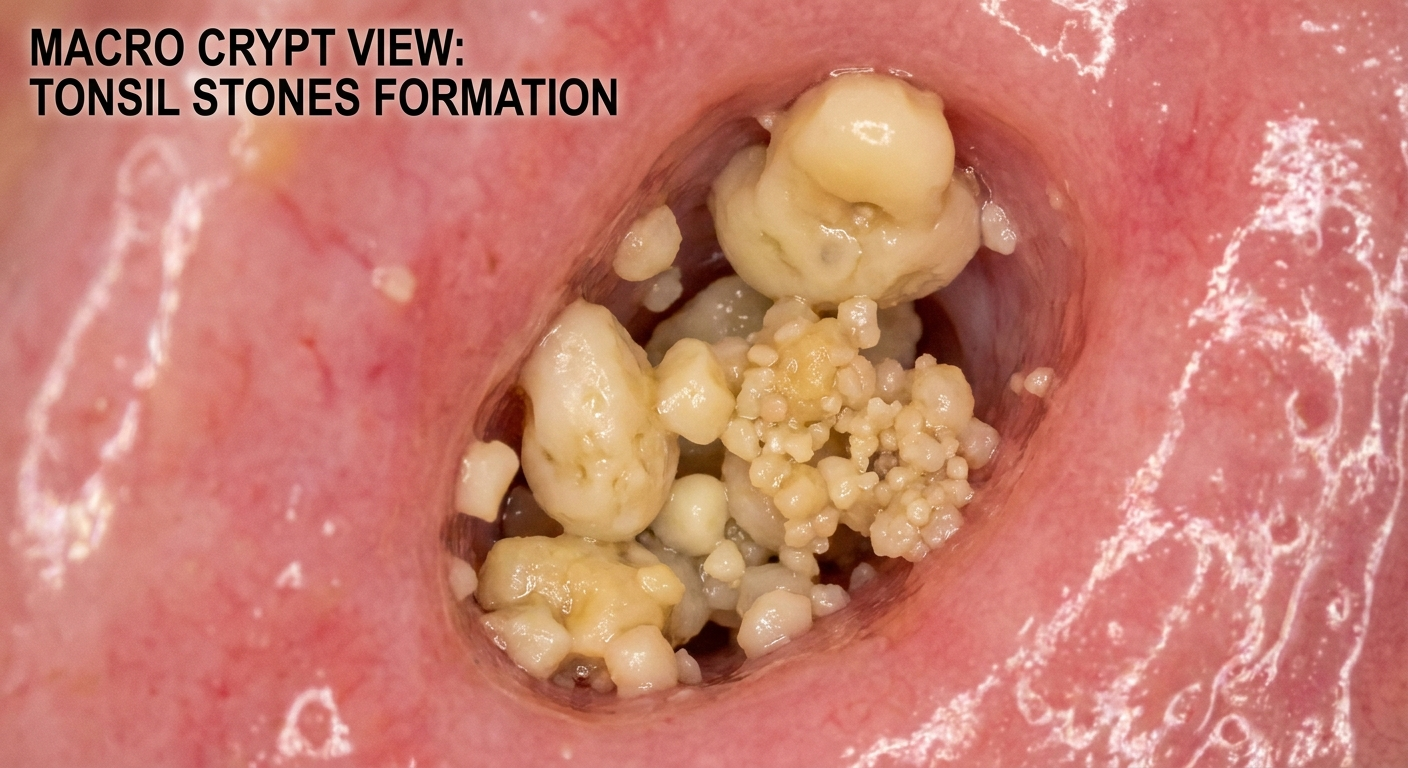
Food particles, bacteria, dead cells, and minerals such as calcium can collect inside the tonsil crypts. Over time the mixture hardens into small stones. Picture the crypts as tiny pockets, much like the grooves in a walnut shell or crevices along a shoreline where sand and debris settle and compact. Sources such as the Cleveland Clinic (2024) and Healthdirect describe this process as a gradual buildup rather than an infection itself.
Teen-Specific Factors
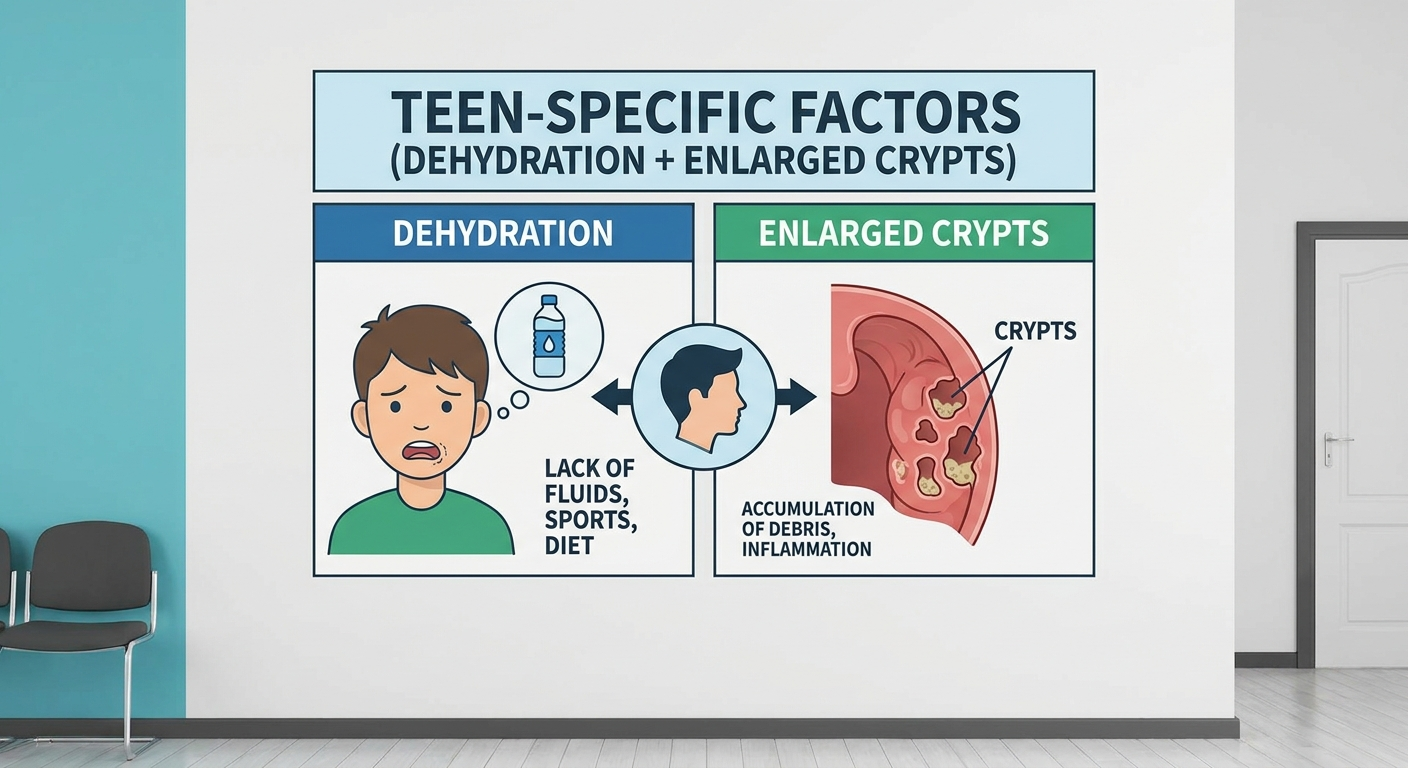
Teenagers may be more likely to form stones if their tonsil crypts are deeper or if the tonsils are enlarged. Dehydration and repeated throat infections can also play a role. During these years tonsils may still be relatively large, leaving extra space for material to hide. A packed school day can mean fewer water breaks, which thickens saliva and mucus. Small stones are frequently asymptomatic and cause no lasting harm. A CT study of 2,873 patients (Takahashi et al., 2014) found tonsilloliths in 39.9 percent of people overall; prevalence rose with age and peaked in the 50s and 60s. The study did not report a specific figure for teenagers, though clinicians commonly encounter them in this age group for the reasons above.
Most teens experience no lasting problems from these common deposits.
Causes of Tonsil Stones in Teenagers
Anatomical Factors (Deep Crypts and Enlarged Tonsils)
Deeper crypts simply trap more debris. Enlarged tonsils can create extra folds that hold material longer. Some teens inherit this anatomy, similar to how certain people have more pronounced wisdom-tooth crowding. Families interested in related pediatric tonsil issues can read more about enlarged tonsils in kids: https://sleepandsinuscenters.com/blog/enlarged-tonsils-in-kids-signs-its-time-to-see-an-20260709121251
Lifestyle and Hygiene Habits
Infrequent brushing, skipping floss, or not cleaning the tongue allows bacteria and food remnants to accumulate. Mouth breathing, common in some teens, can dry the throat and worsen the environment. A rushed morning brush before the bus or forgotten flossing after lunch leftovers can leave particles behind. Nighttime mouth breathing from allergies dries the tissues further.
Dehydration and Diet
Low fluid intake thickens mucus and debris. Certain foods that leave residue may contribute, though the exact role of diet varies from person to person. Sticky snacks or dairy can cling; without enough water they stay put longer. A teen who forgets to hydrate during rehearsal or practice is at higher risk for thicker secretions.
Recurrent Infections
Frequent tonsillitis or other throat infections produce extra dead cells and bacteria that can calcify. The American Academy of Pediatrics and pediatric dental resources note this connection without suggesting that every infection leads to stones. Each bout leaves behind more cellular debris, like leftover material after repairs that can then mineralize. Language around these factors stays simple and non-alarmist because most cases remain mild.
Simple daily habits often reduce the chance of stones forming.
Symptoms of Tonsil Stones in Teenagers
The Most Common Complaint: Persistent Bad Breath
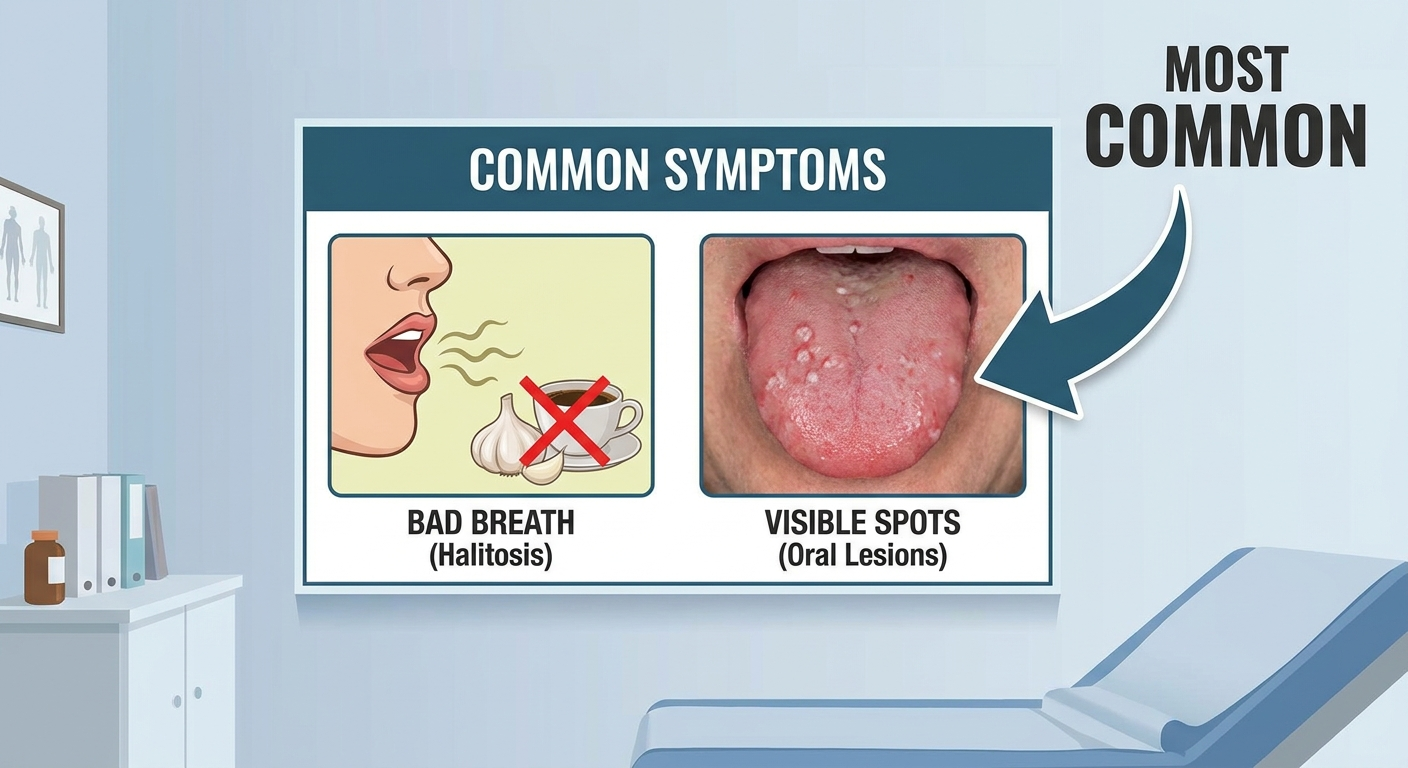
Halitosis is the leading symptom. Bacteria trapped in the stones produce sulfur compounds that create an unpleasant odor that ordinary brushing may not fully eliminate. Friends might ask if something garlicky was eaten even when it was not. Mints offer only brief cover.
Visible Signs and Physical Sensations
White or yellow spots on the tonsils are often the first visual clue. Teens may also notice a bad taste, a cough, referred earache, mild difficulty swallowing, or a feeling that something is stuck. Many teenagers have no symptoms at all. The spots can resemble small pebbles or bits of cottage cheese. The “something stuck” sensation may prompt frequent throat-clearing. Cleveland Clinic (2024) and Healthdirect list these findings. Families who notice spots can learn more about white spots on tonsils: https://sleepandsinuscenters.com/blog/white-spots-on-tonsils-causes-common-reasons-and-treatments
When Symptoms Overlap with Other Issues
Persistent sore throat, fever, or nasal congestion can look similar to strep, allergies, or sinus problems. A clinician can help distinguish them through history and examination. Seasonal allergies, for instance, can produce similar drip and congestion that overlap with or worsen stone-related discomfort.
Early recognition of these signs supports timely, conservative care.
Are Tonsil Stones Dangerous for Teens?
Most tonsil stones in teenagers are harmless and may dislodge on their own. Pain, recurrent stones, frequent infections, or swallowing trouble are red flags that warrant evaluation. Serious complications from untreated stones remain uncommon. They are typically more of a nuisance than a health threat.
Serious complications stay uncommon in this age group.
Diagnosis and When to See a Doctor
Self-Check vs. Professional Evaluation
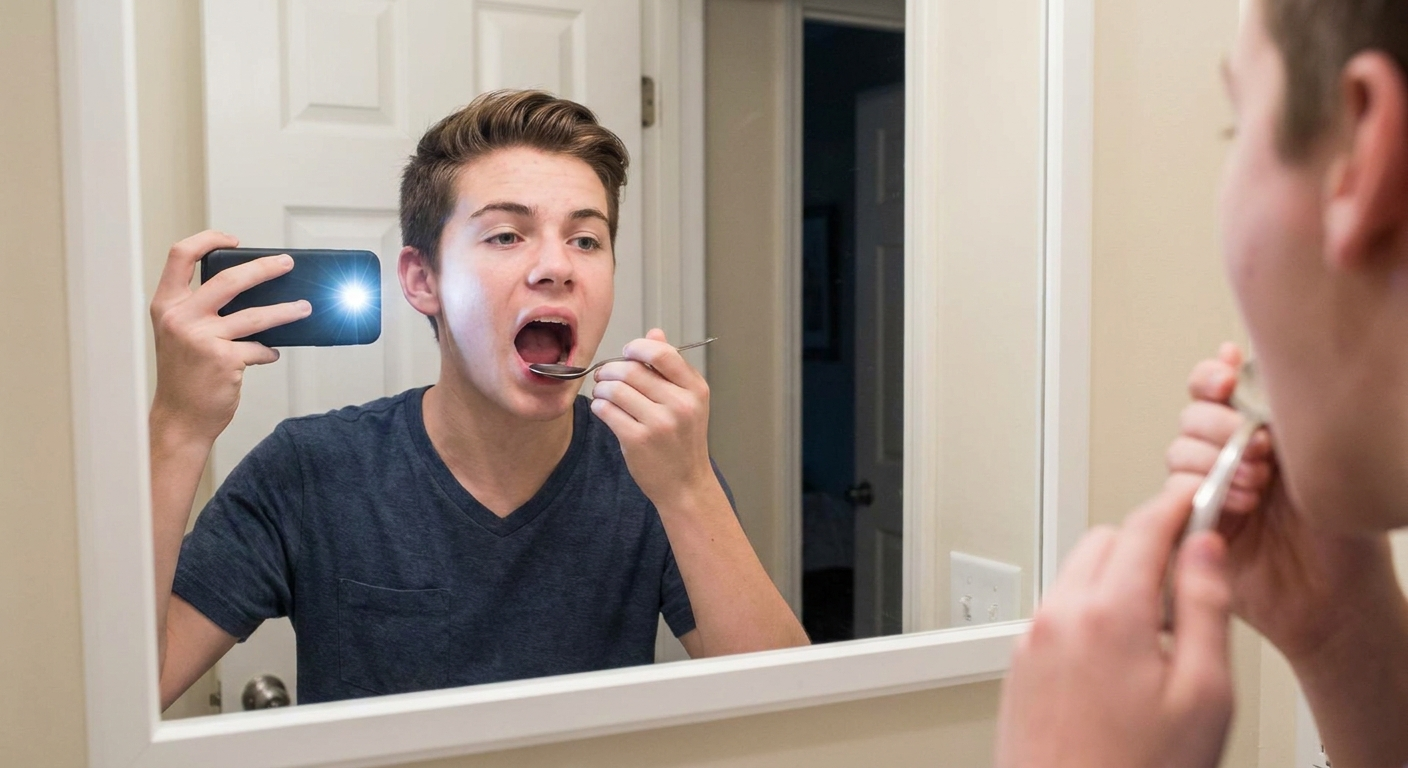
Parents or teens should consider care when bad breath persists, pain develops, stones are large or keep returning, or sore throats become frequent. A flashlight and mirror can reveal spots, but avoid poking.
What Happens at the ENT Visit
An office exam of the throat is usually enough; imaging is sometimes added. The doctor uses a light, reviews infection history, and may check the neck. The American Academy of Pediatrics outlines this straightforward approach. If symptoms interfere with daily life, scheduling an evaluation at Sleep and Sinus Centers of Georgia is a practical next step: book an appointment at https://sleepandsinuscenters.com/appointments.
A specialist visit provides clarity when home measures fall short.

Treatment Options for Tonsil Stones in Teenagers
First-Line Conservative Care (Home Remedies)
Daily brushing and flossing, tongue cleaning, plenty of water, and warm salt-water gargles form the foundation. Stones often fall out by themselves. Gentle use of a water flosser may help some people, but forceful scraping or poking risks injury. Mix half a teaspoon of salt in warm water and gargle 15–30 seconds several times a day; the action can loosen stones the way waves shift pebbles on a beach. Cleveland Clinic (2024) and Healthdirect emphasize these simple measures.

In-Office Removal
When conservative steps do not suffice, a clinician can remove stones quickly in the office with a tool or gentle irrigation, often giving immediate relief.
Surgery (Tonsillectomy) — Rarely Needed
Tonsillectomy is reserved for highly bothersome, recurrent cases. While complications are uncommon, all surgical procedures carry some degree of risk. Recovery considerations for teens include time away from school and sports, typically a week or two of soft foods such as yogurt and mashed potatoes plus pain management. The American Academy of Pediatrics and related pediatric ENT resources place surgery at the end of the pathway, not the beginning. Additional practical tips appear in our overview of tonsil stones causes, symptoms, and effective removal tips: https://sleepandsinuscenters.com/blog/tonsil-stones-causes-symptoms-and-effective-removal-tips
Non-surgical steps resolve the majority of cases in teenagers.
Prevention and Lifestyle Tips for Teens
Daily Oral Hygiene Routine
Brush twice a day, floss, clean the tongue, and rinse after meals. These habits are easy to remember and teen-friendly. Treat them like charging a phone—after breakfast and before bed—and add a tongue scraper to reduce bacteria.
Diet, Hydration, and Habits
Encourage consistent water intake. Note that leftover food particles can add to debris, so simple rinsing helps. Aim for regular sips throughout the day, more when active, and a quick water rinse after snacks like popcorn.
Monitoring and When to Follow Up
A short checklist works well: watch for new spots, lingering odor, pain, or repeated infections. Recheck with a clinician if any of those appear. A monthly phone reminder or fridge note can keep everyone aware without worry.
Steady hygiene and hydration offer the strongest everyday protection.
Frequently Asked Questions
Can tonsil stones go away on their own? Yes, many small stones dislodge naturally with gargling and good hygiene, much as a small pebble works free on its own.
Are they contagious or a sign of poor hygiene? They are not contagious. While hygiene influences buildup, even careful teens can form stones because of anatomy. It is more about crypt shape than cleanliness.
Will my teen need surgery? Surgery is uncommon and considered only after conservative care fails for recurrent, bothersome cases.
How common are they in teenagers specifically? The 2014 CT study showed an overall prevalence of 39.9 percent that increased with age, but it did not isolate a teenage figure.
Do they affect sleep or school performance? Most do not. Persistent pain, infection, or breathing issues would prompt evaluation.
Conclusion and Next Steps
Conservative care—hygiene, hydration, and gargles—manages most tonsil stones in teenagers. An ENT visit is appropriate when symptoms persist, recur, or interfere with everyday activities. Tonsil stones are common and usually manageable. If bad breath, visible spots, or throat discomfort are affecting your teen, consider an evaluation at Sleep and Sinus Centers of Georgia. Book an appointment today for personalized guidance and peace of mind at https://www.sleepandsinuscenters.com/.
This article is for educational purposes only and is not medical advice. Please consult a qualified healthcare provider for diagnosis and treatment.
Don’t let allergies slow you down. Schedule a comprehensive ENT and allergy evaluation at Sleep and Sinus Centers of Georgia. We’re here to find your triggers and guide you toward lasting relief.