Tinnitus After an Ear Infection: How Long It Lasts and When It Will Go Away
Hearing ringing, buzzing, or humming after you’ve had an ear infection can be unsettling—especially when the pain is gone but the sound lingers. The good news is that tinnitus after an ear infection is often temporary and improves as the ear heals.
The key is knowing what’s typical, what’s not, and when tinnitus will go away versus when it’s time to get checked. Below is a patient-friendly timeline, common causes, and clear signs it’s worth scheduling an ENT evaluation.
Quick answer: How long does tinnitus last after an ear infection?
For many people, tinnitus after an ear infection may improve within a few weeks as inflammation settles and hearing returns—especially after a mild infection. If the infection was more severe, fluid lingers behind the eardrum, or the eardrum was affected, symptoms can last longer and may need evaluation.
Think of it like a speaker that’s temporarily muffled. When your ear isn’t transmitting sound normally, your brain may notice internal noise more—then that perception often fades as hearing clarity returns.
What “a few weeks” typically means
- Improvement often follows when ear pain and pressure subside
- Ringing tends to lessen after any drainage stops
- Sounds feel less “plugged” or “underwater” as hearing opens up
In many cases, ringing in the ears after an ear infection becomes less intense and less frequent as the ear’s normal sound transmission returns. People often describe it as, “It’s still there, but I’m noticing it less—and it doesn’t spike as often.”
When the timeline may be longer
Recovery can take more time when there’s:
- a severe infection or significant inflammation
- prolonged fluid behind the eardrum
- recurrent infections
- suspected eardrum involvement (for example, new drainage with a sudden change in hearing)
If this sounds like your situation, checking in with your clinician or an ENT is reasonable.
— In short, many cases settle within weeks, but slower recoveries are common and not always worrisome. —
What does tinnitus after an ear infection feel like?
Tinnitus is the perception of sound that isn’t coming from an external source. After an ear infection, it may sound like:
- ringing
- buzzing
- hissing
- humming
- whooshing
Some people notice it as a steady tone; others describe a “flutter,” “electrical” sound, or a soft hiss that comes and goes—especially in quiet environments.
Common patterns patients report
After an infection, tinnitus may be:
- in one ear or both (often the side that was infected)
- intermittent or constant
- more noticeable at night or in quiet rooms
- louder during periods of fatigue or stress
A common scenario: you feel mostly better during the day, but when you lie down at night and the room is quiet, the ringing becomes front and center.
Tinnitus vs “normal ear noises”
During recovery, it’s also common to notice popping or crackling with swallowing or yawning—often related to pressure changes as the ear re-opens. That can overlap with tinnitus, but it’s not exactly the same sensation.
If you’re unsure, note whether the sound matches swallowing or yawning (more “mechanical” popping) or seems independent (more “tone-like” ringing).
— Bottom line: tinnitus is a perceived sound that’s independent of your movements, while popping/crackling often tracks with pressure shifts. —
Symptoms to watch for (besides ringing)
Tinnitus linked to infection often travels with other ear symptoms, such as:
- ear fullness or pressure
- muffled or reduced hearing
- ear pain (often improving)
- clicking or popping with swallowing or yawning
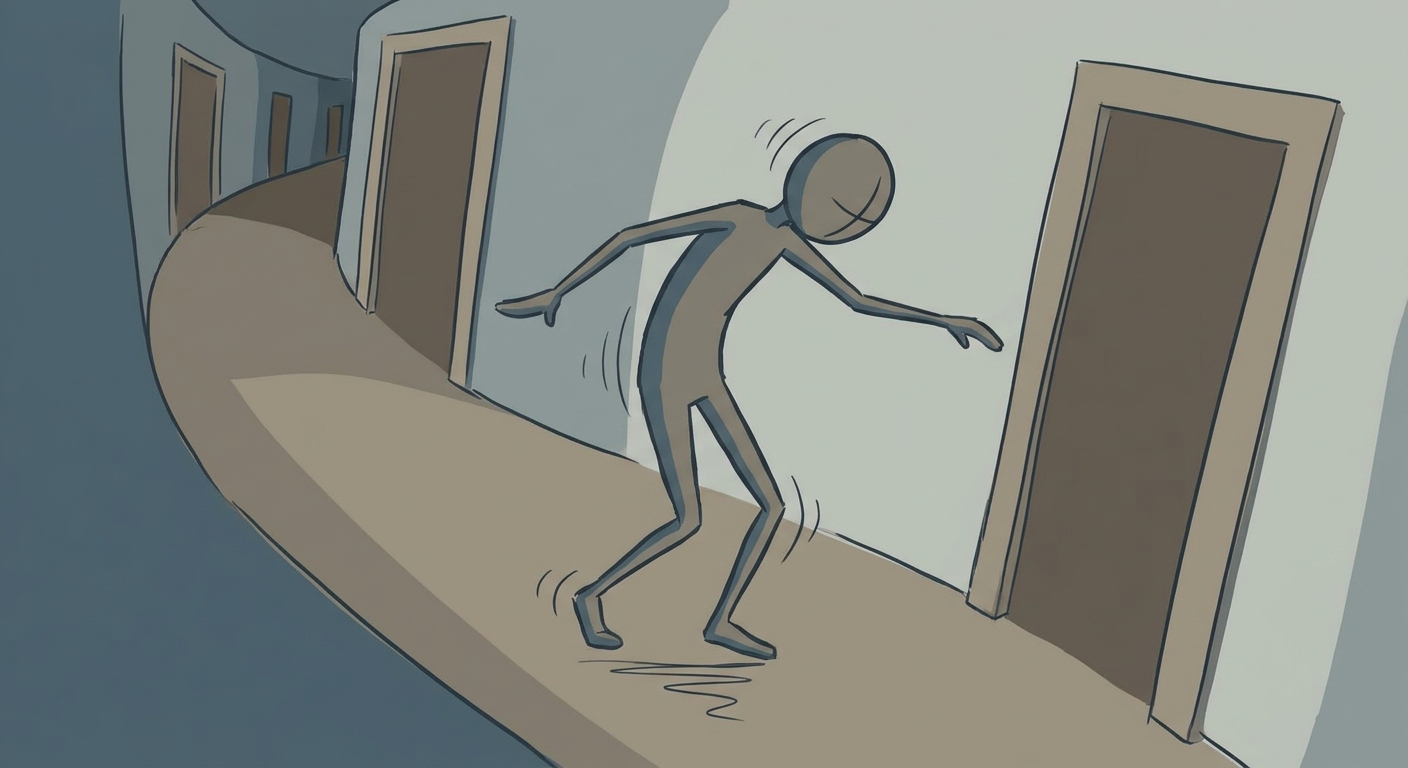
- dizziness or imbalance (sometimes)
- sensitivity to sound
These “combo symptoms” often point toward congestion, pressure imbalance, or lingering fluid—issues that can take time to settle even after the sharp pain of infection is gone.

Red flags that need urgent medical evaluation
These symptoms warrant urgent medical evaluation:
- sudden or rapidly worsening hearing loss
- severe vertigo, facial weakness, severe headache, or high fever
- drainage with significant pain, or swelling/tenderness behind the ear
- new one-sided tinnitus along with neurologic symptoms
— If severe or sudden symptoms develop, seek urgent care rather than waiting for a routine visit. —
Causes: Why ear infections can trigger tinnitus
An ear infection can change how sound moves through the ear or how the hearing system functions temporarily. Tinnitus after an infection is often related to inflammation, fluid, pressure changes, or temporary hearing changes—not just the infection itself.
A simple way to think about it: if your input from the outside world is turned down (because the ear is blocked or inflamed), your brain may pay more attention to internal signal noise.
Inflammation and swelling in the middle ear
Inflammation can interfere with normal vibration and sound conduction, which may contribute to tinnitus related to ear inflammation during and shortly after illness.

Fluid behind the eardrum (middle ear effusion)
Fluid can reduce sound transmission and create that “plugged ear” feeling. When external hearing is dampened, tinnitus may stand out more.
- If you’re dealing with lingering fluid, this related resource may help: https://sleepandsinuscenters.com/blog/chronic-ear-fluid-and-hearing-loss-causes-symptoms-treatment

Eustachian tube dysfunction during/after infection
The Eustachian tube helps equalize pressure and drain fluid from the middle ear. If it isn’t functioning well during recovery, pressure changes and fullness can contribute to ringing.
- Learn more: https://sleepandsinuscenters.com/blog/eustachian-tube-dysfunction-symptoms-causes-effective-treatment-options
Temporary hearing changes that “unmask” tinnitus
When hearing is muffled—even temporarily—the brain may “turn up the gain,” making internal ringing easier to perceive. Patients often say, “It’s like the ear is clogged, and my brain fills in the silence.”
When damage is involved (less common)
Most infections resolve without lasting harm, but severe infections can sometimes affect the eardrum or middle-ear structures, increasing the chance tinnitus persists.
— Most post-infection tinnitus reflects temporary changes; persistent or worsening symptoms deserve evaluation. —

Timeline: What to expect during recovery (week-by-week guide)
Everyone heals differently, but this framework can help anticipate how long tinnitus might last after an ear infection. If you’re seeing steady improvement—even slow improvement—that’s often reassuring.
Days 1–7 (acute infection phase)
During the most inflamed phase, tinnitus may feel loudest—often alongside pain, pressure, muffled hearing, and general congestion. Some people notice ringing spikes after a hot shower, nose blowing, or lying down—moments when pressure and congestion can shift.
Weeks 2–3 (inflammation settling)
As inflammation improves, many people notice:
- reduced ringing intensity
- fewer episodes
- gradual return of clearer hearing
A practical sign you’re heading in the right direction: you may catch yourself going hours without thinking about the sound.
Weeks 3–6 (healing and fluid clearance)
If fluid was present, it may take additional time to clear. Tinnitus often improves as pressure normalizes and hearing clarity returns. During this phase, symptoms can fluctuate—a “better day, then a worse day” pattern is common.
Beyond about 6 weeks (when to reassess)
If tinnitus hasn’t improved, or if hearing still feels reduced, it may be time to discuss evaluation for persistent fluid, eardrum issues, or other contributors.
— Improvement that trends in the right direction is reassuring; a lack of progress by 6–8 weeks should prompt a check-in. —
Treatments that help tinnitus after an ear infection
The best approach is addressing the underlying cause (infection, inflammation, or fluid) while using strategies that make symptoms easier to live with during healing.
Treating the underlying ear infection (medical care)
Treatment varies by the type of infection (middle ear vs outer ear; viral vs bacterial). Depending on the situation, care may include prescription medication (such as antibiotics when appropriate), ear drops for certain outer ear infections, and pain/inflammation control. Early diagnosis and treatment of the underlying infection can help support recovery of hearing-related symptoms.
If you’ve finished treatment but symptoms are lingering, it doesn’t necessarily mean treatment failed—it may mean the infection is better but the ear is still recovering.
If fluid is lingering: next-step options
Some cases are monitored over time, while others benefit from targeted ENT management—especially if fluid persists or infections recur. In select situations, ear tubes may be considered as part of a broader plan.
Hearing evaluation and monitoring
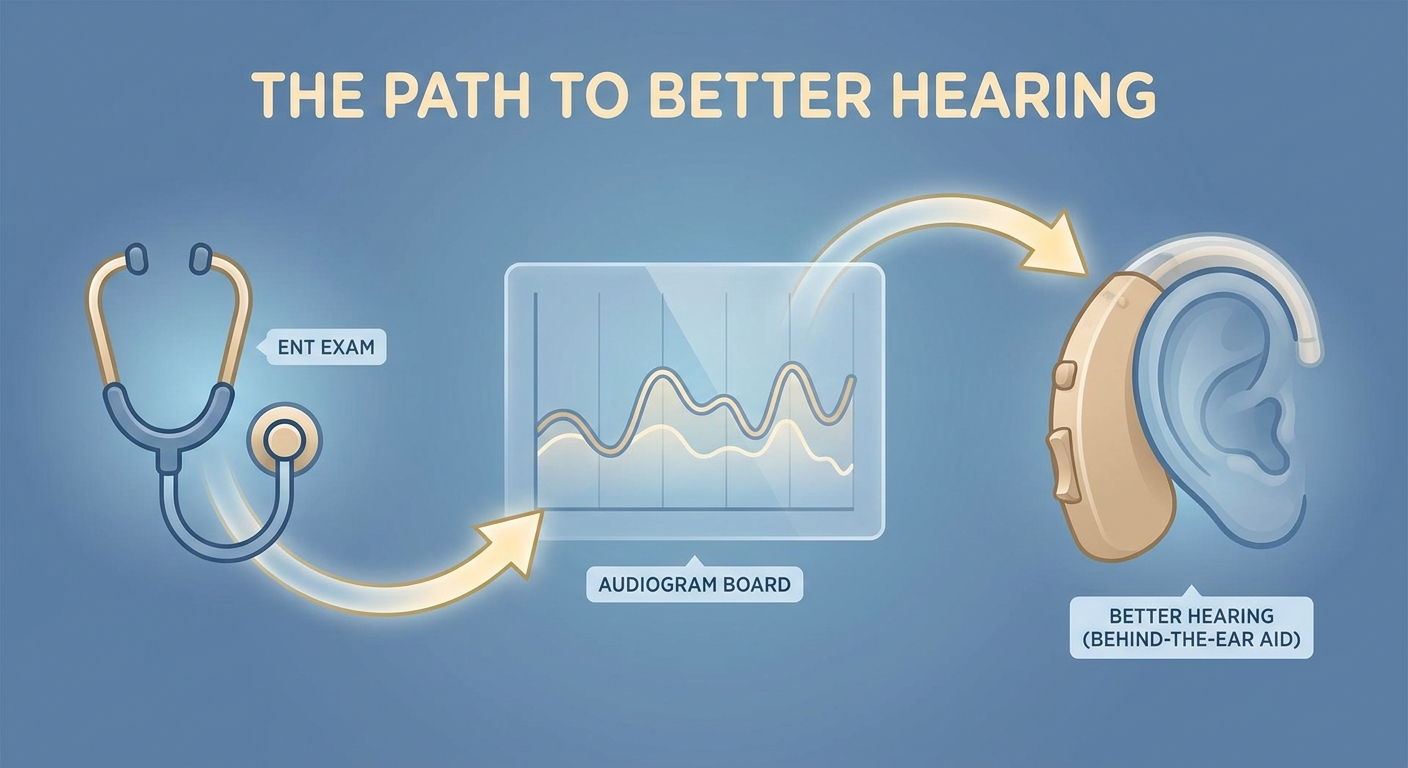
If ringing and muffled hearing don’t improve, a hearing test can clarify whether the issue is likely conductive (fluid/pressure-related) or something else.
- Overview of hearing tests: https://sleepandsinuscenters.com/blog/audiogram-basics-explained-a-patients-guide-to-hearing-tests

Symptom relief strategies while the ear heals
These supportive strategies don’t cure tinnitus, but they often make it less intrusive:
- sound enrichment (fan, white noise, low-volume music)
- sleep strategies that reduce the contrast of a silent room
- avoiding aggressive ear cleaning or Q-tips (which can irritate the canal)
Many patients find that tinnitus feels loudest when the room is silent. Adding gentle background sound can help it fade into the background, even before it fully resolves.
Tinnitus-focused therapies (if ringing persists)
If tinnitus continues, structured approaches like education, counseling, and sound therapy can reduce the attention the brain gives the sound.
- Explore options: https://sleepandsinuscenters.com/blog/ent-care-for-tinnitus-relief-effective-treatments-and-tips
— Treat the cause when possible, support recovery, and use sound and sleep strategies to make symptoms less intrusive. —
Lifestyle tips to support healing (and reduce ringing perception)
Protect your ears from additional stress
Avoid loud noise exposure when possible. If you can’t, consider hearing protection—especially while the ear is recovering.
Sleep and stress management
Stress and poor sleep can amplify how noticeable tinnitus feels, even when the underlying ear issue is improving. Simple sleep supports (consistent schedule, sound enrichment, limiting late caffeine) can help.
Hydration and gentle pressure management
Gentle swallowing, yawning, or chewing can support normal pressure equalization for some people. Avoid forceful pressure maneuvers, especially if you have pain, drainage, or possible eardrum injury.
What to avoid
- smoking or vaping exposure (can irritate airways and inflammation)
- excessively loud headphones
- self-directed ear irrigation if there’s any concern for eardrum problems
— Gentle care, healthy sleep, and avoiding loud noise can make recovery smoother. —
When to see an ENT for tinnitus after an ear infection
Make an appointment if you have:
- ringing lasting more than a few weeks without clear improvement
- ongoing fullness, muffled hearing, or frequent/recurrent infections
- concern for eardrum injury (for example, drainage plus sudden hearing change)
What an ENT visit may include
An ENT evaluation often involves:
- an ear exam (otoscopy and sometimes microscopy)
- a hearing test (audiogram)
- tympanometry if fluid/pressure issues are suspected
- a plan based on whether infection is active, resolving, or if fluid is lingering
A clinician can also help distinguish healing-related symptoms from signs that something else is contributing—especially if the tinnitus is one-sided or not improving.
— If symptoms aren’t trending better, an ENT visit can clarify the cause and speed relief. —
FAQs
Is tinnitus after an ear infection normal? Often, yes. Tinnitus after an ear infection is commonly temporary and improves as inflammation resolves.
How do I know if my tinnitus will go away? Many people notice improvement as ear pressure normalizes and hearing opens again. If there’s little to no improvement after several weeks—or symptoms worsen—reassessment can be helpful.
Can an ear infection cause permanent tinnitus? It’s less common, but possible—particularly if a severe infection leads to lasting eardrum or middle-ear effects.
Why is the ringing worse at night? Quiet environments make tinnitus more noticeable. Sound enrichment (like a fan or white noise) can reduce the contrast.
Should I “pop” my ears to relieve ringing? Gentle swallowing or yawning may help with pressure equalization. Avoid forceful pressure maneuvers, especially if you have pain, drainage, or possible eardrum injury.
Does tinnitus mean the infection is still there? Not always. Ringing can linger after an infection improves, especially if inflammation or fluid remains.
Conclusion: Most ringing improves—don’t ignore persistent symptoms
In many cases, tinnitus after an ear infection improves as inflammation and fluid resolve—often within a few weeks. If you’re wondering when tinnitus will go away, look for gradual change over time: less intensity, fewer episodes, and clearer hearing. If symptoms persist, worsen, or come with hearing loss or dizziness, it’s reasonable to be evaluated—especially if you’re past the typical recovery window or not seeing any trend toward improvement.
Ready to get checked? You can book an appointment here: https://sleepandsinuscenters.com/appointments
This article is for educational purposes only and is not medical advice. Please consult a qualified healthcare provider for diagnosis and treatment.
Don’t let allergies slow you down. Schedule a comprehensive ENT and allergy evaluation at Sleep and Sinus Centers of Georgia. We’re here to find your triggers and guide you toward lasting relief.