Bedwetting and Snoring in Children: Could It Be Sleep Apnea?
If your child is wetting the bed and also snores, it’s understandable to wonder whether the two are connected—and whether something like pediatric sleep apnea could be involved. The short version: sometimes there is a link, but not always.
Many parents describe the same pattern: “They sleep so hard that they don’t wake up to go,” plus snoring that seems louder than it should be for a child. Below is a clear, parent-friendly guide to what the research suggests, what symptoms matter most, and how obstructive sleep apnea in children is typically evaluated and treated.
Quick Answer: Is bedwetting + snoring a sign of sleep apnea?
Sometimes, yes—especially with frequent snoring and other symptoms—but many kids who wet the bed do not have OSA.
A few quick definitions can help:
- Bedwetting (nocturnal enuresis): nighttime urine accidents in a child who is past the typical age of nighttime dryness.
- Obstructive sleep apnea (OSA) in children: repeated partial or complete blockage of the upper airway during sleep, which can disrupt sleep quality and oxygen levels. The National Heart, Lung, and Blood Institute (NHLBI) notes that pediatric OSA can show up as snoring, breathing pauses, and daytime behavior or attention concerns.¹
So, bedwetting and snoring in children can occur together for many reasons—some simple (like a lingering stuffy nose), and some worth checking (like sleep-disordered breathing). The concern for sleep apnea rises when snoring is habitual (for example, child snoring every night) and accompanied by other nighttime or daytime signs.
A helpful way to think about it: occasional snoring is like a “one-off” traffic slowdown; OSA is more like recurring roadblocks that disrupt the whole overnight “sleep highway.” Bottom line: consider the overall pattern—habitual snoring plus other symptoms matters more than bedwetting alone.
Understanding the “bedwetting + snoring” connection (what research says)
What studies show (association, not proof)
Research does show a relationship between sleep-disordered breathing and bedwetting in some children, but it’s important to interpret it correctly.
A systematic review and meta-analysis reported that nocturnal enuresis was more common in children with OSA, with pooled odds around 2.30 times higher. However, the authors also noted the studies were heterogeneous (meaning they differed in methods, populations, and definitions), so this does not prove that OSA causes bedwetting.² In real life, that nuance matters. A child can have bedwetting without any breathing issue at all—and a child can have OSA without bedwetting. The overlap is meaningful, but it isn’t a diagnosis by itself.
If you’d like to read more on this topic, see our related article on the hidden connection between bedwetting and sleep apnea (internal link). https://sleepandsinuscenters.com/blog/bedwetting-and-sleep-apnea-understanding-the-hidden-connection
Why sleep problems can affect nighttime bladder control (simple explanation)
Doctors consider a few possible reasons sleep breathing problems could be associated with bedwetting:
- Sleep fragmentation: repeated arousals can interfere with the brain’s ability to recognize a full bladder and wake up in time.
- Changes in nighttime hormones and urine production: disrupted sleep may affect signals that help the body reduce urine output at night.
- Increased work of breathing: when the body struggles to breathe, it can trigger stress responses that may affect multiple systems—including bladder control.
You can think of sleep as the body’s “overnight reset.” When breathing interruptions keep pulling a child out of deeper sleep, that reset gets choppy—potentially affecting things that usually run smoothly at night, including bladder signaling. These are best thought of as plausible mechanisms, not guarantees. Key takeaway: the link is possible and researched, but it doesn’t prove cause in any one child.
Symptoms to watch for (snoring is only one clue)
Snoring is common in childhood—especially during colds or allergy seasons. What matters is the pattern (how often), the intensity (how loud), and whether it’s paired with other signs. For example, snoring for a few nights during a head cold is different from snoring most nights for months, especially if you’re also noticing mouth breathing or restless sleep.
Nighttime signs that raise concern for pediatric OSA
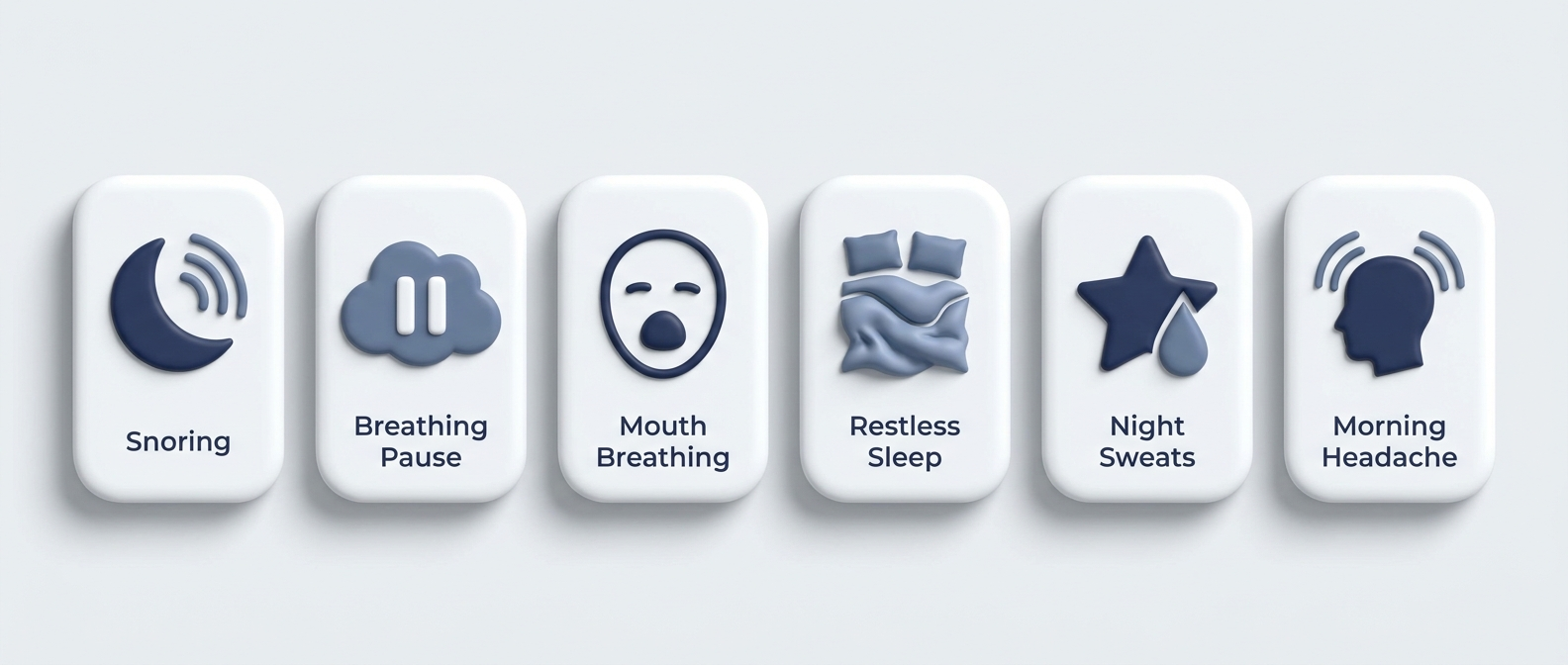
According to the NHLBI, symptoms that may suggest pediatric OSA include:¹
- Loud or frequent snoring
- Breathing pauses (witnessed apnea)
- Gasping/choking sounds
- Mouth breathing
- Restless sleep or unusual sleep positions
- Night sweats
- Morning headaches
A practical tip: if you can, take a short video on your phone (a minute or two) of the snoring or any suspected pauses. Many clinicians find a real-life clip helpful—especially when symptoms come and go. Do not delay care to capture video if breathing looks concerning.
For a deeper dive into what’s typical vs. concerning, see our post about child snoring every night (internal link). https://sleepandsinuscenters.com/blog/child-snoring-every-night-is-it-normal-or-a-sleep-20260710051028
Daytime signs that matter just as much
In children, sleep apnea doesn’t always look like “sleepiness.” The NHLBI lists daytime signs such as:¹
- Fatigue (even after “enough” hours in bed)
- Inattention, hyperactivity, irritability, behavior changes
- Learning or school performance concerns
Some parents are surprised by this. Instead of dozing off, a child may look “wired,” moody, or have more trouble focusing—because their sleep quality isn’t as restorative as it appears. When bedwetting and snoring in children occur alongside these daytime changes, it’s a stronger signal that a sleep evaluation could be worth discussing. If snoring is habitual and daytime behavior or learning concerns are present, bring it up with your child’s clinician.
Causes: What can lead to snoring and sleep apnea in children?

Enlarged tonsils/adenoids (common and treatable)
One of the most common contributors to obstructive sleep apnea in children is enlarged tonsils and adenoids, which can narrow the airway during sleep. Pediatric guidelines highlight this as a frequent, treatable cause and a reason an ENT evaluation may be part of the workup.³⁴
A simple analogy: if the airway is a hallway, enlarged tonsils/adenoids can make that hallway narrower at night—so airflow becomes noisier (snoring) or intermittently blocked (apneas).
If you’re wondering what enlarged adenoids can look like day to day, you may find this helpful: enlarged adenoids / big adenoids symptoms in kids (internal link). https://sleepandsinuscenters.com/blog/big-adenoids-symptoms-in-kids-key-signs-every-parent-should-know
Nasal congestion and allergies (can worsen snoring)
Chronic nasal blockage (from allergies, recurrent congestion, or other nasal issues) can promote mouth breathing and worsen snoring. Sometimes, improving nasal airflow is part of an overall plan—while still keeping an eye on red flags that suggest true sleep apnea.
Other risk factors that may increase OSA likelihood
- Family history of OSA
- Obesity (when applicable)
- Certain craniofacial or neuromuscular conditions that affect airway size or tone (your child’s clinician can explain what applies, if anything)
Cause and effect vary by child—an evaluation helps clarify which factors matter most in your situation.
Bedwetting has many other causes (don’t assume it’s sleep apnea)
Bedwetting is common and often unrelated to breathing. The Mayo Clinic lists several potential contributors, including:⁵
Common non-OSA contributors to bedwetting
- Normal developmental variation (especially in younger children)
- Deep sleep patterns and delayed bladder signaling
- Constipation (can press on the bladder)
- Urinary tract issues or overactive bladder
- Diabetes (excessive thirst and urination)
One reason clinicians ask about constipation is that it can be easy to miss—especially if a child is having small, frequent stools that look “normal” but still reflect stool buildup.
When bedwetting needs a closer medical look
The Mayo Clinic suggests a closer look when bedwetting:⁵
- Persists beyond about age 7
- Starts again after a child had been dry
- Occurs with pain with urination, fever, excessive thirst, blood-tinged urine
- Happens alongside significant constipation
- Appears with breathing concerns like habitual snoring
In other words, bedwetting and snoring in children isn’t automatically sleep apnea—but it can be a meaningful clue when it’s part of a bigger pattern. Don’t jump to conclusions—use the pattern of symptoms to guide when to check in with a clinician.
When to talk to a doctor (and what to bring to the visit)

Use this checklist before the appointment
Consider tracking these details for 1–2 weeks (even quick notes can help):
- How many nights per week snoring happens (and how loud)
- Any witnessed pauses, gasps, or choking sounds
- Mouth breathing, night sweats, restless sleep
- Morning headaches or hard-to-wake mornings
- Daytime behavior/school concerns
- Bedwetting frequency and pattern
- Constipation history and typical fluid intake timing
If it helps, keep it simple: a calendar with “snore / no snore,” “wet / dry,” and a quick note like “hard to wake” can be plenty.
What type of clinician might evaluate this?
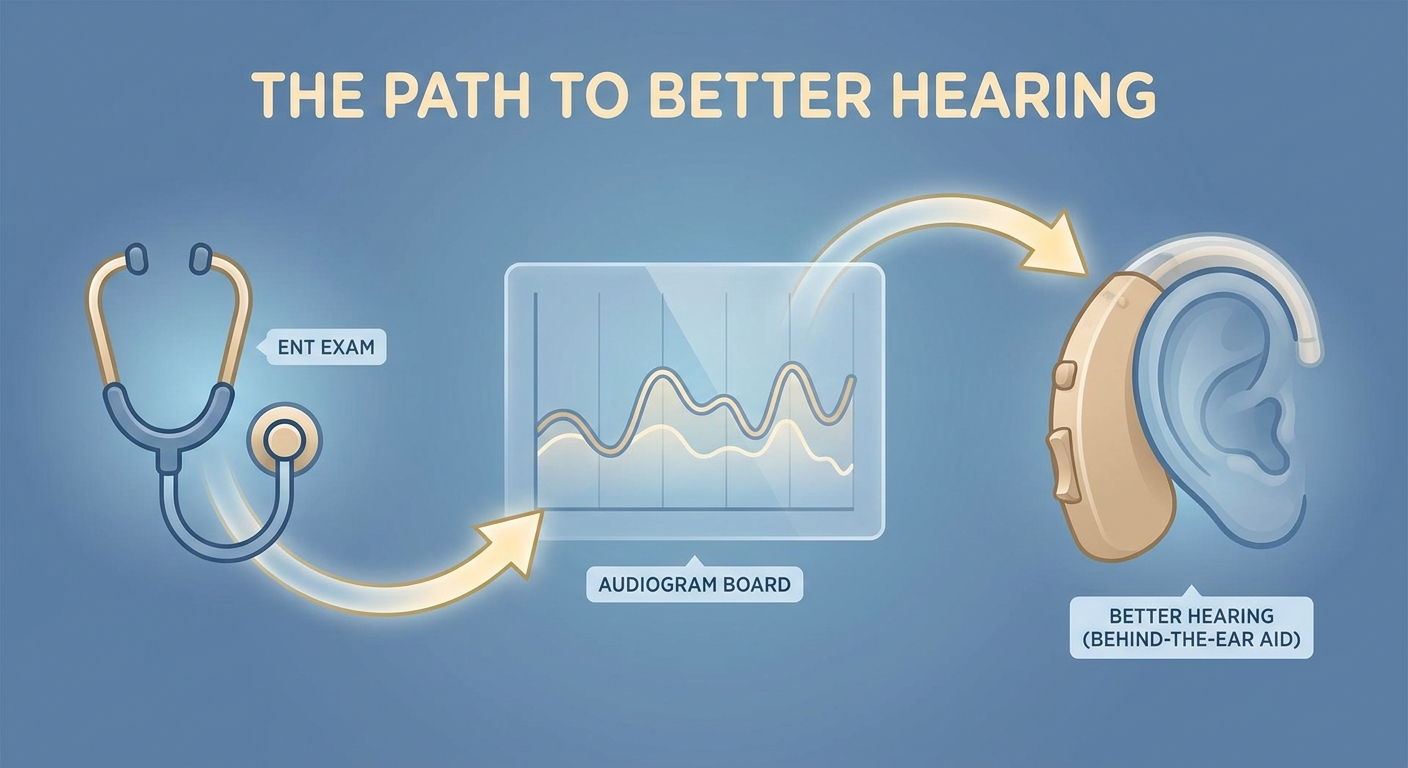
Often the first step is a pediatrician, who may then recommend evaluation with a sleep specialist and/or ENT, especially if enlarged tonsils and adenoids are suspected. At Sleep and Sinus Centers of Georgia, families commonly come in with concerns like bedwetting and snoring in children, and the next steps depend on symptoms, exam findings, and whether a sleep study is indicated. Habitual snoring—especially with pauses, gasping, or daytime concerns—should be discussed with a clinician rather than watched indefinitely.
How pediatric sleep apnea is diagnosed (what guidelines recommend)
Why “regular snoring + symptoms” should be evaluated
The American Academy of Pediatrics (AAP) recommends clinicians ask about snoring routinely. When a child has regular snoring along with symptoms of OSA, the AAP recommends overnight polysomnography (a sleep study) or referral for specialist evaluation.³ The American Academy of Sleep Medicine summarizes these guideline recommendations similarly.⁴
A phrase many clinicians use is essentially: “Habitual nightly snoring, especially with other symptoms, is something to bring up with your child’s clinician.”
What an overnight sleep study (polysomnography) is like for kids
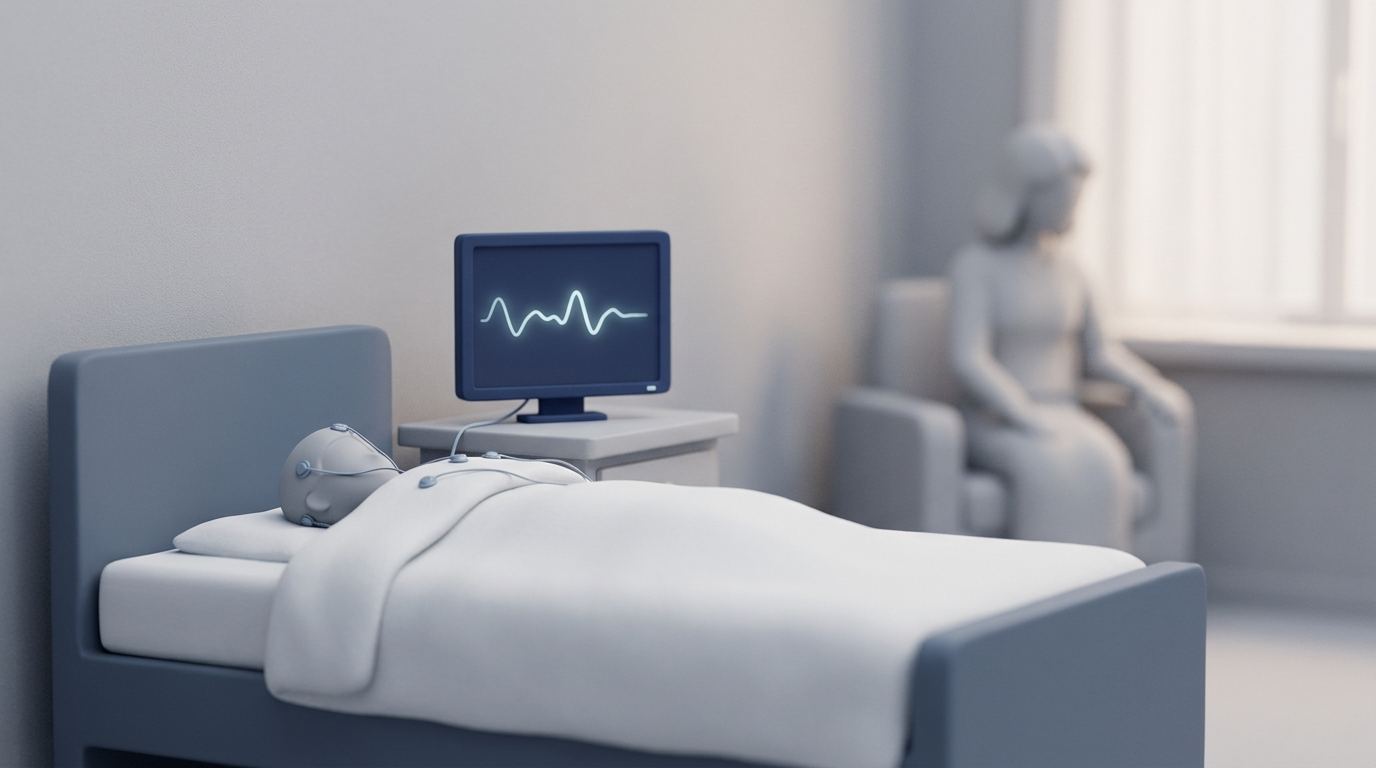
A pediatric sleep study is typically done overnight in a sleep lab (some are designed specifically for children). It measures things like:
- Breathing patterns and effort
- Oxygen levels
- Heart rate
- Sleep stages and arousals
It’s noninvasive monitoring. Policies vary by facility, but a parent is often able to stay with the child.
For a practical walkthrough, see our resource on what to expect during a sleep study / sleep study preparation (internal link). https://sleepandsinuscenters.com/patient-resources/sleep-study-preparation
A sleep study provides objective information about breathing and sleep quality that symptoms alone can’t confirm.
Treatment options if your child has OSA (and what may happen to bedwetting)

Treating enlarged tonsils/adenoids (first-line when enlarged)
When enlarged tonsils and adenoids are contributing to airway obstruction, adenotonsillectomy is often considered a first-line option in pediatric guidelines, as determined with ENT/sleep clinicians.³⁴
For more background on these procedures, read: Adenoidectomy vs. Tonsillectomy for Children (internal link). https://sleepandsinuscenters.com/blog/adenoidectomy-vs-tonsillectomy-for-children-which-20260316181610
CPAP (when surgery isn’t appropriate or OSA persists)
Some children use CPAP (continuous positive airway pressure) if surgery isn’t appropriate, or if OSA continues after surgery. Successful CPAP use usually depends on careful mask fitting, comfort strategies, and follow-up.
Addressing contributing factors (as part of a plan)
- Weight management support when relevant
- Treating nasal obstruction/allergies (when present)
- Sleep hygiene basics to reduce sleep fragmentation (supportive, not curative)
If bedwetting improves—what that can mean
Some families notice that bedwetting improves when sleep-disordered breathing is treated—but the response varies. This fits with the research: there’s an association between OSA and bedwetting, but association isn’t a guarantee.² If bedwetting doesn’t improve after OSA treatment, that doesn’t mean treatment failed—it may simply mean bedwetting has a different primary driver (like constipation or developmental timing) that also needs attention. Treatment is individualized—improvements in bedwetting are possible but not guaranteed and may require addressing multiple factors.
Lifestyle tips for families while you’re seeking answers (practical + low-stress)
These are supportive steps that may make nights easier while you pursue evaluation.
For snoring and sleep quality (supportive steps)
- Keep a consistent sleep schedule.
- Manage nasal congestion only as directed by your child’s clinician (especially if allergies are suspected).
- Side-sleeping may reduce snoring for some children; it is not a treatment for OSA and is not a substitute for evaluation when warning signs are present.
For bedwetting (reduce stress and protect sleep)
- Protect self-esteem: avoid shame or punishment.
- Use a waterproof mattress cover and easy nighttime bathroom access.
- Consider evening fluid timing with a balanced approach (aim to avoid both excessive late fluids and dehydration).
A small, practical example: some families set up a dim nightlight and a clear path to the bathroom so a half-awake child can get there easily—without fully “waking up” the household. Supportive habits can lower stress and protect sleep while you work with your child’s clinician on next steps.
FAQs
Can bedwetting be the only sign of sleep apnea?
Usually not. Concern rises when bedwetting happens along with habitual snoring and other breathing or daytime behavior/attention symptoms described by the NHLBI and AAP.¹³
My child snores but doesn’t seem tired—should I worry?
Daytime symptoms can be subtle in children (sometimes showing up as irritability or inattention rather than sleepiness). The AAP recommends evaluation when regular snoring occurs with other OSA symptoms.³⁴
What does sleep apnea sound like in kids?
Often: loud habitual snoring, pauses in breathing, and gasping/choking sounds.¹
Do enlarged tonsils always mean sleep apnea?
Not always. Enlarged tonsils/adenoids are common in children, and evaluation determines whether they’re causing obstruction during sleep.³⁴
When should we consider a sleep study?
Guidelines support considering an overnight sleep study for children when there is regular snoring plus symptoms such as witnessed pauses, gasping, restless sleep, or daytime behavior/learning concerns.³⁴
When to seek urgent care vs. routine evaluation
Call urgently/seek emergency evaluation if
Seek urgent evaluation if a child has severe breathing difficulty, persistent blue/gray coloration, extreme lethargy, or breathing pauses with distress. If symptoms seem severe or sudden, contact local emergency services.
Schedule a routine medical evaluation if
- There is habitual snoring (especially child snoring every night) with nighttime breathing symptoms or daytime concerns
- Bedwetting has red flags such as restarting after dryness, older age persistence, pain with urination, excessive thirst, blood in urine, or significant constipation⁵
- Bedwetting and snoring in children are happening together and you want to rule out sleep-disordered breathing
When in doubt, a routine visit can clarify whether a sleep or ENT referral and/or a sleep study makes sense.
Conclusion: Putting it all together
Bedwetting and snoring in children can be linked to pediatric sleep apnea, but it’s not proof that OSA is present. The most helpful approach is to look for a cluster of symptoms—habitual snoring plus breathing pauses, gasping, restless sleep, mouth breathing, morning headaches, or daytime attention/behavior concerns.
The good news is that pediatric OSA is treatable, and evaluation can bring clarity. If you’re noticing patterns that match the guideline-based warning signs, consider discussing them with your child’s pediatrician and asking whether a sleep and/or ENT evaluation makes sense.
Want help taking the next step? You can request an evaluation with Sleep and Sinus Centers of Georgia and discuss whether a pediatric sleep study or ENT assessment is appropriate for your child: https://www.sleepandsinuscenters.com/
A careful, stepwise evaluation can identify what’s driving symptoms and guide effective, child-specific treatment.
This article is for educational purposes only and is not medical advice. Please consult a qualified healthcare provider for diagnosis and treatment. If you’re concerned about your child’s breathing, sleep, or urinary symptoms, contact a qualified clinician or emergency services if symptoms are severe.
Sources
1. National Heart, Lung, and Blood Institute (NHLBI). “Sleep Apnea in Children” (2025). https://www.nhlbi.nih.gov/health/sleep-apnea/children
2. Diab et al. “Obstructive sleep apnea and nocturnal enuresis in the pediatric population: a systematic review and meta-analysis” (2026). https://pmc.ncbi.nlm.nih.gov/articles/PMC12923443/
3. American Academy of Pediatrics. “Diagnosis and Management of Childhood Obstructive Sleep Apnea Syndrome” (2012). https://publications.aap.org/pediatrics/article/130/3/576/30284/Diagnosis-and-Management-of-Childhood-Obstructive
4. American Academy of Sleep Medicine. Summary of AAP guideline (2024). https://aasm.org/american-academy-of-pediatrics-publishes-clinical-guideline-on-sleep-apnea-in-children/
5. Mayo Clinic. “Bed-wetting: Symptoms and causes” (2023). https://www.mayoclinic.org/diseases-conditions/bed-wetting/symptoms-causes/syc-20366685
Don’t let allergies slow you down. Schedule a comprehensive ENT and allergy evaluation at Sleep and Sinus Centers of Georgia. We’re here to find your triggers and guide you toward lasting relief.