Sudden Hearing Loss in One Ear: When It’s an Emergency and What to Do
Noticing that you can no longer hear well—or at all—out of one ear is frightening. It can feel as if someone suddenly turned the volume down on one side of the world, leaving everyday sounds like conversation or traffic oddly distant. Sudden hearing loss in one ear often develops over a few hours or days and may signal a time-sensitive inner-ear problem. Early evaluation can help identify treatable causes and may improve the chance of recovery. This educational overview explains the condition, why timing matters, common causes, typical next steps, and what patients often experience during diagnosis and follow-up. It is not a substitute for personalized care from a qualified clinician.
Understanding Sudden Hearing Loss in One Ear (SSHL Basics)
What Is Sudden Sensorineural Hearing Loss (SSHL)?
Sudden sensorineural hearing loss (SSHL) refers to a rapid drop in hearing that originates in the inner ear or the nerve pathways to the brain. The National Institute on Deafness and Other Communication Disorders (NIDCD, 2018) describes it as hearing loss of 30 decibels or more in at least three consecutive frequencies that occurs within a 72-hour period. Many people first notice it upon waking or after a specific event, such as a loud sound, and it commonly affects only one ear. Think of the inner ear as a highly sensitive microphone; when inflammation or reduced blood flow disrupts it, the signal simply fails to reach the brain clearly.
How Quickly Does It Develop? (Hours to 3 Days)
SSHL typically appears all at once or unfolds over hours to three days. Some patients report a “pop” followed by muffled sound, fullness, ringing (tinnitus), or dizziness. Because the change can be subtle at first, people sometimes wait, hoping it will resolve like a cold or allergy flare. Guidelines emphasize that this waiting period can reduce options for recovery. One frequent account is waking up and realizing the alarm clock sounds faint on one side, or noticing that a phone conversation feels strangely one-sided.
Why One Ear Is Often Affected (Unilateral SSHL)
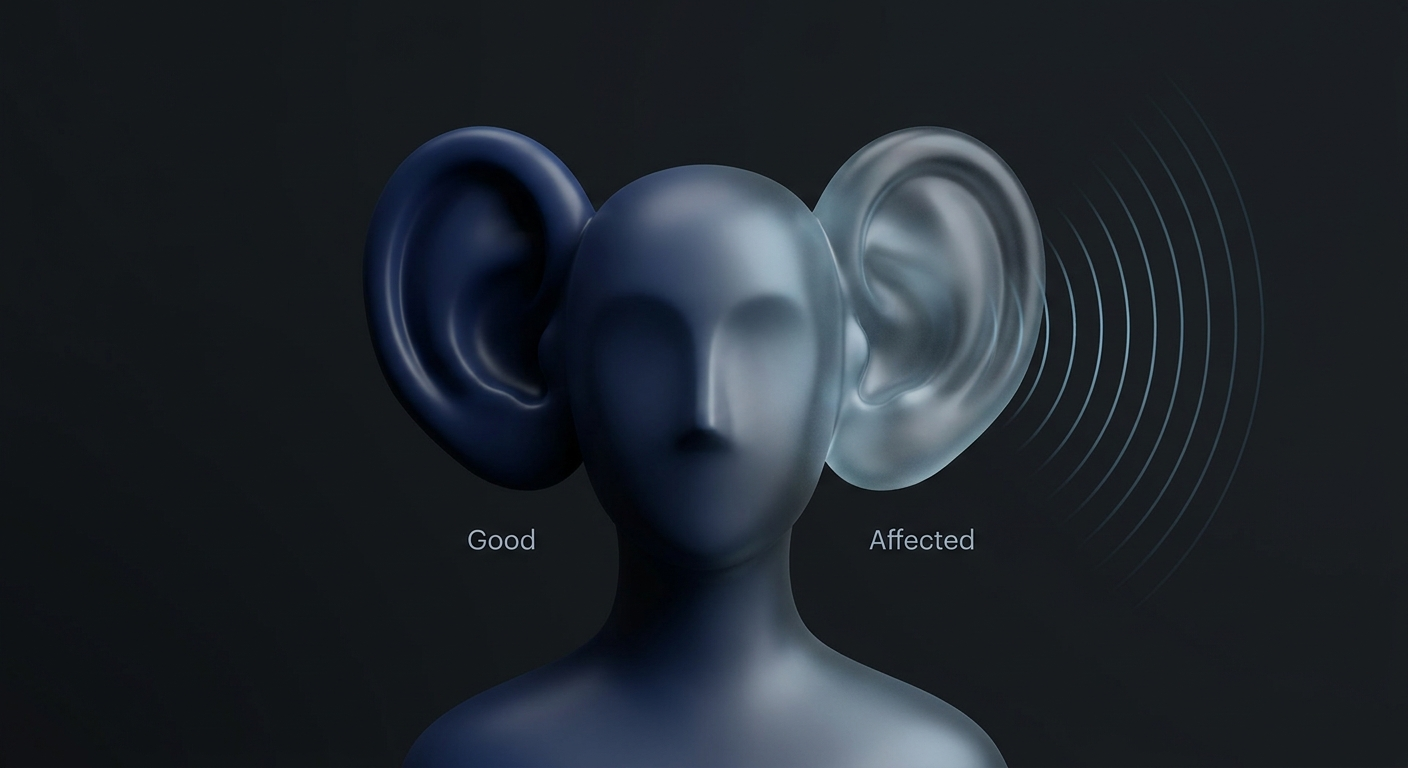
Most cases of SSHL are unilateral—meaning one-sided. The opposite ear usually remains normal, which can make the loss easy to overlook until conversation or phone use on that side becomes difficult. Bilateral or rapidly fluctuating loss raises additional concern and warrants even more urgent assessment. The healthy ear can compensate so well that the problem stays hidden until a specific situation, such as lying on the good ear in bed, suddenly makes the difference obvious.
Early recognition of unilateral changes helps distinguish this from everyday congestion.
When Sudden Hearing Loss Is a Medical Emergency
The Urgent Window for Evaluation (Ideally Within 24 Hours)
Guidance from NICE Guideline NG98 and Royal College of General Practitioners resources recommends assessment ideally within 24 hours per NICE-style urgent-referral guidance when unexplained hearing loss has developed over three days or less, occurred within the past 30 days, and is not clearly due to earwax or middle-ear fluid. An ear, nose, and throat (ENT) specialist or emergency department can quickly distinguish inner-ear loss from simpler blockages. Just as “time is brain” in a stroke, here time is hearing: the inner-ear structures are fragile and respond best to prompt care.
Red Flag Symptoms That Mean Go to the ER Now
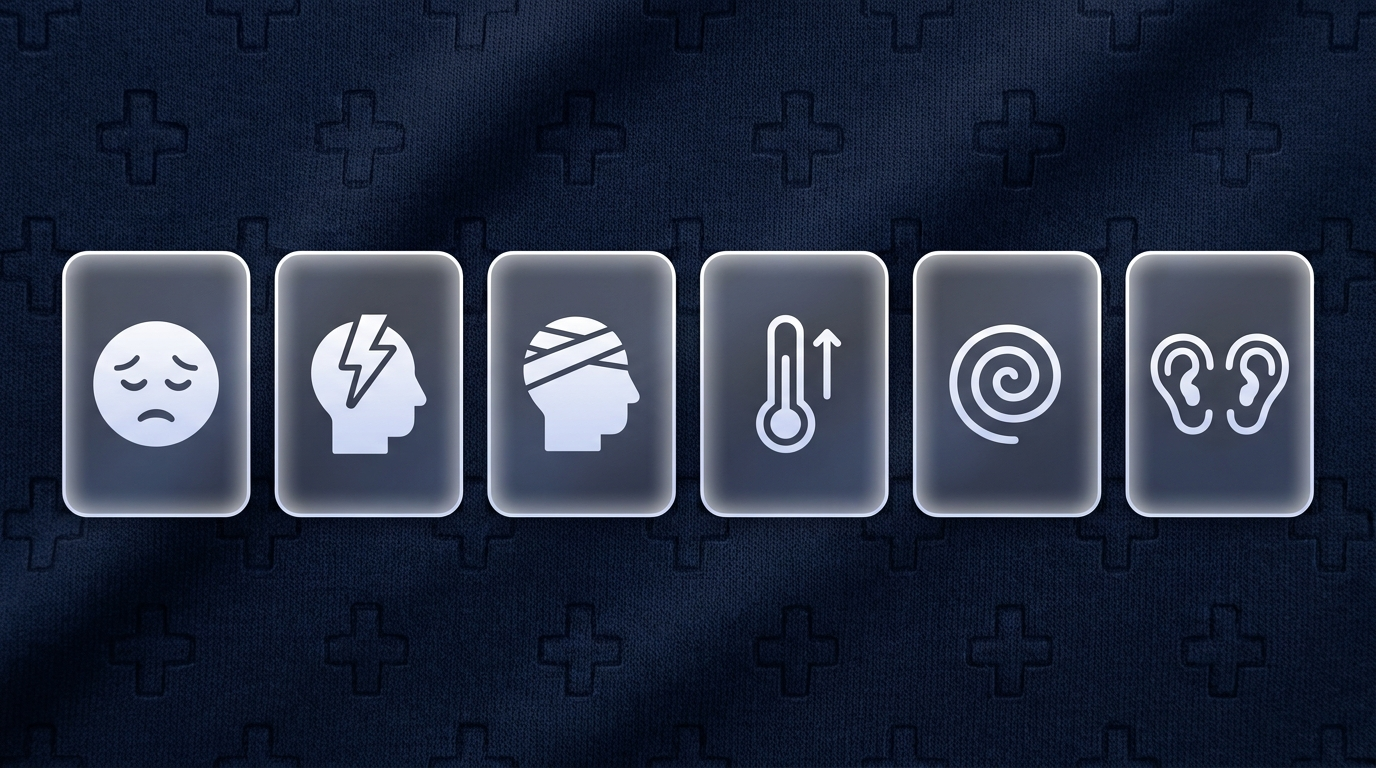
– Weakness, numbness, facial droop, severe headache, or trouble speaking (possible neurological involvement)
– Recent head or neck injury
– High fever, severe ear pain, or signs of spreading infection
– Hearing loss in both ears or repeated episodes in the same ear
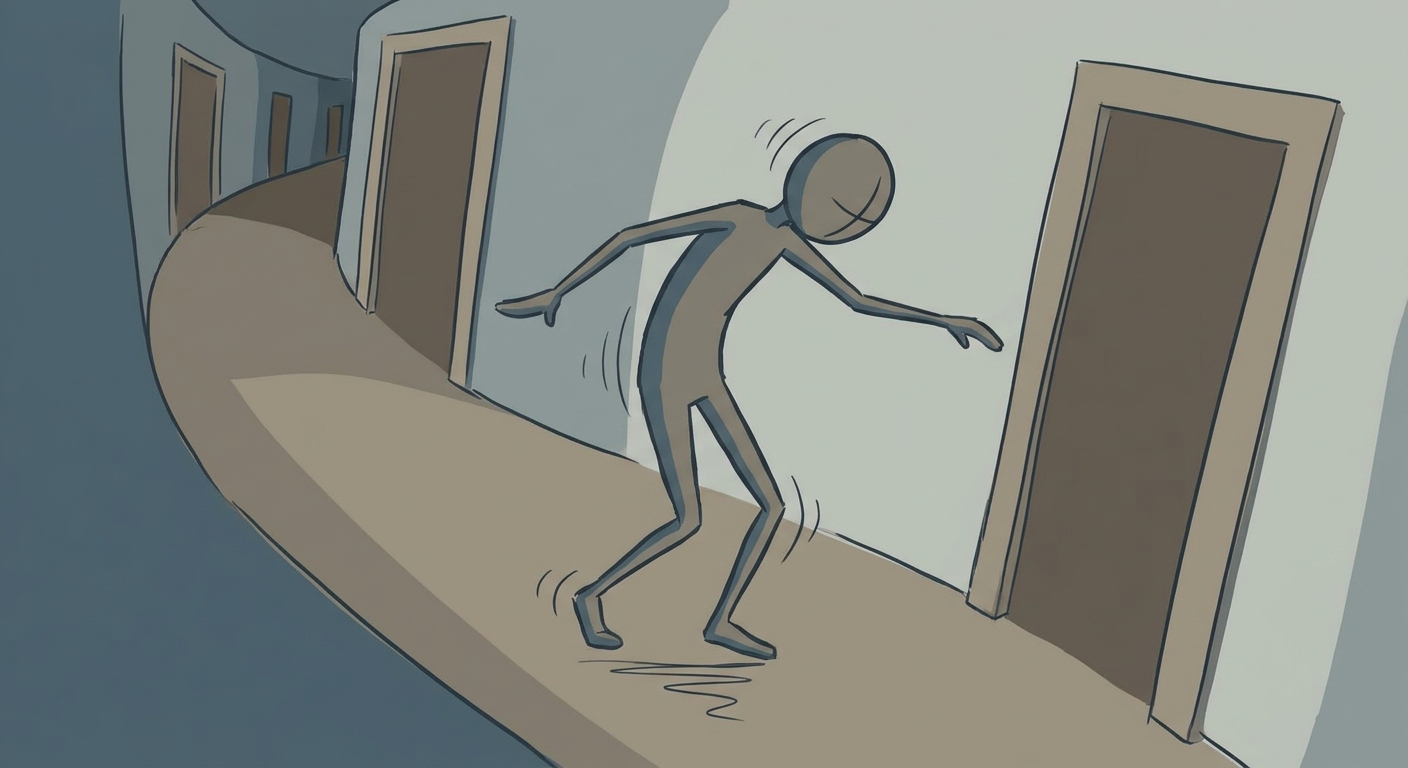
– Sudden dizziness so intense that walking is unsafe
These features suggest the need for emergency-department evaluation rather than a routine appointment. Even without these signs, unexplained sudden loss still deserves same-day attention.
Why Waiting Can Reduce Recovery Chances
The inner ear is sensitive to inflammation and reduced blood flow. The longer the delay, the lower the likelihood that hearing will return to its previous level. The American Academy of Otolaryngology–Head and Neck Surgery (AAO-HNS, 2019) Clinical Practice Guideline notes that treatment started beyond two to four weeks is far less effective. Patients sometimes compare the delay to ignoring chest pain; the window for the best outcome simply closes.
Seeking care without delay preserves the greatest number of treatment options.
Common Causes of Sudden Hearing Loss in One Ear
Inner-Ear (Sensorineural) vs. Outer/Middle-Ear (Conductive) Causes
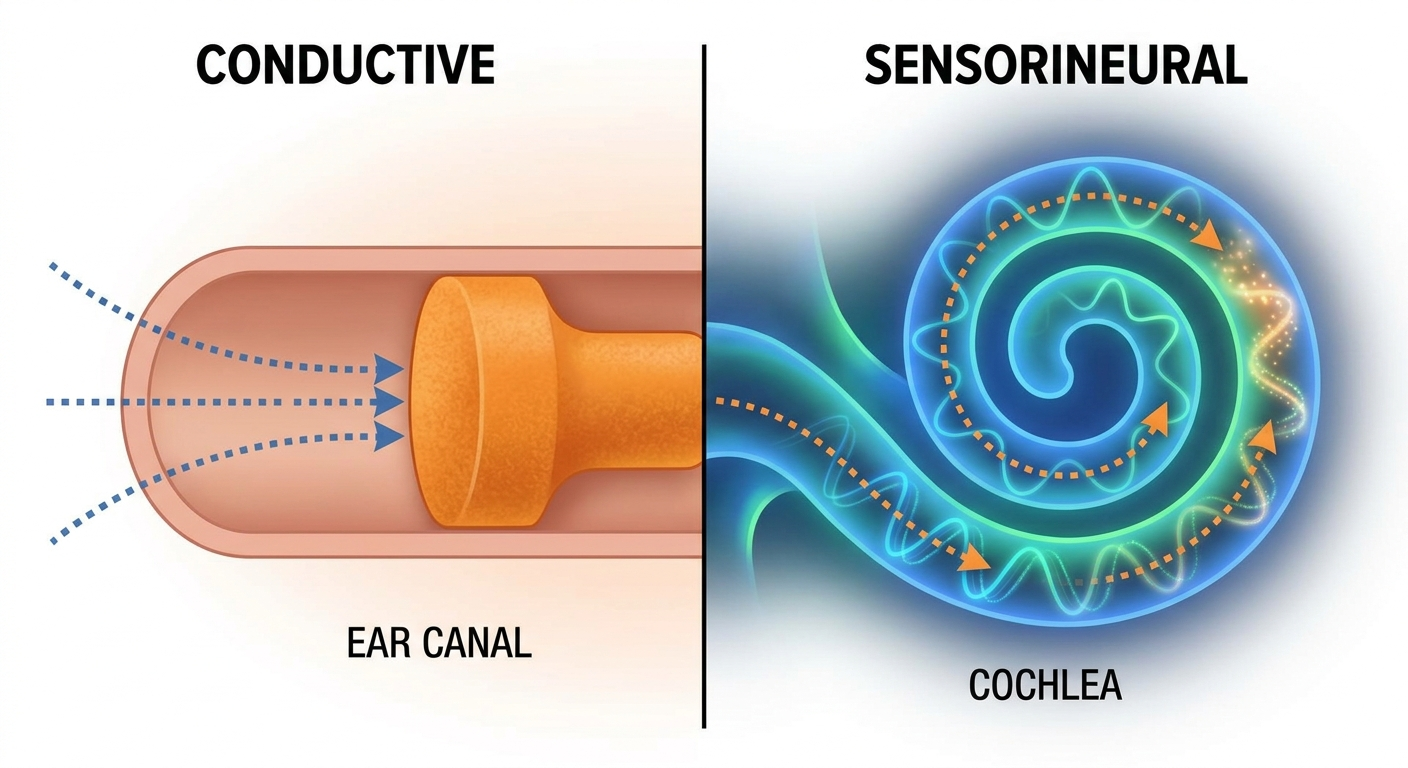
A clinician first determines whether the loss is sensorineural (inner ear or nerve) or conductive (outer or middle ear). Conductive problems—wax, fluid, or infection—are often reversible with simple measures. Sensorineural loss requires more specialized testing and treatment. Distinguishing the two is like checking whether a speaker is unplugged versus whether its internal wiring has failed.
Treatable Blockages: Earwax, Fluid, or Infection
Impacted wax, middle-ear fluid after a cold, or an acute infection can mimic SSHL. A careful exam with an otoscope usually identifies these. Once cleared, hearing often returns promptly. Many people initially assume “it’s just congestion from my recent cold,” only to learn that the middle ear looks perfectly clear.
Other Possible Triggers (Viral, Vascular, Autoimmune, or Unknown Idiopathic SSHL)
Many SSHL cases remain idiopathic (no identifiable cause). Other possibilities include viral inflammation, reduced blood supply, autoimmune inner-ear disease, or, less commonly, a growth on the hearing nerve. Viral triggers, for instance, may follow a mild illness that the patient barely noticed.
When Imaging Is Needed to Rule Out Serious Underlying Issues
Once SSHL is confirmed, imaging (typically MRI) or auditory brainstem response testing looks for rare but important retrocochlear problems such as a vestibular schwannoma. The AAO-HNS guideline supports this evaluation after the diagnosis is established. These tests are scheduled so they do not postpone the first-line treatment window.
Determining the origin of the loss directs whether simple clearing or specialist care is needed.
What to Do Immediately If You Notice Sudden Hearing Loss
Step-by-Step Action Plan (Do Not Delay)
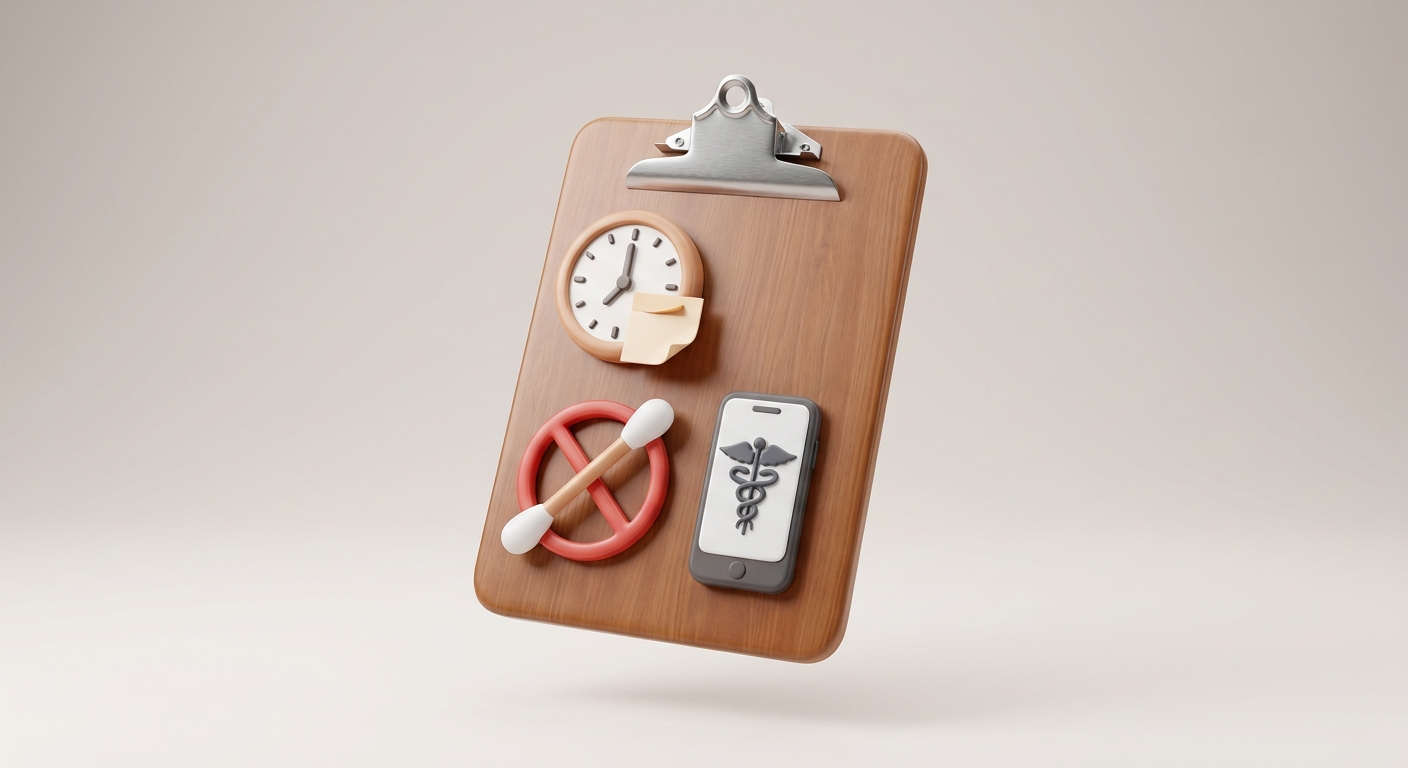
1. Note the exact time hearing changed and any associated symptoms (tinnitus, dizziness, pain, recent illness).
2. Avoid inserting cotton swabs or other objects into the ear.
3. Contact a clinician promptly rather than waiting to “see if it improves.”
Writing down the details right away helps the clinician later and prevents the common “I’ll just wait until Monday” delay.
Who to Contact: ENT Specialist, Urgent Care, or Emergency Department
If red-flag symptoms are present, emergency-department care is appropriate. Otherwise, an ENT specialist experienced in comprehensive otolaryngology care can evaluate the ear, arrange testing, and start treatment if indicated. Patients seeking evaluation can contact a qualified ENT provider for timely access.
What Information to Share with Your Clinician (Onset Timing, Associated Symptoms)
Bring details about when the loss began, whether it was sudden or gradual, any recent upper-respiratory infection, noise exposure, medications, or head trauma. This information helps the clinician decide between urgent imaging, steroids, or simpler interventions. Even a brief timeline—“noticed it at 7 a.m. after the concert last night”—is valuable.
Documenting symptoms immediately supports faster, more accurate clinical decisions.
How Doctors Diagnose Sudden Hearing Loss
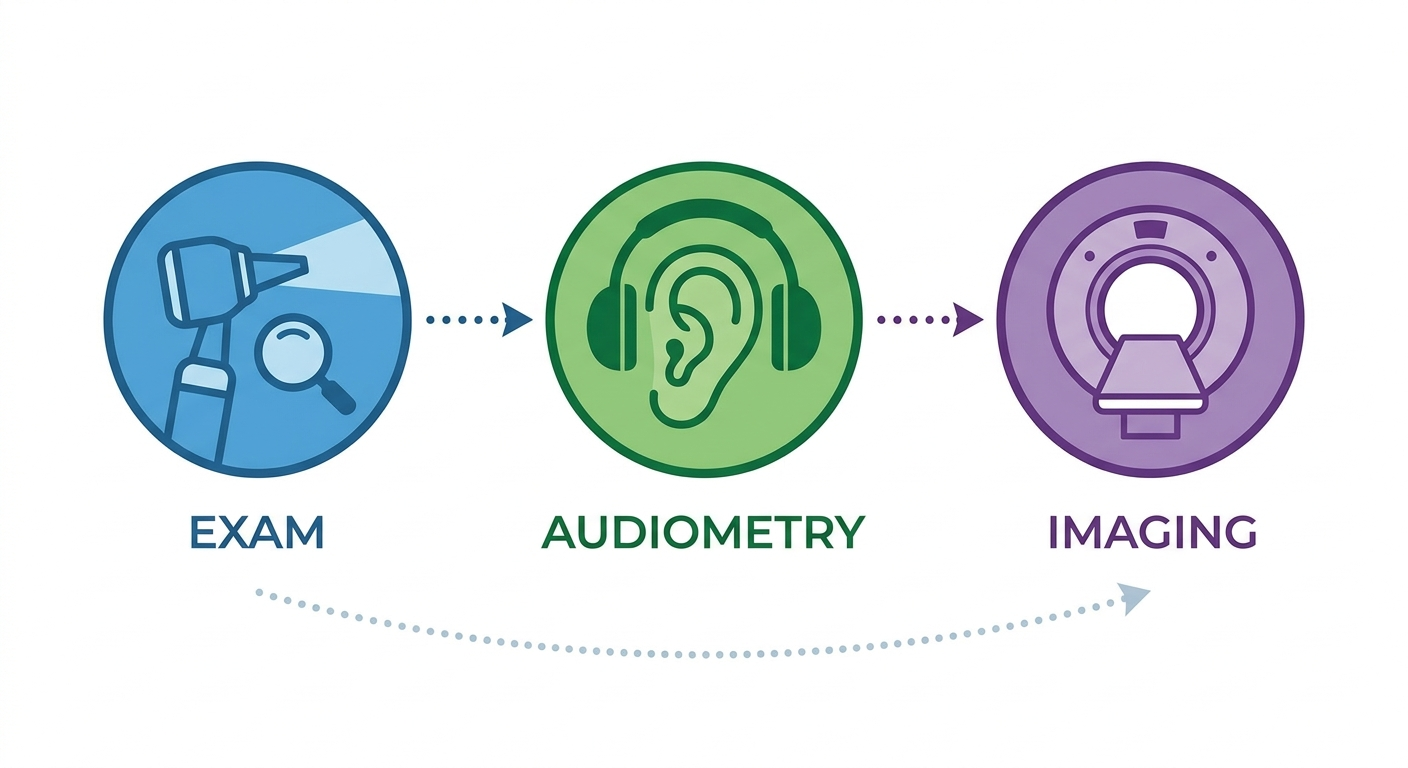
Physical Exam to Rule Out Blockage or Middle-Ear Problems
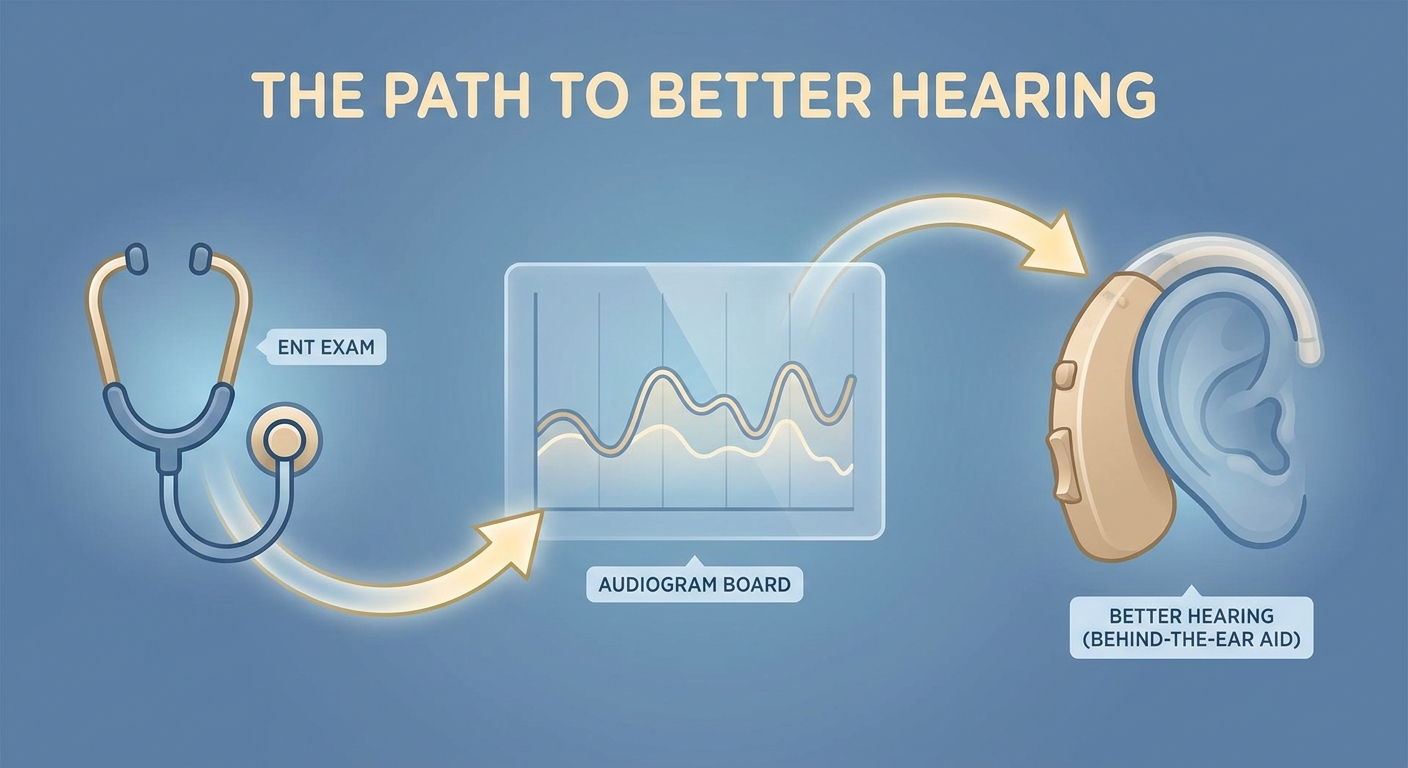
The visit begins with a thorough ear exam, tuning-fork tests, and a check of the nose and throat. This step quickly identifies wax, fluid, or infection that may not require steroids or imaging. Tuning-fork tests, simple as they sound, still reliably point the clinician toward inner-ear versus middle-ear origin.
Prompt Hearing Testing (Audiometry Within Days)
The AAO-HNS guideline recommends audiometry as soon as possible and within 14 days of onset. A complete hearing test maps the degree and pattern of loss and confirms whether it is sensorineural. Patients can learn more about what to expect in related audiogram resources. The test itself is painless and usually takes less than 30 minutes.
Additional Tests: MRI or Auditory Brainstem Response for Retrocochlear Causes
If the hearing test confirms SSHL, MRI (or ABR if MRI is not feasible) evaluates the hearing nerve and brain pathways. These studies are typically scheduled after the initial steroid window so that treatment is not delayed. Most patients find the MRI simply noisy rather than uncomfortable.
A systematic exam and timely testing confirm the diagnosis while ruling out urgent concerns.
Treatment Options and Why Timing Matters
Corticosteroids as First-Line Therapy (Best Within 2 Weeks)
Oral or injected corticosteroids are the most commonly offered first-line treatment when no other cause is found. The AAO-HNS guideline supports starting them within two weeks of onset, when the chance of improvement is highest. They work by calming inflammation, much like ice and anti-inflammatories help a swollen joint recover.
What Happens If Treatment Is Delayed Beyond 2–4 Weeks
After roughly two to four weeks, the window for meaningful recovery with steroids narrows. Some patients still experience partial improvement, but the likelihood of returning to baseline hearing decreases. Clinicians often remark that “the earlier we start, the more options remain on the table.”
Other Supportive Care and Follow-Up
Antiviral medication, hyperbaric oxygen, or other adjuncts are sometimes considered in specific situations. Repeat hearing tests track progress, and any remaining loss can be addressed with amplification or other rehabilitation. Follow-up visits also let the team watch for delayed complications.
Recovery Outlook and Hearing Rehabilitation if Needed
Recovery varies: some patients regain most hearing, others experience partial return, and a subset have lasting loss. Hearing aids, cochlear implants (in rare profound cases), and tinnitus-management strategies can restore function and quality of life. Many people are surprised how well modern hearing technology can fill in the gaps.
Starting appropriate therapy promptly maximizes the potential for hearing improvement.
Lifestyle Tips and What to Avoid After Sudden Hearing Loss
Protecting Your Remaining Hearing
Avoid loud noise, use hearing protection, and treat ear infections promptly. The unaffected ear becomes even more important, so regular monitoring is wise. Simple habits—turning down headphones, wearing earplugs at concerts—now protect the only fully functioning ear.
Managing Associated Symptoms Like Tinnitus or Dizziness
Tinnitus and imbalance often accompany SSHL. Sound therapy, vestibular exercises, and time usually lessen these symptoms, though some patients benefit from targeted therapy. A white-noise app at night or brief daily balance exercises can make the first weeks more comfortable.
When to Follow Up and Monitor Progress
Repeat audiograms at 1–2 weeks, 4–6 weeks, and 3–6 months are common. Any new neurological symptoms, worsening hearing, or recurrent episodes should prompt earlier contact with an ENT specialist providing comprehensive otolaryngology care.
Ongoing protection and monitoring help maintain function in the remaining hearing.
Frequently Asked Questions About Sudden Hearing Loss in One Ear
Can Allergies or Sinus Issues Cause Sudden Hearing Loss?
Allergies and sinus congestion more often produce temporary conductive loss from fluid. True SSHL is inner-ear in origin, though a recent viral illness can be a trigger. An exam distinguishes the two. If your hearing dropped overnight rather than gradually with congestion, it is safer to assume it needs specialist review.
Is Sudden Hearing Loss Always Permanent?
No. A portion of patients recover spontaneously or with timely steroids. Early evaluation improves the odds, according to NIDCD and AAO-HNS sources. Recovery is not guaranteed, yet many people regain useful hearing when care starts promptly.
Should I Try Home Remedies First?
Over-the-counter decongestants or ear drops may help if the problem is clearly wax or fluid, but they should not delay professional assessment when hearing drops suddenly and without explanation. Home measures are fine only after a clinician has confirmed a simple blockage.
How Long Does Recovery Take with Treatment?
Some improvement can appear within days to weeks; further gains may continue for several months. Final outcome is usually clearer by three to six months. Patience plus scheduled retesting gives the most accurate picture.
Sudden hearing loss in one ear is uncommon but important to take seriously. Prompt evaluation, hearing tests, and, when appropriate, corticosteroids offer the best chance of preserving hearing. If you or a loved one notices a sudden change, contact an ENT team experienced in comprehensive otolaryngology care for timely evaluation.
This article is for educational purposes only and is not medical advice. Please consult a qualified healthcare provider for diagnosis and treatment.
Don’t let allergies slow you down. Schedule a comprehensive ENT and allergy evaluation at Sleep and Sinus Centers of Georgia. We’re here to find your triggers and guide you toward lasting relief.