Speech Delay and Ear Infections: Understanding the Connection and Treatment Options
Introduction
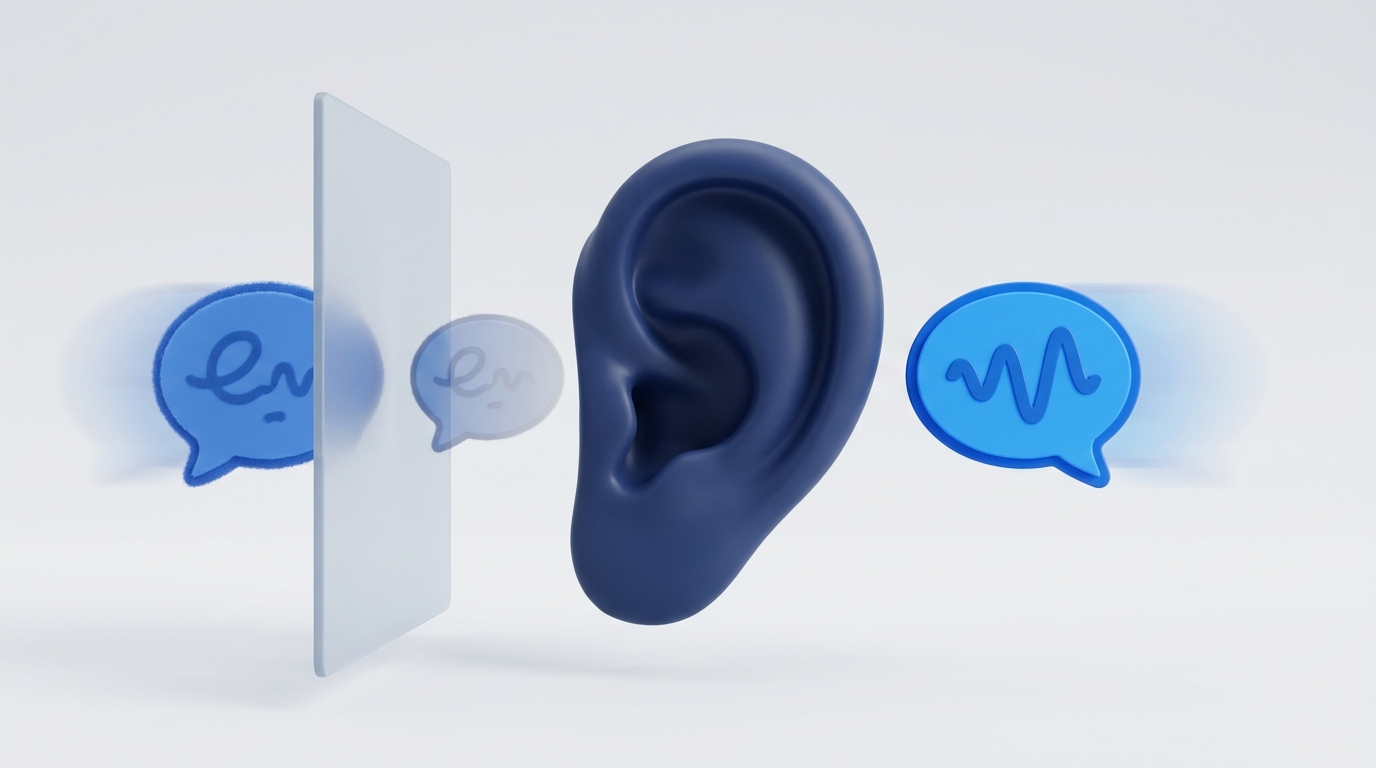
Many parents worry when a child experiences frequent ear infections alongside delayed speech. The relationship between speech delay and ear infections is real for some children, but it is not automatic and ear infections do not always cause delays. Otitis media (middle-ear infection) often involves fluid behind the eardrum that can create temporary hearing changes. This fluid, sometimes called otitis media with effusion, may muffle sounds and make speech harder to perceive clearly—think of it as trying to follow a conversation while someone is speaking through a closed door.
This post covers the science connecting ear fluid and speech development, warning signs parents can watch for, when a hearing evaluation is typically recommended, treatment options (including ear tubes), and practical next steps families can take. Understanding these points can help parents feel more informed when discussing concerns with their child’s care team.
How Ear Infections and Middle-Ear Fluid Affect Hearing
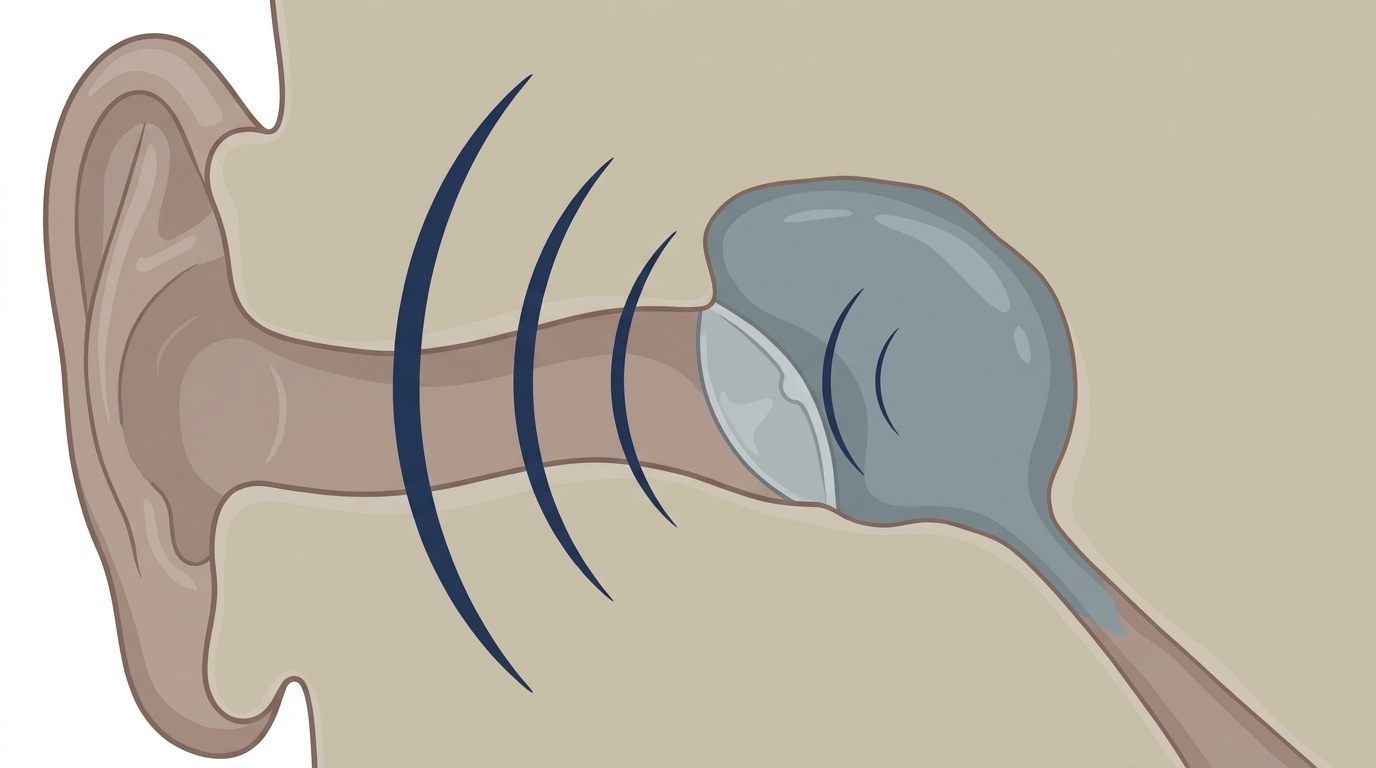
What happens during an ear infection or persistent fluid: During an ear infection or when fluid remains after the infection clears, fluid collects behind the eardrum. This condition, known as otitis media with effusion, often produces fluctuating or conductive hearing loss. Speech sounds can become muffled, especially quieter consonants that are important for language development. For more details on chronic fluid and its impact, see our related post on chronic ear fluid and hearing loss (https://sleepandsinuscenters.com/blog/chronic-ear-fluid-and-hearing-loss-causes-symptoms-treatment).
Temporary vs. prolonged hearing changes: Most middle-ear fluid resolves on its own within weeks to a few months. However, fluid lasting three months or longer, or recurrent episodes, raises more concern. Children who experience prolonged hearing loss associated with otitis media may face a higher risk of speech-sound or language difficulties, though many children with a history of ear infections develop typical skills. Imagine a toddler trying to distinguish “cat” from “hat” or “sip” from “ship” while sounds arrive as if filtered through water; the specific impact on particular sounds can vary. Prolonged fluid warrants closer monitoring of both hearing and speech development.

Do Ear Infections Cause Speech Delay? What the Research Shows
Key findings: A 2004 meta-analysis of otitis media and speech and language found no to very small negative associations between otitis media with effusion, related hearing loss, and later speech or language outcomes. Recent reviews on speech production and on early otitis media and later language similarly show mixed results; some children show increased risk, yet a clear, direct causal relationship has not been established.
Important nuances: Potential risk appears more closely tied to prolonged or recurrent hearing loss rather than every single infection. Other factors—like the child’s language environment and any underlying developmental differences—also matter. Monitoring hearing and speech together provides the most complete picture. Hearing and speech should be assessed together rather than in isolation.
Signs and Symptoms Parents Should Watch For
Hearing-related clues: A child who seems not to hear well, turns the TV louder, does not consistently respond to their name, or frequently says “what?”—especially with fluid lasting three months or with recurrent infections—often warrants checking. For more tips, see speech delay and hearing checks (https://sleepandsinuscenters.com/blog/speech-delay-and-hearing-checks-key-signs-and-early-intervention-tips).
Speech and language red flags: Delayed first words, limited vocabulary, unclear speech sounds, difficulty following directions, or frustration with communication are worth discussing. Any concern typically warrants evaluation even before the three-month mark. Prompt discussion of red flags with a pediatrician can lead to earlier support.

When to Get a Hearing Evaluation
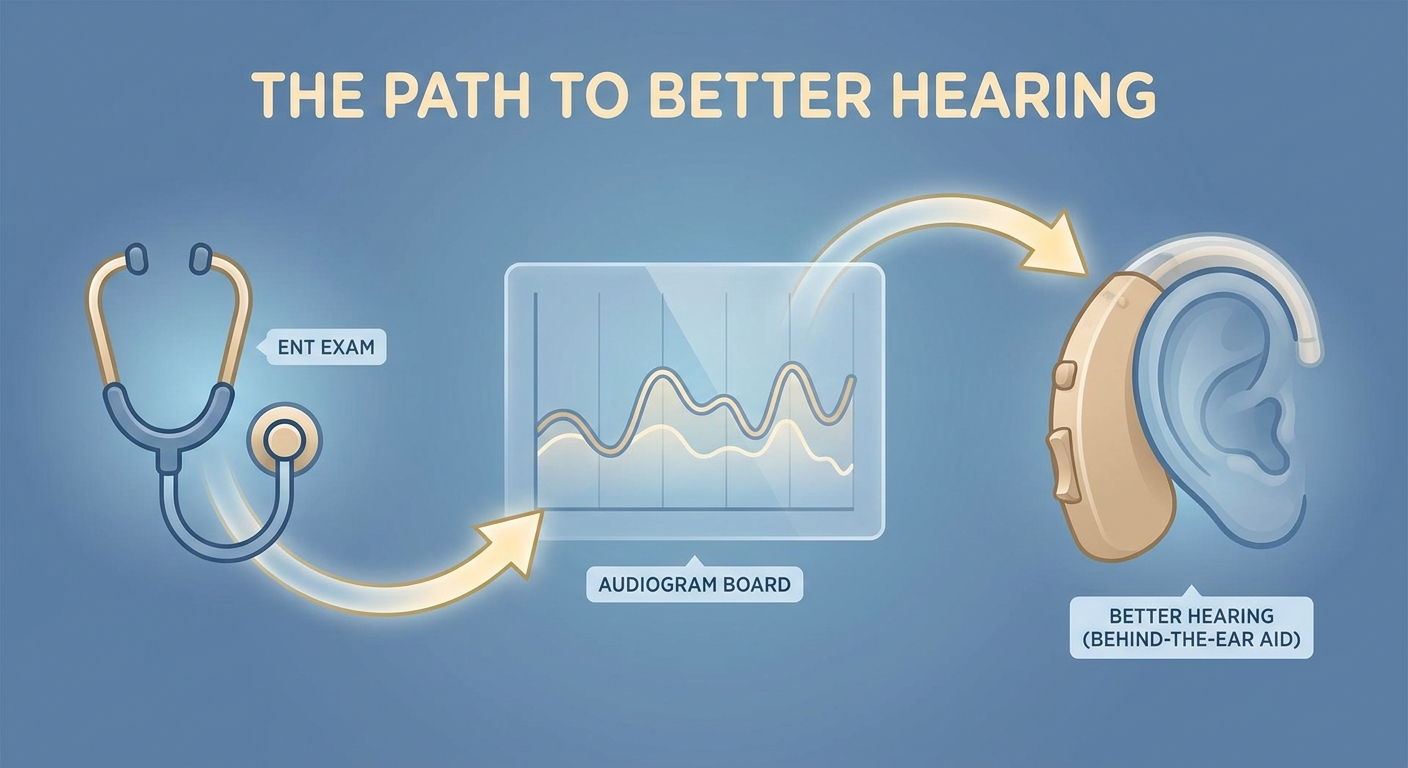
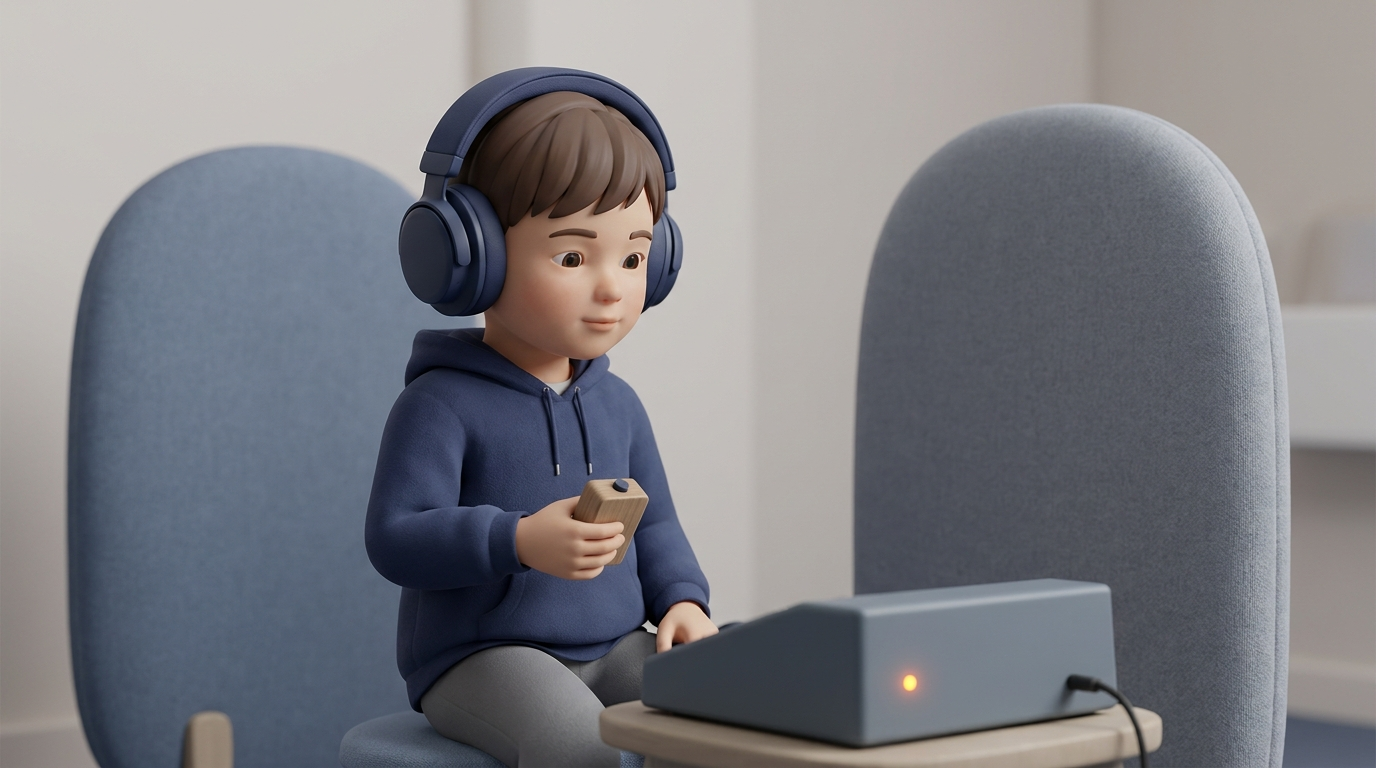
Hearing testing is recommended when middle-ear effusion lasts three months or longer—or sooner if speech delay, learning concerns, or hearing difficulty is already present. Expect tympanometry (middle-ear function), age-appropriate audiometry, and possibly an ENT referral. Prompt evaluation helps distinguish temporary fluid-related changes from other issues. Age-appropriate testing provides a clearer picture of any hearing changes.
Treatment Options for Ear Fluid and Related Concerns
Watchful waiting and medical management: For many otherwise healthy children, observation is appropriate because fluid often resolves without intervention. Active infections are typically treated, and contributors like allergies may be addressed when present.
Hearing support while fluid persists: Preferential seating, speaking clearly at a moderate volume, reducing background noise, and, in selected cases, temporary amplification can help keep speech sounds accessible during the waiting period.
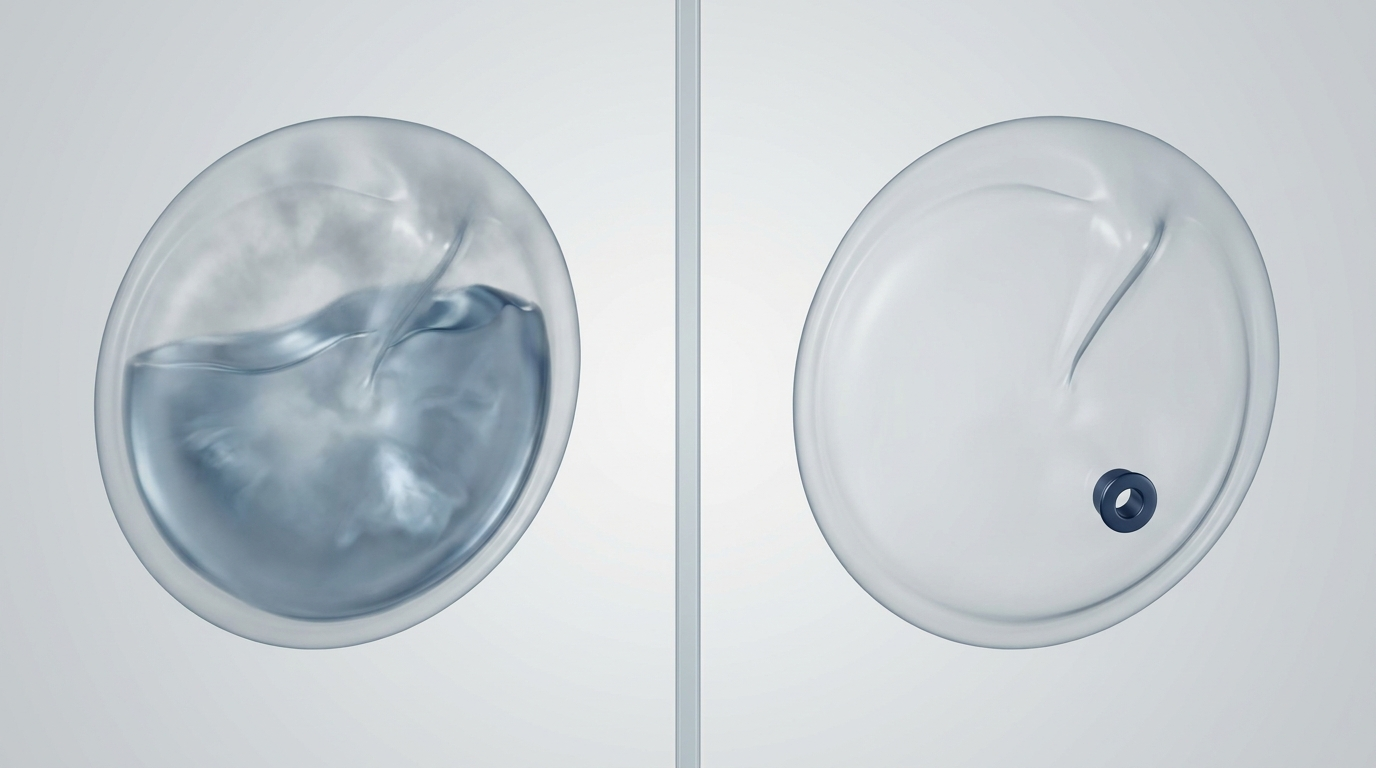
Ear tubes (tympanostomy tubes): Tubes can help selected children with severe recurrent infections, documented hearing problems, or accompanying speech delay. A 2001 study found that early tube insertion did not measurably improve speech, language, cognitive, or behavioral development by age three in otherwise healthy children with persistent effusion. Decisions should be individualized with an ENT. More on ear tubes: https://sleepandsinuscenters.com/blog/ear-infections-in-children-when-ear-tubes-are-the-20260709191328.
Other Supports and Lifestyle Tips for Families
Speech and language strategies at home: Narrate daily activities, read together, expand on your child’s words, and use face-to-face talking. Reduce competing noise and get the child’s attention before speaking to maximize clarity.
Prevention and risk reduction: When possible, breastfeeding, avoiding smoke exposure, managing allergies, considering pneumococcal vaccination, and limiting pacifier use after six months (with pediatric guidance) may lower infection risk.
Coordinating care: A team approach—pediatrician, ENT, and speech-language pathologist—often offers the best support. Related posts: speech delay and hearing checks (https://sleepandsinuscenters.com/blog/speech-delay-and-hearing-checks-key-signs-and-early-intervention-tips) and chronic ear fluid (https://sleepandsinuscenters.com/blog/chronic-ear-fluid-and-hearing-loss-causes-symptoms-treatment).
Frequently Asked Questions
Q: Will my child’s speech catch up after the fluid clears? A: Many children improve once hearing returns to typical levels, though progress varies and monitoring is common.
Q: Do all kids with lots of ear infections need tubes? A: No. Tubes are considered for selected children with severe recurrence, documented hearing loss, or speech delay.
Q: How soon should I get a hearing test? A: Often at three months of persistent fluid, or sooner if speech, learning, or hearing concerns are evident.
Q: Can ear infections cause permanent speech problems? A: Typical ear infections usually do not cause permanent problems; prolonged hearing loss is the greater concern.
Q: What if my child has speech delay but no current fluid? A: A hearing evaluation is still suggested to rule out other contributing factors.
When to See an ENT Specialist
Recurrent infections, persistent fluid, documented hearing loss, or speech and language concerns are common reasons to see an ENT. Sleep and Sinus Centers of Georgia offers comprehensive ENT care for pediatric ear and hearing issues. To schedule an evaluation: https://sleepandsinuscenters.com/appointments.
Conclusion
Ear infections and middle-ear fluid can interfere with hearing speech clearly and may raise the risk of speech-sound or language difficulties in some children, yet they do not automatically cause delay. Early hearing checks and targeted treatment, guided by the child’s specific situation, help families move forward with confidence. Additional reading: speech delay and hearing checks (https://sleepandsinuscenters.com/blog/speech-delay-and-hearing-checks-key-signs-and-early-intervention-tips), chronic ear fluid (https://sleepandsinuscenters.com/blog/chronic-ear-fluid-and-hearing-loss-causes-symptoms-treatment), and ear tubes for children (https://sleepandsinuscenters.com/blog/ear-infections-in-children-when-ear-tubes-are-the-20260709191328).
This article is for educational purposes only and is not medical advice. Please consult a qualified healthcare provider for diagnosis and treatment.
Don’t let allergies slow you down. Schedule a comprehensive ENT and allergy evaluation at Sleep and Sinus Centers of Georgia. We’re here to find your triggers and guide you toward lasting relief.