Social Withdrawal From Hearing Loss: Causes, Signs, and Solutions
Many working-age adults with hearing loss start declining invitations or feeling exhausted after conversations. Picture a colleague who used to join after-work gatherings now citing “just being tired” and heading home instead. It is not only that they “cannot hear.” Social settings become draining, and this can contribute to social withdrawal. Hearing loss is associated with reduced social activity and emotional difficulties, making this a clinically significant concern—though it is not the sole cause for every person. This post explains the causes (communication struggles and sound localization issues), signs to watch for, why a single hearing aid or cochlear implant may not fully restore group conversation ability, and practical approaches that combine hearing care with support for well-being. If this sounds familiar, a comprehensive evaluation can help. You can schedule an evaluation at https://sleepandsinuscenters.com/appointments to explore options.
Why Hearing Loss Can Lead to Social Withdrawal
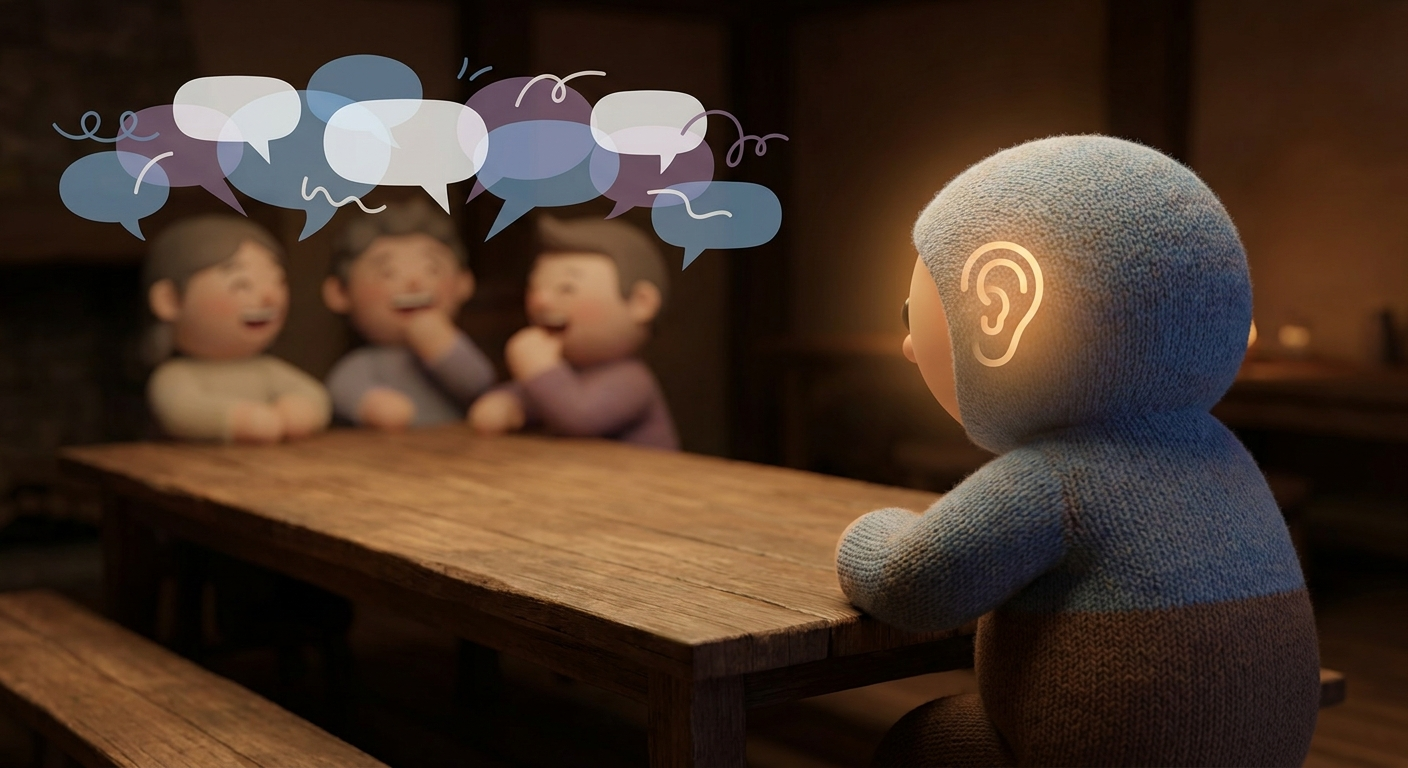
In working-aged adults, hearing loss is linked to reduced social activity and heightened emotional difficulties consistent with withdrawal. Communication barriers play a major role. Difficulty understanding speech, especially in noise or groups, plus trouble locating sound sources, makes conversations tiring—like trying to follow a foreign-language film without subtitles while people talk over the dialogue. Unilateral (one-sided) hearing loss specifically complicates participation because it affects spatial hearing.
Research supports a strong association, but hearing loss is not the sole or direct cause in every individual. Fatigue, stigma, and mood often interact. Sources such as Newsted et al., “Approach to hearing loss” (2020), and the National Research Council’s “Hearing Loss: Determining Eligibility for Social Security Benefits” (2004) highlight these functional and well-being impacts. A clinician might note that patients often describe the extra mental work as more exhausting than the hearing loss itself. Recognizing this connection is the first step toward staying socially engaged.
Causes of Social Withdrawal Related to Hearing Loss
Several factors connected to hearing loss can make social participation harder.
Communication Strain in Everyday and Group Settings
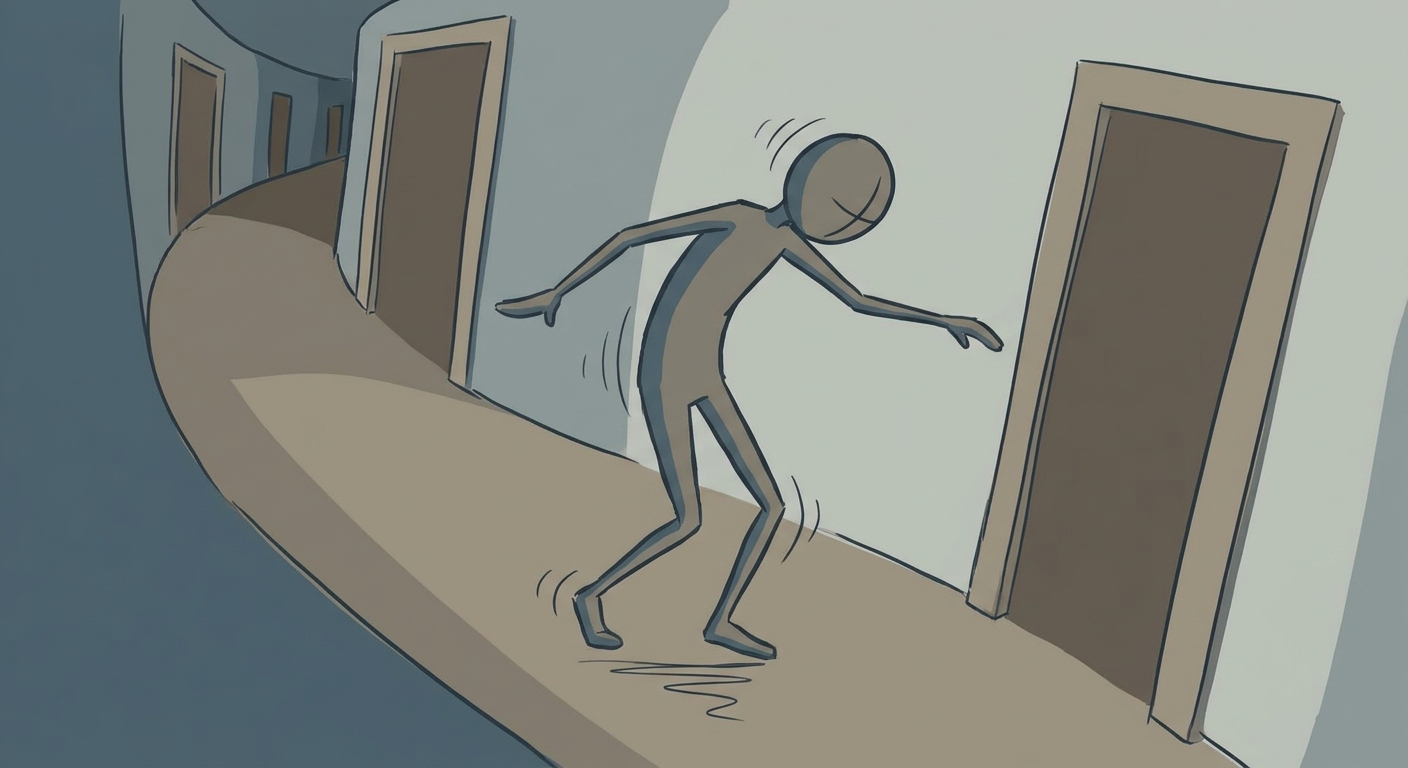
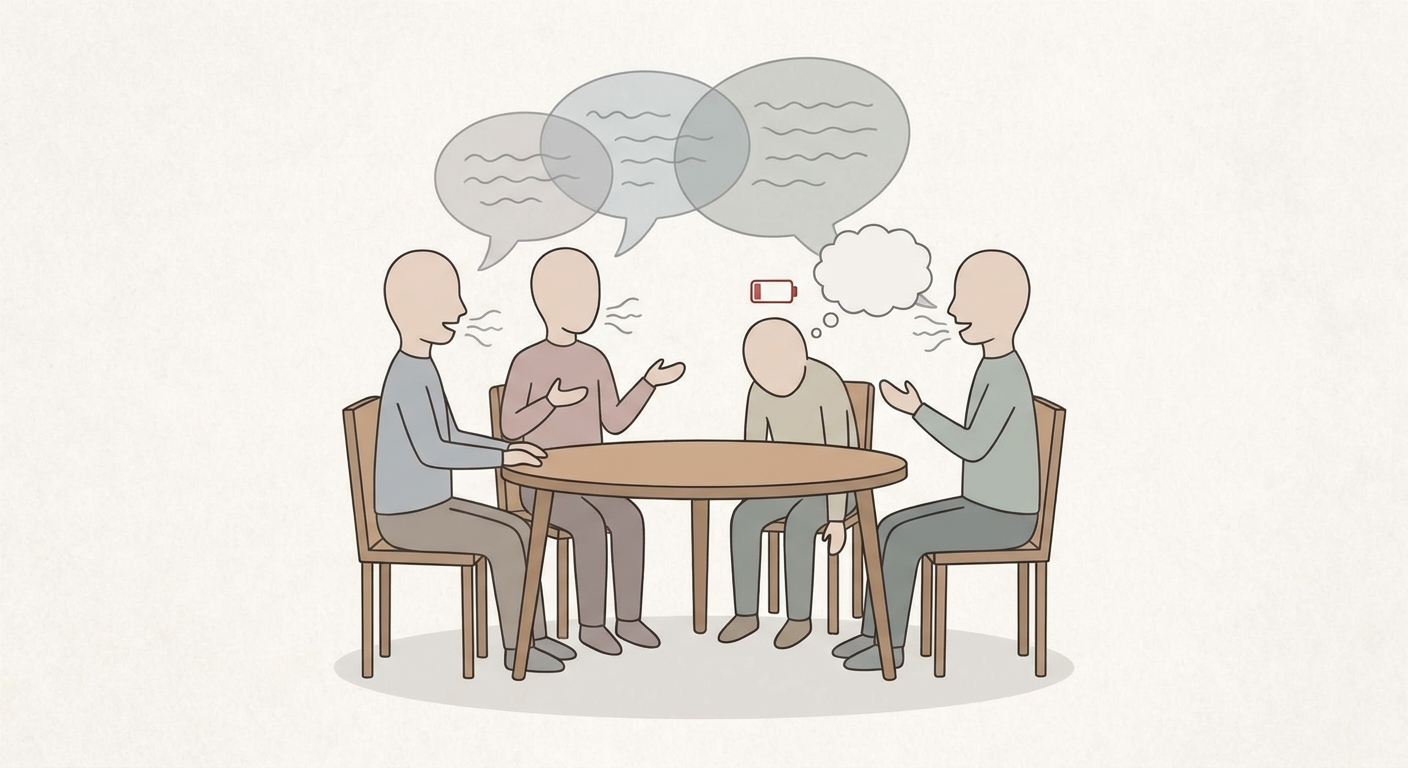
Extra mental effort, often called listening fatigue, occurs in noisy restaurants, meetings, or family gatherings. Missing parts of conversations can lead people to pull back to avoid embarrassment or frustration—nodding along after losing the thread of a joke or a name. Over time, this strain contributes to isolation. One common scenario: a team meeting where overlapping voices make it feel like constantly piecing together a puzzle, leaving someone too drained to join the next invitation.
Sound Localization Problems (Especially Unilateral Loss)
Horizontal-plane localization relies on binaural (two-ear) processing. A single hearing aid or cochlear implant often provides limited help with locating who is speaking. This functional limitation makes group conversations and dynamic social environments more challenging, similar to trying to find a speaker in a crowded room while wearing an earplug on one side. You may not know whom to turn toward when several people talk at once.

Emotional and Psychological Effects
Hearing loss has substantial effects on well-being. Anxiety, low mood, or reduced confidence can follow. Clinical care should address psychological concerns alongside the auditory deficit, as these elements frequently interact. A patient might say they stopped attending family dinners because the fear of misunderstanding felt worse than staying home. These overlapping factors show why support that goes beyond devices often works best.
Signs of Social Withdrawal Related to Hearing Loss
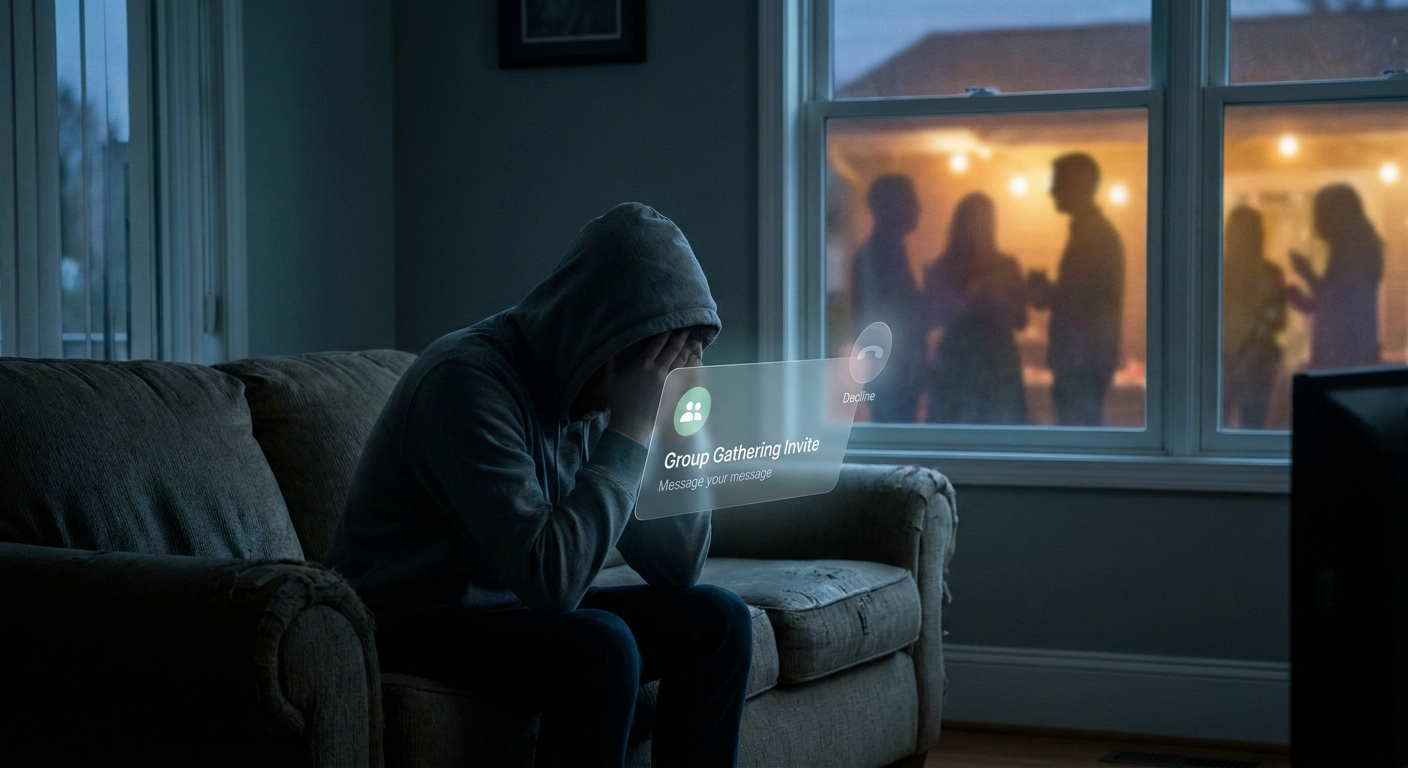
People may avoid social events, family gatherings, or work meetings that were previously enjoyable. They might frequently ask others to repeat themselves or pretend to understand. Feeling exhausted, irritable, or anxious after interactions is common, along with preferring one-on-one quiet settings over groups. Loved ones may notice the person has become quieter, more isolated, or less engaged—perhaps checking a phone to dodge conversation or leaving early.
These signs overlap with other issues, so professional assessment is important rather than assuming a single explanation. Spotting these patterns early makes it easier to get the right help.
Solutions and Treatments That Address Both Hearing and Social Life
Effective approaches often combine auditory care with attention to mood and participation.
Auditory Assessment and Rehabilitation
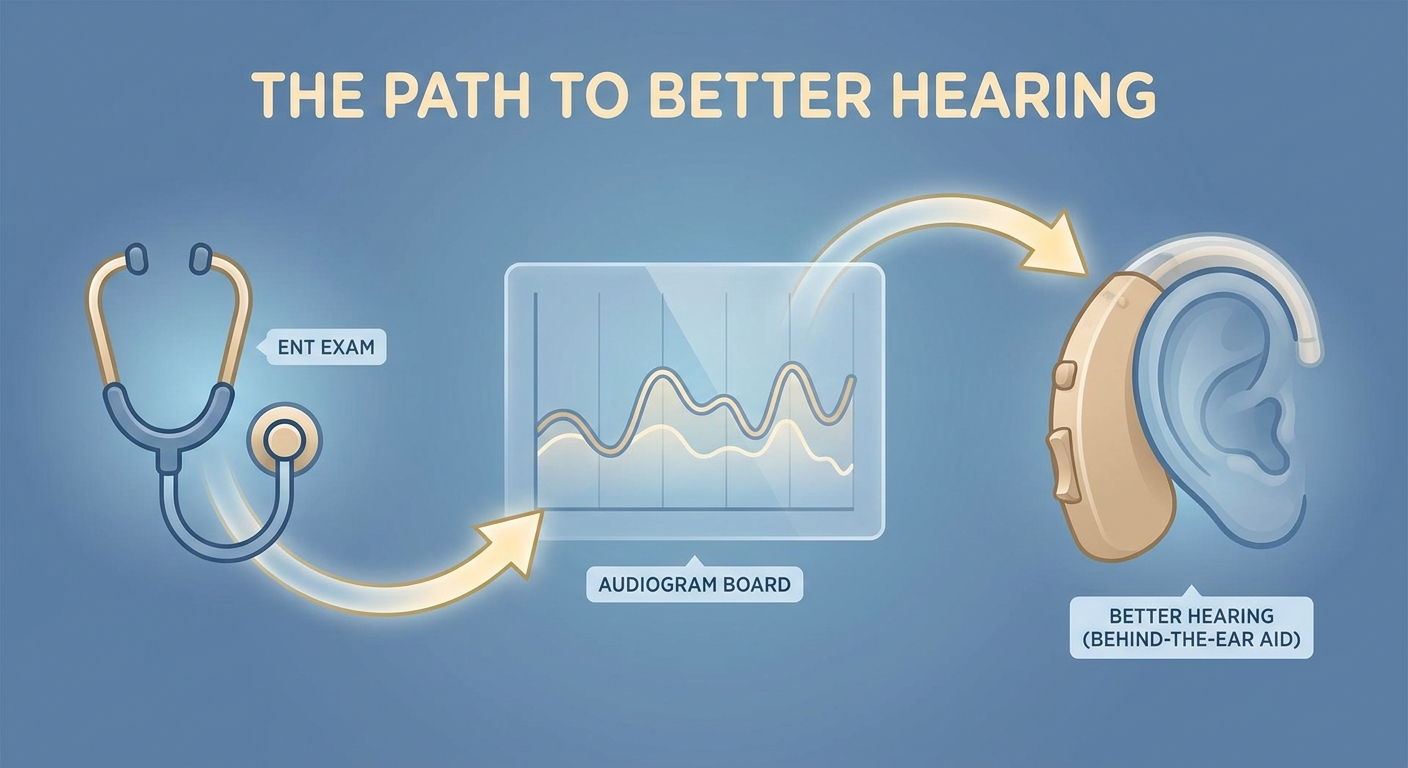
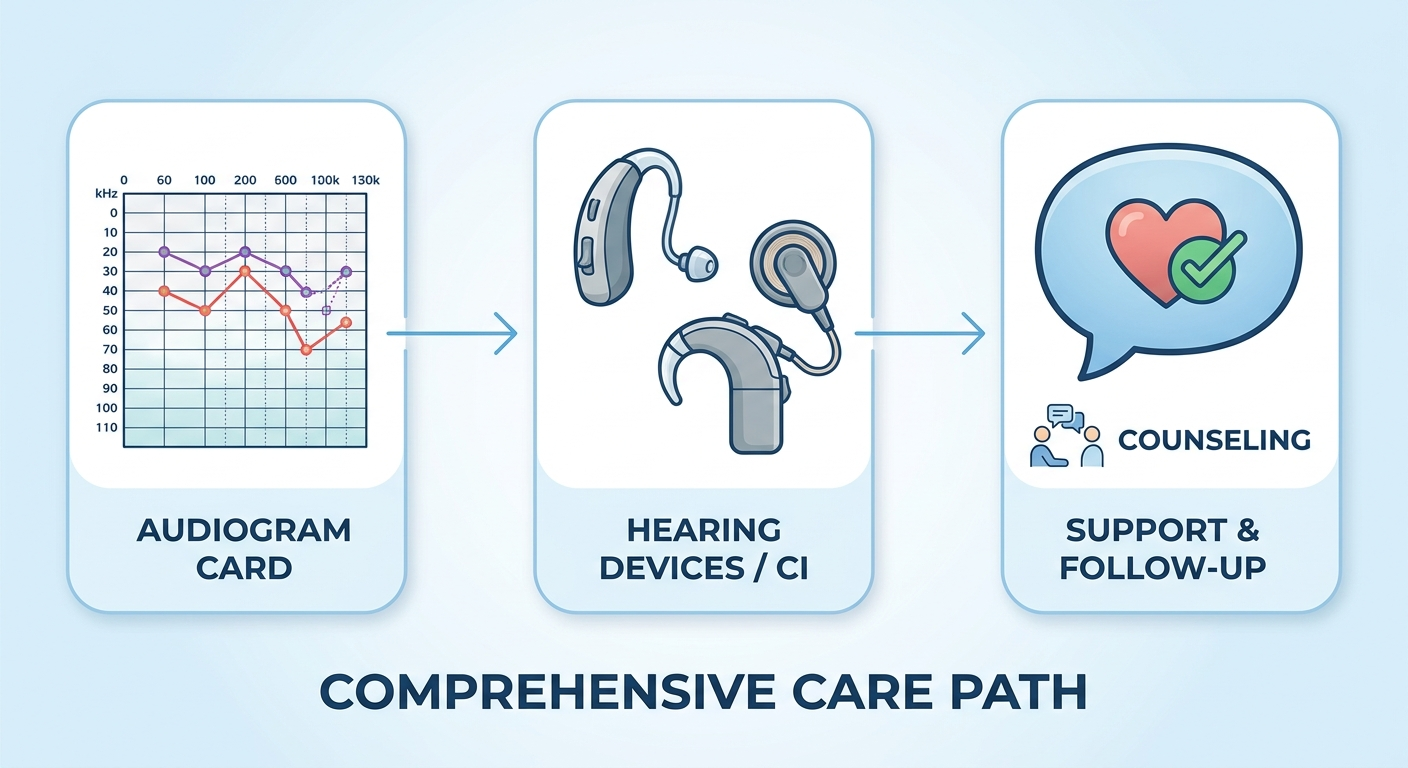
A full hearing evaluation goes beyond basic screening. An audiogram helps map hearing levels and guide next steps (see https://sleepandsinuscenters.com/blog/audiogram-basics-explained-a-patients-guide-to-hearing-tests). Hearing devices can improve audibility but do not always restore natural binaural localization. Auditory training and communication strategies can reduce listening effort, such as practicing speech tracking first in quiet then gradually adding background noise.
Combined Care for Psychological Well-Being and Social Participation
Care that pairs hearing rehabilitation with attention to mood, confidence, and social reconnection tends to be more complete. Counseling, support groups, or gradual strategies to rebuild participation can complement device use. Rebuilding often starts with acknowledging the frustration rather than pushing through it alone.
Realistic Expectations for Hearing Devices
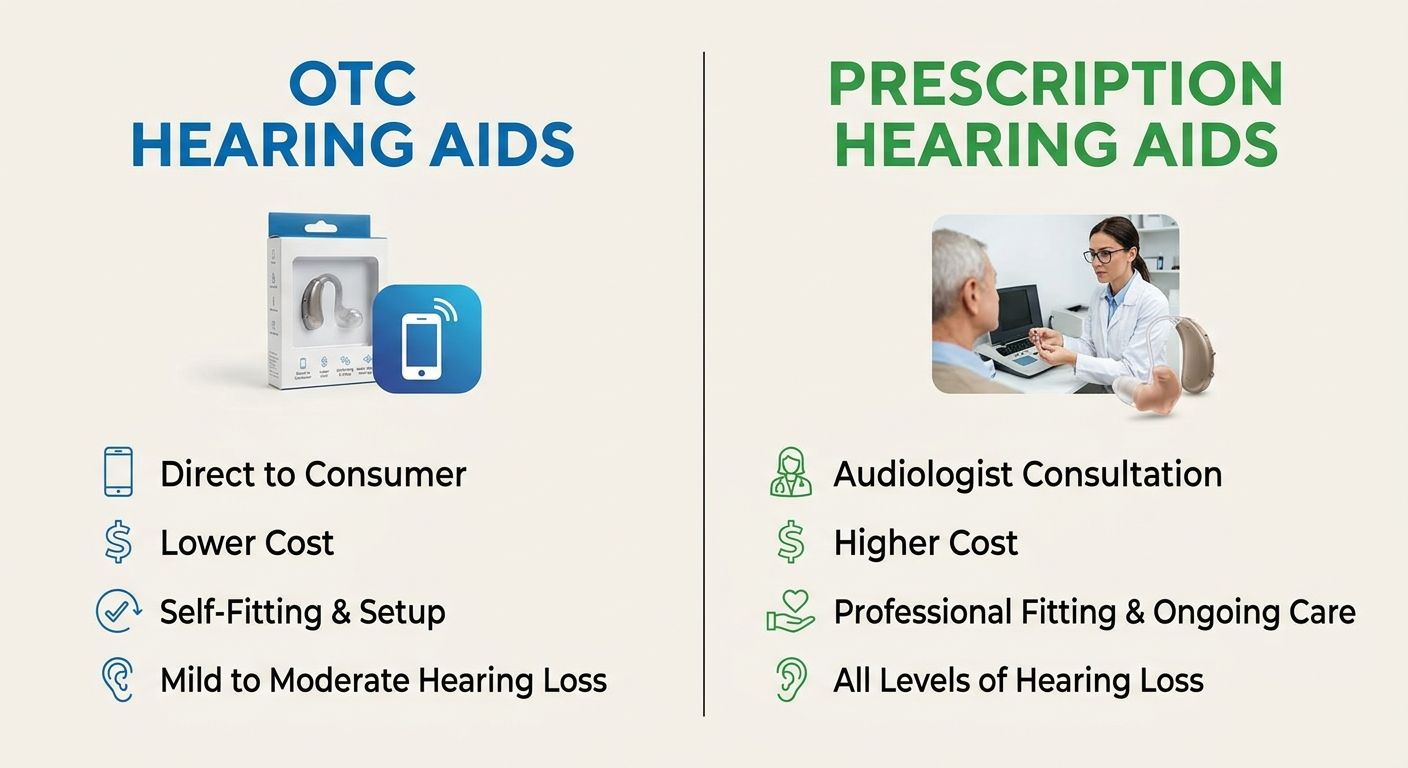
Amplification offers benefits, yet remaining challenges in complex listening environments are common. Additional support through rehabilitation or counseling is often needed. Newsted et al. (2020) emphasize a comprehensive approach, and the National Research Council (2004) discusses functional impact. Devices help you hear more of the conversation; they may not instantly make a busy restaurant feel effortless.
Lifestyle Tips to Reduce Isolation
Choose quieter venues or sit facing speakers. Use visual cues and captioning where possible. Inform close contacts about preferred communication strategies. Start small with one-on-one conversations, then gradually re-enter groups. For example, pick a corner booth instead of a high-traffic bar area, or let friends know you follow better when they face you. Related issues like allergies or ear infections can worsen hearing; learn more at https://sleepandsinuscenters.com/blog/can-allergies-cause-hearing-loss. Pairing these everyday adjustments with professional care can ease the drain of social situations.

When to See an ENT or Hearing Specialist
Consider evaluation for persistent communication struggles affecting work or relationships, or for emotional impact such as withdrawal and mood changes alongside hearing difficulties. Sudden or one-sided hearing changes often warrant more prompt attention (ideally same-day or next-day rather than delayed). Timely assessment is preferable to waiting. Comprehensive otolaryngology care is available at https://sleepandsinuscenters.com/comprehensive-otolaryngology-care. You can schedule an evaluation at https://sleepandsinuscenters.com/appointments when you are ready. Visit https://www.sleepandsinuscenters.com/ to book an appointment. Acting quickly, especially with sudden changes, protects both hearing and quality of life.
Frequently Asked Questions
Does hearing loss always cause social withdrawal? The association is strong but not inevitable or the sole cause. Many people maintain active social lives with the right support.
Will a hearing aid fix group conversations and localization? Devices improve audibility; binaural processing for localization may remain limited, especially in noise or with one-sided loss.
How does unilateral hearing loss differ from bilateral? One-sided loss particularly affects sound localization and spatial hearing, making it harder to know where to look in a group.
Can untreated hearing loss affect mental health in working-age adults? It is associated with emotional difficulties and reduced social activity. Addressing both the hearing and the emotional load often helps.
What else besides devices can help? Auditory training, communication strategies, counseling, and support for well-being can reduce the drain and support reconnection.
Conclusion
Hearing loss can contribute to social withdrawal through communication barriers, localization difficulties, and emotional effects. Devices help but are often not enough alone. Combined auditory plus psychological and social care offers a more complete path. If reduced social activity or isolation related to hearing is affecting your daily life, schedule an evaluation at https://sleepandsinuscenters.com/appointments to address both hearing and quality of life through comprehensive care at https://sleepandsinuscenters.com/comprehensive-otolaryngology-care. Book an appointment today at https://www.sleepandsinuscenters.com/.
This article is for educational purposes only and is not medical advice. Please consult a qualified healthcare provider for diagnosis and treatment.
Don’t let allergies slow you down. Schedule a comprehensive ENT and allergy evaluation at Sleep and Sinus Centers of Georgia. We’re here to find your triggers and guide you toward lasting relief.