Sleep Apnea Without Snoring: Symptoms, Causes, and Treatment Options
Many people assume: if you don’t snore, you don’t have sleep apnea. But that’s a myth—and it can delay diagnosis for people whose symptoms don’t fit the “classic” picture.
Research suggests that a meaningful minority of people with obstructive sleep apnea (OSA) do not report snoring, although estimates vary depending on how snoring is measured (self-report vs. partner report vs. audio recording) and on study population and OSA severity. Some cohort data suggest about 27% may not report snoring. That means snoring-based screening can miss “quiet” cases, even though untreated OSA can still affect energy, mood, blood pressure, and long-term health.
For additional perspective, you can also read our related post on sleep apnea without snoring (ENT insights): https://sleepandsinuscenters.com/blog/sleep-apnea-without-snoring-ent-insights.
Below, you’ll learn how sleep apnea without snoring can happen, what symptoms to watch for, how testing works, and which treatments are commonly used.
Can You Have Sleep Apnea Without Snoring?
The short answer: yes—“silent” OSA is real
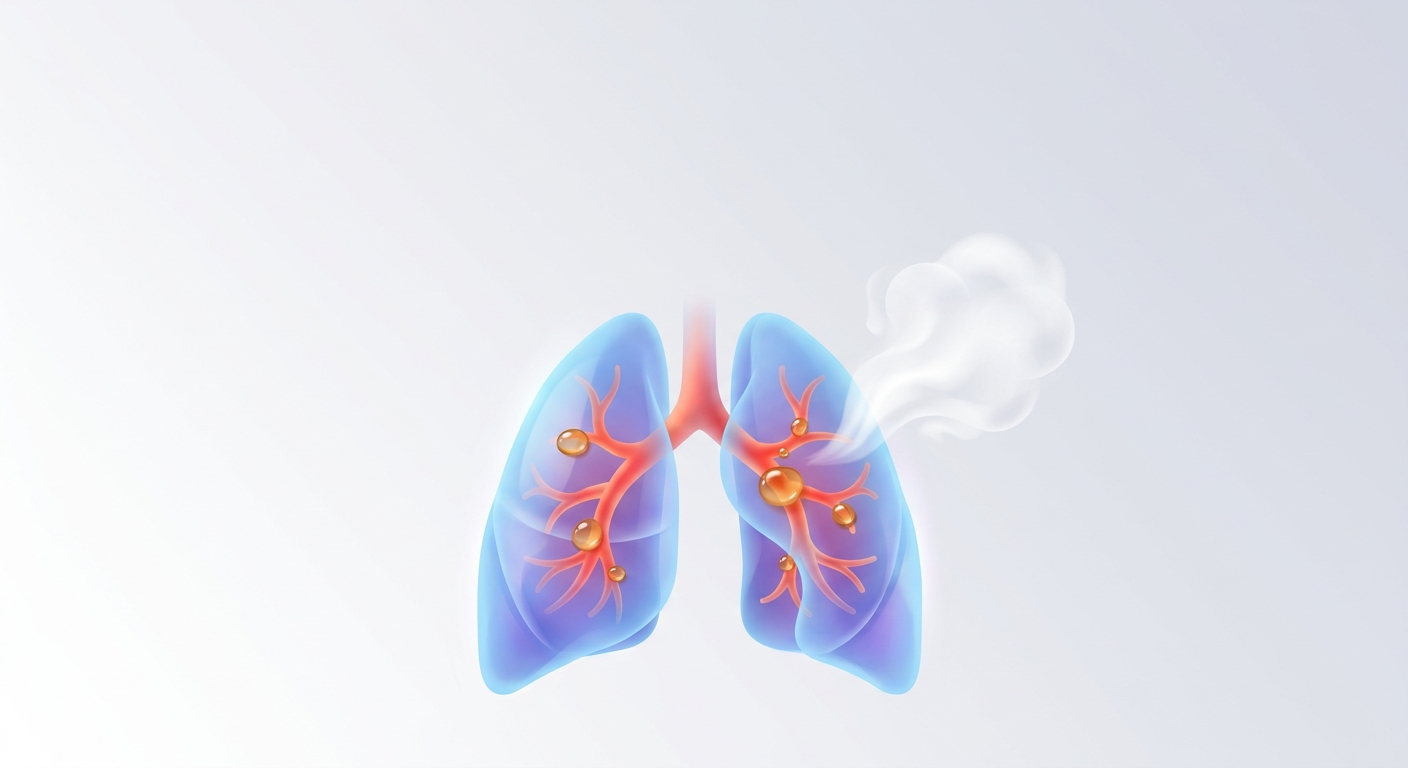
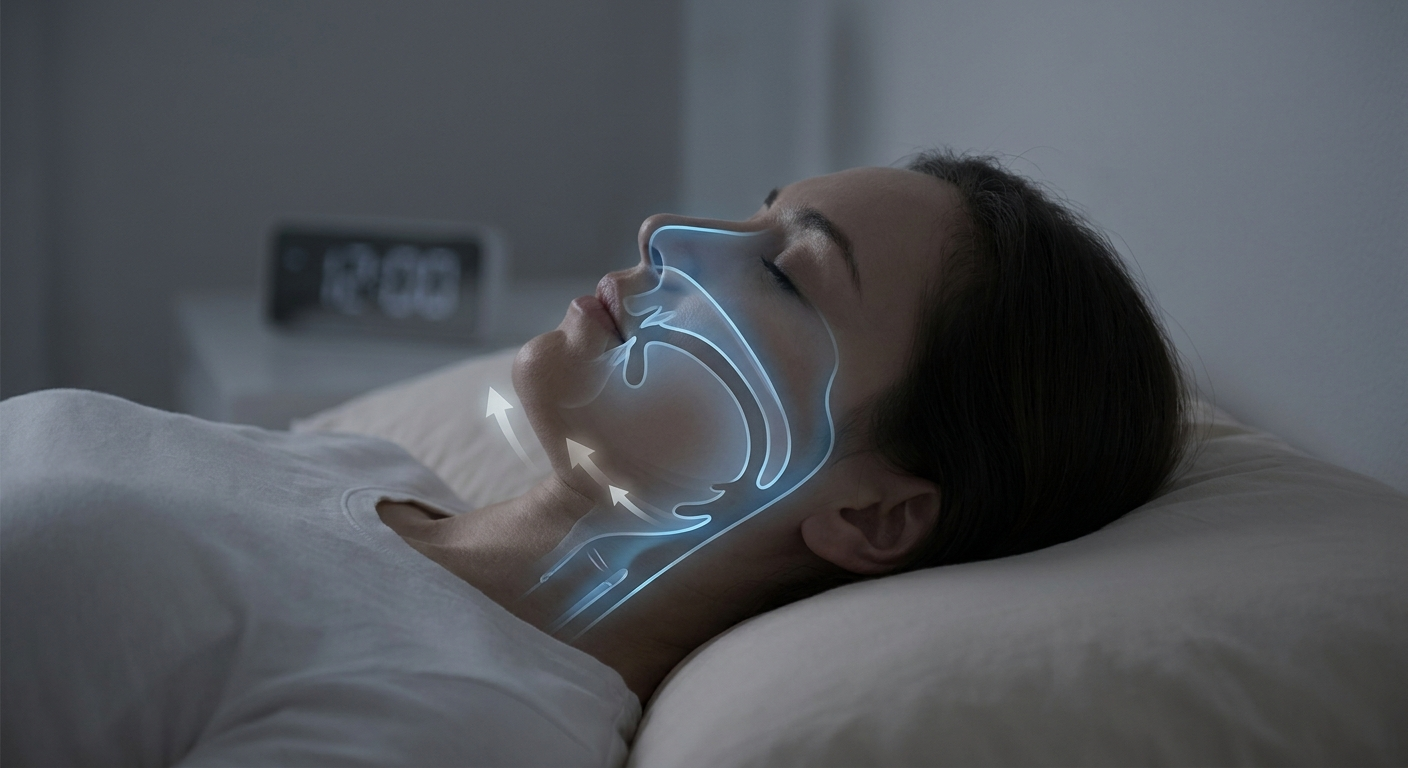
Obstructive sleep apnea happens when the upper airway repeatedly narrows or closes during sleep, reducing airflow. The brain briefly “nudges” the body to reopen the airway—often without you remembering it. These repeated disruptions can fragment sleep and lower oxygen levels.
Snoring is common in OSA, but it’s not required. In other words, OSA without snoring can still cause significant sleep disruption—even if the bedroom is quiet. While some people informally call this “silent sleep apnea,” clinicians typically describe it as non-snoring OSA or OSA without snoring.
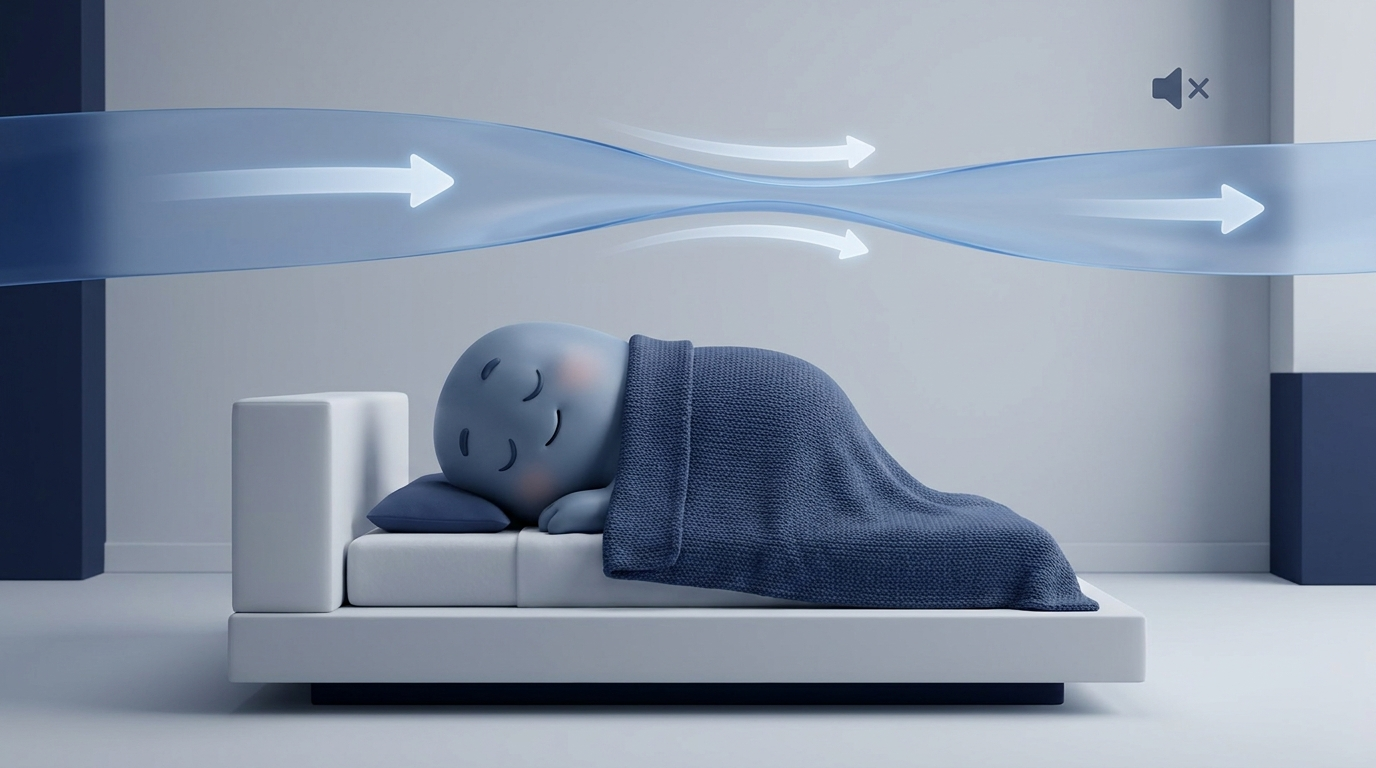
A helpful analogy: snoring is like a “noisy warning light,” but apnea can also be quiet—more like a kinked garden hose that restricts flow without making much sound. The problem (reduced airflow) can still be there even if the noise isn’t.
How common is non-snoring sleep apnea?
Depending on how snoring is measured, estimates from clinical sources and cohort studies suggest about 1 in 5 to nearly 1 in 3 people with OSA may not report snoring. This gap matters because many people only seek help after someone complains about their snoring. If no one hears it—or you sleep alone—OSA can stay “under the radar” longer than it should.
Who is more likely to have OSA without snoring?
- Often younger
- Often people with lower BMI
- Often lower AHI (milder average breathing disruption)
- Women may be overrepresented among non-snorers in some studies
A key takeaway: “milder on average” doesn’t mean harmless. Symptoms and health impacts can still be meaningful, and diagnosis still requires objective testing. (PMC, 2020; Journal of Clinical Sleep Medicine, 2022)
Bottom line: You can have clinically meaningful OSA without snoring—so don’t use snoring alone to rule OSA in or out.
Sleep Apnea Without Snoring — Symptoms to Watch For
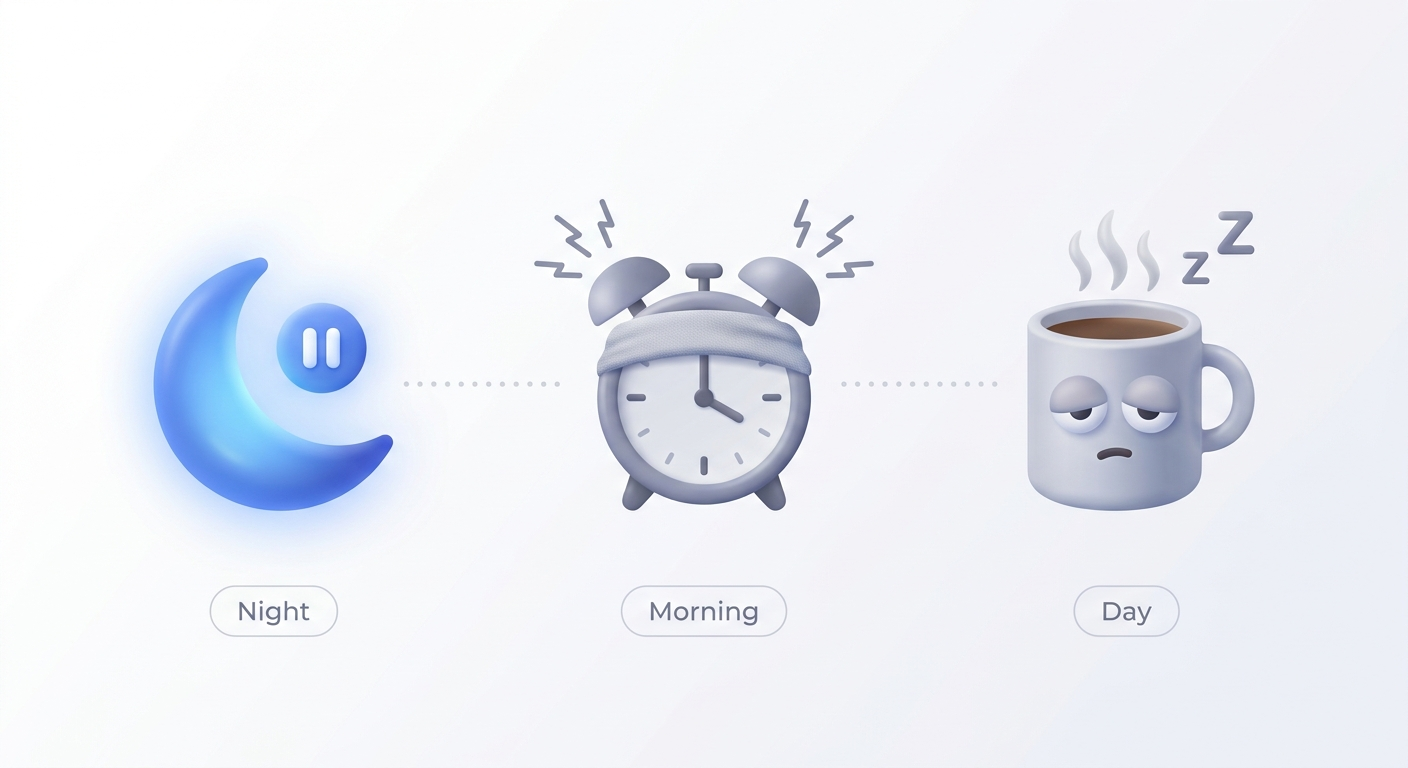
If you’re wondering about sleep apnea symptoms without snoring, it helps to look at patterns across nighttime, morning, and daytime—not just one sign.
Think of OSA symptoms like a “constellation.” One symptom alone can be vague, but several together (for example: nocturia + morning headaches + unrefreshing sleep) can raise suspicion—even if you never snore.
Nighttime symptoms (what you or a bed partner may notice)
- Witnessed pauses in breathing, or breathing that seems shallow/irregular
- Waking up gasping or feeling like you need to “catch your breath”
- Restless sleep or frequent awakenings
- Nocturia (waking up to urinate)
- Night sweats
- Dry mouth or sore throat in the morning
- Insomnia-like symptoms (trouble staying asleep)
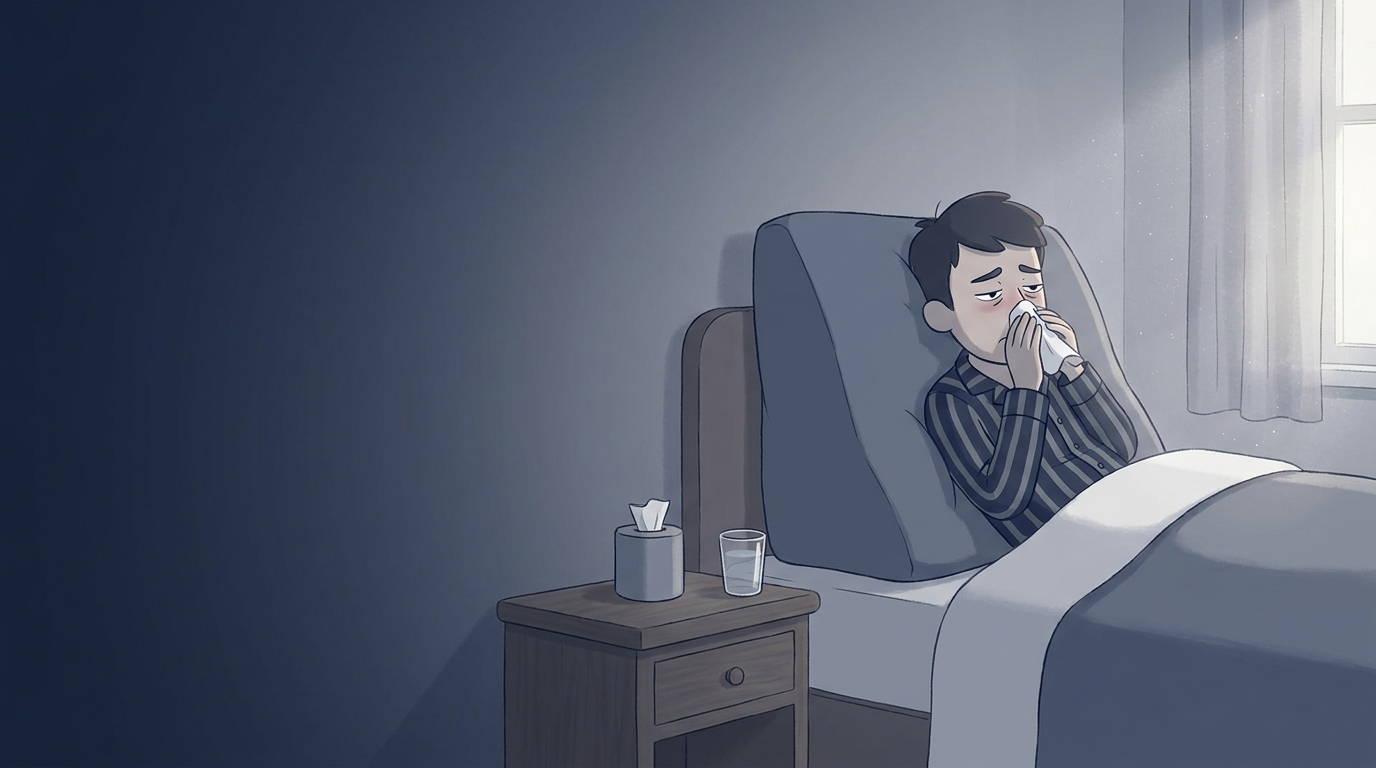
A common “quiet OSA” scenario a clinician might hear: “I don’t snore, but I keep waking up at 2 a.m. and 4 a.m., and I’m exhausted even after 8 hours.” Those middle-of-the-night awakenings can be nonspecific, but they’re worth mentioning—especially if they’re new or persistent.
Morning symptoms
- Morning headaches
- Feeling unrefreshed despite “enough” hours in bed
- Brain fog or trouble focusing
Some people describe it as waking up with a full night of sleep “on paper,” yet feeling like their brain never fully booted up.
Daytime symptoms
- Excessive daytime sleepiness (dozing off unintentionally)
- Irritability, mood changes, anxiety/depression symptoms
- Fatigue or reduced exercise tolerance
If you want a structured way to track sleepiness, our guide to the Epworth Sleepiness Scale can be helpful to discuss at an appointment: https://sleepandsinuscenters.com/blog/epworth-sleepiness-scale-a-complete-guide-to-understanding-daytime-sleepiness.
Cardiovascular and metabolic clues that can show up even without snoring
Even non-snoring OSA can be associated with:
- High blood pressure (including difficult-to-control hypertension)
- Heart rhythm abnormalities
- Metabolic risk factors (such as insulin resistance and Type 2 diabetes)
Clinical note: Some screening approaches weigh snoring heavily, which may reduce sensitivity for people who don’t snore. A fuller symptom review plus objective testing is often the most reliable path when suspicion is high. (Journal of Clinical Sleep Medicine, 2022)
Bottom line: Track patterns across night, morning, and day—especially sleepiness, awakenings, headaches, and witnessed breathing changes.

Why Some People With Sleep Apnea Don’t Snore
Not all airway obstruction creates vibration loud enough to snore
Snoring is created when airflow causes soft tissues in the upper airway to vibrate. But OSA events can occur in ways that don’t create much vibration—especially if airflow is reduced rather than noisy, or the blockage occurs in a way that doesn’t generate loud sound.
In other words, you can have repeated near-blockages (hypopneas) or certain patterns of collapse that disturb breathing and sleep without producing the classic rumble.
Anatomy and physiology factors that may reduce snoring
Several factors may influence whether apnea is loud or quiet:
- Where the airway narrows (the “location” of resistance)
- Sleep stage effects (some people have more events during REM sleep)
- Body position (events may be stronger in certain positions even without prominent snoring)
This is one reason two people with the same diagnosis can present very differently: one may be a loud snorer with obvious symptoms, while another may have subtler nighttime signs but significant daytime fatigue.
Reporting and awareness issues (snoring can be missed)
Sometimes the snoring is there, but it goes unnoticed:
- Sleeping alone
- Background noise (fans, TV, white noise)
- A bed partner who is a deep sleeper
- People often don’t perceive or remember their own snoring
If you’re unsure, it can help to ask a partner (if applicable) about breathing pauses or gasping—not just snoring. Those details often carry more weight clinically than volume alone.
Bottom line: Quiet OSA can reflect how and where the airway narrows—or simply that no one hears it—so symptoms still matter.
Causes & Risk Factors for OSA (Even If You’re Not a “Typical Snorer”)
Airway anatomy and ENT contributors
Airway narrowing can come from multiple sources, including:
- Nasal obstruction or chronic congestion
- Deviated septum or turbinate enlargement (examples—not a diagnosis)
- Enlarged tonsils (more common in children, but possible in adults)
- Jaw position or a naturally smaller airway
Because multiple “bottlenecks” can contribute, it’s possible to have a relatively quiet sleep environment but still experience repeated airflow limitation and sleep disruption.
Non-anatomy contributors
- Family history
- Alcohol or sedatives (which can relax upper-airway muscles)
- Sleep deprivation and irregular schedules
- Hormonal/sex differences (women can present differently) (StatPearls, 2023; JCSM, 2022)
This is one reason the question “can you have sleep apnea and not snore?” matters: risk isn’t limited to one “type” of patient.
Bottom line: OSA risk reflects airway anatomy plus lifestyle and biological factors—not just whether you snore.
Health Risks of Untreated Sleep Apnea Without Snoring
Why “mild” or “quiet” symptoms still matter
OSA is more than a noisy breathing issue. Repeated airflow reductions can lead to:
- Intermittent oxygen drops
- Frequent micro-arousals (sleep fragmentation)
- Stress responses that can affect cardiovascular function over time
Even when snoring isn’t present—and even when OSA is milder on average in some non-snoring groups—the repeated interruptions can still reduce sleep quality and contribute to daytime impairment.
Potential complications
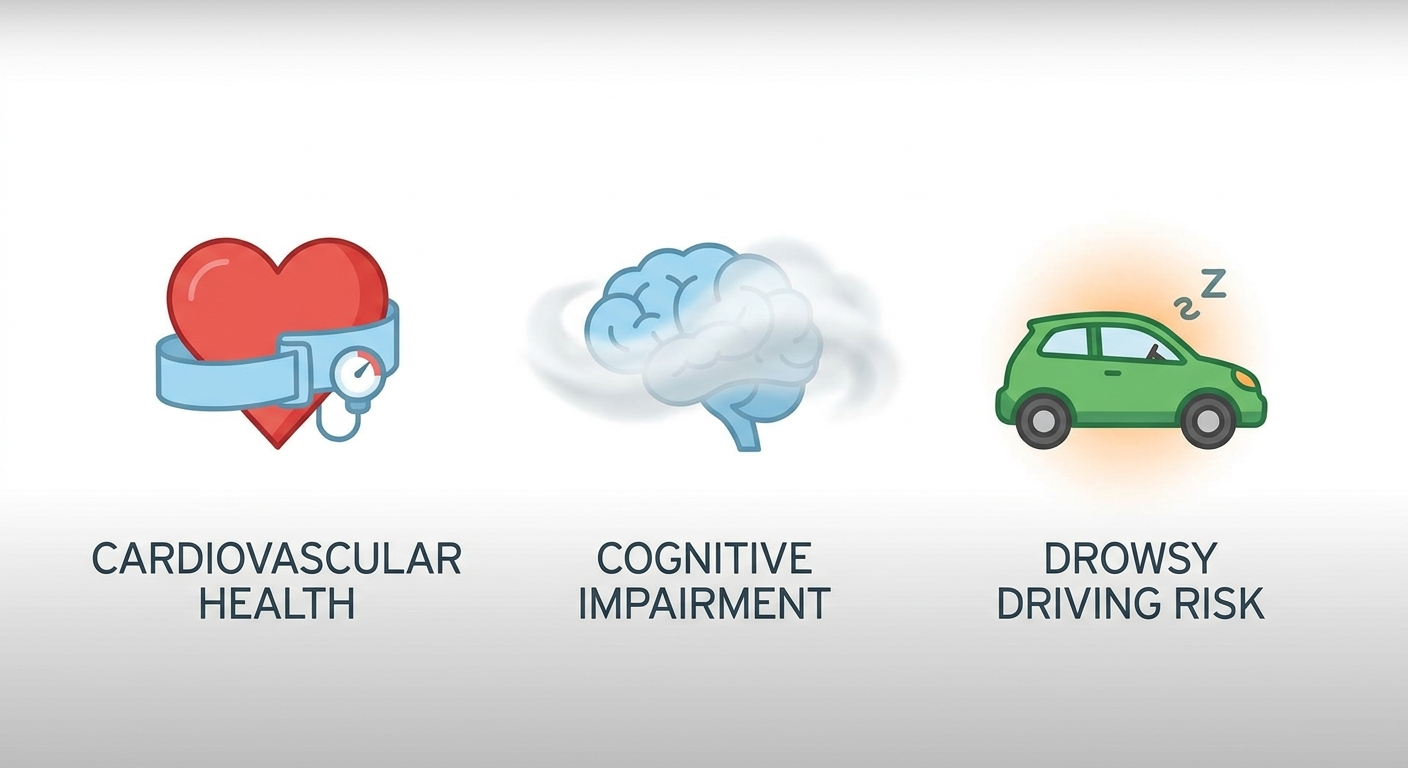
Untreated OSA has been associated with:
- Cardiovascular risks (including hypertension and heart rhythm abnormalities)
- Increased accident risk due to sleepiness (driving/work safety)
- Cognitive and mood impacts (focus, memory, depression/anxiety) (StatPearls, 2023)
A practical way to think about it: if sleep is repeatedly “reset” in tiny fragments, you may spend enough hours in bed but still miss out on the restorative depth your body needs.
Bottom line: Even without snoring, untreated OSA can affect safety, cognition, and cardiovascular health.
How Sleep Apnea Is Diagnosed When You Don’t Snore
Start with a symptom and risk-factor review (what to bring to your appointment)
Helpful details to share with a clinician include:
- Any witnessed breathing pauses, gasping, or choking
- Typical sleep schedule and sleep quality
- Alcohol/sedative timing
- Blood pressure history
- Daytime sleepiness patterns (including unintentional dozing)
If you can, jot down a few nights of notes (wake-ups, headaches, bathroom trips, how you feel the next day). This isn’t a substitute for testing, but it can make the visit more efficient.
Screening tools—helpful, but not perfect for non-snorers
Questionnaires can organize symptoms, but tools that strongly weight snoring may under-detect sleep apnea without snoring. (JCSM, 2022)
If you’ve ever thought, “I don’t check the snoring box, so maybe this isn’t me,” you’re not alone. It’s still appropriate to ask about OSA when other symptoms and risk factors fit.
Objective testing (the step that confirms it)
If OSA is suspected, confirmation comes from a sleep study:
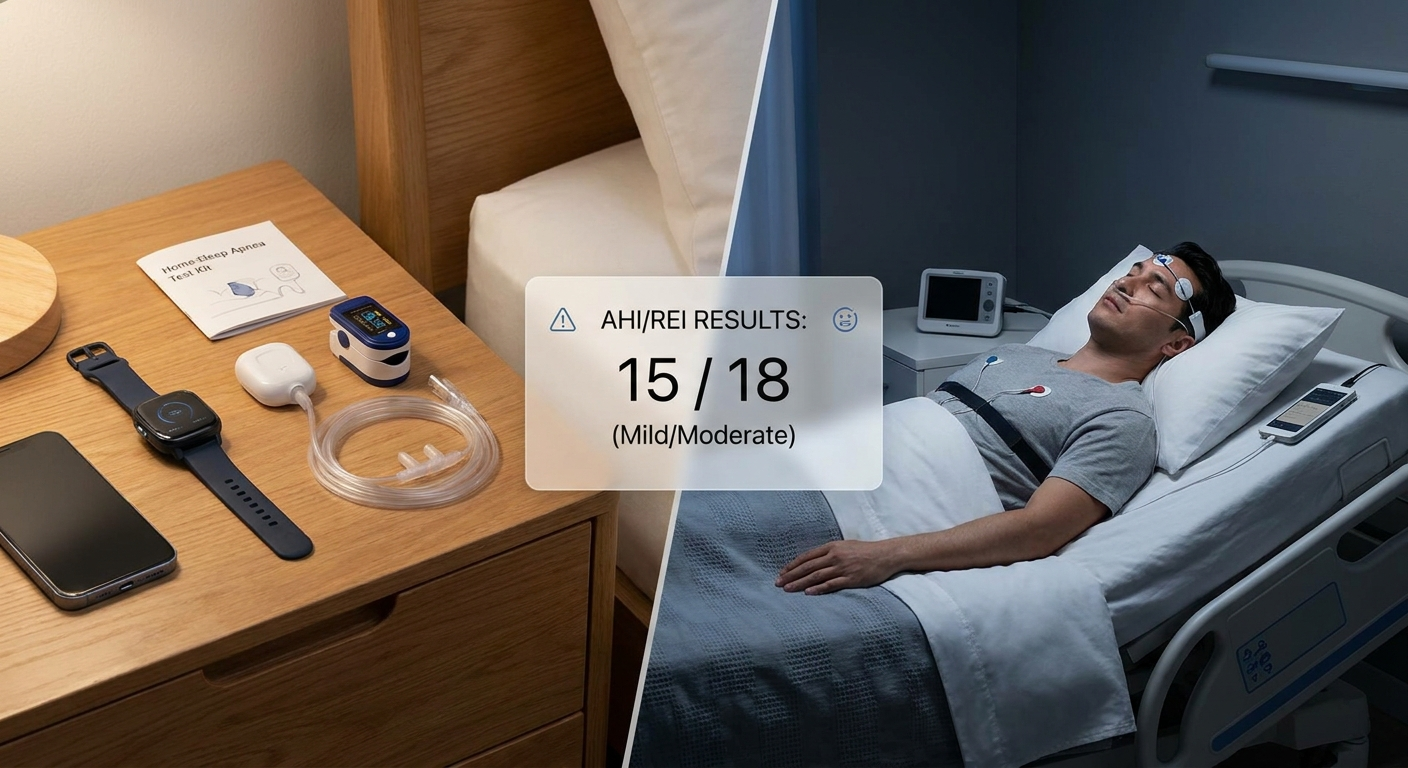
- Home Sleep Apnea Test (HSAT): A home sleep test for sleep apnea can be convenient and is often used when uncomplicated OSA is suspected. It typically measures breathing and oxygen patterns overnight at home. Learn more: https://sleepandsinuscenters.com/blog/home-sleep-test-vs-lab-study-which-sleep-test-is-best-for-you
- In-lab polysomnography: Often preferred when symptoms are complex, when other sleep disorders are suspected, or when additional measurements are needed.
Understanding results (simple definitions patients can follow)
A key metric is the Apnea-Hypopnea Index (AHI)—or, in some home studies, the Respiratory Event Index (REI)—which reflects breathing disruptions per hour. Severity is often discussed as:
- Mild
- Moderate
- Severe
Other factors—like oxygen desaturation and sleep fragmentation—can also influence how OSA affects you. For a plain-language breakdown, read: https://sleepandsinuscenters.com/blog/ahi-score-explained-understanding-your-sleep-apnea-severity. (StatPearls, 2023)
Bottom line: An objective sleep study—at home or in a lab—is what confirms OSA, even when snoring is absent.
Treatment Options for Sleep Apnea Without Snoring
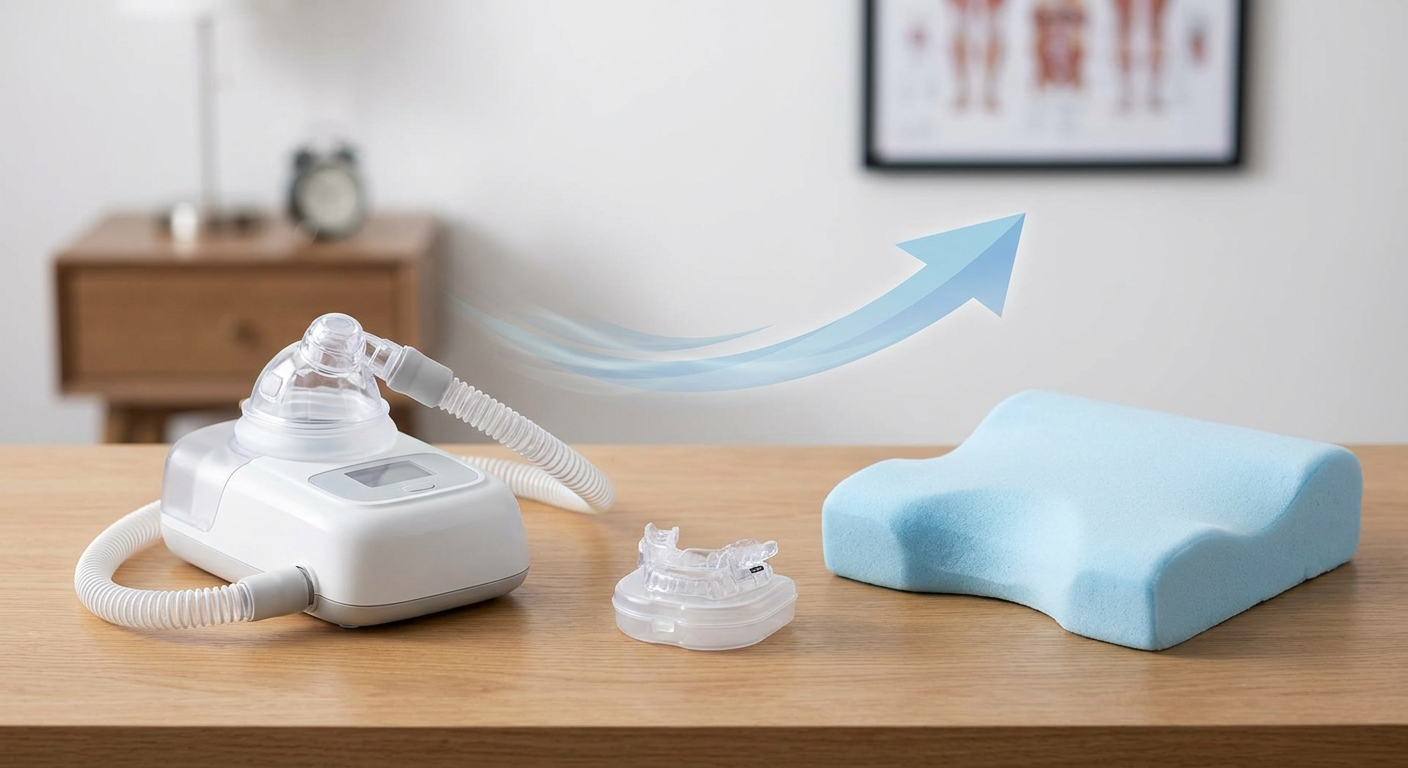
Whether snoring is present or not, treatment is based on severity, anatomy, symptoms, and preferences—not volume. Options for OSA without snoring are often the same as for classic OSA.
CPAP/APAP therapy (gold standard for many patients)
Positive airway pressure devices help keep the airway open during sleep. Common barriers include mask comfort or dryness, which can often be addressed through mask-fitting options, humidification, and pressure adjustments (with clinician guidance).
A simple way a sleep specialist might summarize it: “The goal is steady airflow all night—less work for your body, and fewer interruptions for your brain.”
Oral appliance therapy (mandibular advancement devices)
These devices reposition the jaw forward to help keep the airway more open. They’re often considered for mild–moderate OSA or for people who can’t tolerate CPAP. Follow-up testing is commonly used to confirm effectiveness.
Positional therapy (when position triggers apnea)
If events cluster in certain positions (often back-sleeping), positional strategies or devices may help reduce event frequency for some people.
Weight management and cardiometabolic health
Weight management, when appropriate, along with cardiometabolic risk-factor management, can support overall health and may reduce OSA severity for some individuals—even among people with lower BMI, other factors can still play a role. (PMC, 2020)
ENT-focused treatments (when anatomy contributes)
When nasal obstruction or airway anatomy plays a role, treatment may include optimizing nasal breathing (often starting with medical management when appropriate) and, in select cases, procedures. Decisions typically require an individualized evaluation plus sleep-study correlation.
Other options for select patients
Hypoglossal nerve stimulation may be an option for certain patients who meet specific criteria, usually determined through a structured sleep and airway evaluation.
Bottom line: Effective therapy is personalized—aimed at keeping your airway open and your sleep stable, regardless of snoring.
Lifestyle Tips That Can Help (Alongside Medical Treatment)
These are educational, supportive measures that may complement a clinician-directed plan:
- Prioritizing consistent sleep timing
- Considering sleep position (for people whose OSA is positional)
- Avoiding alcohol close to bedtime when possible
- Using sedatives only as prescribed and discussing sleep-related side effects with a clinician
- Supporting nasal breathing at night (humidification, allergy/congestion management when appropriate)
These steps are best viewed as “support beams,” not a stand-alone cure. If OSA is present, objective testing and a personalized plan still matter.
Bottom line: Healthy sleep habits can support—but not replace—medical treatment for OSA.
When to See a Doctor (and What Kind)
Signs you shouldn’t ignore
- Witnessed breathing pauses, gasping, or choking at night
- Daytime sleepiness that affects safety (driving, work)
- Morning headaches, frequent nocturia, or new/worsening hypertension
Who can help
Evaluation may start with primary care and often involves referral to sleep medicine. An ENT evaluation can also be useful when nasal obstruction, chronic congestion, or anatomy concerns are part of the picture. Sleep and Sinus Centers of Georgia can help coordinate appropriate next steps based on symptoms and testing.
Bottom line: If symptoms affect safety or persist, get evaluated—specialists can tailor testing and treatment to your needs.
FAQs
Can sleep apnea be serious if I don’t snore?
Yes. OSA can still contribute to sleep fragmentation, oxygen dips, daytime impairment, and cardiovascular risk—even without snoring. (StatPearls, 2023)
What does sleep apnea feel like if you don’t snore?
Many people describe fatigue, brain fog, morning headaches, nocturia, insomnia-like awakenings, or occasional gasping episodes.
Can women have sleep apnea without snoring?
Yes. Some cohorts show women may be overrepresented among people with non-snoring OSA. (PMC, 2020)
Will a smartwatch or snoring app catch non-snoring sleep apnea?
Wearables and apps may spot clues (like possible oxygen dips or disrupted sleep), but they don’t diagnose OSA and don’t replace a sleep study.
What’s the best test if I suspect sleep apnea but don’t snore?
A home sleep test may be appropriate in some situations, while an in-lab study may be preferred in others. The right choice depends on symptoms and medical history. (StatPearls, 2023)
If my AHI is “mild,” do I still need treatment?
Treatment decisions are individualized. Symptoms, oxygen drops, sleep disruption, and comorbidities can matter—not only the AHI number. (JCSM, 2022)
Conclusion
Sleep apnea without snoring is more common than many people realize. If you notice symptoms like daytime sleepiness, morning headaches, nocturia, unrefreshing sleep, or witnessed breathing pauses, it may be worth discussing evaluation and objective testing—even if no one has ever told you that you snore.
If you’d like to explore testing and treatment options, book an appointment with Sleep and Sinus Centers of Georgia to start with a sleep evaluation and determine the most appropriate type of sleep study: https://www.sleepandsinuscenters.com/
Medical disclaimer
This article is for educational purposes only and is not a substitute for medical advice, diagnosis, or treatment. If you think you may have sleep apnea—or symptoms that could affect your safety—seek care from a qualified clinician.
Sources
- Johns Hopkins Medicine (2021). Sleep Apnea Symptoms and Risks: 6 Myths to Know. https://www.hopkinsmedicine.org/health/conditions-and-diseases/sleep-apnea-symptoms-and-risks-6-myths-to-know
- StatPearls (updated 2023). Obstructive Sleep Apnea. https://www.ncbi.nlm.nih.gov/books/NBK459252/
- PMC Cohort Study (2020). Non-snoring prevalence/severity patterns in OSA. https://pmc.ncbi.nlm.nih.gov/articles/PMC7228052/
- Journal of Clinical Sleep Medicine (2022). Presentation/screening considerations in OSA. https://pmc.ncbi.nlm.nih.gov/articles/PMC12239641/
This article is for educational purposes only and is not medical advice. Please consult a qualified healthcare provider for diagnosis and treatment.
Don’t let allergies slow you down. Schedule a comprehensive ENT and allergy evaluation at Sleep and Sinus Centers of Georgia. We’re here to find your triggers and guide you toward lasting relief.