Sleep Apnea vs Snoring: Key Differences and How to Tell the Difference
Snoring is common and often benign, but in some cases it can signal an underlying sleep-breathing problem. Understanding sleep apnea vs snoring matters because untreated sleep apnea is linked to meaningful health and safety risks, while simple snoring may improve with lifestyle changes or targeted therapies, depending on the cause.
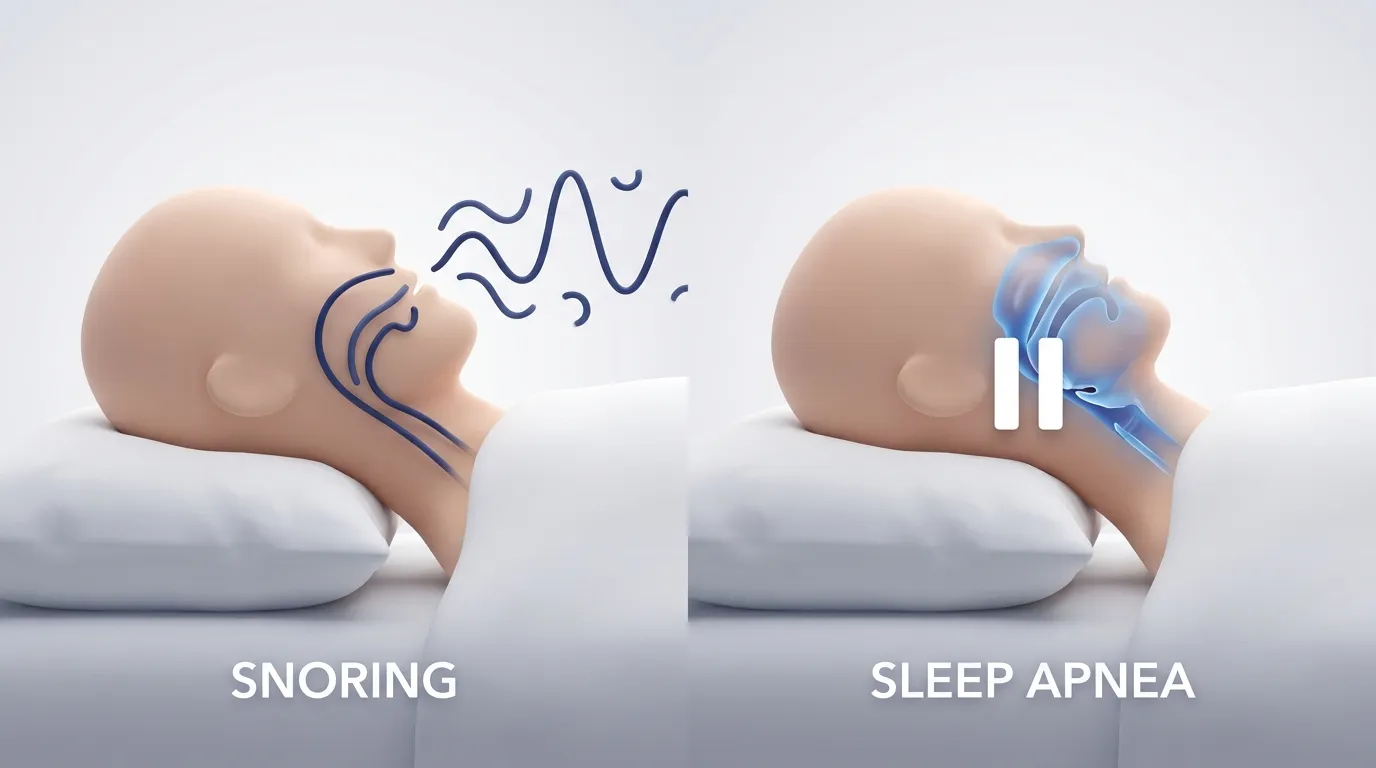
Think of it like this: snoring is a sound, while sleep apnea is an airflow problem. A person can make a lot of noise and still move enough air (simple snoring), or the airway can actually collapse enough to cause repeated breathing pauses (obstructive sleep apnea).
Below is a patient-friendly guide to help you compare snoring vs sleep apnea, recognize red flags, and understand what diagnosis and treatment typically involve.
Snoring vs Sleep Apnea: Why the Difference Matters
Snoring is a sound—sleep apnea is a breathing disorder.
- Snoring is the noise that happens when tissues in the upper airway vibrate because airflow is partially blocked (the airway narrows).
- Sleep apnea is a disorder in which breathing repeatedly stops or becomes shallow during sleep. The most common type is obstructive sleep apnea (OSA), where the airway repeatedly collapses or becomes blocked.
A helpful analogy: if your airway is like a soft hose, snoring is the hose vibrating as air squeezes through—while OSA is the hose briefly kinking closed and reopening again and again during the night.
Takeaway: Snoring can be annoying and disruptive; sleep apnea can be a serious health issue if it’s not identified and treated.
Can you have both?
- Yes. Many people with OSA also snore, but not everyone who snores has sleep apnea. A classic red-flag combination is loud snoring plus daytime fatigue or sleepiness.
- In real life: “I’ve snored for years, but lately I’m exhausted no matter how long I sleep.” That pattern should prompt a discussion with a clinician about whether testing is appropriate.
For a quick primer on why loud snoring matters, see: What is sleep apnea and why does loud snoring matter? https://sleepandsinuscenters.com/blog/what-is-sleep-apnea-and-why-does-loud-snoring-matter
Bottom line: Snoring is a sound; sleep apnea is repeated airflow disruption that can carry health risks.

Quick Comparison — At a Glance
What you (or your partner) might notice at night:
- More typical of simple snoring: steady or frequent snoring; snoring that worsens with colds, congestion, alcohol, or back-sleeping.
- More typical of sleep apnea: snoring that stops, followed by silence/pauses, then gasping or snorting; witnessed pauses in breathing; choking, gasping, or snorting during sleep; restless sleep and frequent awakenings.
What you might feel during the day:
- Simple snoring: often no major daytime symptoms (though bed partners may be affected).
- Sleep apnea: excessive daytime sleepiness, fatigue, non-restorative sleep, headaches, mood and concentration changes.
A practical daytime clue: if you’re routinely fighting drowsiness during meetings, while reading, or especially while driving, discuss whether testing is appropriate.
If snoring comes with pauses, gasps, or sleepiness, consider asking about an evaluation.

Symptoms — How to Tell Snoring from Sleep Apnea
Common snoring symptoms (often disruptive but not dangerous by themselves):
- Loud or frequent snoring
- Dry mouth or sore throat in the morning
- Snoring that’s worse after alcohol, when congested, or while sleeping on your back
Key sleep apnea warning signs (more than “just snoring”):
- Gasping, choking, or snorting during sleep
- Witnessed breathing pauses
- Severe daytime sleepiness (including dozing off unintentionally)
- Morning headaches, irritability, trouble concentrating
- Waking often during the night; “light” or non-restorative sleep
- Frequent nighttime urination
Partner clues that matter:
- “You stop breathing.”
- “You snore loudly, then go quiet, then gasp.”
- “Your snoring is loud and irregular.”
You can also organize symptoms with a brief screening tool: test your daytime sleepiness https://sleepandsinuscenters.com/test-your-sleepiness
Nighttime breathing pauses plus daytime sleepiness are particularly important signs to bring up with a clinician.

Causes and Risk Factors (Why It Happens)
Common causes of snoring: nasal congestion, allergies, or colds; alcohol or sedatives; sleeping on your back; anatomy (narrow airway, enlarged tonsils, deviated septum); weight changes.
Common causes/risk factors for obstructive sleep apnea (OSA): excess weight or increased neck circumference; age; sex (more common in men, but women can have OSA); family history and airway/jaw anatomy; nasal obstruction; alcohol or sedatives.
Anything that narrows or relaxes the airway can worsen snoring and, in some people, contribute to OSA.
When Snoring Is a Red Flag (When to Call a Professional)
The “get evaluated” checklist:
- Loud snoring plus persistent fatigue or daytime sleepiness
- Witnessed apneas (breathing pauses)
- Choking or gasping during sleep
- High blood pressure, cardiovascular risk factors, or feeling sleepy while driving or working (especially in safety-sensitive roles)
If you’re unsure, a clinician can help determine whether the snoring is mainly a nuisance or may also affect alertness and safety.
Seek prompt evaluation if sleepiness is causing near-miss accidents, or breathing disruptions are observed nightly and seem significant.
Snoring with pauses, gasps, or daytime sleepiness deserves timely attention for safety.
Diagnosis — The Only Way to Confirm Sleep Apnea
Why you can’t self-diagnose sleep apnea reliably: apps and wearables may provide clues, but they cannot diagnose OSA. For most people, confirming sleep apnea requires a sleep study directed by a clinician. If you’ve ever thought, “My watch says I slept fine, but I feel awful,” you’re not alone—sleep apnea involves breathing disruptions and sleep fragmentation that need the right kind of measurement.
What a sleep study looks for: breathing pauses and airflow reductions; oxygen level drops; sleep disruption patterns; AHI (apnea-hypopnea index), the number of breathing events per hour used to help grade severity.
Home sleep test vs in-lab sleep study: a home sleep test may be an option when OSA is strongly suspected and the case is straightforward; an in-lab sleep study may be recommended when sleep is more complex (other sleep disorders, certain medical conditions, or unclear home results).
Learn more: Home sleep test vs. in-lab sleep study https://sleepandsinuscenters.com/blog/home-sleep-test-vs-lab-study-which-sleep-test-is-best-for-you
Only a sleep study can confirm or rule out OSA with confidence.

Treatment Options — Snoring vs Sleep Apnea
Treatment depends on what’s actually happening: isolated snoring, OSA, or both. For an overview, visit: https://sleepandsinuscenters.com/snoring-sleep-apnea-treatment
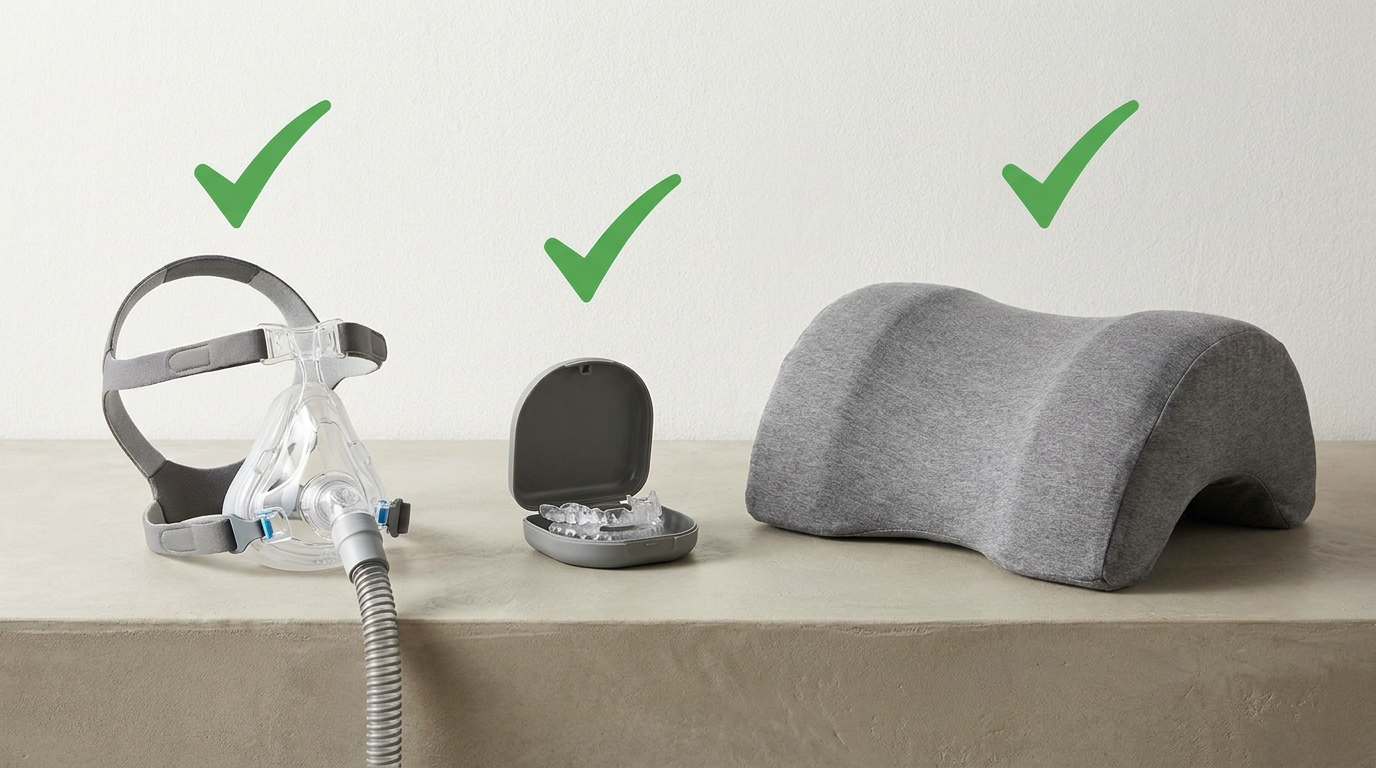
Treatments for simple snoring (starting with least invasive): address nasal congestion/allergies (when relevant); positional strategies (training yourself to sleep on your side); avoid alcohol close to bedtime; weight management (if applicable); oral appliances (for selected people); ENT evaluation when structural blockage is suspected.
Treatments for obstructive sleep apnea (OSA): CPAP/APAP is first-line for many and can significantly improve symptoms and sleep quality; oral appliance therapy can be an option for selected patients (often mild–moderate OSA); positional therapy may help in cases where events happen mainly on the back; managing nasal obstruction/allergies can support comfort and adherence; surgical or implantable options may be considered for certain candidates after a full evaluation.
Treating OSA is not only about reducing snoring—it can improve daytime functioning and may help reduce some health risks associated with untreated disease. The right diagnosis guides the right treatment—and the right treatment can make sleep safer and days more alert.
Lifestyle Tips That Help Both Snoring and Sleep Apnea (Safe First Steps)
Sleep-position and bedroom changes: try side-sleeping strategies (positional therapy); consider head-of-bed elevation if it helps breathing comfort; add humidity if dryness contributes to irritation. Related reading: Best sleeping position for snoring (and mild apnea) https://sleepandsinuscenters.com/blog/best-sleeping-position-for-snoring-mild-apnea
Reduce airway irritation and collapse risk: limit alcohol/sedatives near bedtime; keep nasal breathing as clear as possible (especially during allergy seasons); work toward healthy weight goals if recommended by your clinician.
Track symptoms for 2 weeks before your visit: snoring intensity and pattern; witnessed pauses/gasping (partner observations); morning headaches/dry mouth; daytime sleepiness, naps, and concentration issues.
Lifestyle steps can support better breathing, but testing is the way to confirm or rule out OSA.
FAQs (Patient-Friendly)
How do I know if my snoring is sleep apnea? The most important clues are gasping or choking, witnessed breathing pauses, and excessive daytime sleepiness. If these occur, an evaluation and possible sleep testing is often the next step.
Can you have sleep apnea without snoring? Yes. Snoring is common in OSA, but it’s not required.
Is loud snoring always dangerous? Not always. But loud snoring plus fatigue or sleepiness is a reason to get evaluated.
What does sleep apnea sound like? Often it’s snoring that suddenly stops, followed by silence, then a gasp or snort as breathing resumes.
Will treating nasal congestion cure sleep apnea? Improving nasal breathing can reduce snoring and help comfort, but OSA often needs targeted therapy confirmed by testing.
Conclusion — Next Steps if You’re Worried
A simple action plan: if it seems like snoring only, lifestyle steps and addressing congestion may help. If there’s gasping, witnessed pauses, or daytime sleepiness, consider booking an evaluation and asking whether a sleep test makes sense.
You can also explore: What is sleep apnea and why does loud snoring matter? https://sleepandsinuscenters.com/blog/what-is-sleep-apnea-and-why-does-loud-snoring-matter
Call-to-action: If you’re trying to sort out sleep apnea vs snoring for yourself or a loved one, Sleep and Sinus Centers of Georgia can help you understand symptoms, testing options, and next steps. To get started, book an appointment: https://www.sleepandsinuscenters.com/
If snoring is changing, louder, or paired with sleepiness, it’s worth a conversation with a clinician.
References
1. Mayo Clinic. Sleep apnea—Symptoms and causes (2025). https://www.mayoclinic.org/diseases-conditions/sleep-apnea/symptoms-causes/syc-20377631
2. American Academy of Sleep Medicine (AASM). Recognizing sleep apnea warning signs (2021). https://aasm.org/is-it-more-than-a-snore-recognizing-sleep-apnea-warning-signs/
3. NCBI/PMC. Review on OSA symptoms/impacts (2017). https://pmc.ncbi.nlm.nih.gov/articles/PMC6140019/
Medical Disclaimer
This article is for educational purposes only and is not medical advice. If you think you may have sleep apnea or are experiencing significant daytime sleepiness or witnessed breathing pauses, seek evaluation from a qualified healthcare professional.
Don’t let allergies slow you down. Schedule a comprehensive ENT and allergy evaluation at Sleep and Sinus Centers of Georgia. We’re here to find your triggers and guide you toward lasting relief.