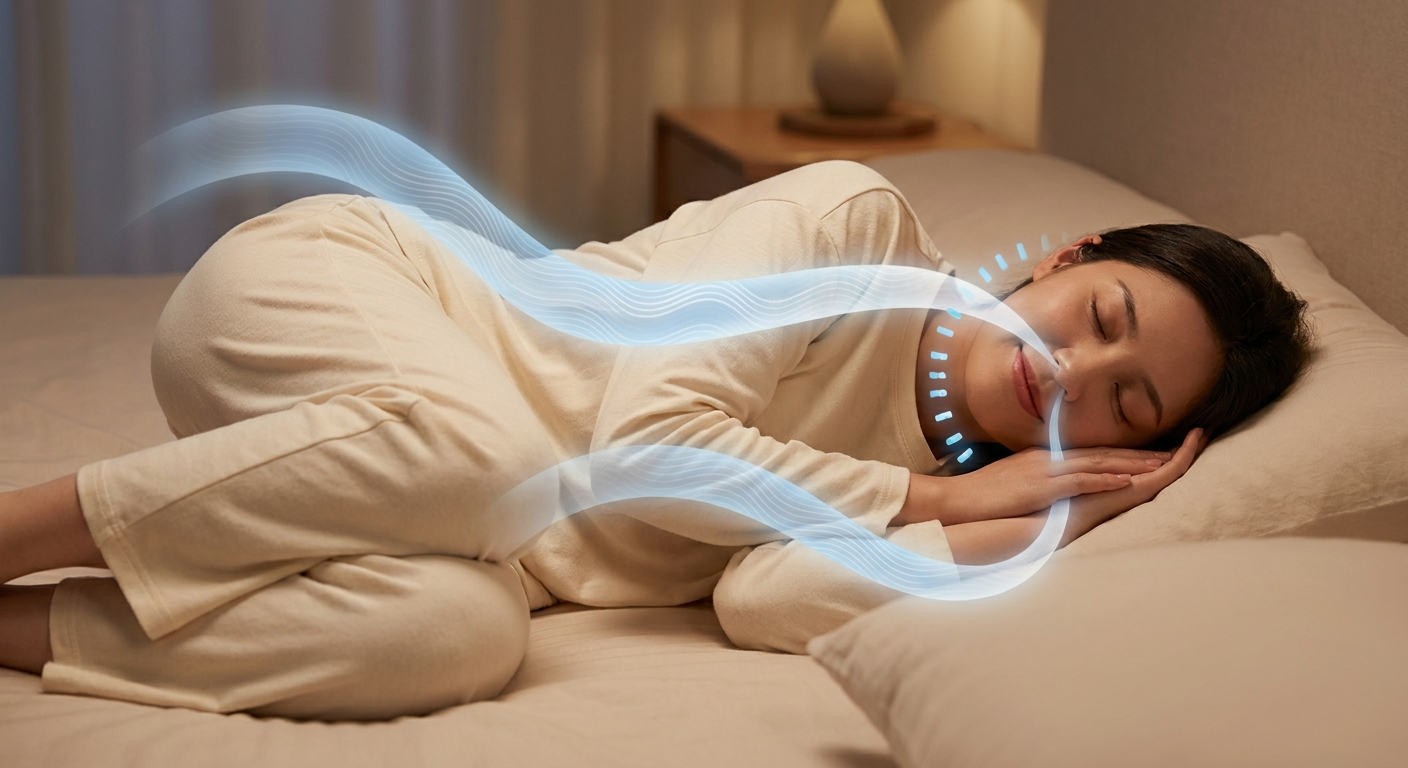
Female Sleep Apnea: Symptoms, Causes, and Treatment Options
Female sleep apnea is more common than many realize—and it’s commonly missed. Sleep apnea is a disorder where breathing repeatedly pauses or becomes very shallow during sleep, most often due to obstructive sleep apnea (OSA), when the upper airway narrows or collapses. While many people associate OSA with loud snoring, women often show different, less “classic” warning signs, such as insomnia, fatigue, mood changes, or morning headaches.
This guide is educational and not a substitute for medical care.
In this guide, you’ll learn:
- Common sleep apnea symptoms in women (including less obvious ones)
- Why risk can rise during pregnancy and menopause
- What a sleep study for sleep apnea looks like (home and in-lab options)
- Treatment options, including PAP and CPAP alternatives for women
- When symptoms should prompt more urgent evaluation
For a related deep dive, see our post on sleep apnea in women: https://sleepandsinuscenters.com/blog/sleep-apnea-in-women-symptoms-causes-and-treatment-options
Why sleep apnea in women is often missed
Many screening questions for sleep apnea focus on loud snoring and obvious daytime sleepiness. Those clues matter—but research shows women may be more likely to report “nonspecific” symptoms like fatigue, insomnia, headaches, or anxiety.²³ These patterns overlap; many women also have “classic” snoring/gasping signs, and many men report fatigue and insomnia.
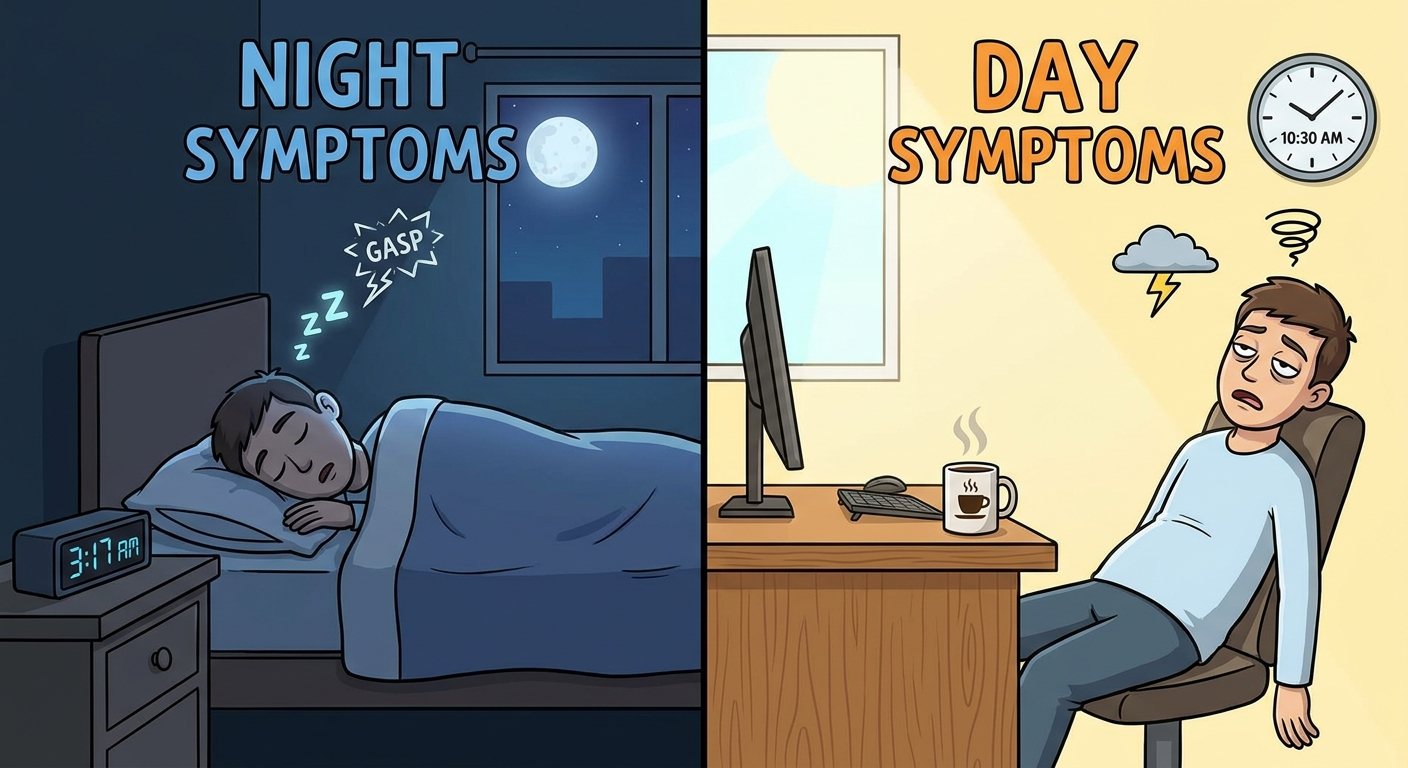
A practical way to think about it: classic OSA can look like a loud “nighttime” problem (snoring, gasping), while female OSA may look like a “daytime” problem (exhaustion, brain fog, mood changes). If those symptoms are treated in isolation—sleep aids for insomnia, antidepressants for mood, migraine treatment for headaches—the underlying sleep-breathing issue can be overlooked.
As one clinician might put it: “When a patient says ‘I’m tired all the time,’ I want to know what their sleep is doing—not just how many hours they spend in bed.” (A reminder to ask about breathing, awakenings, and sleep quality—not only sleep quantity.)
Summary: It’s easy to miss sleep apnea in women when symptoms look like stress, insomnia, or mood changes rather than snoring.
What is female obstructive sleep apnea (OSA)?
OSA vs. snoring: what’s the difference?
Snoring happens when soft tissues in the throat vibrate as air moves through a narrowed airway. OSA is more than snoring: it involves repeated partial or complete airway blockage that can cause:
- drops in blood oxygen
- brief awakenings (often not remembered)
- fragmented, non-restorative sleep
A helpful analogy: snoring can be like “traffic noise” from a narrowed road, while OSA is more like intermittent road closures—your body has to keep rerouting (micro-awakenings) to reopen airflow.
Importantly, some women can have OSA without prominent snoring, which is one reason female sleep apnea can be missed.¹³
How common is sleep apnea in women?
Prevalence estimates vary by age and definitions, but a major review reported a mean prevalence around 22.5% among women ages 30–69 (criteria-dependent and depending on how OSA is defined and measured).³ The American Academy of Sleep Medicine also highlights that women’s sleep disorders—including OSA—deserve more attention and tailored awareness.⁴
Summary: OSA is common and often underrecognized in women—especially when snoring isn’t obvious.
Female sleep apnea symptoms (often different than men)
“Classic” symptoms (still important)
These symptoms can occur in women and are worth noting:
- Loud, frequent snoring
- Witnessed breathing pauses
- Waking up gasping or choking
- Excessive daytime sleepiness
Common women-specific or nonspecific symptoms¹²³
- Fatigue or low energy (even after a full night in bed)
- Insomnia symptoms (trouble falling asleep, staying asleep, or waking too early)
- Depression, anxiety, or irritability
- Morning headaches
- Unrefreshing sleep
- Restless sleep or frequent awakenings
- Vivid dreams/nightmares
- Brain fog, focus problems, or memory lapses
What these symptoms can look like in real life
- “I’m in bed 8 hours, but I wake up feeling like I pulled an all-nighter.”
- “I fall asleep fine, but I wake up at 2–4 a.m. and can’t get back to sleep.”
- “My mood is more fragile lately, and I’m relying on caffeine to get through afternoons.”
These experiences don’t prove sleep apnea, but they’re worth connecting to breathing and sleep quality—especially if they persist.
Signs a clinician may miss (and when to request an evaluation)
- Ongoing insomnia treatment without improvement
- Persistent fatigue despite good sleep habits
- New or worsening high blood pressure, or blood sugar issues, without an obvious explanation
- A bed partner noticing snoring, gasping, or breathing pauses
If you don’t have a bed partner, that’s okay. Many people live alone and still have OSA—morning headaches, dry mouth, and unrefreshing sleep can be useful clues to share.
Summary: If fatigue, headaches, or insomnia persist, consider whether breathing during sleep could be part of the story.
Causes and risk factors of sleep apnea in women
The “mechanics” — why the airway collapses
During sleep, airway muscles relax. In OSA, the airway becomes too narrow and partially or fully blocks airflow. These repeated events can trigger oxygen dips and “micro-arousals” that disrupt sleep architecture and create stress on multiple body systems over time.¹³ Even when you don’t remember waking, your brain may briefly shift into a lighter sleep stage to restore breathing.
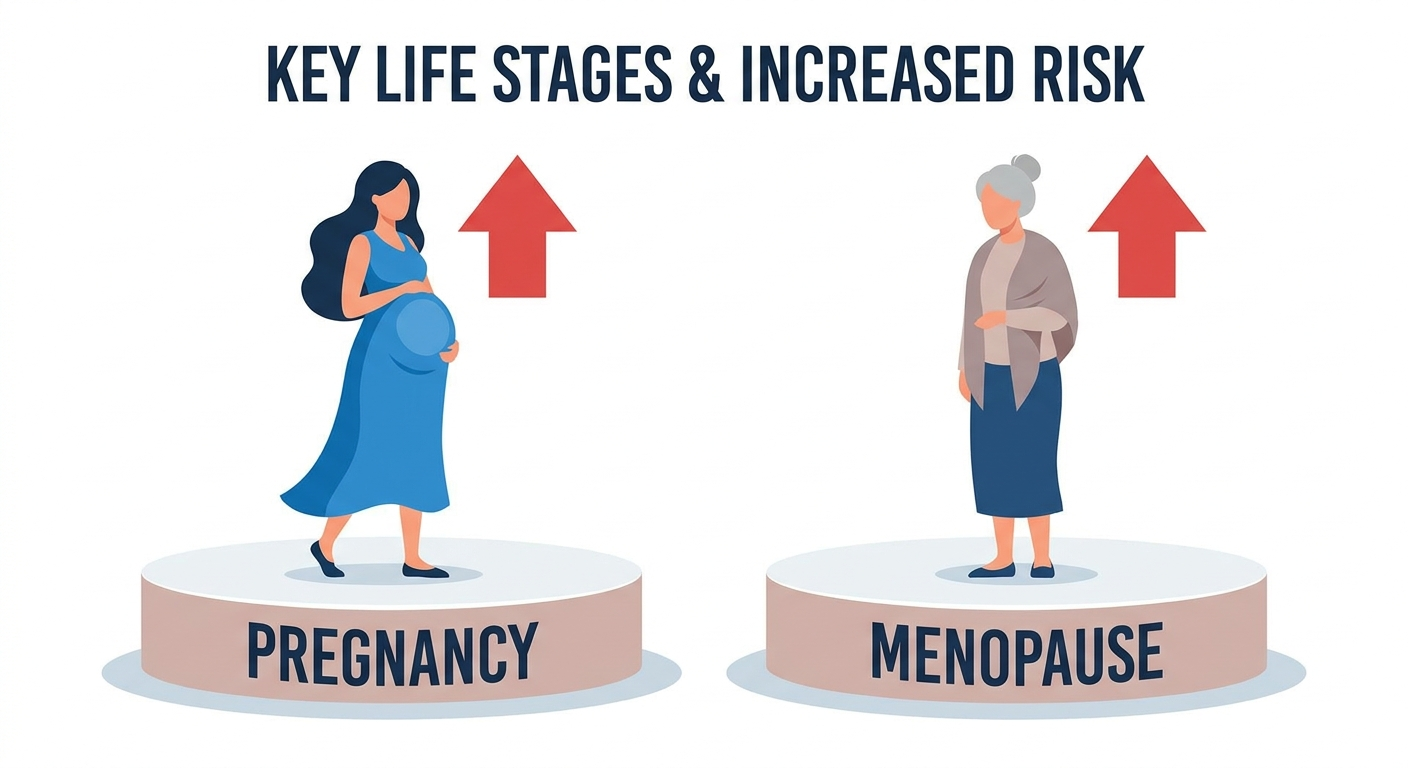
Risk rises in two key life stages
Pregnancy (sleep apnea during pregnancy)
Pregnancy can increase the likelihood of sleep-disordered breathing due to airway swelling, fluid shifts, and weight changes. Some people experience worsening symptoms in later pregnancy, including the third trimester.³¹ Research and NIH/NHLBI guidance also associate pregnancy-related OSA with higher risk of complications such as high blood pressure, gestational diabetes, cesarean delivery, and low birth weight.¹³ (This is educational information; pregnancy-related concerns should be discussed with an OB team and a sleep clinician.)
Perimenopause and menopause (sleep apnea after menopause)
Risk of OSA tends to rise during and after menopause, likely due to hormonal changes and shifts in upper-airway anatomy and function.¹³ If sleep changes, snoring, or unexplained fatigue begin around this life stage, it may be reasonable to include OSA in the conversation—especially if symptoms feel “new” or out of proportion to stress or schedule changes.
Other common risk factors (not just weight)¹³
- Family history of OSA
- Nasal obstruction or chronic congestion (can worsen airflow and sleep quality)
- Alcohol or sedatives near bedtime (may relax airway muscles)
- Smoking
- Sleeping on the back
- Polycystic ovary syndrome (PCOS), which may increase OSA risk in some women
Summary: Multiple factors—from pregnancy and menopause to airway anatomy—can raise OSA risk in women.
Why untreated sleep apnea matters for women
Health risks linked to untreated OSA¹³
- Cardiovascular risks, including effects on blood pressure
- Metabolic risks, including insulin resistance and diabetes risk
- Cognitive and mood impacts, such as impaired attention, memory issues, depression/anxiety symptoms
- Quality-of-life concerns, including daytime functioning, relationship strain, and driving safety
Beyond long-term risk, the day-to-day impact can be immediate: less patience, lower productivity, more missed workouts, and a heavier reliance on caffeine. If you’ve been blaming yourself for “not having enough willpower,” it can be reassuring to know there may be a treatable sleep-breathing cause.
Pregnancy-specific “why it matters”
During pregnancy, addressing sleep-disordered breathing is especially important because of the potential links to hypertensive disorders and metabolic complications.¹
Summary: Treating OSA can protect long-term health and improve daily energy, mood, and safety.
How female sleep apnea is diagnosed (what to expect)
Start with symptoms + a risk conversation
A clinician typically begins by reviewing symptoms, health history, and risk factors. Helpful details can include:
- sleep schedule and awakenings
- morning headaches or dry mouth
- daytime sleepiness and fatigue patterns
- snoring or witnessed breathing pauses (if someone observes them)
- blood pressure trends, if known
If you’re not sure what’s relevant, bring what you notice most: “I wake up with headaches,” “I’m tired by 2 p.m.,” or “My partner says I stop breathing.” That’s enough to start.
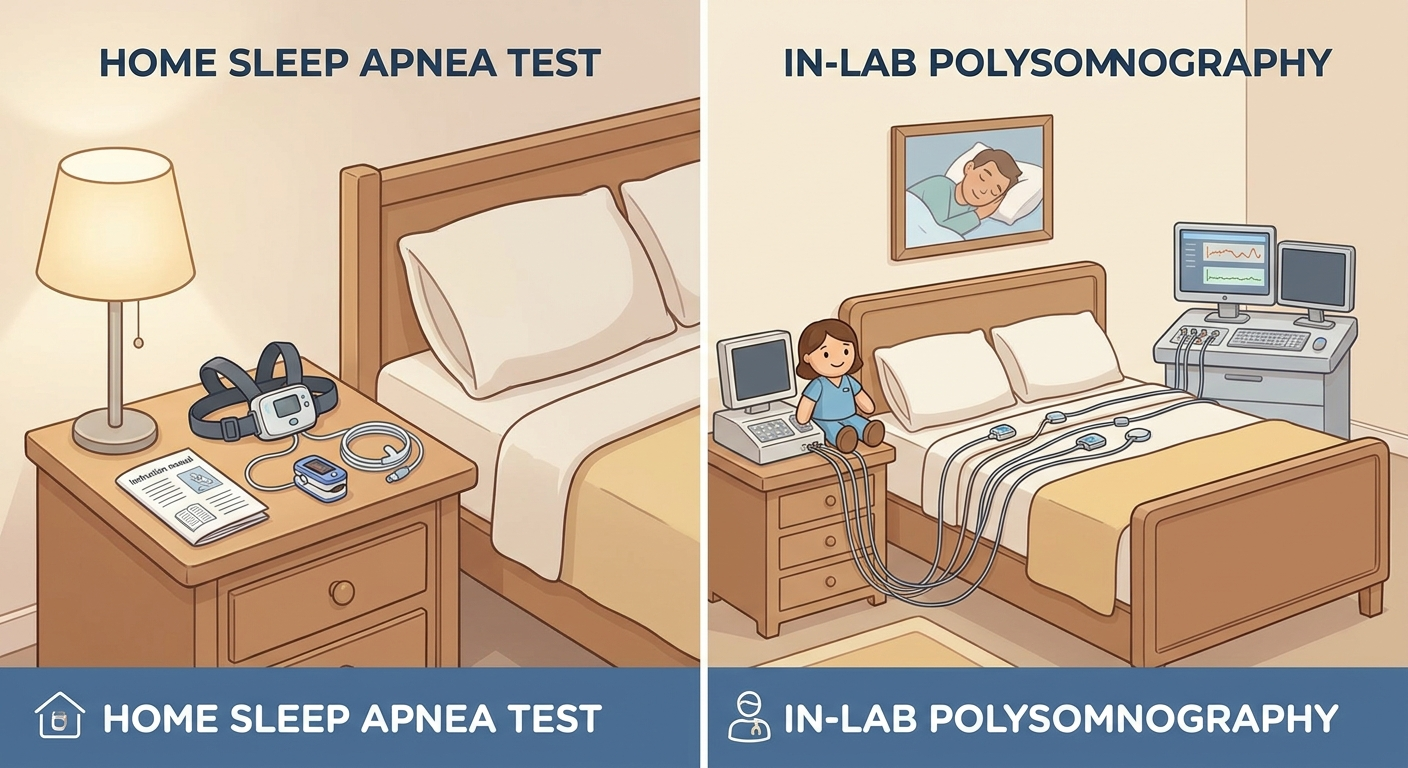
Sleep testing options
A sleep test confirms whether breathing events are occurring and how often.
- Home sleep apnea test (HSAT): A simplified test used at home that measures breathing patterns, oxygen levels, and related signals. HSAT can be a convenient starting point for many people with a strong suspicion for OSA. Learn more: https://sleepandsinuscenters.com/blog/home-sleep-apnea-test-accurate-at-home-screening-for-sleep-apnea
- In-lab polysomnography: An overnight lab study that measures brain waves, breathing, oxygen, heart rhythm, and leg movements. It may be recommended when symptoms are complex, when other sleep disorders are suspected, or when a clinician wants a more comprehensive evaluation.
Understanding results (AHI basics)
Many results include an AHI score (Apnea-Hypopnea Index), which represents how many breathing interruptions occur per hour of sleep. AHI ranges help describe severity and guide treatment discussions. Plain-language guide: https://sleepandsinuscenters.com/blog/ahi-score-explained-understanding-your-sleep-apnea-severity
Summary: A sleep study—at home or in a lab—confirms the diagnosis and helps tailor treatment.
Treatment options for female sleep apnea
The goal of treatment
Treatment aims to reduce breathing events, improve oxygenation and sleep quality, and support better daytime functioning and long-term health. Choice of therapy should be individualized with a qualified clinician after diagnostic testing.
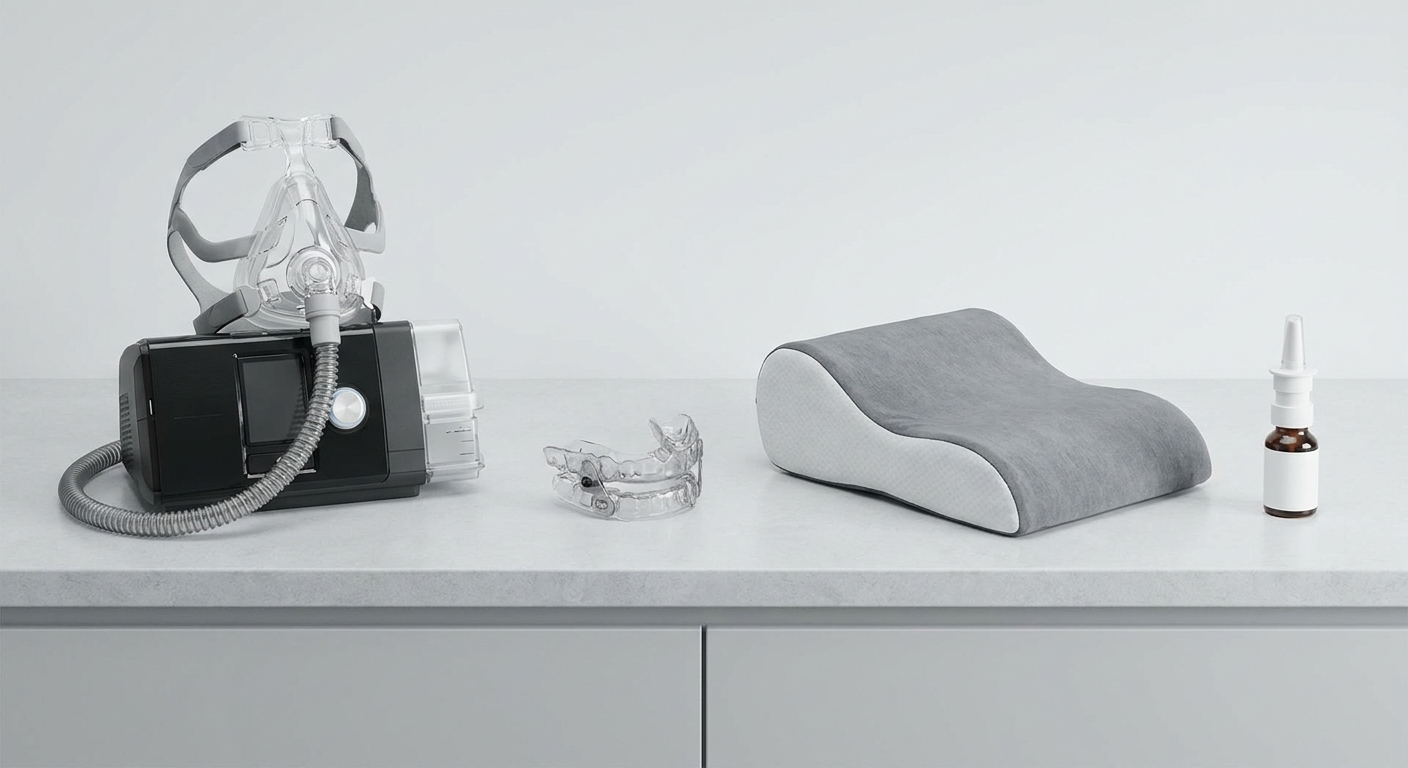
PAP therapy (CPAP/APAP/BiPAP) — the most proven option
Positive airway pressure (PAP) keeps the airway open by delivering gentle airflow through a mask. When used consistently, PAP therapy is supported by evidence for improving OSA and can improve cardiovascular risk factors (including blood pressure) in many patients.¹³ Individual response varies. If PAP feels intimidating, it may help to know that comfort is often a “setup problem,” not a personal failure—mask style, humidity, and pressure settings can often be adjusted.
Oral appliance therapy (mandibular advancement device)
A custom-fitted oral appliance moves the lower jaw slightly forward to help keep the airway open. It’s often considered for mild to moderate OSA or when PAP isn’t tolerated, depending on individual factors and clinician judgment.³ Compare options: https://sleepandsinuscenters.com/blog/oral-appliance-vs-cpap-which-is-right-for-you
Positional therapy (for position-dependent OSA)
Some people have more events when sleeping on their back. Positional strategies or devices can reduce back-sleeping and may be used alone in selected cases or combined with other treatments.
Lifestyle and risk-factor treatment (supportive but meaningful)
- addressing nasal congestion/allergies when present
- limiting alcohol or sedatives near bedtime
- optimizing sleep schedule consistency
- weight management when relevant (focused on health and breathing, not appearance)
Surgery and newer device-based options (when appropriate)
An ENT evaluation can help identify anatomic contributors such as nasal obstruction or airway narrowing. Procedural options may be considered in selected situations. For certain candidates, implantable device therapy (such as hypoglossal nerve stimulation) may be discussed—but it’s not for everyone and typically follows a structured evaluation.
Summary: Multiple effective treatments exist—your care team can help match options to your diagnosis and preferences.
Special considerations: sleep apnea during pregnancy and postpartum
When to talk to your OB or a sleep specialist
New loud snoring, witnessed apneas, significant daytime sleepiness, or pregnancy complications like elevated blood pressure can be reasons to discuss sleep evaluation with your care team.¹
Treatment safety basics (high level)
OSA treatment in pregnancy is individualized and coordinated between providers. PAP therapy is non-medication-based and commonly used. Decisions about testing and treatment should be made with clinicians familiar with pregnancy considerations.¹
Summary: During pregnancy, raise sleep-breathing concerns early so your OB and sleep team can coordinate care.
Practical lifestyle tips (“start here”)
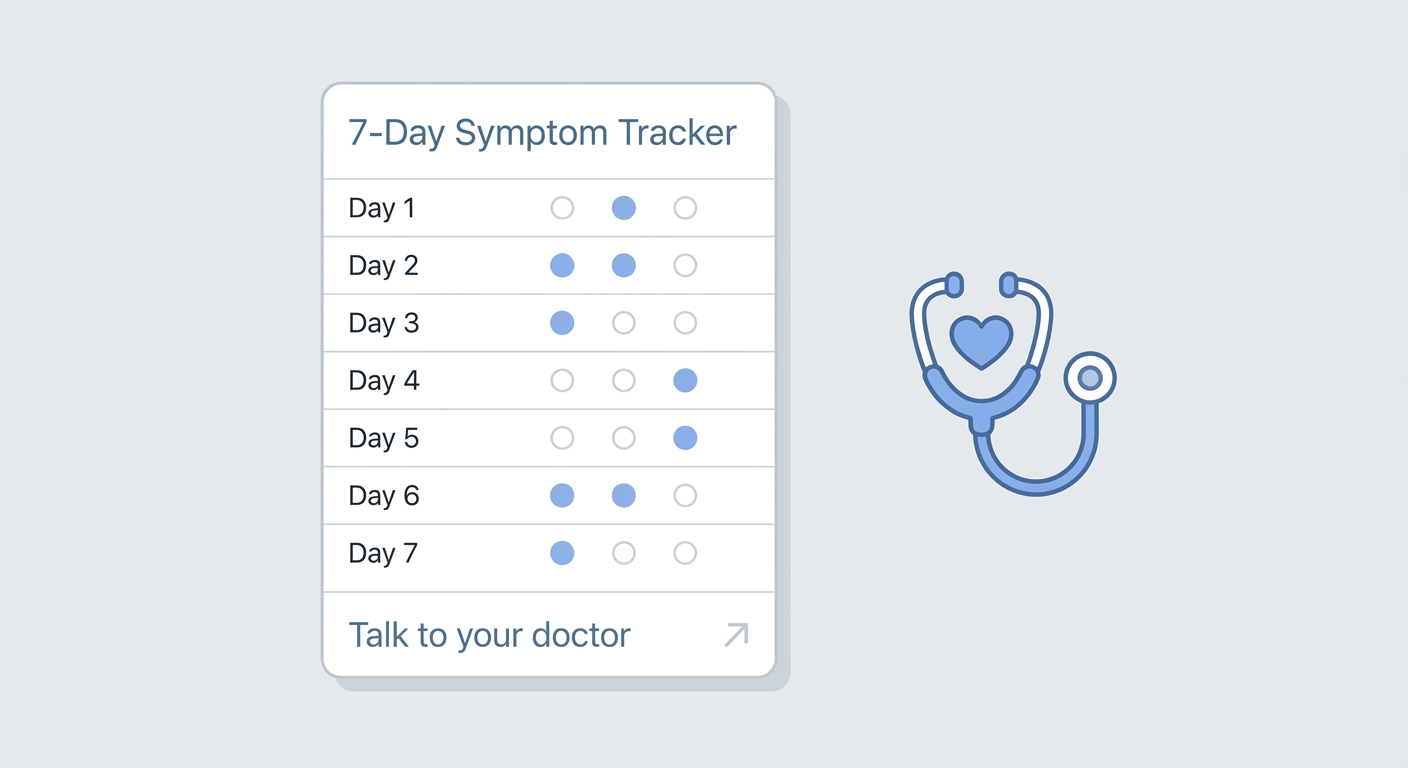
A simple 7-day symptom tracker
Consider tracking:
- bedtime and wake time
- number of awakenings
- morning headaches (yes/no)
- daytime sleepiness (0–10)
- mood/irritability notes
- naps (duration)
- snoring or breathing observations (if available)
- blood pressure readings if already being monitored
Bringing a tracker to an appointment can help connect symptoms with sleep patterns—especially when symptoms feel inconsistent day to day.
Sleep positioning and bedroom setup
- Side-sleeping can help some people with position-dependent OSA.
- Pillows that support stable side-sleeping may reduce back-rolling.
- Bedroom humidity and allergen reduction may help if nasal irritation or congestion is an issue.
Tips to improve CPAP success (if prescribed)
- Mask comfort matters; fit and style changes can make a big difference.
- Heated humidification can reduce dryness and nasal irritation.
- Follow-up is part of the process—many issues are fixable with adjustment rather than stopping therapy.
Summary: Small, practical steps can support better sleep and make prescribed therapies easier to use.
FAQs about female sleep apnea
Can women have sleep apnea without snoring?
Yes. Women may present with insomnia, fatigue, mood symptoms, or headaches rather than obvious snoring.¹²³
Is sleep apnea more common after menopause?
Risk increases during and after menopause, likely due to hormonal and airway changes.¹³
Can sleep apnea affect pregnancy outcomes?
Sleep apnea during pregnancy is associated with complications such as hypertension, gestational diabetes, cesarean delivery, and low birth weight.¹³
Can CPAP help blood pressure?
Evidence indicates PAP can improve cardiovascular risk factors—particularly blood pressure—when used consistently.³ Individual response varies.
What type of doctor should I see for suspected sleep apnea?
Many people start with primary care or an OB team (during pregnancy) and may be referred to a sleep specialist. An ENT evaluation can also be helpful when nasal obstruction or airway anatomy may be contributing.
When to seek care urgently (safety box)
This article is educational, not medical advice. Urgent evaluation may be appropriate for:
- severe daytime sleepiness that affects driving or safety
- frequent awakenings with gasping/choking
- pregnancy plus concerning blood pressure symptoms (seek prompt OB guidance)
- chest pain or severe shortness of breath (emergency evaluation)
Conclusion
Female sleep apnea is common, treatable, and too often overlooked—especially when symptoms look like insomnia, fatigue, headaches, or mood changes rather than “classic” snoring. If symptoms persist or risk factors apply (including pregnancy or menopause transitions), a sleep evaluation and testing can clarify what’s happening and open the door to effective options, from PAP therapy to oral appliances and other approaches.
To learn more about evaluation and next steps, explore resources from Sleep and Sinus Centers of Georgia, including information on a home sleep apnea test (https://sleepandsinuscenters.com/blog/home-sleep-apnea-test-accurate-at-home-screening-for-sleep-apnea), how to interpret your AHI score (https://sleepandsinuscenters.com/blog/ahi-score-explained-understanding-your-sleep-apnea-severity), and more topics on our blog (https://sleepandsinuscenters.com/blog/). If you’re ready to take the next step, you can also book an appointment at https://www.sleepandsinuscenters.com/ to discuss symptoms, testing, and treatment options.
References
1. National Heart, Lung, and Blood Institute (NHLBI). Sleep Apnea and Women (2025). https://www.nhlbi.nih.gov/health/sleep-apnea/women
2. Bouloukaki I, et al. Evaluation of Obstructive Sleep Apnea in Female Patients in Primary Care: Time for Improvement? (2021). https://pmc.ncbi.nlm.nih.gov/articles/PMC8740168/
3. Geer JH, et al. Gender Issues in Obstructive Sleep Apnea (2021). https://pmc.ncbi.nlm.nih.gov/articles/PMC8461585/
4. American Academy of Sleep Medicine (AASM). Shining the Spotlight on Women and Sleep. https://aasm.org/shining-the-spotlight-on-women-and-sleep/
This article is for educational purposes only and is not medical advice. Please consult a qualified healthcare provider for diagnosis and treatment.
Don’t let allergies slow you down. Schedule a comprehensive ENT and allergy evaluation at Sleep and Sinus Centers of Georgia. We’re here to find your triggers and guide you toward lasting relief.