Sinus Infection Chills Without Fever: Causes, Relief, and When to See a Doctor
Introduction: Can a Sinus Infection Cause Chills Without Fever?
Yes—sinus infection chills without fever can happen, and it’s a common reason people look for answers. Feeling shaky, cold, or “off” is unsettling, especially when your thermometer reads normal. Chills can occur as part of the body’s response to illness, including viral infections and other conditions, and not all cases of sinusitis cause fever. Many acute sinus infections are viral and improve on their own within 1–2 weeks, often without antibiotics. [4][5]
Summary: Even without a fever, chills can be part of a typical viral sinus infection that often improves with time and self-care.
Quick Definitions (Patient-Friendly)
What “Chills” Really Mean: “Chills” usually describes shivering, trembling, or feeling unusually cold—often with goosebumps and a need to bundle up. Immune signals can prompt muscle contractions (shivering) and heat conservation, so you may feel cold even when your temperature looks normal. Chills can occur with or without fever, including early in mild viral illnesses. [2]
What Counts as a “Fever”?: A fever is generally 100.4°F (38°C) or higher. You can still feel sick with sinus and upper respiratory inflammation below that number. Temperature can vary with time of day, hydration, and recent hot/cold drinks. When in doubt, recheck after resting and follow your thermometer’s directions.
Why You Can Have Chills Without a Fever During a Sinus Infection
Immune response without a big temperature spike: Your immune system can activate in ways that cause shivering and “cold” sensations even if your temperature stays below the fever range. In other words, your body can send “we’re fighting something” signals without generating a high fever. [2][5]
Early-stage viral illness pattern: With mild viral infections, chills may show up early, and fever may never develop. That’s one reason “chills no fever” searches are so common—many cases start like a typical cold and evolve into acute sinusitis. [2]
Individual factors that change how fever presents: Factors such as age, time of day, hydration, and certain medications can affect temperature readings and how fever presents. You might still feel fatigued, chilled, and congested even if your temperature never reaches 100.4°F.
Summary: Chills can reflect immune activation from a viral sinus infection, even if your temperature stays in the normal range.
Common Causes of “Sinus Infection Chills Without Fever”
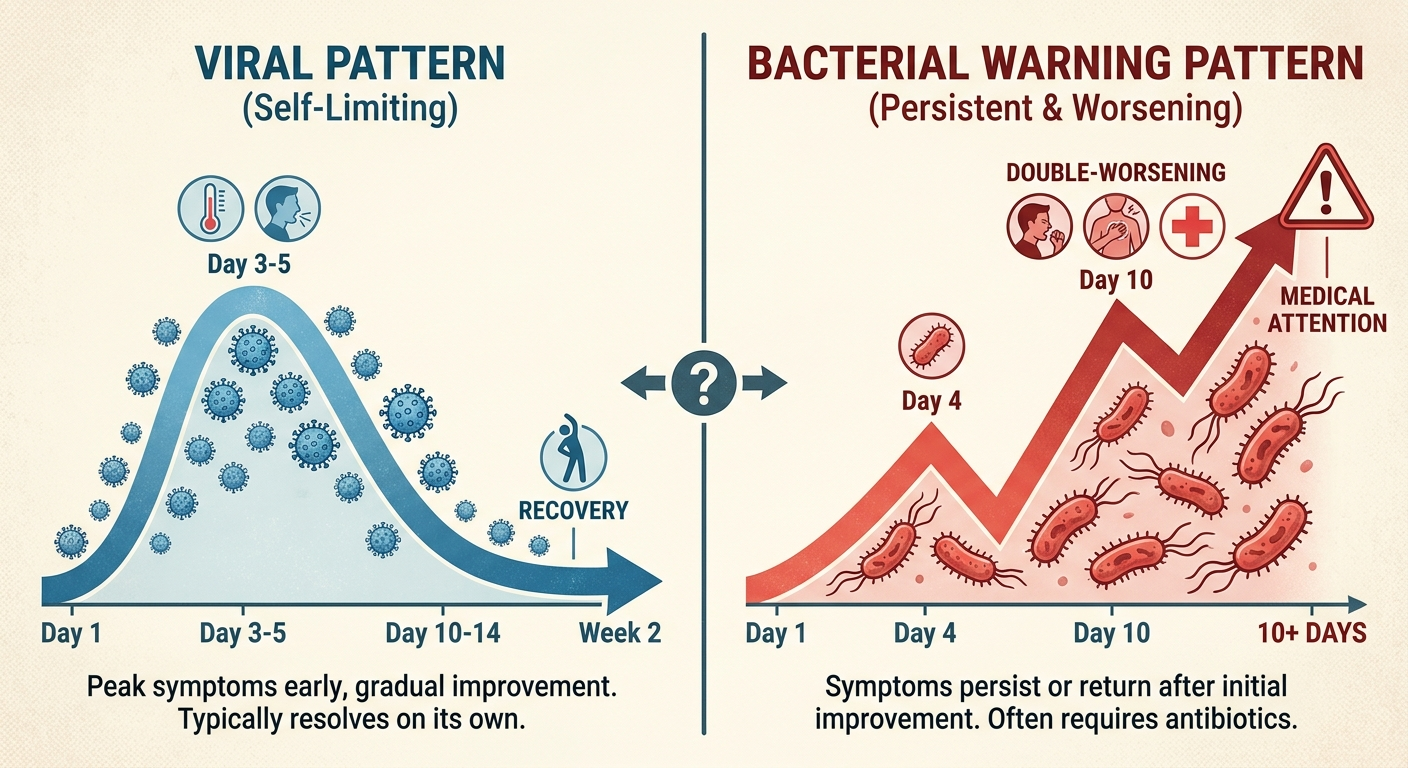
Viral sinus infection (most common): A viral sinus infection often follows a cold and is a leading cause of sinusitis without fever. Antibiotics don’t work on viruses; many people improve with time and supportive care within about 1–2 weeks. [4][5] For more on typical patterns, see: https://sleepandsinuscenters.com/blog/viral-vs-bacterial-sinus-infections-key-differences
Bacterial sinus infection (less common): Bacterial sinusitis is less common than viral. It becomes more likely when symptoms:
- Last more than 10 days without improvement, or
- Follow a “double-worsening” pattern (you start to improve, then get noticeably worse), or
- Are severe (classically high fever plus significant facial pain—though fever may not always be present). [4][5]
Allergies or non-infectious inflammation: Allergies can mimic infection with congestion, pressure, and postnasal drip. This inflammation can make you feel run-down even when there isn’t a true infection. [1]
Environmental/irritant triggers: Smoke, strong fragrances, air pollution, and very dry indoor air can inflame the nose and sinuses and intensify headache, congestion, cough, and fatigue.
Other illnesses that can overlap with sinus symptoms: Colds, flu, and COVID-19 can all cause congestion, drainage, cough, fatigue, and chills. When respiratory viruses are circulating, testing may be worth considering based on your situation and local guidance.
Summary: Viral sinusitis is common and often improves on its own, but bacterial infection, allergies, irritants, and broader viral illnesses can produce similar symptoms.
Symptoms to Watch For (Beyond Chills)
Typical sinus infection/sinusitis symptoms
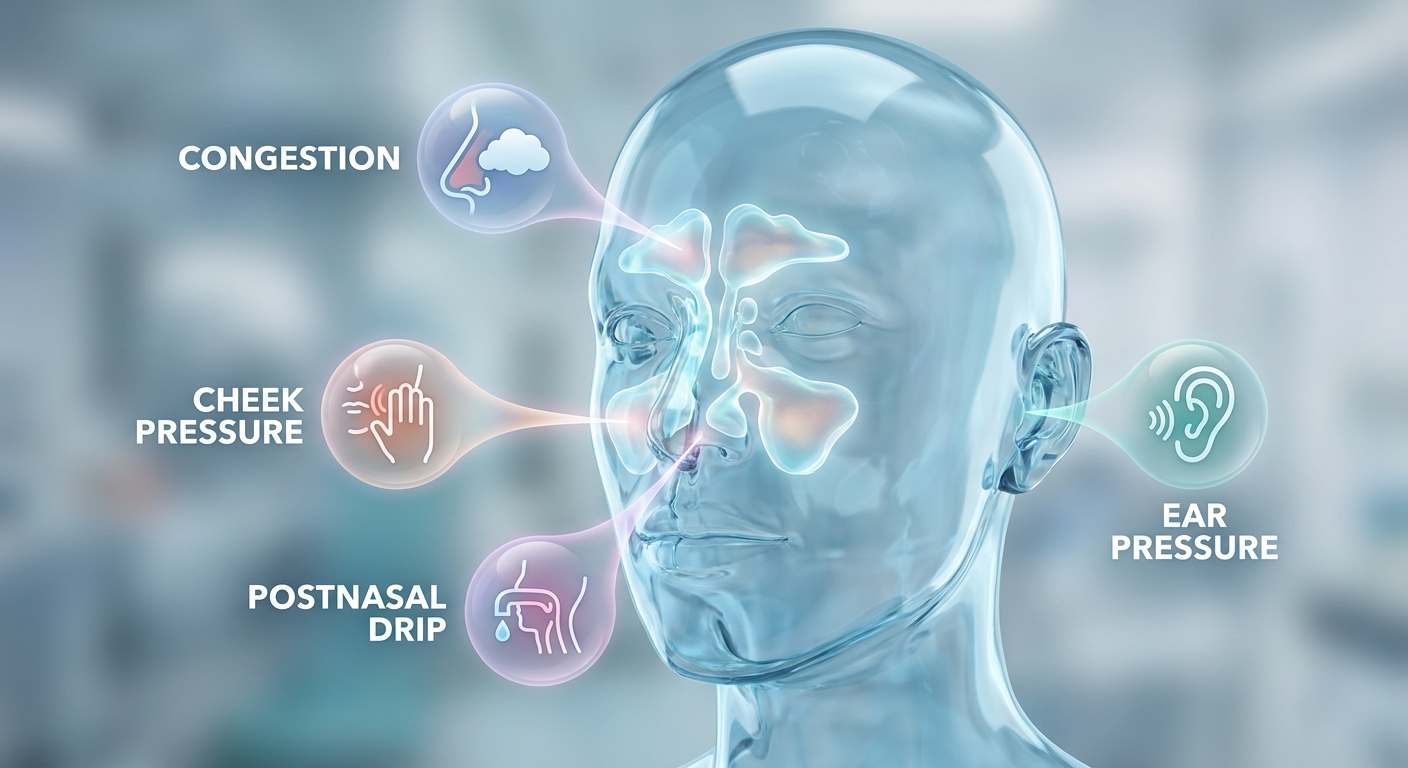
- Stuffy nose/nasal congestion
- Thick drainage and/or postnasal drip
- Facial pressure or pain
- Reduced sense of smell
- Headache
- Ear pressure or popping
- Tooth discomfort (upper teeth)
- Cough (often worse at night)
- Fatigue [1][3]
Compare with this overview of sinus problem symptoms: https://sleepandsinuscenters.com/symptoms-of-sinus-problems
Symptoms that often pair with chills (even without fever)
- Body aches
- Tiredness
- Feeling “washed out”
- Cold sweats or temperature swings [2]
A simple “is it more likely viral or bacterial?” checklist
More consistent with a viral pattern:
- Symptoms peak in the first few days, then gradually improve
- Mild to moderate pressure, congestion, and cough
- Antibiotics are not helpful for viral illness
Consider a bacterial pattern:
- Symptoms persist beyond 10 days without improvement
- Double-worsening after initial improvement
- More intense/persistent facial pain and thicker drainage (often)
- A clinician may consider antibiotics when symptoms fit a bacterial pattern [4][5]
Summary: Mild-to-moderate symptoms that trend better within 1–2 weeks point to viral sinusitis; persistent, worsening, or severe patterns may suggest bacterial infection.
When Chills Without Fever Might Signal Something More Serious
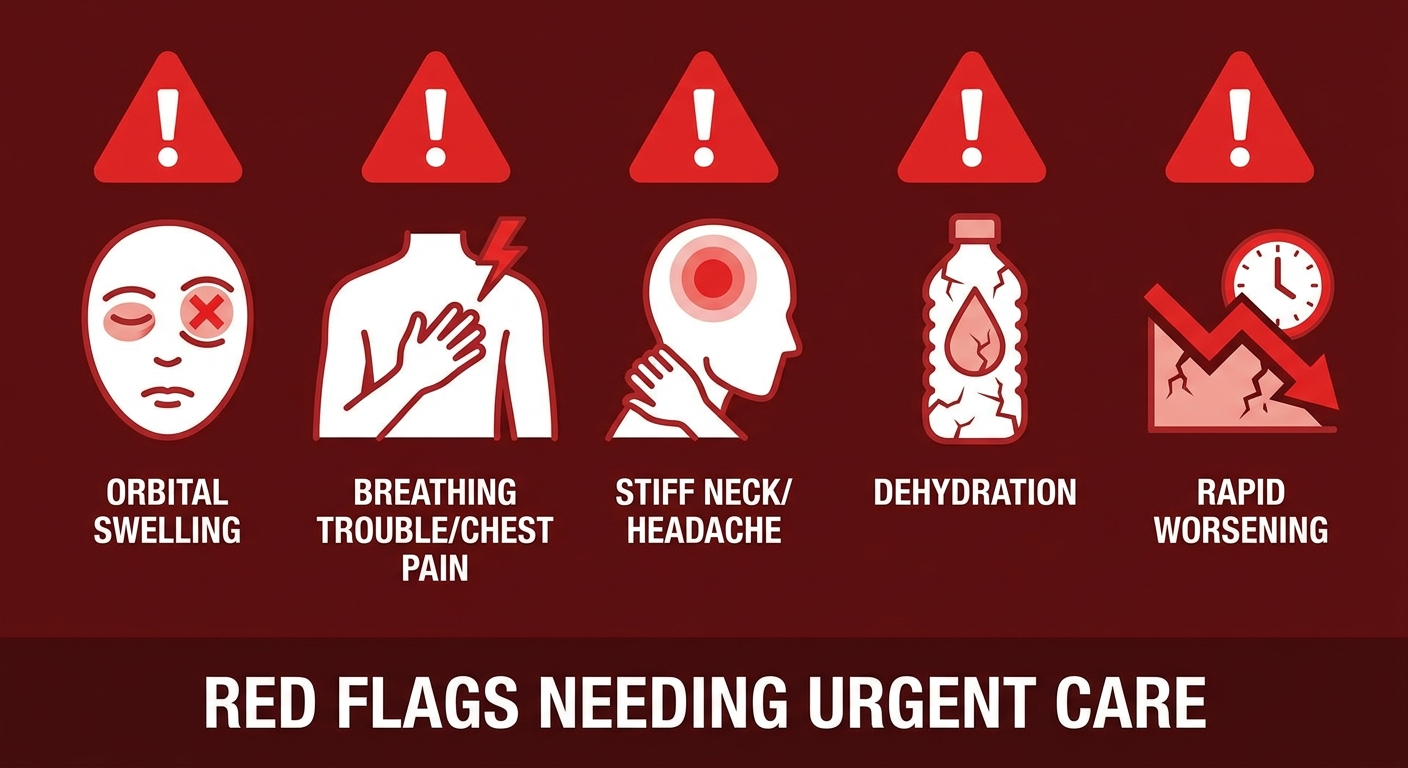
Red flags — seek urgent care/emergency evaluation
- Trouble breathing or chest pain
- Confusion, fainting, severe weakness, or signs of dehydration
- Severe headache with a stiff neck
- Swelling/redness around the eye, eye pain, or vision changes
- Rapid worsening in people who are immunocompromised, older, or medically fragile [5]
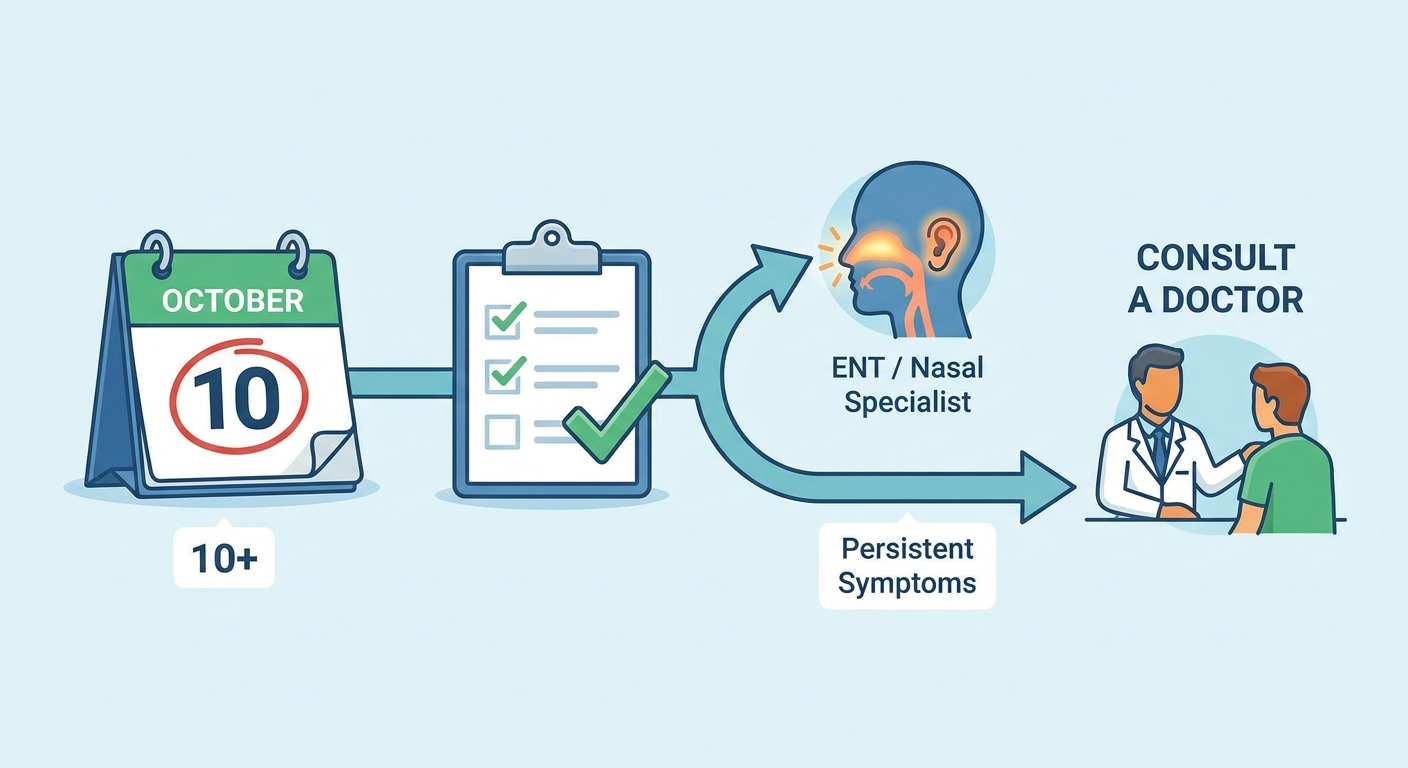
When to schedule a same-week visit (primary care or ENT)
- Symptoms lasting more than 10 days without improvement
- Double-worsening
- Frequent recurrences or symptoms that become chronic
- Significant facial pain/pressure not improving with basic care [4]
If you’re unsure, this guide can help: https://sleepandsinuscenters.com/blog/when-to-see-an-ent-for-a-sinus-infection-key-warni-20260131051218
Summary: Seek urgent care for red flags, and book a prompt visit if symptoms persist, worsen, or keep coming back.
At-Home Treatment: What Helps Chills and Sinus Symptoms
Educational note: The options below are general comfort and self-care approaches; individual needs vary, and label instructions and clinician guidance matter.
Comfort measures for chills
- Warm fluids (broth, tea) for comfort and hydration
- Layered clothing/blankets to reduce shivering
- Rest (chills often worsen when you’re overtired)
- Hydration throughout the day, especially if drainage or mouth-breathing is drying you out
Evidence-based sinus relief at home
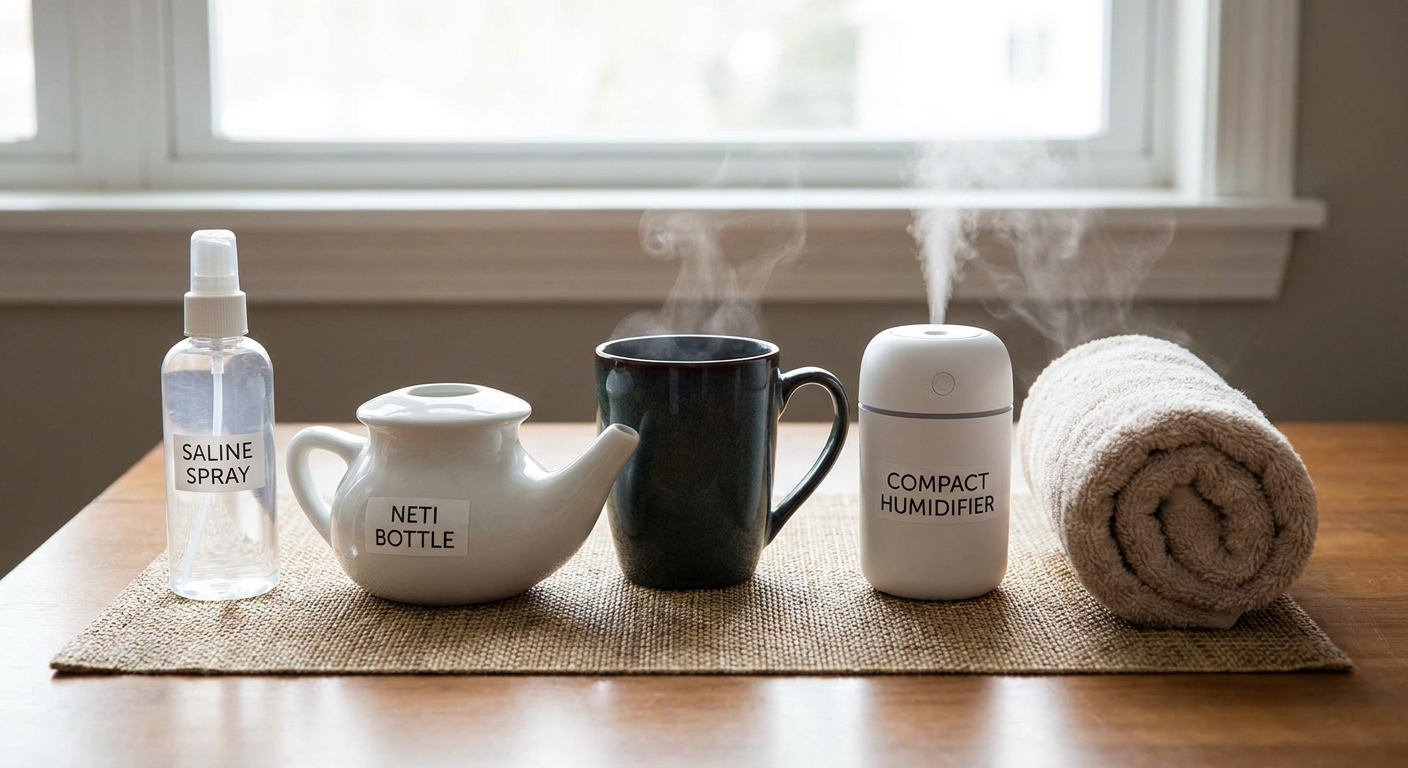
- Saline spray or saline rinse to loosen mucus and reduce congestion; use sterile/distilled water for rinses and keep devices clean
- Steam/humidity (shower steam or a humidifier) to soothe irritated nasal passages
- Warm compress over the cheeks/forehead for pressure
- Avoid irritants like smoke and strong scents, which can prolong inflammation [4][5]
OTC options (general information)
- Acetaminophen or ibuprofen for headache/facial discomfort (follow the label; ask a clinician if you have kidney disease, ulcers, bleeding risk, are pregnant, or take other medicines)
- Saline products anytime for dryness and congestion
- Short-term decongestants for congestion (some should be limited to brief use per label)
- Steroid nasal sprays may help reduce inflammation, especially when allergies or nasal swelling are contributing [4][5]
Quick caution: Overusing decongestant nasal sprays can lead to rebound congestion.
Summary: Gentle hydration, saline care, humidity, rest, and carefully chosen OTC options can ease symptoms while a viral sinus infection runs its course.
Medical Treatment: When to See a Doctor and What They May Recommend
What a clinician/ENT will evaluate: A clinician will consider timeline (how many days you’ve been sick), symptom pattern (steady improvement vs. double-worsening), nasal exam findings, and whether allergies, irritants, or chronic inflammation may be contributing. Sometimes testing or imaging is considered for persistent or recurrent cases to determine whether the cause is likely viral, possibly bacterial, allergy-driven, or part of a longer-term sinus pattern.
Do you need antibiotics? Often, no. Many cases that feel like sinus infections are viral, and antibiotics do not treat viral illness. [4][5] A clinician may consider antibiotics when symptoms fit a bacterial pattern based on duration, severity, or double-worsening. [4][5] For more details, see: https://sleepandsinuscenters.com/blog/do-i-always-need-antibiotics-for-a-sinus-infection
Other prescription options (if needed): Depending on the cause, clinicians may recommend treatments aimed at inflammation and triggers, such as prescription-strength nasal steroid options and targeted allergy management when allergies appear to be a key driver. [1][5]
Summary: A clinician can help confirm whether symptoms are viral, bacterial, or allergy-driven and tailor treatment accordingly.
Lifestyle Tips to Recover Faster (and Reduce Future Episodes)
Support recovery this week
- Prioritize sleep and lighter activity while symptoms are active
- Keep fluids steady; aim for pale-yellow urine as a simple hydration check
- Avoid smoke and heavy fragrances
- Use a humidifier responsibly; moderate indoor humidity is often more comfortable than very dry air
Prevent future sinus problems
- Manage allergies consistently if they’re a recurring trigger
- Practice hand hygiene during cold/flu season
- If symptoms are frequent or prolonged, an evaluation by an ENT or other qualified clinician may help identify chronic inflammation or structural contributors
You can also review common sinus symptoms here: https://sleepandsinuscenters.com/symptoms-of-sinus-problems
Summary: Good sleep, hydration, irritant avoidance, and allergy control can speed recovery now and reduce future flare-ups.
FAQs: Sinus Infection Chills Without Fever
1) Is it normal to have chills with a sinus infection but no fever? It can be. Chills may occur without fever as part of immune activation, and not all cases of sinusitis cause a fever. [2][3]
2) How long do viral sinus infections usually last? Many improve within about 1–2 weeks, often without antibiotics. [4][5]
3) When should I worry if chills continue? Chills that worsen, persist alongside symptoms beyond about 10 days, or occur with red flags (eye swelling, breathing issues, confusion, severe headache with stiff neck) deserve prompt medical attention. [5]
4) Can allergies cause chills? Allergies typically cause congestion, pressure, and drainage. Chills are more suggestive of a systemic illness; the timeline and accompanying body aches/fatigue can help clarify the cause. [1][5]
5) What’s the fastest safe way to feel better? Many people feel better fastest by combining rest, hydration, saline care, humidity/steam, and symptom-targeted OTC options (when appropriate). If symptoms don’t improve or fit a bacterial pattern, consider an evaluation. [4][5]
Conclusion: Key Takeaways + When to Get Help
Sinus infection chills without fever can happen and are often linked to a viral illness or inflammation that doesn’t trigger a strong temperature rise. Most cases improve with supportive care and time, and antibiotics aren’t always needed. [4][5] If symptoms last more than 10 days without improvement, follow a double-worsening pattern, recur frequently, or come with red flags (especially eye swelling or breathing issues), it’s a good idea to seek evaluation.
Ready for next-step guidance? You can book an appointment with Sleep and Sinus Centers of Georgia to help determine whether you’re dealing with viral symptoms, bacterial sinusitis, allergies, or chronic sinus inflammation: https://www.sleepandsinuscenters.com/
Summary: Most cases are self-limited, but persistent, worsening, or red-flag symptoms should be evaluated by a clinician.
References
[1]: Swallergy (2025). “Do I Have a Sinus Infection? Signs and Symptoms” https://swallergy.com/do-i-have-a-sinus-infection-signs-and-symptoms/
[2]: AFC Urgent Care. “What Causes Chills With No Other Symptoms?” https://www.afcurgentcare.com/livingston/blog/what-causes-chills-with-no-other-symptoms/
[3]: ENT Texas. “10 Signs You Have a Sinus Infection” https://www.enttx.com/blog/10-signs-you-have-a-sinus-infection/
[4]: Mayo Clinic Health System. “Will my sinus infection clear up on its own?” http://mayoclinichealthsystem.org/hometown-health/speaking-of-health/will-my-sinus-infection-clear-up-on-its-own
[5]: Healthline. “Sinus Infection Chills Without Fever: Causes, Symptoms, and Treatment”
This article is for educational purposes only and is not medical advice. Please consult a qualified healthcare provider for diagnosis and treatment.
Don’t let allergies slow you down. Schedule a comprehensive ENT and allergy evaluation at Sleep and Sinus Centers of Georgia. We’re here to find your triggers and guide you toward lasting relief.