Ruptured Eardrum: Causes, Symptoms, and Healing Time
Introduction — What a Ruptured Eardrum Means (and Why It Matters)
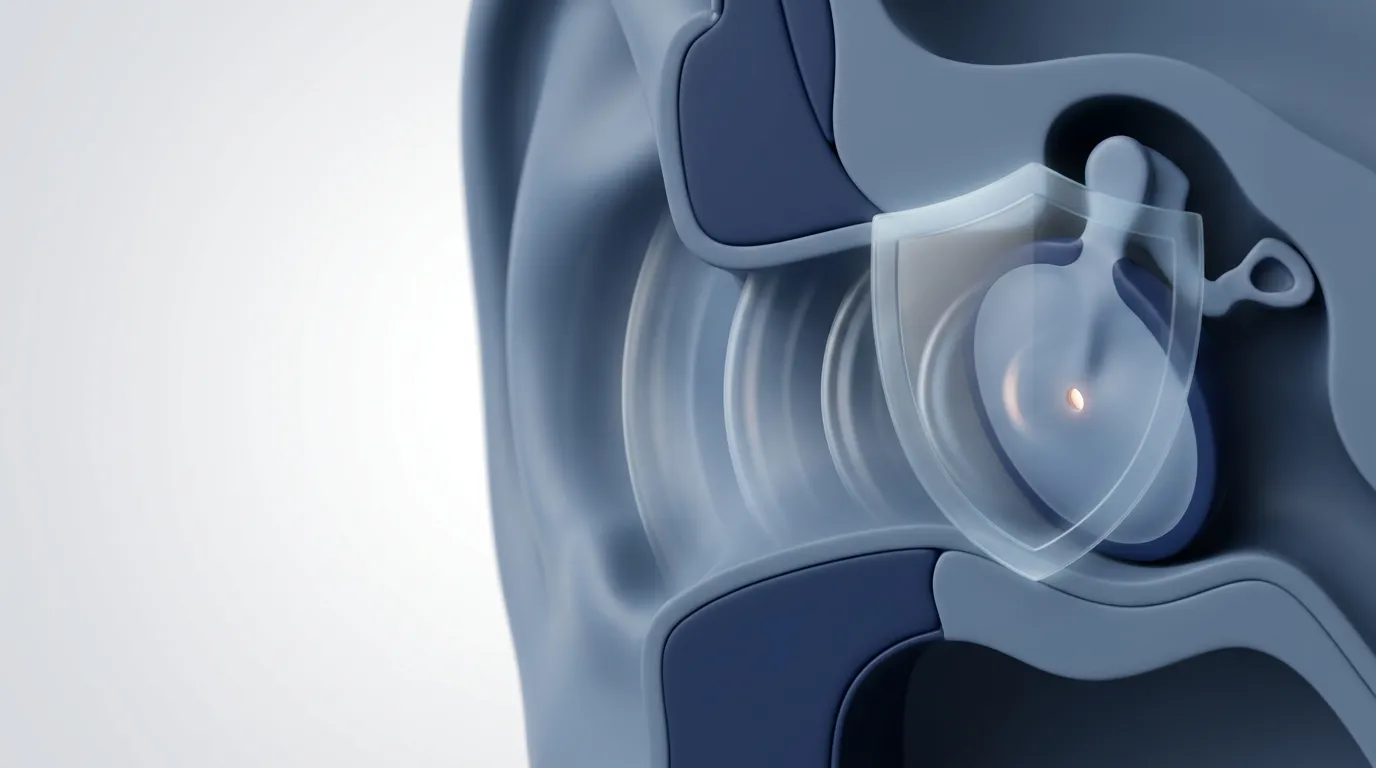
Quick definition: A ruptured eardrum is a tear or hole in the thin tissue that separates your ear canal from your middle ear. This tissue is called the tympanic membrane—so you may also see perforated eardrum or tympanic membrane perforation used for the same condition (Mayo Clinic, 2025; Cleveland Clinic, 2025).
Why prompt evaluation can prevent complications: Because the eardrum helps protect the middle ear, an opening can increase the chance of infection. In some cases, it can also contribute to longer-lasting hearing changes—especially if the perforation doesn’t heal well or if repeated infections develop. That said, permanent hearing loss from the perforation alone is uncommon with proper care. A quick exam can confirm the diagnosis, rule out other causes of ear symptoms, and clarify what follow-up you actually need (Mayo Clinic, 2025; Cleveland Clinic, 2025).
Reassurance: many cases heal on their own, but not all. The encouraging news: many perforations close without surgery, particularly when the tear is small and the ear is kept dry and protected. Still, some tears are larger, become infected, or simply don’t heal as expected—so it’s worth knowing what to watch for and when to see an ENT (Mayo Clinic, 2025; Cleveland Clinic, 2025).
If you’d like a deeper explanation of what a tear can look like and how it affects the ear, see: What is a hole in the eardrum? https://sleepandsinuscenters.com/blog/what-is-a-hole-in-the-eardrum
Bottom line: most tears heal with simple care, but early evaluation helps prevent avoidable problems.
What Is the Eardrum (Tympanic Membrane) and What Does It Do?
How the eardrum supports hearing: Think of the eardrum like a tiny, sensitive drumhead. Sound waves travel down the ear canal and vibrate the eardrum. Those vibrations move the small middle-ear bones, which pass sound onward to the inner ear. When that chain runs smoothly, sound comes through clearly (NCBI StatPearls, 2023).
Why a perforation can affect hearing and increase infection risk: When there’s a hole, the eardrum may not vibrate normally—so hearing can sound muffled, “underwater,” or quieter on the affected side. The opening can also allow water and germs to reach the middle ear more easily, increasing the risk of infection or ongoing drainage (NCBI StatPearls, 2023).
“Ruptured” vs “perforated” — same condition, different wording: “Ruptured eardrum,” “perforated eardrum,” and “tympanic membrane perforation” generally describe the same problem. The wording often depends on whether the explanation is more medical or more patient-friendly (NCBI StatPearls, 2023).
In short, the eardrum is essential for sound transmission and middle-ear protection, which is why tears can affect both hearing and infection risk.
Common Causes of a Ruptured Eardrum
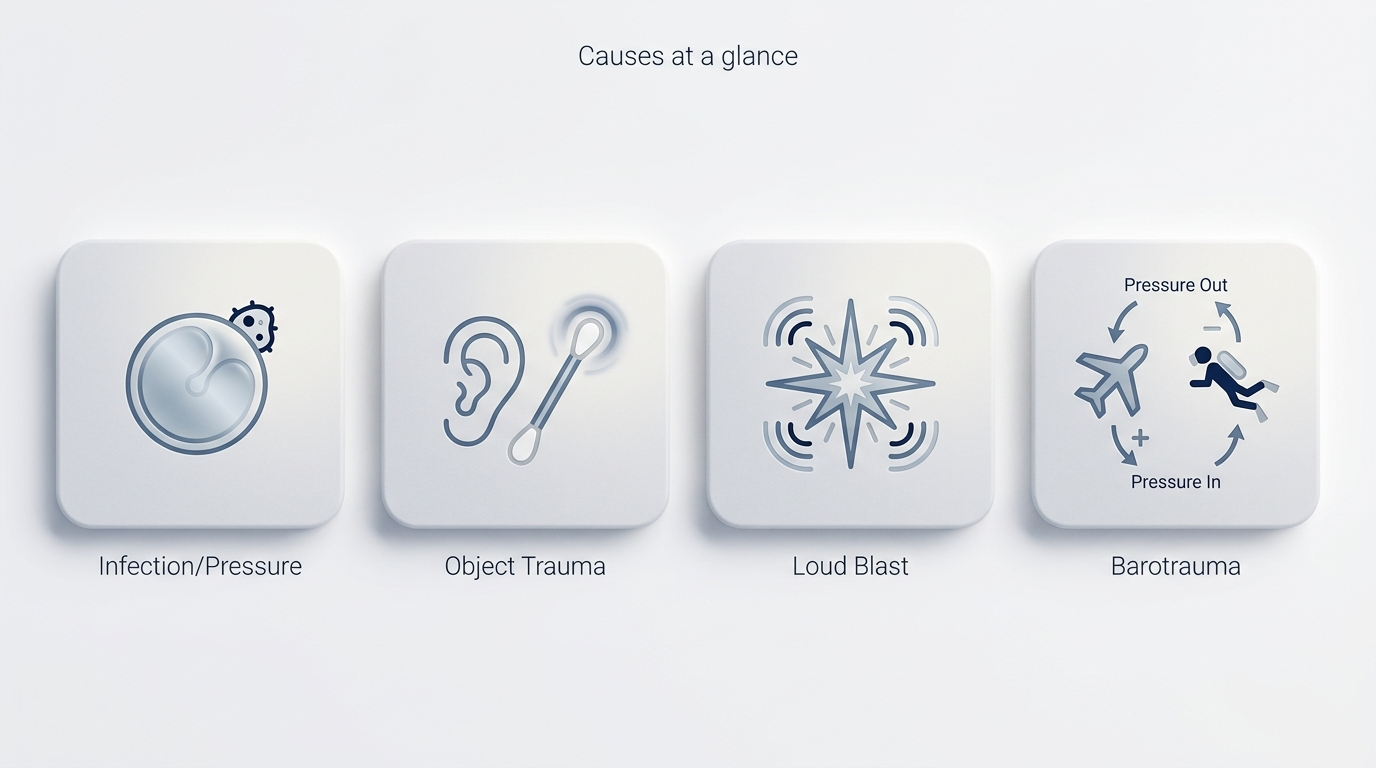
Middle ear infection (otitis media) — the most common cause:
– Fluid and pus can build up behind the eardrum, creating pressure that can tear the membrane.
– This sometimes follows a cold or respiratory illness.
– Many people describe a “pop” followed by pain relief and drainage—this scenario is sometimes described as a ruptured eardrum caused by an ear infection (Mayo Clinic, 2025; Cleveland Clinic, 2025).
Direct trauma to the ear:
– Using cotton swabs or inserting other objects into the ear canal (even “just to itch”).
– Falls, sports injuries, or a slap to the ear (a sudden pressure wave against the eardrum) (Mayo Clinic, 2025; Cleveland Clinic, 2025).
Loud noise / acoustic trauma:
– Fireworks, gunshots, and explosions can create an “acoustic blast” injury that damages the eardrum (Mayo Clinic, 2025; NCBI StatPearls, 2023).
Sudden pressure changes (barotrauma):
– Flying, scuba diving, or rapid altitude changes can stress the eardrum, especially during descent or surfacing.
– Forceful nose-blowing—particularly with congestion—can also contribute by pushing pressure toward the middle ear (Mayo Clinic, 2025; Cleveland Clinic, 2025).
For practical prevention ideas related to pressure changes, read: Ear barotrauma prevention tips: how to protect your ears during pressure changes https://sleepandsinuscenters.com/blog/ear-barotrauma-prevention-tips-how-to-protect-your-ears-during-pressure-changes
Ear infections, trauma, loud blasts, and pressure shifts are the leading triggers—often preventable with a few habits and precautions.
Ruptured Eardrum Symptoms to Watch For
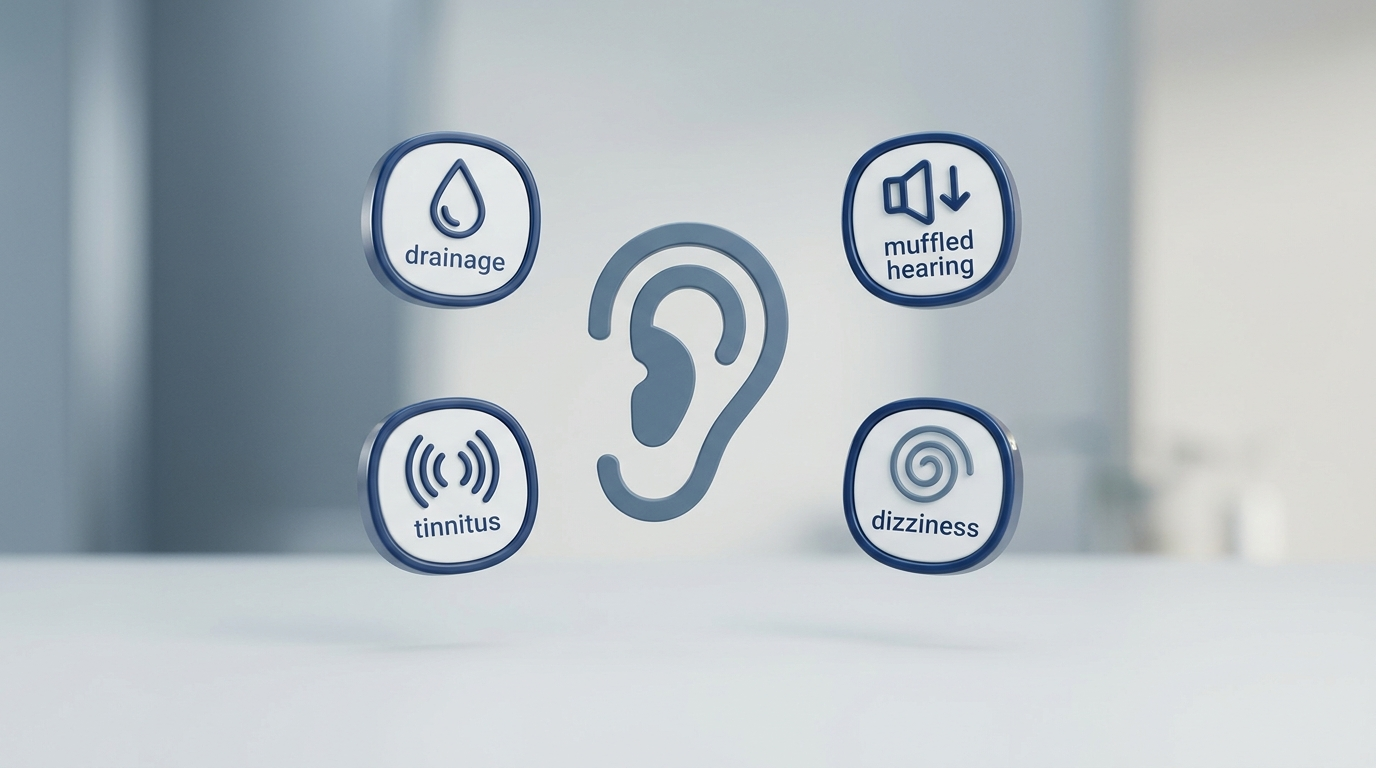
A ruptured eardrum can feel dramatic—or surprisingly subtle. Some people notice immediate pain, while others mainly notice hearing changes or drainage. Common ruptured eardrum symptoms include:
Sudden sharp ear pain that may quickly improve: Pain may be intense at first and then ease rapidly after the tear occurs (for example, when pressure is released). Clinicians often hear descriptions like, “It hurt badly, then it suddenly felt better” (Mayo Clinic, 2025; Cleveland Clinic, 2025).
Drainage from the ear:
– Clear fluid
– Bloody fluid
– Pus-like drainage (which may suggest infection) (Mayo Clinic, 2025; Cleveland Clinic, 2025)
Hearing loss or muffled hearing in one ear: Hearing changes are common and may range from mild to more noticeable. You might find yourself turning your head to hear conversations or increasing the TV volume more than usual (Mayo Clinic, 2025; Cleveland Clinic, 2025).
Ringing (tinnitus): Some people notice ringing or buzzing that wasn’t there before (Mayo Clinic, 2025; Cleveland Clinic, 2025).
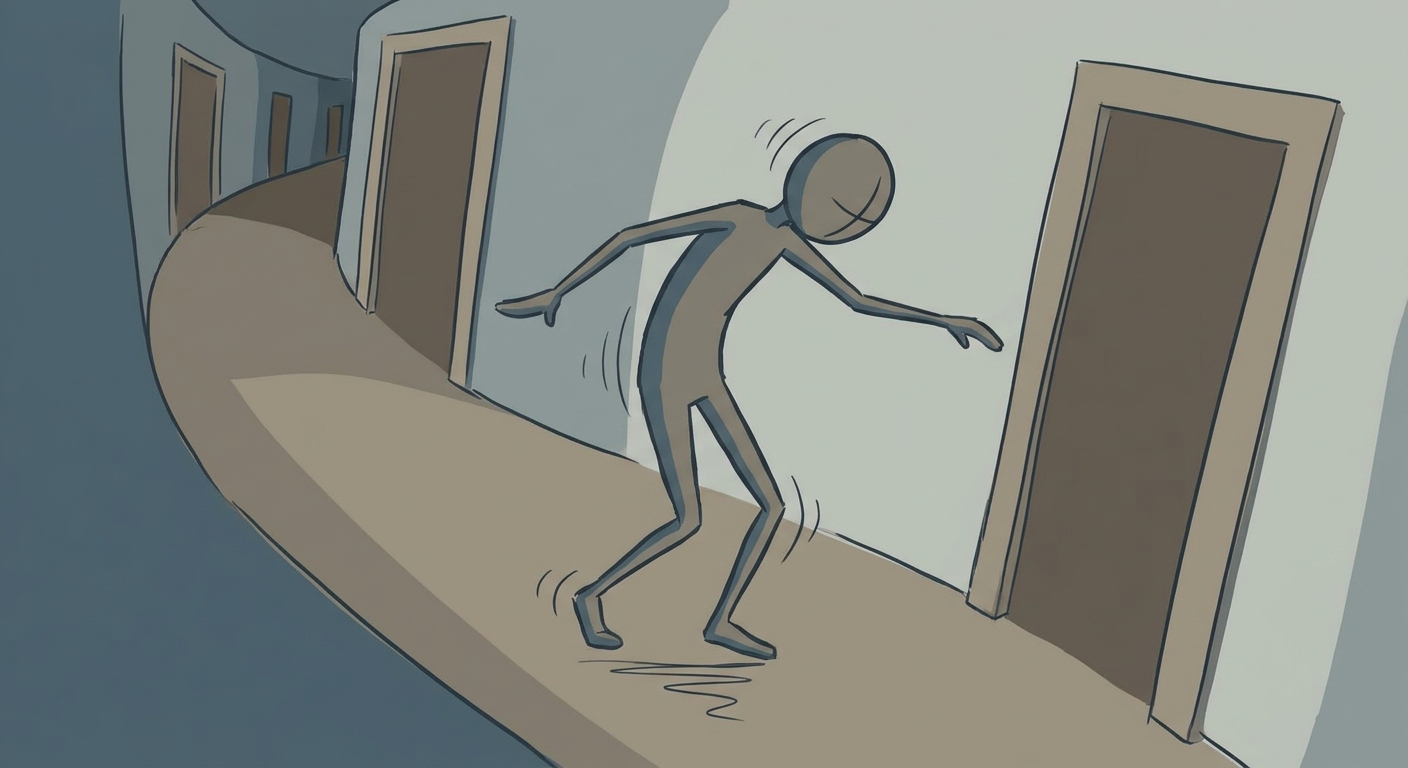
Dizziness/vertigo or nausea (less common but important): Balance symptoms can happen and deserve prompt attention if severe—especially if they interfere with walking, cause vomiting, or come with sudden hearing changes (Mayo Clinic, 2025; Cleveland Clinic, 2025).
If you notice drainage, new hearing changes, or severe dizziness, getting checked sooner rather than later is wise.
When a Ruptured Eardrum Is an Emergency (When to Seek Care ASAP)
It’s especially important to seek urgent evaluation for:
– Sudden hearing loss (particularly if significant or worsening)
– Severe dizziness/vertigo, imbalance, or vomiting
– Heavy bleeding or ongoing pus-like drainage
– Head trauma or suspected foreign object injury
– Fever or severe infection symptoms (Mayo Clinic, 2025; Cleveland Clinic, 2025)
Severe or rapidly worsening symptoms warrant same-day medical evaluation.
How a Ruptured Eardrum Is Diagnosed
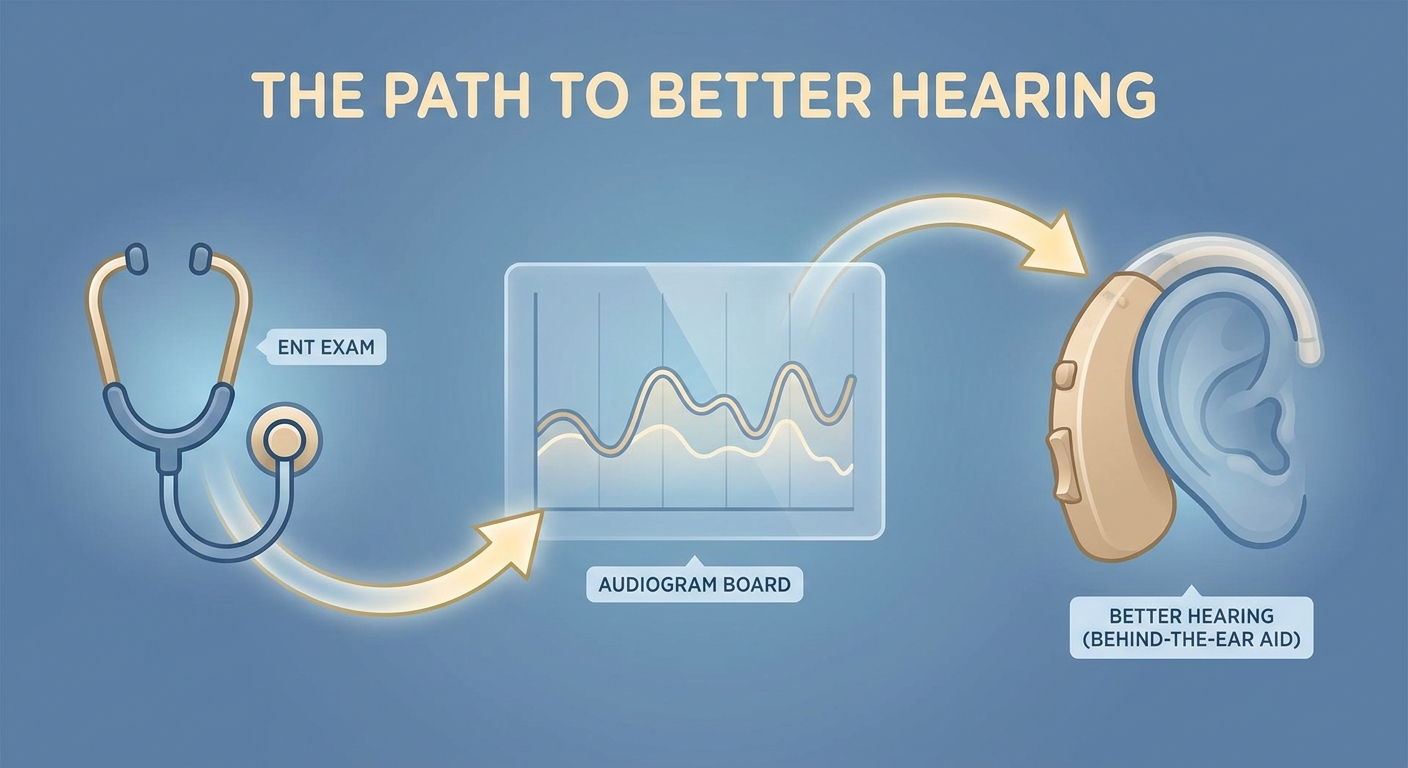
Medical history and symptom review: Clinicians typically ask about recent infections, flights/diving, loud noise exposure, injury, drainage, and hearing changes. A clear timeline—what happened first, and when—often helps narrow the cause (Mayo Clinic, 2025).
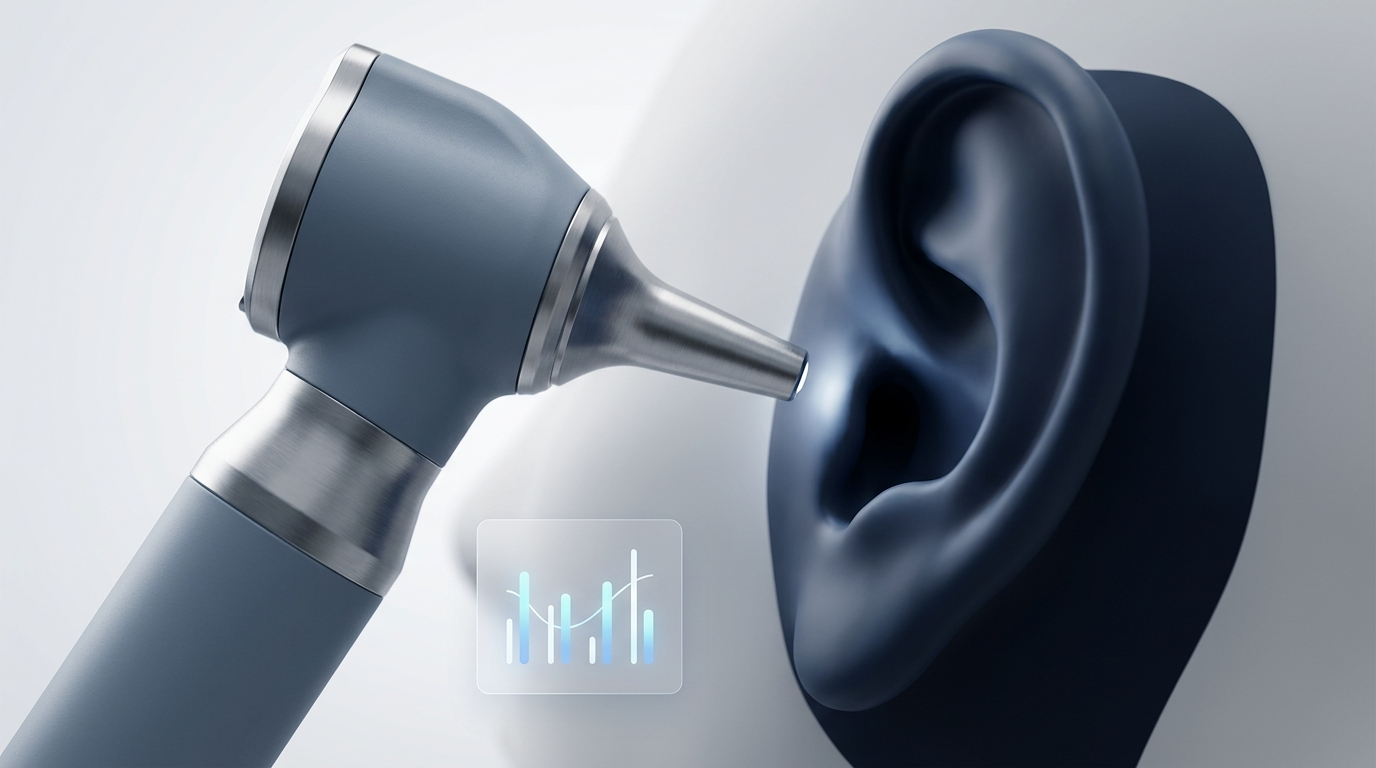
Otoscopy (otoscope exam): An otoscope exam often allows a clinician to see the tear/hole and any drainage or irritation. In many cases, this visual exam is the key step that confirms a perforation (Mayo Clinic, 2025; NCBI StatPearls, 2023).
Hearing testing when needed (audiogram): If hearing seems reduced, an audiogram may be used to measure the degree and type of hearing change. This can also be helpful as a baseline, especially if symptoms linger (NCBI StatPearls, 2023).
When additional evaluation is considered: Further evaluation is more likely when the perforation persists, drainage keeps returning, or infections recur. The goal is to understand why healing isn’t progressing and what might help prevent repeat problems (Mayo Clinic, 2025; NCBI StatPearls, 2023).
A brief ear exam often confirms the diagnosis; hearing tests and follow-up are added as needed.
Ruptured Eardrum Healing Time — What to Expect
Typical timeline: often heals in a few weeks, sometimes longer. For many people, ruptured eardrum healing time is measured in weeks. Healing varies based on the size and cause of the tear and whether infection is present. Protecting the ear while it heals can make a meaningful difference (Mayo Clinic, 2025; Cleveland Clinic, 2025).
Some cases take several months to fully recover: A subset of tympanic membrane perforations can take longer—sometimes several months—particularly if the opening is larger, repeatedly irritated, or complicated by infection (Cleveland Clinic, 2025; NCBI StatPearls, 2023).
Factors that can slow healing:
– Ongoing infection or repeated water exposure
– Larger perforations
– Continued pressure changes (for example, flying/diving too soon for a given situation) (Mayo Clinic, 2025; Cleveland Clinic, 2025; NCBI StatPearls, 2023)
Signs healing may be progressing:
– Drainage decreases or stops
– Hearing gradually improves (Cleveland Clinic, 2025)
Signs it may not be healing correctly:
– Continued drainage
– Persistent hearing loss
– Recurrent infections (Mayo Clinic, 2025; NCBI StatPearls, 2023)
Most perforations close within weeks, but larger or infected tears can take longer—keep the ear dry and follow your care plan.

Treatment Options for a Ruptured Eardrum
Treatment depends on the cause, symptoms, and whether infection is present. Here are common approaches a clinician may discuss as part of eardrum perforation treatment:
Watchful waiting (most common approach): Many cases heal spontaneously, especially when the tear is small and the ear stays protected from moisture and infection. This is why people often ask, can a ruptured eardrum heal on its own?—and in many cases, it can (Mayo Clinic, 2025; Cleveland Clinic, 2025).
Medication (when needed):
– Antibiotic ear drops may be used if infection is suspected or confirmed.
– Pain control options may be discussed depending on symptoms and comfort level (Mayo Clinic, 2025; Cleveland Clinic, 2025).
Keeping the ear dry (part of treatment): Clinicians commonly emphasize moisture protection because water exposure can increase middle-ear infection risk through the opening. Even a small amount of shower water can increase infection risk in some patients, depending on the size and location of the perforation (Mayo Clinic, 2025).
Office-based or procedural options (if not healing): If the eardrum isn’t closing on its expected timeline, your clinician may consider an in-office patch to encourage closure (often called a paper patch myringoplasty). Your ENT can explain which technique, if any, applies to your case (Mayo Clinic, 2025).
Surgery (tympanoplasty) for persistent perforations: If a perforation doesn’t close, or if there are recurrent infections or ongoing hearing issues, a repair procedure may be recommended to close the eardrum and improve function. Learn more: How ENT surgeons repair a perforated eardrum https://sleepandsinuscenters.com/blog/how-ent-surgeons-repair-a-perforated-eardrum (Mayo Clinic, 2025; NCBI StatPearls, 2023).
Start simple: protect the ear and treat infection if present; patching or surgery is reserved for perforations that don’t heal on their own.
At-Home Care & Lifestyle Tips (What to Do—and What to Avoid)
These are common educational guidelines clinicians share while an eardrum is healing. Your situation may differ. For personalized instructions, follow your clinician’s advice.
Do: protect the ear while it heals
– Keeping the ear protected from moisture during bathing is often recommended (for example, carefully preventing water from entering the ear).
– Use medications exactly as prescribed to reduce the chance of persistent infection (Mayo Clinic, 2025; Cleveland Clinic, 2025).
Don’t: put anything in the ear
– Avoid cotton swabs, earbuds, and ear candling—these can worsen injury, disrupt healing tissue, or introduce bacteria (Mayo Clinic, 2025; Cleveland Clinic, 2025).
Don’t: create pressure in the ear
– Avoid forceful nose blowing, which can increase pressure.
– Discuss travel and diving plans with a clinician if symptoms are ongoing or if healing hasn’t been confirmed (Mayo Clinic, 2025).
Reduce infection risk
– Monitor for new pus-like drainage, odor, worsening pain, or fever and seek care if these occur (Cleveland Clinic, 2025).
Simple habits—keeping water out, avoiding ear probing, and minimizing pressure—support smoother healing.

Possible Complications (Why Follow-Up Matters)
While many people recover fully, follow-up matters because complications can include:
– Increased risk of middle ear infection through the opening
– Ongoing hearing changes
– Chronic perforation (the hole doesn’t close)
– Recurrent infections that may signal chronic middle ear disease (NCBI StatPearls, 2023; Mayo Clinic, 2025)
Checking healing progress helps catch problems early and avoid preventable setbacks.
FAQs About Ruptured Eardrums
Q: Can a ruptured eardrum heal on its own?
A: Many do heal without surgery, but evaluation is still important to confirm the diagnosis and ensure healing is on track (Mayo Clinic, 2025; Cleveland Clinic, 2025).
Q: How long does a ruptured eardrum take to heal?
A: It often heals in a few weeks, though some cases can take months depending on the size of the perforation, infection, and other factors (Cleveland Clinic, 2025; NCBI StatPearls, 2023).
Q: Will my hearing come back?
A: Hearing often improves as the membrane heals. Persistent hearing loss should be evaluated to rule out ongoing perforation or other middle ear issues (Mayo Clinic, 2025).
Q: Is ear drainage always a sign of infection?
A: Not always. Drainage can be clear or bloody after a tear. Pus-like drainage can suggest infection and may need medical assessment (Mayo Clinic, 2025; Cleveland Clinic, 2025).
Q: Can I fly or swim with a perforated eardrum?
A: It depends on symptoms, the cause of the perforation, and healing progress. A clinician can help determine what’s appropriate in your specific situation (Mayo Clinic, 2025).
Q: What’s the difference between a ruptured and perforated eardrum?
A: They’re different terms for the same condition: a hole or tear in the tympanic membrane (NCBI StatPearls, 2023).
Most questions come down to two themes: protect the ear while it heals, and get checked if symptoms persist.
When to See an ENT (Ear, Nose, and Throat Specialist)
Symptoms that should prompt ENT referral. Consider ENT evaluation for:
– Persistent hearing loss
– Recurrent infections or ongoing drainage
– A perforation that hasn’t healed within the expected timeframe (Mayo Clinic, 2025; Cleveland Clinic, 2025)
What an ENT may do differently: An ENT can perform a more detailed microscope exam, arrange formal hearing testing, and discuss repair options if the perforation is persistent. More on timing and referral questions: When should I see an ENT? https://sleepandsinuscenters.com/blog/when-should-i-see-an-ent (Mayo Clinic, 2025).
If symptoms linger or recur, an ENT visit can clarify next steps and prevent repeat problems.
Conclusion — Key Takeaways & Next Steps
A ruptured eardrum (also called a perforated eardrum or tympanic membrane perforation) is commonly caused by middle ear infections, but it can also happen after trauma, loud noise exposure, or sudden pressure changes. Hallmark symptoms include sudden pain that may improve quickly, drainage, muffled hearing, ringing, and—less commonly—significant dizziness (Mayo Clinic, 2025; Cleveland Clinic, 2025).
Most cases improve with time, but the safest path is confirming the diagnosis and tracking healing—especially if symptoms persist or recur. If you suspect a perforation or have ongoing drainage or hearing changes, Sleep and Sinus Centers of Georgia can help evaluate the issue and discuss next steps.
Ready to schedule? Book an appointment: https://www.sleepandsinuscenters.com/
This article is for educational purposes only and is not medical advice. Please consult a qualified healthcare provider for diagnosis and treatment.
Medical disclaimer: This article is for general education and isn’t a substitute for personalized medical advice, diagnosis, or treatment. If you have severe symptoms (such as significant dizziness, heavy bleeding, or sudden major hearing loss), seek urgent medical care.
Sources
– Mayo Clinic. “Ruptured eardrum (perforated eardrum) – Symptoms & causes” (2025). https://www.mayoclinic.org/diseases-conditions/ruptured-eardrum/symptoms-causes/syc-20351879
– Mayo Clinic. “Ruptured eardrum – Diagnosis & treatment” (2025). https://www.mayoclinic.org/diseases-conditions/ruptured-eardrum/diagnosis-treatment/drc-20351884
– Cleveland Clinic. “Ruptured Eardrum” (2025). https://my.clevelandclinic.org/health/diseases/15581-ruptured-eardrum-acutely-perforated-tympanic-membrane
– NCBI Bookshelf. StatPearls. “Tympanic Membrane Perforation” (2023). https://www.ncbi.nlm.nih.gov/books/NBK557887/
Don’t let allergies slow you down. Schedule a comprehensive ENT and allergy evaluation at Sleep and Sinus Centers of Georgia. We’re here to find your triggers and guide you toward lasting relief.