Recurring Sinus Infections: Causes and How to Stop Them from Coming Back
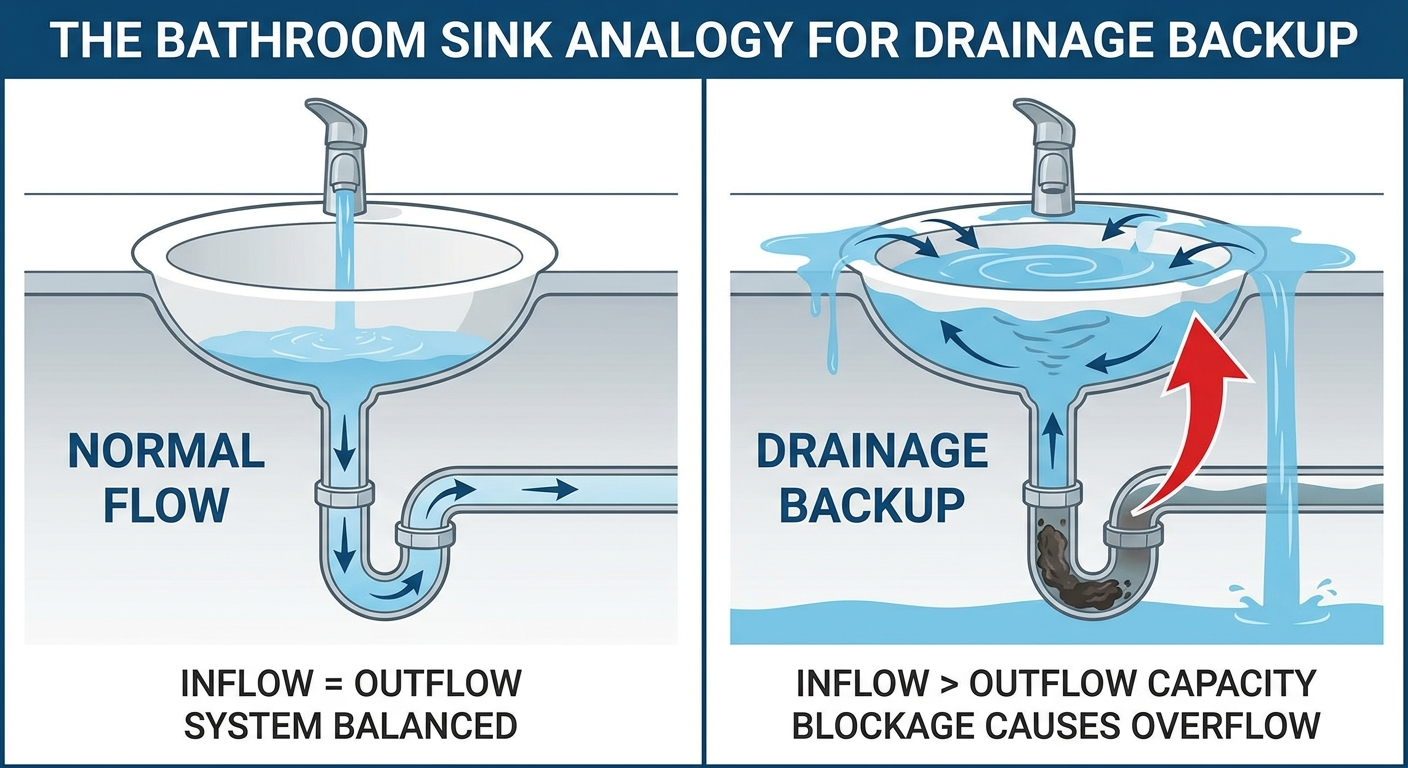
If you feel like you’re always dealing with congestion, pressure, and yet another round of antibiotics, you’re not alone. The good news: recurring sinus infections can sometimes be linked to underlying causes such as inflammation, allergies, or drainage problems. A helpful way to picture this is a bathroom sink: if the drain is narrowed and the faucet keeps running, water backs up no matter how many times you “scoop it out.” Similarly, major medical references note that chronic sinus symptoms are often related to inflammation and drainage problems, rather than a single short-lived infection (Mayo Clinic, 2023; StatPearls, 2023).
Recurring sinus infections can reflect repeated acute infections, chronic rhinosinusitis, or a mix of both. Below, you’ll learn what “recurring” really means, common symptoms and red flags, why sinus infections keep returning, and today’s step-by-step treatment options—from rinses and allergy control to newer medications (including biologics) and procedures that restore drainage.
Sources: Mayo Clinic (2023) https://www.mayoclinic.org/diseases-conditions/chronic-sinusitis/symptoms-causes/syc-20351661 ; StatPearls (2023) https://www.ncbi.nlm.nih.gov/books/NBK441934/
What counts as a “recurring” sinus infection?
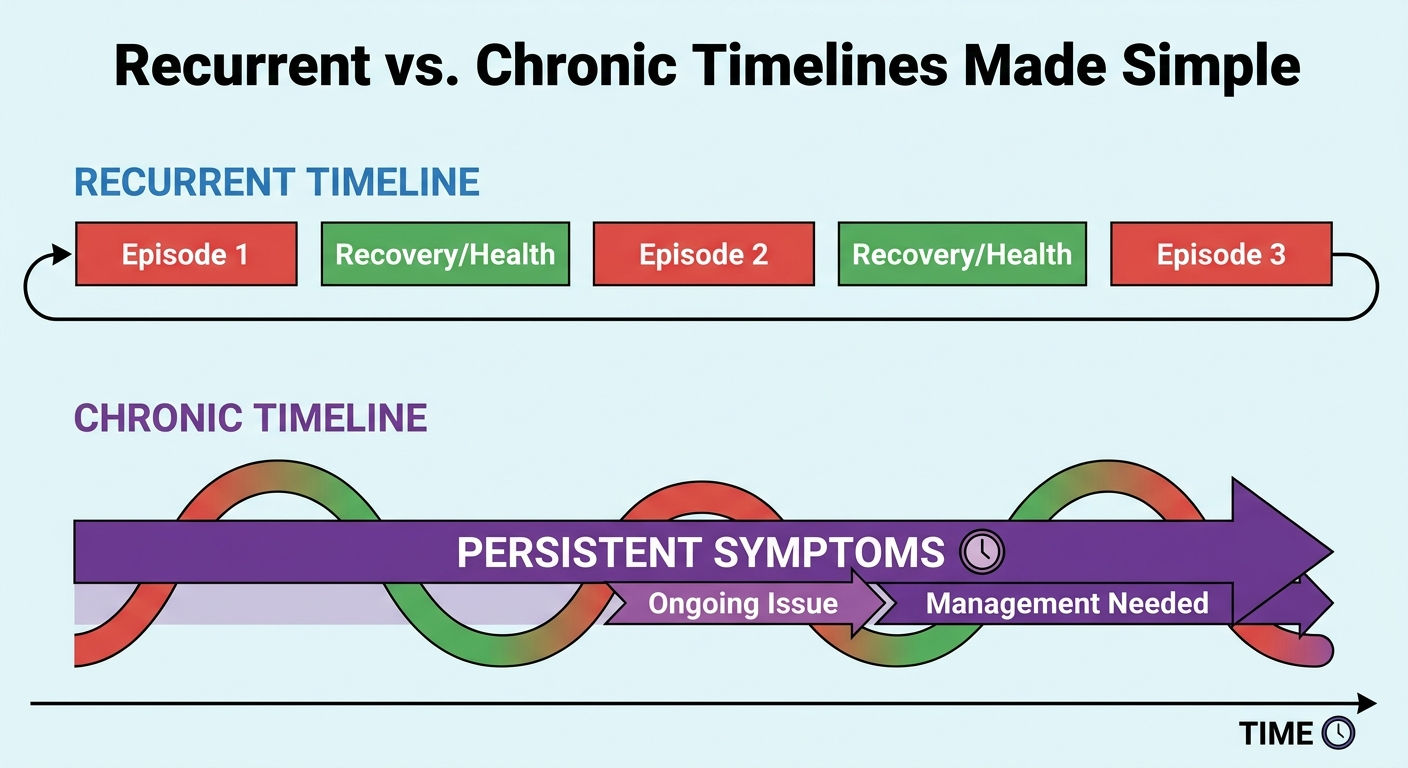
Recurrent vs. chronic (why it matters)
- Recurrent acute rhinosinusitis: multiple separate sinus infections over time, with “back to normal” periods in between.
- Chronic rhinosinusitis (CRS): symptoms that last about 12 weeks or longer, often with ongoing inflammation rather than a single short-lived infection.
Why this matters: if symptoms are chronic, the goal often shifts from only “killing germs” to reducing inflammation and improving sinus drainage—because poor drainage can keep symptoms going even when infection isn’t the main issue (StatPearls, 2023).
A common real-world pattern looks like this: someone gets a cold, feels congested for weeks, improves a bit, then flares again—especially during allergy season or after the next virus. That “never fully clears” cycle is a classic clue that inflammation and drainage are playing a bigger role.
Sinus infection vs. a cold vs. allergies
- Viral colds are common and can mimic sinusitis (CDC, 2024).
- Allergies can cause congestion and mucus drainage without an infection—and swelling from allergies can also make true sinus infections more likely (Mayo Clinic, 2023).
One practical tip: if symptoms seem to track with exposure (fresh-cut grass, dusty rooms, pets) or seasons, allergies may be contributing. If symptoms start like a typical cold and then linger or worsen, sinusitis could be part of the picture. Because these can overlap, a clinician visit can save time and frustration.
For more on underlying inflammation, see our overview of Chronic Sinusitis: https://sleepandsinuscenters.com/chronic-sinusitis
Sources: CDC (2024) https://www.cdc.gov/sinus-infection/about/index.html ; Mayo Clinic (2023) link above
Summary: Recurring sinus symptoms may reflect repeated acute infections, chronic inflammation, or both—each with different treatment goals.
Symptoms of recurring/chronic sinus problems (and when they’re a red flag)
Common symptoms patients notice
- Nasal congestion or a blocked nose
- Thick nasal discharge (from the nose or down the throat)
- Facial pressure, fullness, or discomfort
- Reduced smell or taste
- Cough (often worse at night)
- Fatigue or “brain fog” that impacts quality of life (Harvard Health, 2026)
People often describe it as feeling “stuffy all the time,” needing to breathe through the mouth at night, or constantly clearing the throat from postnasal drip. In clinic, it’s also common to hear: “I don’t feel sick, I just never feel clear.”
Source: Harvard Health Publishing (2026) https://www.health.harvard.edu/ear-nose-and-throat/chronic-sinusitis-in-adults-a-to-z
“See a clinician urgently” warning signs
- Swelling around the eye or vision changes
- Severe headache or stiff neck
- High fever, or symptoms that worsen after initially improving
- Confusion or significant facial swelling
Source: CDC (2024) link above
Summary: If symptoms are persistent or severe—or if red flags appear—seek prompt medical evaluation.

Why sinus infections keep coming back (the cycle: inflammation → blockage → poor drainage)
A helpful way to think about recurring sinus infections is as a cycle: inflammation leads to swelling, swelling leads to blockage, blockage prevents drainage, and trapped mucus can keep symptoms lingering or returning.
When mucus can’t move well, you may feel pressure, congestion, and drainage that seems “stuck.” And when the next cold or allergen exposure hits, symptoms can flare again—sometimes quickly.
The drainage problem: obstruction at key “bottlenecks”
Your sinuses normally produce mucus that drains through narrow pathways into the nose. One common “pinch point” is narrowing of the osteomeatal complex—where several sinuses drain. If swelling or anatomy narrows this region, mucus may not move out efficiently (StatPearls, 2023).
Think of the osteomeatal complex like a busy intersection: if it’s narrowed (from swelling or anatomy), traffic backs up from multiple directions. That bottleneck can make symptoms feel widespread even if only one area started the problem.
Chronic inflammation is often the main driver
- Allergies and irritants: dust, mold, pollen, pet dander, strong odors, and air pollution can cause chronic lining swelling (Mayo Clinic, 2023).
This is why some people feel worse in certain environments—old carpeting, musty basements, wildfire smoke, or strongly scented workplaces—even if they don’t think of themselves as “allergic.”
Structural/anatomical contributors (mechanical blockage)
- Deviated septum
- Enlarged turbinates
- Naturally narrow sinus openings
- Nasal polyps, which are often tied to chronic inflammation and can physically block airflow and drainage (Mayo Clinic, 2023)
If you’d like a deeper explanation of polyps and symptoms, see: https://sleepandsinuscenters.com/blog/what-are-nasal-polyps
Other less-obvious causes/risk factors
- Dental infections (especially upper teeth) that can affect the maxillary sinuses
- Some forms of fungal sinus disease require different management than typical bacterial sinusitis
- Smoke exposure and pollutants that irritate tissue and may impair the nose’s normal clearing function (Mayo Clinic, 2023; Harvard Health, 2026)
A notable clue for dental involvement is when symptoms are more one-sided or associated with tooth pain or recent dental work—worth mentioning during evaluation.
Summary: When inflammation narrows key drainage pathways, symptoms tend to recur until swelling and flow are addressed.
Getting the right diagnosis (why repeated antibiotics alone may not solve it)
When symptoms keep returning, it’s often a sign that the root cause hasn’t been fully identified—especially if inflammation or blockage is driving the problem. The pattern itself (how often, how long, and what triggers it) provides useful diagnostic information—often more helpful than any single symptom.
What an ENT evaluation may include
An ENT visit often starts with patterns and triggers (seasonal symptoms, indoor exposure, symptoms after colds). The exam may include nasal endoscopy, a quick in-office look inside the nasal passages using a small camera to check swelling, sinus drainage pathways, and polyps. Many patients are surprised by how much clarity this can add: instead of guessing, you can often see whether there’s significant inflammation, an anatomic narrowing, or polyp tissue contributing to blockage.
When imaging helps (and when it doesn’t)
A CT scan can show chronic inflammation, polyp burden, and anatomic narrowing. It’s commonly used when symptoms persist and to plan procedures if needed (Harvard Health, 2026). CT is less useful for uncomplicated, short-lived symptoms that are improving.
Testing for root causes
- Allergy testing to identify treatable triggers (learn more: https://sleepandsinuscenters.com/allergy-testing)
- A culture may be obtained in selected cases when symptoms are persistent or unusual (StatPearls, 2023)
Summary: Identifying the pattern and the blockage source is the key step before choosing treatment.




Treatment options (modern step-by-step approach)
A modern plan for recurring sinus infections usually focuses on two big goals: reduce inflammation and restore drainage—not only treating germs. A stepwise approach also helps you avoid over-treating (for example, unnecessary antibiotics) while still escalating care when it’s truly needed.
At-home care that supports drainage and reduces flare-ups
- Saline irrigation to thin mucus and flush allergens
- Hydration and humidification to reduce dryness and thick secretions
- Warm compresses or gentle steam, used safely
- Sleep positioning that may reduce nighttime congestion for some people
For practical guidance, see: https://sleepandsinuscenters.com/blog/nasal-rinses-how-often-should-you-use-them
Sources: Harvard Health (2026); CDC (2024)
Medications that target inflammation (often core for prevention)
- Intranasal corticosteroid sprays (often most effective when used consistently)
- Antihistamines when allergies are part of the picture
- Leukotriene modifiers for selected patients
- Short courses of oral steroids in carefully selected situations under clinician guidance (Mayo Clinic, 2023)
Consistency matters here. Many anti-inflammatory therapies don’t feel dramatic on day one, but they can reduce swelling over time—making drainage easier and flare-ups less frequent.
When antibiotics are—and aren’t—useful
Not every “sinus infection” needs antibiotics. Many cases start as viral illnesses, and antibiotics don’t treat viruses (CDC, 2024). Antibiotics may be considered when a bacterial infection becomes more likely based on the symptom pattern (for example, prolonged symptoms or severe/worsening symptoms). Even when antibiotics are appropriate, they won’t fix narrowing of the osteomeatal complex or ongoing inflammation—two common reasons chronic symptoms persist.
Biologics for chronic sinusitis with nasal polyps (newer option)
For people with chronic rhinosinusitis and significant nasal polyps that aren’t controlled with standard therapy, biologic medications may be an option. One example is dupilumab, which is approved for some patients with chronic rhinosinusitis with nasal polyps. Reviews describe meaningful improvements for some patients, including fewer symptoms and reduced polyp burden, and sometimes reduced need for repeated systemic steroids or additional procedures (PMC review, 2023).
Source: https://pmc.ncbi.nlm.nih.gov/articles/PMC9958720/
Procedures and surgery to fix the underlying drainage problem
- Balloon sinuplasty may be considered for selected anatomy and disease patterns: https://sleepandsinuscenters.com/balloon-sinuplasty
- Endoscopic sinus surgery (often called FESS) may be used for more complex or extensive disease to remove obstruction and improve long-term drainage and medication delivery. Related reading: https://sleepandsinuscenters.com/blog/endoscopic-sinus-surgery-what-patients-should-know
Some specialized surgical approaches may be used in selected cases to improve access for treatment and long-term drainage (PMC review, 2023; StatPearls, 2023).
After-treatment maintenance (how recurrence prevention actually happens)
Whether treatment is medical, procedural, or both, maintenance often matters. Ongoing plans may include saline rinses, nasal sprays, allergy management, and follow-up to keep inflammation controlled and drainage pathways functioning. A useful mindset: procedures can improve the “plumbing,” and maintenance helps keep the lining calm so the plumbing stays open.
Summary: Most plans aim to calm inflammation first and restore drainage when needed, then maintain results.
How to stop sinus infections from coming back (practical prevention plan)
Control the inflammation triggers
If allergies are suspected, identifying them can be a turning point. Testing plus a targeted plan may reduce flare-ups (Mayo Clinic, 2023; Harvard Health, 2026). Environmental basics may include bedding hygiene, keeping indoor humidity in a healthy range, and appropriate filtration depending on the home/work setting.
Reduce irritant exposure
Irritants can keep nasal tissue reactive. Avoiding cigarette smoke (including secondhand smoke) and minimizing exposure to triggers like strong fragrances or harsh chemicals may help reduce chronic inflammation (Mayo Clinic, 2023).
Don’t forget dental and general health
Because upper-tooth infections can sometimes affect the maxillary sinus, dental evaluation may be part of the bigger picture—especially with one-sided symptoms. Some people also notice throat symptoms tied to reflux or other conditions that overlap with cough and irritation; discussing the full symptom pattern can help connect the dots.
Infection-prevention basics (especially during cold/flu season)
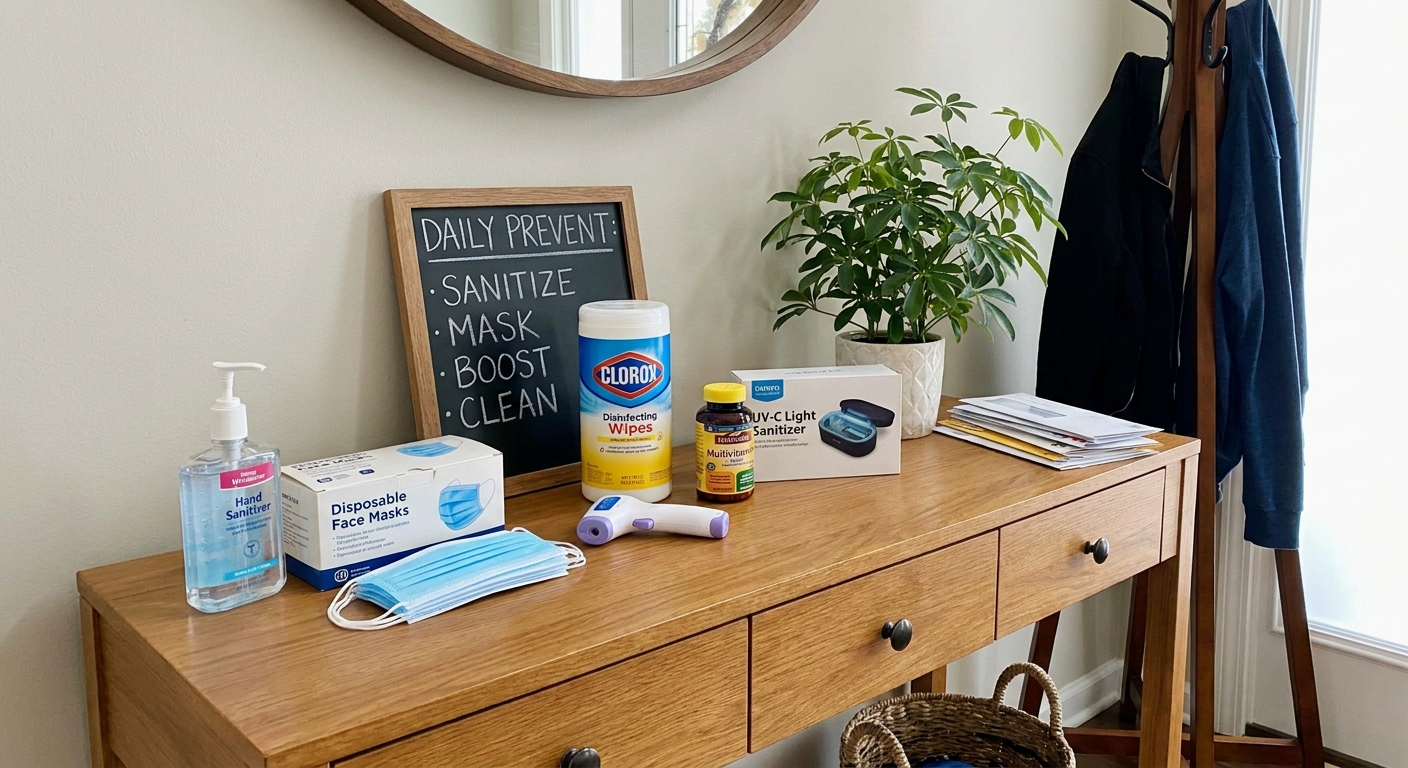
Since many episodes begin with viral illness, general infection-prevention habits still matter: hand hygiene, limiting exposure when viruses are circulating, and staying up-to-date on routine vaccines (CDC, 2024).
Summary: Prevention hinges on lowering triggers and keeping mucus moving.
FAQs
Why do I keep getting sinus infections even after antibiotics?
Often, the underlying issue is chronic inflammation and/or blocked drainage. Antibiotics may help certain bacterial infections, but they don’t correct swelling, narrowing of the osteomeatal complex, or structural issues that contribute to chronic sinus infections (Mayo Clinic, 2023; StatPearls, 2023).
How do I know if it’s allergies or a sinus infection?
Allergies often cause sneezing, itch, and clear drainage, and may follow seasonal or exposure patterns. Infections may follow a cold and can involve thicker discharge and facial pressure. Because symptoms overlap, testing and evaluation can be helpful when symptoms are frequent or persistent (CDC, 2024; Mayo Clinic, 2023).
Are recurring sinus infections contagious?
The underlying sinus inflammation isn’t necessarily contagious, but the viral cold that often starts the process can be contagious (CDC, 2024).
Do nasal rinses really help—and are they safe?
Saline rinses can help clear mucus and allergens for many people. Safety depends on preparation and cleaning—public health guidance emphasizes using appropriate water (such as distilled or previously boiled and cooled) and keeping devices clean (CDC, 2024). For more detail: https://sleepandsinuscenters.com/blog/nasal-rinses-how-often-should-you-use-them
Will surgery cure my chronic sinusitis?
Many people improve significantly, but ongoing inflammation control may still be needed. Surgery generally aims to improve drainage and make topical therapies work better long term (StatPearls, 2023; Harvard Health, 2026).
When to see an ENT (and what to bring to your appointment)
Signs it’s time for specialist care
- Symptoms lasting longer than ~12 weeks (possible chronic rhinosinusitis)
- Multiple suspected infections per year
- Concern for polyps, severe blockage, or poor response to appropriate treatment
If you’re looking for background reading before a visit, this related article may help: https://sleepandsinuscenters.com/blog/why-do-sinus-infections-keep-coming-back
You can also learn more about evaluation and treatment options on the Sleep and Sinus Centers of Georgia Chronic Sinusitis page: https://sleepandsinuscenters.com/chronic-sinusitis
Helpful prep checklist
- Symptom timeline (when it started, how often it returns)
- Noted triggers (seasonal, pets, dust, workplace exposure)
- Prior medications (antibiotics, steroids, sprays) and response
- Prior imaging results (if any)
- Allergy history or past testing
If symptoms are persistent or frequently returning, consider scheduling an appointment with a qualified healthcare provider or ENT specialist.
Summary: Specialist evaluation can clarify the cause and streamline an effective, stepwise plan.
Conclusion
Recurring symptoms usually persist because swelling or blockage prevents normal drainage, often tied to allergies, nasal polyps, or anatomy. A stepwise approach—confirm the diagnosis, control inflammation, restore drainage, and maintain prevention habits—is often the most effective way to reduce recurrence over time.
Medical disclaimer
This article is for educational purposes only and is not medical advice. Please consult a qualified healthcare provider for diagnosis and treatment.
References
- Mayo Clinic. Chronic sinusitis—Symptoms & causes (2023). https://www.mayoclinic.org/diseases-conditions/chronic-sinusitis/symptoms-causes/syc-20351661
- StatPearls (NCBI Bookshelf). Rhinosinusitis (2023). https://www.ncbi.nlm.nih.gov/books/NBK441934/
- Harvard Health Publishing. Chronic sinusitis in adults: A to Z (2026). https://www.health.harvard.edu/ear-nose-and-throat/chronic-sinusitis-in-adults-a-to-z
- CDC. Sinus Infection (Sinusitis) (2024). https://www.cdc.gov/sinus-infection/about/index.html
- Review on modern CRS management/surgical techniques (PMC). https://pmc.ncbi.nlm.nih.gov/articles/PMC9958720/
Talk with a Georgia ENT
If you're dealing with recurring sinus infections, the board-certified ENT team at Sleep and Sinus Centers of Georgia can help — with offices in Lawrenceville, Athens, and Braselton. Learn more about in-office balloon sinuplasty, or request an appointment.
Don’t let allergies slow you down. Schedule a comprehensive ENT and allergy evaluation at Sleep and Sinus Centers of Georgia. We’re here to find your triggers and guide you toward lasting relief.