Radiation and Hearing Loss: Causes, Symptoms, and Treatment Options
Radiation therapy plays an important role in treating many cancers, including those of the brain, head, and neck, as well as certain childhood cancers. While it can be life-saving, therapeutic radiation sometimes affects hearing. Radiation hearing loss, also called radiation-induced ototoxicity, occurs when treatment damages the inner ear or auditory nerve. Think of the inner ear as a delicate sound-processing studio: radiation can gradually wear down its sensitive components. This article explains how it happens, who faces higher risk, common symptoms, diagnosis, rehabilitation options, and steps that support long-term ear health. Understanding these points can help patients and families stay informed and prepared.
What Is Radiation-Induced Hearing Loss?
Therapeutic radiation can injure the cochlea (the snail-shaped inner-ear structure that converts sound into nerve signals) or the auditory nerve. The most common result is sensorineural hearing loss, which involves the inner ear or nerve itself—similar to a damaged microphone that no longer captures sound clearly. In some cases the loss is conductive (involving the outer or middle ear, like a blocked pathway) or mixed. Changes may appear during treatment, shortly afterward, or years later as inner-ear structures degenerate or even ossify, turning flexible tissue into bone. Bhandare and colleagues reviewed this in 2010 as part of the QUANTEC organ-specific analysis and noted that radiation-related damage is well documented in patients receiving head-and-neck or brain radiotherapy.
Everyday or diagnostic low-dose radiation (such as from CT scans) is a different question. A 2021 systematic review by Nayak and co-authors found the evidence inconclusive, so current concern focuses mainly on therapeutic doses used in cancer care rather than incidental exposure.
Early awareness of these distinctions supports better conversations with your care team.
How Radiation Damages Hearing: Causes Explained
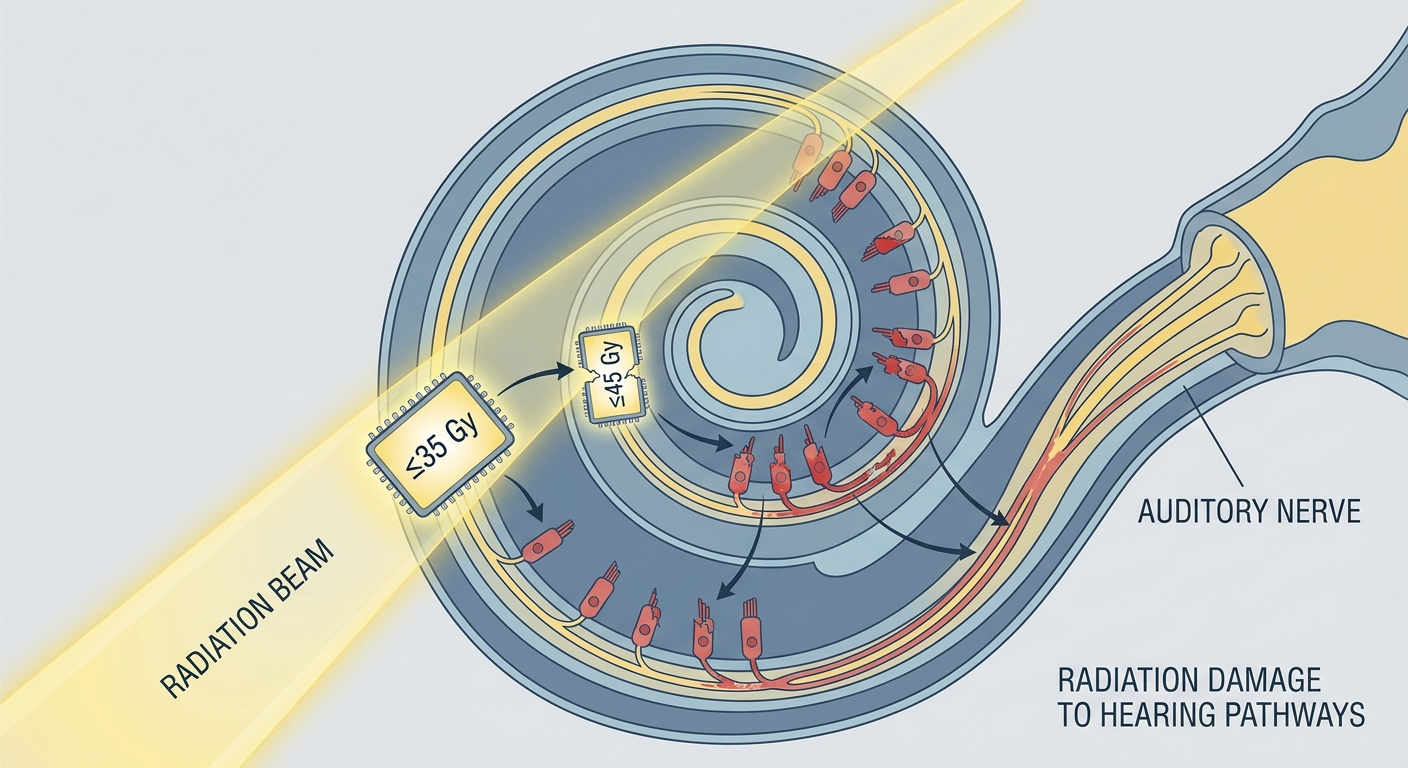
Injury to the cochlea and auditory nerve: Radiation can harm the delicate hair cells inside the cochlea, the auditory nerve, or nearby supporting tissues. These hair cells act like tiny sensors that translate vibrations into electrical signals; once damaged, they rarely recover. Over time this may lead to degeneration or even bone formation (ossification) inside the inner ear. The resulting hearing loss is usually sensorineural, though conductive or mixed patterns can occur if middle-ear structures are also affected. Bhandare et al. (2010) described these mechanisms in detail, emphasizing that the cochlea is particularly radiosensitive.
The role of radiation dose: The risk of hearing loss increases with higher mean cochlear radiation dose. QUANTEC guidance recommends keeping the mean cochlear dose at or below 45 Gy, with a more conservative target of 35 Gy or less when possible. A 2024 pediatric study by Gehin and colleagues found that median cochlear doses above 35 Gy significantly increased the chance of hearing impairment. Radiation oncologists therefore work to spare the cochlea while still treating the tumor effectively, much like aiming a spotlight to illuminate only the necessary area.
Age, cisplatin, and combined treatments: Younger children, especially those treated before age 7, appear more vulnerable because their inner-ear structures are still developing. Combining radiation (including proton therapy) with cisplatin chemotherapy further raises the risk of severe hearing loss. Abu-Arja et al. (2024) reported that a mean cochlear dose of at least 36 Gy carried the highest risk of severe impairment, particularly in the youngest patients. Importantly, hearing changes can emerge years after treatment ends—sometimes five years or more later—so long-term awareness is essential.
Dose planning and combined-therapy awareness remain key protective factors.
Symptoms of Radiation-Related Hearing Loss
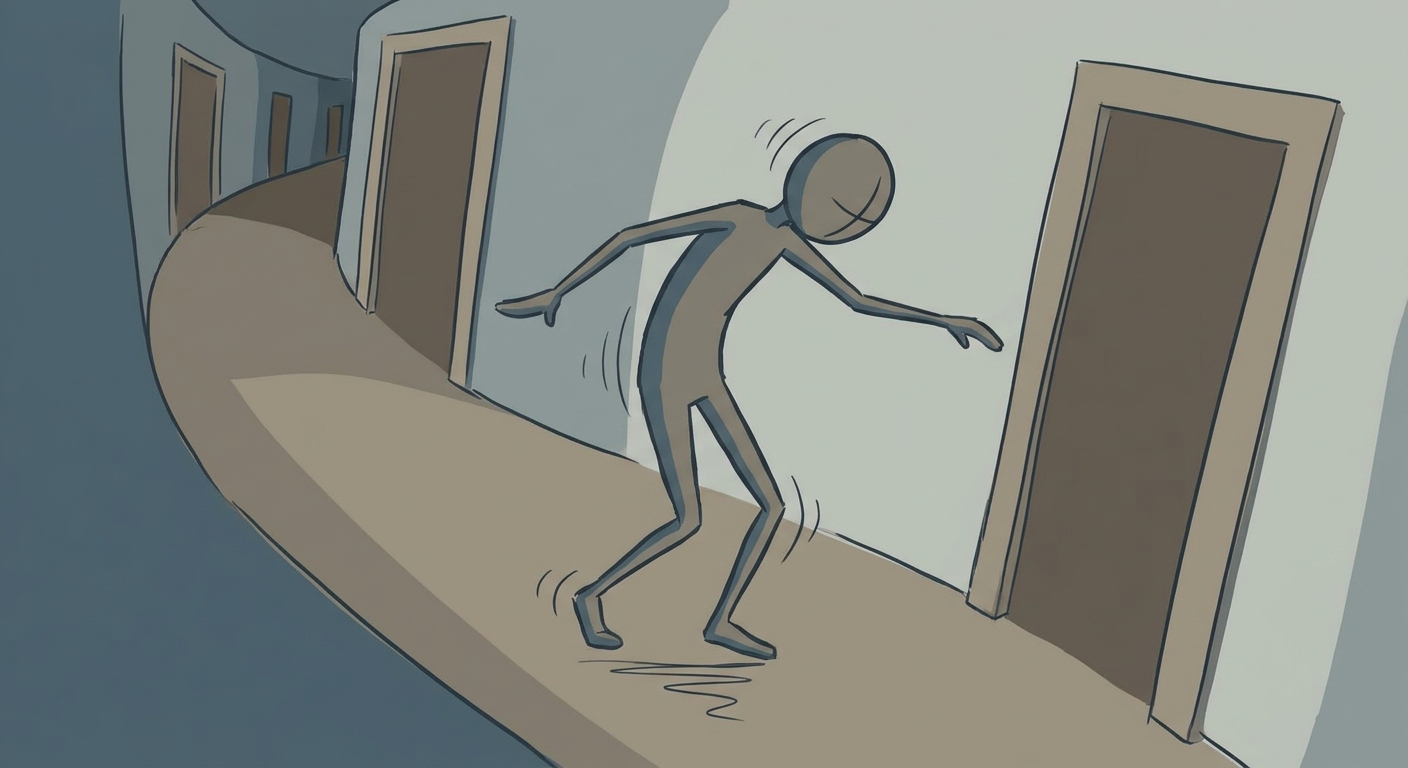
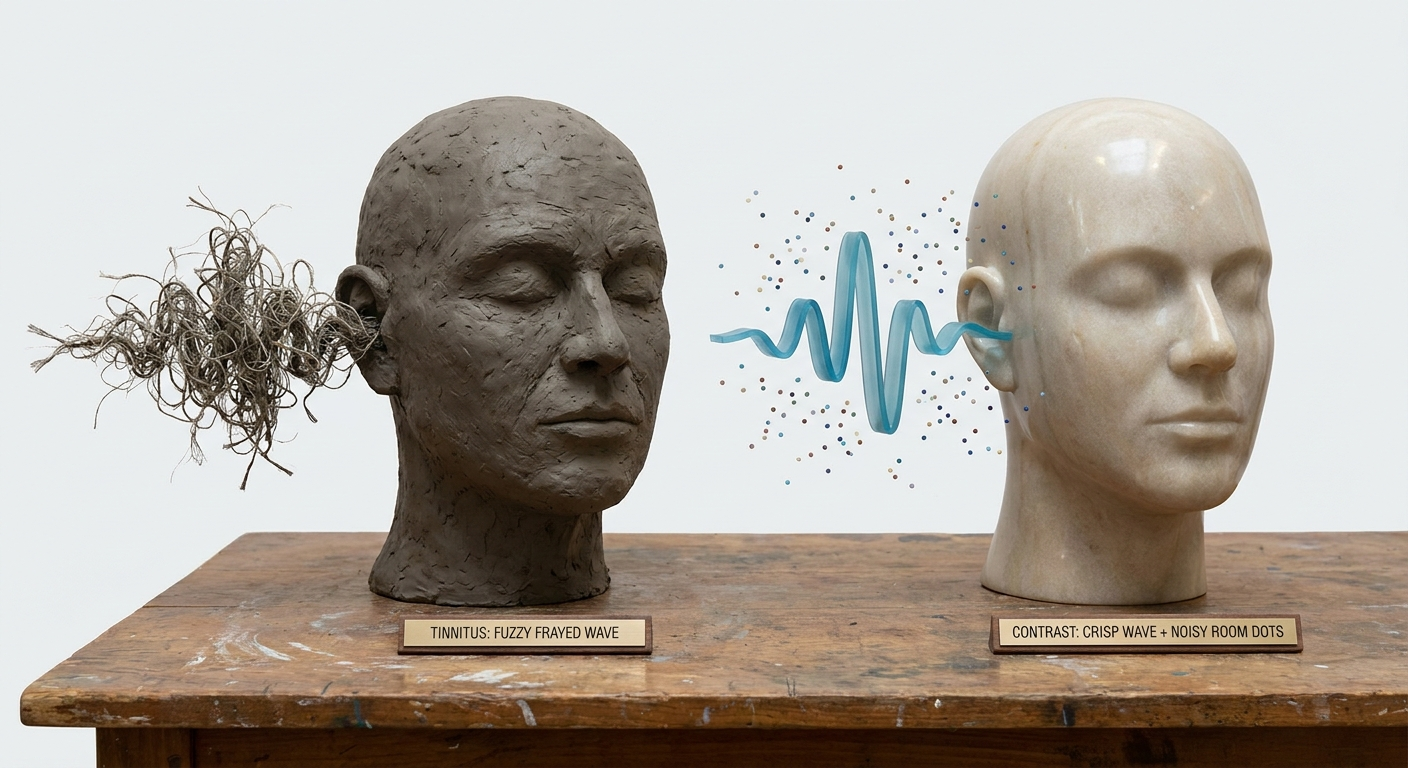
Common hearing changes: People may notice difficulty hearing high-pitched sounds, muffled or unclear speech, trouble following conversations in noisy places, or a need to turn up the volume on devices. The change can affect one ear or both. Some also experience tinnitus (ringing or buzzing) or a feeling of fullness in the ear. Patients often describe it as “listening through cotton” or missing the ends of words. Resources on tinnitus management can be found at https://www.sleepandsinuscenters.com/tinnitus.
Delayed and progressive onset: Hearing loss after radiation therapy often does not appear immediately. It may surface months to years later and can worsen gradually, like a slow leak that becomes noticeable only after time. In a group of 51 childhood-cancer survivors who received radiotherapy without platinum drugs, 19 developed severe impairment; the radiation-related changes tended to appear later than typical platinum-related ototoxicity. This delayed pattern underscores why ongoing monitoring matters.
Broader effects on communication and cognition: Hearing is closely tied to learning and social development, especially in children. A 2024 study by Ali and colleagues of children treated with radiation for ependymoma found that severe sensorineural hearing loss was associated with poorer intellectual functioning, weaker communication skills, and a greater decline in estimated IQ. Early identification and support can help lessen these secondary effects on school performance and everyday conversations.
Prompt recognition of symptoms allows for earlier support.
Who Is Most Vulnerable?
Children treated at younger ages, patients who receive higher cochlear doses, and those given cisplatin together with radiation face the greatest risk of radiation-related hearing loss in children. Because damage can be delayed and lasting, cancer survivors of all ages benefit from lifelong awareness of possible hearing changes.
Targeted monitoring for higher-risk groups improves outcomes.
Diagnosis and Long-Term Monitoring
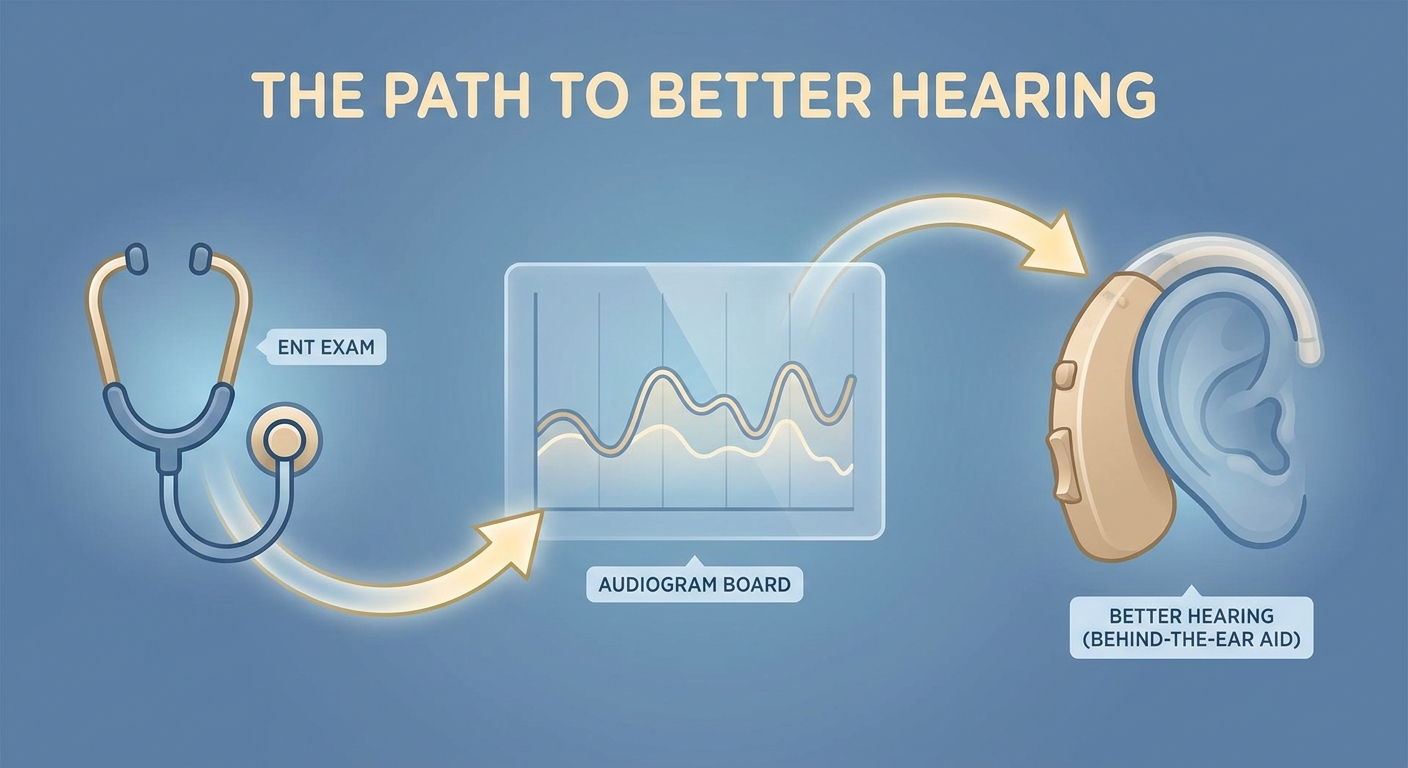
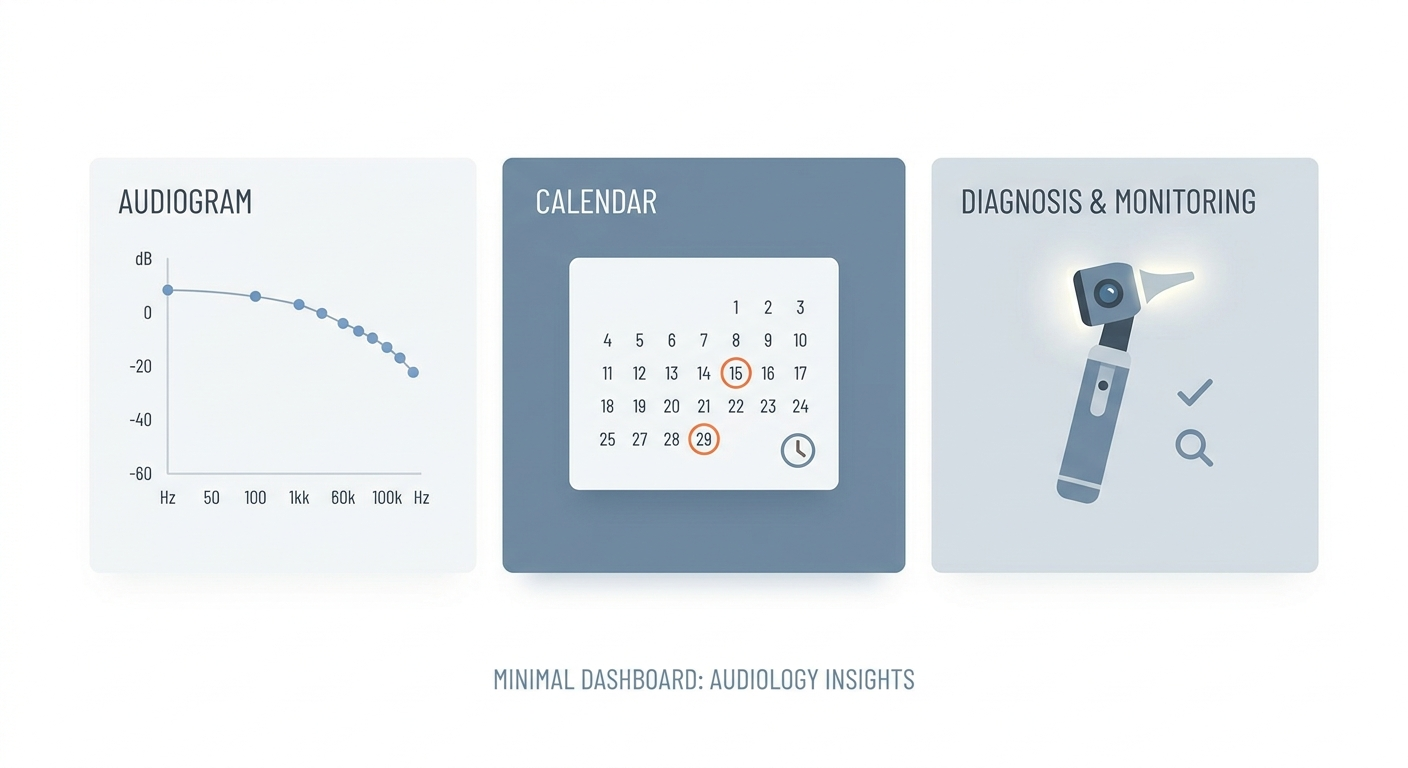
Baseline and follow-up hearing tests: Audiograms before radiation, during treatment when appropriate, and for years afterward form the foundation of care. These tests map hearing thresholds across frequencies and help detect even subtle shifts, providing a “before-and-after” picture of ear function. A patient guide to audiogram basics is available at https://www.sleepandsinuscenters.com/audiogram-guide. Regular check-ups with an ENT specialist and audiologist catch delayed radiation-induced ototoxicity early, when intervention is most effective.
Why ongoing testing matters: Inner-ear changes can continue long after radiation ends. Serial testing tracks any progression and guides timely rehabilitation, supporting better communication and quality of life. Catching a small decline early often prevents larger communication challenges later.
Consistent testing forms the backbone of long-term ear health.
Treatment Options and Rehabilitation
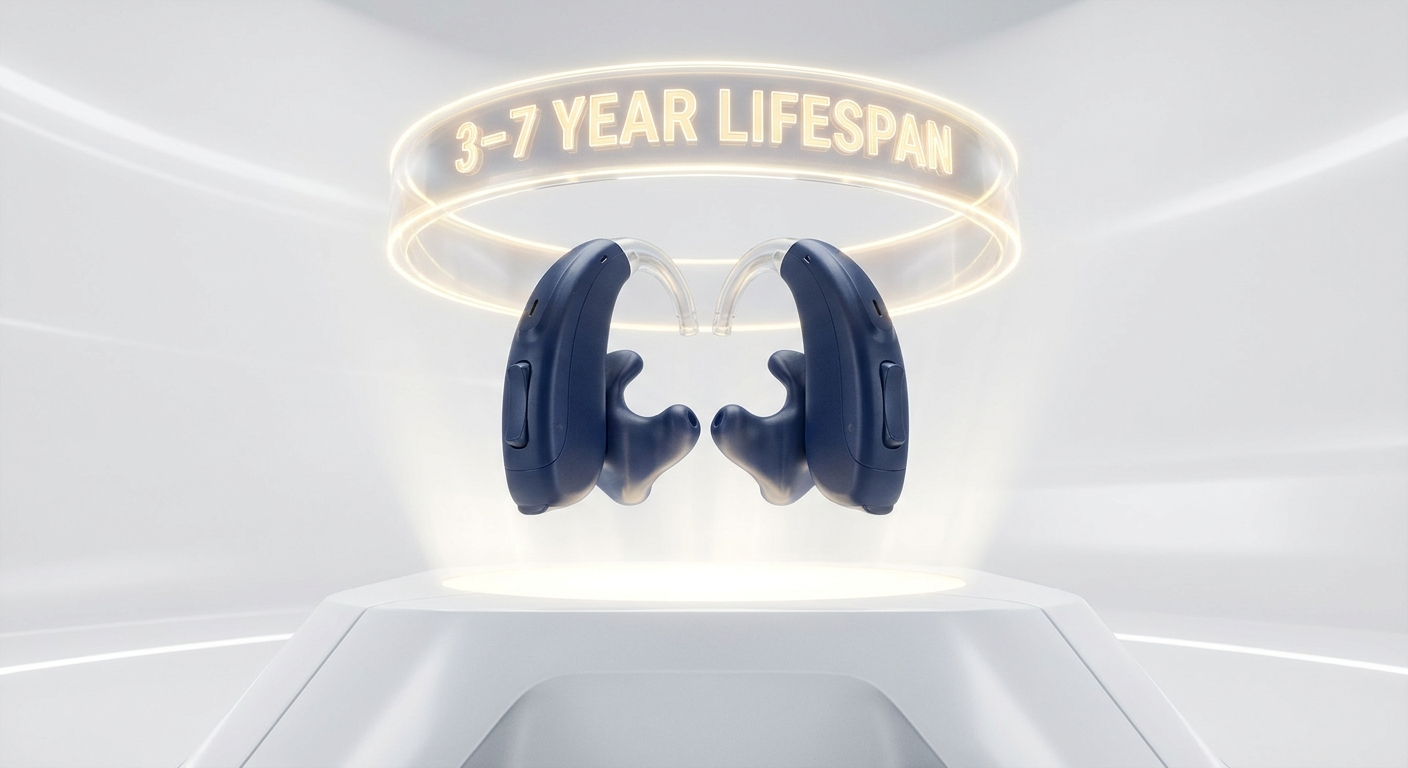
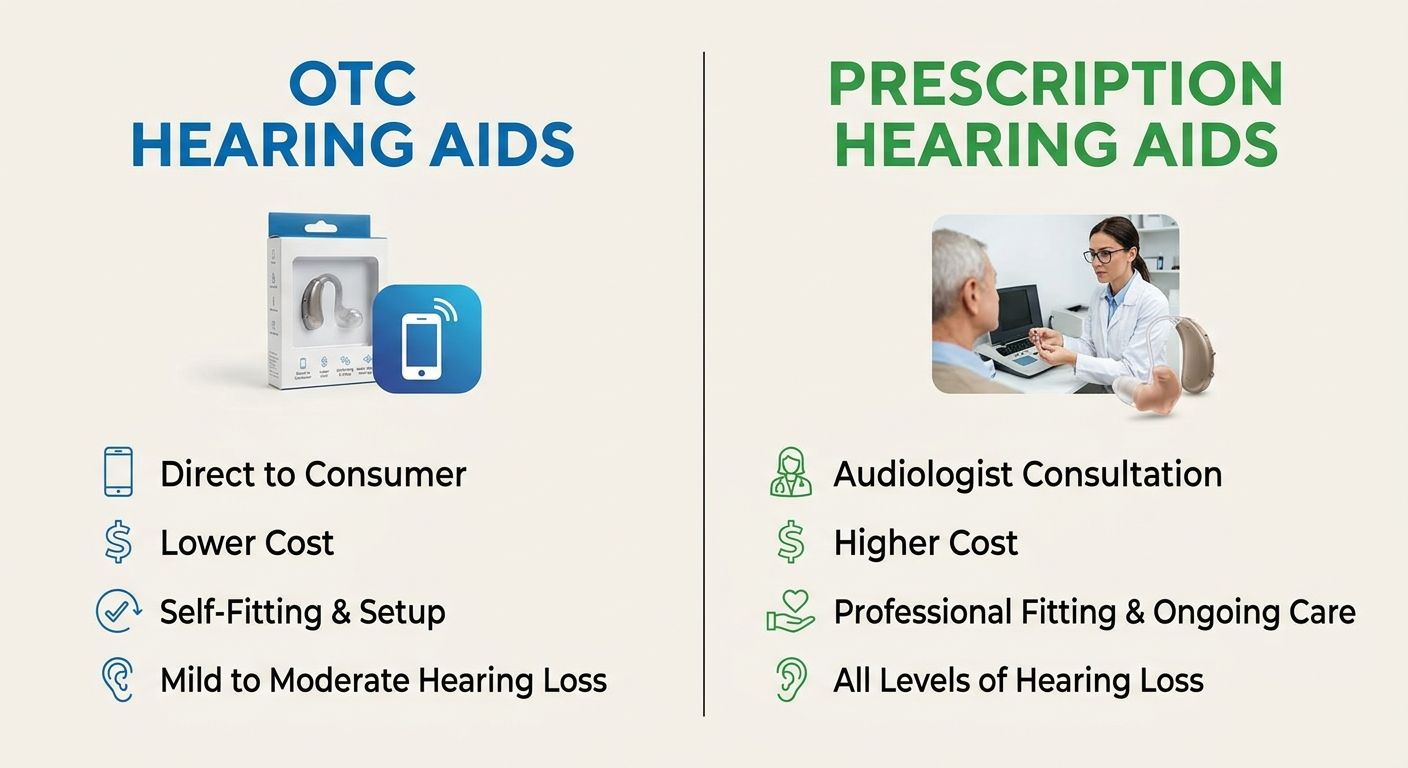
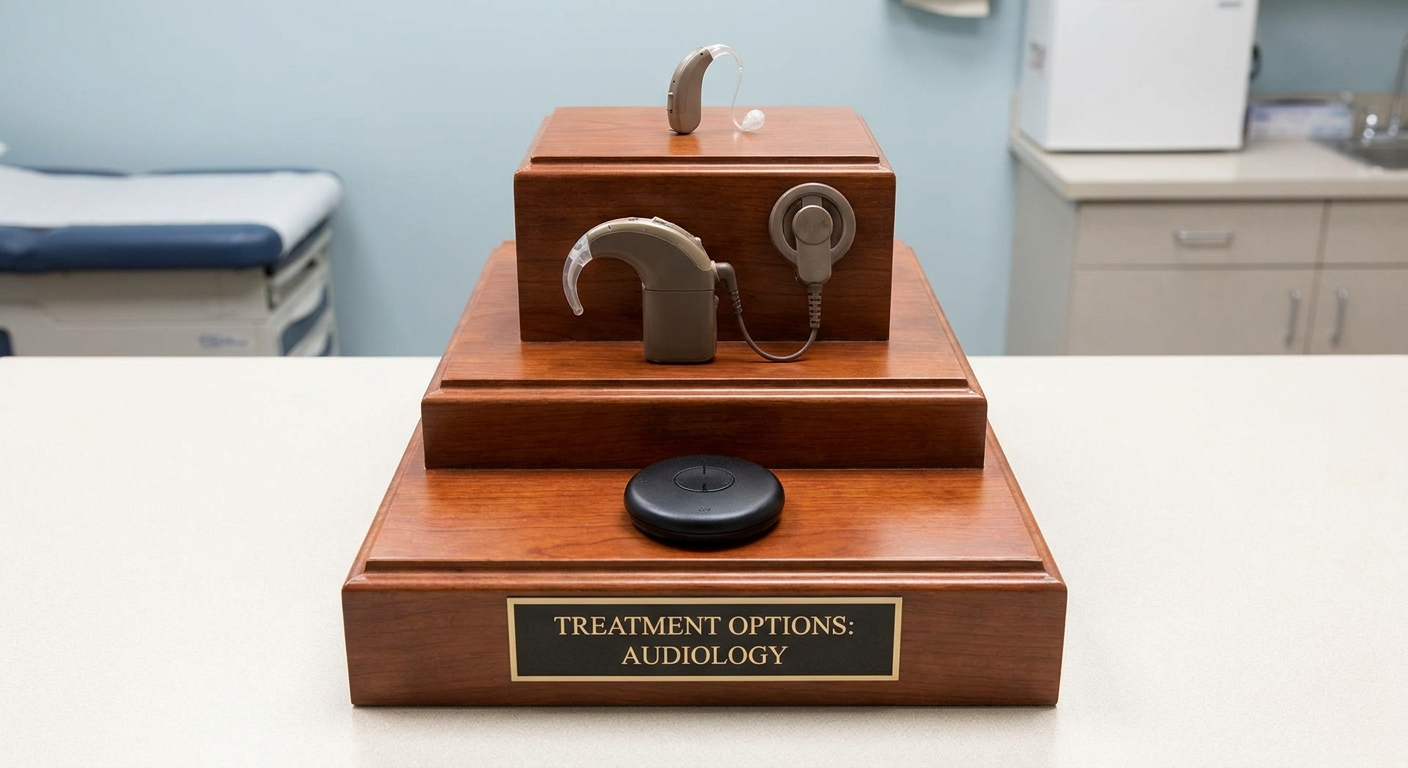
Hearing aids, assistive devices, and other supports: Modern hearing aids, assistive listening devices, and, in selected cases, cochlear implants can restore access to sound. Auditory training programs further improve speech understanding. Starting rehabilitation promptly after a decline is identified often yields the best functional results, much like fitting glasses soon after vision changes.
Addressing cognitive and communication impacts: Speech-language therapy, educational accommodations, and cognitive monitoring are especially valuable for pediatric patients. The Ali et al. (2024) findings highlight why a broader developmental view, not just hearing thresholds, is important. Support might include extra classroom help or family communication strategies.
Multidisciplinary care: Effective management coordinates oncology, ENT, audiology, and rehabilitation teams. Ongoing ear care through comprehensive otolaryngology services (https://www.sleepandsinuscenters.com/ent-services) helps address both hearing and related issues such as infections or middle-ear fluid.
Timely rehabilitation restores function and quality of life.
Prevention and Risk Reduction
Radiation oncologists already strive to minimize cochlear dose while treating cancer. QUANTEC and recent pediatric data support conservative mean-dose limits of 35–45 Gy. Baseline hearing tests and patient education about possible delayed effects are additional protective steps. Evidence linking very-low-dose non-therapeutic radiation to hearing changes remains uncertain (Nayak et al., 2021).
Collaborative planning between specialists reduces unnecessary risk.
Lifestyle Tips for Protecting Remaining Hearing
Protecting residual hearing is practical and worthwhile:
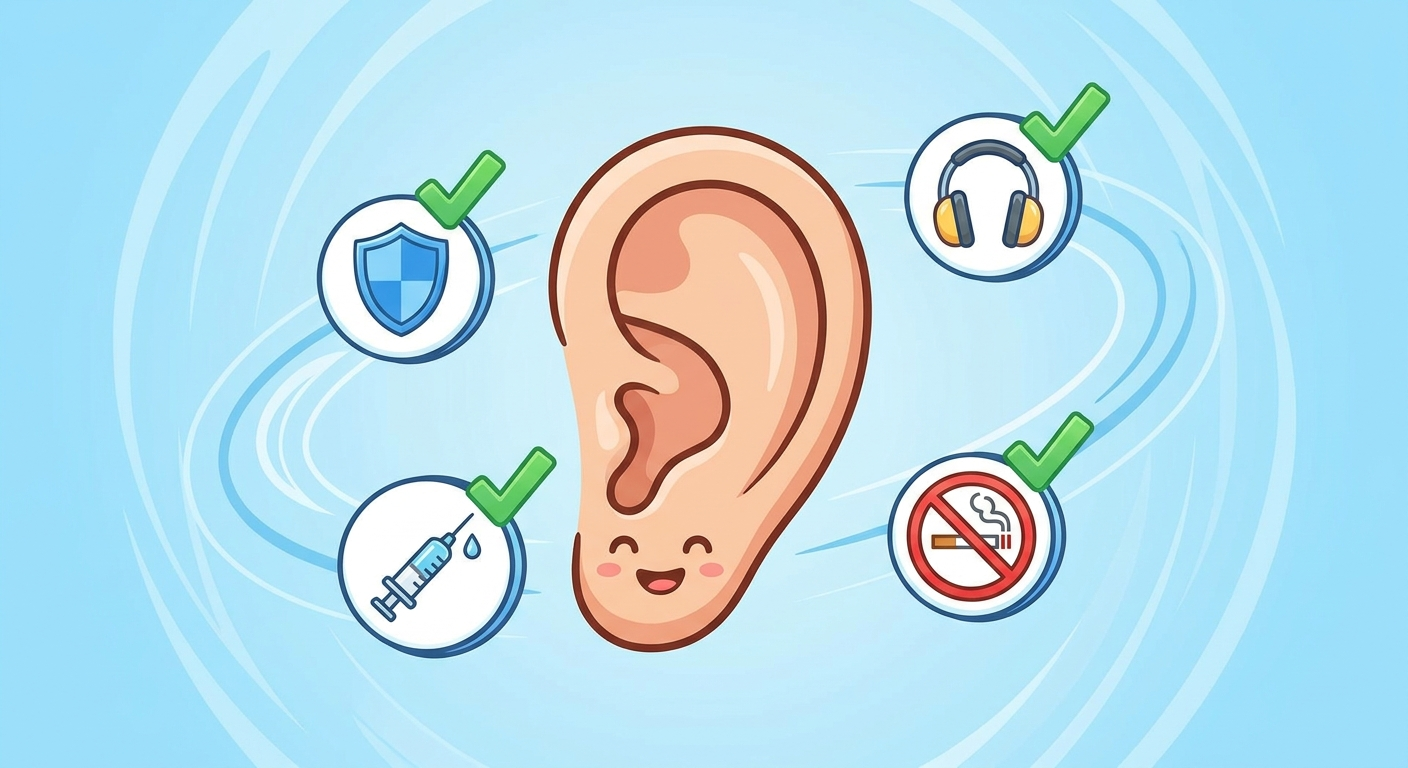
- Limit exposure to loud noise and use hearing protection (earplugs or earmuffs) in noisy settings to avoid extra strain on remaining hair cells.
- Treat ear infections or fluid promptly so they do not add to existing damage.
- Stay up to date with recommended vaccinations that help prevent infections affecting the ears.
- Attend every scheduled follow-up appointment to catch changes early.
- Avoid smoking and maintain good nutrition, both of which support overall ear health.
These habits complement medical monitoring.
Daily protective habits support remaining hearing over time.
Frequently Asked Questions
Can radiation cause hearing loss years later? Yes. Delayed radiation-induced ototoxicity is well documented and can appear five or more years after treatment.
Is the hearing loss reversible? It is usually permanent, yet rehabilitation with hearing devices and therapy can substantially improve daily function.
Does every patient get hearing loss? No. Risk depends on cochlear dose, age at treatment, and whether cisplatin or other ototoxic drugs were used.
What about CT scans or other low-dose radiation? Current evidence is inconclusive (Nayak et al., 2021).
How often should I get hearing tests after radiation? Regularly, often for many years. Follow the schedule recommended by the oncology and ENT teams.
When to See an ENT Specialist
New or worsening hearing difficulty, tinnitus, or ear fullness after radiation or chemotherapy warrants prompt evaluation. Early testing and rehabilitation make a meaningful difference. Scheduling a visit is straightforward at https://www.sleepandsinuscenters.com/appointments.
Conclusion
Radiation-related hearing loss is a recognized but manageable risk of certain cancer treatments. Dose-aware radiotherapy planning, lifelong hearing monitoring, and timely ENT and audiology care together help protect communication, cognition, and quality of life. If you or a family member has received radiation involving the head or neck and has questions about hearing, contact Sleep & Sinus Centers of Georgia for evaluation or follow-up. Book an appointment today at https://www.sleepandsinuscenters.com/.
Disclaimer
This article is for educational purposes only and is not medical advice. Please consult a qualified healthcare provider for diagnosis and treatment.
Sources
Bhandare et al. (2010) QUANTEC review (https://pmc.ncbi.nlm.nih.gov/articles/PMC3319461); Gehin et al. (2024); Abu-Arja et al. (2024); Ali et al. (2024); Nayak et al. (2021) (https://pmc.ncbi.nlm.nih.gov/articles/PMC8551139).
Don’t let allergies slow you down. Schedule a comprehensive ENT and allergy evaluation at Sleep and Sinus Centers of Georgia. We’re here to find your triggers and guide you toward lasting relief.