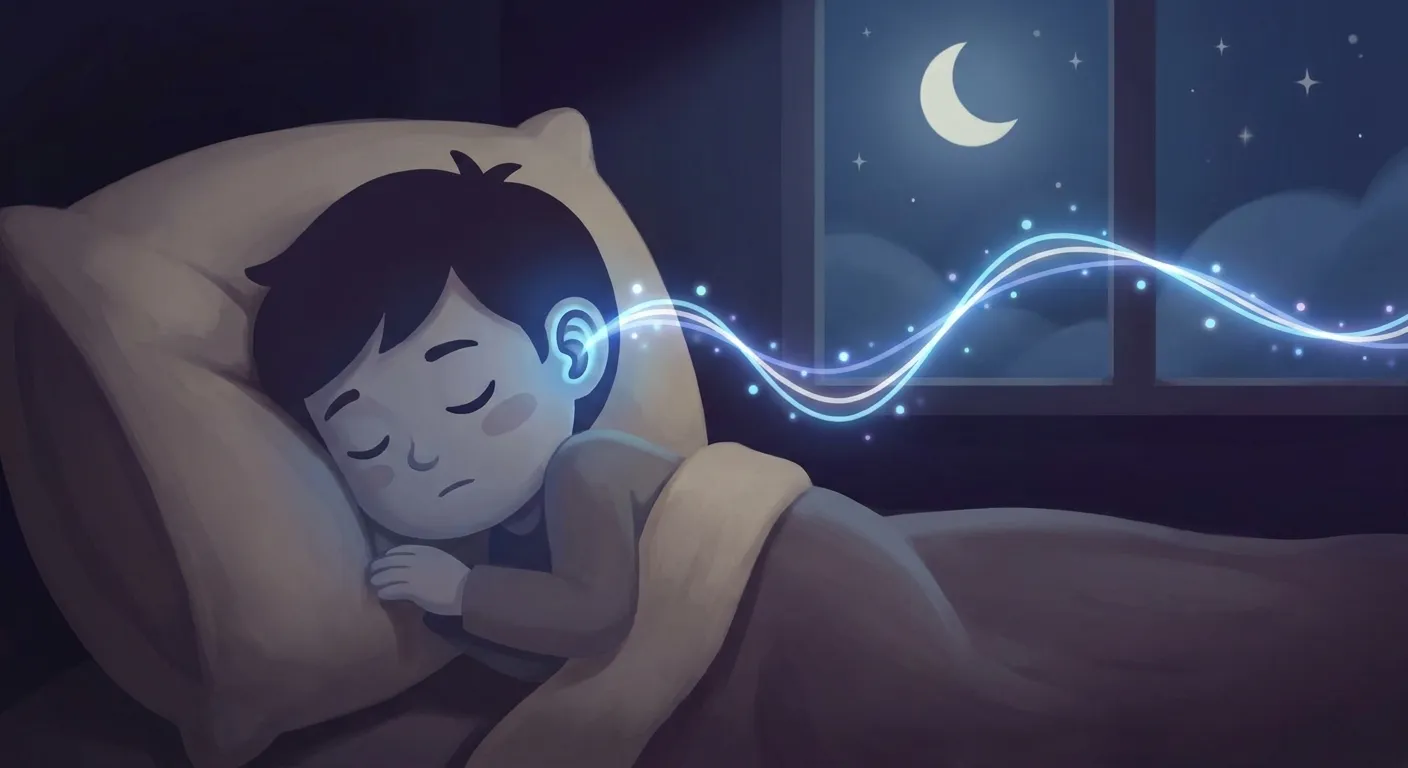
Pulsatile Tinnitus at Night: Why It Gets Worse and What Helps
Hearing a pulsing, “heartbeat-like” sound in your ear can be unsettling—especially when it ramps up in the quiet of bedtime. Pulsatile tinnitus may be more noticeable at night, particularly when you lie down, and it can feel harder to ignore when everything else is quiet. This guide explains why that can happen, what may help you sleep more comfortably, and when it’s important to consider an evaluation.
Educational note: This article is for general information and is not medical advice or a diagnosis. If you’re concerned about symptoms, consider scheduling an evaluation with an ENT clinician, such as the team at Sleep and Sinus Centers of Georgia.
Quick Take: Why Pulsatile Tinnitus Feels Worse at Night
- Lying down can change circulation and increase awareness of internal sounds, which may make a pulse-synchronous sound easier to notice. (Healthline, 2024)
- Some people find these sleep-position strategies helpful: gentle head/upper-body elevation and small adjustments to pillow/ear positioning to reduce pressure. (Medical News Today, 2024)
- Safety note: Pulsatile tinnitus can sometimes be linked to underlying vascular conditions, so persistent or new symptoms are worth medical evaluation. (Valley Health; Neurosurgeons of New Jersey, 2025)
- See also: pulsatile tinnitus red flags
Bottom line: Nighttime awareness is common, and simple comfort strategies may help while you arrange an appropriate evaluation.

What Is Pulsatile Tinnitus (and How It’s Different From “Regular” Tinnitus)?
“Regular” tinnitus often sounds like ringing, buzzing, or hissing and typically does not match your heartbeat. Pulsatile tinnitus tends to feel rhythmic—often synchronized with your pulse—because it is commonly related to how blood moves near the ear or skull base.
A helpful way to think about it: “regular” tinnitus can behave like a steady tone, while pulsatile tinnitus behaves more like a metronome—predictable, repeating, and time-locked to your pulse.
You might hear it described as:
- “Whooshing sound in ear at night”
- “Thumping”
- “Pulsing”
- “A heartbeat in ear at night”
Key hallmark: it often matches your pulse. A clinician may ask whether the rhythm seems to match your heartbeat—sometimes by comparing it with a wrist pulse. (Valley Health)
Key idea: Pulsatile tinnitus describes a pattern of sound; it’s a symptom that benefits from thoughtful evaluation.
Symptoms to Watch for (Especially at Night)
Typical nighttime pattern: louder when lying flat; more noticeable in a quiet room; unilateral (one ear) or bilateral (both ears), depending on the cause.
It may feel “closer” at night because there’s less daytime noise to compete with your attention.
Nighttime impacts can include difficulty falling asleep or staying asleep, and anxiety spikes.
A common cycle is: you notice the pulsing → you feel more alert → you scan for it more → it seems louder. Gentle sound masking and a simple wind-down routine can help interrupt this loop. (Healthline, 2024; Medical News Today, 2024)
If nights are tough, small comfort strategies can help while you and your clinician look for the cause.
Why Pulsatile Tinnitus Often Feels Worse When You Lie Down
Circulation shifts when moving from upright to lying down can alter blood flow near the head and neck, making blood-flow-related sounds easier to notice. (Healthline, 2024)
Bedtime is quiet, so your brain can “lock on” to internal noise—making the pulsing seem louder.
Takeaway: pulsatile tinnitus is often a symptom, not a stand-alone condition, and evaluation can matter—especially if symptoms are persistent, new, or changing. (Valley Health; Neurosurgeons of New Jersey, 2025)
Quiet rooms and posture shifts can increase awareness, but the underlying cause still deserves attention.
Underlying Causes (Patient-Friendly Overview)
Many causes are manageable or treatable, but the right approach depends on identifying what’s driving the sound. The sound is real—and the goal is to understand what’s creating it.
Vascular (blood vessel) contributors can include changes in blood flow near the ear, vessel narrowing or irregularities, and vascular malformations or abnormal connections. (Valley Health)
Non-vascular contributors can include middle-ear conditions, systemic factors such as anemia or thyroid disease, idiopathic intracranial hypertension (IIH), and factors that heighten perception at night (stress, stimulants, sleep disruption).
Think of stress, stimulants, and sleep disruption as “volume knobs” for your nervous system. (Neurosurgeons of New Jersey, 2025)
Causes vary—some vascular, some not—so a focused evaluation helps match the care to the cause.
What Helps Tonight: Sleep Position Tips for Pulsatile Tinnitus
If you’re searching “how to sleep with pulsatile tinnitus,” start with low-risk, comfort-focused adjustments. Try one change at a time so you can tell what helps.
Elevate your head and upper body: a wedge pillow, an adjustable bed, or a second pillow (avoid neck strain). If a higher pillow hurts your neck, use a wedge or adjust height. (Medical News Today, 2024)
Adjust pillow placement to reduce pressure on the affected ear: avoid compressing the louder side, consider a pillow with a small ear hollow, or reshape a soft pillow.
Try side-sleeping adjustments safely: if one side is louder, explore sleeping on the other side while keeping neck and shoulders comfortable.
These are comfort strategies, not cures—but they can make nights easier while you pursue an evaluation.

Lifestyle Changes That May Reduce Nighttime Intensity
These steps are not proven treatments for pulsatile tinnitus, but they may improve sleep quality and reduce symptom awareness for some people.
Cut down on salt (especially late-day). Consider a short trial and note any changes.
Reduce caffeine and move it earlier in the day. (Healthline, 2024)
Avoid nicotine near bedtime. (Neurosurgeons of New Jersey, 2025)
Use a brief stress-downshift routine before bed: slow breathing (longer exhales), light stretching, a short guided relaxation. (Healthline, 2024)
Small, consistent habits can lower nighttime arousal and make symptoms easier to manage.

Sound Strategies: Masking and Bedroom Setup
Use safe background sound: a fan, white noise, or soft nature sounds. Keep volume comfortable—enough to take the edge off without disrupting sleep. (Medical News Today, 2024)
Make the bedroom sleep-friendly: cooler, darker room; consistent wake time; simple wind-down routine with earlier screen time. (Medical News Today, 2024)
Gentle background sound plus a sleep-friendly environment can reduce nighttime awareness.

When to See a Doctor (Red Flags You Shouldn’t Ignore)
Seek urgent care or prompt evaluation if pulsatile tinnitus occurs with: sudden hearing loss; severe headache; new neurological symptoms (weakness, numbness, confusion); fainting; new vision changes; rapidly worsening symptoms.
Even without red flags, don’t ignore persistent pulsatile tinnitus—especially if one-sided or clearly pulse-synchronous—because of possible vascular associations. (Valley Health; Neurosurgeons of New Jersey, 2025)
If symptoms are new, changing, or accompanied by red flags, get timely medical care.

How Pulsatile Tinnitus Is Evaluated (What Patients Can Expect)
History and exam typically cover timing (including nighttime), pulse match, one vs. both ears, and triggers (lying down, exercise, stress, stimulants). Bringing a short note of patterns can help (for example: “left side only,” “worse when lying flat,” “improves with a fan”).
Common tests may include a hearing test, focused ear/head/neck exam, and imaging or vascular-focused evaluation when appropriate.
Ruling out vascular causes matters: when related to blood flow, addressing the underlying driver—not just the sound—can be key to improvement. (Valley Health)
An individualized workup helps distinguish benign, treatable, and vascular-related causes.
Treatment Options (From Symptom Management to Correcting the Cause)
Conservative management (symptom control): small sleep-position adjustments; lifestyle measures (caffeine timing, sodium moderation, stress reduction); and sound masking. (Healthline, 2024; Medical News Today, 2024)
Treating underlying causes (when found) is tailored to the diagnosis and may involve specialists. (Valley Health)
Emerging/advanced care: The RESOLVE study is investigating the SIREX stent as an experimental option for selected vascular-related cases. Availability is limited to research settings and is not standard care. (NeuroNews International; acandis.com, 2026)
Most people start with symptom relief and evaluation; treatment is then guided by the cause—if one is found.
Frequently Asked Questions (FAQs)
Why is pulsatile tinnitus louder at night? Common reasons include posture-related circulation changes when you lie down and the lack of background noise in a quiet bedroom. (Healthline, 2024)
Is pulsatile tinnitus dangerous? It can be benign, but it can also reflect underlying vascular conditions—so persistent, new, or worsening symptoms are generally worth evaluation. (Valley Health; Neurosurgeons of New Jersey, 2025)
Will pulsatile tinnitus go away? Some cases improve when the underlying cause is addressed; others may persist and benefit from symptom-management strategies and ongoing follow-up. (Neurosurgeons of New Jersey, 2025)
What sleep position is best? Many people start with gentle head/upper-body elevation and small position experiments that avoid neck strain. (Medical News Today, 2024)
Do caffeine or salt really matter? For some people, yes—often enough to justify a short, trackable two-week experiment to see whether nighttime intensity changes. (Healthline, 2024)
If you have questions about your specific situation, a qualified clinician can help you decide next steps.
Simple 7-Day Plan to Sleep Better With Pulsatile Tinnitus
Days 1–2: Tune the sleep setup: try gentle head/upper-body elevation; add a steady masking sound (fan/white noise). (Medical News Today, 2024)
Days 3–4: Adjust common triggers: move caffeine earlier; moderate salty evening foods; avoid nicotine close to bedtime. (Healthline, 2024)
Days 5–7: Track patterns and consider evaluation if needed. Log time of night and intensity (1–10), sleep position (back/side, elevated or flat), any triggers (stress, workouts, stimulants), and optional home blood pressure if you already track it. If persistent or worsening, consider an ENT evaluation (for example, Sleep and Sinus Centers of Georgia).
A short, practical trial can improve comfort and clarify whether it’s time to seek an evaluation.
Conclusion: Relief Is Possible—But Don’t Skip the Underlying Cause
There are practical steps that may make bedtime easier—head elevation, pillow/ear positioning adjustments, and sound masking. Because pulsatile tinnitus can be linked with vascular and non-vascular causes, persistent or changing symptoms deserve a thoughtful evaluation. (Valley Health; Neurosurgeons of New Jersey, 2025)
Research is ongoing, including the RESOLVE study evaluating the SIREX stent for certain vascular-related cases. (acandis.com, 2026)
CTA: If your symptoms are persistent, one-sided, new, or concerning, consider scheduling an evaluation with an ENT clinician at Sleep and Sinus Centers of Georgia for personalized guidance and next steps: https://www.sleepandsinuscenters.com/
Sources
Healthline. (2024). Pulsatile tinnitus when lying down. https://www.healthline.com/health/pulsatile-tinnitus-when-lying-down
Medical News Today. (2024). How to sleep with tinnitus. https://www.medicalnewstoday.com/articles/how-to-sleep-with-tinnitus
Neurosurgeons of New Jersey. (2025). Does pulsatile tinnitus go away? https://www.neurosurgeonsofnewjersey.com/blog/does-pulsatile-tinnitus-go-away/
Valley Health. Pulsatile tinnitus overview. https://www.valleyhealth.com/services/pulsatile-tinnitus
acandis.com. (2026). Company/study information (RESOLVE/SIREX context). http://acandis.com/en/home
NeuroNews International. RESOLVE study evaluating SIREX stent in pulsatile tinnitus. http://neuronewsinternational.com/acandis-gains-regulatory-approval-to-launch-resolve-study-evaluating-sirex-stent-in-pulsatile-tinnitus-treatments
This article is for educational purposes only and is not medical advice. Please consult a qualified healthcare provider for diagnosis and treatment.
Don’t let allergies slow you down. Schedule a comprehensive ENT and allergy evaluation at Sleep and Sinus Centers of Georgia. We’re here to find your triggers and guide you toward lasting relief.