Why You Can’t Concentrate During Allergy Season: Allergy Brain Fog Causes and Solutions
Introduction — When “Just Allergies” Affects Your Brain
If you’ve ever stared at your screen during pollen season and wondered why simple tasks suddenly feel hard—finding words, remembering what you walked into the room for, staying focused in meetings—you’re not alone. Many people experience allergy season brain fog along with the classic symptoms like sneezing, congestion, and itchy eyes.
For some, it feels like your brain is running with too many “tabs” open: you can still function, but everything loads slower, and it takes more effort to stay organized. That’s not a character flaw or a motivation problem. It has real physiological drivers: immune signaling, inflammation, and (often most importantly) sleep disruption from nasal blockage.
Large health organizations note that seasonal allergies can come with fatigue, headaches, and brain fog—not just runny noses. Below, we’ll break down what allergy brain fog is, what causes it, what tends to help, and when it’s worth getting evaluated.

What Is “Allergy Brain Fog”?
Brain fog vs. sleepiness vs. anxiety (what people usually mean)
“Brain fog” isn’t a formal diagnosis. It’s a common phrase people use to describe:
- Slower thinking and reduced mental clarity
- Difficulty sustaining attention
- Feeling mentally “behind,” even if you’re trying hard
It can overlap with:
- Fatigue or low energy
- Head pressure or headaches
- Irritability
- Restless sleep or waking up unrefreshed
In other words, allergy brain fog often shows up as a full-body experience, not just “being tired.” You might notice you’re rereading the same email, losing your train of thought mid-sentence, or procrastinating because even small decisions feel oddly taxing.
If you want a deeper look at how sinus and nasal problems can contribute to cognitive symptoms, this overview on brain fog and sinus disease is a helpful next read: https://sleepandsinuscenters.com/blog/brain-fog-and-sinus-disease-symptoms-causes-and-th-20260302121333
How long does allergy brain fog last?
For many people, brain fog tracks with exposure—think high pollen days, time outdoors, or being around indoor triggers. It also tends to improve when nasal symptoms and sleep quality improve.
However, it can linger when congestion becomes a nightly pattern (leading to chronic poor sleep) or when nasal/sinus inflammation becomes more persistent. A common scenario is: you power through daytime symptoms, but the nights quietly do the most damage—then you wake up feeling like you didn’t fully recharge.
A short takeaway: it often comes and goes with triggers, but it can persist when congestion keeps disrupting sleep.
Allergy Brain Fog Symptoms (What You Might Notice Day-to-Day)
Cognitive symptoms
Common “thinking” symptoms include:
- Trouble concentrating and staying on task
- Distractibility (everything pulls your attention)
- Slower processing speed (“thinking through mud”)
- Forgetfulness and word-finding difficulty
A practical example: you may still know your material at work or school, but it takes longer to start, and you’re more likely to make small errors—like missing a calendar detail or misreading a message.
Physical symptoms that often come with it
Brain fog rarely arrives alone. Many people also notice:
- Daytime fatigue and low motivation (often described as allergic rhinitis fatigue)
- Head pressure or headaches
- Heavy eyelids and low mental stamina
Some people describe it as feeling “hungover without drinking”—not because allergies are the same as alcohol, but because the combination of inflammation plus disrupted sleep can create that wiped-out, dulled feeling.
Sleep-related clues (a strong hint allergies are the driver)
Because nasal allergies can interfere with breathing at night, these clues can be especially telling:
- Waking up unrefreshed, even after a full night in bed
- Mouth breathing, snoring, or dry mouth in the morning
- Frequent nighttime awakenings (or very light sleep)
A quick self-check: if your focus reliably worsens after nights when you’re more congested (or after you wake up with a dry mouth), allergies may be affecting your sleep quality more than you realize. This isn’t a diagnostic tool—if this pattern persists, it’s worth discussing with a clinician.
A short takeaway: if the fog is worst after congested nights, sleep disruption from allergies is a likely contributor.
Why Allergy Season Makes It Hard to Focus (Root Causes)
A patient-friendly way to think about it: your immune system is doing its job, but the ripple effects can spill over into sleep and brain signaling. Instead of one single cause, allergy brain fog usually comes from several small “hits” that add up.
Histamine’s “paradox” effect — H3 receptors can dial down alertness
Histamine is famous for triggering sneezing and itching—but it also plays roles in the brain. In allergy flares, higher histamine activity may influence brain receptors involved in alertness and attention.
One concept discussed in the medical literature is the role of H3 receptors, which act like a “feedback” or “brake” system that can reduce the release of neurotransmitters tied to wakefulness and cognitive clarity (simplified explanation). In susceptible people, this can contribute to histamine-related brain fog—that heavy, slowed-down feeling that’s hard to “power through.”
Practical takeaway: more histamine activity during allergy season can correlate with more mental sluggishness for some people—even if you’re otherwise healthy and highly motivated.
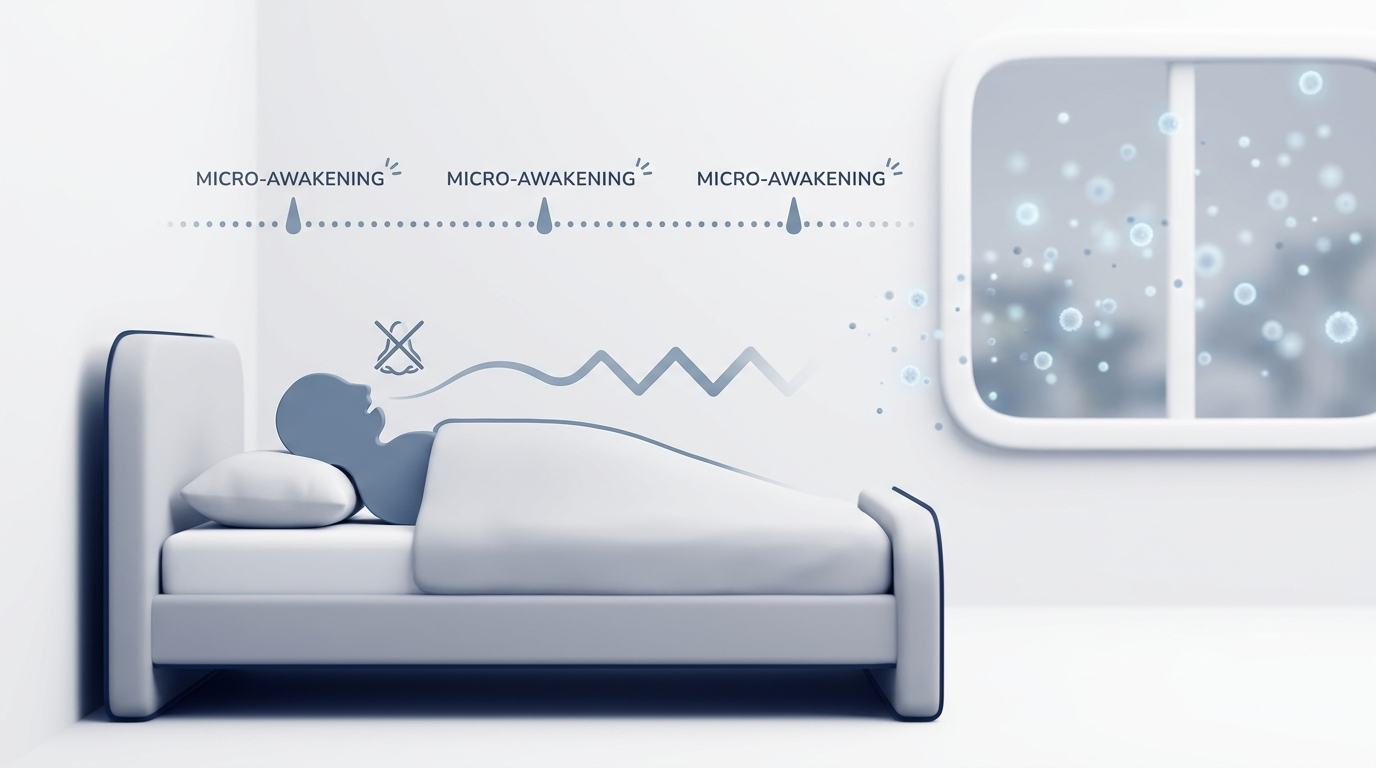
Sleep fragmentation from allergic rhinitis (micro-awakenings you may not remember)
Even if you don’t fully “wake up,” nasal blockage can cause breathing discomfort that leads to micro-awakenings and lighter sleep. Over time, this sleep fragmentation can impact attention, memory, and mood the next day.
This is why you can spend eight hours in bed and still feel like you only got “half a night.” Many people don’t remember the awakenings—they just feel the consequences: lower patience, slower recall, and reduced ability to focus on complex tasks.
If this sounds familiar, you may also want to read how allergic rhinitis can disrupt sleep quality here: https://sleepandsinuscenters.com/blog/chronic-allergic-rhinitis-and-its-impact-on-sleep-quality
Neuroinflammation — immune cytokines can affect the brain
Allergic reactions aren’t limited to the nose. They can increase inflammatory signals (often called cytokines) throughout the body. Some of these signals can influence the brain and neurotransmitter function, contributing to fatigue and foggy thinking.
A simple analogy: inflammation is like background “static.” You can still hear the music, but it takes more effort to make out the details—and your brain tires faster.
Airflow restriction and its effect on sleep quality (not oxygen levels)
Severe congestion can make nasal breathing less efficient—especially during sleep. That discomfort and mouth breathing can reduce sleep quality and leave you feeling “off” the next day. This does not typically mean dangerous blood oxygen drops in otherwise healthy people; it’s mostly about airflow efficiency, comfort, and sleep disruption.
In real life, this often looks like: you sleep with your mouth open because your nose is blocked, wake up dry and restless, and spend the morning feeling off until congestion improves.
Medication side effects — not all antihistamines are equal
Sometimes the “fog” is partly from the treatment, not just the allergy.
- First-generation antihistamines (such as diphenhydramine) are more likely to cross into the brain and cause sedation or slower reaction time.
- Second-generation options are often described as “non-drowsy” antihistamines, though individual responses vary.
Practical takeaway: if your concentration gets noticeably worse after an allergy medication, it may be worth discussing alternatives with a clinician or pharmacist—especially if you drive, operate equipment, or need sharp reaction time for work.
A short takeaway: brain fog usually reflects several overlapping factors—histamine signaling, inflammation, nasal airflow issues that fragment sleep, and sometimes medication side effects.

Treatments That Help Clear Allergy Brain Fog (Step-by-Step)
This is educational—not a one-size-fits-all plan—but these steps reflect what commonly helps people reduce allergy brain fog by addressing the biggest drivers.
Step 1 — Control the nose first (because sleep depends on it)
When nasal airflow improves, sleep often improves—and so does next-day focus. Many clinicians will tell you the same thing in plain language: “If you can’t breathe well at night, your brain doesn’t get a clean reset.”
Strategies often used during allergy season include:
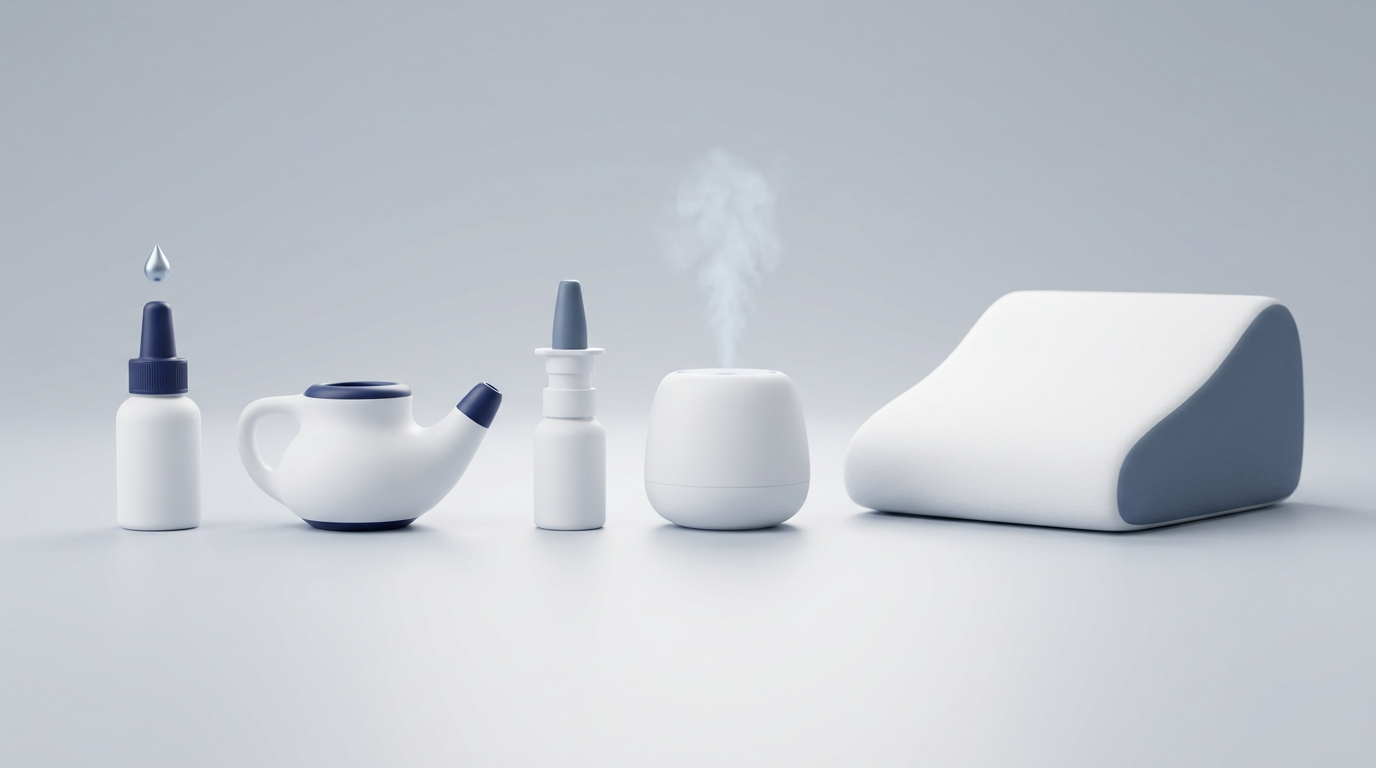
- Saline sprays or rinses (to reduce allergen load and improve airflow)
- Intranasal corticosteroid sprays (used consistently, they can reduce inflammation over time)
- Non-medication supports like humidification, showering after outdoor time, and keeping bedding clean
Consistency matters here. Many people try a nasal strategy for a day or two and quit—right before they would have started seeing more meaningful relief.
Step 2 — Choose non-drowsy medications strategically
If medication is part of your routine, it can help to be intentional:
- Consider whether a second-generation, “non-drowsy” antihistamine is appropriate for you (a pharmacist or clinician can help compare options).
- If sedation is a problem, timing and product choice matter—especially if you’re combining multiple over-the-counter products.
- Be cautious with “PM” combination cold/allergy products, which may include sedating ingredients.
This is general information, not a recommendation for your specific situation—confirm any medication choices or changes with a pharmacist or doctor.

Step 3 — Protect sleep quality during peak season
Because sleep fragmentation is such a major contributor to allergy season brain fog, sleep-focused habits can be surprisingly high-impact:
- Sleeping with your head slightly elevated to reduce postnasal drip and congestion discomfort
- Keeping windows closed on high pollen days
- Changing clothes and rinsing off after being outdoors
- Minimizing bedroom allergens as much as feasible
If nighttime congestion persists for an extended period, it may be worth an evaluation for allergic rhinitis patterns or chronic inflammation.
Step 4 — Consider long-term solutions (especially if this happens every year)
If you dread the same cycle every spring/fall—congestion, poor sleep, fatigue, and allergy brain fog—long-term approaches may be worth learning about.
Allergy immunotherapy (shots or drops, depending on the plan) is designed to reduce overall allergic reactivity over time and can reduce symptom burden for some people. If you’re curious whether it’s a fit for your pattern, this guide on immunotherapy for allergies is a good starting point: https://sleepandsinuscenters.com/blog/immunotherapy-for-allergies-is-it-worth-it
Step 5 — Treat contributing sinus issues if present
When congestion, facial pressure, reduced smell, or recurrent sinus infections are in the picture, addressing underlying sinus or nasal issues may help with energy and cognitive symptoms—especially if sleep is being disrupted night after night.
A short takeaway: focus on nasal airflow and sleep first, choose meds thoughtfully, and consider long-term options if the cycle repeats every year.
Lifestyle Tips to Think Clearly During Allergy Season
Daily exposure reduction (simple, high-impact habits)
Reducing exposure can reduce symptoms—meaning fewer triggers for allergy brain fog.
- Check pollen counts and limit peak-time outdoor exposure when possible
- Wear sunglasses/hat outside; rinse your face and consider a quick shower after
- Use HEPA filtration in the bedroom if feasible
These steps are small, but they’re additive. If your body is reacting to a lower allergen load, you may need fewer “rescue” solutions later.
Brain fog “rescue plan” for work/school days
These won’t “cure” allergies, but they can support better alertness:
- Hydration (dryness and congestion often feel worse when you’re under-hydrated)
- Scheduled short breaks to reset attention
- Light movement (brief walk or stretching) to boost alertness
- Limit alcohol during peak season (it can worsen sleep quality)
- Keep caffeine earlier in the day to avoid sleep disruption later
If you’re in a meeting-heavy or exam-heavy week, consider planning around your worst symptom window (often mornings after congested nights). Even shifting deep-work tasks to your clearest hours can make the day feel more manageable.
When to avoid driving or safety-sensitive tasks
If you feel significantly impaired—or if you’re taking sedating allergy medications—use extra caution with driving and tasks that require fast reaction time.
A short takeaway: lower your allergen load, protect your sleep, and give your brain scheduled breathers on heavy days.
When to See a Doctor (Don’t Push Through These Red Flags)
Symptoms that deserve evaluation
Consider getting evaluated if you notice:
- Brain fog plus loud snoring, witnessed breathing pauses, or severe daytime sleepiness
- Congestion that persists for an extended period despite reasonable symptom-control efforts
- Frequent sinus infections, significant facial pain/pressure, or reduced sense of smell
- Side effects from medications that interfere with work, school, or safety
What an ENT/allergy evaluation may include
A focused evaluation often involves:
- Reviewing symptoms, triggers, seasonality, and current treatments
- Considering allergy testing and a personalized plan
- Assessing for chronic rhinitis/sinusitis patterns that may be disrupting sleep and driving fatigue
A short takeaway: if symptoms persist, disrupt sleep, or affect safety, a targeted evaluation can clarify causes and next steps.
FAQs About Allergy Brain Fog
Can allergies really cause brain fog?
Yes. Several overlapping mechanisms can contribute: histamine-related brain signaling (including H3 receptor effects), inflammation, sleep disruption from congestion, and sometimes medication sedation.
Why is my brain fog worse at night or the next morning?
Nighttime nasal blockage can lead to sleep fragmentation (including micro-awakenings), which often shows up as worse focus and memory the next day.
Which allergy medicines cause the most drowsiness?
First-generation antihistamines are most likely to cause sedation, and many “PM” combination products can also be sedating. Second-generation antihistamines are generally less sedating, but individuals vary. Confirm medication choices with a pharmacist or clinician.
Will treating congestion help my concentration?
Often, yes—because better airflow can support better sleep quality and daytime alertness.
Do allergy shots/drops help brain fog?
They may help indirectly by reducing overall allergic inflammation and symptom burden over time, which can support better sleep and clearer thinking.
Conclusion — You’re Not Imagining It (And You Have Options)
Allergy season can affect far more than your nose. Allergy brain fog is real, common, and often tied to three big drivers: histamine-related brain signaling (including H3 receptor effects), systemic inflammation, and poor sleep from congestion. Medication sedation can also be part of the picture, especially with older antihistamines.
The most helpful approach is usually layered: improve nasal airflow, choose medications thoughtfully (including considering non-drowsy antihistamines when appropriate), and explore longer-term options like immunotherapy when symptoms return year after year. If your fog, fatigue, or sleep disruption is persistent or affecting your quality of life, an evaluation can help clarify what’s driving it and what options fit your situation.
Ready for help getting to the root cause? You can book an appointment at https://www.sleepandsinuscenters.com/ to discuss allergy symptoms, congestion, sleep disruption, and next-step options tailored to you.
This article is for educational purposes only and is not medical advice. Please consult a qualified healthcare provider for diagnosis and treatment.
Don’t let allergies slow you down. Schedule a comprehensive ENT and allergy evaluation at Sleep and Sinus Centers of Georgia. We’re here to find your triggers and guide you toward lasting relief.