Perilymph Fistula: Commonly Misdiagnosed Inner Ear Injury Symptoms and Treatment
A perilymph fistula is an uncommon tear or defect in the thin membranes that separate the middle ear from the inner ear. This allows perilymph fluid to leak, disrupting the delicate fluid balance needed for hearing and balance. It often follows head trauma, sudden pressure changes, or ear surgery, though 20–40% of cases have no clear cause (idiopathic). Because its symptoms closely overlap with more common inner-ear conditions such as Ménière’s disease, vestibular neuritis, or labyrinthitis, a perilymph fistula is frequently misdiagnosed or recognized late. Diagnosis typically requires a combination of detailed history, hearing and balance tests, imaging, and sometimes additional markers rather than any single test. For expert evaluation of inner-ear concerns, comprehensive otolaryngology care (https://sleepandsinuscenters.com/comprehensive-otolaryngology-care) can help sort through overlapping symptoms. (StatPearls, 2025; Cleveland Clinic, 2022)
Early consideration of this possibility after a triggering event can prevent unnecessary delays in care.
What Is a Perilymph Fistula?
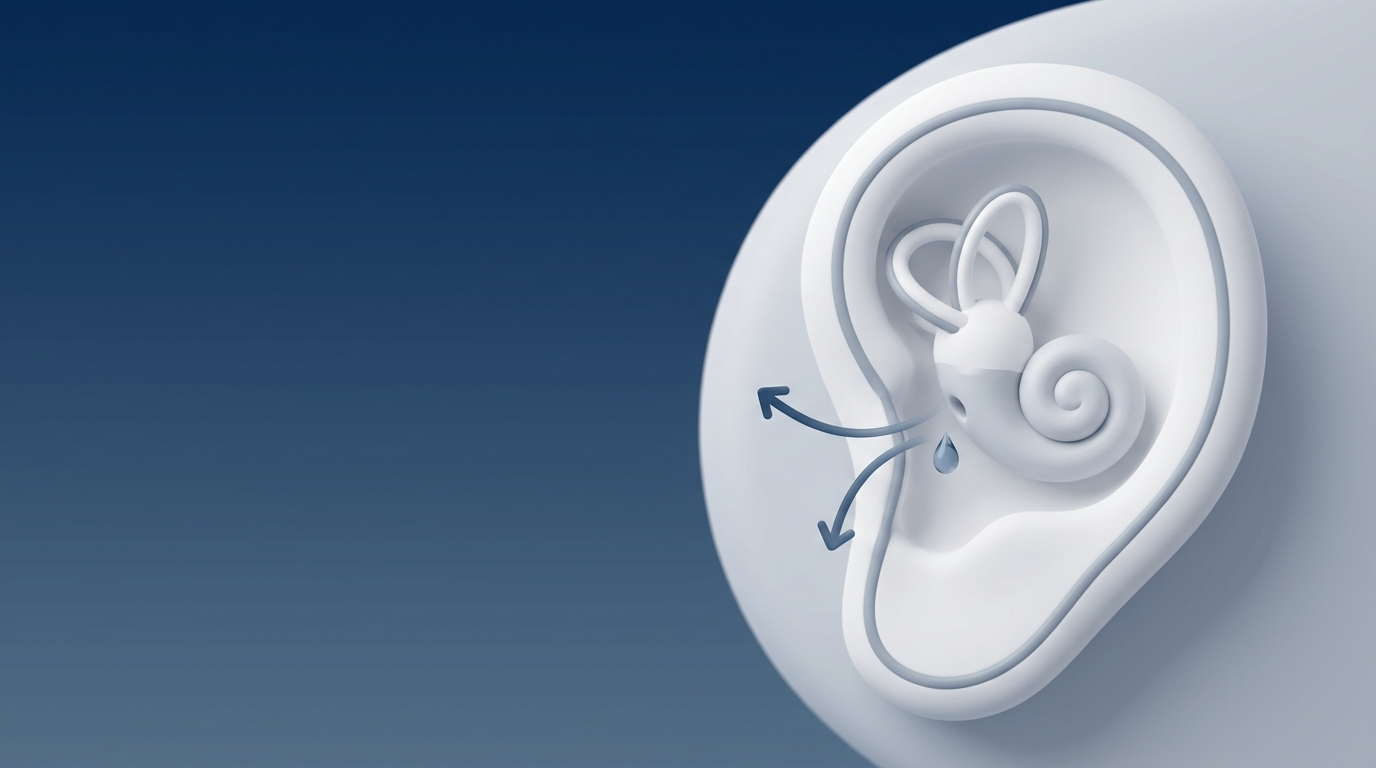
The inner ear contains two small, membrane-covered openings—the oval window and the round window—that connect it to the middle ear. These windows help transmit sound vibrations and maintain fluid pressure. A perilymph fistula occurs when one of these membranes (or nearby structures) develops a tear or abnormal opening. Perilymph, the fluid that fills parts of the inner ear, then leaks into the middle ear. This leak changes the normal pressure and mechanics of the inner ear, much like a slow leak in a sealed hydraulic system that throws off both movement and pressure sensors.
Even modest disruptions in this sealed system can produce noticeable hearing and balance changes.
How Perilymph Leakage Affects Hearing and Balance
Think of the inner ear as a finely tuned, fluid-filled instrument. When perilymph leaks, the fluid levels and pressures become unstable. Sound waves may not travel properly, leading to hearing changes, while the balance organs send mixed signals to the brain, causing dizziness or a sense of unsteadiness. Researchers classify these fistulas by location and cause to better understand their effects (Sarna et al., 2020). Even a small leak can scramble the inner ear’s ability to keep hearing crisp and balance steady, much as a tiny puncture in a tire slowly deflates performance.
Prompt recognition of these pressure shifts supports more targeted evaluation.

Common Causes and Triggers of Perilymph Fistula
Several events can create the tear that leads to a perilymph fistula. Knowing possible triggers helps patients and clinicians connect symptoms to a possible injury.
Head or Ear Trauma (Blunt or Penetrating): A blow to the head, a fall, or even a direct injury to the ear can rupture the oval or round window membranes. Penetrating injuries, though less common, can also create an opening. Everyday examples include a sports collision or a car accident that jostles the skull.
Barotrauma from Flying, Diving, or Pressure Changes: Rapid changes in air or water pressure—such as during airplane descent, scuba diving, or forceful straining—can force the membranes to tear. People who fly often or dive may be particularly aware of these risks; learn more about ear barotrauma in frequent flyers (https://sleepandsinuscenters.com/blog/ear-barotrauma-in-frequent-flyers-causes-symptoms-prevention-tips). A sudden cabin-pressure drop or an overly rapid ascent from depth can be enough to stress the membranes.
After Ear Surgery: Procedures that involve the middle or inner ear, such as stapedectomy or other otologic surgeries, can occasionally leave a small defect that allows perilymph to escape.
Idiopathic (No Identified Cause) Cases: In 20–40% of patients, no trauma, surgery, or pressure event can be identified. These idiopathic cases still produce the same fluid leak and symptoms (Vestibular Disorders Association; StatPearls, 2025).
Linking symptoms to a recent event or noting their unexplained onset often guides the next diagnostic steps.
Symptoms of Perilymph Fistula (Why They Overlap with Other Conditions)
Symptoms of a perilymph fistula can appear suddenly after an event or develop gradually. They commonly include unilateral (one-sided) sensorineural hearing loss, tinnitus (ringing or buzzing), vertigo or spinning sensations, disequilibrium (feeling off-balance), aural fullness (pressure in the ear), and autophony (hearing one’s own voice or breathing unusually loudly).
Hearing Changes, Tinnitus, and Ear Fullness: Hearing may drop suddenly or worsen over days to weeks, often accompanied by tinnitus and a plugged-ear feeling. These changes are usually on one side.
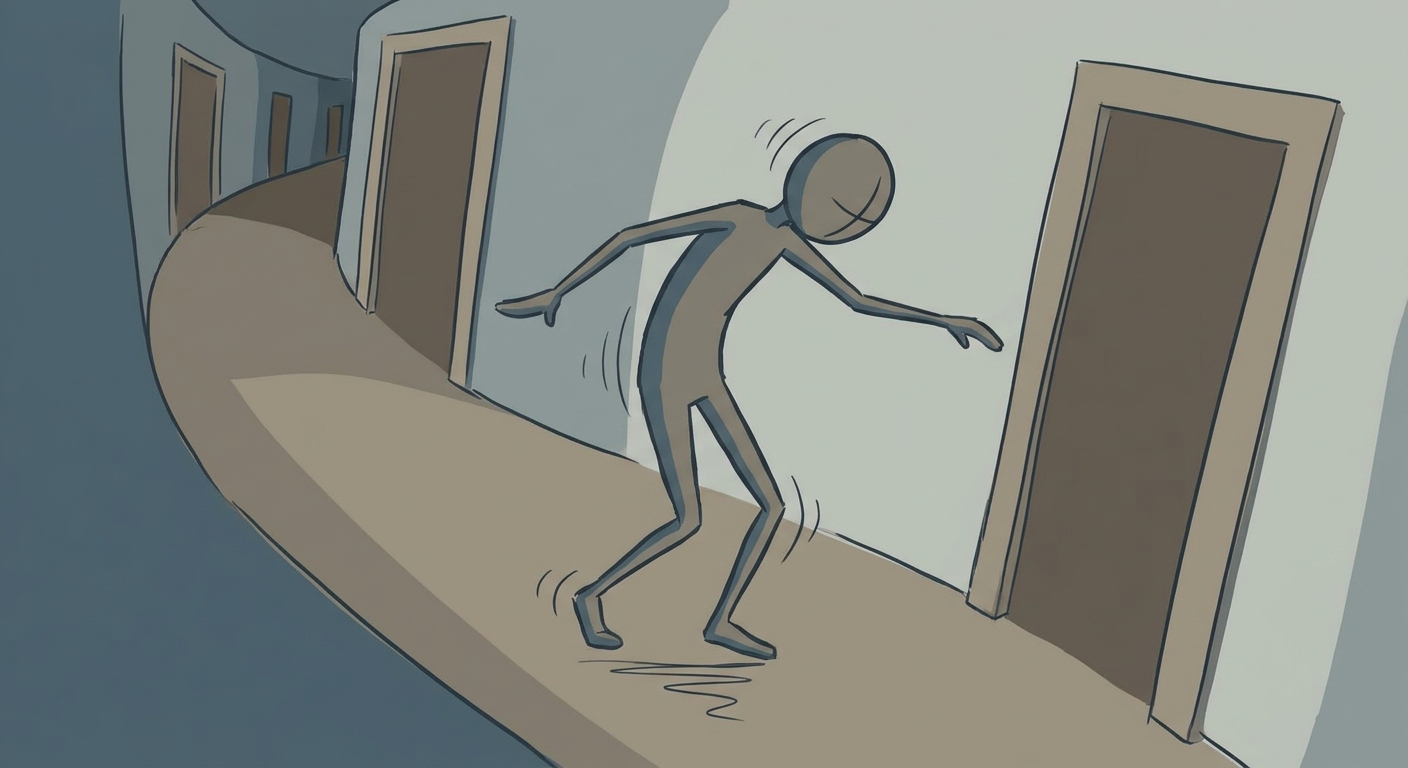
Vertigo, Dizziness, and Balance Issues: Many people notice brief spinning episodes, especially with head movement, straining, or changes in altitude. Unsteadiness while walking is also common. For a broader look at related inner-ear problems, see this guide to inner-ear balance disorders (https://sleepandsinuscenters.com/blog/inner-ear-balance-disorders-causes-symptoms-treatment-guide).
How These Symptoms Mimic Ménière’s Disease, Vestibular Neuritis, and Labyrinthitis: The combination of hearing loss, tinnitus, fullness, and vertigo closely resembles Ménière’s disease. Isolated dizziness can look like vestibular neuritis or labyrinthitis. This overlap is the main reason a perilymph fistula is often missed or diagnosed late (Situkho et al., 2024; Cleveland Clinic, 2022).
Overlapping features underscore why a detailed history remains essential for accurate sorting of inner-ear complaints.
Why Perilymph Fistula Is Commonly Misdiagnosed or Diagnosed Late
No single, universally reliable test confirms a perilymph fistula. Symptoms overlap with far more common vestibular disorders, and even direct visualization during surgery—the traditional gold standard—has uncertain accuracy. As a result, patients may receive treatment for another condition first, delaying recognition of the leak.
Combining clinical suspicion with specialized testing helps reduce diagnostic delays.

How Doctors Diagnose Perilymph Fistula
Clinicians rely on a combination of information rather than one definitive result.
Detailed History of a Triggering Event: A clear story of recent trauma, barotrauma, or surgery raises suspicion even when tests are inconclusive.
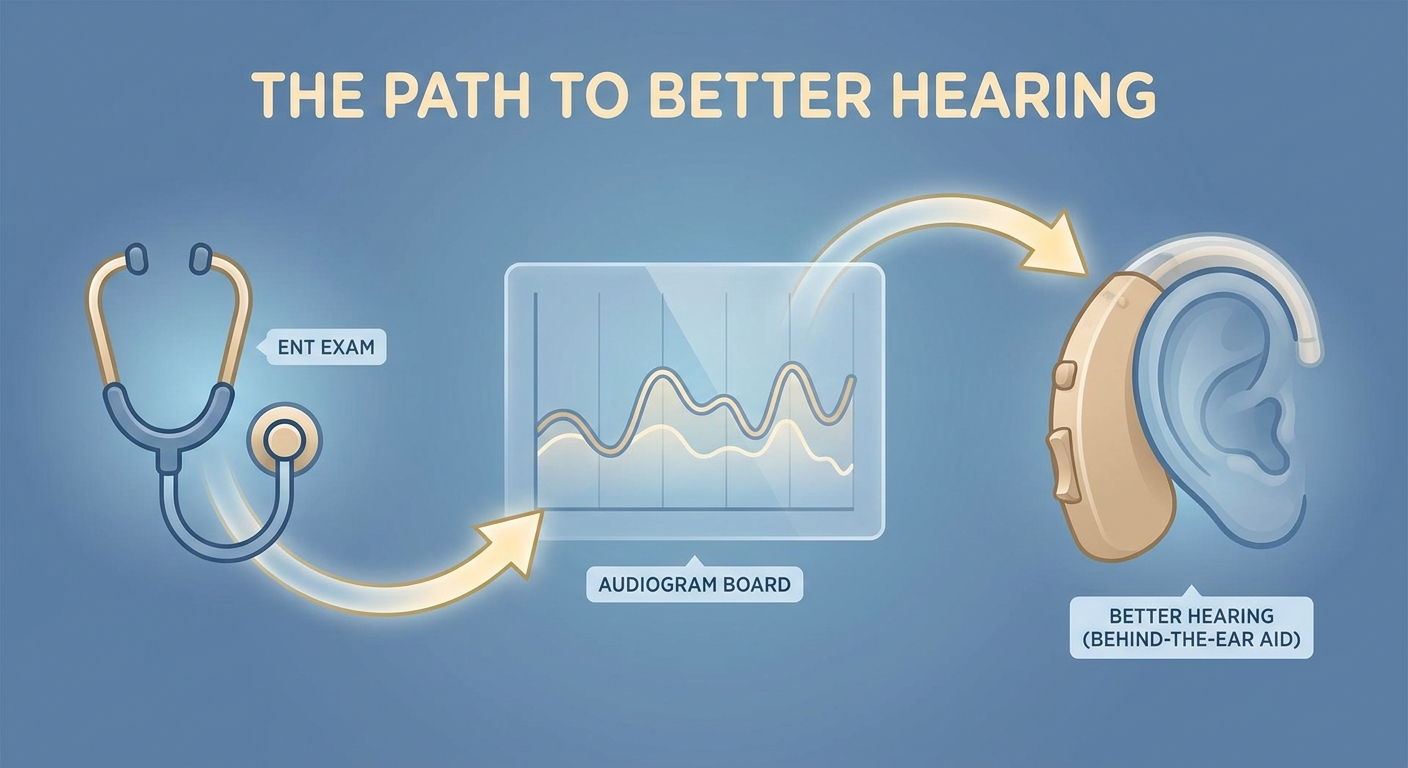
Hearing Tests (Audiology) and Vestibular/Balance Testing: An audiogram typically shows sensorineural hearing loss on the affected side. Vestibular tests look for imbalance or abnormal eye movements. Audiogram basics (https://sleepandsinuscenters.com/blog/audiogram-basics-explained-a-patients-guide-to-hearing-tests) can help patients understand what these tests measure.
High-Resolution Imaging (CT/MRI): CT or MRI scans may reveal fluid in the middle ear, a defect near the windows, or other clues, although many fistulas remain invisible on imaging.
Fluid Biomarkers (When Used): In some cases, fluid collected from the middle ear is tested for proteins normally found only in perilymph, such as beta-2 transferrin, beta-trace protein, or cochlin-tomoprotein (Situkho et al., 2024; Sarna et al., 2020).
No isolated finding is conclusive, so the overall clinical picture guides next steps.
Treatment Options for Perilymph Fistula
Care usually begins with non-surgical measures and proceeds to surgery only when needed.
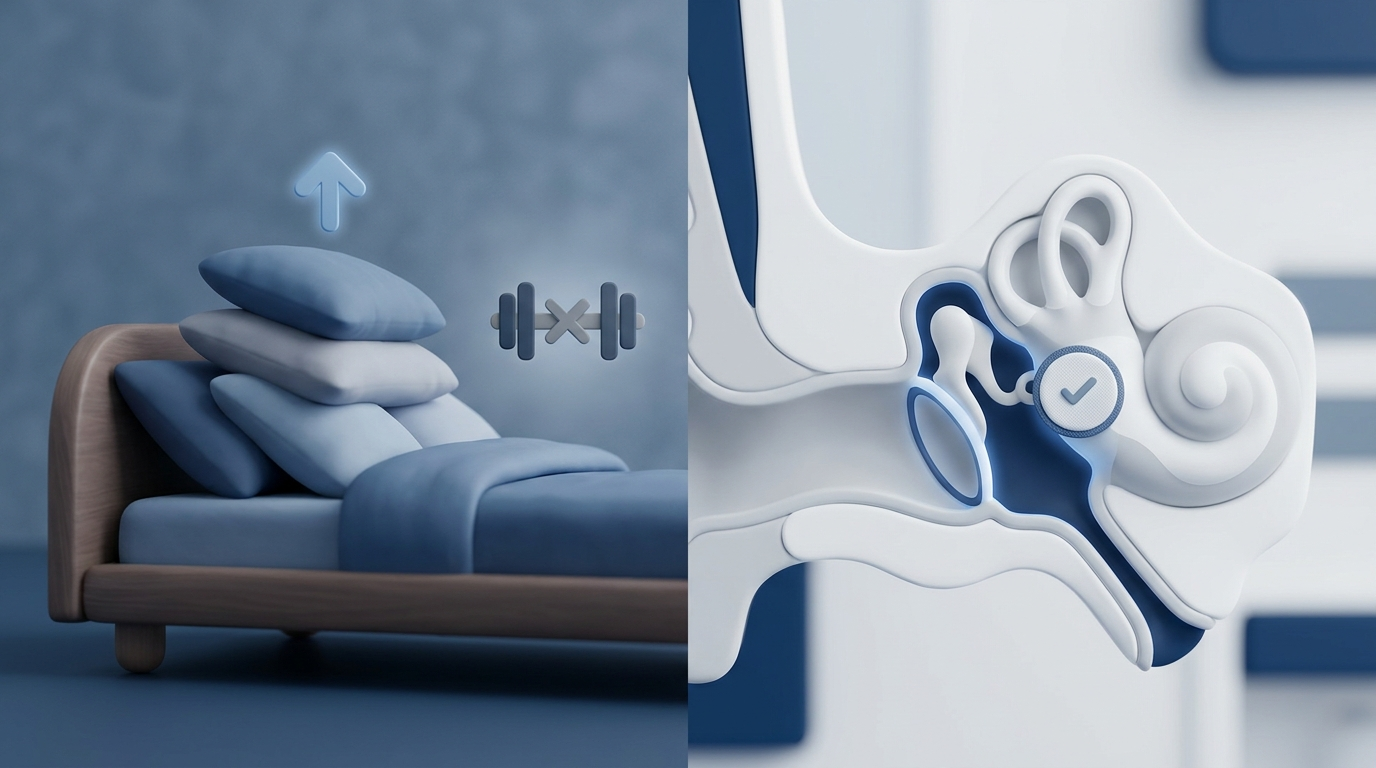
Conservative (First-Line) Management: Rest and Pressure Avoidance: Patients are typically advised to keep the head elevated, rest, and avoid straining, heavy lifting, bending, or activities that raise inner-ear or intracranial pressure. These steps give the membranes a chance to heal on their own and should be followed only under a physician’s guidance.
When Surgery Is Recommended: Surgery is more strongly considered when there is a known traumatic or surgical cause, or when symptoms persist despite rest. The procedure usually involves exploring the middle ear and sealing any identified leak with tissue grafts.
Expected Results After Treatment: Balance and dizziness symptoms improve more consistently than hearing. Reviews report vestibular improvement in roughly 80–95% of surgical cases, while hearing improvement occurs in 20–49% (StatPearls, 2025; Sarna et al., 2020).
Individual responses vary, so ongoing specialist follow-up remains important.

Recovery, Outlook, and Lifestyle Tips After Perilymph Fistula
After conservative care or surgery, most people gradually resume normal activity while continuing to avoid sudden pressure changes, heavy lifting, and straining. Vestibular symptoms tend to settle more completely than hearing loss, so follow-up hearing tests and balance checks are important. Regular visits with an ENT specialist help monitor progress and catch any recurrence. Simple habits such as sleeping with the head slightly raised and pausing before lifting groceries can support healing when guided by a physician.
Consistent monitoring and activity modifications help protect inner-ear stability during recovery.
When to See an ENT Specialist for Possible Perilymph Fistula
Sudden hearing loss plus vertigo after head trauma, a flight, a dive, or ear surgery are red-flag combinations that warrant prompt evaluation. An ENT can piece together history and testing to determine whether a perilymph fistula is likely. Schedule an appointment (https://sleepandsinuscenters.com/appointments) today or explore comprehensive otolaryngology care (https://sleepandsinuscenters.com/comprehensive-otolaryngology-care) for inner-ear concerns. Book a visit at Sleep and Sinus Centers so a specialist can review your symptoms in person.
Frequently Asked Questions About Perilymph Fistula
Can a perilymph fistula heal on its own?
Some small leaks close with rest and pressure avoidance, especially when there is no large traumatic defect. Persistent symptoms often lead to surgical exploration (Cleveland Clinic, 2022).
How is it different from Ménière’s disease?
Both can cause fluctuating hearing loss, tinnitus, fullness, and vertigo. A perilymph fistula is typically linked to a triggering event and a physical leak, whereas Ménière’s disease involves episodic fluid buildup inside the inner ear without an external tear (Sarna et al., 2020).
What is the success rate of surgery?
Vestibular symptoms improve in 80–95% of patients after surgical repair, while hearing improvement occurs in 20–49% (StatPearls, 2025).
Can flying or diving cause it again?
Repeated barotrauma can theoretically reopen a repaired or healed fistula. Patients are usually advised to discuss future flying or diving plans with their ENT.
Conclusion
A perilymph fistula is uncommon, yet it is important to consider whenever hearing loss, tinnitus, and dizziness appear after trauma, pressure change, or ear surgery. Because no single test is definitive, the combination of history and specialized testing remains essential. Professional evaluation rather than self-diagnosis offers the best path to appropriate care. If these symptoms sound familiar, consider booking an ENT visit to discuss next steps.
This article is for educational purposes only and is not medical advice. Please consult a qualified healthcare provider for diagnosis and treatment.
Don’t let allergies slow you down. Schedule a comprehensive ENT and allergy evaluation at Sleep and Sinus Centers of Georgia. We’re here to find your triggers and guide you toward lasting relief.