
Parotid Gland Swelling: Causes, Symptoms, and ENT Treatment Options
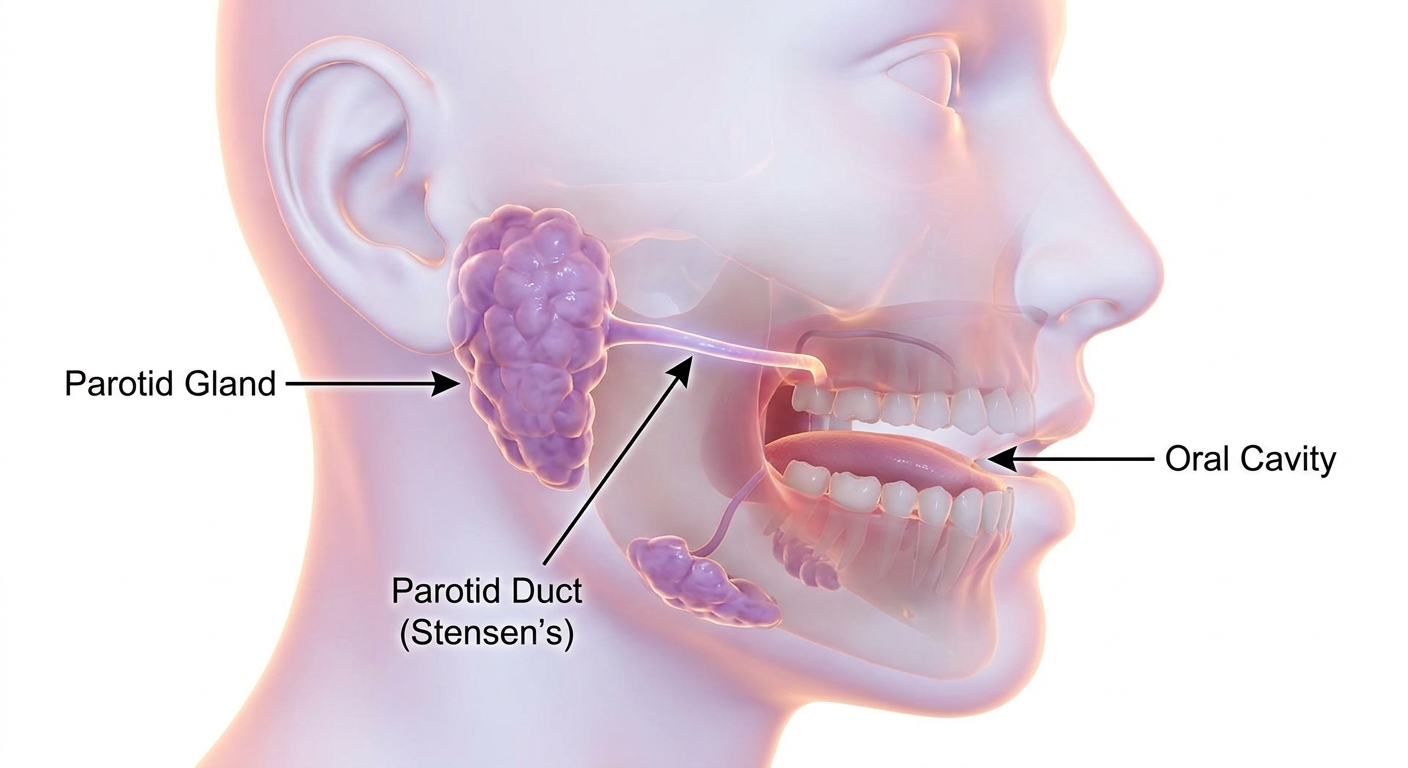
The parotid glands are the largest salivary glands in the body. They sit in front of and just below each ear, producing much of the saliva that keeps your mouth moist and starts digestion. Parotid gland swelling, often called parotitis, can appear suddenly with pain or develop slowly as a lump. Either way, it is understandably worrying. The encouraging news is that many cases are treatable once the cause is identified.
Common triggers include infection, a blocked salivary duct, autoimmune conditions, dehydration, dental issues, or, less frequently, a tumor. Think of each gland as a small, hardworking factory whose product—saliva—must flow through a narrow pipe. When that pipe backs up, pressure and swelling follow. An ENT specialist can evaluate the problem thoroughly and match treatment to the specific cause. This article explains what to watch for, how diagnosis typically proceeds, and the range of options available, drawing on information from the Cleveland Clinic and Johns Hopkins Medicine. Understanding parotid gland swelling helps you know when professional care makes sense.
Recognizing the signs early allows for simpler, more effective care.
What Is the Parotid Gland and Why Does It Swell?
The two parotid glands lie on either side of the face. Each has a main duct (Stensen’s duct) that carries saliva into the mouth near the upper molars. Saliva is produced continuously and increases with eating. Healthy flow washes the mouth, aids chewing and swallowing, and protects teeth. In a typical day the glands can release a pint or more of fluid, much like a quiet stream that swells after rain.
When saliva cannot drain freely—because of dehydration, inflammation, or a physical blockage—fluid and pressure build inside the gland. The result is visible or palpable swelling, similar to a dammed creek that overflows its banks. Reduced flow also lets bacteria multiply more easily, which can turn a simple blockage into an infection. Even a few hours of poor hydration, such as after a long flight or a bout of stomach flu, can slow the current enough to cause trouble.
Interrupted saliva flow naturally leads to noticeable swelling and discomfort.
Common Causes of Parotid Gland Swelling
Parotid gland swelling has several possible origins. An ENT evaluation helps distinguish among them.
Viral and bacterial infections: Viral infections such as mumps (now less common thanks to vaccination) and bacterial infections, often involving Staphylococcus, can inflame the gland. Bacterial parotitis frequently produces fever, redness, tenderness, and sometimes foul-tasting pus draining into the mouth. These signs help differentiate infection from other causes. A classic example is an older adult who becomes dehydrated after surgery and then develops a tender, warm swelling overnight.
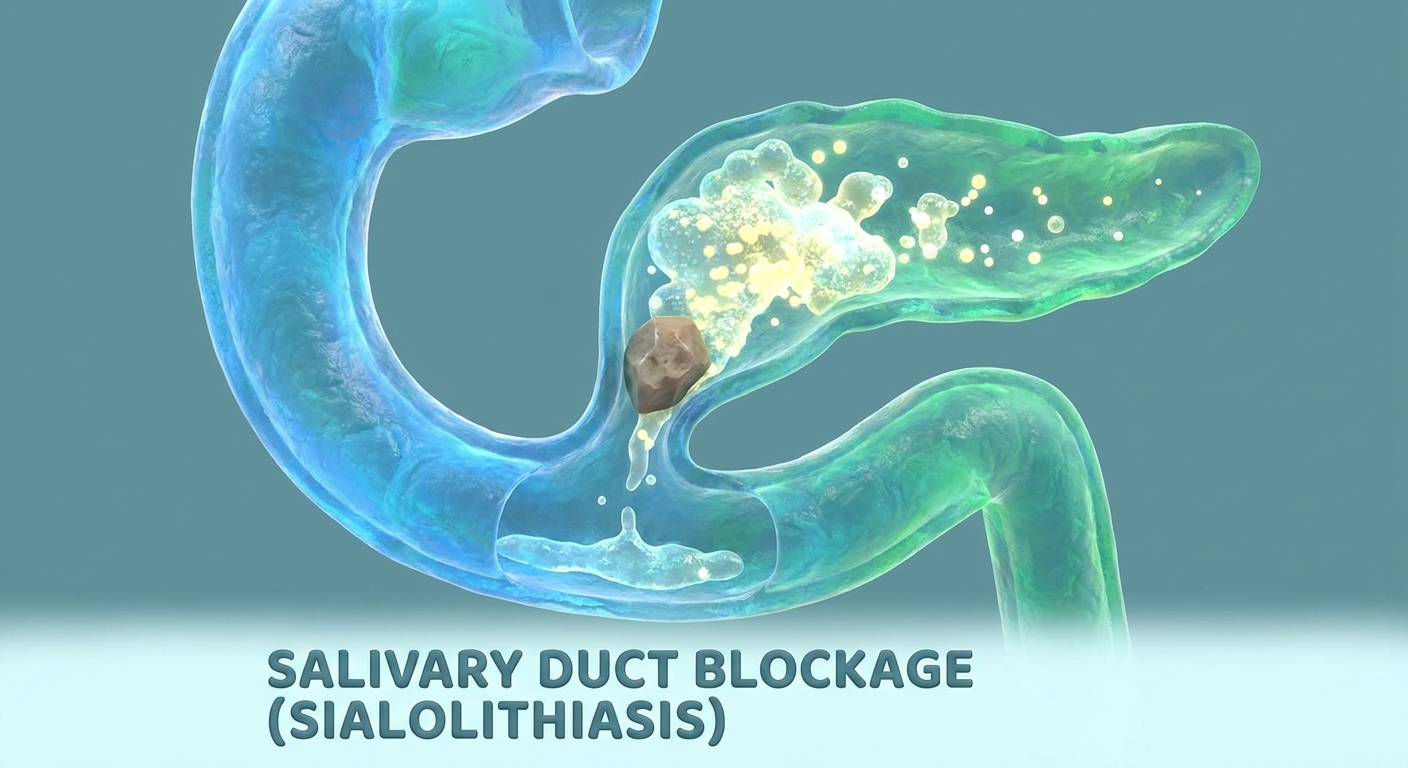
Blocked salivary ducts and stones (sialolithiasis): Salivary stones or duct narrowing prevent saliva from exiting. Pain and swelling that intensify during meals are classic, because eating stimulates extra saliva that cannot escape—rather like traffic jamming at rush hour. Stones can be as small as a grain of sand yet still obstruct the narrow duct.
Autoimmune conditions such as Sjögren syndrome: In Sjögren syndrome the immune system attacks moisture-producing glands. Dry mouth and periodic or persistent parotid swelling can result. This chronic inflammation requires medical management rather than simple infection treatment, and swelling often comes and goes over months.
Dental problems, dehydration, or reduced saliva flow: Poor oral hygiene, nearby dental infection, or not drinking enough water can slow saliva production or allow bacteria to enter the ducts. These are common, often reversible contributors, especially in older adults or people taking certain medications that dry the mouth.
Benign or malignant tumors: Most lumps in the parotid area are benign (for example, pleomorphic adenomas). Malignant tumors are less common. Rapid growth, facial numbness, or weakness of facial muscles are red flags that need prompt assessment. A slow-growing, painless marble-sized bump noticed while shaving is more typical of a benign growth than of an acute infection.
Pinpointing the exact cause through professional evaluation is the foundation of successful treatment.

Symptoms of Parotid Gland Swelling: What to Watch For
Symptoms vary with the cause and help guide next steps.
Painful, tender swelling with fever, redness, or foul-tasting drainage: These point toward infection or acute obstruction. The area may feel warm and you might have trouble chewing.
Meal-related worsening: Pain or swelling that flares while eating or thinking about food is typical of stones or duct blockage. The extra saliva production acts like a sudden flood hitting a clogged drain.
Persistent, painless, or slowly growing lump: A firm lump that does not come and go raises concern for a tumor. Facial weakness or numbness is a particular red flag. Swelling in the face or neck can sometimes involve nearby lymph nodes as well; see also ENT help for swollen lymph nodes in the neck: https://sleepandsinuscenters.com/blog/ent-help-for-swollen-lymph-nodes-in-the-neck
Difficulty opening the mouth or dry mouth as associated signs: Trismus (limited jaw opening) can accompany infection or inflammation. Dry mouth may accompany autoimmune disease or dehydration and often feels like cotton inside the cheeks.
Noticing these patterns can help you seek the right care at the right time.
When to See an ENT Specialist
Seek prompt evaluation if you have fever together with swelling, facial weakness or numbness, a lump that lasts more than a couple of weeks, or repeated episodes. Recurrent parotid gland swelling or any persistent change deserves professional attention rather than watchful waiting.
An ENT (otolaryngologist) is the specialist trained in salivary-gland anatomy, endoscopy, and both medical and surgical care of these problems. A comprehensive evaluation can include the full range of tests and treatments needed. Learn more about comprehensive otolaryngology care: https://sleepandsinuscenters.com/comprehensive-otolaryngology-care
If symptoms match any of the red flags above, consider scheduling a visit: https://sleepandsinuscenters.com/appointments Early assessment often means simpler treatment.
Timely ENT evaluation often leads to quicker relief and fewer complications.
How an ENT Diagnoses Parotid Swelling
Physical exam, duct massage, and culture of any drainage: The physician inspects and palpates the gland, may massage the duct to express saliva or pus, and can send a sample for culture if infection is suspected. The exam is usually quick and helps decide whether imaging is needed that same day.
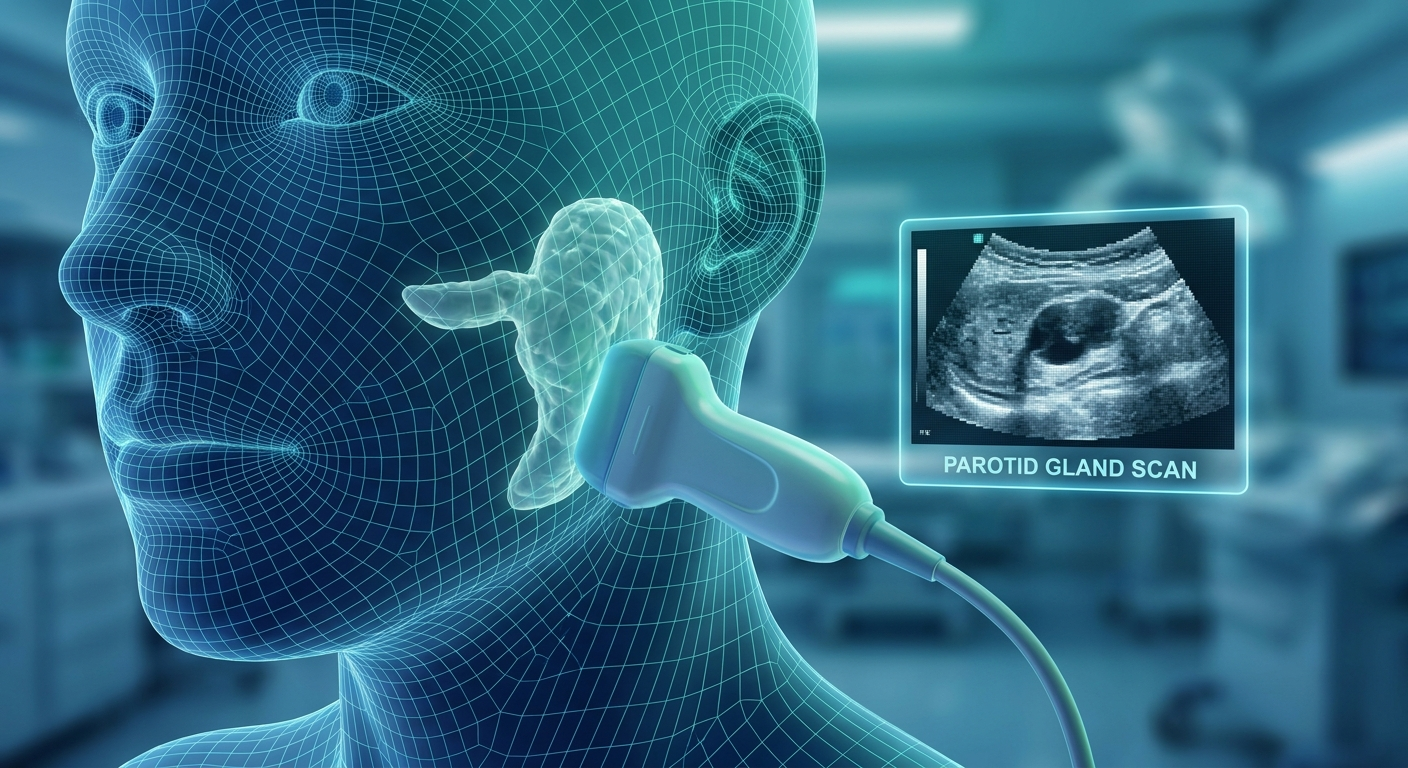
First-line imaging — ultrasound; when CT or MRI is used: Ultrasound is often the initial, radiation-free look at the gland, stones, or masses. CT or MRI may be added for deeper anatomy, suspected tumors, or surgical planning.
Biopsy when a tumor or unclear cause is suspected: Fine-needle or other biopsy techniques help determine whether a mass is benign or malignant when imaging is inconclusive. The needle is thin and the procedure is typically done in the office.
Accurate diagnosis through exam and imaging paves the way for targeted treatment.

ENT Treatment Options Based on the Cause
Treatment is always tailored to the diagnosis.
Supportive home measures: Hydration, warm compresses, gentle gland massage, and sour candies or lemon drops to stimulate saliva flow can ease milder obstruction or inflammation. Over-the-counter pain relief may help discomfort. These steps support recovery but do not replace evaluation when infection or a mass is possible.
Antibiotics for bacterial infection: Culture-guided or empiric antibiotics are used when bacterial sialadenitis is confirmed. Most patients feel improvement within a day or two once the right medicine is started.
Minimally invasive options — sialendoscopy or stone removal: Sialendoscopy uses a tiny endoscope to look inside the duct, flush debris, and remove stones. It often avoids open surgery and can be performed on an outpatient basis.
Abscess drainage if needed: If an abscess forms, it may require needle or surgical drainage in addition to antibiotics. Relief of pressure is usually immediate.
Surgery (and possible radiation/chemotherapy) for selected tumors: Benign tumors are typically removed surgically. Malignant tumors may need additional radiation or chemotherapy depending on type and stage. Most people recover well after parotid surgery when it is planned by an experienced ENT team.
Cause-specific treatment from an ENT specialist offers the most reliable path to recovery.
Lifestyle Tips to Support Salivary Gland Health
Stay well hydrated, maintain good oral hygiene, and chew sugar-free gum to encourage saliva. Avoid smoking, which reduces salivary flow. Manage dry mouth with sips of water or saliva substitutes if recommended by a clinician. Brushing twice daily and flossing help keep bacteria from traveling up the ducts. These habits support gland health but are not a substitute for care when swelling, pain, or a lump persists.
Daily habits like these help keep salivary glands functioning smoothly.
Frequently Asked Questions
Q: Is parotid swelling always an infection? A: No. Infection is common, especially when fever and pus are present, but stones, autoimmune disease, and tumors can look similar.
Q: Can it go away on its own? A: Mild swelling from dehydration may improve with fluids and massage, but recurrent or persistent problems usually need diagnosis so the cause can be treated.
Q: What’s the difference between a stone and a tumor? A: A stone typically causes meal-related pain and fluctuating swelling, while a tumor more often presents as a persistent, painless lump.
Q: Is sialendoscopy painful or does it require hospital stay? A: It is generally well tolerated with local or light anesthesia and is frequently an outpatient procedure.
Q: When should I worry about cancer? A: Rapid growth, facial-nerve weakness or numbness, or a firm lump that does not resolve should be evaluated promptly; most parotid masses are still benign.
Conclusion
Most cases of parotid gland swelling are treatable once the cause—whether infection, blockage, autoimmune inflammation, or a mass—is identified. Persistent lumps, facial weakness, fever with swelling, or repeated episodes should not be ignored. Sleep & Sinus Centers of Georgia offers comprehensive ENT evaluation and a full spectrum of salivary-gland care. To discuss your symptoms with a specialist, schedule an appointment: https://sleepandsinuscenters.com/appointments Early attention often leads to simpler, more comfortable solutions.
This article is for educational purposes only and is not a substitute for professional medical advice, diagnosis, or treatment. Always consult a qualified healthcare provider about any concerning symptoms.
Don’t let allergies slow you down. Schedule a comprehensive ENT and allergy evaluation at Sleep and Sinus Centers of Georgia. We’re here to find your triggers and guide you toward lasting relief.