Otosclerosis: Hereditary Hearing Loss Causes, Symptoms, and Treatment
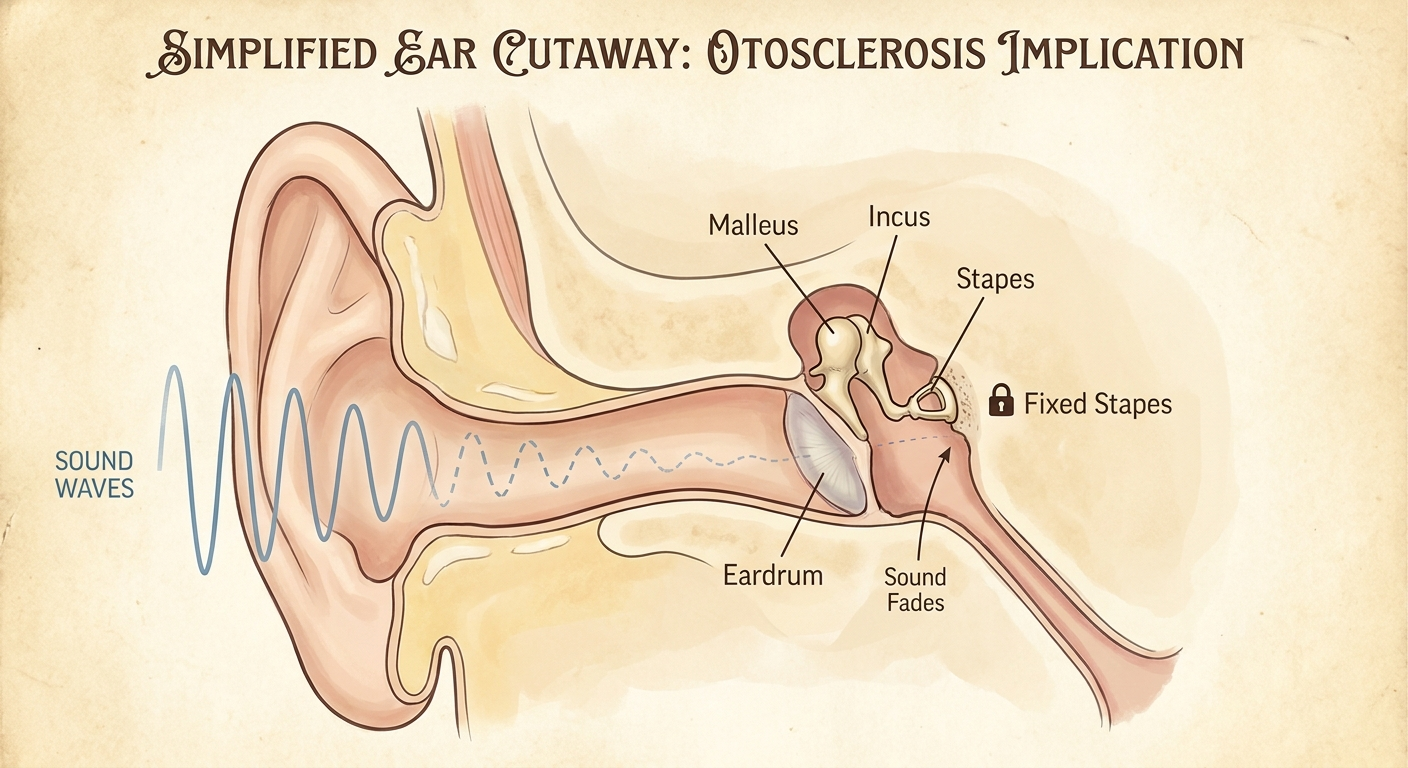
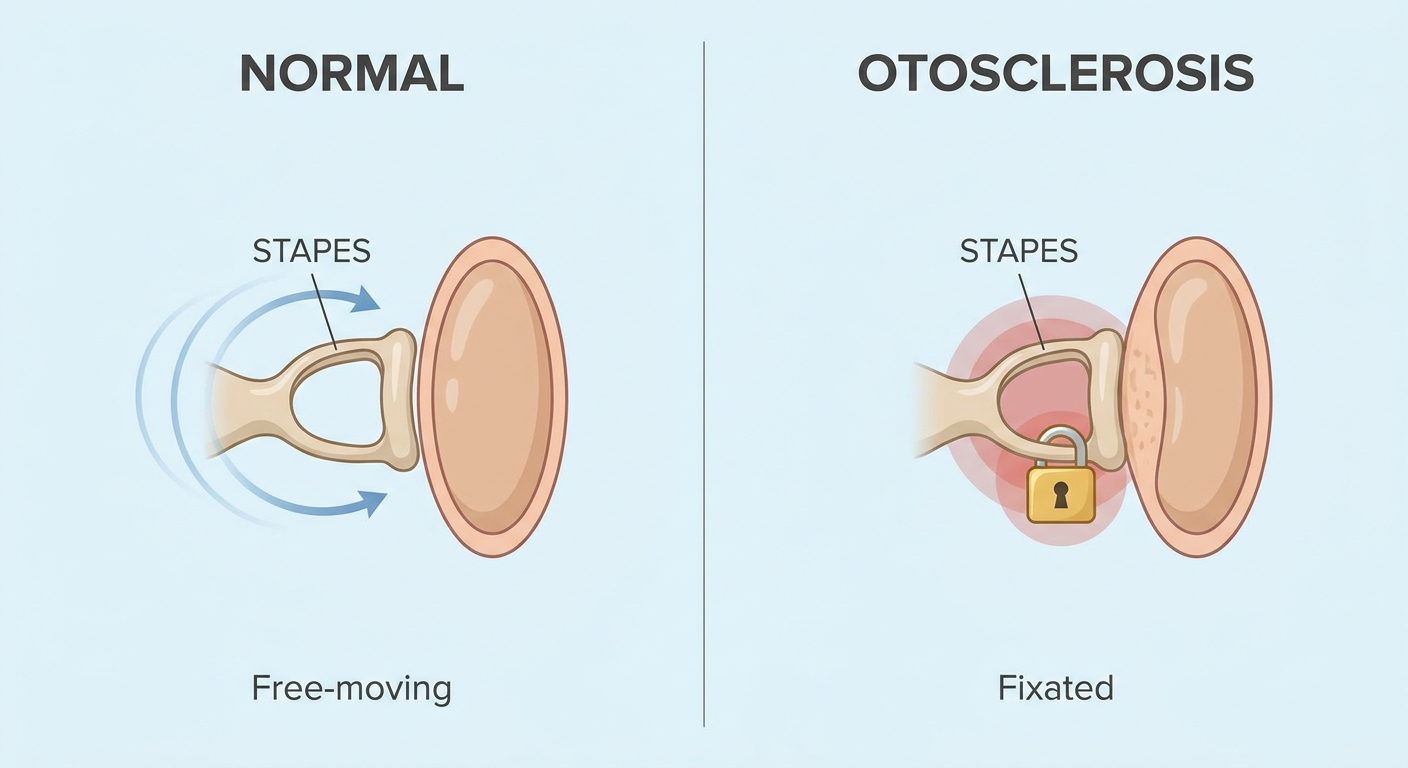
Otosclerosis is a progressive middle-ear bone disorder that often begins in adulthood. It can lead to gradual hearing loss, tinnitus (ringing or buzzing in the ears), and sometimes balance issues. Picture the middle ear as a delicate chain of three tiny bones that pass sound vibrations along like a set of levers. When abnormal bone growth occurs, it typically locks the last bone—the stapes—in place, muffling sound before it ever reaches the inner ear.
The condition frequently runs in families, yet inheritance is typically complex rather than a simple one-parent-to-child guarantee. This guide covers what otosclerosis is, its genetic and other contributing factors, common symptoms, how it is diagnosed, treatment options such as hearing aids and stapes surgery, and practical next steps. Information draws from the National Institute on Deafness and Other Communication Disorders (NIDCD/NIH, 2022) and NHS guidance. If you notice gradual hearing changes or have a family history of similar issues, an ENT evaluation can clarify the picture. Learn more about comprehensive otolaryngology care: https://sleepandsinuscenters.com/comprehensive-otolaryngology-care or schedule an appointment: https://sleepandsinuscenters.com/appointments. Booking a visit is a straightforward first step toward clearer hearing.
What Is Otosclerosis?
Otosclerosis involves abnormal bone remodeling in the middle ear. In healthy bone, old tissue is steadily broken down and rebuilt in a balanced cycle. Here the process goes awry and produces extra bone that most often fixes the stapes (the tiny stirrup-shaped bone, smaller than a grain of rice) so it cannot vibrate freely. Sound waves then have trouble reaching the inner ear, much like trying to play a piano with a stuck key. The result is usually gradually worsening conductive hearing loss that appears in adulthood (NIDCD, 2022; MedlinePlus).
How Otosclerosis Affects Hearing
Hearing loss from this condition is often conductive, meaning sound is blocked on its way through the middle ear. Sound travels through air, vibrates the eardrum, and then moves the ossicle chain; when the stapes is immobile, that vibration simply stops. Sometimes the loss becomes mixed, involving both conductive and inner-ear (sensorineural) components if bone overgrowth also affects the cochlea. Many people first notice the change in one ear before the other is affected—often realizing they need the television louder or must ask others to repeat themselves. Otosclerosis commonly causes conductive hearing loss: https://sleepandsinuscenters.com/blog/what-is-conductive-hearing-loss-understanding-causes-symptoms-and-treatment.
Recognizing these hearing changes early can lead to better management outcomes.
Is Otosclerosis Hereditary? Causes and Genetic Factors
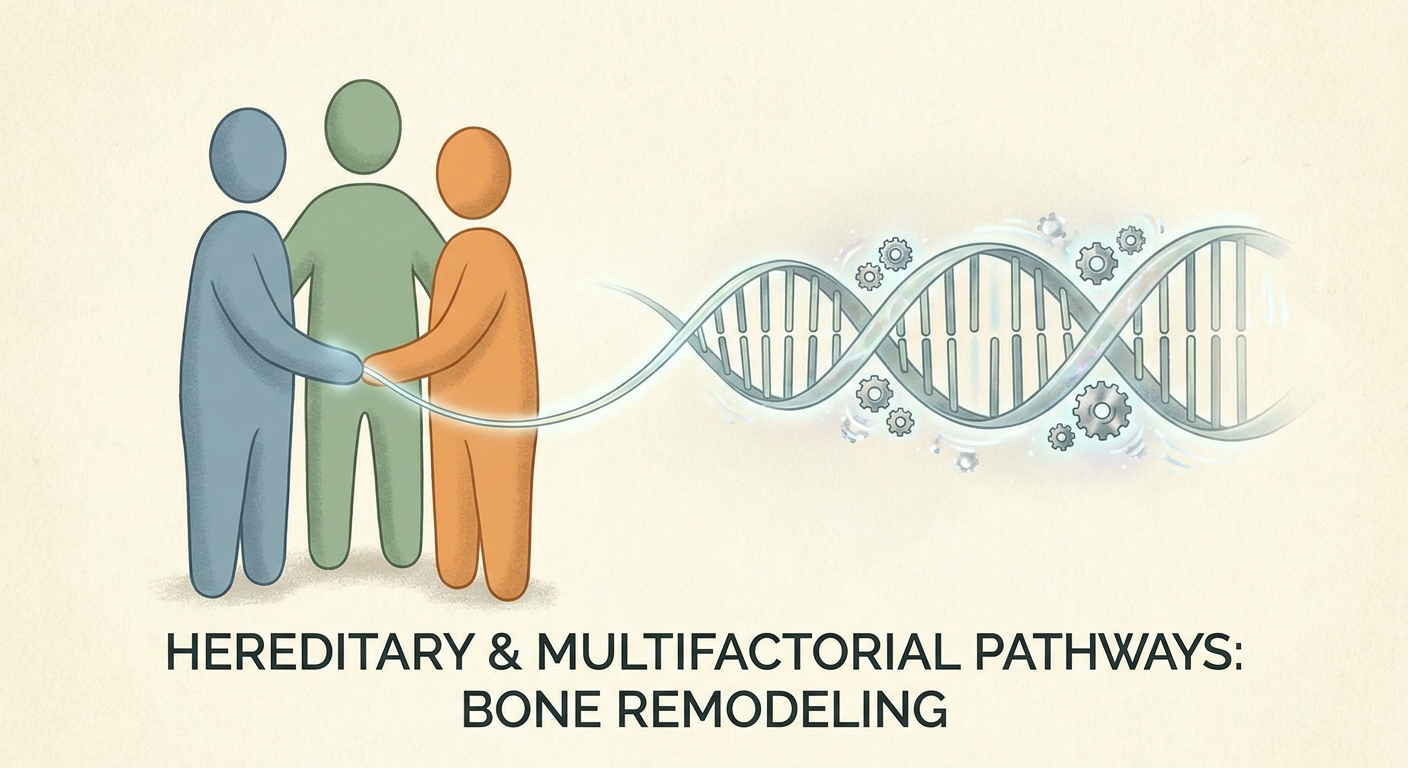
Otosclerosis genuinely tends to run in families: roughly 50–60 percent of patients report a positive family history. Many cases, however, appear sporadic. Inheritance is usually multifactorial—several genes plus possible environmental influences—rather than a straightforward Mendelian pattern.
A genome-wide study identified 27 susceptibility loci (23 of them novel) tied to bone remodeling, mineralization, and TGF-beta signaling pathways (Nature Communications GWAS). These pathways govern how bone cells behave, so small variations can tilt the balance toward abnormal growth. Additional research continues to map this genetic landscape (Capobianco et al.). Other factors sometimes discussed include hormonal changes and a historical measles-virus theory; neither is considered a proven cause for most people.
Who Is Most at Risk?
Onset is typical in the 20s to 40s, a stage of life when many notice hearing changes during work meetings or family gatherings. Women are affected more commonly than men, and the condition may worsen during pregnancy. A family history raises the likelihood. Adults with relatives who experienced similar adult-onset hearing loss may want to mention this during an ENT visit.
Awareness of family history and personal risk factors encourages timely medical consultation.
Symptoms of Otosclerosis
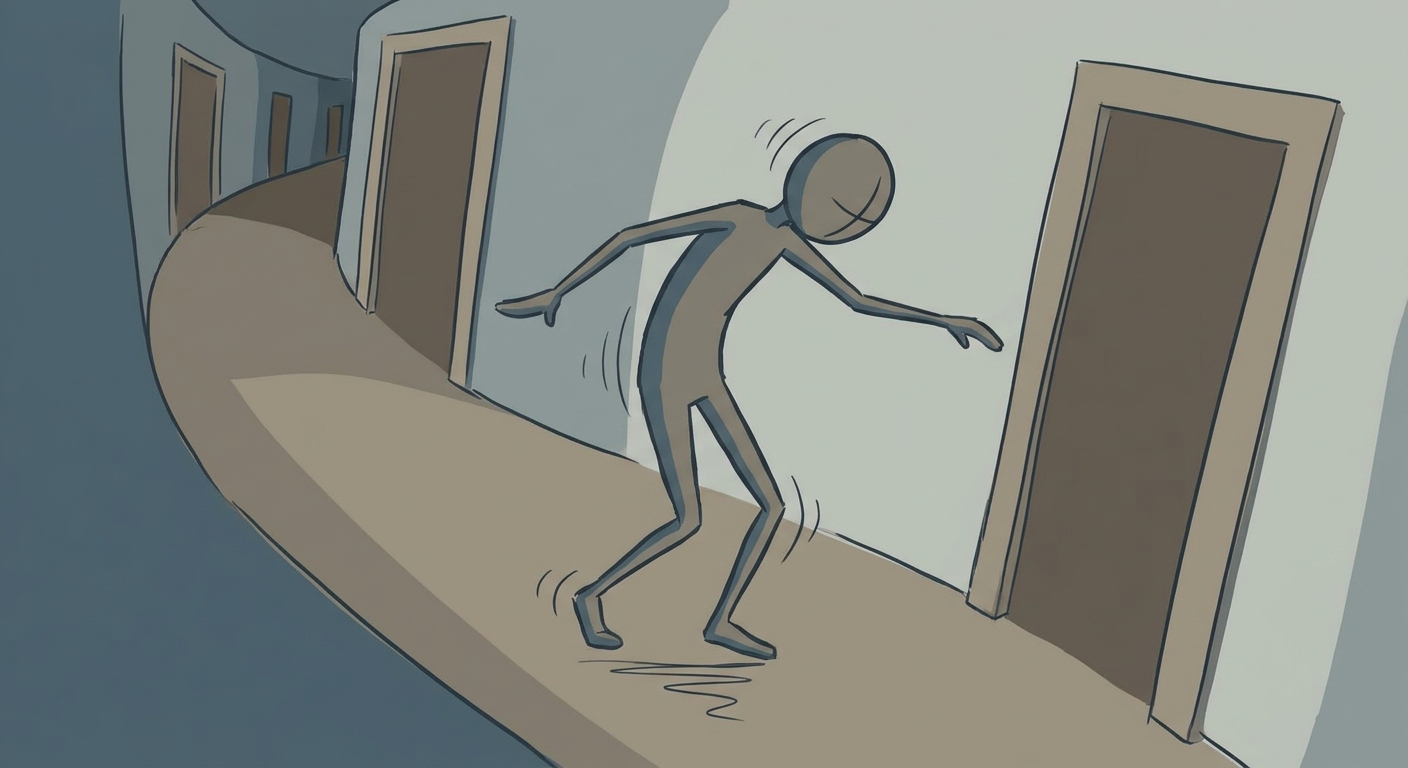
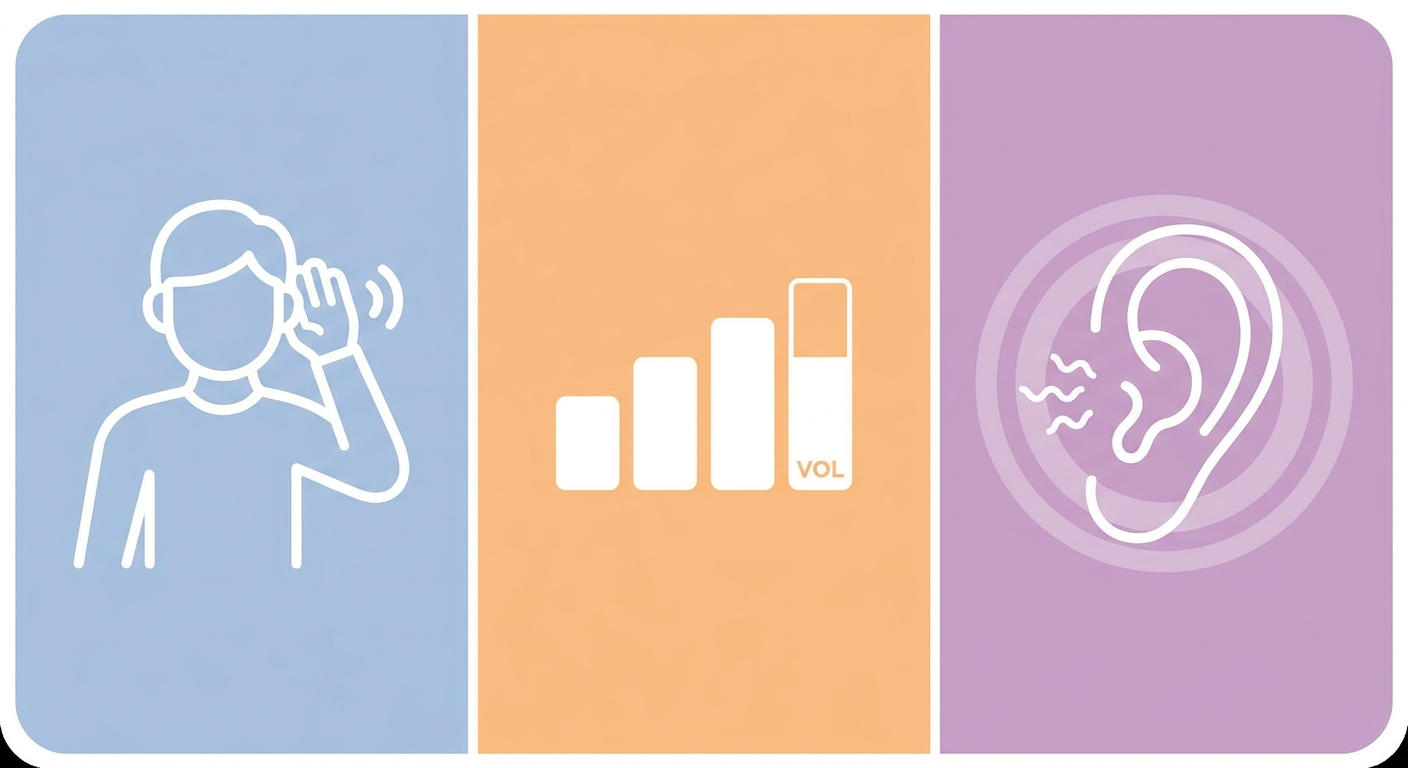
Common signs include gradual hearing loss that often starts in one ear and may later involve both, tinnitus: https://sleepandsinuscenters.com/blog/ent-care-for-tinnitus-relief-effective-treatments-and-tips, and dizziness or balance problems in some individuals. A classic but not universal feature is paracusis of Willis—hearing relatively better in noisy surroundings. Background noise prompts others to speak louder, and the conductive blockage does not filter that extra volume as inner-ear loss would (NHS; NIDCD, 2022).
When Symptoms Typically Begin and Progress
Symptoms usually appear in adulthood and worsen slowly over years, sometimes so gradually that people adapt without realizing how much they have lost until a formal hearing test. Progression varies from person to person; regular monitoring helps track changes.
Tracking symptom progression through regular check-ups is essential for effective care.
How Otosclerosis Is Diagnosed
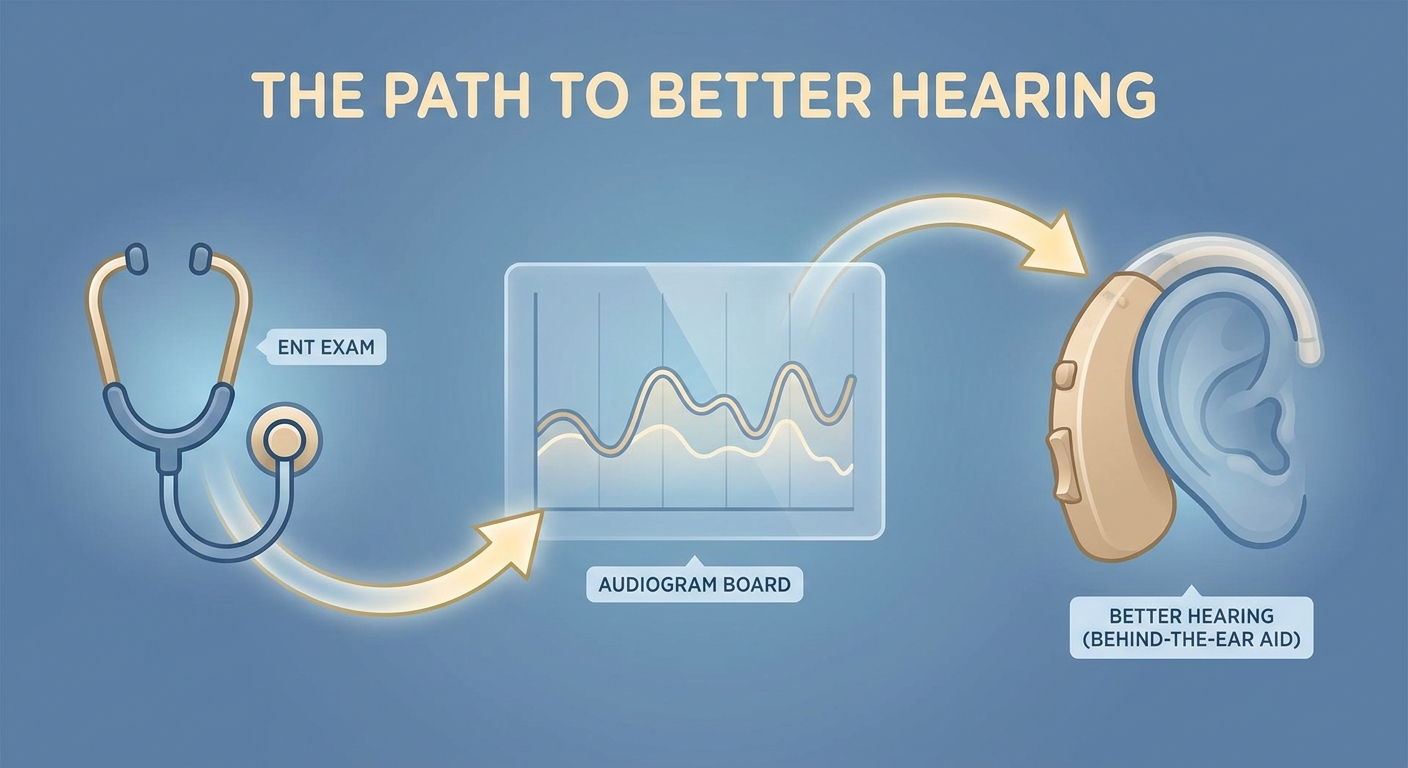
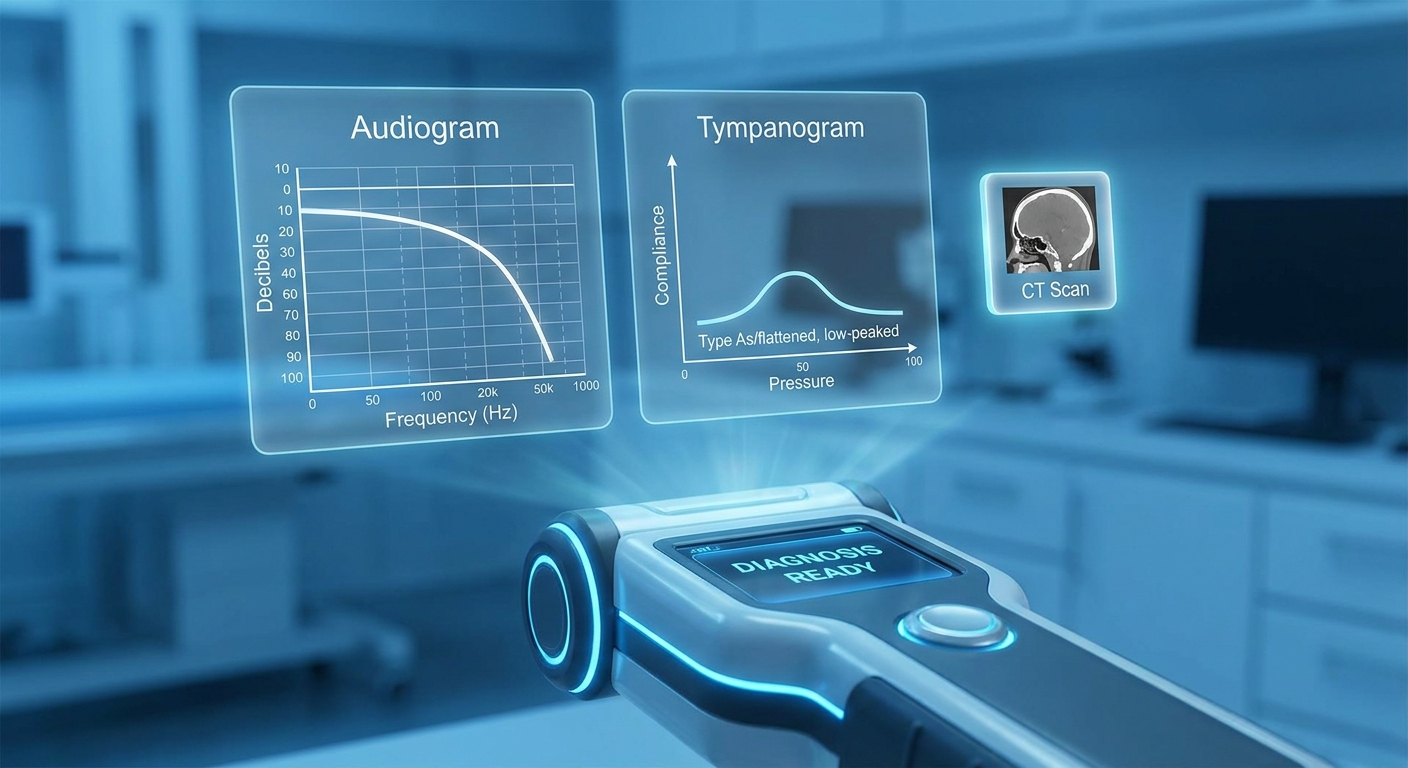
An ENT specialist typically starts with a hearing evaluation. An audiogram often shows conductive or mixed loss, and a tympanogram assesses middle-ear function. Otoscopy (looking in the ear) is usually normal, with no visible fluid or infection to explain the symptoms. CT imaging of the temporal bone is sometimes added for extra detail, especially if surgery is being considered (MedlinePlus; NIDCD, 2022). For a patient-friendly overview of testing, see this audiogram basics guide: https://sleepandsinuscenters.com/blog/audiogram-basics-explained-a-patients-guide-to-hearing-tests.
Accurate diagnosis by an ENT specialist is the foundation for choosing the right treatment path.
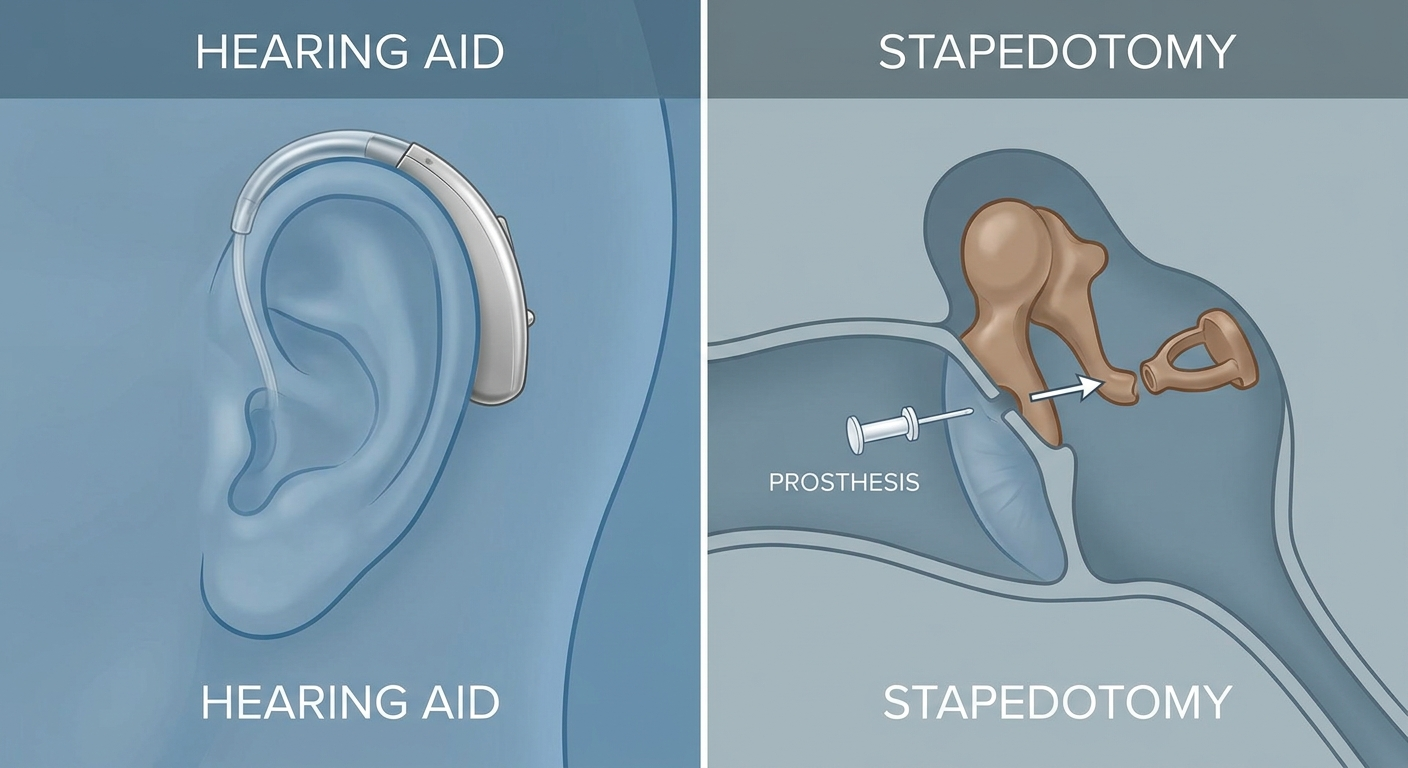
Treatment Options for Otosclerosis
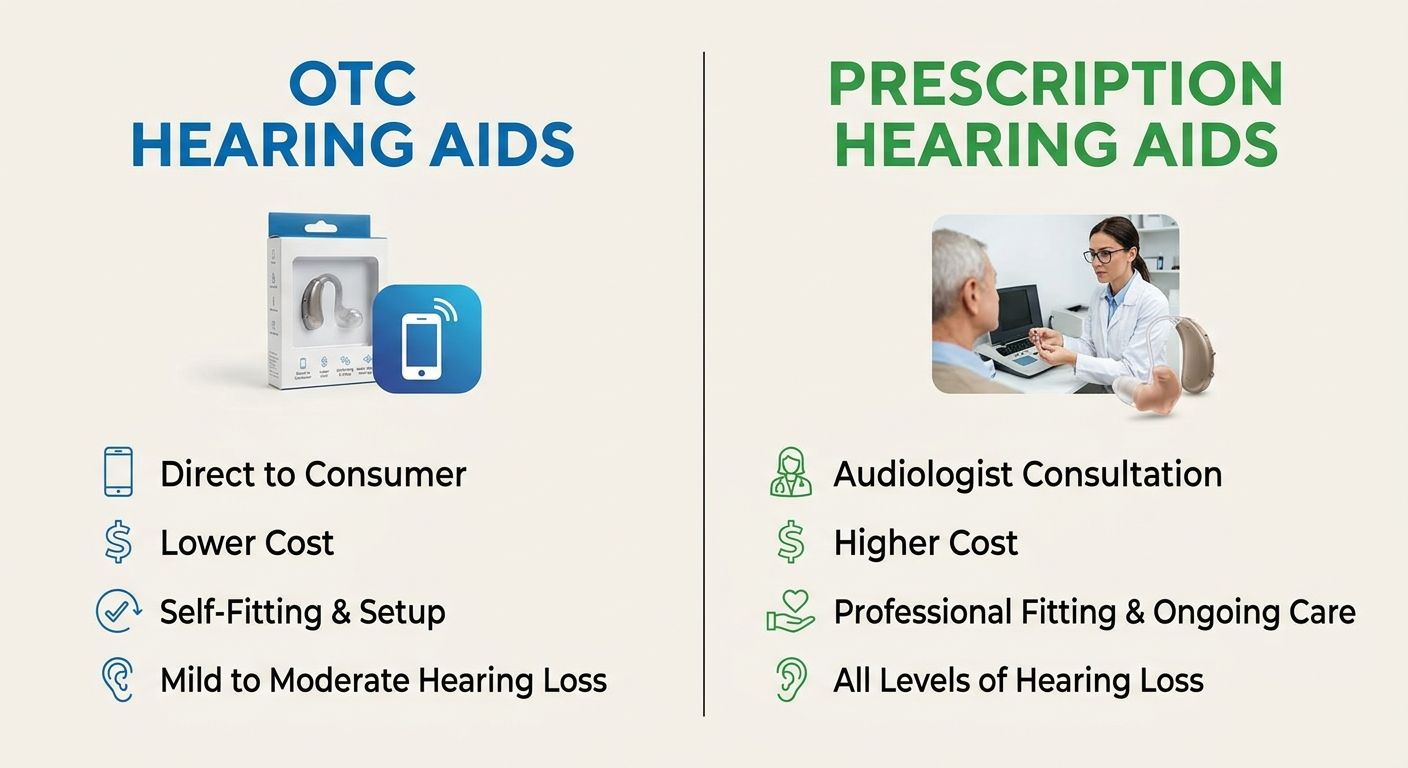
There is no treatment that completely stops the abnormal bone remodeling, yet hearing can often be improved substantially. Hearing aids amplify sound and help many people, though they do not halt disease progression. Surgery—stapedotomy or stapedectomy—bypasses or replaces the fixed stapes with a prosthesis and is frequently effective for conductive loss (NIDCD, 2022; NHS; MedlinePlus).
Surgery carries risks, including rare further hearing decline, temporary dizziness, taste changes, or incomplete improvement. Some patients still benefit from hearing aids afterward. Neither approach removes every limitation.
Hearing Aids vs. Surgery — How to Decide
Choice depends on the degree of loss, personal preference, surgical candidacy, and whether one or both ears are involved. Milder losses may be managed well with aids, while more significant conductive gaps often respond to surgery. An ENT can review options in the context of overall ear health. Otosclerosis commonly produces conductive hearing loss that may respond well to these approaches: https://sleepandsinuscenters.com/blog/what-is-conductive-hearing-loss-understanding-causes-symptoms-and-treatment.
What to Expect After Stapes Surgery
Recovery typically involves a period of rest, activity restrictions, and follow-up visits. Mixed hearing loss may remain, so hearing-aid use or additional monitoring is sometimes needed. Outcomes vary, and close aftercare supports the best possible result.
Discussing all options with your doctor ensures a personalized approach to restoring hearing.
Living with Otosclerosis and Practical Tips
Regular hearing checks help track any progression. Communication strategies (facing the speaker, reducing background noise) and tinnitus-management techniques can ease daily life. Protect remaining hearing by avoiding loud noise. Tips for protecting your hearing: https://sleepandsinuscenters.com/blog/concert-hearing-protection-tips-how-to-safeguard-your-ears-at-live-shows. Family members may wish to discuss the increased but not guaranteed genetic risk. No specific diet or supplement has been shown to reverse the bone changes; general ear-health habits remain the practical focus.
Proactive habits and professional support can significantly improve quality of life with otosclerosis.
Frequently Asked Questions About Otosclerosis
Q: Can otosclerosis skip generations?
A: Yes. Because inheritance is complex and multifactorial, it can appear to skip generations.
Q: Is it the same as age-related hearing loss?
A: No. Age-related (presbycusis) loss is typically sensorineural and occurs later; otosclerosis is a distinct middle-ear bone process that often begins earlier.
Q: Will my children get it?
A: Family history raises the risk, yet it is not certain that children will develop the condition (Capobianco et al.; NIDCD, 2022).
Q: Can it cause complete deafness?
A: This is rare. Most people remain candidates for hearing aids or surgery.
Q: Is genetic testing available?
A: Current testing is mainly research-oriented and not a routine clinical tool for most patients.
Conclusion
Otosclerosis is a treatable cause of hereditary-leaning adult hearing loss. Early evaluation by an ENT specialist allows timely discussion of hearing aids, stapes surgery, and monitoring. If you experience gradual hearing loss, tinnitus, or have a family history of similar issues, consider an assessment. Explore comprehensive otolaryngology care: https://sleepandsinuscenters.com/comprehensive-otolaryngology-care or request an appointment: https://sleepandsinuscenters.com/appointments to take the next step. You can also visit https://www.sleepandsinuscenters.com/ to book an appointment online.
Sources
NIDCD/NIH, 2022: https://www.nidcd.nih.gov/health/otosclerosis
NHS: https://www.nhs.uk/conditions/otosclerosis/
Nature Communications GWAS: https://www.nature.com/articles/s41467-022-32936-3
Capobianco et al.: https://pmc.ncbi.nlm.nih.gov/articles/PMC12180553/
MedlinePlus: https://medlineplus.gov/ency/article/001036.htm
This article is for educational purposes only and is not medical advice. Please consult a qualified healthcare provider for diagnosis and treatment.
Don’t let allergies slow you down. Schedule a comprehensive ENT and allergy evaluation at Sleep and Sinus Centers of Georgia. We’re here to find your triggers and guide you toward lasting relief.