One-Sided Tinnitus: When to Seek Emergency Care vs. When It’s Less Urgent (But Still Needs a Check)
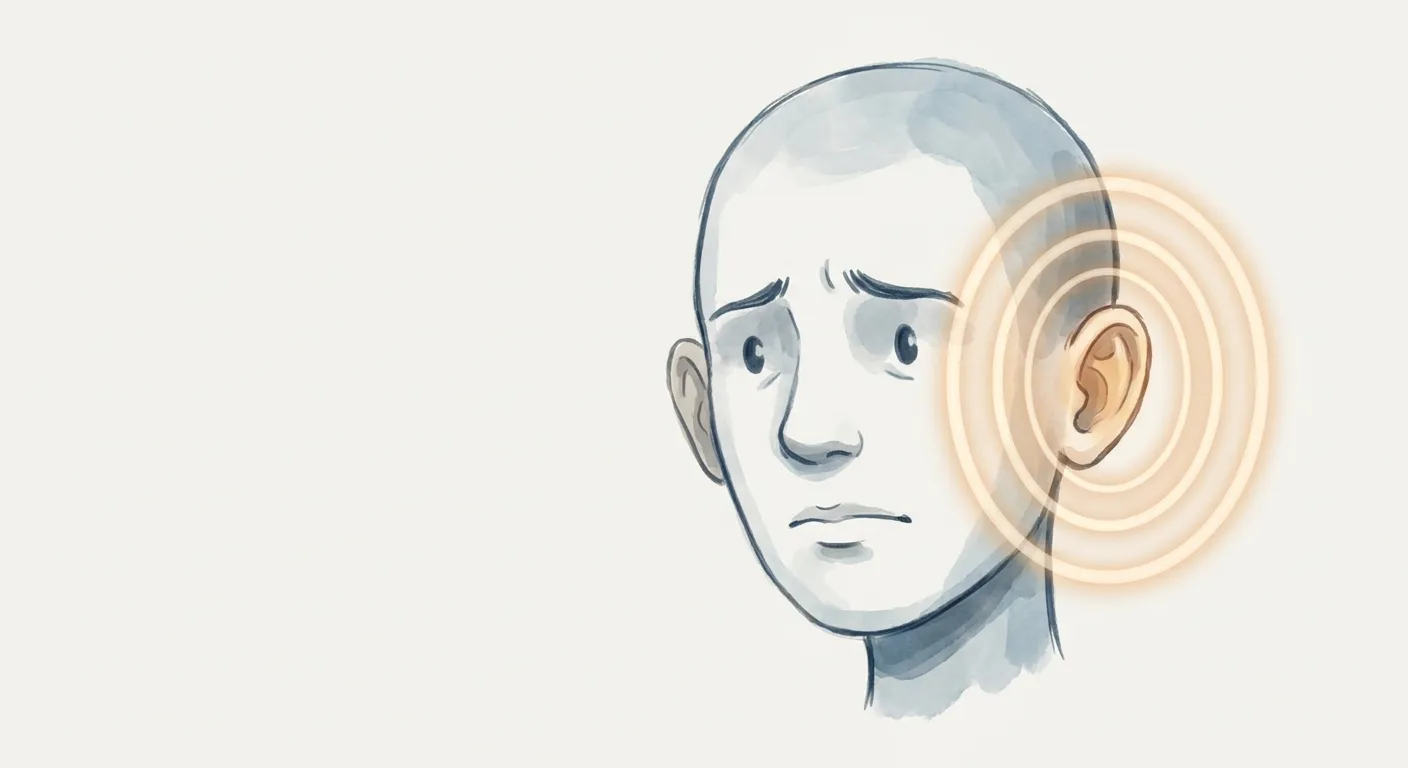
Hearing ringing, buzzing, humming, or hissing in just one ear can be unsettling—especially when it’s new. Many cases of tinnitus are not life-threatening, but one-sided tinnitus (unilateral tinnitus) is often considered a clinical red flag that deserves medical evaluation. The reason is simple: when a symptom shows up on only one side, clinicians want to rule out problems that are time-sensitive (where early treatment matters) or that require a targeted workup rather than “wait and see” [1,3].
A helpful way to think about it is like a smoke alarm: most alarms end up being “burnt toast,” but you still check quickly because the downside of missing the rare emergency is high.
Quick Take: Is One-Sided Tinnitus an Emergency?
In general, one-sided tinnitus should be taken seriously and evaluated clinically. It becomes urgent/same-day when it appears alongside symptoms that raise concern for sudden inner-ear or neurologic problems.
The most time-sensitive scenario is sudden sensorineural hearing loss (SSNHL)—a rapid drop in hearing that may come with ringing. Guidance emphasizes that evaluation should happen as soon as possible—often within the first 72 hours of symptom onset [1,2].
Other symptoms that move it into the “same-day care” category include new dizziness/vertigo, facial weakness, severe headache, new muffled hearing, and pulsatile tinnitus (a heartbeat-like sound) [1,2,4].
If hearing suddenly seems reduced in one ear—even if the main symptom is ringing—same-day medical evaluation is typically recommended, through the ER or an urgent ENT/medical visit depending on symptoms and access [1,2].
In short: new one-sided tinnitus deserves evaluation, and red flags make it urgent.
What Counts as “One-Sided Tinnitus” (Unilateral Tinnitus)?
Common descriptions patients report
People describe unilateral tinnitus in different ways, including:
- Ringing, buzzing, humming, hissing, clicking, roaring
- Only in the left ear or only in the right ear
- Constant, intermittent, or mainly noticeable in quiet settings (like bedtime)
A common “real life” example: everything seems fine during a busy day, but when the house gets quiet at night, a high-pitched tone in the right ear suddenly feels impossible to ignore.
One-sided tinnitus vs. “it feels louder in one ear”
Sometimes tinnitus is present “in the head” but seems louder on one side due to subtle hearing differences, sinus congestion, or pressure changes. If you’re unsure, it can help to jot down:
- Which ear seems affected
- When it started (exact day/time if possible)
- Any triggers (noise exposure, illness, new medication)
- Whether hearing seems different side-to-side
This kind of timeline is useful during an ENT or audiology visit. Even a short note like “Started Tuesday after a cold; worse at night; left ear only” can make the appointment more efficient.
Bottom line: noting the side, onset, and any triggers helps your clinician focus the evaluation.

Symptoms That Make One-Sided Tinnitus an Emergency (Go to the ER / Same-Day Care)
These tinnitus red flags don’t diagnose a cause—but they do raise the urgency for prompt evaluation. If you’re on the fence, it’s reasonable to err on the side of faster assessment, especially when symptoms are new or escalating [1,2].
Red flag #1 — Sudden hearing loss (SSNHL) + tinnitus
SSNHL can feel like:
- Sudden muffled hearing
- “Cotton in the ear”
- Trouble hearing the phone on one side
- A noticeable new mismatch between ears
Some patients describe it as: “My ear felt plugged, but swallowing didn’t pop it—and the ringing started at the same time.”
Why urgency matters: when SSNHL is the cause, treatment tends to be most effective when started quickly. Evaluation should happen as soon as possible—often within the first 72 hours of symptom onset [1,2]. Importantly, SSNHL can feel similar to “simple blockage,” and it’s hard to tell the difference at home without an exam and hearing test.
For more background, see our overview of sudden hearing loss symptoms: https://sleepandsinuscenters.com/blog/unexpected-causes-of-sudden-hearing-loss-key-symptoms-and-risk-factors
Red flag #2 — Vertigo/dizziness, imbalance, or new severe nausea
Tinnitus combined with spinning sensation, imbalance, or significant nausea can suggest inner-ear/vestibular involvement and may warrant urgent assessment [1]. For example, if you stand up and the room spins—or you can’t walk straight without holding a wall—that’s different from feeling “a little off.”
If you want help describing symptoms clearly, this guide on dizziness vs. vertigo can be useful: https://sleepandsinuscenters.com/blog/what-is-dizziness-and-vertigo-understanding-the-difference
Red flag #3 — Facial weakness, drooping, numbness, or new neurologic symptoms
New neurologic symptoms (face droop, weakness, numbness, difficulty speaking, severe confusion) should not be “waited out.” Emergency evaluation is typically appropriate because these symptoms may reflect neurologic conditions beyond the ear [1,2].
Red flag #4 — Sudden severe headache, neck pain, or “worst headache of my life”
A sudden, unusually severe headache (especially with neck pain, neurologic symptoms, or a new ear sound) warrants emergency evaluation [1,2].
Red flag #5 — Pulsatile tinnitus (heartbeat/wooshing) in one ear
Pulsatile tinnitus—a rhythmic whooshing that matches the heartbeat—often triggers a different, more vascular-focused evaluation and should be evaluated promptly, especially when new or one-sided [4]. Learn more about pulsatile tinnitus red flags: https://sleepandsinuscenters.com/blog/pulsatile-tinnitus-red-flags-key-symptoms-to-watch-for
Key takeaway: tinnitus plus sudden hearing changes, neurologic symptoms, severe headache, or pulsatile rhythm is an “act today” situation.

When One-Sided Tinnitus Is Concerning but Not a 911 Emergency (Book an ENT or Audiology Visit Soon)
Persistent unilateral tinnitus without sudden hearing loss
Even without sudden hearing changes, unilateral tinnitus is commonly viewed as a clinical red flag in the medical literature because it can occasionally be linked to conditions that require targeted evaluation [3]. A patient-friendly approach is to schedule within days to a couple of weeks, sooner if it’s worsening.
This isn’t about panic—it’s about being thorough. Many people will have a straightforward explanation, but the one-sided pattern is what prompts clinicians to look more carefully [3].
You can also review our related post on single-sided tinnitus warning signs: https://sleepandsinuscenters.com/blog/single-sided-tinnitus-when-to-seek-urgent-medical-attention
One-sided tinnitus that is new, recurrent, or progressively louder
If it’s escalating over time, consider tracking:
- Loudness over days/weeks
- Sleep impact
- Sound sensitivity
- Noise exposure (concerts, power tools, firearms)
If you’ve ever thought, “It used to be occasional, and now it’s there every evening,” that pattern is worth documenting for your clinician.
While waiting for evaluation, protecting your ears from loud sound is generally a good precaution.
One-sided tinnitus with gradually worsening hearing
Gradual hearing changes still deserve testing—don’t assume it’s “just aging,” especially if it’s one-sided. An audiogram helps clarify what’s going on and can show whether there’s asymmetry that changes the next steps [3].
In brief: if it’s one-sided and persists, book an evaluation—sooner if it’s changing or worsening.
When One-Sided Tinnitus Is Often Less Urgent (But Still Deserves a Check)
After a loud noise event (concert, fireworks, power tools)
Noise exposure can irritate the auditory system and trigger tinnitus. If hearing seems reduced afterward, urgency increases because sudden hearing loss needs prompt assessment [1,2]. If you’re unsure whether hearing actually dropped, a same-day evaluation is still reasonable—because “temporary irritation” and “sudden loss” can feel similar early on.
With ear fullness/pressure during a cold or allergies
Congestion and pressure issues can affect the middle ear and contribute to ear symptoms. Educational reading: Eustachian tube dysfunction (ear fullness and pressure): https://sleepandsinuscenters.com/blog/eustachian-tube-dysfunction-symptoms-causes-effective-treatment-options
After starting a new medication
Medication changes are worth mentioning during evaluation. A clinician may review timing, dose changes, and other risk factors to see whether there’s a plausible link. A practical tip: bring a list (or screenshots) of new medications, supplements, and recent dose changes so your care team can compare timing against symptom onset.
Remember: “less urgent” does not mean “ignore it”—book a check if symptoms persist or worry you.

Why One-Sided Tinnitus Happens: Common Causes vs. “We Need to Rule This Out”
More common/benign possibilities (examples)
Some treatable, relatively common contributors include:
- Earwax blockage or ear canal irritation (DIY tools can worsen irritation or cause injury). See earwax impaction symptoms and safe removal tips: https://sleepandsinuscenters.com/blog/earwax-impaction-symptoms-and-effective-removal-tips
- Middle ear fluid or pressure issues (often related to colds/allergies)
- Ear infection/inflammation
- Jaw/TMJ or neck tension that can refer sensations to the ear area (a consideration in some patients)
In clinic, it’s not unusual for the first step to be something simple—like confirming the ear canal is clear and the eardrum looks healthy—before moving on to more specialized testing.
Inner ear causes that require prompt evaluation
- SSNHL (time-sensitive; evaluation as soon as possible—often within the first 72 hours) [1,2]
- Vestibular disorders—especially when dizziness/imbalance is present [3]
Less common but important causes to rule out
One reason persistent one-sided tinnitus prompts further workup is to exclude retrocochlear conditions such as vestibular schwannoma (sometimes called acoustic neuroma), particularly when tinnitus occurs with asymmetric hearing loss [3]. Vascular conditions are also considered—especially with pulsatile tinnitus [4].
Core idea: most causes are manageable, but the one-sided pattern is why clinicians double-check the “don’t miss” list.

What to Do Right Now (Step-by-Step Patient Action Plan)
Step 1 — Check for emergency red flags
Key concerns include sudden hearing loss, vertigo, facial weakness, severe headache, pulsatile rhythm, or other neurologic symptoms [1,2,4]. If one of these is present, same-day care is generally safer. Depending on the symptoms and what’s available, that may mean the ER or an urgent ENT/medical visit.
Step 2 — Do a quick “hearing check” at home (not a diagnosis)
A simple comparison can be informative:
- Hold your phone to the left ear, then the right ear (same volume, same audio).
- Note any new mismatch.
If there’s a clear new difference—especially with sudden onset—this is one reason clinicians often recommend same-day evaluation [1,2]. This is not a diagnostic test; it’s just a rough check to share with your clinician.
Step 3 — Protect your hearing and avoid making it worse
- Avoid loud environments; keep headphone volume low.
- Avoid inserting cotton swabs or other tools into the ear.
If you need a “do” instead of a “don’t,” try adding gentle background sound (fan, sound machine) to reduce the contrast between silence and tinnitus.
Step 4 — Decide where to go
- ER or same-day urgent care is commonly appropriate when red flags suggest SSNHL or neurologic involvement [1,2].
- An ENT or audiology appointment soon is appropriate for persistent unilateral symptoms without emergency features [3].
Short version: check for red flags, protect your ears, and choose ER vs. urgent ENT based on symptoms and access.

How Doctors Evaluate One-Sided Tinnitus (What Patients Can Expect)
History that matters
Clinicians often focus on:
- Exact onset (sudden vs. gradual)
- Noise exposure
- Ear pain/fullness
- Dizziness/vertigo
- Headache or neurologic symptoms
- Medication changes and health history
If you can, note whether anything makes it better or worse (quiet rooms, caffeine/alcohol, clenching your jaw, certain head/neck positions). These details can help the evaluation stay focused.
Ear exam
An in-office exam helps identify issues like wax, infection, canal irritation, or eardrum changes.
Hearing testing (audiogram)
A hearing test (audiogram) is a cornerstone for unilateral tinnitus because it can reveal asymmetry or patterns that guide next steps. See audiogram basics: https://sleepandsinuscenters.com/blog/audiogram-basics-explained-a-patients-guide-to-hearing-tests
When imaging or specialist testing may be recommended
Imaging/testing decisions depend on findings—common reasons include asymmetric hearing loss, persistent unilateral tinnitus, neurologic signs, or pulsatile tinnitus [3,4].
Expect a stepwise approach: history, exam, hearing test, and imaging only when findings point that way.
Treatment Options (Based on the Underlying Cause)
Educational overview—treatment depends on diagnosis and clinician assessment.
If it’s SSNHL (sudden inner ear hearing loss)
This is time-sensitive; evaluation should happen as soon as possible—often within the first 72 hours—so that appropriate treatment can be considered promptly [1,2].
If it’s earwax or external ear irritation
Safe removal and avoiding home instrumentation are typical next steps.
If it’s middle ear fluid/Eustachian tube dysfunction
Care often focuses on symptom management, addressing contributing congestion/allergies when relevant, and follow-up to confirm hearing returns to baseline.
If tinnitus persists after evaluation
When no dangerous cause is found, tinnitus management options may include education/counseling, sound therapy/masking strategies, and sleep-support approaches.
Treatment depends on the cause—time-sensitive issues come first, and supportive care helps when no urgent cause is found.
Lifestyle Tips While You Wait for Your Appointment
Reduce perception of tinnitus
- Use a sound machine or gentle background audio at night.
- Add background sound during quiet tasks (silence can make tinnitus feel louder).
A concrete example: soft rainfall audio at bedtime can make the ringing feel less “front and center,” even if it doesn’t eliminate it.
Protect sleep
- Keep the bedroom from being completely silent.
- Maintain consistent sleep/wake timing when possible.
Avoid common aggravators
- Loud sound exposure.
- Some people notice sensitivity to caffeine or alcohol (responses vary).
Small sound and sleep adjustments can make tinnitus feel less intrusive while you await care.
FAQs About One-Sided Tinnitus
“Can one-sided tinnitus be harmless?”
Yes—sometimes it’s related to treatable issues like wax, congestion, or noise exposure. But it’s still generally considered a clinical red flag worth evaluating [3].
“How do I know if I have sudden hearing loss?”
A sudden muffled sensation, “blocked” feeling, or clear left-vs-right difference—especially with new tinnitus—should be evaluated urgently [1,2].
“What if my one-sided tinnitus is pulsatile?”
Pulsatile tinnitus is a significant warning sign and typically needs prompt investigation [4].
“Should I wait a few weeks to see if it goes away?”
If it’s new and one-sided, it’s generally better not to ignore it—schedule an evaluation, and seek same-day care if red flags appear [1–3].
“What tests will an ENT order for unilateral tinnitus?”
Often a hearing test first, then additional testing (sometimes imaging) depending on symptoms and exam findings [3,4].
If you’re unsure, err toward getting checked—especially for new, one-sided, or changing symptoms.
When to Contact Sleep & Sinus Centers of Georgia (Local CTA)
If you’ve developed one-sided tinnitus, notice hearing changes, or have dizziness/imbalance, Sleep & Sinus Centers of Georgia can help coordinate an appropriate evaluation (often starting with an ear exam and hearing testing).
To book an appointment, visit https://www.sleepandsinuscenters.com/
Urgent symptom reminder list (seek same-day evaluation): sudden hearing loss, facial weakness/numbness, severe unusual headache, significant vertigo/imbalance, or pulsatile tinnitus [1,2,4].
References
[1] VA National Center for Rehabilitative Auditory Research (NCRAR). Tinnitus Triage Guide (2010). https://www.ncrar.research.va.gov/education/documents/tinnitusdocuments/triage_guide.pdf
[2] UCSF Health. Emergency / when to get urgent care (hearing/ear-related guidance). https://ears.ucsf.edu/en/getting-care-guide/emergency
[3] PubMed Central (PMC). Review discussing unilateral tinnitus as a red flag and the need to evaluate for significant causes (e.g., vestibular schwannoma). https://pmc.ncbi.nlm.nih.gov/articles/PMC8855894/
[4] Hearing Loss Association of America (HLAA). Tinnitus warning signs (including pulsatile tinnitus concerns). https://hearingloss.com/blog/tinnitus-warning-signs-when-to-see-a-doctor
Medical disclaimer
This article is for general education and is not a substitute for medical advice, diagnosis, or treatment. If you think you may be experiencing sudden hearing loss, stroke-like symptoms, severe headache, or other emergency warning signs, seek same-day medical care or call emergency services.
This article is for educational purposes only and is not medical advice. Please consult a qualified healthcare provider for diagnosis and treatment.
Don’t let allergies slow you down. Schedule a comprehensive ENT and allergy evaluation at Sleep and Sinus Centers of Georgia. We’re here to find your triggers and guide you toward lasting relief.