One-Sided Sinus Symptoms: Causes, Signs, and Treatment Options
Quick Take—Why One-Sided Sinus Symptoms Matter
Routine colds and allergies often cause congestion and pressure on both sides of the nose and face. When symptoms remain on one side (also called unilateral symptoms), they may point to a local issue that can sometimes be identified and treated—such as a dental source, an anatomic blockage, or a localized fungal problem. Research suggests that a focused evaluation is important because the causes can differ from “typical” sinusitis and may require targeted care (Silva et al., 2015; Galiè et al., 2020).
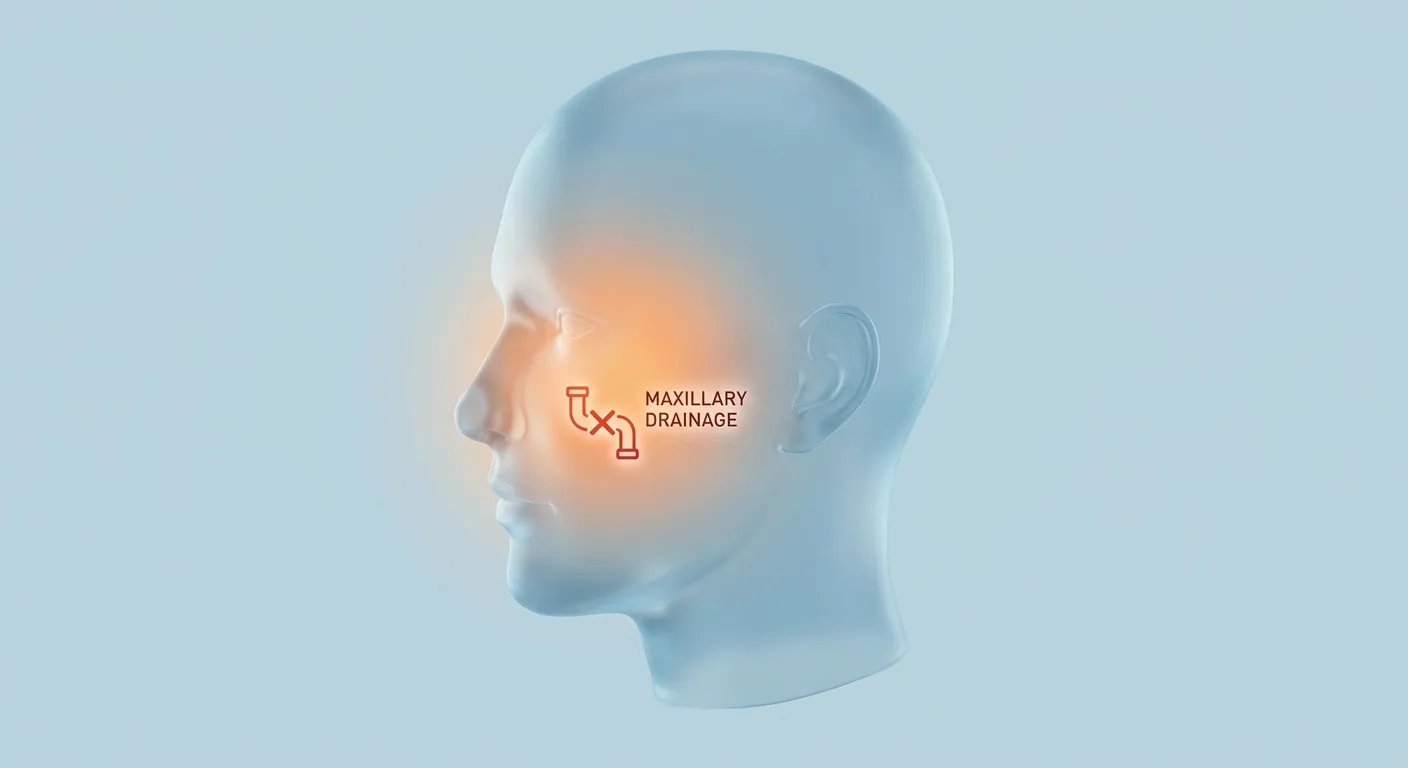
A helpful way to picture it: a cold is like fog that rolls into the whole nasal system, while unilateral symptoms are more like a clog in one drain—the problem tends to have an address.
The reassuring part: many causes of one-sided sinus symptoms are treatable—but persistent unilateral symptoms are a good reason to consider an ENT evaluation.
For a related deep-dive, see our guide on unilateral sinus symptoms: https://sleepandsinuscenters.com/blog/unilateral-sinus-symptoms-causes-risks-and-when-to-20260224191249.
Bottom line: If your symptoms stick to one side, a focused evaluation is worth it.

What Is a One-Sided Sinus Problem (Unilateral Sinusitis)?
Sinus anatomy in plain language (why “one side” can happen)
Your sinuses are small, air-filled spaces connected to the nasal cavity. The main groups include: Maxillary sinuses (cheeks); Ethmoid sinuses (between the eyes); Frontal sinuses (forehead); Sphenoid sinuses (deep behind the nose).
Each sinus drains through narrow pathways into the nose. If one drainage pathway becomes blocked—or one sinus is affected by a nearby problem (like an upper tooth infection)—symptoms can show up mainly on one side. Think of the drainage pathways like narrow hallways: if one hallway is swollen shut or physically narrowed, that side can feel stuck, even if the rest of your nose is relatively clear.
Infection vs. inflammation (important distinction)
Many people use “sinus infection” to describe any sinus-related misery. Clinically, symptoms can be caused by viral illness (common cold), inflammation (allergies or irritant exposure), or bacterial infection (a subset of cases). That distinction matters because not every case needs antibiotics, and treatment is often tailored to the underlying driver (Cleveland Clinic, 2023; Mayo Clinic, 2023). The sinuses can be inflamed without being infected. One-sided symptoms often reflect a local drainage or nearby issue, and not all cases are true infections.
Common Symptoms of a One-Sided Sinus Problem
Typical unilateral symptoms
One-sided sinus pressure or pain (cheek, around the eye, forehead); One-sided nasal congestion or blockage; Thick yellow/green drainage from one nostril or one-sided postnasal drip; Reduced smell (sometimes more noticeable on one side); Bad breath, cough, fatigue, head fullness.
A common pattern people describe is: “My left cheek feels heavy, and only my left nostril is clogged,” or “The drip is always on the right side of my throat.”
Symptoms that suggest a dental source
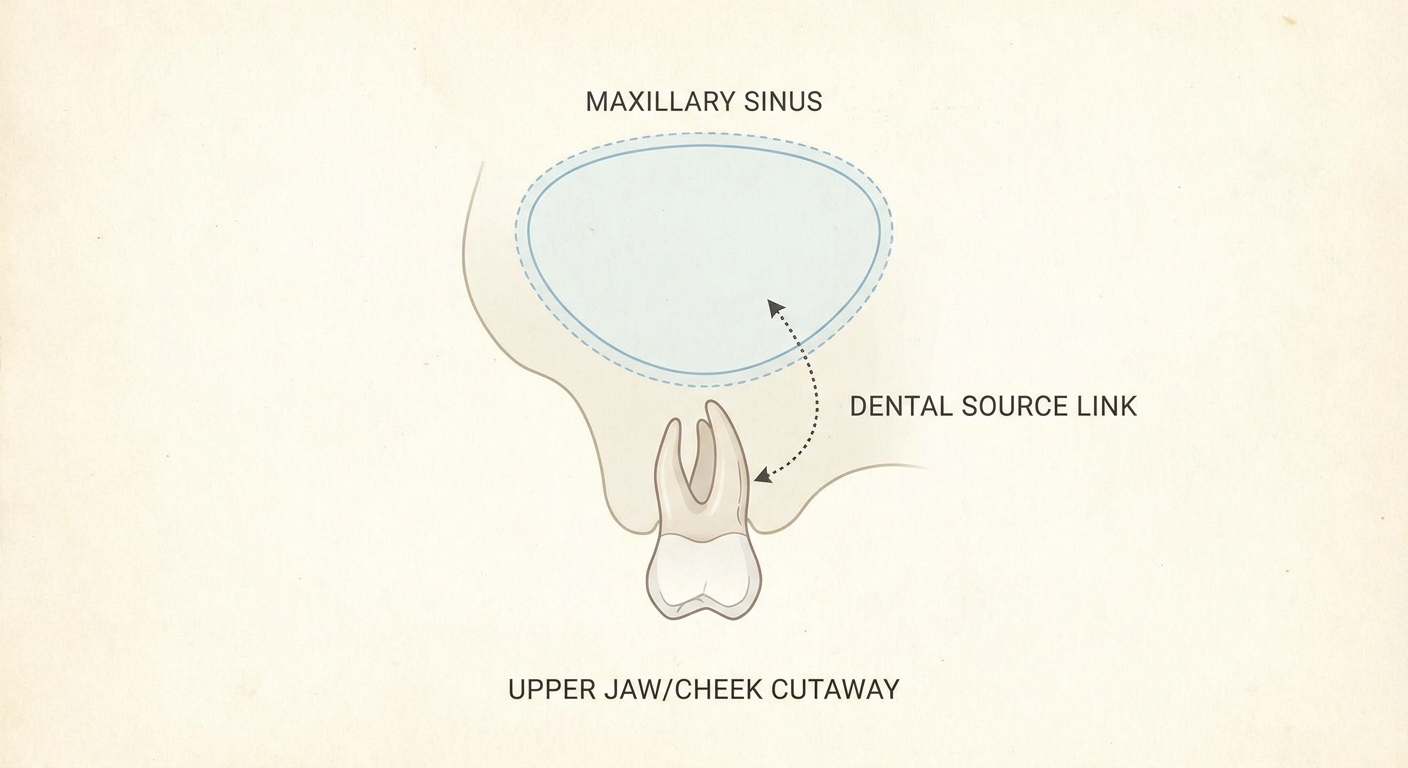
A major cause of unilateral maxillary disease is dental-related (odontogenic) sinusitis (Martu et al., 2022; Galiè et al., 2020). Clues include tooth pain (often upper molars) or gum tenderness; recent dental work (extraction, implant, root canal, sinus lift); foul taste or odor with one-sided drainage; a pattern that feels like a one-sided maxillary sinus infection (cheek pressure with unilateral congestion).
Not every dental-source case has obvious tooth pain—some present mainly as sinus symptoms. For example, someone may have months of “sinus infections” that keep returning on the same side, with a foul taste and a history of an upper molar procedure. That history can shift the workup toward a dental source.
How long is “too long”?
Symptoms can be short-lived with a viral illness. But persistent or recurrent one-sided symptoms (weeks to months), especially if they keep returning on the same side, are more likely to benefit from a targeted workup (Silva et al., 2015). Clinicians often listen for timelines like: “It never fully clears,” “It improves, then worsens again,” or “It’s always the right side.” Patterns that repeat on the same side are a cue to look for a local cause.
Red Flags: When One-Sided Sinus Symptoms Need Urgent Care
Same-day/ER red flags (possible complications)
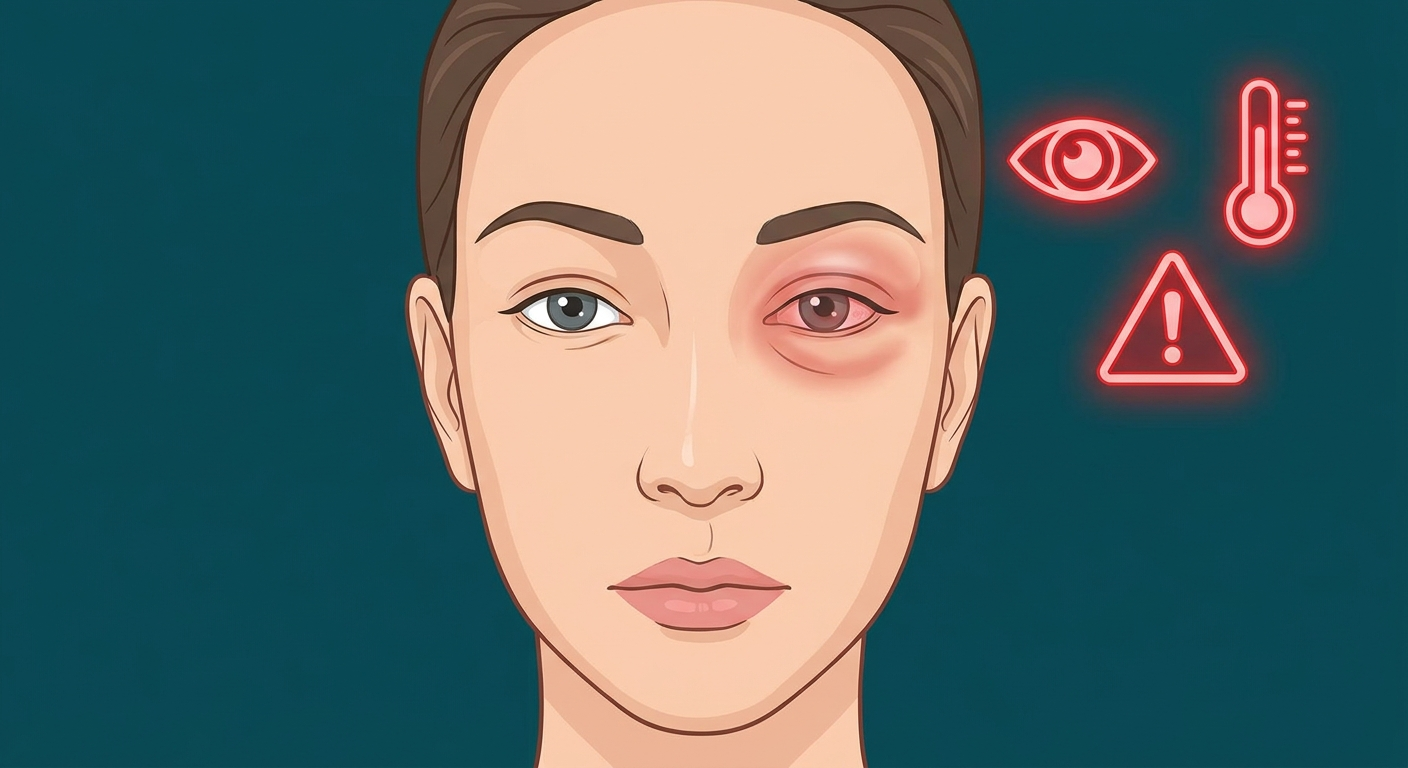
Vision changes, eye swelling, or painful eye movement; Severe headache, high fever; Stiff neck, confusion, or unusual drowsiness (Cleveland Clinic, 2023; Mayo Clinic, 2023). If the eye looks puffy or vision seems altered, don’t try to wait it out—same-day assessment is safest.
“Don’t wait” ENT red flags (concern for tumor or invasive fungal disease)
Recurrent one-sided nosebleeds or blood-stained discharge; Facial numbness/tingling, facial swelling, or new asymmetry; Ongoing blockage on one side despite treatment attempts; Double vision, bulging eye, or other orbital symptoms; Oral changes (palate changes, ill-fitting dentures), unexplained weight loss.
These patterns are discussed in diagnostic frameworks for unilateral sinus disease and may prompt imaging and endoscopic evaluation (Silva et al., 2015; Galiè et al., 2020). These are uncommon but important possibilities that clinicians rule out when symptoms persist or include bleeding, numbness, or eye changes. Uncommon but important problems are ruled out early when red flags appear.
Causes of One-Sided Sinus Problems (Most to Least Common)
A helpful way to think about unilateral disease: something local is often blocking drainage or seeding inflammation on that side.
Odontogenic (dental) sinusitis — a leading cause of unilateral maxillary disease
Why it causes one side: The roots of upper back teeth sit close to the maxillary sinus. Infection or dental procedures can directly affect that sinus. Common triggers include tooth abscess, periodontal disease, extractions, implants, and sinus lift procedures. Typical clues are foul odor, unilateral cheek pressure, and dental symptoms or recent dental work (Martu et al., 2022; Galiè et al., 2020). This is a classic reason a one-sided sinus “infection” doesn’t behave like a routine cold.
Anatomic blockage (structural) that traps mucus on one side
Why it causes one side: If airflow and drainage are tighter on one side, mucus can stagnate and inflammation can persist. Examples include a deviated septum, turbinate enlargement, concha bullosa, or naturally narrow drainage pathways (Galiè et al., 2020).
Localized fungal disease (e.g., fungal ball) vs. invasive fungal sinusitis
Why it causes one side: Some fungal problems stay confined to a single sinus and create a plug effect. Fungal ball: often localized and may cause one-sided pressure or drainage; commonly requires removal. Invasive fungal sinusitis: rare but more urgent, especially in people who are immunocompromised (Galiè et al., 2020).
Chronic inflammatory sinus disease (sometimes starts “mostly one-sided”)
Why it causes one side: Localized swelling or polyps can be asymmetrical and block drainage unevenly. Inflammation is a major theme in sinusitis overall (Cleveland Clinic, 2023).
Less common but important: benign growths or malignancy
Why it causes one side: A growth can narrow the nasal passage or sinus drainage and lead to unilateral blockage, discharge, and bleeding. Because some nasal tumor symptoms overlap with sinusitis, persistent unilateral symptoms—especially with red flags—often lead to ENT evaluation and imaging (Silva et al., 2015; Galiè et al., 2020). In unilateral cases, think local blockage, dental source, or focal fungal disease first.
How Doctors Diagnose a One-Sided Sinus Problem
Step 1 — History and focused exam
Key points: how long symptoms have lasted and whether they’re strictly one-sided; prior antibiotics and response; allergy history; dental history (tooth pain, recent procedures); immune factors (diabetes, steroid use, chemotherapy, transplant). Bring details on whether it’s always the same sinus/side and any smell/taste change on that side.
Step 2 — Nasal endoscopy (ENT office)
A clinician looks inside the nose with a thin scope to check for drainage, polyps, masses, or fungal debris (Silva et al., 2015). What the exam is like: https://sleepandsinuscenters.com/blog/what-is-nasal-endoscopy----and-is-it-painful
Step 3 — Imaging (usually CT scan of the sinuses)
A sinus CT maps anatomy, shows which sinus is involved, patterns consistent with dental-source disease, and areas of blockage—especially helpful in unilateral cases (Silva et al., 2015; Galiè et al., 2020). Learn more: https://sleepandsinuscenters.com/blog/sinus-ct-scan-what-it-shows-and-how-it-helps-diagnose-sinus-issues. MRI may be considered in specific situations, such as concern for tumor or invasive disease.
Step 4 — Dental evaluation (when odontogenic source is possible)
When odontogenic sinusitis is suspected, a dental exam and targeted dental imaging may be part of the workup (Martu et al., 2022). Treating the sinus alone—without fixing the tooth source—can lead to symptoms that repeatedly rebound.
Cultures/biopsy (only when indicated)
Cultures may help in recurrent cases, treatment failures, or immunocompromised patients. Biopsy is typically reserved for suspicious unilateral findings such as a visible mass (Silva et al., 2015). Endoscopy and CT often provide the answers in persistent one-sided cases.

Treatment Options (Cause-Specific)
Treatment for one-sided sinus symptoms is usually most effective when it matches the cause.
Home care that can help most patients
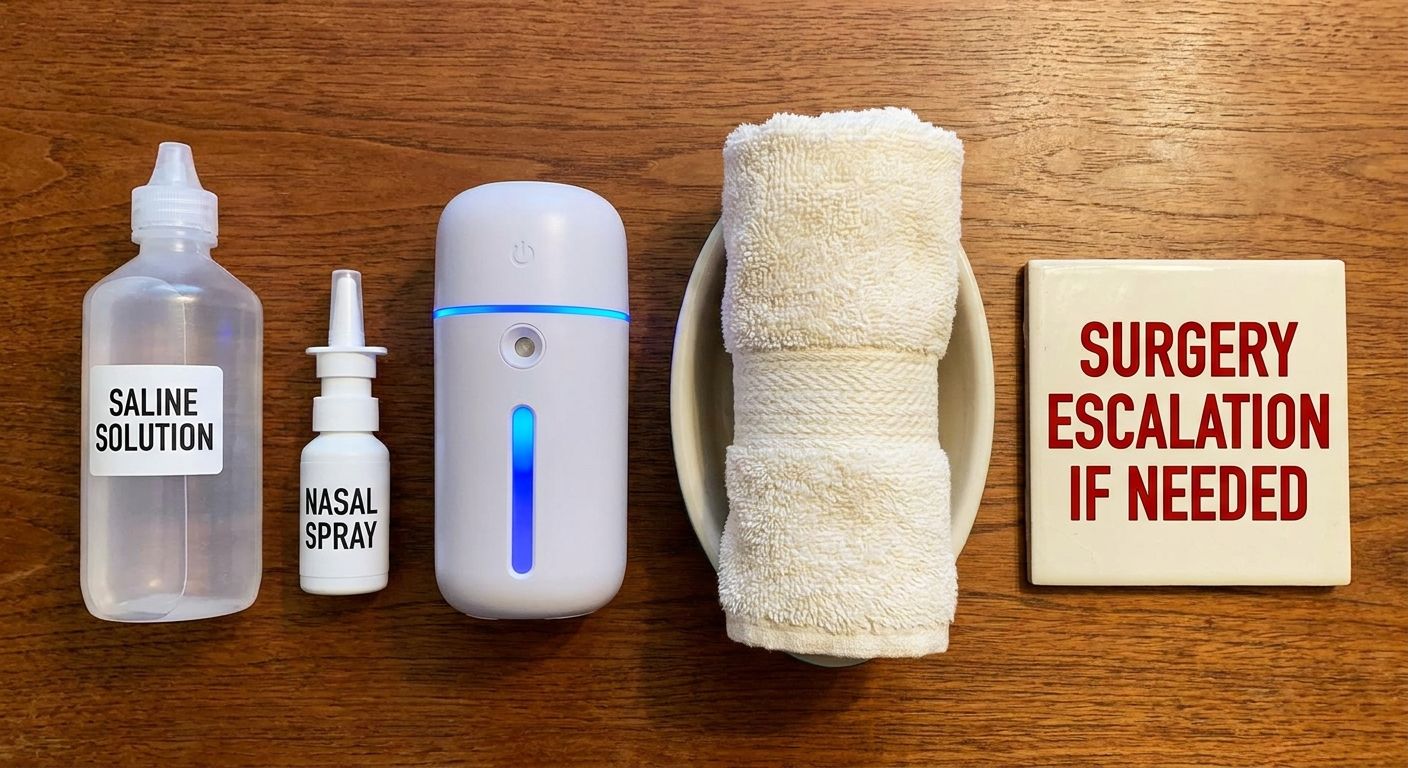
Saline irrigations; hydration and humidification; warm compresses; fever/pain control options discussed with a clinician. Avoid overusing topical decongestant sprays (rebound congestion). With irrigations, consistency often matters more than intensity.
Medications commonly used for routine bacterial/inflammatory sinusitis
When inflammation is a main driver, intranasal corticosteroids are commonly used. Antibiotics may be used when bacterial sinusitis is likely or confirmed—since many cases are viral/inflammatory, they’re not always necessary (Cleveland Clinic, 2023; Mayo Clinic, 2023).
If it’s odontogenic sinusitis (dental-source)
Address the tooth source and restore sinus drainage. Plans may include dental treatment (endodontic therapy, extraction, periodontal care) and, when blockage or disease is extensive, endoscopic sinus surgery (Martu et al., 2022; Galiè et al., 2020).
If it’s structural blockage (anatomic)
Management may include medical therapy plus procedures when indicated (e.g., septoplasty/turbinate reduction, endoscopic sinus surgery, or balloon dilation in selected cases). Goal: improve airflow and drainage so mucus doesn’t keep pooling on the same side.
If it’s fungal sinus disease
Fungal ball: typically treated with surgical removal; antifungals often not needed afterward (case-dependent). Invasive fungal sinusitis: urgent specialist management with surgical debridement and antifungal therapy (Galiè et al., 2020).
If a tumor is suspected
Workup commonly involves imaging plus endoscopy-directed biopsy and referral to a head and neck oncology team (Silva et al., 2015). The most effective treatment matches the cause, not just the symptoms.
Lifestyle Tips to Support Recovery (and Help Prevent Recurrence)
Nasal hygiene and environment
Consistent saline rinsing during symptom flares; avoid smoke exposure and reduce irritants; balance indoor humidity (too dry or too humid can be bothersome). If your symptoms predictably worsen in certain environments (smoke, strong fragrance, dusty rooms), mention this pattern during evaluation.
Allergy management (when relevant)
When symptoms are seasonal or persist long-term, allergy evaluation and management may reduce overall inflammation. Lower baseline inflammation can make it harder for one “narrow side” to get trapped in a cycle of swelling and blockage.
Dental health habits (especially if maxillary sinusitis recurs)
Regular dental checkups and early evaluation of upper tooth/gum issues can help prevent recurrent dental-source sinusitis (Martu et al., 2022). If you’ve had repeated same-side maxillary symptoms, be extra attentive to upper molars and gum health on that side. Small daily habits can lower inflammation and reduce one-sided flare-ups.
FAQs About One-Sided Sinus Problems
Can a sinus infection really be only on one side?
Yes. Unilateral sinusitis is often linked to dental disease, structural blockage, or a localized fungal ball—and less commonly to a growth that obstructs drainage (Silva et al., 2015; Galiè et al., 2020).
Does green mucus mean I need antibiotics?
Not always. Mucus color can change with viral or inflammatory illness too, so it isn’t a perfect sign of bacterial infection (Mayo Clinic, 2023).
What does it mean if my symptoms keep coming back on the same side?
Recurrent same-side symptoms raise the likelihood of a localized driver (dental, anatomic, or fungal) and often prompt evaluation with endoscopy and CT (Silva et al., 2015).
Can a tooth infection cause sinus problems without obvious tooth pain?
Yes. Some odontogenic cases present primarily as unilateral congestion, drainage, and cheek pressure (Martu et al., 2022).
When should I see an ENT for one-sided sinus pressure?
Persistent unilateral symptoms, recurrence, or any red flags are common reasons to consider ENT evaluation (Silva et al., 2015; Cleveland Clinic, 2023).
When to Book an Appointment
At Sleep and Sinus Centers of Georgia, one-sided symptoms are often evaluated with a focused history, in-office exam, and—when appropriate—endoscopy and imaging. Consider booking an evaluation if you notice: symptoms lasting more than 10 days without improvement or that follow a “better, then worse” pattern; recurrent one-sided infections or congestion; one-sided nosebleeds or blood-tinged drainage; facial numbness/swelling, eye symptoms, or notable dental symptoms (especially upper molars).
Ready to get answers? Request an appointment: https://www.sleepandsinuscenters.com/
If one side keeps acting up—or red flags appear—book a focused evaluation.
Sources (Citations)
Cleveland Clinic. Sinusitis (2023). https://my.clevelandclinic.org/health/diseases/17701-sinusitis
Mayo Clinic. Acute sinusitis (2023). https://www.mayoclinic.org/diseases-conditions/acute-sinusitis/symptoms-causes/syc-20351671
Galiè M, et al. Unilateral Sinus Disease: Not Just Odontogenic! (2020). https://pmc.ncbi.nlm.nih.gov/articles/PMC7944009/
Silva MP, et al. Diagnostic algorithm for unilateral sinus disease (2015). https://pmc.ncbi.nlm.nih.gov/articles/PMC4830336/
Martu C, et al. Odontogenic Sinusitis (2022). https://pmc.ncbi.nlm.nih.gov/articles/PMC9319441/
This article is for educational purposes only and is not medical advice. Please consult a qualified healthcare provider for diagnosis and treatment.
Don’t let allergies slow you down. Schedule a comprehensive ENT and allergy evaluation at Sleep and Sinus Centers of Georgia. We’re here to find your triggers and guide you toward lasting relief.