Non-Drowsy Antihistamines: Do They Really Prevent Drowsiness?
Seasonal allergies can be miserable—sneezing, itchy eyes, runny nose, and congestion that drags on for weeks. Many people reach for “non-drowsy” antihistamines so they can function at work, drive safely, and stay productive.
But the label raises an important question: do these medications actually prevent sleepiness, or do they simply lower the chance you’ll feel it?
Below is a patient-friendly, science-backed guide to what “non-drowsy” really means, why some allergy pills still cause fatigue, and how to think through your options—especially if you need to stay sharp during the day.
Quick Answer (What Most Patients Want to Know)
- “Non-drowsy” usually means less likely to cause sleepiness than older antihistamines—not impossible.
- Second-generation antihistamines are designed to cross the blood–brain barrier less, which reduces sedation for many people. (StatPearls, 2023; NIH/PMC)
- Among common options, fexofenadine is frequently described as among the least sedating, while cetirizine tends to cause drowsiness more often than loratadine or fexofenadine. (AAAAI, 2021; GoodRx; NIH/PMC)
Think of “non-drowsy” as a lower-risk category—not a guarantee—especially if you’re sensitive to medications, using other sedating substances, or already sleep-deprived. In short: “non-drowsy” lowers risk, but it doesn’t mean zero.
What Are “Non-Drowsy” Antihistamines?
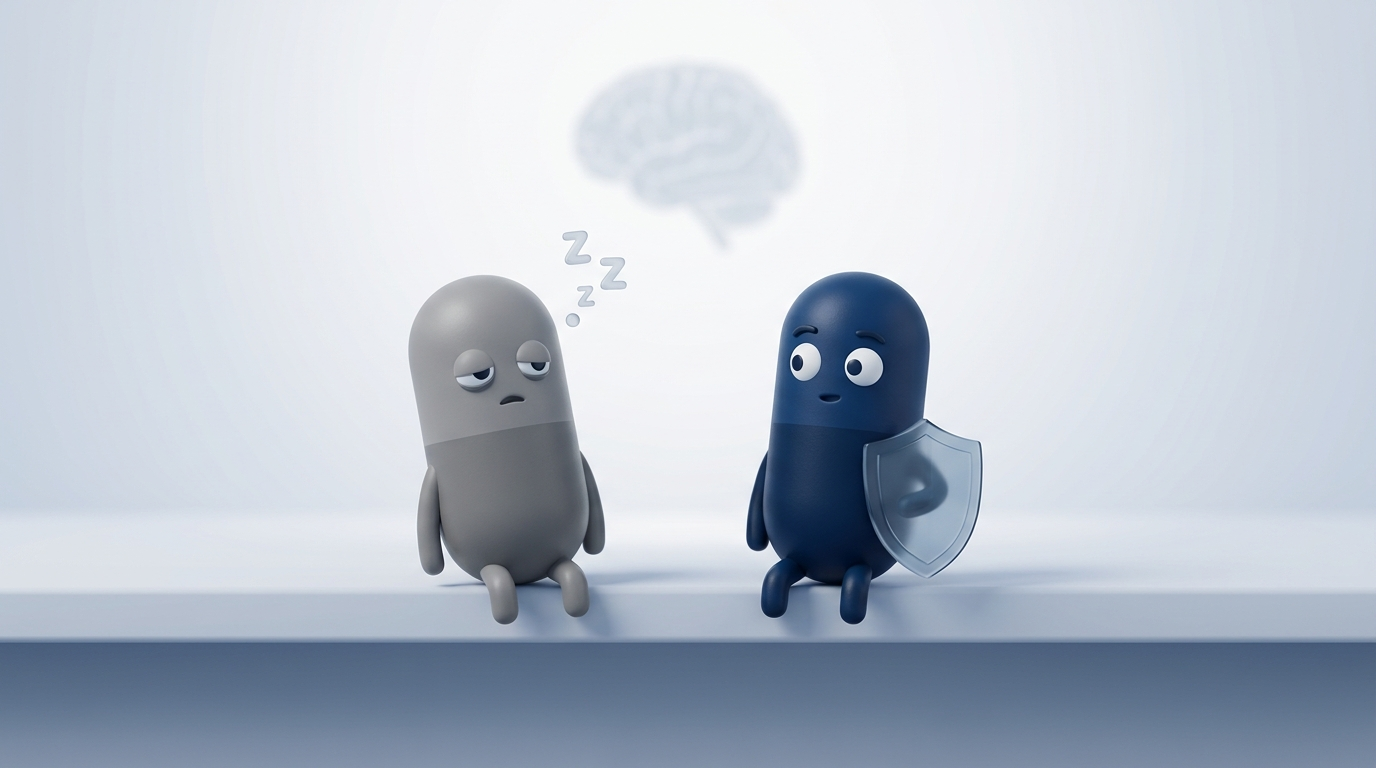
Antihistamines block histamine, a key chemical behind allergy symptoms like itching and sneezing. The big difference between “older” and “newer” antihistamines is how much they affect the brain.
- First-generation antihistamines (older): More likely to cause sedation because they enter the brain more readily.
- Second-generation antihistamines (newer, often marketed as non-drowsy): Designed to cause less sedation. (StatPearls, 2023)
If you’ve ever taken an older antihistamine and felt like you needed a nap—or felt “hungover” the next morning—you’ve experienced the kind of central nervous system effect second-generation drugs try to avoid.
Common second-generation antihistamines patients recognize:
- Fexofenadine (Allegra)
- Loratadine (Claritin)
- Cetirizine (Zyrtec)
- You may also see levocetirizine or desloratadine. These can still cause drowsiness in some people, so “non-drowsy” is never a guarantee.
Bottom line: Newer antihistamines are designed to be less sedating by reducing brain effects—but individual responses vary.
Why Some Antihistamines Make You Sleepy (The “Brain Barrier” Explained)
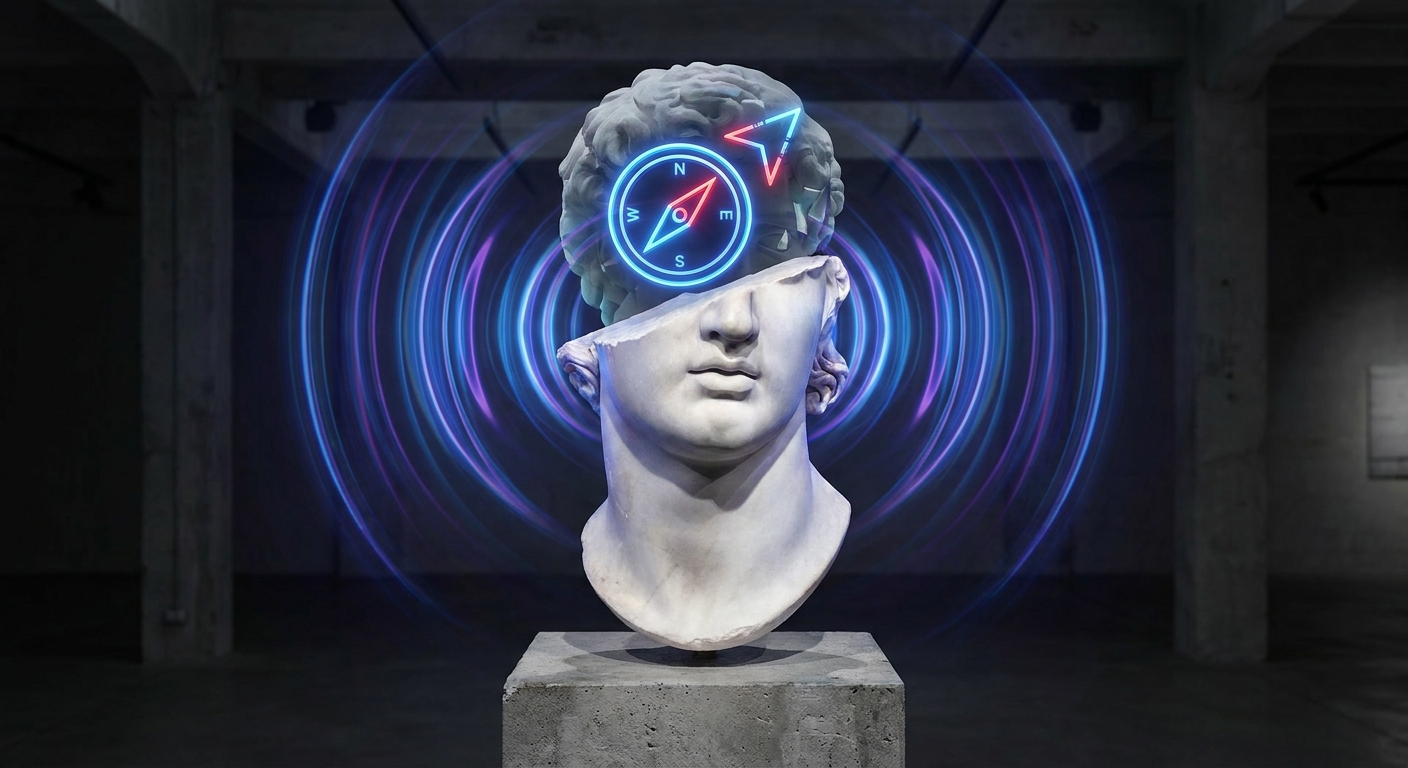
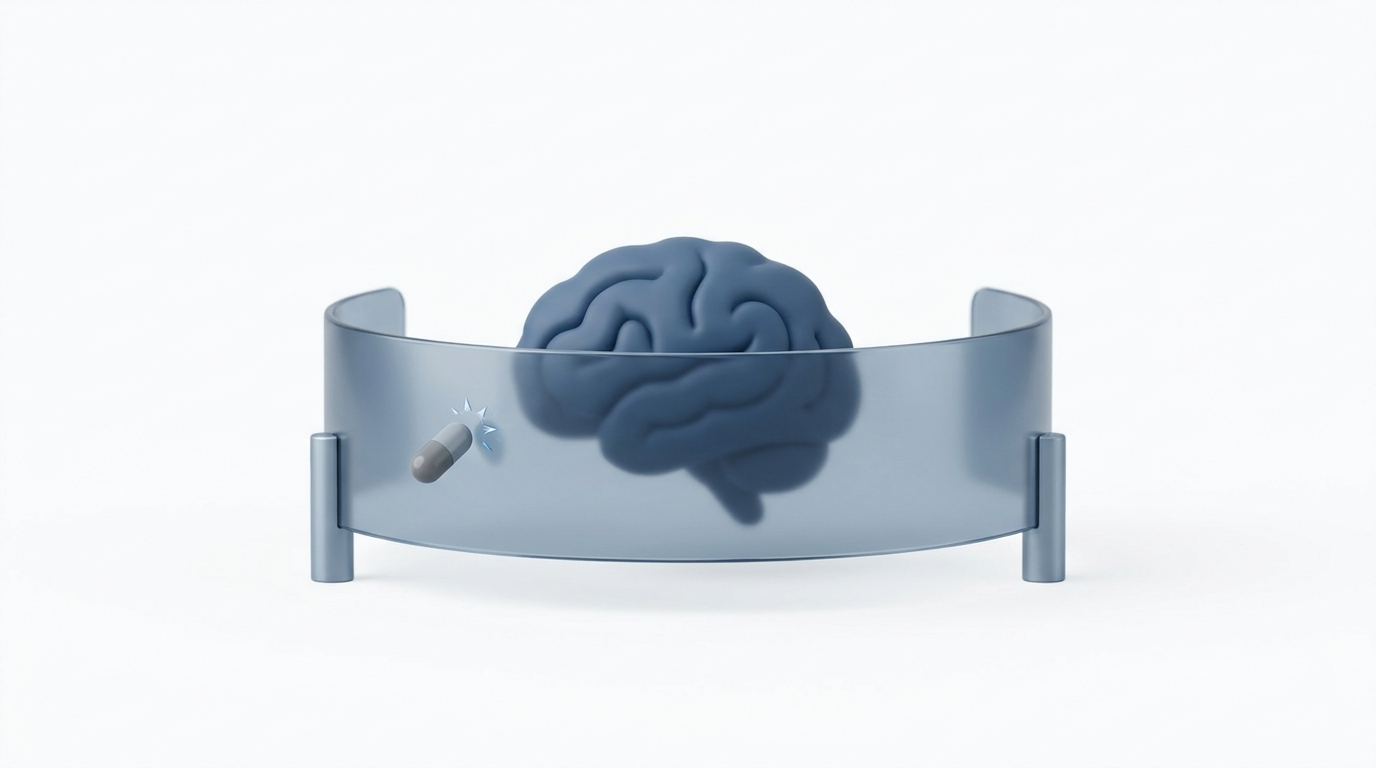
The blood–brain barrier is like a protective filter around your brain. Its job is to control which substances in the bloodstream can enter brain tissue.
Think of it like security at a concert venue—some substances get waved through, and others are turned away. When a medication crosses into the brain, it’s more likely to cause central nervous system effects—including sleepiness, slowed reaction time, and brain fog.
It’s useful to understand that some antihistamines cross the blood–brain barrier more than others; those that cross more readily tend to be more sedating. (NIH/PMC; StatPearls, 2023)
One reason many second-generation antihistamines are less sedating is that they’re generally less lipid-soluble, which makes it harder for them to pass into the brain. (NIH/PMC; StatPearls, 2023)
In plain terms: some medications are better at blending in with fatty tissues and slipping across barriers. Second-generation antihistamines are designed to be worse at that, which can help you stay more alert.
The truth is that sedation risk is both drug-specific (some are more sedating than others) and person-specific (your body chemistry and sensitivity matter). (StatPearls, 2023) Even antihistamines marketed as non-drowsy may still cause drowsiness for certain individuals—especially at higher doses or when combined with other sedating substances. Less brain penetration generally means less sedation—but not none.
Do Non-Drowsy Antihistamines Really Prevent Drowsiness?
“Less likely” is not the same as “never.” Second-generation options reduce sedation for many people, but they don’t eliminate it. Some users still feel tired, even with medications marketed as non-drowsy.
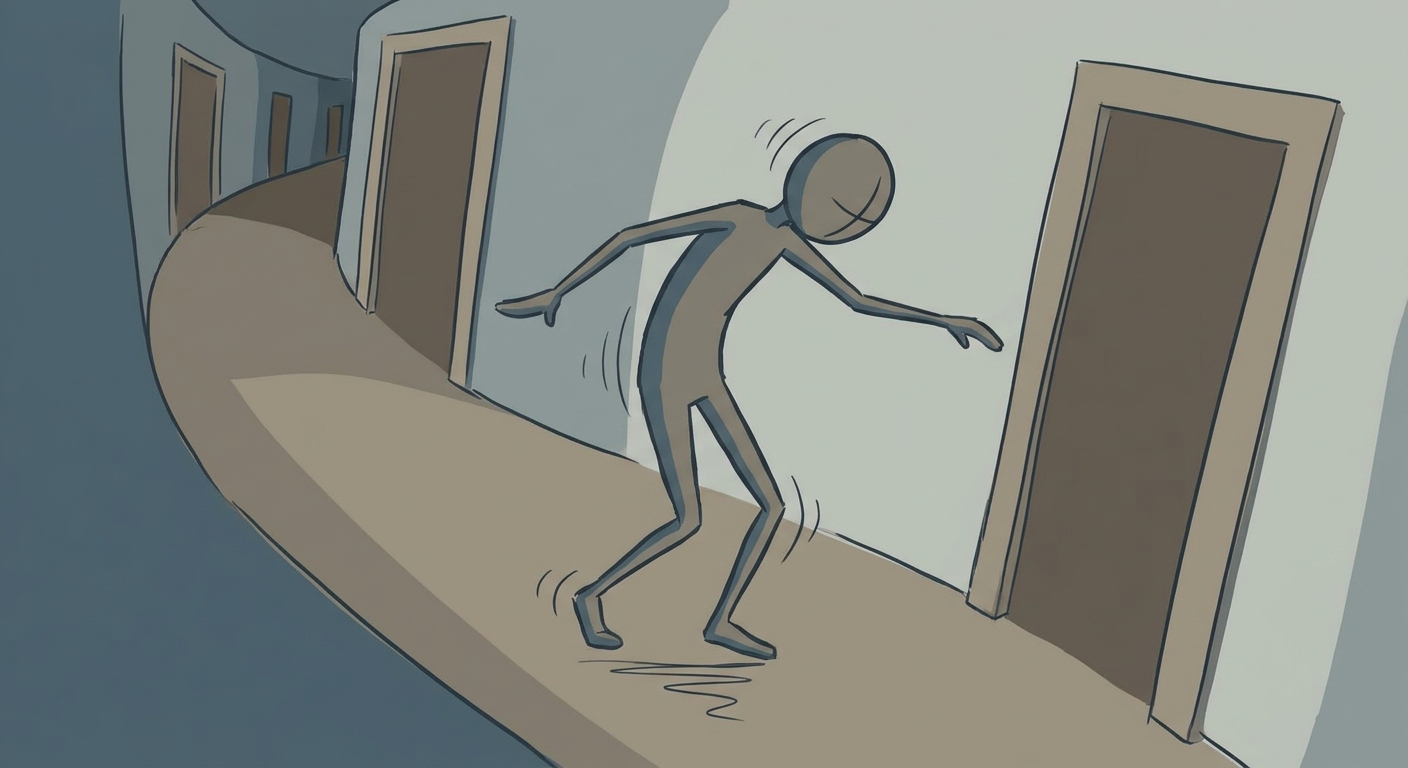
This can show up in subtle ways—like feeling “slower” in morning meetings, having trouble focusing on screens, or noticing that your commute feels more tiring than usual.
If you want a deeper dive into why allergy medicines can cause fatigue—and what else can contribute—see: https://sleepandsinuscenters.com/blog/do-allergy-pills-make-you-sleepy-causes-side-effects-and-non-drowsy-alternatives
Real-world example: Even though loratadine is commonly considered low-sedating, drowsiness is still a known side effect and occurs in a meaningful minority of users (reported as more than 1 in 100 by the NHS). Think “reduced risk,” not “no risk.”
Which Non-Drowsy Antihistamine Is Least Likely to Cause Sleepiness?
If your goal is staying alert, differences between options matter:
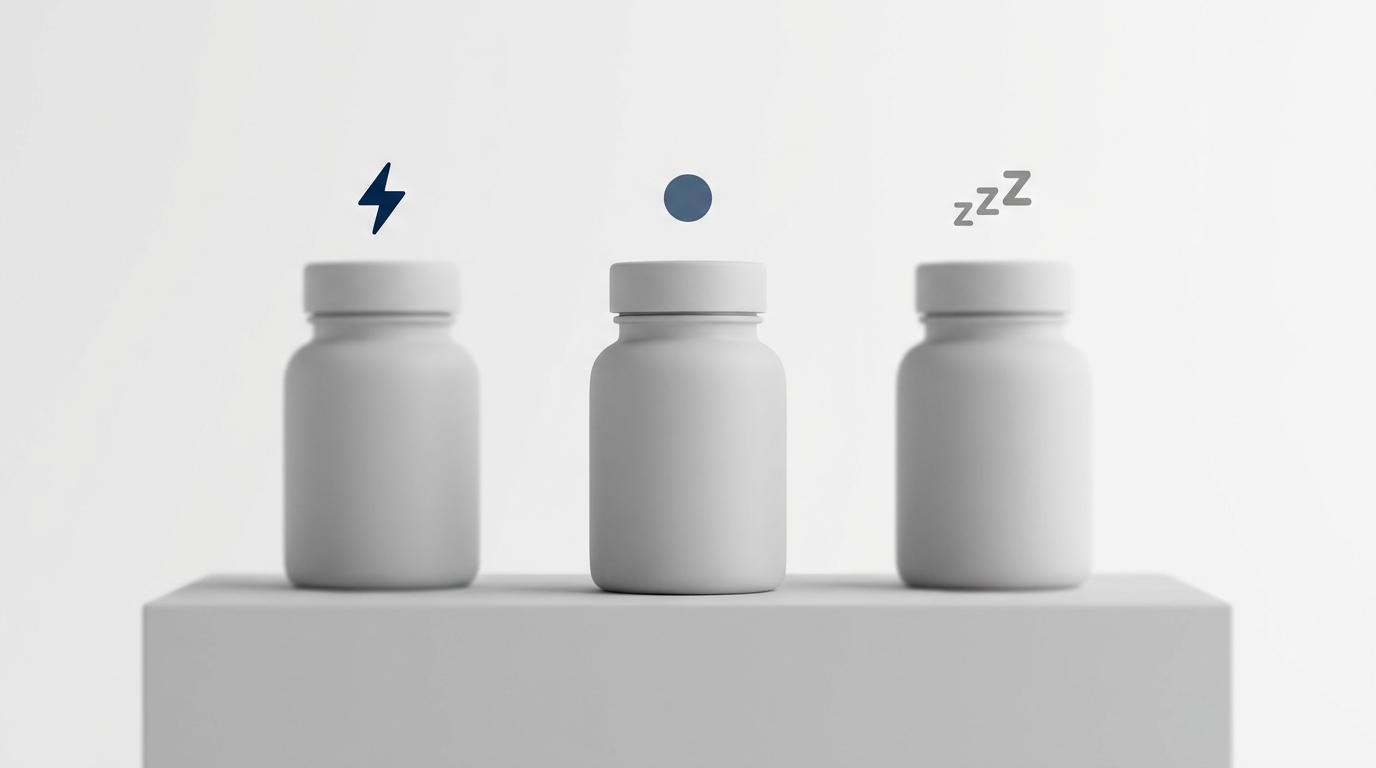
- Fexofenadine: Frequently discussed as among the least sedating second-generation options. (AAAAI, 2021; GoodRx)
- Cetirizine: Associated with a higher incidence of sedation than loratadine and fexofenadine in comparative data. (NIH/PMC; GoodRx)
- Loratadine: Generally low sedation, but not zero; drowsiness occurs in a minority of people (NHS).
Patient decision notes:
- If you must be alert for work or driving: Fexofenadine is often discussed as a lower-sedation choice. The right option depends on your health history, other medicines, and how you respond—ask a clinician or pharmacist to help evaluate.
- If nighttime symptoms are worse: Some people adjust timing with their clinician’s guidance so relief supports sleep while minimizing daytime effects. Individual response varies.
Quick comparison highlights (educational):
- Fexofenadine: “Non-drowsy” label; lowest sedation likelihood among common options in many summaries; often preferred for daytime alertness when appropriate. (AAAAI, 2021; GoodRx)
- Loratadine: “Non-drowsy” label; low but possible sedation; drowsiness reported in a minority (>1 in 100 per NHS).
- Cetirizine: Often marketed as non-drowsy; higher sedation reports than loratadine/fexofenadine in comparative data. (NIH/PMC; GoodRx)
Note: Individual response varies widely; these bullets are educational only and not a treatment recommendation. Other factors (drug interactions, medical conditions, pregnancy, age, and safety-critical tasks like driving) also matter—ask a clinician or pharmacist for personalized guidance. If efficacy is similar, discussing a lower-sedation option with a clinician may help protect daytime alertness.
Symptoms: How to Tell If Your Antihistamine Is Making You Drowsy
Sleepiness doesn’t always feel like “I could fall asleep right now.” It can also show up as:
- Fatigue or low energy
- Slowed reaction time
- “Brain fog” or trouble concentrating
- Needing naps unexpectedly
- Feeling less safe to drive
A concrete example patients often mention is: “I’m not falling asleep at my desk—but I’m rereading the same email three times.” That can still be medication-related sedation (or poor sleep from allergies), and it’s worth noticing. If this happens, talk with a clinician or pharmacist before changing your dose or switching medicines on your own.
If your alertness changes after starting an allergy medicine, flag it and discuss with a professional.
Causes: Why You Might Feel Sleepy Even on a “Non-Drowsy” Allergy Pill
Individual sensitivity (metabolism and brain sensitivity): Two people can take the same medication and have very different experiences. Differences in metabolism, genetics, and nervous system sensitivity can affect how sedating a medication feels. (StatPearls, 2023) If you’re considering taking antihistamines daily, it’s also helpful to understand how regular use may affect side effects over time: https://sleepandsinuscenters.com/blog/daily-allergy-medicine-benefits-side-effects-and-best-options
Dose timing and stacking sedatives: Even second-generation medications can feel more sedating when combined with other things that cause sleepiness, such as alcohol, sleep aids, some anxiety medications, or other sedating medications. This “stacking” effect matters in real life.
Example: A medication that feels fine on a weekend may feel different on a weeknight if you also had a drink with dinner or took a sleep aid.
Your allergies themselves may be worsening sleep: Not all “antihistamine fatigue” is caused by the medication. Allergy symptoms can disturb sleep through congestion, post-nasal drip, mouth breathing, and nighttime awakenings—leading to daytime exhaustion. Related read: https://sleepandsinuscenters.com/blog/chronic-allergic-rhinitis-and-its-impact-on-sleep-quality
Medication effects, other sedatives, and the allergies themselves can all add up to daytime fatigue.

Treatments & Practical Options If You Need Allergy Relief Without Feeling Sleepy
Medication strategies (educational options to discuss with a clinician or pharmacist):
- Consider a less-sedating second-generation option (often fexofenadine). (AAAAI, 2021; GoodRx)
- Try a switch rather than stopping outright—sedation varies by drug and person. (StatPearls, 2023)
- Explore timing adjustments (morning vs evening) when appropriate for your situation and schedule. For timing considerations, see: https://sleepandsinuscenters.com/blog/best-times-to-take-allergy-medicine-morning-vs-night
Also, if you’re deciding between medication types, this guide clarifies the role of each: https://sleepandsinuscenters.com/blog/decongestant-vs-antihistamine-when-to-use-each-for-allergy-relief
Non-sedating alternatives or add-ons (when appropriate):
- Intranasal corticosteroid sprays (a mainstay for allergic rhinitis)
- Saline rinses
- Allergen avoidance steps
Learn more about long-term approaches: https://sleepandsinuscenters.com/treating-chronic-rhinitis
When to talk to an ENT/allergy specialist:
- Symptoms aren’t controlled with OTC options
- Side effects (like sleepiness) interfere with daily life
- You want a longer-term plan, including identifying triggers
Explore whether allergy testing makes sense: https://sleepandsinuscenters.com/allergy-testing
Small, clinician-guided changes in drug choice or timing often reduce daytime sleepiness while keeping symptoms controlled.
Lifestyle Tips to Reduce Daytime Sleepiness While Treating Allergies
Reduce allergen exposure (especially before bed):
- Shower after outdoor time (pollen can cling to hair/skin)
- Keep windows closed during high pollen days
- Wash bedding regularly
If your symptoms spike overnight, these steps can reduce the “allergen load” you bring into bed—making it easier to judge whether daytime fatigue is from the medication or from poor sleep.
Improve sleep quality so you can judge medication effects accurately: When sleep is already disrupted, it’s harder to tell whether tiredness is from the medication or the allergies. Basic sleep consistency, nasal hygiene, and congestion management can make the picture clearer.
Track your response for 1–2 weeks:
- Medication name + dose + time taken
- Sleepiness rating (0–10)
- Symptom relief rating (0–10)
Bring this log to your pharmacist or doctor to guide next steps. It’s a useful tool to inform shared decisions—not for self-directed dose changes. Better allergy control at night can make daytime decisions clearer.
Special Situations & Safety Considerations
Driving and work safety: If you feel drowsy, avoid driving or hazardous tasks until you’ve discussed alternatives (switching medications or changing timing) with a qualified professional.
Older adults, pregnancy, and medical conditions: Side effects and medication choices can differ based on age, pregnancy status, liver or kidney conditions, and other health factors. Personalized guidance matters here.
Combining antihistamines: Doubling up can increase side effects (including sedation). Avoid combining antihistamines unless a clinician specifically recommends it.
When safety or special populations are involved, personalized guidance matters most.
FAQs
Are non-drowsy antihistamines truly non-drowsy? They’re less likely to cause sedation because they typically have less brain penetration, but drowsiness can still occur. (StatPearls, 2023; NIH/PMC)
Which antihistamine is least likely to make you sleepy? Fexofenadine is frequently cited as among the least sedating second-generation options. (AAAAI, 2021; GoodRx)
Why does cetirizine make some people sleepy? Compared with some other second-generation options, cetirizine has a higher reported incidence of sedation, and individual sensitivity varies. (NIH/PMC; StatPearls, 2023)
Can loratadine cause drowsiness? Yes. Loratadine can cause drowsiness in a minority of users (more than 1 in 100, per NHS).
What should I do if my allergy pill makes me tired? Educational next steps include discussing a switch to a lower-sedation option, reviewing medication timing, and checking for other sedating substances or sleep disruption from uncontrolled symptoms—with help from a clinician or pharmacist.
When to Seek Medical Care
Call your clinician if:
- Drowsiness is persistent or severe
- You’re falling asleep unintentionally
- Allergy symptoms remain uncontrolled despite OTC therapy
Seek urgent care if:
- You have signs of a severe allergic reaction (trouble breathing, swelling of the face/lips/tongue, or rapidly worsening symptoms)
Conclusion (Patient-friendly wrap-up)
Second-generation, “non-drowsy” antihistamines are designed to reduce sleepiness by limiting how much medication reaches the brain—but “non-drowsy” still isn’t a promise. If you’re choosing among second-generation antihistamines, it helps to know that fexofenadine is often the least sedating, loratadine is usually low-sedating (but can still cause drowsiness), and cetirizine is more likely to make some people sleepy. If daytime fatigue shows up, it may be a sign to reassess medication choice, timing, and whether allergy symptoms are disturbing your sleep.
CTA: If allergies are disrupting your sleep or your medications are interfering with daytime alertness, you can book an appointment with our team at Sleep & Sinus Centers to discuss symptom control and longer-term options: https://www.sleepandsinuscenters.com/
Medical disclaimer: This article is for educational purposes only and is not medical advice. Please consult a qualified healthcare provider for diagnosis and treatment.
References
- StatPearls. (2023). Antihistamines. NCBI Bookshelf. https://www.ncbi.nlm.nih.gov/books/NBK542278/
- NIH/PMC article on antihistamines and sedation/CNS penetration. https://pmc.ncbi.nlm.nih.gov/articles/PMC1118461/
- NIH/PMC comparative sedation information (cetirizine vs others). https://pmc.ncbi.nlm.nih.gov/articles/PMC27362/
- American Academy of Allergy, Asthma & Immunology (AAAAI). (2021). Antihistamine sedation considerations. https://www.aaaai.org/allergist-resources/ask-the-expert/answers/2021/antihistamine
- NHS. Loratadine side effects. https://www.nhs.uk/medicines/loratadine/side-effects-of-loratadine/
- GoodRx. Best non-drowsy antihistamine for allergies. https://www.goodrx.com/classes/antihistamines/best-non-drowsy-antihistamine-allergies
Don’t let allergies slow you down. Schedule a comprehensive ENT and allergy evaluation at Sleep and Sinus Centers of Georgia. We’re here to find your triggers and guide you toward lasting relief.