Nasal Septal Hematoma Treatment: What to Do After a Hard Hit to the Nose
A hard hit to the nose can cause bruising, swelling, and nosebleeds that look dramatic but often heal with basic home care. Occasionally, though, a nose injury leads to a nasal septal hematoma, a problem that needs same-day medical evaluation because treatment often involves drainage by a clinician to protect the cartilage inside the nose. Think of it this way: typical swelling is puffy tissue, while a septal hematoma is more like a pocket of trapped blood under the lining of the nose—something that usually isn’t managed safely by waiting. This article is educational only and is not a diagnosis or treatment plan.
If you’re worried after a nose injury, timely evaluation is the safest next step.
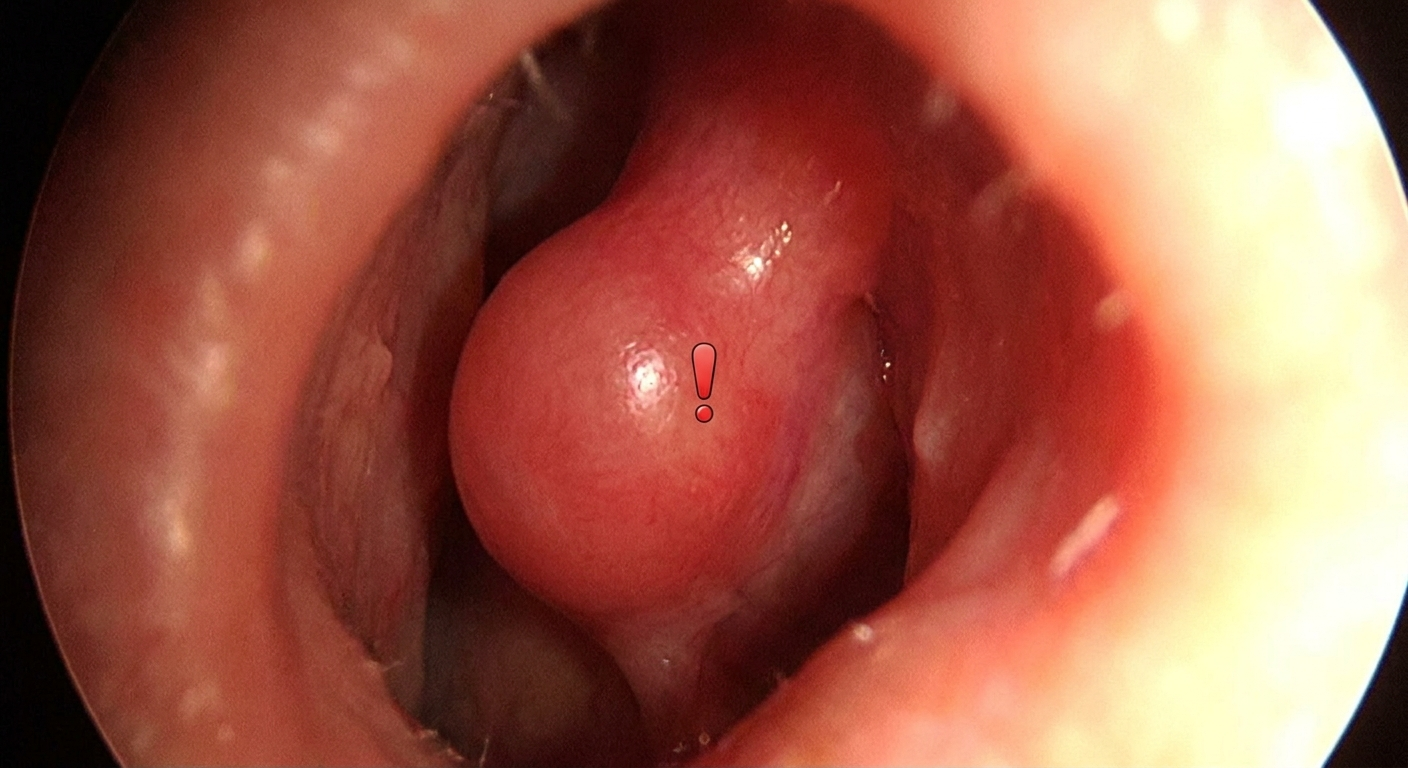
The red-flag sign
One of the biggest red flags after nasal trauma is soft/purple, squishy swelling inside the nose, especially if it comes with worsening pain, tenderness, or increasingly blocked breathing. This can look like swelling on the center wall inside a nostril (the septum), not just puffiness on the outside of the nose. A common scenario: after a sports hit, the outside of the nose looks “not too bad,” but one side suddenly feels plugged and a boggy bulge appears on the center wall.
Why timing matters
When a septal hematoma is suspected, medical references emphasize same-day evaluation. Confirmed septal hematoma is generally managed with prompt drainage by a trained clinician (often an ENT) to reduce the risk of cartilage damage and infection. If you call for advice, it can help to be specific: “I’m worried about a septal hematoma—there’s a soft purple swelling on the septum after a hit.”
Suspected septal hematoma is treated as time-sensitive—don’t wait to be seen.
What is a nasal septal hematoma (in plain English)?
The septum is the wall in the center of your nose that separates the left and right nostrils. After an injury, blood vessels can leak and blood can become trapped under the septum’s lining (the mucosa). That trapped collection of blood is a hematoma. A helpful analogy: the septal lining is like wallpaper, and the hematoma is like a bubble forming underneath it—pressure builds in a space that isn’t meant to hold fluid.
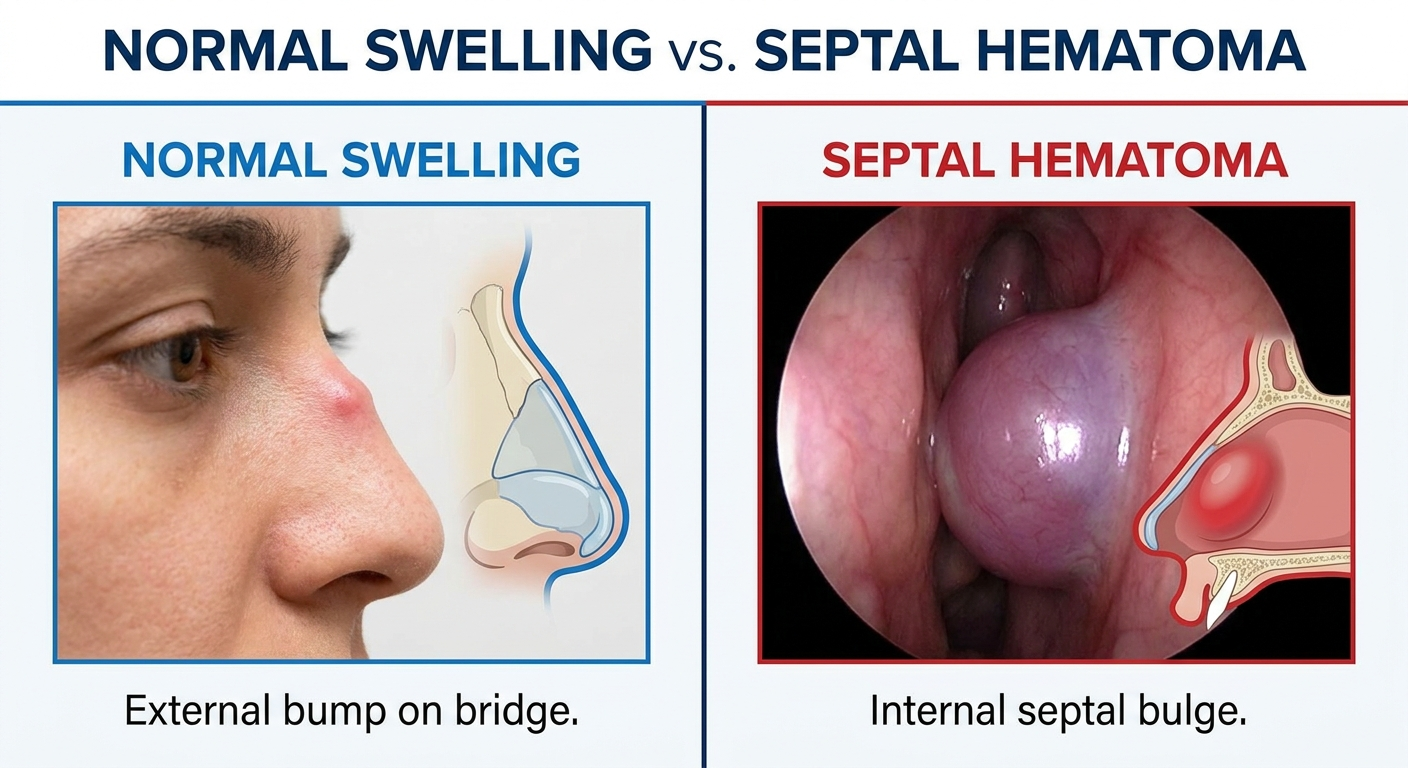
Septal hematoma vs. normal swelling after a hit
Normal post-injury swelling is often:
• Outside the nose (bridge/sidewalls)
• Firm from inflamed tissue or fracture-related swelling
• Gradually improving over days
A septal hematoma is different. It’s typically:
• Inside the nostril, on the septum itself
• Soft, boggy, or squishy (not firm like bone)
• Sometimes on one side or both sides
• Noticeable right away or over the next day or two
External bruising usually improves with time; internal, boggy septal swelling calls for same-day assessment.
Symptoms: how to tell if you might have a septal hematoma
Common symptoms (often described in guidelines):
• Nasal blockage that feels like the nostril is “stuffed shut”
• Increasing pressure or pain inside the nose
• A visible purple/red bulge inside one or both nostrils
• Tenderness when touching the nose
What it looks/feels like: soft, spongy, or squishy swelling on the center wall (septum), not the outer nostril wall.
What you might notice (not a diagnosis): with a bright light and without touching or pressing anything, a smooth, purple, puffy bulge on the septum that wasn’t there before. Only a clinician can confirm a septal hematoma, and not seeing a bulge does not rule out a problem.
Symptoms that mean “go now”—seek emergency care for:
• Major trouble breathing through the nose (severe obstruction)
• Persistent/heavy bleeding that won’t settle with pressure
• Clear watery drainage from the nose after trauma
• Severe headache, repeated vomiting, fainting, confusion, vision changes, trouble speaking, or other neurologic symptoms
Worsening blockage, pain, or a purple, squishy septal bulge after a hit warrants same-day medical evaluation.
Causes and risk factors (who gets this after a hit?)
Most common cause: blunt trauma
• Sports impacts (balls, elbows, collisions)
• Falls
• Car accidents
• Fights
• Playground injuries in children
Why kids and athletes are higher risk: they take more nasal hits, and internal symptoms may be overlooked at first. A common pattern is: it bled a little and seemed fine, then stuffiness and tenderness worsened later that day or the next. Delayed onset still needs timely evaluation rather than watchful waiting.
Even if a hit seems minor at first, new internal blockage or tenderness later still needs same-day care.
What to do right away at home (first aid while you arrange care)
The goal after a hard hit is to reduce bleeding and swelling and avoid making the injury worse—not to attempt drainage at home.
If there’s a nosebleed:
• Sit upright and lean forward (not backward).
• Pinch the soft part of the nose continuously for 10–15 minutes.
• Repeat once if needed.
Reduce swelling:
• Apply a cold pack wrapped in cloth for 10–15 minutes at a time, with breaks in between.
What NOT to do:
• Don’t try to straighten the nose yourself.
• Don’t pick, probe, or attempt to “pop” any internal swelling.
• Avoid forceful nose blowing until you’re evaluated.
For more on first aid and injury care:
• ENT treatments for frequent nosebleeds: https://sleepandsinuscenters.com/blog/ent-treatments-for-frequent-nosebleeds
• Nasal fracture first aid tips: https://sleepandsinuscenters.com/blog/nasal-fracture-first-aid-tips-for-immediate-care-and-recovery
Control bleeding, use gentle cold, and arrange prompt medical evaluation—do not attempt to drain anything at home.

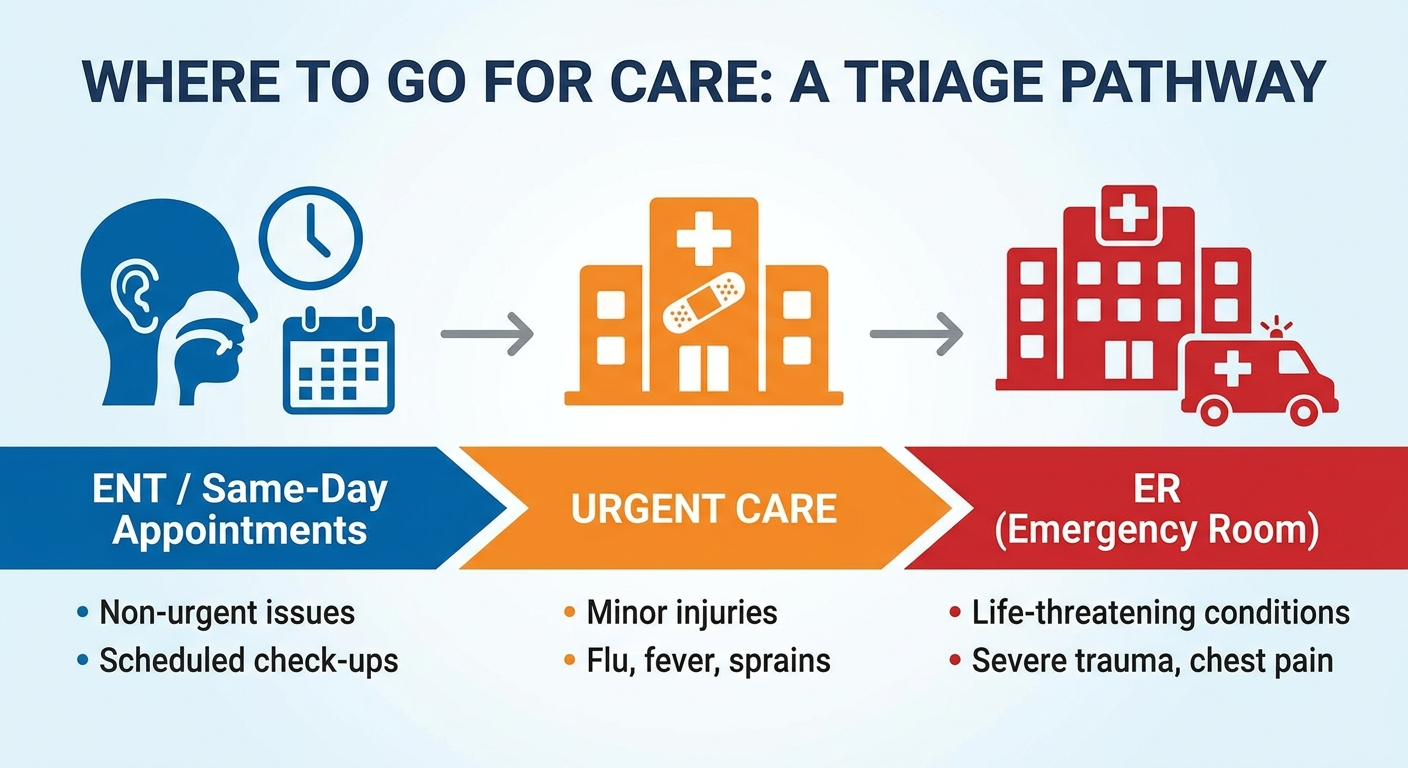
When to go to the ER vs. urgent care vs. same-day ENT
Go to the ER immediately if you have:
• Bleeding that doesn’t stop with appropriate pressure
• Severe breathing obstruction
• Clear watery drainage after head/nose trauma
• Concussion or serious head-injury symptoms (vomiting, confusion, severe headache, vision changes, fainting, neurologic symptoms)
Seek same-day evaluation (don’t wait until tomorrow) for:
• Suspected purple/soft septal swelling
• Worsening pain plus blocked nasal breathing after a hit
If you’re unsure, say clearly when calling: concern for a septal hematoma after nasal trauma. For broader guidance on injuries and triage:
• Broken nose treatment (when to see an ENT specialist): https://sleepandsinuscenters.com/blog/broken-nose-treatment-when-to-see-an-ent-specialist
Severe symptoms mean ER; suspected internal septal swelling means same-day evaluation.
Nasal septal hematoma treatment (what a clinician typically does)
Examination usually includes:
• An internal nasal exam using a light and a speculum; an ENT may use nasal endoscopy
• Assessment for nasal fracture and other facial injuries
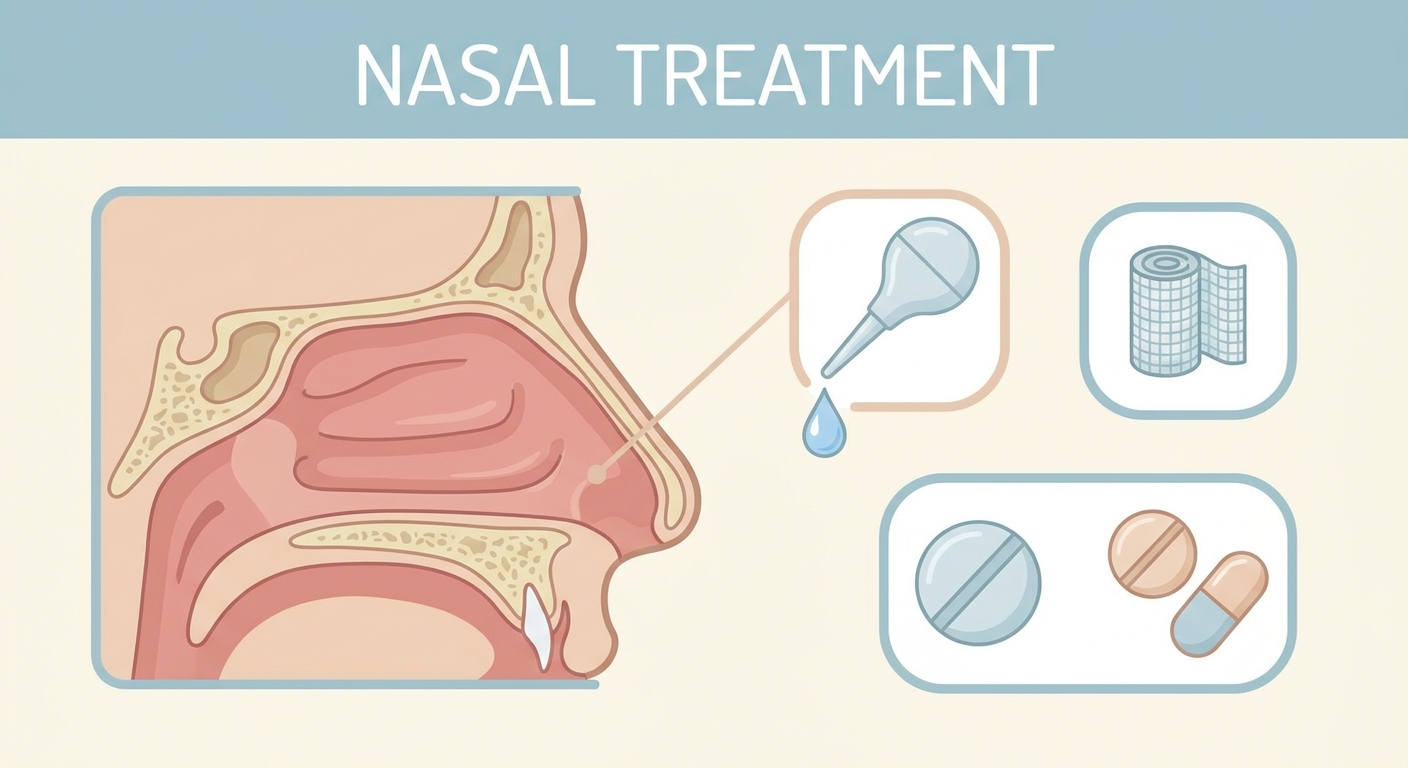
Drainage is generally required when confirmed: because trapped blood can compromise the septal cartilage, confirmed septal hematoma is generally managed with prompt drainage by a trained clinician. Depending on the case, packing or splints may be placed to help prevent recurrence.
Antibiotics and follow-up: because a hematoma can become infected, clinicians may prescribe antibiotics based on the scenario and arrange close follow-up to ensure the collection doesn’t recur and healing is on track.
Clinicians confirm the diagnosis, drain when indicated, and monitor closely to protect the septal cartilage.
Why prompt treatment matters (complications of waiting)
Potential complications of delay include:
• Cartilage damage and “saddle nose” deformity (collapse of the nasal bridge from cartilage injury)
• Infection and abscess
• Septal perforation (a hole in the septum), which can lead to crusting, whistling, and recurrent bleeding
• Rare but serious spread of infection in advanced cases
Prompt care lowers the risk of cartilage damage, infection, and long-term nose changes.
Recovery tips after drainage or after being evaluated
What to expect over the next few days:
• Temporary stuffiness, tenderness, and mild oozing are common.
• Your clinician’s instructions take priority for activity limits and medications.
Home care basics:
• Avoid nose blowing and heavy exertion until cleared.
• Use cold compresses as instructed.
• Take medicines exactly as prescribed.
Signs you should call back urgently:
• Fever
• Increasing pain
• Worsening blockage
• New or recurrent internal swelling
• Recurrent heavy bleeding
For general decision-making about specialty care: https://sleepandsinuscenters.com/blog/when-should-i-see-an-ent
Follow your clinician’s plan closely and call promptly if symptoms worsen or swelling returns.
Prevention for the future (especially for athletes and kids)
Protective gear and safer play:
• Use helmets, face shields, and sport-specific protection when appropriate.
• Follow rules of play and ensure proper supervision for kids.
Don’t ignore internal symptoms after “minor” hits:
• Even small hits can cause internal issues that show up hours or days later; new blockage or tenderness deserves same-day assessment.
Protect the nose during sports, and don’t dismiss new internal symptoms after a hit.
FAQs (patient-friendly)
Can a septal hematoma go away on its own?
Medical references generally caution against watchful waiting. Suspected cases are treated as time-sensitive, and confirmed hematomas are typically managed with prompt clinician drainage.
How soon after a hit can a septal hematoma show up?
It may be visible immediately or develop over the next day or two; delayed worsening still needs same-day evaluation.
Is a septal hematoma the same as a broken nose?
They’re different problems, though they can occur together. A hematoma is blood trapped under the septal lining and is managed urgently to protect cartilage.
Should I pop the swelling or try to drain it at home?
No. Home attempts can increase bleeding and infection risk and may miss deeper injury.
What if I can breathe but see a purple bump inside my nose?
Even without severe blockage, a soft, purple septal bulge is still a reason for same-day medical evaluation.
When in doubt, get checked—only an in-person exam can confirm the diagnosis and guide treatment.
When to see an ENT (and how we can help)
Any concern for a septal hematoma—especially internal, soft, purple swelling on the septum—warrants prompt evaluation. If you’re deciding between care settings, our general guide on when to see an ENT can help, and if symptoms are severe (heavy bleeding, neurologic symptoms, clear fluid drainage, or major obstruction), emergency care is more appropriate.
At Sleep and Sinus Centers of Georgia, our team can assess nasal injuries, determine whether a septal hematoma is present, and coordinate timely care when drainage or follow-up is needed. To get started, book an appointment at https://www.sleepandsinuscenters.com/ (or call your nearest location for same-day guidance).
References
Merck Manual Professional Edition. Nasal Fractures. https://www.merckmanuals.com/professional/injuries-poisoning/facial-trauma/nasal-fractures
MedlinePlus Medical Encyclopedia. Nasal septal hematoma. https://medlineplus.gov/ency/article/001292.htm
NHS Greater Glasgow & Clyde Right Decisions. Nasal fracture/septal haematoma guidance. https://www.rightdecisions.scot.nhs.uk/ggc-primary-care/ear-nose-and-throat-ent/ear-nose-and-throat-ent-referral-guidance/nose-conditions/nasal-fractureseptal-haematoma/
NHS. Broken nose. https://www.nhs.uk/conditions/broken-nose/
Mayo Clinic. Broken nose—Diagnosis & treatment. https://www.mayoclinic.org/diseases-conditions/broken-nose/diagnosis-treatment/drc-20370444
This article is for educational purposes only and is not medical advice. Please consult a qualified healthcare provider for diagnosis and treatment.
If you suspect a septal hematoma or have severe symptoms (heavy bleeding, trouble breathing, clear watery nasal drainage, or neurologic symptoms), seek urgent or emergency care.
Don’t let allergies slow you down. Schedule a comprehensive ENT and allergy evaluation at Sleep and Sinus Centers of Georgia. We’re here to find your triggers and guide you toward lasting relief.