Inner Nose Pain: Causes, Symptoms & ENT Treatment Options
Inner nose pain can be distracting, especially when it stings with breathing, wiping, or blowing. Many causes are straightforward and treatable, often from irritation at the nostril opening or sinus inflammation. This guide explains how it feels, common causes, symptom patterns, safe home comfort measures, and how an ENT evaluates and treats ongoing problems, from medications to procedures like FESS and balloon sinuplasty.
What Does “Inner Nose Pain” Feel Like?
Common descriptions include burning or stinging with dryness, sharp soreness in one spot from a small sore or scratch, tenderness to touch right inside the nostril, deeper pressure “behind” the nose or in the face, and either one-sided or both-sided pain. Location matters: pain at the nostril doorway (vestibule) often points to irritation or vestibulitis; deeper pressure with congestion suggests sinus inflammation.
Inner Nose Pain vs Sinus Pain—The Key Difference
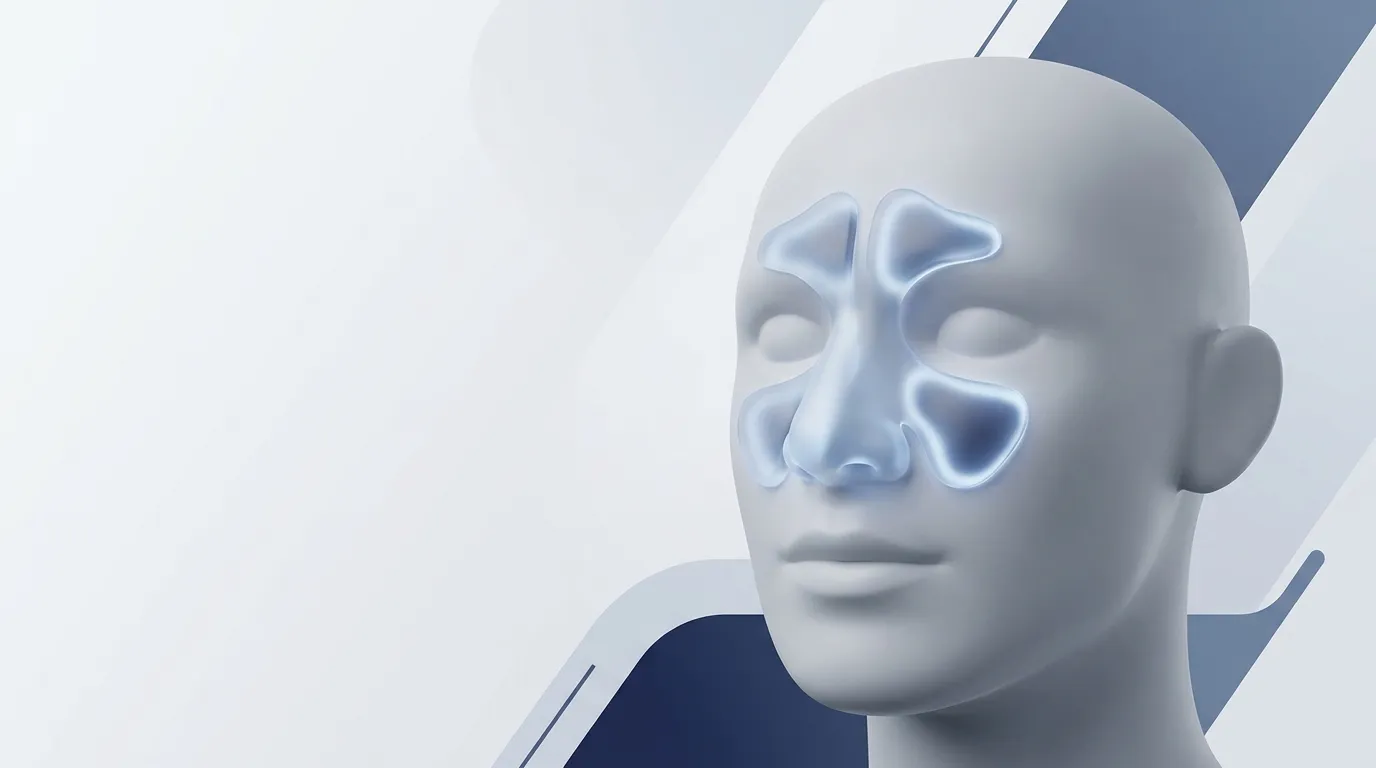
Front of the nose (nostril opening) more often means nasal vestibulitis, irritation, or a localized infection. Deeper facial pressure with congestion more often means sinus inflammation or infection (sinusitis). External resources: Cleveland Clinic https://my.clevelandclinic.org/health/diseases/17701-sinusitis and NHS https://www.nhs.uk/conditions/sinusitis-sinus-infection/. Internal resource (chronic patterns): https://sleepandsinuscenters.com/chronic-sinusitis. In short, where the pain lives points to the cause and guides next steps.

Common Causes of Inner Nose Pain
Common causes include sinusitis (acute, subacute, or chronic) with congestion, thick drainage or postnasal drip, reduced smell, and facial pressure; nasal vestibulitis at the nostril opening with soreness, redness, and crusting; nasal furuncle/boil near the opening with a focal painful bump; trauma or irritation from dryness, friction, or sprays; and, less commonly, autoimmune or inflammatory conditions with persistent crusting or bleeding and other body symptoms.
Sinusitis (Acute, Subacute, or Chronic)
Sinusitis is inflammation of the sinus lining. It often follows a viral cold and can be linked to allergies, chronic inflammation, blockage, or sometimes bacteria. Because sinuses and nasal passages are connected, swelling and congestion can create pressure that feels like inner nose pain.
Key symptom clues include facial pressure or pain (cheeks, forehead, between the eyes), nasal congestion, thick drainage or postnasal drip, reduced smell, and sometimes headache or upper-tooth pressure. Time course: acute under 4 weeks; subacute 4–12 weeks; chronic 12+ weeks. External references: Cleveland Clinic https://my.clevelandclinic.org/health/diseases/17701-sinusitis, NHS https://www.nhs.uk/conditions/sinusitis-sinus-infection/, Healthdirect https://www.healthdirect.gov.au/sinusitis, Mayo Clinic https://www.mayoclinic.org/diseases-conditions/chronic-sinusitis/diagnosis-treatment/drc-20351667. Internal resource: https://sleepandsinuscenters.com/chronic-sinusitis. Bottom line: deeper pressure with congestion and thick drainage often suggests sinus inflammation rather than a surface sore.

Nasal Vestibulitis (Irritation/Infection at the Nostril Opening)
Nasal vestibulitis affects the entryway of the nose and often follows frequent blowing, picking, trimming nasal hair, or dryness that causes cracking. Clues include pain and tenderness right inside the nostril opening, redness, crusting or scabbing, small sores or bumps, and occasional minor bleeding. External reference: Cleveland Clinic https://my.clevelandclinic.org/health/diseases/24928-nasal-vestibulitis. Internal resource: https://sleepandsinuscenters.com/blog/nasal-vestibulitis-causes-care-complete-guide-for-treatment. Takeaway: front-of-nose soreness with crusting often points to vestibulitis, commonly managed with topical care and reducing friction or dryness triggers.
Nasal Furuncle/Boil (Furunculosis)
This focal infection feels like a tender pimple or boil near the nostril opening and can become more painful and swollen than typical vestibulitis. Do not squeeze; if a painful bump is enlarging quickly or redness is spreading, seek timely medical evaluation.
Trauma or Irritation (Scratches, Dryness, Sprays/Chemicals)
Dry air, tissue friction, small scratches from nails or grooming, and sensitivity to certain sprays or chemicals commonly cause raw or burning sensations, localized tenderness, and occasional light bleeding. External resource: https://www.medicalnewstoday.com/articles/painful-sores-in-nose. Internal resource: https://sleepandsinuscenters.com/blog/nasal-scabs-causes-treatment-and-when-to-see-a-doc-20260411011004. Gentle care, moisture support, and avoiding friction often calm irritation-related pain.
Autoimmune/Inflammatory Conditions (Less Common)
Some autoimmune or inflammatory diseases involve nasal and sinus tissues. Consider this if symptoms are persistent and unexplained, especially when crusting or bleeding pairs with fatigue, joint pain, rashes, or other systemic features. External reference: Mayo Clinic https://www.mayoclinic.org/diseases-conditions/chronic-sinusitis/diagnosis-treatment/drc-20351667. While uncommon, persistent nose symptoms with whole-body signs warrant coordinated evaluation.
Symptoms to Watch For (By Condition)
Sinusitis pattern: congestion, thicker mucus, postnasal drip, reduced smell, ear pressure, and sinus-related facial pressure (cheeks, brow, between the eyes), sometimes worse when bending forward; acute under 4 weeks, subacute 4–12 weeks, chronic over 12 weeks. Vestibulitis pattern: front-of-nose tenderness, sore nostril, redness, scabs and crusting, and pain triggered by wiping or touching. Red flags (seek urgent care): fever with rapidly worsening facial swelling; swelling or redness around the eye or vision changes; severe headache or stiff neck; spreading redness on the nose or face; pus-like drainage; new or worsening nasal symptoms in immunocompromised people. Pattern and location guide urgency: surface soreness is rarely dangerous, but spreading swelling, eye symptoms, or severe headaches need prompt care.

What You Can Do at Home (Educational, Low-Risk Comfort Measures)
Comfort and inflammation support: warm compresses over the face for pressure, hydration, and a humidifier to reduce dryness. Saline sprays or rinses may help; use sterile or distilled water (or boiled then cooled). Neti pot safety: https://sleepandsinuscenters.com/blog/neti-pot-safety-tips-essential-steps-for-safe-nasal-irrigation. Pain control may include acetaminophen or ibuprofen when appropriate for your medical history. Avoid picking or scratching inside the nose, overusing decongestant sprays (rebound congestion), and squeezing painful bumps or boils. Think gentle and clean: moisture support, careful saline use, and avoiding friction often reduce symptoms safely.

When to See a Doctor (Primary Care vs ENT)
Consider a visit if symptoms last more than about 10 days or worsen after initial improvement, if episodes are recurrent, if there is ongoing scabbing or crusting at the nostril opening, or if one-sided symptoms do not resolve. An ENT can help when symptoms persist despite treatment, chronic sinusitis or blockage is suspected, or nasal endoscopy, cultures, or imaging are needed. Georgia specialty care: https://www.sleepandsinuscenters.com/. If symptoms stick around or keep coming back, an ENT can clarify the cause and personalize next steps.
How ENT Specialists Diagnose Inner Nose Pain
History and pattern: location, timing, triggers (dry air, colds, allergies), prior antibiotic use, nosebleeds, and crusting help differentiate causes. Physical and nasal exam checks for tenderness, redness, scabs, sores, boils, septal irritation, and drainage. Nasal endoscopy may evaluate deeper nasal areas and sinus drainage pathways for chronic or recurrent symptoms. CT imaging can be considered for chronic or complicated sinusitis and for surgical planning. The combination of location, timing, and direct visualization usually makes the diagnosis clear.
Treatment Options (From Simple to Specialized)
Sinusitis treatment depends on whether the cause appears viral, bacterial, allergic, or chronic inflammatory. Educationally, plans often start with supportive measures, targeted medications, and, in select situations, antibiotics; nasal steroid sprays are common in chronic rhinosinusitis. External references: NHS, Cleveland Clinic, and Mayo Clinic links above. Most plans aim to reduce inflammation and improve drainage, escalating only when needed.
Vestibulitis treatment often starts with a topical antibiotic ointment; oral antibiotics may be considered for more severe or spreading infection. Moisturizing and protecting irritated tissue and reducing triggers (like picking) help healing. External reference: Cleveland Clinic https://my.clevelandclinic.org/health/diseases/24928-nasal-vestibulitis. Internal resource: https://sleepandsinuscenters.com/blog/nasal-vestibulitis-causes-care-complete-guide-for-treatment.
Nasal boils (furunculosis) require clinician evaluation due to abscess or spread risk. Treatment may include antibiotics and, in some cases, drainage performed in a medical setting. Do not squeeze; seek care if a painful bump is enlarging or increasingly tender.

ENT Procedures for Chronic or Severe Cases
Surgery may be considered when chronic sinusitis does not respond to appropriate medical therapy, when infections recur due to blockage, or when anatomy or inflammation prevents normal drainage. Functional Endoscopic Sinus Surgery (FESS) uses endoscopic tools to open blocked drainage pathways and address inflammation or polyps, aiming for fewer infections, improved airflow, and reduced pressure. Balloon sinuplasty uses a small balloon to dilate certain sinus openings in selected patients and is a minimally invasive option depending on anatomy and diagnosis. Internal resource: https://sleepandsinuscenters.com/balloon-sinuplasty. Caldwell-Luc is less common today and reserved for specific maxillary sinus issues. External references: Mayo Clinic https://www.mayoclinic.org/diseases-conditions/chronic-sinusitis/diagnosis-treatment/drc-20351667, Cleveland Clinic https://my.clevelandclinic.org/health/treatments/15854-sinus-surgery-overview, NYU Langone https://nyulangone.org/conditions/chronic-sinusitis/treatments/surgical-treatment-for-chronic-sinusitis. For the right patient, restoring sinus drainage can meaningfully reduce pressure, infections, and day-to-day symptoms.
Lifestyle Tips to Help Prevent Inner Nose Pain
Reduce dryness and irritation with bedroom humidification, gentle moisture measures when recommended, and avoiding aggressive blowing or picking. Build a dry-air routine in winter (hydration, humidity support, gentle nose care). Reduce sinus inflammation triggers by managing allergies and irritant exposure. Practice infection-prevention basics like hand hygiene and addressing nasal obstruction when recommended.
FAQs About Inner Nose Pain
Why does the inside of my nose hurt when I breathe in? Common causes include dryness or irritation, vestibulitis near the nostril opening, or inflamed tissue from allergies or infection.
How do I know if it is vestibulitis or sinusitis? Vestibulitis presents with pain and crusting at the nostril opening. Sinusitis presents with deeper facial pressure plus congestion or drainage. Gentle touch may localize pain but does not confirm the cause. References: Cleveland Clinic (vestibulitis) https://my.clevelandclinic.org/health/diseases/24928-nasal-vestibulitis; Cleveland Clinic (sinusitis) https://my.clevelandclinic.org/health/diseases/17701-sinusitis; NHS https://www.nhs.uk/conditions/sinusitis-sinus-infection/.
Do I always need antibiotics for inner nose pain? Not always. Many cases are viral or irritation-related. Antibiotics are more common when bacterial infection is suspected or when vestibulitis is significant.
When is inner nose pain an emergency? Eye swelling or vision changes, severe headache, facial swelling, high fever, rapidly worsening symptoms, or new or worsening nasal symptoms in immunocompromised people warrant urgent evaluation.
Can autoimmune disease cause nose pain? Yes, less commonly. Persistent crusting or bleeding plus systemic symptoms (fatigue, joint pain, rashes) should be evaluated, often involving ENT assessment and additional testing. If unsure which pattern you have, an exam is the fastest path to clarity and relief.
Conclusion—The Best Next Step If You Have Inner Nose Pain
Most inner nose pain comes down to a few common issues—especially sinusitis and nasal vestibulitis—with distinct patterns: deep pressure with congestion versus tenderness and crusting at the nostril opening. When symptoms persist, recur, or include red flags, evaluation clarifies the cause and enables targeted care, including medical therapy and, for select chronic cases, ENT procedures like FESS or balloon sinuplasty. Georgia care: https://www.sleepandsinuscenters.com/
Medical disclaimer: This article is for general education and is not a substitute for professional medical advice, diagnosis, or treatment. If you have severe symptoms, rapidly worsening swelling, eye symptoms, high fever, or you are immunocompromised, seek urgent medical care. This article is for educational purposes only and is not medical advice. Please consult a qualified healthcare provider for diagnosis and treatment.
Don’t let allergies slow you down. Schedule a comprehensive ENT and allergy evaluation at Sleep and Sinus Centers of Georgia. We’re here to find your triggers and guide you toward lasting relief.