How Mold Exposure Triggers Sinus Inflammation and Sinusitis Symptoms
Sinus pressure that won’t quit. Congestion that cycles from “manageable” to “miserable.” Postnasal drip, headaches, and that wiped-out fatigue that makes you feel like you’re always fighting something.
Viruses and bacteria are common culprits, but they aren’t the whole story. For many people, especially those with recurring or long-lasting symptoms, mold is an often-overlooked trigger. In the right conditions, mold exposure activates immune pathways, swells delicate nasal tissues, and disrupts normal mucus drainage—setting up the cycle of inflammation and sinusitis.
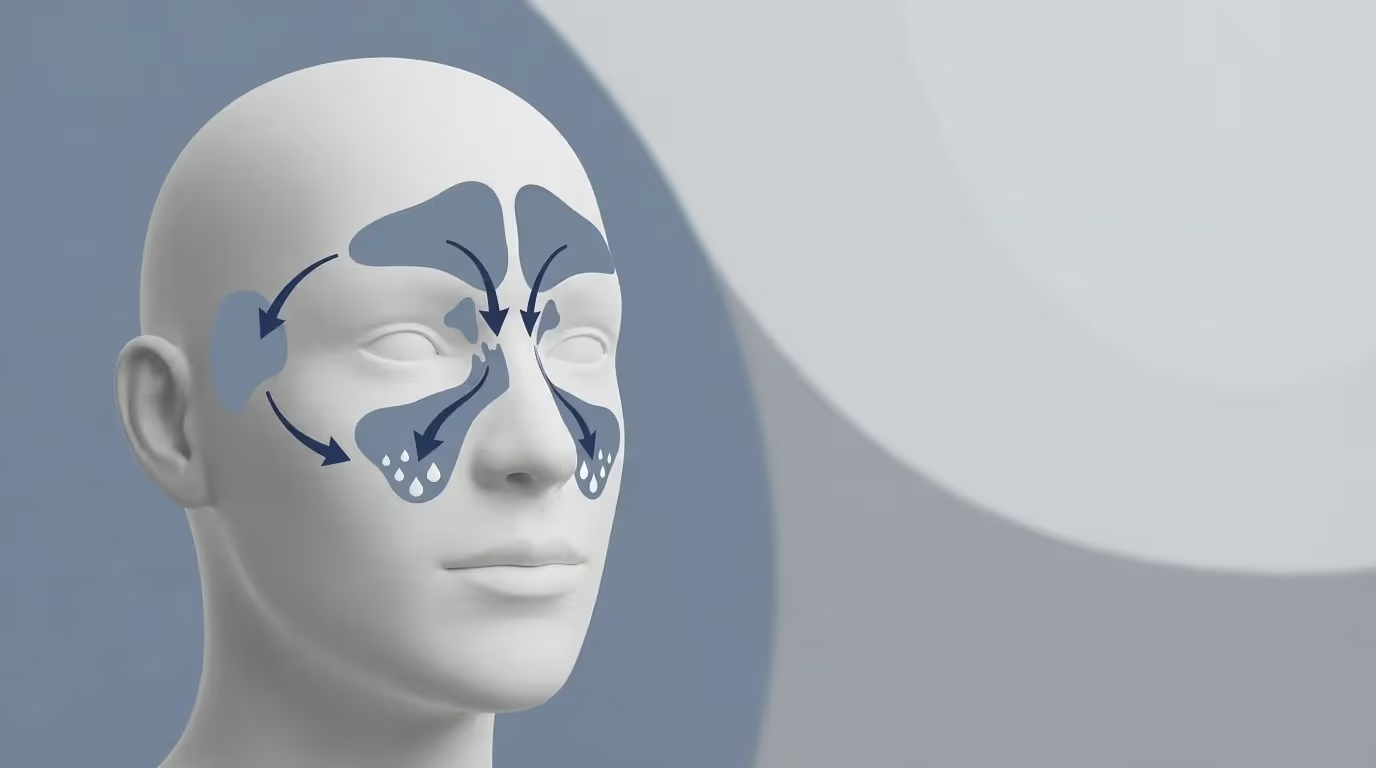
A helpful way to picture it: your sinuses drain through small openings, like narrow sink drains. When the lining gets irritated and swollen, those “drains” can pinch down, so mucus backs up, pressure builds, and symptoms linger.

This article explains what mold can do in your nose and sinuses, who is most at risk, common symptoms, how evaluation typically works, and the most important treatment and prevention concepts—so you can have a more informed conversation with your clinician.
Quick Overview—Can Mold Really Cause Sinusitis?
Short answer: Yes. In many people, mold exposure triggers sinus inflammation, and that inflammation can worsen sinusitis symptoms or contribute to recurring/chronic issues. The “how” generally falls into a few overlapping pathways:
- Allergy-type inflammation (your immune system treats mold like a threat)
- Immune-driven irritation (inflammation even without classic allergy symptoms)
- Fungal involvement in some chronic cases (fungus can be present in the sinus environment and may contribute to persistent inflammation) [1]
Note that fungal presence does not always equate to active infection, and fungal sinusitis requiring antifungal treatment is less common than other causes of sinusitis [1][2].
Chronic sinusitis is often multi-factorial—mold can be one piece of a bigger puzzle (anatomy, allergies, polyps, irritants, infections, and more). Clinically, it’s common for patients to have more than one trigger at once.
Mold vs. “sinus infection”
Sinusitis = inflammation of the sinus lining. Causes can include viral illness, allergy, irritants, bacteria, or fungus.
Infection implies a germ is actively infecting tissue (bacterial, viral, or fungal).
You can feel very “infected” from inflammation alone, because swelling, trapped mucus, and blocked drainage can create significant pressure and congestion even when bacteria aren’t the main driver [2][3]. A common patient description is: “I feel sick, but every antibiotic only helps for a week—if at all.”
Bottom line: Mold can be a real driver of sinus inflammation, even when there isn’t an active infection.
What Happens in Your Sinuses After Mold Exposure (Step-by-Step)
Step 1—You inhale mold spores
Mold releases tiny particles (spores) that can become airborne. Outdoors, that’s normal. Indoors, spore levels often increase when there’s water damage, chronic humidity, condensation, or poor ventilation.
Common indoor sources include:
- Bathrooms with frequent moisture
- Basements/crawlspaces
- Leaky roofs or windows
- Damp drywall or carpeting
- HVAC/duct issues that spread moisture or particles
Concrete example: a slow leak behind a bathroom wall may not be obvious, but over time it can keep the area damp enough for mold growth—and the air in that room can become a repeated exposure point.

Step 2—Your immune system reacts (especially if you’re sensitive)
In susceptible people, inhaled spores can provoke an immune response that inflames the lining of the nose and sinuses. When that happens, tissues swell and mucus can thicken—setting the stage for that “blocked up” feeling.
This is a major reason sinus inflammation from mold spores can feel similar to a cold or seasonal allergies—yet keep returning when exposure continues [3]. Many people notice a pattern like: “I’m okay outdoors, but I flare up at home,” or “I’m worse every time I spend time in the basement.”
Step 3—Blocked drainage fuels the sinusitis cycle
Your sinuses are meant to drain through narrow passages. When inflammation narrows those pathways, mucus can get trapped. Trapped mucus may lead to:
- Pressure and facial pain
- Postnasal drip and cough
- Reduced smell/taste
- A cycle of recurring flare-ups
If you’ve ever tried to drink through a pinched straw, you understand the concept: swelling makes the pathway smaller, so normal flow becomes difficult.
Over time, repeated inflammation can shift from occasional episodes to chronic sinusitis with mold as a trigger, especially if other risk factors are present. For a deeper overview of persistent symptoms, see our page on chronic sinusitis: https://sleepandsinuscenters.com/chronic-sinusitis

Step 4 (in some cases)—Fungus may persist/colonize and form biofilms
In certain chronic sinus conditions, fungal elements may be part of the ongoing inflammatory environment [1][4]. One reason symptoms can be stubborn is the concept of biofilm in sinuses—a thin, protective “community coating” that can help microorganisms (including bacteria and fungi) persist and resist clearance [5].
Biofilms don’t prove mold is the cause of every symptom, but they help explain why chronic sinus problems can be hard to fully “reset” when inflammation has been active for a long time.

Step 5—Mycotoxins may add irritation (and sometimes broader symptoms)
Some molds produce compounds called mycotoxins. The role of mycotoxins in sinus symptoms is still under investigation and is a complex topic within medical research. Practically, exposure may contribute to irritation and symptom patterns in some individuals. People sometimes describe sinus symptoms associated with mycotoxins as more than “just congestion,” including fatigue or feeling unwell—though these symptoms can also overlap with many other conditions [6].
In short: repeated exposure can inflame tissues, block drainage, and, in some chronic cases, involve biofilms that make symptoms harder to clear.
Who Is Most at Risk for Mold-Triggered Sinus Inflammation?
Allergy, asthma, and “reactive” airways
If you have allergies or asthma, your immune system may react more strongly to mold exposure—making flare-ups more likely and more intense [3]. Even small exposures can feel “big” when the immune system is already primed.
Chronic sinusitis history or nasal polyps
When the nose/sinuses are already inflamed, they may become more sensitive to triggers like dust, smoke, fragrance, and mold. Chronic inflammation and polyps can also physically narrow drainage pathways [2]. In other words, the margin for error gets smaller. For more on long-standing sinus swelling, see chronic sinusitis: https://sleepandsinuscenters.com/chronic-sinusitis
Weakened immune system or certain medical conditions
People with weakened immune defenses are at higher risk for more serious forms of fungal sinusitis and generally need earlier evaluation if sinus symptoms are persistent or severe [2].
High-exposure environments
Risk rises in places with frequent moisture and poor ventilation—especially water-damaged buildings or rooms that always feel damp or musty. If multiple people feel worse in the same space, it’s another reason to consider an environmental factor.
If your airways are already sensitive, even modest mold exposure can push you into a flare.
Mold Exposure Sinus Symptoms (What Patients Commonly Notice)
Typical sinus and nasal symptoms
Common symptoms of indoor mold–related sinus pressure and inflammation overlap with many other causes of sinusitis:
- Nasal congestion or blockage
- Facial pressure/pain (forehead, cheeks, between the eyes)
- Thick drainage or postnasal drip
- Reduced smell/taste
- Headache, cough, sore throat, bad breath
- Ear pressure/fullness (nasal swelling can affect pressure regulation)
For a broader symptom list, see symptoms of sinus problems: https://sleepandsinuscenters.com/symptoms-of-sinus-problems
Allergy-leaning clues that may point to mold as a trigger
- Sneezing, itchy nose/eyes, watery eyes
- Symptoms worse in certain rooms/buildings
- Symptoms that flare in damp seasons or after heavy rain
- Symptoms that improve when you’re away from home or work [3]
A simple real-life clue: if you feel noticeably better on vacation (then worse again within a day or two of returning), mention this pattern to your clinician.
Acute vs. chronic timeline cues
- Acute: symptoms under 4 weeks
- Chronic: symptoms lasting 12+ weeks, or frequent recurring episodes [2]
Red flags—when urgent evaluation is important
Urgent evaluation is commonly recommended for severe symptoms such as significant facial swelling, vision changes, intense headache with neck stiffness, high fever, or when a person is immunocompromised and symptoms are escalating [2].
Patterns tied to damp spaces, musty odors, or time spent in specific rooms can be key clues.
Causes—How Mold Leads to Sinusitis (Key Mechanisms)
Allergic inflammation (mold allergy)
For people with mold allergy, exposure activates immune pathways that cause swelling and mucus changes. Swelling narrows drainage, which can intensify pressure and congestion [3]. This is why “allergy-like” symptoms and “sinus pressure” can show up together. See allergy testing for more on identifying triggers: https://sleepandsinuscenters.com/allergy-testing
Non-allergic irritation and chronic inflammation
Even without classic allergy symptoms, ongoing exposure to airborne irritants can contribute to chronic inflammation—especially in already-sensitive nasal tissue. Some people don’t feel “itchy and sneezy,” but do feel persistently congested and heavy-headed.
Fungal sinusitis (a spectrum)
“Fungal sinusitis” isn’t one single diagnosis. It’s a spectrum—from allergy-driven forms (where inflammation is the dominant issue) to more serious infections that are more likely in immunocompromised individuals [2][7]. One well-known category is allergic fungal rhinosinusitis, which involves significant inflammation and fungal elements [7]. Importantly, fungal presence does not always mean invasive infection.
Biofilms and persistent inflammation
Biofilms can help explain why symptoms may keep coming back: they can shelter microbes and maintain inflammation, even when someone feels like they’ve “tried everything” [5]. If the underlying swelling and exposure persist, the cycle can continue.
Why mold is often missed
Because mold-triggered inflammation can mimic colds, seasonal allergies, and bacterial sinus infections, people may be treated repeatedly for the wrong driver—especially if the exposure environment never truly changes [1][2]. For a related overview, see: https://sleepandsinuscenters.com/blog/how-mold-exposure-can-trigger-sinusitis
Different pathways can overlap, which is why addressing both the biology (inflammation) and the environment (exposure) matters.
How Doctors Evaluate Mold-Related Sinus Problems
History that matters (what to tell your clinician)
Helpful details include:
- When symptoms began and how long they last
- Whether symptoms change at home vs. work
- Water damage, musty odors, visible mold, recent flooding/leaks
- Response (or non-response) to prior treatments
- Any allergy/asthma history
Tip: bring a short timeline (“It started after the roof leak in October…”).
Nasal exam (and possibly nasal endoscopy)
A nasal exam—and sometimes a thin-camera exam called endoscopy—can help visualize swelling, drainage, polyps, or structural issues that affect airflow and sinus drainage.
When imaging helps (CT scan of sinuses)
A sinus CT can show chronic inflammation patterns, blockage, and anatomy. It doesn’t “prove mold,” but it can clarify what’s happening and help guide next steps.
Allergy testing (when appropriate)
If mold allergy is suspected, testing may help identify triggers and support a targeted plan [3]. Learn more: https://sleepandsinuscenters.com/allergy-testing
When fungal sinusitis is suspected
In selected cases—especially severe, persistent, or complex cases—additional testing (such as sampling for culture or pathology) may be considered [2].
Clear history, focused exam, and selective testing help separate inflammation from infection and pinpoint triggers.
Treatment Options (Relief + Root Cause)
Step 1—Reduce exposure (the cornerstone)
When mold exposure triggers sinus inflammation, reducing exposure is often the most meaningful root-cause step. Educational strategies commonly include:
- Correcting moisture sources (leaks, condensation, ventilation issues)
- Removing water-damaged materials when needed
- Using dehumidification and appropriate filtration as supportive tools
If symptoms correlate with HVAC use, it may reflect dust, allergen, or mold particle circulation and should be documented.

Step 2—Symptom-relief options to discuss with your clinician
Depending on your situation, common approaches may include:
- Saline irrigation to rinse mucus and irritants (using safe/appropriate water)
- Anti-inflammatory nasal sprays (technique matters)
- Allergy medications when allergy symptoms are prominent
- Optimizing asthma/allergy control if relevant [3]
Step 3—When antibiotics help (and when they don’t)
Antibiotics can be appropriate for suspected bacterial infection, but they don’t treat allergy-driven inflammation and won’t address fungal contributors [2]. Since fungal sinusitis requires different treatment approaches, antibiotics are not effective for these infections.
Step 4—When fungal sinusitis is involved
Treatment depends on the type and severity. Some forms are managed by controlling inflammation (and sometimes procedures), while more serious forms require urgent specialist-directed care [2][7].
Step 5—When ENT procedures are considered
For persistent symptoms with confirmed blockage, polyps, or anatomy-related drainage problems, procedures may be considered to improve ventilation/drainage and make topical therapies more effective [2].
Reducing exposure and calming inflammation work best together, with procedures reserved for select, persistent problems.
Lifestyle & Home Tips to Lower Mold-Triggered Sinus Flares
Lower indoor humidity
Keeping indoor humidity controlled helps discourage mold growth. Bathrooms, laundry areas, basements, and crawlspaces are common problem zones. If you routinely see condensation on windows or walls, humidity may be too high.
Cleaning habits that reduce spores and dust
HEPA vacuuming, damp dusting (instead of dry sweeping), laundering bedding regularly, and reducing clutter in damp areas may help reduce particle load.
HVAC and filtration basics
Change filters on schedule and consider filtration in key rooms as a supportive step. If symptoms strongly correlate with HVAC use, note when and where this happens and mention it at your visit.
Try a simple “pattern journal”
Track:
- Where you spent time (specific rooms/buildings)
- Damp weather/humidity
- Musty smells or visible water staining
- Symptom severity
For more practical strategies, see air quality and sinus health: https://sleepandsinuscenters.com/blog/air-quality-sinus-health
Small, consistent environmental changes often translate into fewer and lighter flares.
FAQs
How do I know if mold is causing my sinus symptoms?
Look for patterns—symptoms that worsen in damp environments, musty buildings, or specific rooms, and improve when you’re away. A personal or family history of allergies can also support suspicion [3].
Can mold cause chronic sinusitis even if I’m not “allergic”?
It can contribute. Irritation and inflammation don’t always require classic allergy symptoms, and some chronic cases involve fungal elements or persistent inflammation mechanisms [1][2].
What is “fungal sinusitis,” and is it dangerous?
It’s a spectrum. Many forms are not emergencies, but some rare forms can be serious—especially in immunocompromised individuals—so persistent or severe symptoms deserve careful evaluation [2].
Do air purifiers help with mold-related sinus issues?
HEPA air purifiers can reduce airborne particles and may be supportive, but they don’t replace addressing moisture problems and removing mold sources.
Why do my sinus symptoms keep coming back after antibiotics?
If the primary driver is inflammation (allergy/irritant) or fungal involvement, antibiotics may not address the root cause—so symptoms can recur when triggers remain [1][2].
Should I get allergy testing for mold?
If symptoms are recurrent or chronic and allergy is suspected, testing for mold allergy can help guide a targeted plan. Learn more: https://sleepandsinuscenters.com/allergy-testing [3]
If symptoms keep returning, consider triggers beyond bacteria—especially moisture and environment.
When to See an ENT (and What to Ask)
Signs you should book a visit
Consider evaluation if you have symptoms lasting 12+ weeks, frequent “sinus infections,” reduced smell, persistent congestion/pressure, or poor response to typical treatments—especially if you suspect environmental triggers like mold [2]. Our chronic sinusitis resource explains what long-term sinus inflammation can look like: https://sleepandsinuscenters.com/chronic-sinusitis
Helpful questions to bring
- Could mold allergy or fungal sinusitis be part of my picture?
- Would nasal endoscopy or a sinus CT help clarify what’s going on?
- Should I consider allergy testing?
- What’s a stepwise plan to reduce inflammation and restore drainage?
Timely evaluation helps distinguish infection from inflammation and prioritize the right next steps.
Conclusion
For many patients, mold exposure triggers sinus inflammation through allergic and immune pathways—leading to swelling, blocked drainage, and that frustrating cycle of pressure, congestion, and postnasal drip. In some chronic cases, fungal elements and biofilm in sinuses may contribute to persistence [1][5]. If symptoms are lingering or repeatedly returning, it may help to think beyond “another infection” and consider environment, allergy status, and chronic inflammation. Sleep and Sinus Centers of Georgia can help evaluate chronic and recurrent sinus concerns and identify next steps.
Sources
1. https://pmc.ncbi.nlm.nih.gov/articles/PMC3781389/
2. https://my.clevelandclinic.org/health/diseases/17012-fungal-sinusitis-fungal-sinus-infection
3. https://www.mayoclinic.org/diseases-conditions/mold-allergy/symptoms-causes/syc-20351519
4. https://www.princeton.edu/~gpmenos/mold_facts/MayoClinicStudyImplicatesFungusasCauseofChronicSinusi.pdf
5. https://pmc.ncbi.nlm.nih.gov/articles/PMC7231651/
6. https://norellehealth.org/mold-mildew/
7. https://www.cedars-sinai.org/health-library/diseases-and-conditions/a/allergic-fungal-sinusitis.html
Disclaimer
This article is for educational purposes only and is not medical advice. Please consult a qualified healthcare provider for diagnosis and treatment.
Ready for answers?
Ready for answers? You can book an appointment through https://www.sleepandsinuscenters.com/ to discuss your symptoms, possible triggers (including mold), and a stepwise plan for relief.
Don’t let allergies slow you down. Schedule a comprehensive ENT and allergy evaluation at Sleep and Sinus Centers of Georgia. We’re here to find your triggers and guide you toward lasting relief.